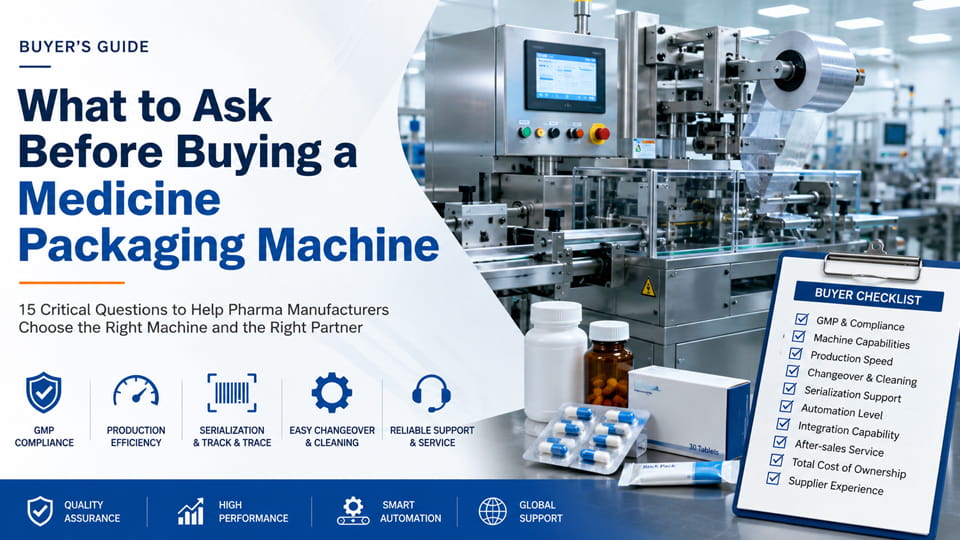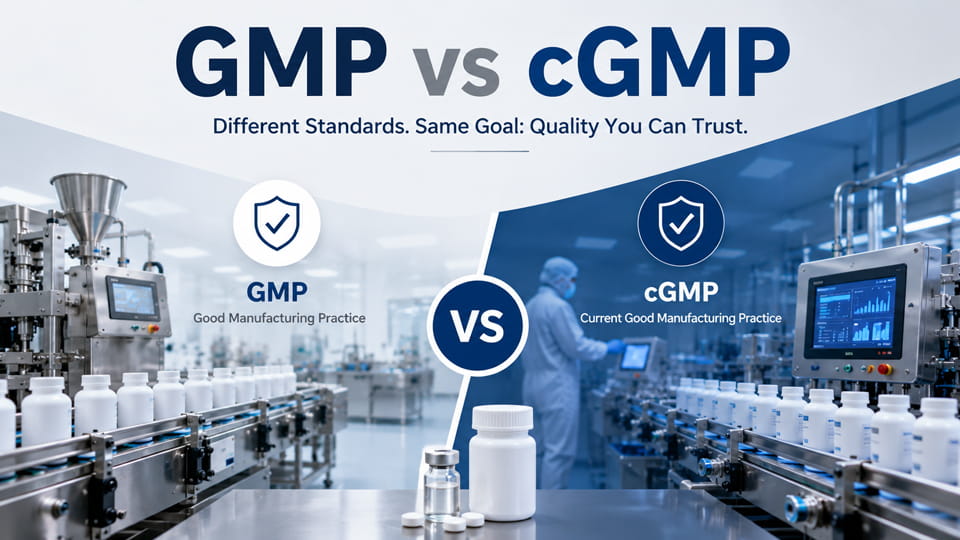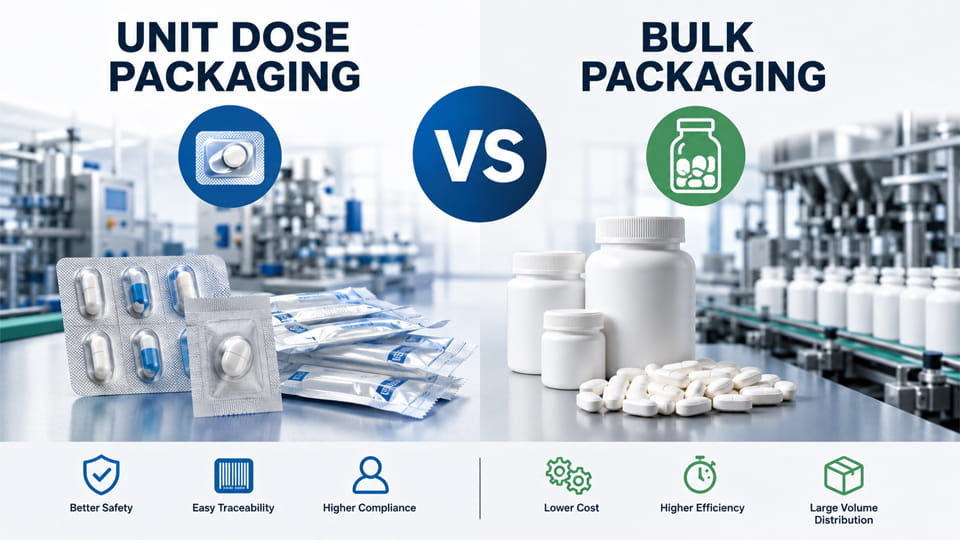

Doğruyu seçmek kabarcık paketleme makinesi ilaç üreticileri için kritik bir karar. Tabletler ve kapsüllerin boyutları farklıdır, şekil, ve hassasiyet, bu da onları paketleyen makinelerin de farklı olması gerektiği anlamına gelir. Bu kılavuz, tablet kabarcıklı makineler ile kapsüllü kabarcıklı makineler arasındaki temel farkları açıklamaktadır, Kavite geometrisi ve besleyicilerden üretim hızı ve mevzuat uyumluluğuna kadar her şeyi kapsar. Termoform ile soğuk şekillendirme ve düz plaka ile döner sistemleri karşılaştırıyoruz, dikkate alınması gereken en önemli faktörleri ana hatlarıyla belirtin, ve yanlış makine seçiminde karşılaşılan yaygın tuzaklara dikkat çekin. Sonunda, İster fırçayla beslemeli bir tablet hattına, ister yönlendirme besleyicili tam otomatik bir kapsül hattına ihtiyacınız olsun, tam olarak neye bakmanız gerektiğini anlayacaksınız, böylece bilinçli bir satın alma kararı verebilirsiniz.
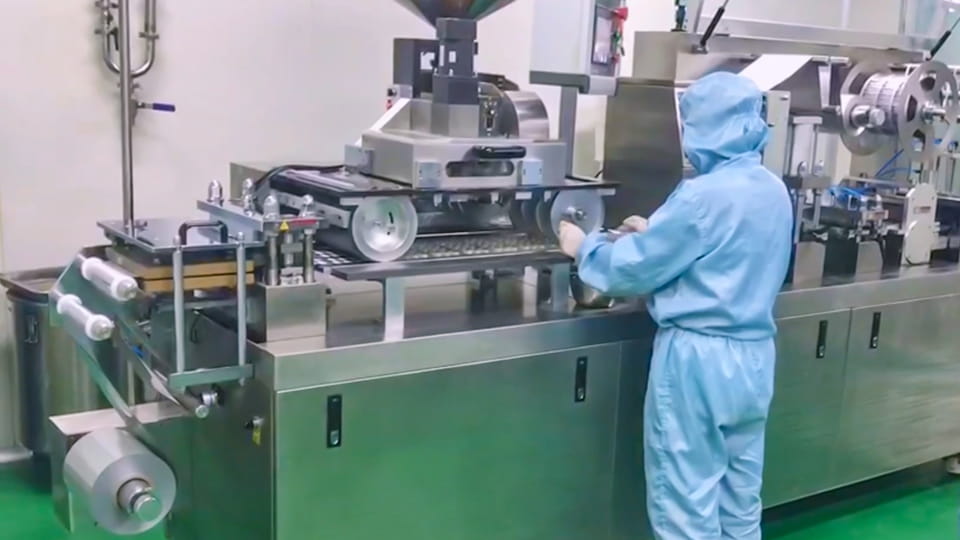
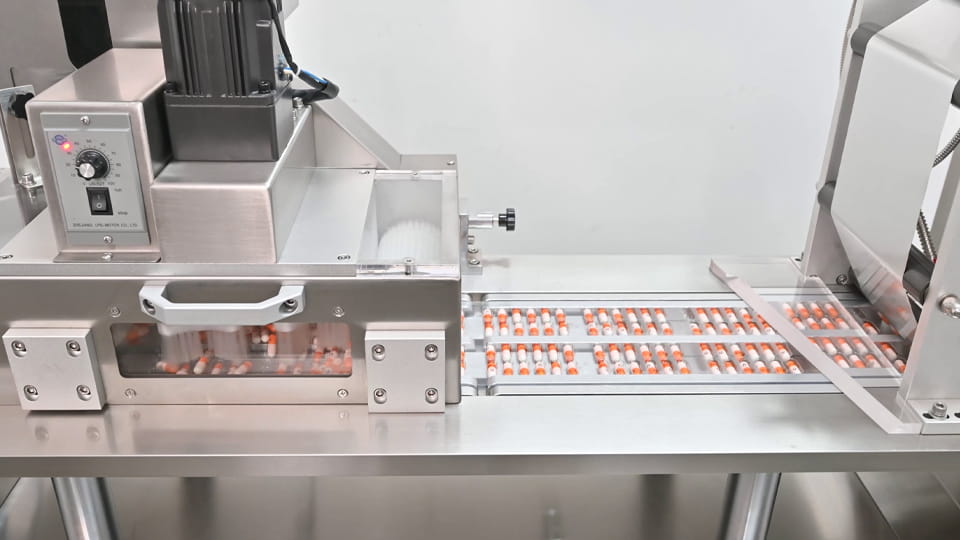
Figür: GMP temiz odasında modern bir tablet/kapsül kabarcıklı paketleme hattı. Blister makineleri şekillendirmeyi otomatikleştirir, doldurma, sızdırmazlık, ve birim doz ambalajı oluşturmak için PVC veya alüminyum filmin kesilmesi.
Blister ambalaj makineleri, bireysel boşluklar oluşturan özel ekipmanlardır (kabarcıklar) plastik veya alüminyum filmden, onları ürünle doldurun, ve sonra bunları folyoyla kapatın. Dört temel adımı gerçekleştirirler:şekillendirme, doldurma, sızdırmazlık, ve kesme—düzenli üretmek, kurcalanmaya karşı korumalı paketler. Bu makineler eczacılığın her yerinde mevcuttur: onları tabletleri paketlerken bulacaksınız, kapsüller, ve hatta e-sigaralar ve küçük sarf malzemeleri. Yüksek kaliteli bir kabarcıklı paketleme makinesi, her üniteyi hassas bir şekilde kapatarak ürün güvenliği ve raf ömrü sağlar, sıkı GMP/FDA standartlarıyla uyumluyken.
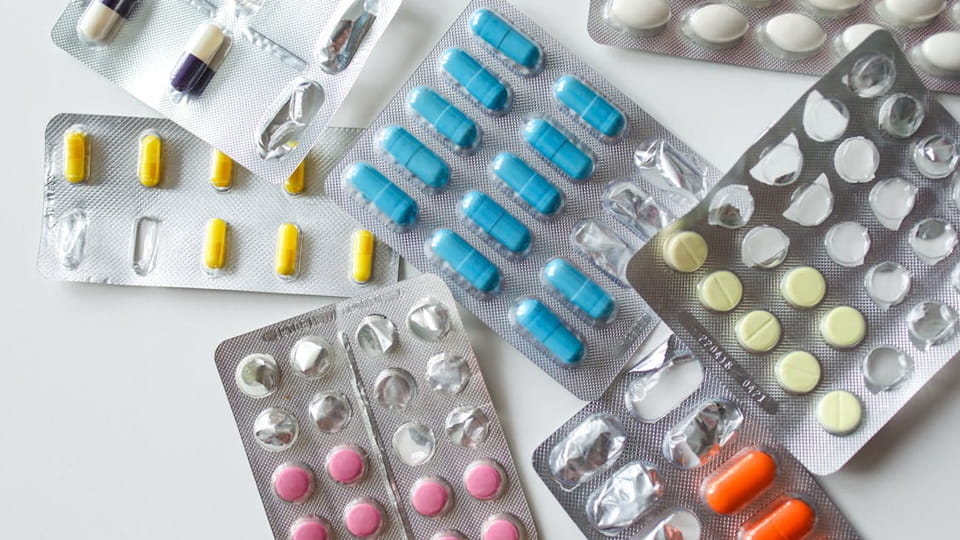
Tablet ve kapsül blister serileri aynı temel mimariyi paylaşıyor, ama detaylar farklı. Cep (boşluk) Yuvarlak bir tabletin geometrisi uzun bir tabletin geometrisinden çok farklıdır., iki parçalı kapsül, ve besleme/yönlendirme sistemi eşleşmelidir. Örneğin, standart 10 mm'lik yuvarlak bir tabletin yalnızca sığ bir yüzeye ihtiyacı vardır, dairesel cep, bir süre 0# (21.7 mm) sert jelatin kapsül derin gerektirir, uzatılmış oval boşluk. Sonuç olarak, bir kapsül kabarcık hattı genellikle kapsülleri doğru şekilde hizalamak için bir "yönlendirme besleyicisi" içerir (baştan sona) dolum istasyonuna girmeden önce. Kapsüller takla atabilir veya ters dönebilir, yani bir kapsül döndüren besleyici genellikle her kapsülü tek tip bir konuma çevirmek için kullanılır. Buna karşılık, tabletlerin beslenmesi daha kolaydır fırça besleyici veya titreşimli plaka, çoğu tablet simetrik olduğundan ve dairesel ceplere rastgele beslenebildiğinden.
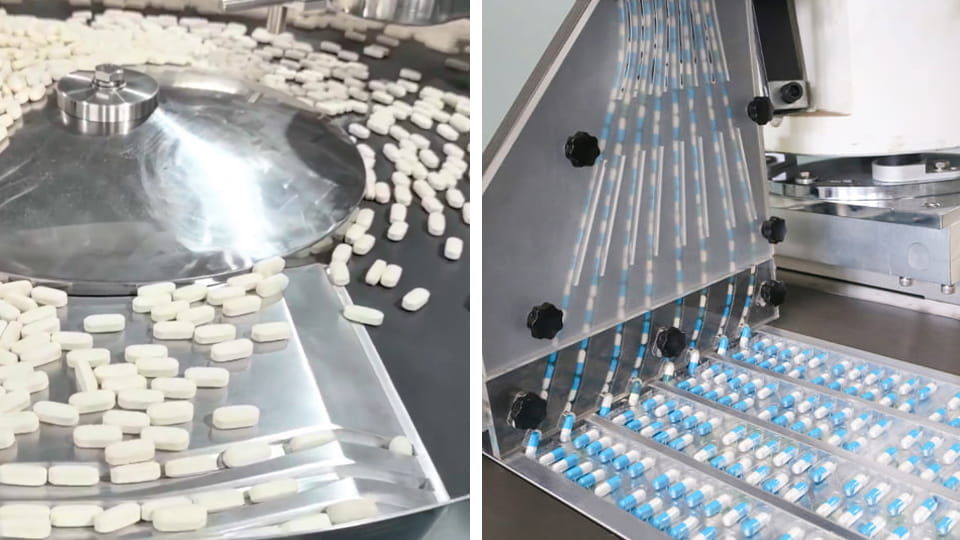
Figür: Kapsüller için kabarcıklı çizgiler. Tablet boşlukları (dairesel) vs kapsül boşlukları (uzatılmış oval) farklı besleyici tasarımlarını ve şekillendirme koşullarını dikte edin.
A kabarcık paketleme makinesi birim doz paketlemeyi otomatikleştiren bir farmasötik ekipman parçasıdır. Boşluklar oluşturur (kabarcıklar) plastik veya alüminyum ağda, onları ürünle doldurur, daha sonra bunları folyo veya kağıt desteğiyle kapatır. Eczacılıkta, şekillendirme filmi tipik olarak PVC/PVDC veya alüminyum (soğuk form için), ve kapağı alüminyum folyodur. Temel dizi şu şekildedir:: film çözme → şekillendirme istasyonu → doldurma/besleme istasyonu → kapatma istasyonu → delme/kesme.
[jl_youtube src=”https://www.youtube.com/embed/hC-yo-ToX6s”]
Bu işlem, mühürlü kabarcıklı paketler sağlar. kurcalanmaya açık, hijyenik, ve hastaların kullanımı kolay. İyi bir kabarcıklı paketleme makinesi, tutarlı şekillendirme ve kapatma kalitesi sağlar, Boş cepleri veya yanlış doldurulmuş birimleri tespit etmek ve reddetmek için sıklıkla görüntü sistemlerini entegre ediyoruz.
Her ne kadar tablet ve kapsül hatları ilk bakışta benzer görünse de, onların temel farklar herhangi bir makinede ayarlama yapmadan ürünleri kolayca değiştiremeyeceğiniz anlamına gelir. Üç ana donanım farkı şunlardır:: cep şekli (kalıp geometrisi), besleyici/yönelim, ve mantığı reddet.
Bunları yanlış yapmak üretimi mahvedebilir: yanlış cep şekli conta arızalarına veya deforme olmuş kabarcıklara yol açar, ve besleme hataları hurdaya veya hatırlamak. Jinlupacking'in belirttiği gibi, “takım geometrisi, besleme mekanizması, ve reddetme mantığı, elde edip edemeyeceğinizi belirleyen şeydir. 98.5% verimlilik veya 84% Üretimin ilk haftasında verimlilik”.
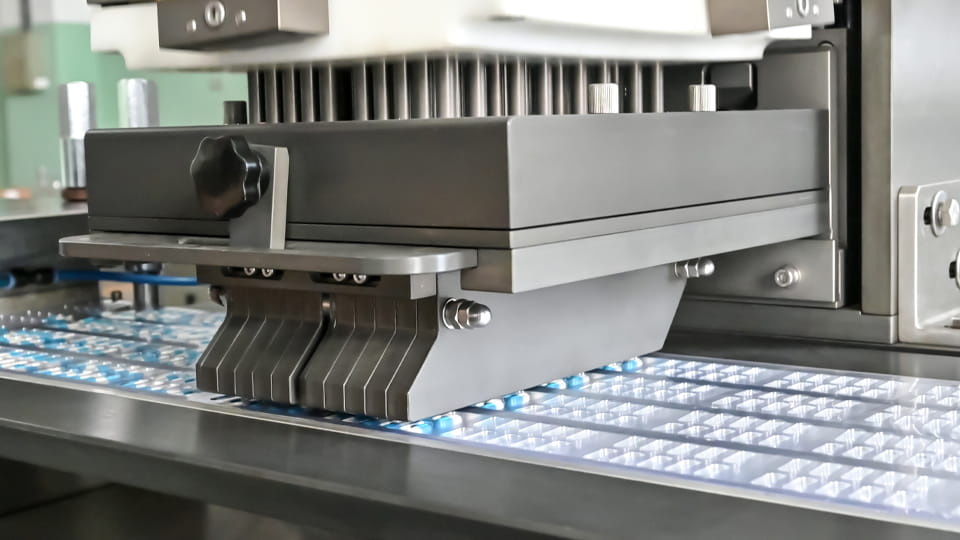
Hızlı bir referansla özetlemek gerekirse, işte nasıl tipik bir tablet kabarcık makinesi bir ile karşılaştırır kapsül kabarcık makinesi:
| Özellik | Tablet Blister Makinası | Kapsül Blister Makinası |
| Boşluk Şekli | Dairesel veya sığ oval (düz tabanlı) | Uzatılmış oval (daha derin çekme) |
| Tipik Boşluk Derinliği | ~4–8 mm | ~9–14 mm |
| Şekillendirme Malzemesi | PVC/PVDC veya PET (termoform için) | Genellikle PVC/PVDC veya alüminyum (ısıyla şekillendirme veya soğuk şekillendirme için) |
| Şekillendirme Sıcaklığı | ~120–140 °C (PVC) | ~145–165 °C (PVC; veya soğuk biçimli Alu-Alu için ısı yok) |
| Besleme Sistemi | Fırça besleyici veya titreşimli plaka (yönelimsiz) | Yönlendirme besleyici (yerçekimi oluğu, kılavuz rayları, veya yörünge) |
| Ürün Yönelimi | rastgele (simetrik tabletler) | Baştan sona sabit (kapsüller aynı yöne bakmalıdır) |
| Görme/Reddetme Mantığı | Boş/kırık tabletleri tespit et | Eksikliği tespit et, ters çevrilmiş, veya çapraz yüklü kapsüller |
| Hız Verimliliği | Tipik olarak daha yüksek (daha basit dolgu) | Biraz daha düşük (oryantasyon adımları nedeniyle) |
| Geçiş Maliyeti | Daha düşük (basit düz kalıplar) | Daha yüksek (kapsül şekli için karmaşık kalıplar) |
| Riskle Başa Çıkmak | Düşük (tabletler sağlamdır) | Daha yüksek (kapsüller bölünebilir veya ayrılabilir) |
Anahtar paket servisi: Tablet makineleri basit düz kalıplar ve standart besleyiciler kullanın, sırasında kapsül makineleri sıklıkla yönlendirme olukları veya döner besleyiciler ve daha derin kalıplar eklenir. Birçok üst düzey makine (Jinlu'nun modelleri gibi) her ikisini de idare edecek şekilde üretilmiştir, ancak bunun için doğrulanmış takım/kalıp değişimi ve bazen de otomatik besleyici değişimi gerekir. Makine gerçekten çift amaçlıysa, besleyici sistemi her iki modu da desteklemelidir (örneğin. tabletler için devre dışı bırakılabilen ayarlanabilir bir kılavuz rayı).
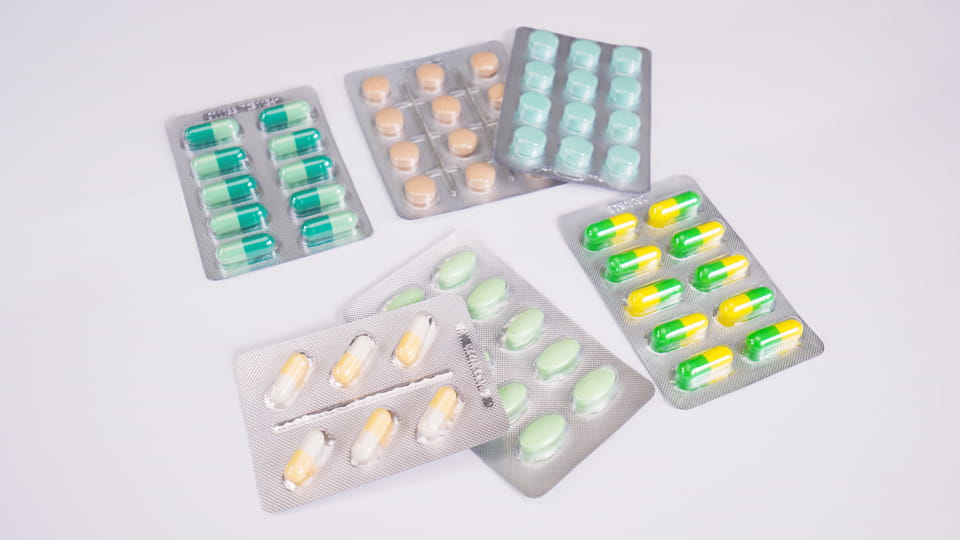
Paketleme hattınızı planlarken, dikkate almak şekillendirme teknolojisi (termoform vs soğuk şekillendirme) Ve makine tarzı (düz plaka vs döner):
Hangisi Ne Zaman Kullanılmalı: Seçmek ısıyla şekillendirme Ürünleriniz neme dayanıklıysa ve hıza ve görünürlüğe ihtiyacınız varsa (örneğin. OTC tabletler, takviyeler). Seçmek soğuk biçimli (Tüm zamanlar) İlaçlarınız oksijene/neme duyarlıysa veya çok uzun raf ömrü gerektiriyorsa. Bazı hatlar hibrit yaklaşımlar kullanıyor (Alu kapaklı veya PVDC kaplamalı termoform film) Maliyeti ve bariyeri dengelemek için.
Blister makineleri ayrıca iki ana mekanik formatta mevcuttur:
Hangisini Seçmeli? Çok sayıda farklı SKU üretiyorsanız veya derin çekme işlemine ihtiyacınız varsa (Alu-Alu gibi), A düz plaka makine genellikle en iyisidir. Tek bir üründen çok büyük partiler çalıştırıyorsanız (örneğin. ayda milyonlarca kabarcıklı paket), A döner makine verim açısından karşılığını verir. Örneğin, Jinlu'nun DPP-180Pro düz plakalı bir modeldir (maksimum ~4.800 tabak/saat) esneklik açısından iyi, iken DPH-270Max döner model vurabilir 11,200 Yüksek hızlı toplu çıktı için kabarcık/saat.
| Özellik | Düz Plaka Makinası | Döner Makine |
| Şekillendirme Stili | aralıklı (plaka her döngüde pres yapar) | Sürekli (dönen tambur) |
| Maksimum. Hız | Ilıman (onlarca ila ~100 kesim/dakika) | Çok yüksek (sıklıkla 180+ kesim/dakika) |
| En İyisi | Küçük/orta partiler; derin çekme (Tüm zamanlar) paketler | Yüksek hacimli Alu-PVC paketleri (seri üretim) |
| Kalıp Maliyeti | Daha düşük (Düz plakalar daha ucuzdur) | Daha yüksek (hassas silindirik kalıplar) |
| Geçiş Süresi | Hızlı (kalıp değişimi daha kolaydır) | Yavaş (hizalama ve değiştirme karmaşıktır) |
| Çıkış Başına Ayak İzi | Daha büyük (aynı çıktı için birden fazla makineye ihtiyaç var) | Daha kompakt (bir makine birçok düz plakaya eşittir) |
Blister paketleme hattını seçerken, En iyi uyumu sağlamak ve daha sonra maliyetli hatalardan kaçınmak için bu yedi faktöre odaklanın:
Her faktörü dikkatle değerlendirerek, ortak bir tuzaktan kaçınacaksınız: Bugünün ihtiyaçlarına uyan ancak yarının ihtiyaçlarını karşılayamayan daha ucuz bir makine satın almak (Örneğin, yeni kapsül SKU'ları için besleyicinin bulunmaması veya daha yüksek hızlar için tamamen değiştirilmesinin gerekli olması).
Blister makinesi seçmek karmaşık bir iştir, yüksek riskli karar. Tedarik ekipleri sıklıkla bu hataları yapıyor:
Bu hatalardan ders alarak, yalnızca teknik özellik kutularını işaretlemek yerine değere ve uzun vadeli performansa öncelik verebilirsiniz.
Çoğunlukla Tablet Üretiyorsanız:
Çoğunlukla Kapsül Üretiyorsanız:
Her İkisini de Yaparsanız:
Tüm kabarcıklı paketleme makineleri eşit yaratılmamıştır. Farmasötik ihtiyaçları anlayan ve güçlü destek sunan bir tedarikçi istiyorsunuz. Jinlu Paketleme, örneğin, öne çıkanlar:
Saygın bir üreticiyi seçmek neredeyse makinenin özellikleri kadar önemlidir. Doğrulama belgelerini yayınlayanları arayın, eğitim teklif et, ve ilaç tesisleri konusunda bir geçmiş performansa sahip olmak.
Doğru kabarcıklı paketleme makinesini seçmek stratejik bir karardır. Dikkatlice eşleştirerek makine tipi senin ürün (tabletler vs kapsüller) Ve üretim ihtiyaçları, verimliliği ve kaliteyi en üst düzeye çıkarabilirsiniz. Besleyici tasarımını dikkate almayı unutmayın, makine formatı, Malzeme uyumluluğu, ve düzenleyici uyumluluk. Bu ayrıntıları atlamak, aksama süresine ve ürünün hurdaya ayrılmasına neden olabilir. Yerine, alıcının kontrol listesi yaklaşımını takip edin: gereksinimlerinizi tanımlayın, her makineyi onlara karşı doğrulayın, ve güvendiğiniz bir tedarikçiyle iletişime geçin (Sağlam garantiler ve destekle).
Doğru seçmek Blister Ambalaj Makinası mesele sadece ekipmanla ilgili değil, istikrarlı üretimin sağlanmasıyla da ilgili, ürün kalitesi, ve uzun vadeli yatırım getirisi.İlaç paketleme hattınızı yükseltmeyi planlıyorsanız veya hâlâ tablet ve kapsül seçeneklerini karşılaştırıyorsanız, şimdi harekete geçmenin tam zamanı.
👉 Bugün Jinlu Packaging'deki ekibimizle konuşun
👉 Ürününüze ve kapasitenize göre özelleştirilmiş bir çözüm edinin
👉 Fiyat teklifi veya teknik danışmanlık isteyin — zorunluluk yok
Doğru kabarcıklı paketleme makinesini yalnızca kağıt üzerinde belirtilen özelliklerle değil, gerçek üretim ihtiyaçlarınızla eşleştirmenize yardımcı olacağız.
muhtemelen, ancak makinenin tasarımına bağlıdır. Gerçekten çift formatlı bir kabarcık makinesinin değiştirilebilir takımlara sahip olması gerekir (kalıp setleri) ve hem rastgele tablet beslemesi hem de yönlendirilmiş kapsül beslemesi yapabilen bir besleme sistemi. Pratikte, bu ekstra maliyet anlamına gelir (özel kalıp takımı ve kapsül yönlendirme besleyicisi). Karışık üretim ara sıra ise, değiştirme kitlerine sahip tek bir makine çalışabilir, ancak sık sık geçişler için, özel makineler daha pratik olabilir.
Yüksek derecede neme duyarlı veya ışığa duyarlı ilaçlar için, soğuk biçimli (Tüm zamanlar) kabarcıklı ambalajlar tercih edilir. Komple alüminyum laminat neredeyse geçirimsiz bir bariyer sağlar, raf ömrünü uzatmak. Makinenin soğuk şekillendirmeyi desteklemesi gerektiğini unutmayın (yüksek basınç, ısı yok). Hız ve görünürlük gerekiyorsa, bazıları hibrit paketler kullanıyor (alüminyum veya PVDC kaplamalı termoform boşluklar) ara koruma için.
Termoform (PVC/PET) neme aşırı derecede duyarlı olmayan çoğu tablet için işe yarar. Hızlı üretim ve netlik sunar, denetlenebilir paketler. Fakat, ıslak granülasyonlu veya higroskopik içerikli tabletler için, PVDC kaplı filme ihtiyacınız olabilir veya soğuk forma geçebilirsiniz. Ayrıca, bazı malzemeler (retinoidler gibi) PVC ile etkileşime girebilir, bu nedenle uyumluluk testi akıllıca olacaktır.
Kapsül hatları genellikle yönlendirme besleyicilerini kullanır. Yaygın türler arasında kılavuz raylı besleyiciler bulunur, yerçekimi olukları, veya kapsül döndürme cihazları. Amaç, her kapsülü kafa üstü boşluğa sunmaktır. Jinlu ve diğerleri bunu başarmak için yörüngesel besleyiciler veya titreşimli kanallar sunuyor. Besleyicilerin kapsül boyutunuzu ve şeklinizi işleyebileceğini daima tedarikçinizle görüşün..
• Beslemeyi Optimize Edin: Sorunsuz olduğundan emin olun, sıkışmasız besleme. Uygun çalkalama veya yönlendirmeye sahip, iyi tasarlanmış bir besleyici, kesintileri azaltır
• Hız ve Kararlılık: Çalışma hızını ürün toleranslarıyla eşleştirin. Maksimum hızdan daha yavaş koşmak, reddedilenleri ve aksama süresini azaltabilir.
• Geçiş Azaltma: Mümkünse kabarcık boyutlarını standartlaştırın. Hızlı değiştirme sistemlerini kullanın (Jinlu'nun 15 dakikalık kalıp değişimi gibi).
• Önleyici Bakım: Ekipmanı kalibre edilmiş halde tutun (sıcaklık, basınç) ve temiz. Görüş sistemleri düzenli olarak kontrol edilmeli ve temizlenmelidir.
• Operatör Eğitimi: Nüansları anlayan yetenekli operatörler (Örn., besleme düzeltmeleri, kalıp ayarı) paha biçilemez.
• Düzen Entegrasyonu: Malzeme akışını kolaylaştırın. Tablet baskı makinelerine ve kartonlama makinelerine otomatik bağlantılar, boşta kalma süresini kısaltır.
• Veri İzleme: Trendleri tespit etmek için PLC verilerini kullanın (sıcaklık aşımları, ani artışları reddet) ve bunları erkenden düzeltin.
Bu faktörlere değinerek, Blister hattınızda verimi ve çalışma süresini en üst düzeye çıkarırsınız.
Referanslar:
1.Blister paket —— Vikipedi
2.Blister Ambalaj Makinası Hakkında Tam Bir Kılavuz ——farmasötik-tech.com
3.Katı formdaki farmasötikler için kabarcıklı ambalaj tasarımını optimize etme —— ScienceDirect
4.Farmasötik kabarcıklı ambalaj, bölüm II: Makine ve montaj —— ResearchGate
5.Şekil Şablonu Eşleştirmesine Dayalı İlaç Blister Ambalajında Kusur Tespiti —— ResearchGate