İlaç Endüstrisinde Ambalaj Validasyonu Nedir?? İlaç Üreticileri İçin Tam Bir Kılavuz
İlaç Endüstrisinde Ambalaj Validasyonu Nedir?? İlaç Üreticileri İçin Tam Bir Kılavuz
Nisan 29, 2026
Yorum yok
İlaç endüstrisinde, ambalaj doğrulama kritik bir alt kümesidir süreç doğrulama Paketleme ekipmanı ve süreçlerinin ilaç ürünü kalitesini sürekli olarak korumasını sağlamaya odaklandı. Belgelenmiş bir yeterlilik programını içerir (Kurulum, Operasyonel, Performans) ve test etme (örneğin. konteyner kapatma bütünlüğü, istikrar, taşıma) paketleme sistemlerinin GMP koşullarında amaçlandığı gibi performans gösterdiğini kanıtlamak. Etkili ambalaj doğrulaması hasta güvenliğini korur (kirlenmeyi önleyerek, bozulma veya karışıklıklar) ve mevzuata uygunluğu sağlar (FDA, Ema, DSÖ, BEN, ISO). Bu kılavuzda şunlar açıklanmaktadır: tanım, adımlar, testler, standartlar, Ve en iyi uygulamalar farmasötik ambalaj doğrulaması için, ve otomatik ekipmanın nasıl olduğunu gösterir (beğenmek Jinlu Packaging'in makineleri) bu sıkı gereklilikleri karşılamak üzere tasarlanmıştır.
Ambalaj Validasyonunun Tanımı
İlaç sektöründe ambalaj validasyonu belgelenmiş kanıtlarla göstermek yani paketleme süreci (ekipman ve malzemeler) ilaç ürününü koruyan bir paketi güvenilir bir şekilde üretir. Pratikte, üretimde kullanılan aynı sıkı doğrulama konseptlerini uygular (IR/WH/PQ) ile öncelik, ikincil, ve üçüncül paketleme operasyonlar. DSÖ'nün GMP rehberliğine göre, "Paketleme süreçleri ve ekipmanı, bir farmasötik tesisteki diğer işlemlerle aynı şekilde doğrulamaya/niteliğe ihtiyaç duyar.". Başka bir deyişle, ambalaj doğrulaması şunları sağlar: konteyner kapatma sistemi, etiketleme, ve paketleme hatları Kalite spesifikasyonlarını ve mevzuat gerekliliklerini sürekli olarak karşılayın. Amaç ilacın gücünü korumak, Ambalaj yoluyla saflık ve stabilite, dağıtım ve raf ömrü, karışıklıkları önlerken, sahteler, veya hasar.
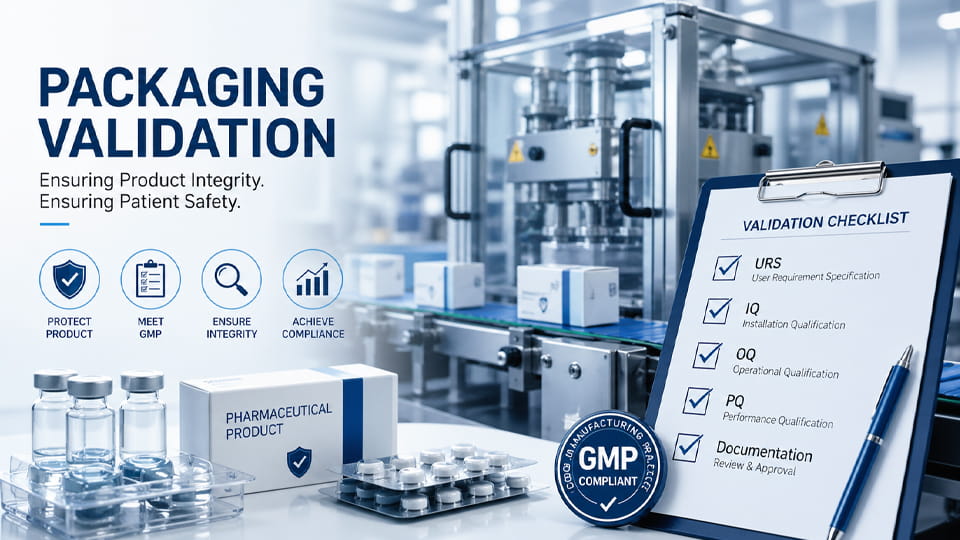
Ambalaj doğrulamasında tipik teslimatlar şunları içerir: Kullanıcı Gereksinimleri Belirtimi (URS) (tasarım & kalite kriterleri), Kurulum/İşletme/Performans Yeterlilik protokolleri, ve kayıtların test edilmesi. Doğrulama süreci şunları kapsar::
Birincil paketleme (ilaçla doğrudan temas eden kap veya bariyer, örneğin. flakon, kabarcık boşlukları, poşetler)
Üçüncül paketleme (toplu nakliye konteynerleri, paletler, nakliye için soğuk zincir ambalajlama)
Her seviye ürünü korumalıdır. Örneğin, Avustralya TGA'sı tanımlar “birincil ambalaj” (malları hemen kaplayan konteyner) ve ayırt eder ikincil paketleme dış kutu veya ambalaj olarak. Nihayetinde, ambalaj doğrulaması GMP ile bağlantılıdır; kaplar ve kapaklar ilacı değiştirmez Ve “dış etkenlere karşı yeterli korumayı sağlamak” depolama ve kullanım sırasında.
İlaç Sektöründe Ambalaj Validasyonu Neden Kritiktir?
İlaç ambalajı ilaç kalitesi için son savunmadır. Paketleme süreçlerinin doğrulanması hayati öneme sahiptir çünkü:
Ürün Güvenliğini ve Bütünlüğünü Sağlar: Doğru şekilde doğrulanmış ambalaj kontaminasyonu önler, nem girişi, veya aktif bileşenleri bozabilecek oksijene maruz kalma. Örneğin, sızıntılar veya conta arızaları mikropların veya gazların içeri girmesine neden olabilir, kısırlığın veya gücün bozulması.
Mevzuata Uygunluk: Acenteler (FDA, EMA/ben, DSÖ) doğrulanmış ambalaj gerektirir. BİZ. FDA'lar 21 CFR 211.94 ilacın kalitesini değiştiren kapatmaları yasaklıyor ve kapatmaları zorunlu kılıyor “öngörülebilir dış etkenlere karşı yeterli koruma sağlamak”. AB GMP Eki 1 aynı şekilde ısrar ediyor “konteynerler uygun şekilde valide edilmiş yöntemlerle kapatılmalıdır” (ile 100% Füzyonla kapatılmış ürünler için bütünlük testi). DSÖ, ambalajlama sistemlerinin de diğer GMP süreçleri gibi nitelikli olması gerektiğini açıkça belirtiyor. Uyumsuzluk şu anlama gelebilir: hatırlatır, reddedilenleri içe aktarın veya alıntıları denetleyin.
Raf Ömrünü Uzatır: Stabilite koşulları altında doğrulanan ambalaj malzemeleri ve mühürler, raf ömrü iddialarının doğru belirlenmesine yardımcı olur. ICH Q1A kılavuzunda stabilite çalışmalarının yapılması bile belirtilmektedir. “konteyner kapatma sistemi” Ürün için önerilen. Paketleme başarısız olursa, kararlılık verileri geçersiz.
Serileştirme ve Sahteciliği Önleme: Modern ilaç ambalajları genellikle serileştirmeyi içerir, kurcalanmaya karşı korumalı mühürler, ve sahteciliğe karşı koruma özellikleri. Bu özellikleri doğrulama (örneğin. barkodların taranabilirliği, kurcalama bantlarının bütünlüğü) tedarik zincirinin güvence altına alınmasına yardımcı olur. Etiketleme veya serileştirmedeki bir hata ürünün piyasaya sürülmesini engelleyebilir.
Kalite ve Maliyet Verimliliği: Verimli doğrulanmış hatlar kusurları azaltır (yanlış doldurmalar, etiket hataları, ezilmiş kartonlar) ve hurda. Otomatik denetimler (Mühür/etiket kontrolü için görüş sistemleri) genellikle doğrulanmış kontrollerin bir parçasıdır. Etraflı, Doğrulanmış paketleme süreçleri hasta riskini en aza indirir ve etkili ürünlerin tutarlı bir şekilde tedarik edilmesini sağlar., otantik ilaçlar.
Doğrulama için Temel Sürücüler
Hasta Güvenliği: Yanlış paketleme hastalara zarar verebilir (örneğin. kontamine enjekte edilebilir maddeler). Doğrulama güvenlik bariyerini belgeler.
Düzenleyici Risk Azaltımı: Doğrulanmamış süreçler geri çağırma veya yaptırım açısından yüksek risk taşır. Düzenleyiciler her üretim hattı için yeterlilik verileri bekliyor.
Küresel Dağıtım: Uluslararası standartları karşılamak (FDA/EMA/WHO) pazarlarda doğrulanmış ambalajlama gerektirir.
İş Sürekliliği: Dağıtım atık ürün ve zamanında paketleme hataları. Doğrulama şunları sağlar: “ilk seferde doğru” GMP kapsamında operasyon.
Denetime Hazırlık: Kalite Otoriteleri veya müşteri düzenleyicileri tarafından yapılan denetimler, GMP denetimlerinin bir parçası olarak ambalaj doğrulama kayıtlarını ve ekipman niteliklerini inceleyecektir..
Farmasötik Ambalaj Validasyonunun Kapsamı
Paketleme doğrulaması tüm paketleme aşamalarını ele alır. Tipik olarak, ayırt ederiz:
Birincil Ambalaj Doğrulaması: Konteynerin kapatılmasına odaklanılıyor (flakon, ampuller, kabarcık boşlukları, şişeler). Testler mühür bütünlüğünü içerir, Malzeme uyumluluğu (ekstrakte edilebilir/sızıntı yapılabilir maddeler) ve konteyner kapatma performansı. Steril ürünler için, konteyner kapatma bütünlüğü testleri (CCIT) Sterilitenin korunmasını sağlamak zorunludur.
İkincil Ambalaj Doğrulaması: Hemen dış paketi kapsar (kartonlar, etiketler, broşürler, kurutucular). Buna etiketin okunabilirliği/doğruluğu kontrolleri de dahildir, karton düşme testleri, ve kutu sıkıştırma testleri (ulaşım için). Etiket doğrulaması, doğru hasta bilgilerinin tutarlı bir şekilde uygulanmasını sağlar.
Üçüncül Paketleme Doğrulaması: Toplu/nakliye ambalajını içerir. Burada, titreşim gibi performans testleri, düşürmek, ve termal bisiklet (soğuk zincir) Paletlerin ve nakliye kartonlarının dağıtım sırasında ürün bütünlüğünü ve etiketlemeyi koruduğunu doğrulamak için nakliye streslerini simüle edin. ASTM D4169 gibi standart protokoller (ulaşım simülasyonu) sıklıkla kullanılır.
Her seviye risk değerlendirmesi ve uygun testleri gerektirir: Örneğin, öncelik paketleme USP'yi içerebilir <1207>-stil bütünlüğü testleri, sırasında ikincil paketleme testleri karton mukavemetini ve etiket yapışmasını içerebilir, Ve üçüncül paketleme ISTA/ASTM test protokollerini kullanır. Hepsi doğrulama planında belgelenmelidir.
Ambalaj Doğrulama Sürecindeki Temel Adımlar
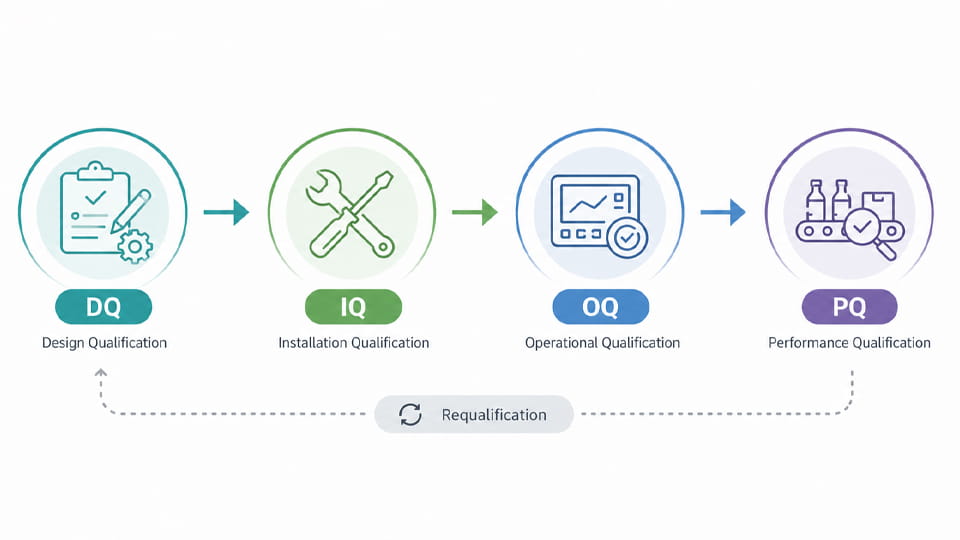
Paketleme doğrulaması genellikle ekipman/süreç kalifikasyon yaşam döngüsünü takip eder, sıklıkla şöyle tanımlanır DQ/IQ/OQ/PQ. Bu aşamalar, yeni veya değiştirilmiş paketleme hattının her aşamada gereksinimleri karşılamasını sağlar.
Tasarım Yeterliliği (DQ): Tasarımın URS'ye göre değerlendirildiği erken aşama (Kullanıcı Gereksinimleri Belirtimi) ve GMP yönergeleri. Tüm tasarım yönleri (makine fonksiyonları, malzemeler, temizlenebilirlik, ürün/ambalaj malzemeleriyle uyumluluk) incelendi. Belgeler URS'yi ve tasarım özelliklerini içerir (Fonksiyonel Tasarım Şartnamesi FDS, Donanım/Yazılım Tasarım Özellikleri). Genellikle bir risk değerlendirmesi (örneğin. DFMEA) paketleme arıza modlarını tahmin etmek için yapılır.
Kurulum Kalifikasyonu (IQ'su): Makinenin/hattın satıcı spesifikasyonlarına göre doğru şekilde kurulduğunu doğrular. IQ, doğru konumu doğrulayan kontrol listesini içerir, yardımcı programlar (güç, hava, su), çevresel koşullar, ve uygun montaj. Tüm bileşenler mevcut ve hasarsızdır. Ölçüm cihazlarının kalibrasyonu kontrol edilir. Teslimatlar: IQ protokolleri ve raporu, kalibrasyon sertifikaları.
Operasyonel Yeterlilik (OQ): Belirtilen tüm koşullar altında makinenin amaçlandığı şekilde çalıştığını doğrular. Kritik parametreler (hız aralıkları, sıcaklıklar, baskılar, vakum seviyeleri, tork, vesaire.) minimum/maksimum veya en kötü durum ayarlarında zorlanır. OQ'daki testler aşırı hızlarda sızdırmazlık içerebilir, sensör/alarm fonksiyonları, konveyör hızı değişiklikleri, etiketleme doğruluğu, doldurma pompası doğruluğu. OQ protokolü, her fonksiyonel testin kabul kriterlerini karşıladığını kaydeder.
Performans Kalifikasyonu (Güç kalitesi): Normal üretim koşulları altında olduğunu gösterir, Bu hat sürekli olarak kalite özelliklerini karşılayan ürünler üretir. PQ, gerçek üretim miktarları/partileri üzerinden yapılır. Hattın belirli bir süre veya miktar boyunca çalıştırılmasını ve çıktının örneklenmesini içerir. Tipik aktiviteler: birden fazla kabarcıklı kartonun çalıştırılması, şişeler veya poşetler ve numuneler üzerinde kalite kontrol testlerinin yapılması (Örn., konteyner kapatma bütünlüğü (CCIT), ağırlık kontrolleri, görsel kusur muayenesi, mühür gücü). PQ, ürün kalitesini korurken hattın sürekli çalışabildiğini gösteriyor.
Aşağıdaki tablo DQ–IQ–OQ–PQ aşamalarını özetlemektedir:
Sahne
Amaç
Anahtar Belgeler
Örnek Etkinlikler/Testler
Tasarım Yeterliliği (DQ)
Paketleme sistemi tasarımının URS/GMP'ye uygun olduğunu doğrulayın
URS (gereksinimler spesifikasyonu), tasarım özellikleri (FDS/HDS/SDS), risk değerlendirmesi
Tasarım incelemesi, malzeme uyumluluk kontrolleri, DFMEA
Kurulum Kalifikasyonu (IQ'su)
Ekipmanın doğru kurulumunu onaylayın
IQ protokolü/kontrol listesi, kurulum günlüğü, kalibrasyon sertifikaları
Yardımcı programları doğrulayın, ekipman montajı, kalibrasyon
Test parametreleri (hız, sıcaklık, basınç); mühür kontrolleri
Performans Kalifikasyonu (Güç kalitesi)
Üretim çalışmaları sırasında tutarlı kaliteyi sağlayın
Güç Kalitesi protokolü, toplu kayıtlar, serbest bırakma kriterleri
Üretim çalışmaları; numune testi (CCIT, ağırlığı doldur, görsel muayene)
Diyagramın gösterdiği gibi, Ambalaj doğrulaması tasarımdan performansa kadar bir yaşam döngüsü sürecidir. Dikkat yeniden yeterlilik büyük değişikliklerden sonra veya periyodik olarak ihtiyaç duyulabilir.
Ambalaj Validasyonunda Temel Testler
Ambalaj validasyonu sırasında yaygın olarak çeşitli özel testler gerçekleştirilir:
Konteyner Kapatma Bütünlüğü Testi (CCIT)
CCIT, steril ve hatta steril olmayan ürünler için gereklidir. Konteyner kapatma sisteminin olup olmadığını değerlendirir. (örneğin. flakon + tıpa + kapak, ampul, kabarcıklı mühür) mükemmel bir bariyer oluşturur. Yöntemler arasında vakum bozunması yer alır, basınç düşüşü, boya girişi, veya mikrobiyal mücadele. Sektörden bir kaynağın açıkladığı gibi, “Konteyner Kapatma Bütünlüğü Testi (CCIT) potansiyel kirletici maddelere karşı steril bir bariyeri korumak için kap kapatma sistemlerinin yeterliliğini değerlendiren bir testtir.". Düzenleyici belgeler (USP <1207>, FDA, EMA Eki 1) Sızıntı veya ihlal olmadığından emin olmak için kapatma bütünlüğünün test edilmesinin vurgulanması. Örneğin, USP <1207> Mühürlü paketleri onaylamak için sızıntı testi yöntemlerinin seçilmesine ilişkin yönergeler sağlar.
Malzeme Uyumluluk Testi (Çıkarılabilirler/Süzülebilirler)
Ambalaj malzemeleri (plastik, kauçuklar, mürekkepler, yapıştırıcılar) ilaç ürünüyle olumsuz etkileşime girmemelidir. Ekstrakte edilebilirler ve süzülebilirler çalışmalar uzun vadeli teması simüle ediyor: Ekstrakte edilebilir maddeler, zorlu koşullar altında ambalajdan çıkarılan kimyasallardır., ve sızabilenler, normal koşullar altında ürüne gerçekten göç edenlerdir. Bu testler, ambalajın toksik veya stabiliteyi etkileyen yabancı maddeler içermemesini sağlar. Farmakope ve FDA rehberliği (örneğin. USP <661>, Q3E) Konteyner kapatma sistemleri için E/L testlerinin ana hatlarını çizin. Pratikte, polimerin olup olmadığı kontrol edilir, kaplamalar, ve etiket malzemeleri farmakope standartlarını karşılar (örneğin. USP cam tipi, ISO kauçuk kapatma özellikleri). DSÖ, kapatmalara ilişkin farmakope standartlarının (lastik tıpalar gibi) öyle “minimum gereksinimler” ve uygunluğu kanıtlamak için stabilite çalışmalarına vurgu yapar.
Ambalajlamada Stabilite Testi
ICH Q1A'ya göre, stabilite çalışmaları ilaç ürününde son ambalaj konfigürasyonunda yapılmalıdır. Doğrulama sırasında, ambalajın stabilite üzerindeki etkisi değerlendirildi: Örneğin, son ambalaj hızlandırılmış yaşlanmaya tabi tutulur (yüksek sıcaklık/nem) ve bozulma olmamasını sağlamak için gerçek zamanlı koşullar (örneğin. Blister ambalajlara nem girişi, şişelerde oksijen nüfuzu). Stabiliteyi gösteren analizler (kimyasal ve mikrobiyal) gerçekleştirilir. Ürünü stres altında koruyamayan ambalaj, raf ömrü iddialarını geçersiz kılar. Böylece, doğrulama, seçilen ambalajın raf ömrü gereksinimlerini karşıladığının onaylanmasını içerir (bu, düzenleyici stabilite protokolleriyle örtüşmektedir).
Taşıma ve Dağıtım Testleri
Üçüncül paketleme testler gerçek nakliye koşullarını simüle eder. Standart testler düşme yüksekliği testlerini içerir, titreşim (kamyon/demiryolu simülasyonu), sıkıştırma (istifleme ağırlığı), ve sıcaklık döngüsü (özellikle soğuk zincir için). Örneğin, ASTM D4169 (paketlenmiş ürünler için) veya ISTA protokolleri kullanılabilir. Sağlam bir ambalaj doğrulama planı, kartonların, kasalar ve kasalar taşıma sırasında birincil paketleri korur: kırılma olmadığının doğrulanması, etiket soyulması, veya dağıtım koşulları altında nem hasarı meydana gelir. Soğuk zincir için, sıcaklık haritalaması ve doğrulanmış yalıtımlı nakliyeciler, taşıma boyunca gerekli sıcaklık aralıklarını korumak için test edilir.
Düzenleyici Standartlar ve Yönergeler
Farmasötik ambalaj validasyonu birden fazla düzenleyici beklentiyi karşılamalıdır:
cGMP Düzenlemeleri: ABD'de, FDA'lar 21 CFR bölümü 211 (alt bölüm J) konteynerleri ve kapanışları yönetir. Bölüm 211.94(a-d) kapların/kapakların ilacın kalitesini değiştiremeyeceğini ve öngörülebilir kontaminasyona karşı koruma sağlaması gerektiğini belirtir.
AB GMP: Avrupa yönergeleri (EudraLex Cilt. 4) bunu gerektir “konteynerler uygun şekilde valide edilmiş yöntemlerle kapatılmalıdır” (Ek 1) ve paketleme süreçlerinin GMP'ye uygun olduğunu (Ek 15 doğrulamada). AB GMP Eki 11 bilgisayarlı sistem doğrulamasını zorunlu kılar (elektronik kontrollere sahip paketleme hatları dahil).
KİM GMP: DSÖ'nün Teknik Rapor Serisi 902 (Ek 9) paketleme ekipmanının diğer tüm işlem adımlarında olduğu gibi doğrulamaya ihtiyacı olduğunu açıkça belirtiyor. DSÖ aynı zamanda paket bütünlüğü konusunda da rehberlik sağlamaktadır. (EU/ICH'ye benzer).
ICH Yönergeleri: Her ne kadar ICH (S7, S8, S9, S10) Belirli bir ambalaj doğrulama belgesine sahip değilsiniz, Risk yönetimini zorunlu kılıyorlar (S9) ve tasarım gereği kalite (S8/S10) geçerli ilkeler. Örneğin, risk değerlendirmesi (ben S9) paketleme özelliklerini kapsamalıdır (kapatma tipi, etiket kontrolü) ürün CQA'larını etkileyen.
Standartlar: Steril ürünler için, ISO 11607 (terminal olarak sterilize edilmiş tıbbi cihaz ambalajı için) genellikle benzetme yoluyla kullanılır; Parça 2 ISO'nun 11607 şekillendirme/mühürleme işlemleri için doğrulama gereksinimlerini tanımlar, parenteral ilaç kabarcıklı paketleri veya ampulleri ile ilgili olan. Farmakopiler (USP, Doktora. Avro.) ayrıca paketleme testi bölümleri içerir (örneğin. USP <381> kauçuk kapatmalar için, <1207> sızıntı testi için).
Özetle, herhangi bir paketleme hattı ulusal farmakope ve bölgesel GMP standartlarına uygun olmalıdır. Uyumluluk kontrol listeleri genellikle FDA'dan alıntı yapar, AB GMP, DSÖ ve ilgili ISO standartları, ve sıklıkla ambalajlamayı kapsayan tamamen belgelenmiş SOP'lar ve doğrulama ana planları talep edilir.
Ambalaj Validasyonunda Sık Karşılaşılan Zorluklar
Ambalaj doğrulaması, üretim süreçleriyle karşılaştırıldığında benzersiz zorluklar ortaya çıkarır:
Veri Türü ve Örnekleme: Paketleme hattının başarısı genellikle şunlara göre belirlenir: ayrık sonuçlar (örneğin. mühür için başarılı/başarısız, göz yaşı) sürekli ölçümler yerine. Bir uzmanın belirttiği gibi, “Elde edilen veri türü…önemli bir zorluk yaratıyor. Başarı ya da başarısızlık genellikle kusurlarla belirlenir (göz yaşları, delikler, lekeler, veya contalar sızdırıyor)… Bu ölçülebilirlik eksikliği (değişken) Veriler genellikle bir paketleme işleminin istatistiksel olarak doğrulanması için çok büyük numune boyutları gerektirir.". Başka bir deyişle, güvenilirliği kanıtlamak için çok sayıda örneğe ihtiyacınız olabilir.
Teknoloji Çeşitliliği: Pek çok paketleme teknolojisi var (kabarcıklar, kartonlama makineleri, etiketleyiciler, kutu paketleyicileri, vesaire.) farklı tedarikçilerden. Her birinin farklı risk profilleri var, tek boyutlu doğrulama planını imkansız hale getirmek.
Kontrolü Değiştir: Paketleme hatlarında genellikle birçok ürün türü çalıştırılır (tabletler, sıvılar, tozlar) ve aynı ekipmandaki paket boyutları (parçaları veya formatları değiştirmeyi kullanma). Her değişiklik, doğrulama planında yeniden doğrulama veya basamaklama gerektirebilir. Bunu yönetmek (. doğrulama matrisi) karmaşık olabilir.
Çevre Kontrolleri: Bazı ambalajlar (örneğin. neme duyarlı ilaçların kabarcıklı ambalajı) kontrollü nem veya inert atmosfer gerektirir. Bu kontrollerin doğrulanması karmaşıklığı artırır.
Yukarı Akış Süreciyle Entegrasyon: Paketleme doğrulaması yukarı akış tutarlılığına bağlıdır. İlaç granüllerinin boyutu farklılık gösteriyorsa, paketleme makinesi değişimi etkilenebilir (örneğin. reçel doldur). Bu karşılıklı bağımlılık, paketleme hatalarının temel neden analizini karmaşıklaştırabilir.
Serileştirme/İzleme: Modern düzenlemeler (örneğin. DSCSA, AB Şap Hastalığı) serileştirme ve izlenebilirlik gerektirir. Otomatik hatların her birimi düzgün bir şekilde izlemesini sağlamak (ve bu veri yakalamanın doğrulanması) ekstra bir yeterlilik katmanı ekler (yazılım doğrulama, barkod tarayıcı testleri, veritabanı kontrolleri).
Düzenleyici Belirsizlik: Paradoksal olarak, yalnızca "ambalaj doğrulaması" konusunda sınırlı açık FDA/EMA kılavuzu bulunmaktadır,Bu nedenle şirketlerin paketlemeye yönelik genel GMP ve süreç doğrulama kılavuzlarını sıklıkla yorumlaması gerekir. Bu, tam kapsam veya gerekli testler hakkında belirsizliğe neden olabilir.
Bu zorluklara rağmen, temel prensip kalır: Ambalajlamaya diğer kritik süreçler gibi davranın, kapsamlı yeterlilik ve sağlam kalite kontrol kontrolleri ile. ISPE belgesi sonuçlandığında, ambalaj doğrulama “farklı(S) ilaç üretimi için kullanılan süreçlerin doğrulanmasından çok az şey.".
Farmasötik Ambalaj Validasyonu için En İyi Uygulamalar
Zorlukların üstesinden gelmek ve başarılı bir doğrulama sağlamak için, bu en iyi uygulamaları takip edin:
Erken Risk Değerlendirmesi: Kalite Risk Yönetimini Kullanın (ben S9) tasarım aşamasından. Kritik paketleme özelliklerini belirleyin (örneğin. kısırlık, kurcalama kanıtı, ışık koruması) ve testlere buna göre öncelik verin. Bir Arıza Modu & Etki Analizi (FMEA) Doğrulama kapsamını planlamak için DQ sırasında tavsiye edilir.
Kullanıcı Gereksinimleri Spesifikasyonu (URS): Tüm gereksinimleri önceden açıkça belgeleyin: üretim kapasitesi, paket formatları, entegrasyon noktaları (örneğin. bir kabarcık makinesinin bir kartonlama makinesine bağlanması), çevresel koşullar, temizlik gereksinimleri. İyi tanımlanmış bir URS, doğrulamanın yolunda gitmesini sağlar.
Standart İşletim Prosedürleri (Sopa): Ekipmanın çalışması için ayrıntılı SOP'ları koruyun, temizlik, değişim, ve bakım. Doğrulamada tutarlı kullanımı sağlamak için bu SOP'lara referans verilmelidir.
Otomatik Denetim ve Kontroller: Hat içi kalite kontrollerini dahil edin (örneğin. baskı/etiket denetimi için görsel denetim sistemleri, kontrol terazileri, barkod tarayıcılar, sızıntı dedektörleri). Bunlar yalnızca kalite güvence araçları değil aynı zamanda kusurları gerçek zamanlı olarak tespit ederek doğrulamanın bir parçasıdır..
Kapsamlı Dokümantasyon: Stratejinin ana hatlarını çizen bir doğrulama ana planı hazırlayın, ve tüm yeterlilik protokollerinin sağlanması (IR/WH/PQ) Açık kabul kriterlerine sahip olmak. Tüm çalıştırmaların ayrıntılı günlüklerini tutun, sapmalar, ve yeniden testler. Hiçbir şeyin gözden kaçırılmadığından emin olmak için kontrol listelerini kullanın.
Eğitim ve Personel: Operatörler ve kalite kontrol personeli hem ekipman hem de doğrulama prosedürleri konusunda eğitilmelidir. Doğrulama testlerini yalnızca kalifiye personel yürütmeli ve sonuçları kaydetmelidir.
Yazılım ve Elektronik Kayıtlar: Bilgisayarlı kontroller için, FDA'yı takip edin 21 CFR Bölüm 11/GMP Eki 11: yazılımı doğrula, denetim izleri, elektronik imzalar (güvenliği sağlamak, yedeklemeler). Steril olmayan paketleme hatlarında bile sıklıkla doğrulama gerektiren PLC'ler/HMI'lar bulunur.
Doğrulama için Tasarım: Mümkün olduğunda, Doğrulamayı kolaylaştıran özelliklere sahip makineleri seçin: örneğin. dijital kontrollere sahip servo sürücüler (kesin olarak, tekrarlanabilir parametreler), hijyenik paslanmaz çelik çerçeveler (kolay temizlik için), kolay değiştirilebilen parçalar (formatlar arasında temizleme çabasını azaltmak için), ve modüler tasarım (test gerektiren konfigürasyonların sayısını sınırlamak için).
Devam Eden Doğrulama: Ambalaj doğrulaması "bir kez ve yapılır" değildir. Periyodik inceleme veya yeniden doğrulama tetikleyicilerini uygulayın (örneğin. büyük bakımdan sonra, ekipman yükseltmeleri, veya önemli süreç sapması). İstatistiksel süreç kontrolünü kullanın (SPC) temel metrikler hakkında (dolum ağırlığı değişimi, kusur oranı) trendleri erken yakalamak.
Veri Bütünlüğü: ALCOA+ ilkelerini uygulayın: tüm doğrulama verileri (test kayıtları, Kalite kontrol raporları, kalibrasyonlar) atfedilebilir olmalı, okunaklı, çağdaş, orijinal, ve doğru. Ciltli not defterleri veya doğrulanmış elektronik sistemler kullanın.
Üreticiler, doğrulama düşüncesini tasarımdan günlük operasyona kadar her aşamaya yerleştirerek paketleme hatlarının kalite ve uyumluluk beklentilerini karşılayan ürünler sunmasını sağlayabilirler..
Validasyonda Paketleme Makinelerinin Rolü
Paketleme ekipmanının seçimi ve tasarımı doğrulama başarısını büyük ölçüde etkiler. Yüksek kaliteli paketleme makineleri, GMP gerekliliklerini karşılayacak ve kolay kalifikasyonu destekleyecek şekilde tasarlanmıştır. Örneğin, Jinlu Paketleme otomatik makineler doğrulamayı kolaylaştıran özelliklerle oluşturulmuştur:
Hassasiyet ve Tutarlılık: Jinlu'nun Blister Makineler, Kutulayıcılar ve doldurucular, tutarlı ısıl yapıştırma basıncı sağlamak için servo motorlar ve hassas mekanikler kullanır, hacimleri doldur, ve indeksleme. Bu tekrarlanabilirlik, OQ ve PQ testlerini geçmek için çok önemlidir. (örneğin. servo tahrikli besleme cihazı sağlar “Doğru konumlandırma” onların kabarcık hattında).
Hijyenik Tasarım: Malzemeler ve yüzeyler paslanmaz çelik veya FDA uyumlu plastiklerdir, kolay temizlik için tasarlanmıştır. Düz, eğimli yüzeyler toz tutucuları önler. Bu, GMP uyumluluğunu destekler ve temizlik doğrulamasını basitleştirir.
Formatlara Uyarlanabilirlik: Jinlu, farklı paket türleri için özel besleyiciler ve kılavuz raylar sunuyor (Görmek Özel besleyiciler ürün sayfalarında). Doğru takıma sahip olmak çeşitliliği azaltır ve format değişimini hızlandırır, bu da format değiştirirken yeniden yeterlilik ihtiyacını azaltır.
Entegre Kontroller: Modern Jinlu hatlarında elektronik toplu kayıtlar oluşturabilen PLC/HMI kontrolleri bulunur. Örneğin, sıvı dolum makinesinde bir AI Siemens PLC/HMI basit için, izlenebilir operasyon. Bu tür dijital kontroller veri kaydetmeyi destekler (doğrultusunda 21 CFR Bölüm 11/Ek 11) – ayar noktalarının ve alarmların tasarlandığı gibi çalıştığını doğrulamak için çok önemlidir.
Doğrulama Belgeleri: Jinlu tüm belgeleri sağlıyor (Veri sayfaları, kılavuzlar, vesaire.). Örneğin, ürün sayfaları listesi “Tam teknik belge seti” ayrıntılı tasarım ve test belgelerinin sağlanmasını vurguluyorlar. Fabrika Kabul Testi yapmaya istekli bir tedarikçi (YAĞ) protokoller veya IOQ kitleri kullanıcının doğrulama yükünü büyük ölçüde kolaylaştırır.
Kalite sertifikaları: Jinlu taşıma makineleri CE, cGMP ve diğer sertifikalar, belirli kalite ve güvenlik standartlarını karşıladıklarını belirten (ürün teknik özellikleri resimlerinde cGMP logosuna bakın). Sertifikalı ekipmanın kullanılması mevzuat incelemesini kolaylaştırabilir.
Pratikte, doğrulanmış bir paketleme hattı şunları içerebilir:: bir Jinlu kabarcık paketleme makinesi bir şeye bağlı kartonlama makinesi Ve sayma/doldurma hatları. Her ekipmanın nitelikli olması gerekir (IR/WH/PQ). Jinlu'nun sistemleri birlikte sorunsuz çalışacak şekilde tasarlandı (örneğin. “yüksek düzeyde otomatik kabarcıklı kartonlama hattı” kadar 320 karton/dak), Doğrulama sırasındaki entegrasyon sorunlarını azaltma. Ayrıca vaka çalışmaları da sunuyoruz (örneğin. tam sayma ve şişeleme hattı, veya bir otomatik kartonlama & etiketleme hattı) uçtan uca doğrulanmış çözümler gösteren.
DPH-270Max Roller Blister Paketleme Makinesi
Jinlu veya benzeri üreticilerle ortaklık kurarak, şirketler ekipmanlardan faydalanıyor “cGMP uyumlu”, tam doğrulama yaşam döngüsünü destekler, ve satış sonrası destekle birlikte gelir (devreye alma, eğitim) satırın doğrulanmış kalmasını sağlamak için.
Çözüm
Ambalaj doğrulama farmasötik kalite ve uyumluluk için gereklidir. Paketleme operasyonlarını temel üretim adımları kadar titizlikle ele alarak, Şirketler ürünlerinin hastalara güvenli bir şekilde ulaşmasını sağlıyor. Süreç tanımı kapsar (URS, risk değerlendirmesi), vasıf (DQ/IQ/OQ/PQ), test (CCIT, istikrar, taşıma), ve sürekli izleme. GMP düzenlemelerine tabidir (FDA, Ema, DSÖ) ve endüstri standartları.
Jinlu Packaging makineleri gibi modern otomatik paketleme ekipmanları doğrulamada önemli bir rol oynuyor. Hassasiyet için tasarlandı, hijyen ve elektronik izlenebilirlik, üreticilerin doğrulama kriterlerini verimli bir şekilde karşılamalarına yardımcı olurlar. Paketleme hatlarını seçerken, Tam doğrulama dokümantasyonu ve desteği sağlayan tedarikçileri düşünün.
Nihayetinde, kapsamlı paketleme doğrulaması “Ürün kalitesi ve hasta güvenliği için son güvence”, hem düzenleyici taleplere hem de iş hedeflerine uyum sağlamak.
İlaç Endüstrisinde Ambalaj Validasyonu Hakkında SSS
Ambalaj validasyonu ile proses validasyonu arasındaki fark nedir??
Proses validasyonu tipik olarak ilaç maddesini veya toplu ilaç ürününü üreten adımları ifade eder. (örneğin. karıştırma, granülasyon, sıkıştırma). Ambalaj doğrulaması, doğrulama ilkelerini özellikle paketleme işlemlerine uygular (sızdırmazlık, etiketleme, karton doldurma, vesaire.). Fakat, her ikisi de aynı DQ/IQ/OQ/PQ yaşam döngüsünü ve GMP gerekliliklerini takip eder. Esasen, ambalaj doğrulaması paketleme sürecini garanti eder (sadece üretim süreci değil) kalite gereksinimlerini sürekli olarak karşılar.
Farmasötik ambalaj doğrulaması için hangi testler gereklidir??
Anahtar testler konteyner kapatma bütünlüğünü içerir (CCIT) mühürleri doğrulamak için, Malzeme uyumluluğu (ekstrakte edilebilir/sızıntılanabilir malzeme çalışmaları), stabilite testleri (stres altında son paketteki ilaç), ve dağıtım testleri (şok, titreşim, transit sıcaklığı). Ek kontroller etiket doğruluğunu kapsar, görsel denetim sistemleri, ağırlık/kontrol tartımı, ve sözleşmeye özel testler (örneğin. steril film gücü). Tüm testlerin önceden tanımlanmış kabul kriterleri olmalı ve belgelenmelidir..
Ambalaj doğrulaması genellikle ne kadar sürer??
Zaman çizelgesi karmaşıklığa bağlıdır (format sayısı, teçhizat, siteler). Tek satırlık IQ/OQ/PQ birkaç haftadan birkaç aya kadar değişebilir. Faktörler: OQ parametre testlerinin sayısı, PQ'da gerekli numune boyutları, ve testin yürütülmesi için zaman (örneğin. hızlandırılmış koşullarda stabilite haftalar alır). Paralel faaliyetlerin planlanması (ekipman geldiğinde protokol hazırlamak gibi) zamandan tasarruf edebilir.
Ambalaj doğrulamasını hangi belgeler yönetir??
Birincil referanslar GMP düzenlemeleridir: 21 CFR bölümü 211 (ABD FDA), EudraLex Cilt. 4 (AB GMP, Ek 1 Ve 15), ve WHO GMP Eki 9. ICH Q7/Q10 genel doğrulama ilkelerini sağlar, ICH Q9 paketleme kararlarına ilişkin risk yönetimini kapsar, ve ISO 11607-2 steril paket proses doğrulaması için geçerlidir. Farmakope standartları (USP, Doktora. Avro.) ve yerel yönergeler (örneğin. Çin NMPA'sı, Hindistan Programı M) paketleme gereksinimlerini de etkiler. Her zaman hedef pazar düzenlemelerine uyum sağlayın.
Jinlu Packaging ambalaj doğrulamasını nasıl destekliyor??
Jinlu'nun paketleme makineleri GMP'ye uygun olarak üretildi. Tasarım belgeleri sağlarlar (URS, FDS), kalibrasyon sertifikaları, ve OQ/PQ desteği. Ekipmanları (Blister Makineler, kartonlama makineleri, dolum hatları) doğrulama özelliklerini karşılamak için hassas servo kontrolü ve hijyen tasarımına sahiptir. Jinlu'nun sitesinde gösterildiği gibi, makineler cGMP/CE logolarını taşır ve teknik dokümantasyon setleriyle birlikte gelir. Jinlu ayrıca kurulum ve doğrulama desteği de sunuyor, özel çözümler, ve onaylanmış paketleme hatlarının uygulanmasına yardımcı olacak eğitim. Daha fazla bilgi için, Jinlu'nun Blister Ambalaj Makinesi veya Kartonlama Makinesi sayfalarına bakın.
Küçük fu, Jinlupacking'in kurucusu, getiriyor 20 ilaç makineleri sektöründe uzun yıllara dayanan uzmanlık. Onun liderliği altında, Jinlu, tasarımı entegre eden güvenilir bir tedarikçiye dönüştü, üretme, ve satış. Petty, müşterilerin ilaç ambalajının karmaşıklıklarını aşmasına yardımcı olmak için derin sektör bilgisini paylaşma konusunda tutkuludur, sadece ekipman almamalarını sağlamak, ancak üretim hedeflerine göre uyarlanmış gerçek bir tek elden hizmet ortaklığı.