Kapsül Paketleme Seçenekleri İçin Tam Kılavuz: Türler, Malzemeler, İlaç Paketleme Makineleri ve Makineleri
Kapsül Paketleme Seçenekleri İçin Tam Kılavuz: Türler, Malzemeler, İlaç Paketleme Makineleri ve Makineleri
Nisan 25, 2026
Yorum yok
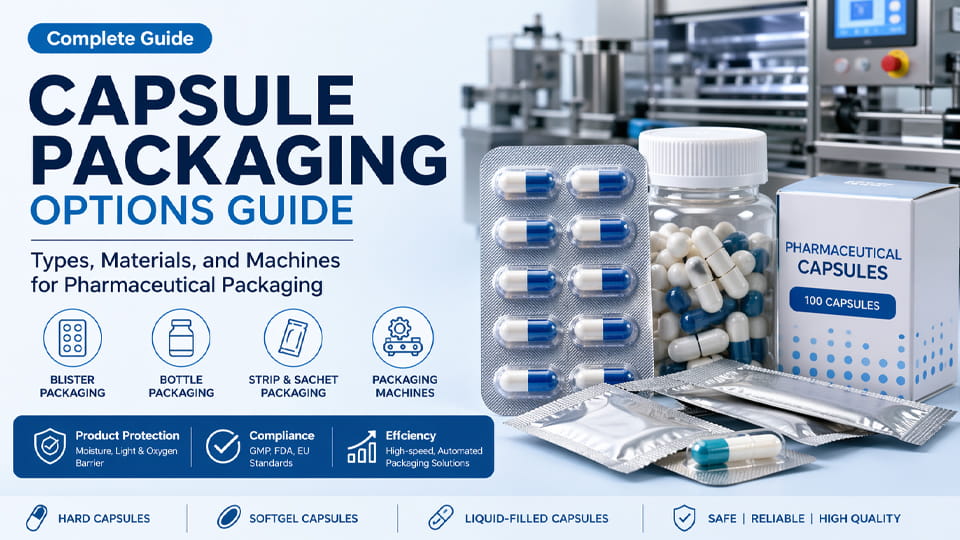
Kapsül ambalajı, farmasötik kapsüllerin nasıl (sert kabuklu veya yumuşak jel) dağıtım ve kullanım için kapalıdır. İçerir birincil ambalaj (kapsüllerle temas halinde olan hemen kap, örneğin. kabarcık boşlukları veya şişeler) Ve ikincil paketleme (dış kartonlar, kutular, ve ürünü daha fazla koruyan ve tanımlayan etiketler). İyi kapsül ambalajı ilacı nemden korumalıdır, ışık, ve kontaminasyon, raf ömrü boyunca stabiliteyi sağlayın, ve düzenleyici gereksinimleri karşılayın. Örneğin, DSÖ bunu belirtiyor “Ambalaj bileşenleri ürünü üretimden kullanıma kadar sarıyor,” ve koruma gibi işlevleri yerine getirmelidir, istikrar, ve kimlik. FDA'nın GMP düzenlemeleri (21 CFR 211) Ambalaj malzemelerinin teslim alınmasından sonra incelenmesi ve test edilmesi için yazılı prosedürlerin zorunlu kılınması, ve güvenli etiketleme ve kurcalama kontrollerini zorunlu kılın. Pratikte, eşleştirmeliyiz kapsül ürünü (dozaj formu, duyarlılık, dozaj, vesaire.) uygun ambalaj formatına ve malzemesine.
Farmasötik kapsüllerin birincil ambalajı, ürün koruması, uygunluk, ve hasta güvenliği: Kapsülleri kuru tutar, kirlenmemiş, ve açıkça etiketlenmiş. Örneğin, kabarcıklı paketler ve amber şişelerin neme duyarlı ilaçlar için ideal olduğu bilinmektedir. Doğru ambalaj aynı zamanda hasta uyumluluğunu da destekler (birim doz kabarcık dozajı, çocuklara dayanıklı şişeler, net etiketleme) ve tedarik zinciri ihtiyaçları (serileştirme, lojistik). Aşağıda her seçeneği ayrıntılı olarak inceliyoruz.
Kapsül Ambalaj Çeşitleri
Kapsüller için Blister Ambalaj
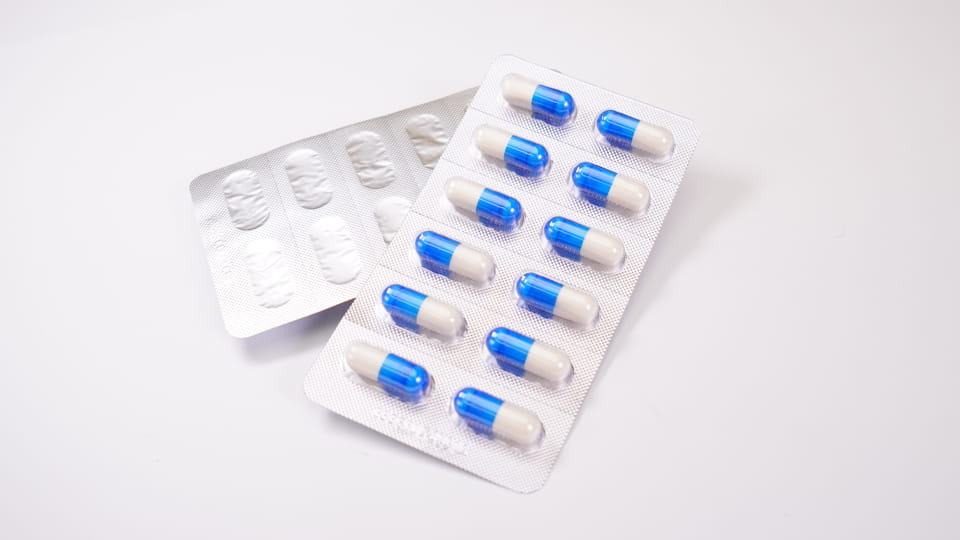
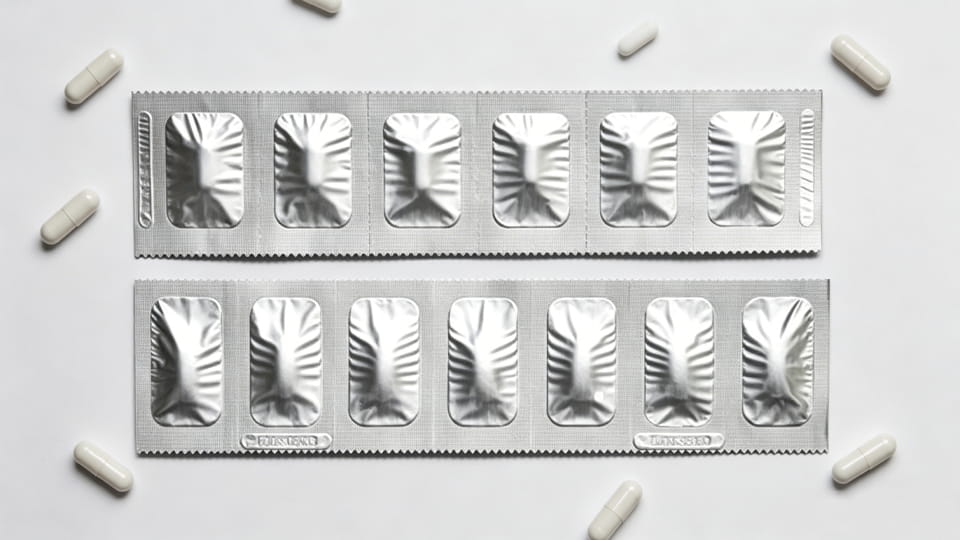
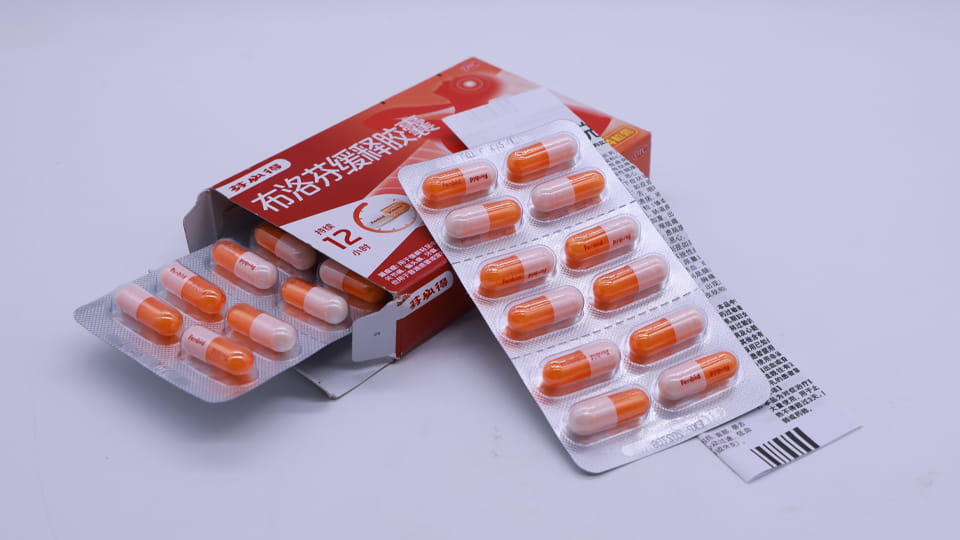
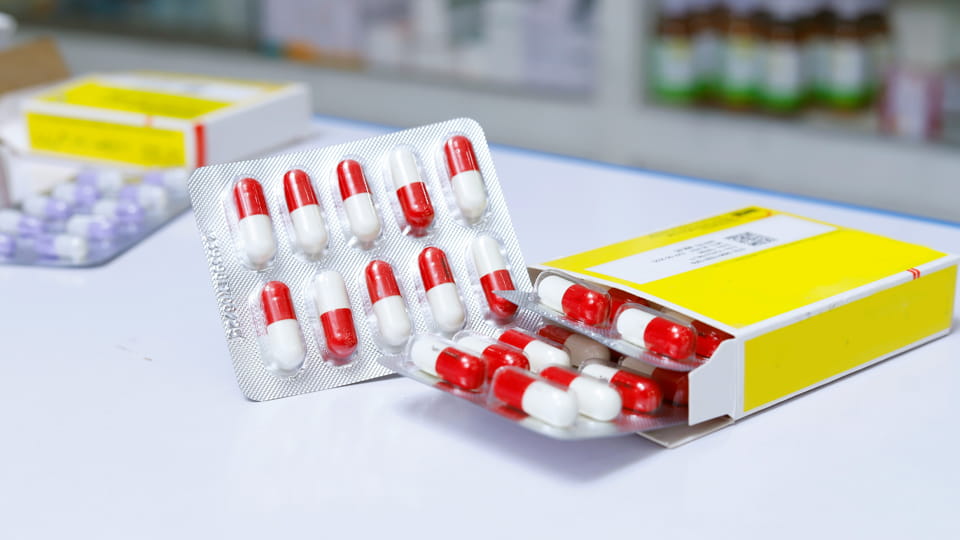
Blister paketleri önceden oluşturulmuş plastik boşluklardan oluşur (“kabarcıklar”) bireysel kapsülleri tutan, bir destek ile mühürlenmiş (folyo veya plastik). Bu birincil ambalaj teklifler birim doz koruması. Kabarcıklar sağlar mükemmel bariyer özellikler: ile yapılabilirler PVC/PVDC veya folyo gibi malzemeler (Alu-pvc, Tüm zamanlar) nemi engellemek, oksijen ve ışık. Örneğin, Jinlu'nun DPP-180Pro kabarcık makinesi, 4,800 saatte kapsül kabarcıkları Alu-PVC veya Alu-Alu laminatlarda. Kapsül kabarcıklı ambalajın temel özellikleri şunları içerir::
Koruma: Her boşluk hava geçirmez şekilde kapatılmıştır, kapsülü nemden korumak, oksijen ve ışık. Bir çalışmanın belirttiği gibi, kabarcıklar “Neme ve ışığa karşı üstün koruma sağlar” (şişelerden daha iyi). Yüksek bariyerli folyolar (örneğin. Tüm zamanlar) higroskopik veya oksijene duyarlı kapsüllerin raf ömrünü uzatın.
Kurcalama kanıtları: Bir kabarcık, bir dozun alınıp alınmadığını veya mührün kırılıp kırılmadığını açıkça gösterir. Bu, ürün bütünlüğünü ve hasta güvenliğini sağlar.
Kolaylık: Birim doz kabarcıkları hastaların bir seferde bir kapsül almasına olanak tanır, Dozaj hatalarının ve israfın azaltılması. Kısa doz programları veya pediatrik formülasyonlar için özellikle faydalıdırlar..
Özelleştirme: Blister ambalajlar, farklı kapsül boyutlarına uyacak şekilde çeşitli boşluk şekillerinde ve boyutlarında yapılabilir.. Modern makineler (termoform veya fiş destekli makineler gibi) kapsül boyutlarına kolayca uyum sağlar.
Alan Verimliliği: Blisterler kompakt ve istiflenebilir. Şişelere kıyasla boş alanı en aza indirirler, nakliye ve raf alanından tasarruf.
Jinlu'nun kabarcık makineleri (örneğin. DPP-180Pro) otomatik olarak boşluklar oluşturabilir, yem kapsülleri, fok, kesilmiş plakalar, ve hatta parti kodlarını yazdırın. Genellikle orta-yüksek hızda çalışırlar (saatte binlerce boşluk), seri üretim için ideal. Farklı kabarcık formatları (Alu-PVC ve Alu-Alu) ürüne göre seçilir: Tüm zamanlar (folyo-folyo) en yüksek bariyeri sunuyor (neme çok duyarlı ilaçlar için en iyisi), standart kapsüller için PVC/PVDC yaygındır. Blister ambalaj aynı zamanda sayım ve incelemeyi de kolaylaştırır: çoğu hat, kapsül dolumunu doğrulamak için kamera incelemesini veya tablet sayma makinelerini kolayca entegre eder.
Şişe (Şişe/Kapsül Kavanoz) Ambalajlama
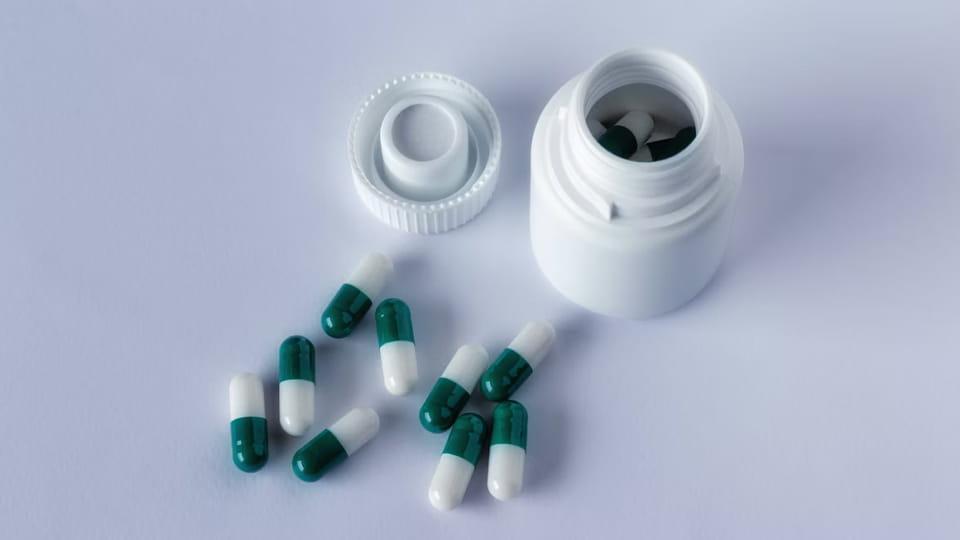
Şişeler klasik çok dozlu kaplardır. Kapsüller şişelere doldurulur (plastik veya cam) bunlar daha sonra kapatılır. Bu format vitaminler için iyi bilinir, takviyeler, ve birçok reçeteli hap. Temel özellikler:
Çok yönlülük: Şişeler büyük miktarları tutabilir (50–1000+ kapsül) ve çeşitli ürünler (tabletler, kapsüller, tozlar, sıvılar bile). Genellikle HDPE veya PET plastikten yapılırlar, veya cam (güçlü kimyasal inertlik için).
Toplu Paketleme: Tekrar tekrar alınması amaçlanan kapsüller için (günlük vitaminler, uzun süreli tedaviler), şişeler kullanışlıdır. Hastalar aynı anda birden fazla doz uygulayabilir.
Maliyet Verimliliği: Şişe dolum hatları nispeten basittir. Makineler dozları daha hızlı sayar veya tartar (örneğin. Jinlu'nun JL-16H'si doldurulabilir 100 şişeler/dakika). Birim başına malzeme maliyeti genellikle kabarcıklıdan daha düşüktür, özellikle ölçekte.
Kolay Kullanım: Tüketiciler şişelerin nasıl açılacağını biliyor. Yaşlı hastaların şişe açması daha kolay olabilir (özellikle kolay açılan veya çocuklara dayanıklı kapaklarla) kabarcıkları soymaktan daha.
İkincil ambalaj: Şişeler gibi yardımcı öğelerin dahil edilmesine izin verir kurutucu paketleri (nem kontrolü için) veya pamuk. Ayrıca şişe gövdesinin etrafına tam ürün etiketleri de yerleştirirler, ve kartonlara paketlenebilir.
Figür: Jinlu JL-16H kapsül/tablet şişeleme hattı (100 şişe/dakika) şifre çözücü ile, çubuk, kaplayıcı, ve etiketleyici.
Kapsül şişeleme hatları birden fazla makineyi entegre eder: A şişe (veya besleme hunisi), A sayma-doldurma makinesi (her şişeye X kapsül düşüren), A kapatma/kapatma makinesi (kapakları uygulayın ve sıkın), ve bir etiketleme makinesi. Örneğin, Jinlu'nun JL-16H serisi 3-40 mm'lik kapsülleri işleyebilir, ~100 şişe/dak'ya ulaşmak >99.8% sayma doğruluğu. Şişeler çok hızlı bir şekilde toplu olarak doldurulabilir. Yönetmeliklere uymak, Şişe hatlarında genellikle kurutucu maddeleri yerleştirmek için bir istasyon bulunur (örneğin. silika paketleri) ve kurcalanmaya karşı korumalı bir mühür istasyonu. Çocuklara dayanıklı kapaklar pediatrik ilaçlar için bir başka ortak özelliktir.
Şişe ambalajı seçiminde, ürün hacmini ve stabilitesini göz önünde bulundurun: yüksek hacimli ürünler (örneğin. günlük vitaminler) takım elbise şişeleri, düşük hacimli veya çok hassas kapsüller ise kabarcıkları tercih edebilir. Not şişeleri genellikle sunar yüksek bariyerli kabarcıklara göre daha az doğal nem/oksijen koruması. Amber cam veya opak kaplar ışıktan koruma sağlayabilir, ve iç contalar (alüminyum folyo gömlekleri) bariyeri iyileştirebilir.
Poşet & Çubuk Paketleri (Tek Dozluk Torbalar)
Poşet (ve çubuk paketleri) öyle esnek paketlerbir doz toz tutan, granül veya sıvı. Kapsüller için yaygın olmasa da, ilgili dozaj formlarıyla ilgilidirler (örneğin. toz haline getirilmiş nutrasötik kapsüller, veya toz dolgunun kendisi). yine de, poşetler ve çubuk paketleri bir kapsül paketleme kılavuzunda anılmayı hak ediyor:
Poşet genellikle düz veya yastık şeklinde paketlerdir. 3 veya 4 taraflar. Genellikle tek dozluk tozlar için kullanılırlar. (örneğin. efervesan granüller) veya çok küçük kapsüller (bazı eczaneler pediatrik dozlama için kapsülleri poşetler içinde dağıtır). Modern form-doldur-kapat makineleri, poşetleri tam olarak küçük hacimlerle doldurabilir. Avantajları taşınabilirliği içerir (cebe sığar), kolaylık, ve hassas dozajlama (kısmi atık yok). Poşetler ayrıca iyi bir sızdırmazlık sağlar: Hermetik conta raf ömrünü uzatır ve kirlenmeyi önler. Birçok ilaç (tozlar, jeller, merhemler, tek dozluk haplar) poşet kullan; Örneğin, acil enjekte edilebilir rehidrasyon solüsyonları veya tek kullanımlık antibiyotik tozlar.
Çubuk Paketleri uzun, dar poşetler (genellikle bir uzun dikiş artı bir uç dikiş boyunca kapatılır). Toz takviyeleri için popülerdirler (örneğin. anlık içecek karışımları) ve kapsül tozları için kullanılabilir. Çubuk paketler genellikle poşetlere göre daha az malzeme kullanır ve makine verimi daha yüksektir (30–P daha hızlı). İnce açıklıkları nedeniyle serbest akışlı tozlar için idealdirler.
Hem poşet hem de çubuk paketler tarafından üretilmektedir. dikey form-doldurma-mühür (Vff'ler) veya yatay FFS makineleri. Jinlu'nun JL-VP serisi, örneğin, çok şeritli bir çubuk/poşet FFS makinesidir (40 çantalar/dk/şerit, ±0,02g doğruluk) tozlar için, granüller, sıvılar veya jeller. Kapsüllerin kendileri poşetler içinde paketlenecek olsaydı, Dozu almak için poşet açılır ama daha yaygın olarak, Kapsüller, kabarcıklı veya şişede bozulmadan paketlenir, poşetler/çubuk paketleri toz içerikleri işlerken.
Mevzuat notu: Katı ve yarı katı ilaçlar için poşetlere ve çubuk paketlere izin verilir (DSÖ tanımlarına göre). Ürünü doğrudan içeriyorlarsa birincil ambalaj olarak kabul edilirler.. Kabarcıklar gibi, poşetler çocuklara dayanıklı veya yırtılma çentikli olarak tasarlanabilir.
Şerit Ambalaj
Şerit paketleri (folyo şeritler veya “doz bantları” olarak da adlandırılır) birim dozluk birincil paketin başka bir şeklidir. Bir şerit tipik olarak dar bir malzeme ağıdır (genellikle alüminyum veya çok katmanlı laminat) katlanmış ve mühürlenmiş, dozlar arasında perforasyonlar ile. Kabarcıkların aksine, şerit paketleri derin boşluklar oluşturmaz; bunun yerine, kapsül iki film tabakası arasına sıkıştırılmıştır. Şerit paketler Asya'da ve yüksek nem korumasının gerekli olduğu ancak kabarcıkların çok hacimli olduğu ürünler için yaygın olarak kullanılmaktadır.. Anahtar noktalar:
Mükemmel Bariyer: Şerit paketlerinde genellikle nem ve oksijeni geçirmeyen alüminyum folyo kullanılır. Bu, onları neme duyarlı kapsüller veya uzun raf ömrünün gerekli olduğu pediatrik ilaçlar için ideal kılar. Hatta DSÖ, şerit paketlerini "katı veya yarı katı preparatların tek dozları" için uygun olarak tanımlamaktadır..
Kompakt & Birim doz: Kabarcıklar gibi, şerit paketleri bir seferde tek doz kullanıma izin verir. Kabarcıklardan daha hafif ve düzdürler, yerden tasarruf.
Teçhizat: Şerit paketleme makineleri her kapsülün etrafındaki folyoyu oluşturur ve kapatır. Jinlu şerit paketleme makineleri de sunuyor. Örneğin, Zengin Ambalaj notları şerit paketlerinde alüminyum veya plastik laminasyon kullanılır ve birçok doz uzunluğuna ulaşılabilir.
Figür:Şerit paketleme makinesi
Seçim açısından, şerit paketleri şişe arasında orta bir zemini kaplar (toplu) ve kabarcık (katılık). Genellikle ne zaman seçilirler çok yüksek nem bariyeri gerekli ama ince bir şekilde, hafif form. (Not: şerit paketleri, ek contalar kullanılmadığı sürece kabarcıklar kadar net bir kurcalama kanıtı sağlayamayabilir.)
İkincil ambalaj & Etiketleme
Birincil paketi seçtikten sonra, Kapsüller genellikle içine yerleştirilir ikincil paketleme karton kutular gibi veya streç filmle sarılmış vakalar. Kartonlar nakliye sırasında ekstra koruma sağlar, ek etiketlemeye izin ver (uyuşturucu bilgisi, marka, kurcalanmaya karşı korumalı mühürler), ve çoklu paketli ürünlerin düzenlenmesine yardımcı olun. İkincil paketlemeye ilişkin temel hususlar:
Kartonlar & Ekler: Tıbbi kartonlar ürün prospektüslerini içermelidir (Dozaj talimatlarını içeren broşürler, parti numarası, son kullanma tarihi, üretici bilgisi, vesaire.). Bunlar genellikle kutuya eklenen kağıt broşürlerdir.
Sabotaj Mühürleri: İkincil ambalajlarda genellikle kurcalanmaya karşı koruma sağlayan mühürler bulunur (örneğin. güvenlik bantları, küçültme bantları) kutunun açılıp açılmadığını göstermek için.
Serileştirme/İzleme & İz: Birçok pazarda (ABD DSCSA, AB Şap Hastalığı), bireysel paketler benzersiz seri kodları taşımalıdır (barkodlar/QR) sahteciliğe karşı koruma için. Sağlam bir paketleme çözümü, kartonlara lot/parti numaralarını ve 2D kodları basmak için etiket yazıcıları veya mürekkep püskürtmeli kodlayıcıları içerir.
Çocuklara Dayanıklı ve Güvenlik Özellikleri: Bazı ilaçlar için, düzenlemeler (örneğin. 21 CFR 211) çocuklara dayanıklı ambalajı zorunlu kıl. Bu, çocukların açması zor olan kabarcıklı filmleri içerebilir., veya şişelerdeki özel kapaklar. İkincil kutularda da kilit bulunabilir veya gerekirse iki adımlı açılma gerekebilir.
İstikrar ve Uyumluluk: Kombine birincil+ikincil sistem, ürünü etiketli depolama koşulları altında stabil tutmalıdır. Örneğin, ICH stabilite çalışmaları açıkça nihai paketlenmiş dozaj formunun test edilmesini gerektirir.
Özetle, ikincil ambalaj, ürünü son dağıtım için sarar ve tüm etiketleme ve uyumluluk özelliklerinin yerinde olmasını sağlar. İyi tasarım, marka imajını ve kullanıcı rahatlığını artırır (kolay açılır kartonlar, net etiketleme).
Kapsül Paketleme Malzemeleri
Kapsülleri korumak için doğru ambalaj malzemesini seçmek kritik öneme sahiptir. Malzemeler ilaca uyumlu olmalı, bariyer ihtiyaçlarını karşılayın, ve düzenlemelere uymak (ISO 15378 Ambalaj malzemeleri için GMP, vesaire.). Ortak malzemeler şunları içerir::
Blister Filmler:
PVC (Polivinil Klorür): Düşük maliyetli, kabarcıklar için sıklıkla kullanılan şeffaf plastik. PVC nem geçirgendir (o kadar koruyucu değil) kaplanmadıkça.
PVC/PVDC: PVDC ile kaplanmış PVC (poliviniliden klorür) nem girişini önemli ölçüde azaltır (Yaygın Alu-PVC kabarcık bir PVDC bariyeri kullanır).
Alu-PVC veya Alu-Alu: PVC veya PET'e lamine edilmiş alüminyum folyo. Alu-PVC nem/oksijene karşı iyi bir bariyer sağlar (yaygın), Alu-Alu ise (folyo-folyo) sağlar en yüksek bariyer (çok higroskopik veya ışığa duyarlı kapsüller için kullanılır).
Polipropilen (PP): Sürdürülebilir bir alternatif olarak ortaya çıkıyor. PP kabarcıklar (tek malzeme) tamamen geri dönüştürülebilir, Südpack'in PharmaGuard astarında olduğu gibi, ve otomatik hatlarda hala iyi performans gösteriyor.
Şişe Malzemeleri:
HDPE (Yüksek Yoğunluklu Polietilen): İlaç şişeleri için yaygın plastik; nispeten inert ve uygun maliyetli.
PET (Polietilen Tereftalat): Daha iyi netlik ve sağlamlık sunar; gazlara karşı iyi bariyer. Genellikle nutrasötikler/takviyeler için kullanılır.
Bardak (Tip I borosilikat): Neme çok duyarlı veya parenteral ürünler için kullanılır; cam neme ve kimyasal eylemsizliğe karşı mükemmel bir bariyer sunar. Amber cam ayrıca UV ışığını da engeller.
Diğer Filmler: Poşetler ve çubuk paketleri için, çok katmanlı lamine filmler (örneğin. PET/Git/PE) nemi ve sızdırmazlığı kontrol etmek için kullanılır.
Genel olarak, kapsülünüz için anlamlı olan en yüksek bariyeri seçin. Örneğin, neme duyarlı jelatin kapsül, Alu-Alu kabarcık veya kurutuculu amber cam şişeyi garanti edebilir. Tersine, hassas olmayan kapsüller standart PVC kabarcık veya HDPE şişe kullanabilir. Raf ömrünü de göz önünde bulundurun: uzun vadeli ürünler daha sağlam bariyerlere ihtiyaç duyar.
Güvenlik/geri dönüşüm notları: Sürdürülebilir trendler tek malzemeli ambalajları tercih ediyor (örneğin. PP kabarcıklar, geri dönüştürülebilir PET şişeler). Ekstrakte edilebilir maddeler için test malzemeleri, uyumluluk, ve FDA/AB limitlerini karşılamak (örneğin. USP <661> plastikleştiriciler için) ambalaj uyumluluğunun bir parçasıdır.
Kapsül Çeşitleri ve Paketleme Etkisi
Kapsüller çeşitli tiplerde mevcuttur ve formülasyonları paketleme ihtiyaçlarını belirler:
Sert Jelatin Kapsüller: En yaygın iki parçalı kabuklar. Kuru tozlar/granüller içerirler.. Jelatin kabuklar bir miktar nem tutar ve çok kuruysa kırılgan hale gelir, veya çok ıslaksa yumuşak. Genel olarak, sert jelatin kapsüller gerekmek ılıman nem kontrolü. Yaygın olarak alıntılanan bir saklama koşulu 15–25°C ve 5–65 bağıl nem. Ambalaj bu ortamı korumalıdır: Örneğin, PVDC veya Alu-Alu astarlı kabarcıklı paketler, veya kurutuculu şişeler, Kapsüllerin stabilize edilmesine yardımcı olun.
HPMC (Vejetaryen) Kapsüller: Bitkisel selülozdan yapılmıştır, bu kabuklar genellikle jelatinden daha düşük doğal neme sahiptir ve ~p'e kadar bağıl nemi tolere eder. Genellikle neme duyarlı API'ler için kullanılırlar. Fakat, eşit HPMC kapsülleri çok higroskopik veya ışığa duyarlı dolgular için bariyer ambalajı gerektirir. Pratikte, HPMC kapsülleri + PVC kabarcıklar genellikle yeterlidir, ancak yüksek bariyer yine de güvenliği artırıyor.
Softjel Kapsüller (Sıvı Dolgulu):Yumuşak jeller jelatin var (veya değiştirilmiş jelatin) yağ veya diğer sıvılarla dolu kabuk. Önemli miktarda su içerirler (sıklıkla ~%5–10) kabukta nem kaybedebilir veya oksitlenebilir. Softgeller neme çok duyarlıdır: genellikle amber renkli cam şişelere ihtiyaç duyarlar (kurutuculu) veya su kaybını önlemek ve gücü korumak için yüksek bariyerli kabarcıklı paketler. Çünkü softgel kabuklar üretim sırasında sıcaklığa/neme duyarlıdır, Bazen soğuk zincir ve özel ambalajlara ihtiyaç duyulur.
Enterik/Modifiye Salımlı Kapsüller: Bunların gastrointestinal kanalda salınımı geciktirmek için özel kaplamaları vardır.. Kaplama başka bir hassasiyet katmanı ekler (pH'a duyarlı veya daha kırılgan olabilir). Bu tür kapsüller yine de kuru tutulmalı ve tipik olarak diğer kapsüller gibi kabarcıklı veya şişe içinde paketlenmelidir.. Kaplama tutarlı koşullar gerektirir; dolayısıyla dağıtım sırasında sıcaklık/bağıl nem kontrolünü sağlayan paketleme önemlidir.
Kısacası, . kapsül kabuğu malzemesi ve dolgu tipi ambalaj seçimini etkileyecektir. Neme son derece duyarlı formülasyonlar her zaman en sıkı bariyeri tercih eder (Alu-Alu kabarcık, folyo poşet, veya kurutuculu kapalı şişe). Daha az hassas formülasyonlar daha fazla seçeneğe sahiptir. Her zaman stabiliteyi test edin son paketlenmiş kapsül (ICH Q1A önerilen kapsayıcıda stabilite gerektirir).
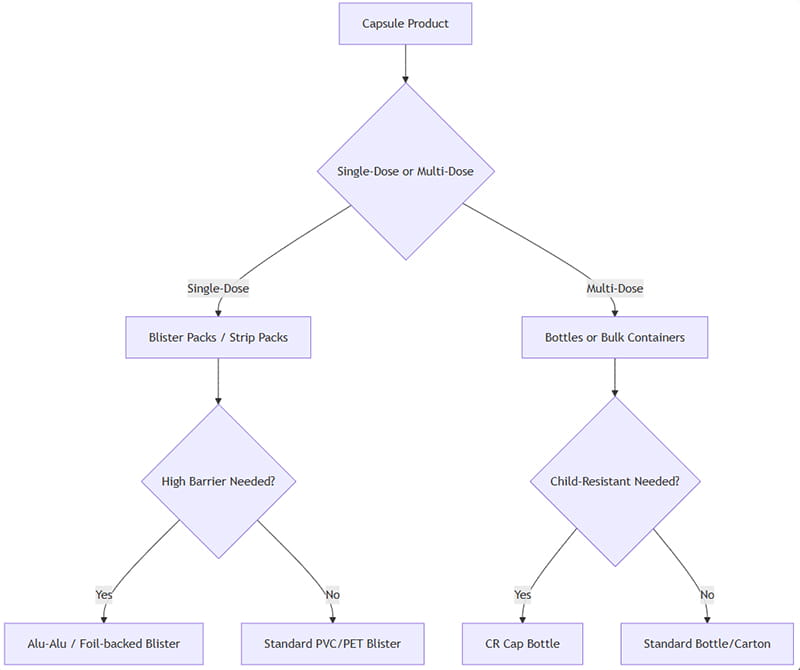
Doğru Ambalajı Seçmek (Karar Akış Şeması)
En uygun kapsül ambalajının seçilmesi, birden fazla faktörün değerlendirilmesini içerir: dozaj formu, Hasta uyumluluğu, ürün hassasiyeti, raf ömrü, düzenleyici gereksinimler, ve maliyet. Aşağıda basitleştirilmiş bir karar çerçevesi verilmiştir:
Bunu nasıl uygulayabilirim?: Kapsüllerin tek ünite olarak tasarlanması durumunda (örneğin. sıkı dozaj veya perakende kabarcıklı kartlar), kabarcıklar/şeritler tercih edilir. Çoklu doz için (örneğin. Takviyeler veya yüksek kullanımlı ilaçlar), şişeler daha verimli. Nem/ışık koruması kritikse, yüksek bariyer seçeneklerini seçin (Tüm zamanlar, kehribar şişesi). Pediatrik güvenlik gerekiyorsa, çocuklara dayanıklı şişe kapakları veya kurcalanmaya karşı korumalı kabarcık tasarımları kullanın.
Ürün hassasiyeti: Neme duyarlı ilaçlar için, Alu-Alu kabarcıklar veya folyo poşetler kullanın. Işığa duyarlı olanlar için, amber şişeler veya opak filmler kullanın.
Hasta uyumu: Birim doz formatları (kabarcık/şerit) yardım uyumu. Kolay açılan şişeler yaşlılara yardım ediyor.
Düzenleyici: Kurcalanmaya karşı kanıt ekleyin ve FDA/EMA paketleme yönergelerine uyun.
Raf ömrü: Daha uzun raf ömrü daha yüksek bariyerli malzemeler gerektirir (Tüm zamanlar, çok katmanlı filmler).
Üretim ölçeği: Blister makineleri yüksek hızlıdır (orta hacim), şişe hatları büyük partilerde üstün performans gösterir, poşet makineleri esnek hat hızlarını yönetir.
Maliyet: Malzeme ve makine maliyetlerini dengeleyin. Örneğin, şişelerin birim başına işçiliği daha düşük olabilir ancak plastik maliyeti daha yüksek olabilir; çubuk paketleri doz başına çok az film kullanır.
Nihayetinde, pilot test (stabilite çalışmaları, tüketici çalışmaları) ve toplam maliyet analizi nihai karara rehberlik edecektir. Yukarıdaki akış şeması tipik senaryolar için bir başlangıç noktasıdır.
Kapsül Paketleme Ekipmanları
Paketleme kapsülleri özel makineler gerektirir. Kapsüller doldurulduktan sonra (kapsül dolgu maddeleri ile), bunlar paketleme hatlarına aktarılır:
Blister Makineleri: Jinlu'nun durumunu zaten belirtmiştik. DPP-180Pro, yüksek hızlı termoform kabarcık makinesi. Boşluklar oluşturur (PVC veya PET filmi), kapsülleri besler (veya tabletler), ve folyo ile mühürlenir, hepsi otomatik olarak. Jinlu makineler sunuyor (örneğin. DPP-180, DPP-270Maks) 4.800–11.200 boşluk/saat'e kadar. Blister makineleri, cep başına tam olarak bir kapsül düşürecek şekilde sayma besleyicileriyle eşleştirilir, ve genellikle kabarcıkları kartlara ayırmak için zımba kesicilere sahiptir. Ek modüller (baskı/muayene) her kabarcığın okunaklı ve doğru olduğundan emin olun.
Sayma & Dolum Hatları (Şişe Hatları): Bunlar gevşek kapsülleri şişelere dönüştürüyor. Tipik bir çizgi vardır: bir şişe çözücü (boş şişeleri düzenler), bir tablet/kapsül sayacı (her şişeye belirli bir sayıyı sayan ve düşüren titreşimli kase veya optik sistem), kapatma/kapatma makinesi, ve bir etiketleme istasyonu. Jinlu'nun JL-16h astar, Örneğin, şişeleri karıştırır, içlerine 3-40 mm'lik kapsüller sayar, büyük harfler uygular, ve etiketlere kadar 100 şişe/dakika ile 99.98% kesinlik. Yüksek hacim için (toplu paketleme) operasyonlar, Çoklu sayma kafalarına veya helezon dolduruculara sahip modüler hatlar daha yüksek hızlara ulaşabilir. Folyo kapaklama için indüksiyonlu veya sıkılaştırıcılar da eklenebilir.
Poşet/Çubuk Paketleme Makinaları: Bunlar form-doldurma-mühür (FFS) makineler. Jinlu'nun JL-VP serisi, şerit başına dakikada 30-40 poşet veya çubuk paket üretebilen çok şeritli bir VFFS sistemidir. Toz veya sıvıyı hassas bir şekilde dozajlar (toz için burgu vidaları, sıvı pompaları) ve mühürler 3- veya 4 taraflı poşetler veya 3 taraflı çubuk paketleri. Makinelerde torba uzunluğu için PLC kontrolleri bulunur, Doğruluk için servo besleyiciler (±0,02g), ve hermetik ısı yalıtımı. Bu tür makineler tek dozluk ürünler için idealdir, kapsüllerin kendisi nadiren sağlam "poşetlerle paketlenmiş" olmasına rağmen.
Şerit Paketleme Makinaları: Şerit paketleri, üst üste binen folyo veya filmi ısıyla kapatan özel makinelerde yapılır. Bunlar genellikle kabarcıklı makinelere benzer ancak düz film kullanır. (Jinlu şerit paketleyiciler sunuyorsa, poşet makinelerine benzer entegrasyon.)
İkincil Paketleme Makineleri:Kartonlama makineleri kartonları dikebilir, kabarcıklar veya şişeler ve broşürler ekleyin, ve kutuları kapat. Farmasötik kartonlamacılar genellikle folyo kabarcıklı kartonları veya kapsül torbalarını işliyor. Kutu paketleyiciler (dış kasalar için) ve paletleyiciler seri üretim hattını tamamlıyor.
Ekipman uyumluluğu: İlaçlara yönelik tüm paketleme makineleri GMP tasarımını karşılamalıdır (paslanmaz çelik, temizlenebilir yüzeyler, doğrulanmış performans). Jinlu'nun makineleri CE/cGMP sertifikalıdır, genellikle yapılandırılabilir korumalar ve spesifikasyon dışı haplar için reddetme sistemleri ile. Entegrasyon çok önemlidir: Örneğin, bir kabarcıklı makine, kutuları kuran ve her bir kabarcıklı kartı paketleyen bir kartonlama makinesine doğrudan beslenebilir. Kapsamlı sistemler (doldurmadan son kutuya kadar) kapsül paketlemenin uçtan uca otomasyonuna izin verin.
Mevzuat ve Uyumluluk Hususları
İlaçlara yönelik kapsül ambalajları katı düzenlemelere uygun olmalıdır. Anahtar noktalar şunları içerir::
GMP Gereksinimleri: FDA'lar 21 CFR 211 Alt Bölüm G, aşağıdakilerin alınması ve test edilmesi için yazılı prosedürler gerektirir: Tümü Kullanmadan önce ambalaj malzemeleri. Bu kabarcıklar anlamına gelir, şişeler, etiketler, kartonlar vb. spesifikasyonları karşılamalıdır (kusur yok). Karışıklıkları önlemek için ambalaj malzemelerinin ürüne göre ayrı depolanması zorunludur. DSÖ'nün GMP Eki 9 aynı şekilde paketleme kontrollerini de detaylandırır. İyi Üretim Uygulaması izlenebilirlik gerektirir (ambalaj üzerindeki parti numaraları) ve temiz kullanım.
Stabilite ve ICH Yönergeleri: S1A(R2) Ürün üzerinde stabilite çalışmalarının nihai haliyle yapılmasını şart koşmaktadır. konteyner kapatma sistemi. Pratikte, bu, test kapsül gruplarını tam olarak planlandığı gibi paketlemeniz gerektiği anlamına gelir (aynı kabarcıklı folyo, aynı şişe tipi) ve bunları gerçek/zamanlı kararlılık koşullarına maruz bırakın. Ambalajdaki herhangi bir değişiklik yeni stabilite testleri gerektirebilir.
Serileştirme & İzlenebilirlik: Birçok pazarda, benzersiz tanımlayıcılar (barkodlar/2D kodlar) ikincil ambalaj hakkında (ve bazen birincil kabarcıklar) Tedarik zinciri boyunca ilaçları takip etmek gerekiyor. Satırlarda bu kodlar için yazıcılar veya aplikatörler bulunmalıdır. Ambalaj tasarımı sıklıkla kurcalanmaya karşı kanıt içerir (ABD/AB yasalarına göre).
Çocuklara Dayanıklı ve Yaşlı Dostu Ambalaj: Kontrole tabi maddeler veya bazı ilaçlar çocuklara karşı dayanıklı özellikler gerektirir. Bu genellikle şişelerde özel kapaklar anlamına gelir (örneğin. it-ve-döndür) veya zor soyulan kabarcıklar. Fakat, Hasta erişilebilirliği de dikkate alınmalıdır (yaşlılar için kolay açılır). Zehir Önleme Paketleme Yasasına Danışma (BİZ) veya benzer bölgesel kuralların gerekli olması.
ISO Standartları: Birincil ambalaj tedarikçileri ISO'ya uymalıdır 15378 (Birincil ambalaj malzemeleri için GMP) kaliteyi sağlamak için. Burada doğrudan alıntı yapılmasa da, bu, ambalaj üreticileri için yaygın olarak tanınan bir standarttır. Makinelerin kendileri farmasötik makine standartlarına uygun olmalıdır (CE, UL, vesaire.) Ve 21 CFR bölümü 11 veri kaydı varsa.
Etiketleme Yönetmeliği: Kapsüller ürün adıyla etiketlenmelidir, dozaj, Son kullanma tarihi, üretici, vesaire. Bu, kartonlara ve kabarcıklara kadar uzanır (bazen her kabarcık bölümü bazı basılı bilgiler taşır). FDA ve EMA'nın birincil ve ikincil etiketlerde hangi bilgilerin görünmesi gerektiği konusunda özel gereksinimleri vardır..
Etraflı, FDA ile toplantı, EMA ve WHO yönergeleri esastır. Pek çok paketleyici düzenlemeye tabi tedarikçilerle çalışıyor (Jinlu gibi) doğrulanmış makine ve belgeleri kim sağlayabilir? (IR/WH/PQ).
Çözüm
Doğru kapsül ambalajını seçmek dengeleme korumasını gerektirir, kullanılabilirlik, ve maliyet. Blister paketleri, şişeler, poşetler, ve şeritlerin her birinin kendi yeri var ilaç ambalajı. Neme duyarlılık gibi faktörler, doz formu, ve hastanın ihtiyaçları karara yön verir. yanında, sıkı düzenleyici ve GMP gereksinimleri karşılanmalıdır.
Şu tarihte: Jinlu Paketleme, uçtan uca farmasötik paketleme çözümlerinde uzmanız. Ekipmanlarımız – itibaren yüksek hızlı kabarcık makineleri ile tam otomatik sayım & şişeleme hatları – kapsülleri verimli ve uyumlu bir şekilde paketlemenize yardımcı olur. Sürdürülebilir seçimleri de destekliyoruz (örneğin. yeni geri dönüştürülebilir filmleri çalıştıran makineler) ve tek elden hizmet sunuyoruz (özelleştirme, doğrulama). Ekibimiz ürününüz için en iyi kapsül paketleme sistemini değerlendirmenize yardımcı olabilir.
Kapsül ambalajınızı optimize etmeye hazır?Bugün Jinlu Packaging ile iletişime geçin uzman rehberliği ve teklifler için. Çözümlerimiz küresel kalite standartları ve daha fazlası ile desteklenmektedir. 3,000 dünya çapında memnun müşteriler. Başarı için kapsüllerinizi paketleyelim!
Kapsül Paketleme Hakkında SSS
Kapsül ambalajı nedir?
Kapsül paketleme, stabiliteyi korumak için farmasötik kapsüllerin koruyucu malzemelerle kapatılması işlemini ifade eder., emniyet, ve uyumluluk. Yaygın formatlar kabarcıklı paketleri içerir, şişeler, ve şerit ambalaj. Farmasötik uygulamada, ambalaj sadece muhafaza değildir; kapsülleri nemden korur, oksijen, ve kontaminasyon, ilacın kalitesini ve raf ömrünü doğrudan etkileyen.
Farmasötik kapsüller için en iyi ambalaj nedir?
Tek bir "en iyi" seçenek yoktur; bu, ürününüze ve pazarınıza bağlıdır. • Blister ambalaj → neme duyarlı veya yüksek değerli ilaçlar için en iyisi • Şişe ambalajı → toplu depolama ve takviyeler için en iyisi • Şerit ambalaj → maliyete duyarlı pazarlarda yaygındır Blister ambalaj, birim doz koruması ve daha iyi çevre izolasyonu sağladığı için sıklıkla tercih edilmektedir..
Kapsül ürünümü korumak için hangi malzemeleri kullanmalıyım??
Önemli tehditleri engelleyen malzemeler kullanın (nem, oksijen, ışık). Örneğin, Alu-Alu folyo kabarcıklar veya amber cam şişeler neme duyarlı kapsüller için mükemmel bariyer sunar. PVDC kaplamalı PVC veya PET kabarcıklar yaygındır ve stabil ürünler için daha ucuzdur. HDPE şişeler standarttır ancak kapsüller hassassa kurutucu poşete ihtiyaç duyulabilir. Su buharı iletim hızlarını değerlendirin (WVTR) filmlerin. Sürdürülebilirliğe duyarlı üretimde, geri dönüştürülebilir monomateryalleri düşünün (örneğin. PP kabarcıklar). Ambalaj uyumluluğunu her zaman stabilite çalışmaları aracılığıyla test edin.
Kapsül ambalajı ilaç stabilitesini nasıl korur??
Kapsüller nem gibi çevresel faktörlere duyarlıdır, oksijen, ve ışık. Uygun paketleme: • Nem emilimini önler • Oksidasyonu azaltır • Kimyasal stabiliteyi korur Blister ambalaj, özellikle, her kapsül için yalıtılmış mikro ortamlar oluşturur, raf ömrünü önemli ölçüde uzatır.
Kapsüller için hangi paketleme makinelerine ihtiyacım var?
Formata bağlıdır. Kabarcıklar için, bir kabarcık oluşturma/kapatma makinesine ihtiyacınız var (kapsülünüze uyacak boşluk kalıpları ile) artı muhtemelen bir kartonlayıcı. Şişeler için, bir şişe doldurma/kapama hattına ihtiyacınız var (şifre çözücü, karşı doldurucu, kaplayıcı, Etiket). Çubuk paketleri için, dikey form-doldur-kapat poşet makinesi kullanın. Jinlu tüm bunları sunuyor: örneğin. DPP serisi kabarcıklarımız, JL-16H sayma hattı, ve JL-VP poşet paketleyici. Doğru makineyi seçmek kapasite gerektirir, kapsül boyutu, ve gerekli entegrasyonlar (görüş sistemleri, istasyonları reddetmek, vesaire.).
Blister ambalajlar ve kapsül şişeleri arasında nasıl karar verebilirim??
Dozaj gibi faktörleri göz önünde bulundurun (bekar vs. çoklu), istikrar ihtiyaçları, ve hasta kullanımı. Tek doz kolaylığı ve yüksek koruma için (özellikle neme/ışığa duyarlı kapsüller için), kabarcıklar sıklıkla tercih edilir. Büyük hacimli veya ekonomik nedenlerden dolayı, şişeler genellikle seçilir. Ayrıca, çocuklara dayanıklı veya yaşlı dostu özelliklere ihtiyaç duyulursa, şişeler daha fazla seçenek sunabilir. Kural olarak, Kapsülünüzün özelliklerini ambalajla eşleştirin: örneğin. çok higroskopik kapsüller → Alu-Alu kabarcık; yüksek talep gören takviyeler → şişeler.
Küçük fu, Jinlupacking'in kurucusu, getiriyor 20 ilaç makineleri sektöründe uzun yıllara dayanan uzmanlık. Onun liderliği altında, Jinlu, tasarımı entegre eden güvenilir bir tedarikçiye dönüştü, üretme, ve satış. Petty, müşterilerin ilaç ambalajının karmaşıklıklarını aşmasına yardımcı olmak için derin sektör bilgisini paylaşma konusunda tutkuludur, sadece ekipman almamalarını sağlamak, ancak üretim hedeflerine göre uyarlanmış gerçek bir tek elden hizmet ortaklığı.