
Ürünleri ve tüketicileri korumak için doğru paketleme hayati öneme sahiptir. Farmasötik ambalaj (ilaç ambalajı da denir) tüm konteynerleri içerir, malzemeler, ilaçları muhafaza eden ve koruyan cihazlar ve cihazlar. Bir ilacın güvenli kalmasını sağlar, Üretimden teslimata kadar sağlam ve kirlenmemiş. FDA'nın mevcut İyi Üretim Uygulaması (CGMP) Kurallar, ilaç paketleme süreçlerinin ve ekipmanlarının sıkı kalite kontrollerini karşılamasını gerektirir. Buna karşılık, gıda ambalajı Yiyecekleri bozulmaya ve kirlenmeye karşı korur, beslenme ve içerik bilgileri sağlar, dağıtım ve markalaşmaya yardımcı olur. Gıda ambalajları gıda güvenliği düzenlemelerine uygun olmalıdır (örneğin. FDA gıdayla temas onayları) Tehlikeleri önlemek için HACCP gibi gıda güvenliği programlarını uygular. Kısacası, Her iki sistem de ürünleri güvende tutmayı ve doğru şekilde etiketlenmeyi amaçlıyor, ancak ilaç ambalajı daha sıkı sterilite ve izlenebilirlik kurallarına tabidir, gıda ambalajı bariyer performansını vurgularken, kolaylık, ve tüketici bilgileri.
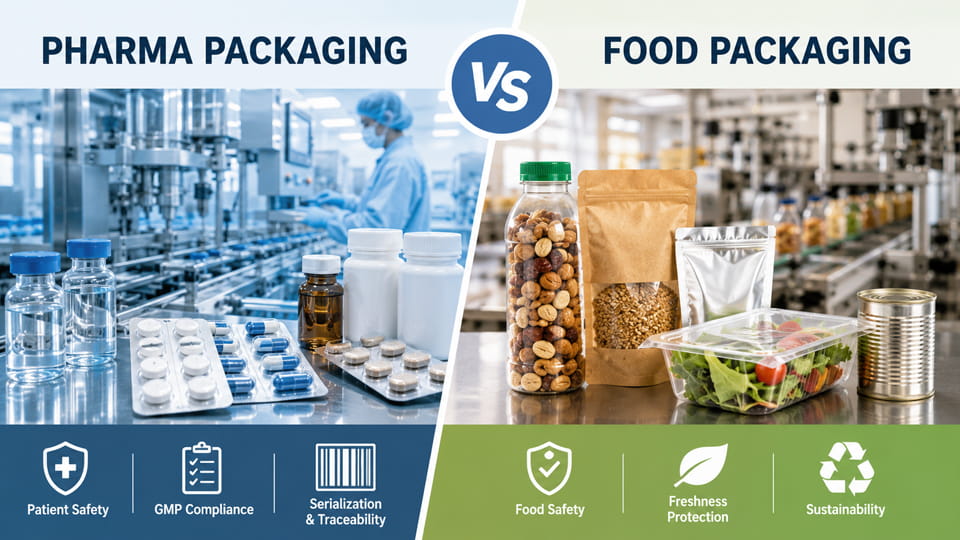
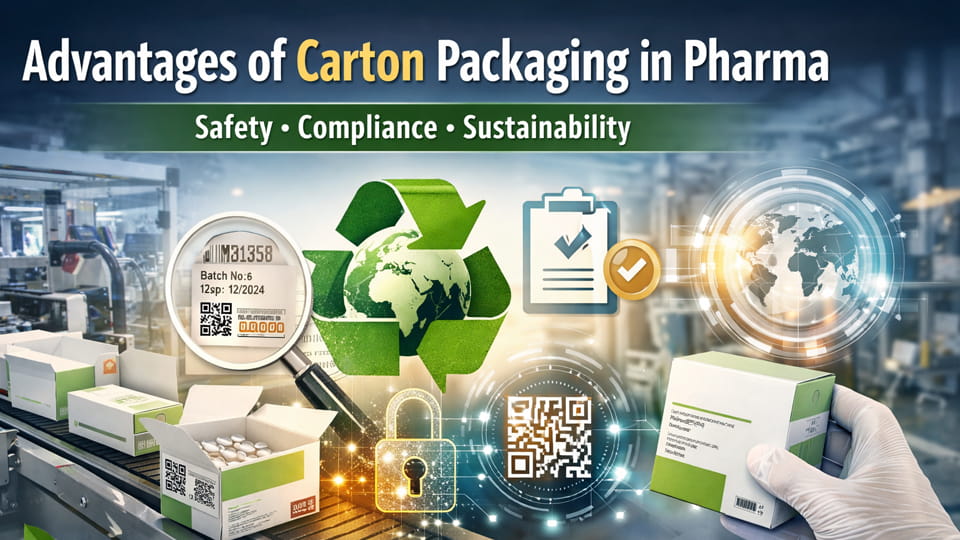
Farmasötik ambalaj aşağıdakilerden oluşur: öncelik, ikincil, ve üçüncül ambalaj katmanları. Birincil paketleme ilaçla doğrudan temas halindedir (örneğin. kabarcıklar, şişeler, flakon, ampuller) ve neme karşı ilk bariyeri sağlar, ışık, ve oksijen. Örneğin, sert amber renkli cam şişeler ışığa duyarlı tabletleri korur, alüminyum-plastik iken Blister paketleri Gücü korumak için her dozu hava geçirmez şekilde kapatın. İkincil paketleme birincil birimleri gruplandırır (örneğin. kabarcıkları veya şişeleri baskılı kartonlara koymak) ve etiketleme alanı ekler, talimatlar, ve kurcalama contaları. Kartonlar ayrıca nakliye sırasında ürünleri tamponlar. Üçüncül paketleme toplu nakliye konteynırlarını içerir (kutular, kasalar, paletler) depo ve nakliye için kullanılır. Her paketleme seviyesinin işlevleri vardır: birincil dozaj kabını oluşturur, ikincil bilgi ve orta düzeyde koruma sağlar, ve üçüncül toplu lojistikle ilgilenir.
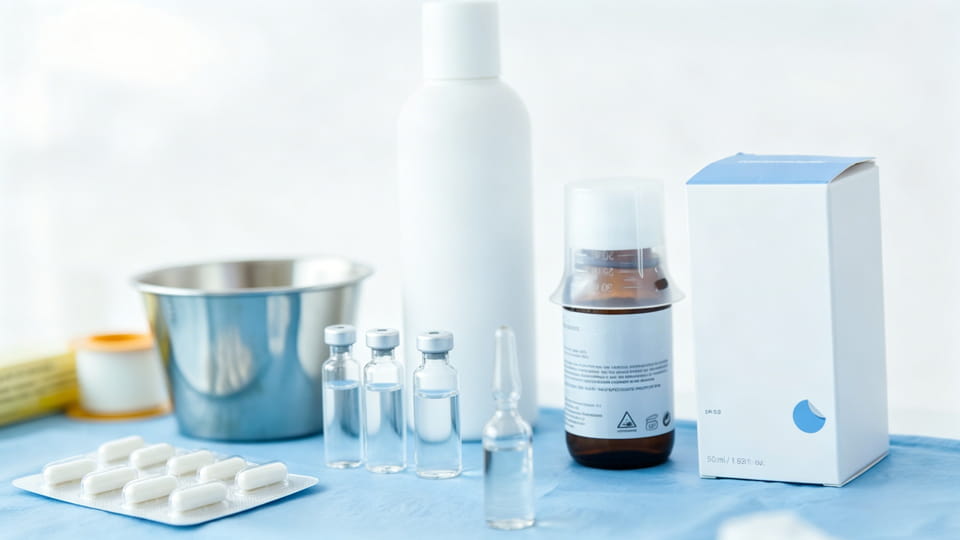
Jinlupacking, farmasötik ambalajların ilaçları saklaması gerektiğini belirtiyor stabil ve steril, sıklıkla çocuklara dayanıklı veya kurcalamaya dayanıklı formatlar, Dozaj ve güvenlik bilgilerini iletirken.
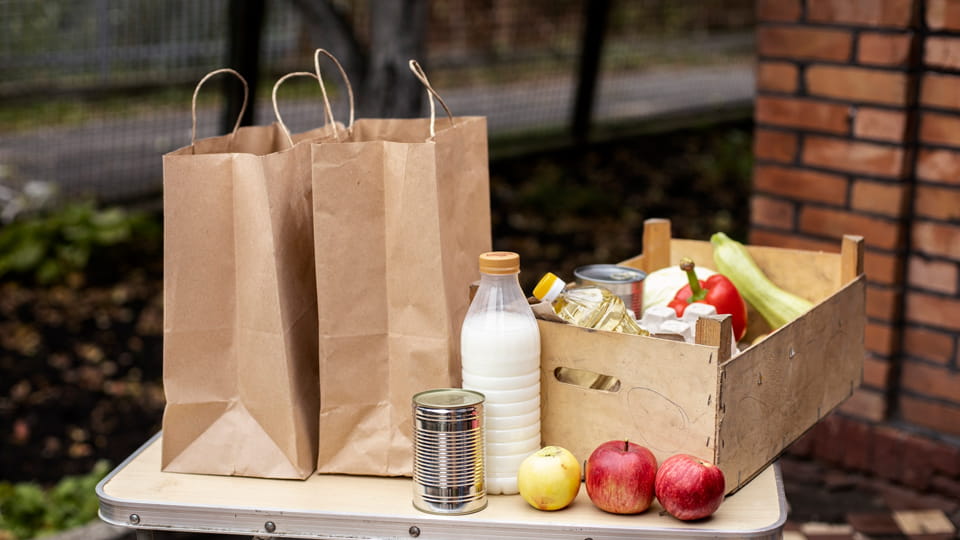
Gıda ambalajı şu amaçlara hizmet eder: korumak, korumak, ve bilgilendir. Ana işlevler yiyecekleri taze tutmaktır, kirlenmeyi veya bozulmayı önlemek (nem yoluyla, oksijen, mikroplar), ve beslenme/içerik etiketlemesi ve markalama sağlamak. Yaygın gıda paketleme formatları arasında şişeler ve kavanozlar bulunur, esnek torbalar, kartonlar, kutular, tepsiler, ve filmler. Örneğin, ketçap tekrar kapatılabilir PET sıkma şişeleri veya tek servislik folyo poşetler halinde gelebilir. Atıştırmalık yiyeceklerde genellikle maliyeti yeterli nem/oksijen bariyeriyle dengeleyen çok katmanlı plastik/folyo torbalar veya torbalar kullanılır.
Her ne kadar her iki endüstri de kontaminasyonu önlemeye çalışsa da, gıda ambalajı genellikle öncelik verir Tüketici rahatlığı ve maliyeti. Örneğin, Yiyecek poşetleri basit filmler kullanır ve yeniden kapatılabilirlik veya hafif tasarım hedeflenir, İlaç sektöründe maksimum bariyer ve dayanıklılık için daha ağır malzemeler kullanılabilirken.
Ürün türü ne olursa olsun, etkili paketleme gerekir:
Örneğin, Jinlu farmasötik ambalaj malzemelerine dikkat çekiyor (bardak, plastik, folyo) koruyucu özellikleri nedeniyle seçilir, katı toksiklik ve kurcalamaya karşı dayanıklılık standartları kapsamında. Gıda ambalajı aynı zamanda korumayı da amaçlıyor (örneğin. patates cipsi için plastik film) ancak maliyet ve pazarlama çekiciliğini dengeler.
| Özellik | İlaç Ambalajı | Gıda Ambalajı |
| Birincil Hedefler | İlaç etkinliğini ve steriliteyi koruyun; kirlenmeyi veya karışmayı önleyin. Doğru dozajı sağlayın (sayımların/dozajların kalibrasyonu). | Tazeliği koruyun, bozulmayı önlemek, porsiyonlama sağlamak; mikrop/mikrop kontaminasyonuna karşı koruma. Doğru beslenme/alerjen bilgilerinin doğru olduğundan emin olun. |
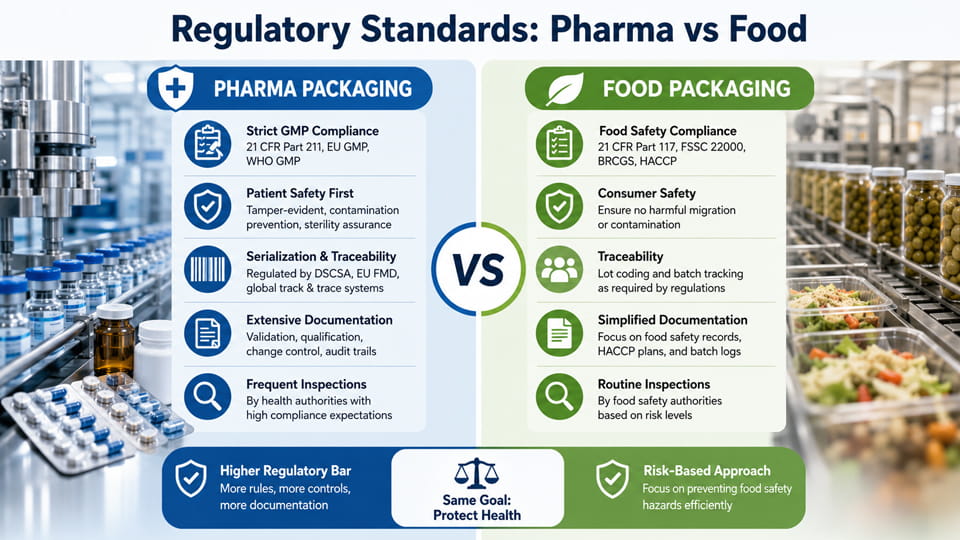
| Düzenleyici Standartlar | Sıkı GMP uyumluluğu (FDA 21 CFR 210/211, AB GMP EudraLex Vol.4, ISO 15378). Tüm paketleme süreci doğrulanır ve belgelenir. | Gıda güvenliği yönetmeliklerine tabidir: FDA gıdayla temas onayları, HACCP (sıhhi koşullar için önkoşul programları), ve BRCGS/ISO gibi standartlar 22000. Etiketler FDA Gıda Etiketleme Kılavuzuna göre önceden onaylanmıştır. |
| İzlenebilirlik | Yüksek: Her paketteki parti/lot numaraları, serileştirme (benzersiz barkodlar) uyuşturucu soyağacı için (örneğin. ABD'de DSCSA). Tam izlenebilirliği/geri çağırmayı etkinleştirir. | Ilıman: geri çağırma için parti veya tarih kodları; çoğu bölgede her ünitede gerekli değildir (toplu kodlar hariç). Sınırlı serileştirme (nadiren kanunen). |
| Kurcalama | Genellikle evet: güvenlik mühürleri, Açıldığında açıkça kırılan kabarcıklı folyo, özel kapaklar (çocuklara veya uyuşturucuya dayanıklı). | Bazı yiyecekler için sıklıkla evet (örneğin. kutular, yoğurt kapakları), ancak birçok gıda paketinde temel mühürler bulunur. Kurcalamayı gösteren özellikler (ısı contaları) kavanozlarda ve kapaklarda yaygındır. |
| Temiz Oda / Hijyen | Kritik: Ekipman genellikle kontrollü ortamlarda (temiz odalar) parçacıklardan/mikroplardan kaçınmak için. Paslanmaz çelik (SUS316L) yüzeyler, HEPA filtreleme. | Hijyenik tasarım gerekli, ancak genellikle genel gıda sınıfı (pas yok, kolay yıkama) 100K sınıfı temiz odalar yerine. Alerjen veya mikrobiyal çapraz bulaşmayı önleyen sıhhi tasarım. |
| Doğrulama/KG | Zorunlu ekipman kalifikasyonu ve proses doğrulaması (IR/WH/PQ) FDA/AB kurallarına göre. Sterillik ve tutarlılık açısından doğrulanmış paketleme süreçleri. | HACCP anlamında doğrulama: kritik noktaları kontrol etmek. Ekipman temizlenir/incelenir, ancak resmi doğrulama (IQ/OQ) standart değil. QA mikrobiyoloji ve alerjenlere odaklanır. |
| Malzemeler | Farmasötik dereceli: örneğin. Tip-I cam, tıbbi plastikler, alüminyum folyo kapatma, kauçuk tıpalar, özel kabarcıklar. Ekstrakte edilebilir/sızıntı yapılabilir maddeler için test edilmiştir (Zararlı göçün olmamasını sağlamak için). | Gıdaya uygun: PE, PET, PP, alüminyum folyo, karton. Gıdayla temas için FDA onaylı olmalıdır. İlaçlara göre daha düşük saflık gereksinimleri; migrasyon sınırları ve alerjenlere düzenleyici odaklanma. |
| Etiketleme | Ayrıntılı etiketler: ilaç adı, kuvvet, dozaj, uyarılar, parti/parti, son kullanma tarihi, talimatlar. Düzenlemeler kesin etiketleme ve inceleme gerektirir (örneğin. NDC kodları). Çoğunlukla küçük yazı. | Beslenme gerçekleri paneli, içindekiler (ağırlıkla azalan), net ağırlığı, alerjen beyanları, marka/pazarlama. FD ile tanışmalı&C Yasası gereklilikleri (etiket için FDA ön onayı yok ancak katı format kuralları). |
| Riski Geri Çağırma | Çok yüksek bahisler: herhangi bir kontaminasyon hastaya zarar verebilir. Geri çağırmalar maliyetlidir ve sıkı bir şekilde kontrol edilir ( FDA seri geri çağırma bildirimlerini zorunlu kılıyor). Çoğu zaman tüm partiler çekilir. | Önemli risk (gıda güvenliği olayları), ancak etki genellikle daha dardır. Belirli partilere odaklanmayı hatırlar; ambalaj atığı daha tolere edilir. |
| Ekipman Standartları | Ekipman cGMP tasarımı olmalıdır: temizlenmesi/sterilize edilmesi kolay, paslanmaz yüzeyler, en aza indirilmiş ölü bölgeler. Genellikle CIP kapsamında (Yerinde Temizleme). Örn.. vakumlu kabarcık makineleri, steril dolum hatları. | Sıhhi tasarım: paslanmaz çelik, bakteri tuzağı yok. CIP veya yıkama seçenekleri. Örn.. VFFS hatları, şekillendiriciler, USDA/FDA sıhhi standartlarını karşılayan dolgu maddesi. Tasarım bozulmayı önlemeye odaklanır. |
Bu karşılaştırmalar şunu gösteriyor ilaç ambalajı çok daha düzenli ve kontrollü. Örneğin, FDA'nın cGMP yönergeleri, ilaç paketleme hatlarının doğrulanmış süreçleri ve güvenli olduğu kanıtlanmış malzemeleri kullanmasını gerektirir. Tersine, gıda ambalajı geniş hijyen ve güvenlik kontrollerini takip eder (HACCP önkoşul programları) farmasötik tarzda toplu doğrulama yerine.
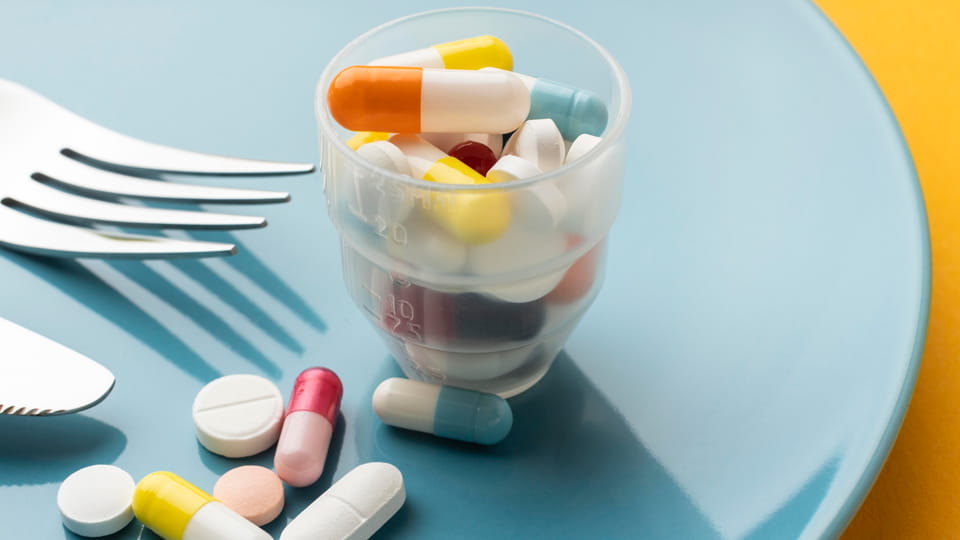
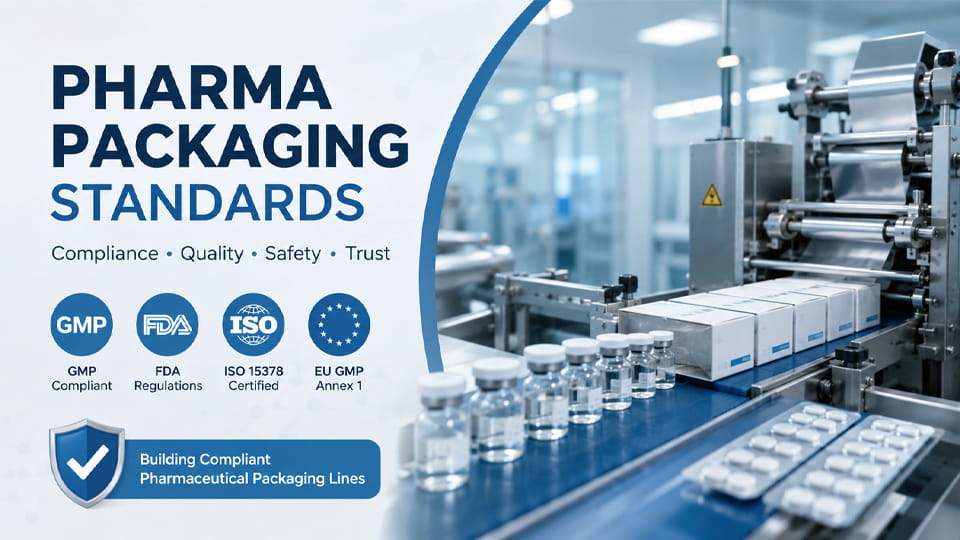
İlaç ambalajı şu kurallara tabidir: farmasötik GMP düzenlemeleri. ABD'de, Başlık 21 CFR Parçaları 210–211 seti mevcut İyi Üretim Uygulamaları (CGMP) ilaç “paketleme” gereklilikleri (ambalajlama). Bu, yöntemler anlamına gelir, kontroller, tesisler, İlaçların paketlenmesinde kullanılan ekipman ve ekipman, ürün güvenliğini ve etiket dayanıklılığını sağlamalıdır. Avrupa kullanır AB GMP (EudraLex Cilt. 4) benzer kurallarla. Ek olarak, ISO 15378:2017 ISO'yu uygulayan küresel bir standarttır 9001 Tıbbi ürünler için birincil ambalaj malzemelerine ilişkin KYS ilkeleri. ISO 15378 kontaminasyon kontrolünü açıkça ele alır, risk azaltma, ve ambalaj malzemesi üretiminde mevzuata uygunluk.
Karşılaştırıldığında, Gıda ambalajları gıda güvenliği düzenlemelerine uygun olmalıdır. FDA, gıdayla temas eden tüm malzemelerin önceden onaylanmasını şart koşuyor (Gıdayla Temas Bildirimi veya GRAS aracılığıyla). Gıda tesislerindeki paketleme ekipmanları, HACCP ve FDA'nın gıdalara yönelik İyi Üretim Uygulamaları uyarınca sanitasyon ve kontaminasyonu önleme ilkelerini takip eder. HACCP planı, ekipmanı ve ambalaj malzemesini aşağıdaki koşullar altında ele alır: önkoşul programları - Örneğin, tesis ve ekipmanlar sıhhi tasarım ve temizlik prosedürlerine uymalıdır. Gibi standartlar BRCGS Ambalaj Malzemeleri veya ISO 22000 (gıda güvenliği yönetimi) ayrıca uygula. Uyuşturucunun aksine, gıda etiketleri ve ambalajları yetkililerden ön onay gerektirmez, ancak etiketleme yasalarına uygun olmalıdır (içindekiler, beslenme, vesaire.) piyasada ne zaman.
Özetle, farmasötik ambalajlar aşağıdaki şartlara tabidir: kuralcı düzenlemeler (özel yönergeler, sertifika denetimleri), gıda ambalajı ise şu kurallara tabidir: önleyici güvenlik sistemleri (HACCP, GFSI standartları) ve gıdayla temas eden malzeme onayları. Bu fark birçok malzeme ve ekipman seçeneğini yönlendirmektedir (yukarıdaki tabloya bakın).
Ambalajlama malzemeler farklı: farmasötik kaplar genellikle yüksek saflıkta kullanır, inert substratlar. Yaygın ilaç birincil ambalajı şunları içerir: Tip I cam flakon (enjeksiyonlar için), farmasötik dereceli plastikler (HDPE, PP, PETG), ve çok katmanlı laminatlar (PVDC/Alu folyo kabarcıklar). Bunlar ilaçla etkileşime girebilecek sızıntılardan kaçınmak için seçilmiştir.. Aslında, Ekstrakte edilebilirler ve süzülebilirler (plastik/folyodan geçen kimyasallar) eczacılıkta büyük bir endişe kaynağıdır. İlaç üreticileri, ambalajın kapanma bütünlüğünü sağlamak için ambalajı test etmelidir (CCİ) ve sızabilen maddelerin toksik eşik değerlerin altında kalması. FDA kılavuzu sıkı CCI testlerini önermektedir (örneğin. boya daldırma, basınç düşüşü) mühürlü koruma sağlamak amacıyla steril parenteral paketler için.
Gıda ambalaj malzemeleri (polietilen, polipropilen, PET, kaplamalı karton, alüminyum, vesaire.) geçiş için de test ediliyor (genellikle AB'nin EC'si gibi düzenlemeler kapsamında 1935/2004). Fakat, güvenlik testi eşiği genellikle ilaç sektöründeki eşikten daha düşüktür. Yemek için, FDA, “Gıdayla Temas Eden Maddeler Envanteri”ni denetler;. tüm polimerler ve mürekkepler FDA onaylı olmalıdır. Gıda ambalajları genellikle CCI testlerine tabi tutulmaz, kısırlık gerekli olmadığından; yerine, raf ömrü için mikrobiyal mücadele testlerine veya katkı maddeleri için migrasyon testlerine tabi tutulabilir.
Pratikte: ilaç ambalajı ekstrakte edilebilir/sızıntı yapılabilir maddeler üzerinde daha sıkı kontrol gerektirir. ISO 15378 cam için kontaminasyon riskinin azaltılmasını açıkça içerir, plastik, lastik, ve ilaç ambalajlarında kullanılan alüminyum malzemeler. Gıda ambalajı Bariyer özelliklerine ve gıdayla temas düzenlemeleriyle uyumluluğa odaklanır, ancak daha fazla malzeme çeşitliliğine izin verir (ve hatta geri dönüştürülmüş içerik) çünkü yutma riski daha düşüktür ve toksinler güvenli maruz kalma seviyelerinde düzenlenir. Örneğin, su şişeleri (PET) yaygındır, ilaçlar nadiren farmasötik olmayan plastiklerde şişelenirdi.
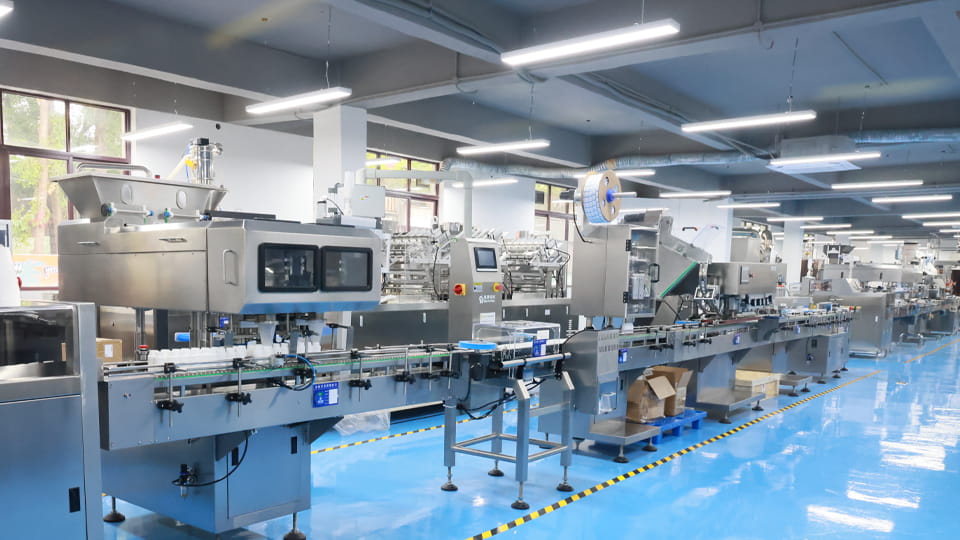
Makinelerin kendileri bu gereksinimleri yansıtıyor. İlaç paketleme ekipmanları GMP'ye uygun olarak tasarlanmalıdır: paslanmaz çelik (sıklıkla 316L), pürüzsüz yüzeyler, mühürlü tahrik milleri, minimum çatlak, ve kolay temizlenebilirlik. Genellikle CIP özelliğine sahiptirler ve aseptik alanlar için HEPA filtreleri kurarlar. Yaygın ilaç makineleri şunları içerir::
Buna karşılık, gıda paketleme makineleri hacim ve temizlik için optimize edilmiştir: genellikle daha büyük verim sağlarlar (Saniyeler içinde çanta) ve hızlı sanitasyon için tasarlandı (CIP veya yıkama özelliği). Tipik gıda paketleme ekipmanı şunları içerir::
Örneğin, Jinlu'nun Hazır Kese Paketleme makineleri sakızlar için çok yönlüdür, tozlar veya sıvılar, ve GMP sertifikasına sahiptir, CE, FDA uyumluluğu. Tersine, tipik bir atıştırmalık yiyecek hattı, gıda sınıfı bileşenlere sahip çok şeritli bir VFFS kullanabilir.
Aşağıda bir üreticinin ürün türüne ve gereksinimlerine göre paketleme makinelerini nasıl seçebileceğini gösteren basit bir akış şeması bulunmaktadır.:
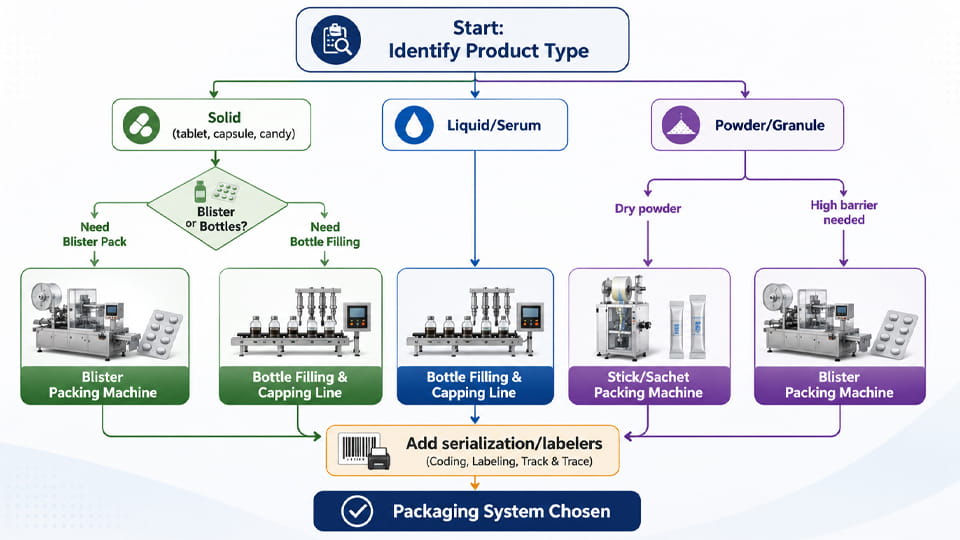
Bu akış öne çıkıyor: ambalajı seç biçim (kabarcık vs şişe vs kese, vesaire.) ürün formu ve stabilite ihtiyaçlarına göre, ardından ilgili makine hattını seçin. Örneğin, sıcaklığa duyarlı tabletlerin kullanımı artabilir soğuk formlu kabarcıklar şişeler yerine (oksijen/nem bariyerini sağlamak için).
İçinde tasarım, ilaç makineleri genellikle temizlik ve izlenebilirlik için daha fazla otomasyon içerir. Örneğin, Enjektabl maddeler için dolgular laminer akış başlıklarının altında çalışır, gıda konveyörleri soğuk odada açık olarak çalışabilirken. Her ikisi de hijyen standartlarını karşılamalıdır, ama sıkılık ve doğrulama farklı.
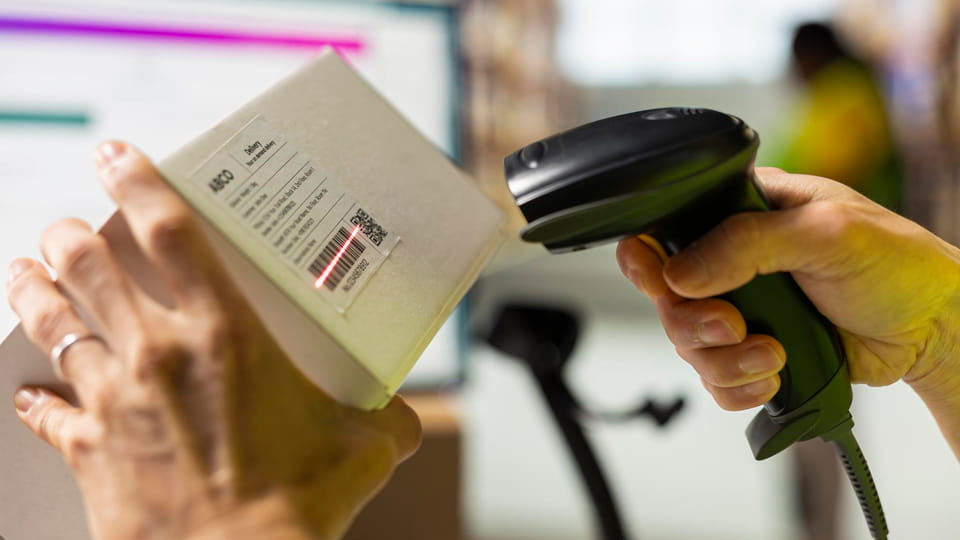
Farmasötik ambalajlar son derece hassas etiketleme ve takip gerektirir. Her ilaç paketi tipik olarak tam ürün adını gösterir, kuvvet, parti numarası, Son kullanma tarihi, ve bazen izleme ve izleme için benzersiz seri kodları (örneğin. ABD yönetimi altında. DSCSA yasası). FDA rehberliği birçok ilaç için serileştirmeyi zorunlu kıldı, birim paketlerde benzersiz barkodlar gerektiren. Bu, geri çağrılan bir partinin her bir öğeye kadar izlenebilmesini sağlar. Buna karşılık, Gıda ambalajı etiketleri içerik listelerini içermelidir, beslenme panelleri, ve FDA kurallarına göre net ağırlık, ancak bireysel ünite serileştirmesi genellikle gerekli değildir (belki belirli takviyeler veya pazarlar hariç).
Kurcalanma kanıtı uyuşturucular için de daha güçlüdür; her kabarcık veya flakonda genellikle açıldıktan sonra tahrip olan bir mühür bulunur. Jinlu, her bir ünitedeki serileştirilmiş barkodların ve kurcalamayı gösteren mühürlerin, sahteciliğe karşı ilaç sektöründe standart olduğunu belirtiyor. Gıdada, kurcalamayı belli eden bantlar ve mühürler kullanılır (örneğin. soda şişelerindeki emniyet halkaları, kapaklardaki indüksiyon contaları), ancak tek servislik gıdalar yalnızca sağlam mühürlere bağlı olabilir (poşet ısı contaları gibi) daha az resmi serileştirme ile.
İlaç sektöründe izlenebilirlik sistemleri artık daha dijital (elektronik toplu kayıtlar, GMP belgeleri). Gıda izlenebilirliği partilere ve menşee odaklanır (güvenlik için “tarladan sofraya”yı düşünün) ancak tüketici düzeyinde genellikle daha az ayrıntılıdır. Özetle, Pharma Packaging, hat üzerinde serileştirme teknolojisine büyük yatırım yapıyor (barkod yazdırma ve tarama), gıda grupları ise etiketleme hızını ve gerekli tüm bilgilerin sağlanmasını vurguluyor (örneğin. alerjen simgeler, beslenme gerçekleri) doğru yazdırıldı.
Her iki sektör de daha yeşil ambalajlara doğru ilerliyor, ancak sürücüler ve çözümler farklı. Eczacılıkta, Atıkların azaltılması ve mümkün olduğunca geri dönüştürülebilir/biyolojik olarak parçalanabilen malzemelerin kullanılması yönünde bir baskı var. Örneğin, üreticiler araştırıyor tek malzeme İkincil ambalaj için kabarcıklı filmler ve geri dönüştürülmüş karton. Bir trend, kağıttan tasarruf etmek için basılı kağıt eklerini dijital bilgilerle değiştirmektir. Fakat, herhangi bir değişiklik yine de stabilite gerekliliklerine uygun olmalıdır, dolayısıyla yenilikler genellikle ikincil veya üçüncül katmanlarda başlar.
Gıdada, sürdürülebilirlik genellikle hafif ambalaj anlamına gelir, gübrelenebilir malzemeler, ve tek kullanımlık plastiklerin azaltılması. Birçok bölge geri dönüştürülemeyen belirli maddelere karşı yasalar çıkarıyor. özellikle, çeşni poşetleri (folyo/doku torbaları) bazı pazarlarda aşamalı olarak kaldırılıyor 2030 yeniden doldurulabilir veya geri dönüştürülebilir alternatiflerin lehine. Büyük gıda markaları da geri dönüştürülebilir tek malzemeli filmler arıyor. Her iki sektör de karbon ayak izini azaltmaya değer veriyor, ancak ilaç şirketlerinin eko-hedefleri en önemli ürün koruma ihtiyacıyla dengelemesi gerekiyor.
(Onlar): “Sürdürülebilirlik önemli bir trend: şirketler geri dönüştürülebilir veya biyolojik olarak parçalanabilen malzemelerden ambalajlar tasarlıyor ve fazla ambalajı azaltıyor. Örneğin, karton kağıtlar artık sıklıkla geri dönüştürülmüş içerik kullanıyor, ve daha kolay geri dönüşüm için tek malzemeli filmler seçiliyor.”
(Ketçap Rehberi): “Çevreye duyarlı markalar daha hafif ürünler arıyor, geri dönüştürülebilir seçenekler. Aslında, Hatta bazı bölgelerde tek kullanımlık çeşni poşetleri aşamalı olarak kullanımdan kaldırılıyor. 2030, üreticileri doğru itiyor sürdürülebilir kese veya yeniden doldurulabilir çözümler.”
Bu trendler, ekipmanın da adapte olabileceği anlamına geliyor: geri dönüştürülmüş plastikleri işleyebilen makineler, veya daha kolay malzeme değişimi için tasarlanmış hatlar değerli hale geliyor.

İlaç veya gıda ambalajı için ekipman seçerken, Aşağıdaki faktörleri düşünün:
Pratikte, üreticilerle çalışmak (beğenmek Jinlu Paketleme) bu faktörleri analiz etmek. Örneğin, Jinlu'nun mühendislik ekibi bir öneride bulunabilir entegre şişe doldurma & kartonlama hattı yeni bir ek için, veya bir modüler kese paketleme çözümü özel bir şurup için.
Jinlu Packaging, farmasötiklere yönelik anahtar teslim paketleme çözümlerinde uzmanlaşmıştır Ve gıda/nutrasötik ürünler. Makinelerimiz katı GMP standartlarını karşılayacak şekilde tasarlanmıştır (CE, FDA, ISO sertifikaları) esneklik sunarken. Temel avantajlar şunları içerir::
İle 30+ ilaç paketleme makinelerinde uzun yıllar, Jinlu'ya, endüstri liderleri, ekipman sağlama konusunda güvenmektedir. güvenli bir şekilde Ve verimli bir şekilde ilaçları ve yiyecekleri benzer şekilde paketler. Makinelerimizin nasıl olduğunu görüşmek için bizimle iletişime geçin (beğenmek Blister Ambalaj Makinaları, Sayma Makineleri, Kartonlama Makineleri, Poşet Ambalaj, veya Hazır Kese Doldurucuları) üretim hedeflerinizi karşılayabilir.
Sonuç olarak, İlaç ambalajı vs Gıda ambalajı her ikisi de ürünleri korumayı amaçlasa da farklı önceliklere sahipler. İlaç ambalajları katı GMP yönetmeliklerine göre yönlendirilir ve steriliteyi vurgular, izlenebilirlik, ve bariyer bütünlüğü. Gıda ambalajı gıda güvenliğini ön plana çıkarıyor (bozulmayı/tehlikeleri önleme) ve pratiklik (maliyet, kolaylık) HACCP ve gıdayla temas kuralları kapsamında. Malzeme seçenekleri, makine tasarımı, ve etiketleme bu öncelikleri yansıtıyor: ilaç hatları genellikle serileştirme ile kontrollü ortamlarda çalışır, sırasında yemek hatları Hijyenik tasarımla yüksek hızda çalıştırın.
Bu farklılıkları anlayarak, paketleme mühendisleri ve alıcılar doğru çözümleri seçebilir. Örneğin, bir ilaç üreticisi, FDA ve AB kurallarını karşılamak için entegre serileştirmeye sahip yüksek bariyerli bir kabarcık hattını seçebilir. Bir yiyecek atıştırmalık üreticisi, verimlilik için çok şeritli bir VFFS'yi tercih edebilir, filmlerin FDA onaylı olmasını sağlamak. Her ikisi de uygun teknolojiyi bulabilir: Jinlu Packaging her iki dünya için de üretilmiş makineler sunuyor, GMP uyumlu kabarcıklardan esnek torba sistemleri. Nihayetinde, Her endüstrinin kurallarına bağlı kalarak son ürünün güvenlik ve kalite ihtiyaçlarının karşılanması, her paketleme sisteminin temel hedefidir..
Farmasötik ambalajlar katı steriliteye ve mevzuat uyumluluğuna öncelik verir. Genellikle daha yüksek bariyer içerir, İlaçları cGMP kuralları kapsamında korumak için tıbbi sınıf malzemeler ve kurcalamaya dayanıklı özellikler. Gıda ambalajı tazeliğe ve güvenliğe öncelik verir (bozulmayı/tehlikeleri önleme) HACCP ve gıdayla temas düzenlemeleri kapsamında, genellikle daha hafif veya geri dönüştürülebilir malzemeler kullanılır.
İlaç Tedarik Zinciri Güvenlik Yasası (DSCSA) ve benzer yasalar, tedarik zinciri boyunca takibi mümkün kılmak için bireysel ilaç paketlerinde benzersiz seri numaraları gerektirir. Bu, sahte ilaçların önlenmesine yardımcı olur ve kesin geri çağırmalara olanak tanır. Çoğu gıda için bu tür gereklilikler mevcut değildir, dolayısıyla gıda ambalajında seri izleme genellikle birim düzeyinde yapılmaz.
Bazı makineler (kabarcıklı paketleyiciler veya kese doldurucuları gibi) Düzgün bir şekilde temizlenip doğrulandığı takdirde her iki sektörde de kullanılabilir. Örneğin, Jinlu'nun kabarcıklı makineleri hem tabletleri hem de yiyecek porsiyonlarını paketliyor (reçeller, aperatifler) malzemeleri ve ayarları değiştirerek. Fakat, Ekipman kullanımlar arasında tamamen sterilize edilmelidir ve yükseltmelere ihtiyaç duyabilir (ek HEPA filtreleri veya GMP belgeleri gibi) farmasötik standartları karşılamak.
ABD'de, tüm gıda ambalajı bileşenleri FDA onaylı gıdayla temas eden maddeler olmalıdır (FCS) pazarlamadan önce. Bu herhangi bir plastik anlamına gelir, kaplama, mürekkep, veya gıdayla temas eden yapıştırıcının FDA listesinde olması veya bildirilmesi gerekir. Etiketler ve ambalajlar aynı zamanda FDA'nın gıda etiketleme kurallarına da uymalıdır. (içerik listesi, beslenme gerçekleri). Gıda üreticileri güvenli paketleme süreçlerini sağlamak için HACCP ve GMP'leri kullanıyor.
Ürün ve üretim ihtiyaçlarına göre seçim yapın. Hazır kese paketleyicileri önceden basılmış, yeniden kapatılabilir torbalar ve özel veya yüksek bariyerli ürünler için mükemmeldir (örneğin. vitamin, meyve suları) hızlı geçişlerle. VFFS makineleri, rulo filmden anında torba oluşturur ve yüksek hızda üstünlük sağlar, yüksek hacimli standart ürünler (aperatifler, tozlar) daha düşük malzeme maliyetiyle. Çanta formatınızı değerlendirin, verim ihtiyaçları, karar vermek için esneklik gereksinimleri ve.
Referanslar:
1.Mevcut İyi Üretim Uygulamaları (CGMP) Düzenlemeler | FDA -- BİZ. Gıda ve İlaç İdaresi
2.21 CFR bölümü 211 – Alt Bölüm G – Paketleme ve Etiketleme Kontrolü —— Yasal Bilgi Enstitüsü
3.Ambalajlama & Gıdayla Temas Eden Maddeler (FCS) -- BİZ. Gıda ve İlaç İdaresi
4.İyi Üretim ve Dağıtım Uygulamaları —— Avrupa Komisyonu
5.Güncel İyi Üretim Uygulamaları (CGMP'ler) Gıda ve Diyet Takviyeleri için -- BİZ. Gıda ve İlaç İdaresi