
İyi Üretim Uygulaması (Gmp) yönergeler katı kurallar belirler ilaç paketleme ekipmanları Ürün kalitesini ve hasta güvenliğini sağlamak. Temel gereksinimler arasında hijyenik makine tasarımı yer alır, reaktif olmayan malzemeler, tam ekipman kalifikasyonu (IR/WH/PQ), onaylanmış temizlik, hataları azaltmak için otomasyon, veri bütünlüğü (21 CFR Bölüm 11) ve ürün izlenebilirliği (serileştirme). Bu kılavuz FDA'yı kapsar, EMA/AB ve WHO standartları, bir GMP kontrol listesi sunar ve nasıl seçileceğini ve sürdürüleceğini açıklar GMP uyumlu paketleme makineleri.
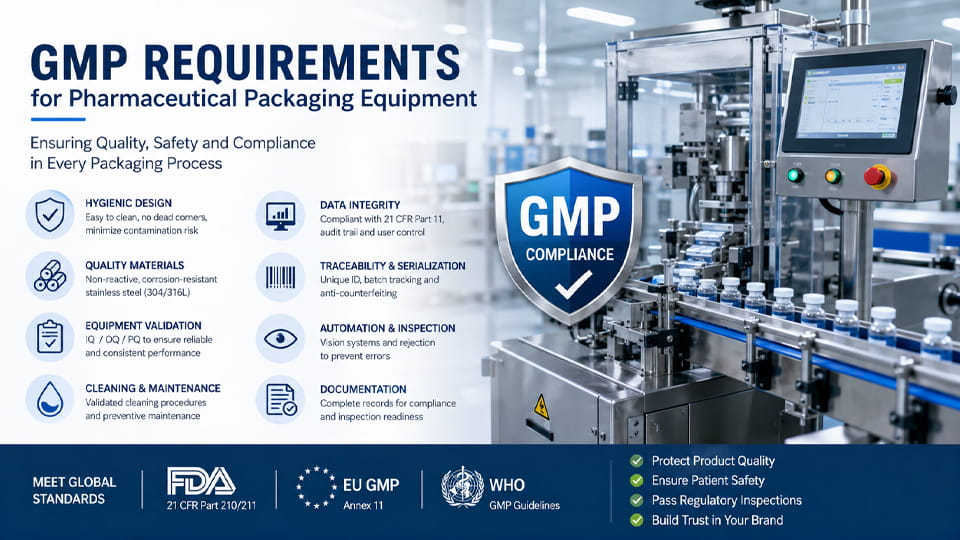
Gmp (İyi Üretim Uygulaması) farmasötiklerin tutarlı bir şekilde üretilmesini ve kontrol edilmesini sağlayan kalite çerçevesidir. Ambalajda, GMP, karışıklıkları veya kirlenmeyi önleyen tasarım ve süreçler anlamına gelir. FDA gibi düzenleyici kurumlar (21 CFR210/211), Ema (AB GMP Kısmı, Ekler) ve KİM (farmasötik kalite yönergeleri) hepsi ambalajlamada GMP ilkelerini karşılayacak ekipman gerektirir. Amaç ürünü korumak kimlik, kuvvet, kalite ve saflık (İstenmeyen kimyasal reaksiyonlar veya kirlenme yok). Küresel düzenleyiciler aynı zamanda paketleme süreçlerinin ve ekipmanlarının da uygun olması gerektiğini vurguluyor. doğrulanmış/nitelikli tıpkı ilaç üretim adımları gibi, ve yalnızca eğitimli personelin yazılı prosedürlere göre çalıştığını.
Paketleme makinelerinde bulunması gerekenler sıhhi, temizlenebilir tasarım. Bu şu anlama gelir paslanmaz çelik (örneğin. 304 veya gıda sınıfı 316L) yapı, pürüzsüz yüzeyler, toz tuzaklarını önlemek için eğimli düzlemler, ve ölü bacak veya gizli boşluk yok. FDA kılavuzu, ekipmanın "temizliği kolaylaştıracak şekilde inşa edilmesi ve yerleştirilmesi gerektiğini" ve "diğer işlemlerden kaynaklanan kirlenmeyi önleyeceğini" belirtiyor.. AB GMP, benzer şekilde, ayrıntılı yazılı prosedürlerle üretim ekipmanının "kolay ve tamamen temizlenmesini" gerektirir. Pratikte, modern GMP makineleri genellikle dirsekli kullanır ("balkon") Motorları ve yağlama sistemlerini ürün alanından uzakta izole eden tasarımlar. Tüm bölgeler inceleme için ulaşılabilir olmalıdır, silme, ve sürüntüyle. Örneğin, Jinlupacking, partikül tuzaklarını önlemek için uyumlu kabarcıklı makinelerin ürünle temas eden tüm parçalarda eğimli yüzeyler ve SUS316L çelik kullandığını belirtiyor.
Ürünle temas eden tüm parçalar reaktif olmayan ve emici olmayan, böylece aktif maddeleri süzmez veya bağlamazlar. FDA'nın CGMP'si, "reaktif ilaç ürünleriyle temas eden herhangi bir ekipman yüzeyinin", katkı maddesi, ilaç ürününün kalitesini değiştirecek kadar emici veya emici”. Aynı şekilde, EU GMP, temas parçalarının “reaktif olmaması gerektiğini” söylüyor, katkı maddesi veya emici… ürünün kalitesini etkileyecektir”. Pratikte, bu, temiz kalitede paslanmaz çelik kullanılması anlamına gelir (SUS316L) veya ilaç sınıfı plastikler, ve gıda sınıfı yağlayıcılar. Tüm bağlantı parçaları, contalar ve hortumlar kullanılan ilaçlar ve temizlik maddeleriyle uyumlu olmalıdır. Örneğin, Korozyonu veya kalıntıyı önlemek için hastane sınıfı contalar ve PTFE borular tercih edilir. Sonuç, ürünü kirletemeyen veya bozamayan paketleme ekipmanıdır.
GMP, tam ekipman kalifikasyonunu zorunlu kılar. Kurulumdan sonra, yeni veya değiştirilmiş bir makinenin test edilmesi gerekir Kurulum Kalifikasyonu (IQ'su), Operasyonel Yeterlilik (OQ), Ve Performans Kalifikasyonu (Güç kalitesi).
FDA müfettişleri, "temizlik belgelenmiş ve doğrulanmış" olarak "yeni ekipmanın uygun şekilde kurulması... ve kullanımdan önce yazılı prosedürlere göre temizlenmesi gerektiğini" vurguluyor.. GMP uyumlu ekipmanın teslim edilmesi, tam bir doğrulama dokümantasyon paketinin sağlanması anlamına gelir (Örn., IQ/OQ/PQ protokolleri ve raporları). Bu genellikle FAT/SAT ve güçlü tedarikçi desteği aracılığıyla yapılır.. Örneğin, Hikma blogu, FDA uyumlu makinelerin denetim başarısı için "tüm temas parçaları için SUS316L paslanmaz çelik" ve "kurşun geçirmez IQ/OQ/PQ belgeleri" gerektirdiğini belirtiyor. Başka bir deyişle, belgelenmiş IQ/OQ/PQ olmadan, ekipman GMP onaylı olarak kabul edilmiyor.

(Deniz kızı diyagramı: IQ → OQ → PQ doğrulama adımlarının akışı)
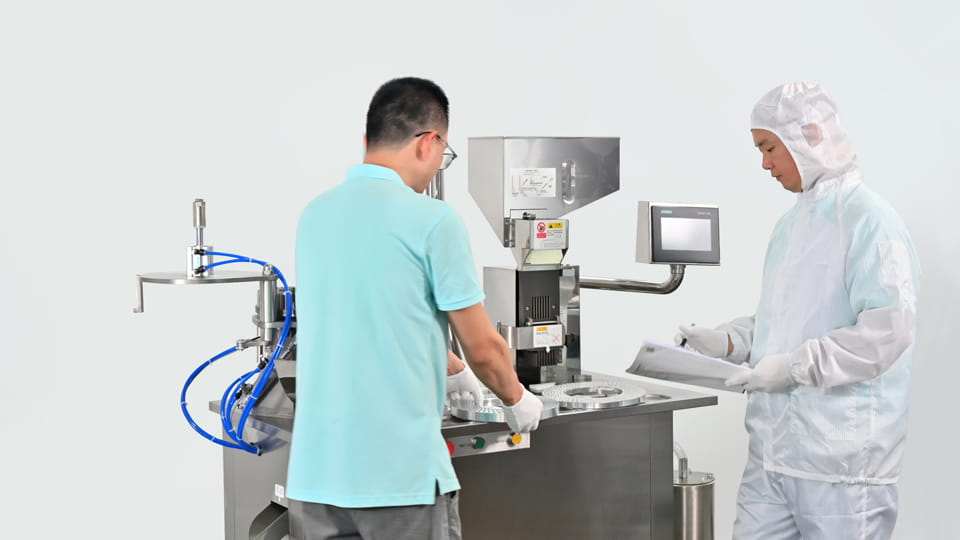
Paketleme hatlarında bulunması gerekenler onaylanmış temizleme işlemleri. Her ürün veya parti çalıştırmasından sonra, ekipman standart çalışma prosedürlerine göre temizlenir (Sopa). Düzenleyiciler temizlik prosedürlerinin belgelenmesini gerektirir, doğrulandı, ve periyodik olarak yeniden doğrulanır. WHO GMP kılavuzu, temizlik validasyonunu planlarken ekipman tasarımının dikkate alınması gerektiğini belirtiyor, tasarım etkililiği etkileyebileceğinden. Yalnızca temas eden yüzeyler kapsamlı doğrulama gerektirir; temas etmeyen alanlar hariç tutulabilir. Kritik öğeler (yeniden kullanılabilir hazneler veya nozullar gibi) temizliği kolaylaştırmak için genellikle özel veya tek ürün kullanımı gerektirir. Pratikte, Firmalar kalıntılar için kabul limitlerini tanımlar ve sürüntü veya durulama testleri yapar. FDA SSS'leri Toplam Organik Karbon gibi yöntemlerin kullanılmasını önerir (İçindekiler) veya kalıntı giderimini doğrulamak için spesifik analizler.
Bakım ve kalibrasyon da zorunludur. GMP düzenli önleyici bakım beklemektedir: Arızalı veya aşınmış parçalar kontaminasyon riskine yol açmadan onarılmalıdır. Ekipman kalibrasyonu (ağırlıklar, terazi, sensörler) Kayıtlarla ilgili yazılı prosedürleri takip etmelidir (21 CFR211.68). Örneğin, FDA kılavuzu, ölçüm ve kontrol cihazlarının "belirli aralıklarla kalibre edilmesi ve kontrol edilmesi gerektiğini" ve kayıtların tutulduğunu söylüyor. Bu, makinenin spesifikasyonlar dahilinde performans göstermeye devam etmesini sağlar (Örn., doğru dolum hacmi, etiket yerleştirme).
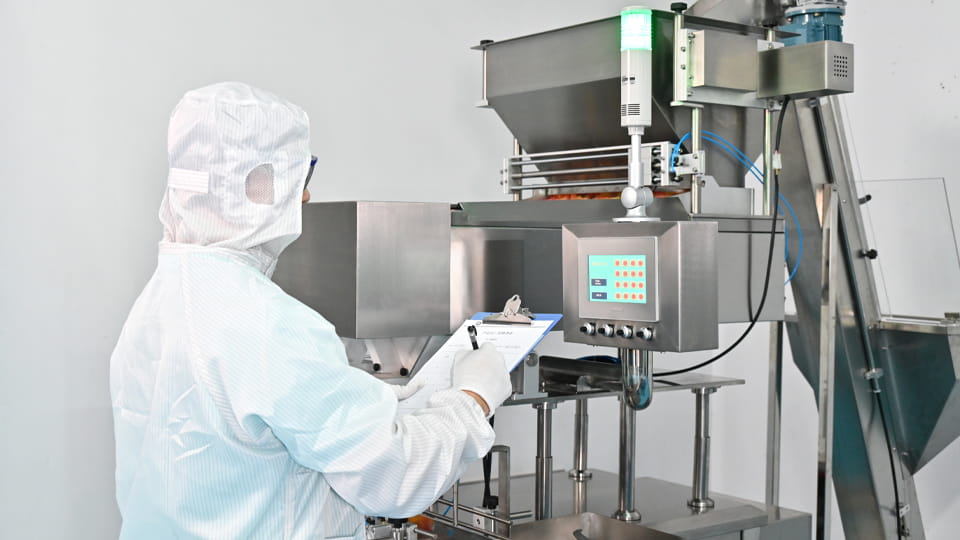
Otomatik özellikler insan hatasını azaltarak GMP'yi destekler. Modern makineler genellikle görüş sistemlerini içerir, barkod tarayıcılar, veya hat içi denetim için kontrol terazileri. Örneğin, otomatik etiket/barkod tarayıcıları her paketin doğru şekilde etiketlendiğini ve tanımlanabilir olduğunu doğrular; bu temel bir GMP adımıdır. MES/ERP sistemleriyle entegrasyon toplu verileri kaydedebilir. Otomatik reddetme, eksik doldurulmuş veya kusurlu paketleri ortadan kaldırır. Robotik (şişe taşıma veya alma ve yerleştirme için) tutarlılığı artır. Pratikte, birçok GMP hattı, kilitlemeler gibi cihaz özelliklerini içerir (Örn., kapı açıksa makine çalışmaz), otomatik geçiş korumaları, ve sıkışmaları yakalayacak sensörler. Tüm yazılımların güvenli kullanıcı hesapları olmalıdır (sonraki bölüme bakın).
Farmasötik GMP güçlü veri bütünlüğü gerektirir. ABD'de ve birçok pazarda, bilgisayarlı kontroller 21CFRPart11'i karşılamalıdır: buna benzersiz oturum açma bilgileri de dahildir, denetim izleri, ve elektronik imzalar. Tüm toplu kayıtlar, alarmlar ve değişiklikler zaman damgalı olmalı ve kurcalanmaya karşı korunmalıdır. Örneğin, FDA, otomatik kalibrasyonlu terazilerin hâlâ harici kontrollere ihtiyaç duyduğu konusunda uyarıyor, ve kontrol yazılımı parametreleri kimin ve ne zaman değiştirdiğini takip etmelidir. Temel gereksinimler rol tabanlı erişimi içerir (operatörler vs yöneticiler), parametre değişikliklerinin değiştirilemez denetim günlükleri, ve kritik adımlarda dijital imza. AB Ek11'de de benzer şekilde GMP ile ilgili bilgisayarlı sistemler için doğrulanmış sistemler ve denetim izleri talep edilmektedir.. özünde, makinenin HMI/PLC'si yetkisiz değişiklikleri önlemelidir. Uygun veri bütünlüğü aynı zamanda SOP'ların elektronik kopyaları anlamına da gelir, Toplu kayıtlar ve bakım günlükleri.
Son düzenlemeler (örneğin. AB Sahte İlaçlar Direktifi, ABD DSCSA) her birincil pakette benzersiz tanımlayıcılar gerektirir. GMP paketleme ekipmanı, 2D barkodları veya QR kodlarını yazdırarak/kazarak bunu desteklemelidir. İzlenebilirlik, serileştirilmiş her kodun bir üretim partisine bağlanması anlamına gelir. Ekipman, her ünitenin ülke kurallarına uygun benzersiz bir kod almasını sağlamak için serileştirme yazılımı veya kameralarla entegre olmalıdır.. Bu sadece GMP değil aynı zamanda pazar kanunudur. Pratikte, üreticiler genellikle bir lazer veya mürekkep püskürtmeli kodlayıcı kurar ve onu her kodun orijinalliğini doğrulayan bir veritabanına bağlar. Son paketleme hattı, herhangi bir partinin kodu aracılığıyla geri çağrılmasına veya takip edilmesine olanak sağlamalıdır..
GMP sadece makineleri değil tüm paketleme operasyonlarını kapsar. Anahtar kontroller şunları içerir::
Bu süreç kontrollerini takip ederek, şirketler paketleme sırasında hiçbir karışıklık veya kirlenmenin meydana gelmemesini sağlar.

| Gereklilik | Önemli Noktalar |
| Tasarım | Hijyenik, konsol veya balkon tasarımı; ölü bölge yok; eğimli, erişilebilir yüzeyler |
| Malzemeler | Farmasötik dereceli (316L) paslanmaz çelik; reaktif olmayan contalar/yağlayıcılar; pürüzsüz kaynaklar |
| Doğrulama | IQ'yu tamamla, OQ, Güç kalitesi (kurulum, operasyonel ve performans yeterliliği) |
| Temizlik | Onaylanmış temizleme prosedürleri; dokümantasyon/SOP'lar; varsa yerinde temizleyin |
| Bakım | Önleyici bakım programları; yedek parça kayıtları; kalibrasyon (kayıtlarla) |
| Otomasyon | Görüş sistemleri, metal dedektörleri, kapıları reddet, karışıklıkları ve hataları azaltmak için etiket tarayıcıları |
| Veri Bütünlüğü | 21 CFRPart11 uyumluluğu: denetim izleri, e-imzalar, kullanıcı erişim kontrolleri |
| İzlenebilirlik | Serileştirme (2D barkodları/UID'ler); toplu kodlama; kodların toplu kayıtlara bağlanması |

Farklı makinelerin farklı GMP zorlukları vardır:
Blister Ambalaj Makinaları: Bunlar plastik/alüminyum cepleri oluşturur ve kapatır. Temel GMP noktaları: Kirlenmeyi önlemek için şekillendirme ve ısıyla yapıştırma alanı kapatılmalı veya temiz bir bölge içinde olmalıdır.. Isıl yapıştırma silindirleri ve kalıplarının keskin kenarları olmamalıdır, ve vakum sistemi (mevcutsa) kabarcıkların içine partikül salmamalıdır. Hassas ilaçlar için, kabarcık makineleri kontrollü ortamlarda çalışabilir (laminer akışlı davlumbazlar veya temiz odalar).
Kartonlama Makineleri: Bu dik kartonlar, ürünleri ekle (kabarcıklar, şişeler, poşetler), ve kartonları kapatın. GMP ihtiyaçları: Parti kodlarının her karton üzerine doğru şekilde yazdırılması ve taranması (100% doğrulama), ve karton dergilerin sıkı kontrolü (farklı ürünler arasında karışıklığı önlemek için). Kartonları ve broşürleri beslerken toz kontrolü sorun olabilir; dolayısıyla filtreler veya kapalı hazneler kullanılır.
Etiketleme Makineleri: Paketlere etiket veya broşür yapıştırırlar. GMP sorunları: senkronizasyon (böylece etiketler doğru ürünle eşleşir); Yanlış uygulanmış veya eksik etiketleri yakalamak için doğrulama kameraları; ve etiketleme yüzeylerini temizleyin (yapıştırıcılar ürünü kirletmemelidir).
Sayma & Dolum Makineleri: Tablet sayaçları, kapsül dolgu maddeleri, ve şişe doldurucular dökme katıları veya sıvıları işler. GMP, tüm temas parçalarının temizlenebilir olmasını gerektirir (bazen sıvı sistemler için CIP), ve tüm doldurmaların doğru olması. Eksik doldurma gibi kusurlar otomatik olarak reddedilmelidir (kontrol terazisi aracılığıyla). Sıvılar için, mühürlü nozullar ve gaz giderme kabarcıkları önleyebilir.
Poşet/Kese Makinaları: Tozlar veya granüller için. Genellikle poşet temizleme özelliklerine ihtiyaç duyarlar (Dökülen tozu çıkarmak için), ve sızdırmazlık mukavemetinin çekme muayenesi. Kenar düzeltme bıçakları korunmalıdır.
Her durumda, aramak ekipmana özel doğrulama: Örn., bir kabarcık makinesinin vakum sızıntısı testine ihtiyacı vardır (gerçekten sızdırmaz bir kabarcık sağlamak için), ve bir kartonlama makinesinin düşme testi onayına ihtiyacı var (kartonların dayandığını göstermek için). Üreticiler genellikle belge sağlar (örneğin. örnek bir OQ planı) her makine tipi için. Bir düşünürken anahtar teslimi hat, Tedarikçinin bu makineleri GMP uyumlu bir şekilde entegre etme deneyimine sahip olduğundan emin olun (örneğin. Jinlu'nun kusursuz kontrol ile kabarcık+kartoner+etiketleyici entegrasyonunu gösterdi).
[jl_youtube src=”https://www.youtube.com/embed/1Bb_J6rluac”]
İlaç hattınız için makine seçerken, GMP operasyonları için tasarlandığından ve desteklendiğinden emin olun:
👉 Özel GMP uyumlu çözümler için, Jinlu Packaging ile iletişime geçin veya ayrıntılı bir fiyat teklifi isteyin. Sertifikalı sunuyoruz kabarcıklı paketleme makineleri, KARTON MAKİNELERİ, etiketleme makineleri ve tam dokümantasyon paketleri. Ekipmanlarımız cGMP standartlarını karşılayacak şekilde tasarlanmıştır ve paslanmaz çelik konveyörler gibi özellikleri entegre eder, hızlı değiştirilebilen takımlar, ve otomatik serileştirme modülleri.
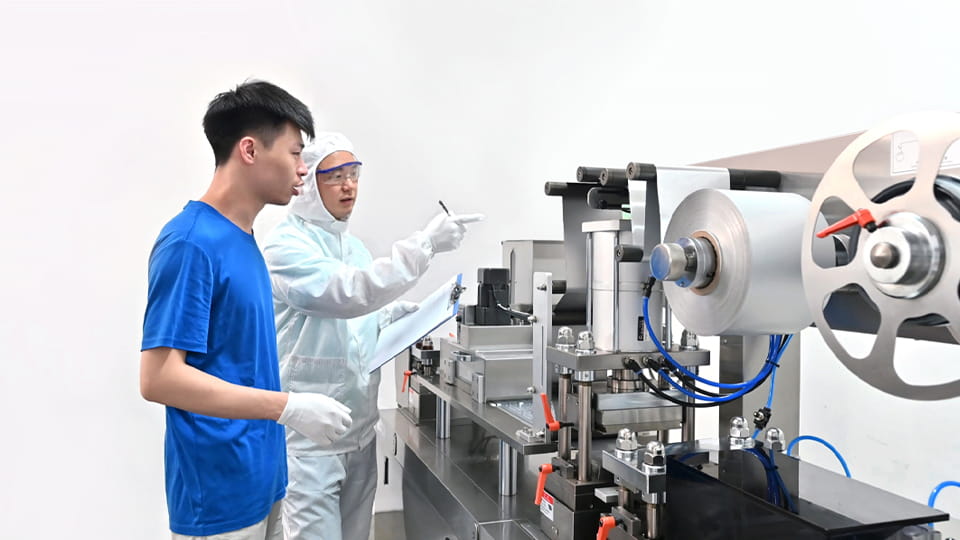
Farmasötik paketleme ekipmanına yönelik GMP gereklilikleri, çelik kalitesinden hijyenik tasarımdan doğrulamaya kadar makinenin ve sürecin her yönünü kapsar, temizlik, otomasyon, ve veri kontrolleri. Bunları doğru bir şekilde uygulamak ürünlerinizin güvende olmasını sağlar, izlenebilir, ve denetime hazır. Uyumlu ekipman ve süreçlere yatırım yapmak yalnızca yönetmelikleri karşılamakla kalmaz (FDA/EMA/WHO) ama aynı zamanda en aza indirir hatırlatır ve kalite güvencesini güçlendirir. GMP için üretilmiş makineleri seçin, üretim hattınız hem verimli hem de incelemeye hazır olacak.
Temel GMP gereksinimleri arasında hijyenik tasarım yer alır (paslanmaz çelik, ölü bölge yok), doğrulama (IR/WH/PQ), onaylanmış temizlik prosedürleri, düzenli bakım ve kalibrasyon, hataları önlemek için otomatik kontroller, ve sağlam veri bütünlüğü (21 CFR 11) ve izlenebilirlik (serileştirme) miktar. Bunlar ürünlerin kirlenmesini veya karışmamasını sağlar.
IQ/OQ/PQ doğrulaması, ekipmanın amaçlandığı gibi üretildiğine ve çalıştığına dair belgelenmiş kanıt sağlar. IQ doğru kurulumu doğrular; OQ her fonksiyonu ve limiti test eder; PQ, makinenin gerçek koşullar altında tutarlı çıktı ürettiğini gösteriyor. Bu belge olmadan, düzenleyiciler ekipmanı "doğrulanmamış" olarak görüyor ve herhangi bir toplu veri şüpheli olarak görülüyor.
GMP ekipmanı yüksek dereceli kullanır, aşındırıcı olmayan malzemeler (316L paslanmaz çelik gibi) ürünle temas eden tüm parçalar için. Pürüzsüzlüğü var, temizlenebilir kaynaklar ve yüzeyler. Özellikler arasında çıkarılması kolay korumalar bulunur, CIP yetenekleri, ve mühürlü rulmanlar. Kontrol panelleri mühürlenmeli veya korumalı olmalıdır. Esasen, tasarımdaki hiçbir şey kirlenme veya korozyon riski yaratmamalıdır.
Bölüm 11, elektronik kayıtları ve imzaları yönetir. Paketleme makineleri için, bu, yazılımın/HMI'nin kullanıcı oturum açma işlemlerini zorunlu kılması gerektiği anlamına gelir, herhangi bir değişikliğin güvenli bir denetim izine sahip olmak (kim ne yaptı, Ne zaman), ve toplu raporların elektronik imzalanmasını etkinleştirin. Toplu veri sağlar (miktarları doldur, parti numaraları, vesaire.) iz bırakmadan değiştirilemez. Modern PLC sistemleri sıklıkla 21 CFR 11 farmasötik kullanım için yerleşik modlar.
Serileştirme, paketlenmiş her birime benzersiz bir tanımlayıcı atamaktır (genellikle 2 boyutlu bir kod) ve bunu bir veritabanına kaydediyorum. Düzenlemeler (Örn., AB Şap Hastalığı, ABD DSCSA) sahteciliği önlemek ve geri çağırmayı mümkün kılmak için artık birincil ve ikincil paketlerde serileştirme yapılması gerekiyor. GMP hatlarında bu kodları uygulamak ve doğrulamak için kodlayıcılar ve tarayıcılar bulunmalıdır. Bu, her kutunun/şişenin üretim partisine kadar tam izlenebilirliğine olanak tanır.
GMP uyumluluğu ilaçların doğru şekilde paketlenmesini sağlar, kirlenmeyi önlemek, karışıklıklar, ve hataları etiketleme. Ürün kalitesinin korunmasına yardımcı olur ve tedarik zinciri boyunca hasta güvenliğini korur.
Temel GMP düzenlemeleri şunları içerir::
• FDA 21 CFR bölümü 210/211 (Amerika)
• AB GMP (EudraLex Hacmi 4)
• DSÖ GMP yönergeleri
Üreticiler hedef pazarlarının düzenlemelerine uymak zorundadır.
Ekipman seçerken, dikkate almak:
• GMP uyumlu tasarım ve malzemeler
• Doğrulama belgelerinin mevcudiyeti (IR/WH/PQ)
• Veri bütünlüğü ve izlenebilirlik özellikleri
• FDA/AB/WHO standartlarına uygunluk
Doğru tedarikçiyi seçmek, denetimlerin daha sorunsuz olmasını ve uzun vadeli uyumluluğu sağlar.
Referanslar:
1.Mevcut İyi Üretim Uygulaması Gereksinimlerine İlişkin Sorular ve Cevaplar | Teçhizat -- BİZ. Gıda ve İlaç İdaresi
2.Ek 9 Farmasötik ürünlerin ambalajlanmasına ilişkin kılavuzlar —— gmp-compliance.org
3.21 CFR bölümü 211 – BİTMİŞ İLAÇ ÜRÜNLERİ İÇİN MEVCUT İYİ ÜRETİM UYGULAMALARI —— Yasal Bilgi Enstitüsü
4.Farmasötik Ürünlere İlişkin GMP Temel Prensipleri -- DSÖ