Doğruyu seçmek ilaç paketleme makinesi Ürün güvenliğinin sağlanması açısından hayati önem taşıyor, düzenleyici uyumluluk, ve verimli üretim. Küresel farmasötik ambalaj pazarı patlama yaşıyor; tahmin edilen projeler arasında bu pazarı aşacak $160 milyar tarafından 2026. Aynı zamanda, Düzenleyiciler sıkı kalite kontrolleri talep ediyor: örneğin. FDA'nın CGMP'si (21 CFR Parçaları 210–211) Üretime sıkı gereklilikler getirmek, işleme, ve ilaçların paketlenmesi. Pratikte, neredeyse yarısı ilaç geri çağırmaları paketleme veya etiketleme hatalarını içerir, riskleri vurgulamak. Bu kılavuzda, tüm önemli hususları ele alacağız – ürün formatı, kapasite, uygunluk, otomasyon, satıcı desteği, ve daha fazlası – ihtiyaçlarınıza uygun doğru ilaç paketleme ekipmanını güvenle seçebilmeniz için. Makine türlerini ele alıyoruz (Blister Makineler, kapsül dolgu maddeleri, kartonlama makineleri, vesaire.), Otomatik ve yarı otomatik sistemlerin karşılaştırılması, ve uzman ipuçlarını dahil edin, bir karşılaştırma tablosu, seçim adımlarının akış şeması, SSS, ve uygulanabilir öneriler.

Doğru Makineyi Seçmek Neden Önemlidir?
Farmasötik ambalaj sıradan tüketici ambalajından çok daha kritiktir. BT ilaç kalitesini korur, dozaj doğruluğunu sağlar, ve hasta güvenliğini korur. Örneğin, DSÖ kılavuzları ambalajın ilaçları nemden koruması gerektiğini vurguluyor, ışık, oksijen, ve raf ömrü boyunca diğer olumsuz etkiler. Aynı şekilde, FDA'nın CGMP kuralları şunu zorunlu kılmaktadır: "yöntemler, tesisler, İşleme ve paketlemedeki kontroller ve kontroller, ilacın güvenliğini ve doğru içeriklerini garanti etmelidir. Pratik açıdan, zayıf ambalaj şunlara yol açabilir: kirlenme, yanlış etiketleme, dozaj hataları, veya cihaz arızaları – hatta hastanın zarar görmesi. Aslında, Geri çağırma verilerinin analizi şunları gösterir: kadar 50% İlaç geri çağırmalarının büyük bir kısmı paketleme veya etiketleme hatalarından kaynaklanmaktadır.. Bu görünüşte küçük bir gözetim anlamına gelir (yanlış barkod, hasarlı kabarcık, yanlış sayılan tabletler) maliyetli bir geri çağırma veya düzenleyici uyarıyı tetikleyebilir.
Güvenliğin ötesinde, doğru makine üretkenliği artırır ve maliyetleri azaltır. Modern ilaç hatları dolumu entegre ediyor, sızdırmazlık, yüksek hızlı otomatik sistemlere sayma ve etiketleme. Çıktı ihtiyaçlarınıza ve otomasyon seviyenize uygun ekipmanı seçmek, verimi önemli ölçüde artırabilir ve iş gücünü azaltabilir. Tersine, yanlış seçim sık sık sıkışmalara neden olabilir, tutarsız dolgular, ve kesintiler – verimliliğe zarar veriyor. Ve ilaç fabrikaları sıklıkla çalıştığı için 24/7, planlanmamış bakım felakete yol açabilir. Bu nedenlerden dolayı, endüstri uzmanları dengeli seçimin altını çiziyor: "İlaç paketleme ekipmanının seçilmesi, GMP uyumluluk yeteneklerinin dikkatli bir şekilde değerlendirilmesini gerektirir, doğrulama hazırlığı, ve uzun vadeli operasyonel güvenilirlik”. Özetle, doğru makine garanti eder kalite ve uyumluluk (kusurlardan/hatırlamalardan kaçınma) optimize ederken üretim kapasitesi ve maliyeti.
İlaç Paketleme Makinası Çeşitleri
“İlaç ambalajı” birçok ürün ve formatı kapsamaktadır. Makineler düşüyor birincil ambalaj (ilaçla temas eden ilk katman) Ve ikincil/üçüncül paketleme (dış kartonlar, demetler, paletler). Tipik makineler şunları içerir::
- Dolum ve Dozajlama Makinaları: İçin sıvılar, kremler, veya tozlar şişelerde/şişelerde/poşetlerde. Örnekler: sıvı dolgu maddeleri, toz dolum makineleri, şurup dolgu maddeleri. Ürününüz bir sıvı ilaç, sıvılar için tasarlanmış bir makine seçin (peristaltik veya pistonlu dolgular). İçin tozlar/granüller (örneğin. toplu tabletler torbalanıyor), hacimsel veya burgulu dolgular idealdir.
- Kapsül/Tablet Ekipmanları: İçin kapsüller veya tabletler, anahtar makineler kapsül dolum makineleri, tablet presleri, Ve sayma/doldurma makineleri. Modern kapsül dolgu maddeleri yerleştirmeyi otomatikleştirebilir, ayrılma, doldurma, ve kapsüllerin kilitlenmesi. Tablet presleri tozu tabletler halinde sıkıştırır. Sayma makineleri (optik sayaçlar) katı dozları şişelere veya poşetlere besleyin ve sayın. JinLuPacking'in belirttiği gibi, içinde katı doz satırları "her şey doğru sayımla başlar" - yüksek hızlı çok kanallı sensörler her şişenin/kesenin tam olarak doğru sayıma sahip olmasını sağlar.
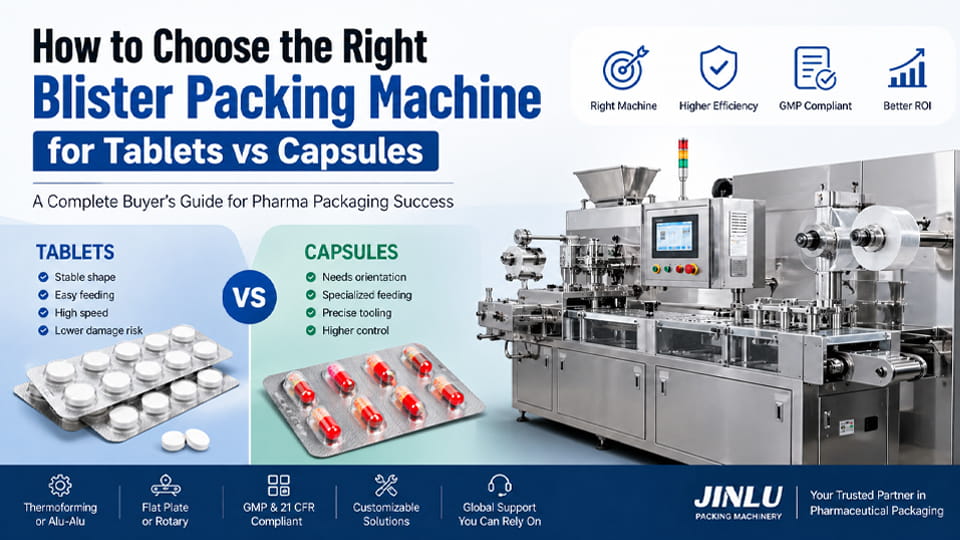
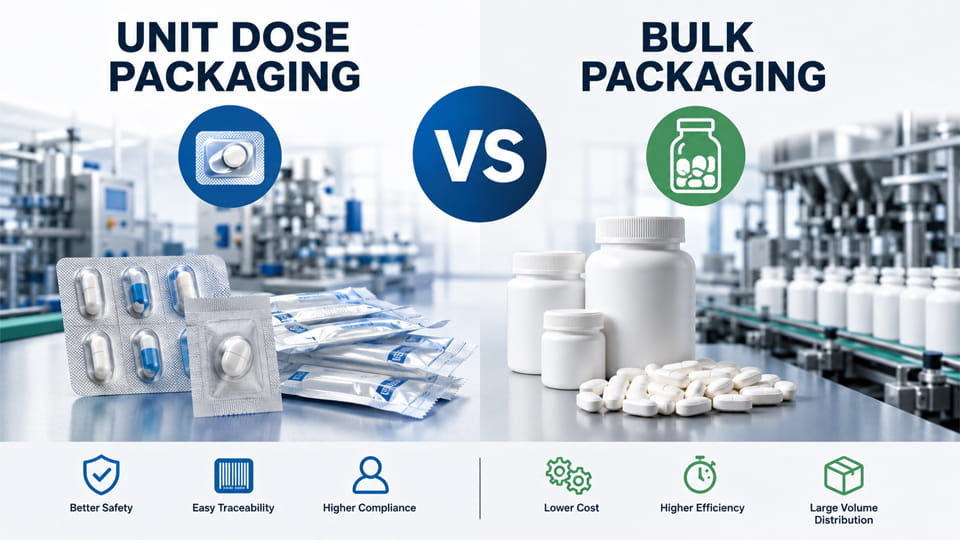
- Blister Ambalaj Makinaları: Blister ambalajlardaki tabletler/kapsüller için. Hapları folyo altında kapatan bu termoform tepsiler. Blister makineleri olarak gel düz plaka (indekslenmiş) veya döner sürekli türleri, çeşitli formatlarla (PVC bazlı veya soğuk biçimli folyo). Birim doz paketleme için idealdirler.
- Kartonlama/Kutulama Makineleri: İkincil paketleme. Kartoncular kartonları katlayın ve kapatın, sıklıkla kabarcıklı paketler veya şişeler artı hasta broşürlerinin yerleştirilmesi. Onlar olabilir yatay (yandan yükleme) veya dikey (üstten yüklemeli) Kartoncular kutuların dikilmesini otomatikleştiriyor, içerik yükleniyor, ve sızdırmazlık – manuel emeği azaltır ve tutarlı kutu kapanışları sağlar (GMP izlenebilirliği için önemli). Modern kartonlama makineleri, katı yönetmeliklere uymak için paslanmaz çelik sıhhi tasarım ve kurcalanmaya karşı korumalı contalar kullanıyor.
- Etiketleyiciler ve Denetçiler: Etiketleme makineleri parti kodlarıyla birlikte şişelere/kartonlara önceden basılmış etiketler uygulayın, son kullanma tarihleri, ve barkodlar. Denetim sistemleri (kamera görüşü, metal dedektörleri, röntgen) doldurma doğruluğunu kontrol edin, yabancı parçacıklar, etiket varlığı, ve kod okunabilirliği. Uyumluluk için, serileştirmeyi destekleyen ekipmanı arayın (izlenebilir barkodlar) ve hata reddi.
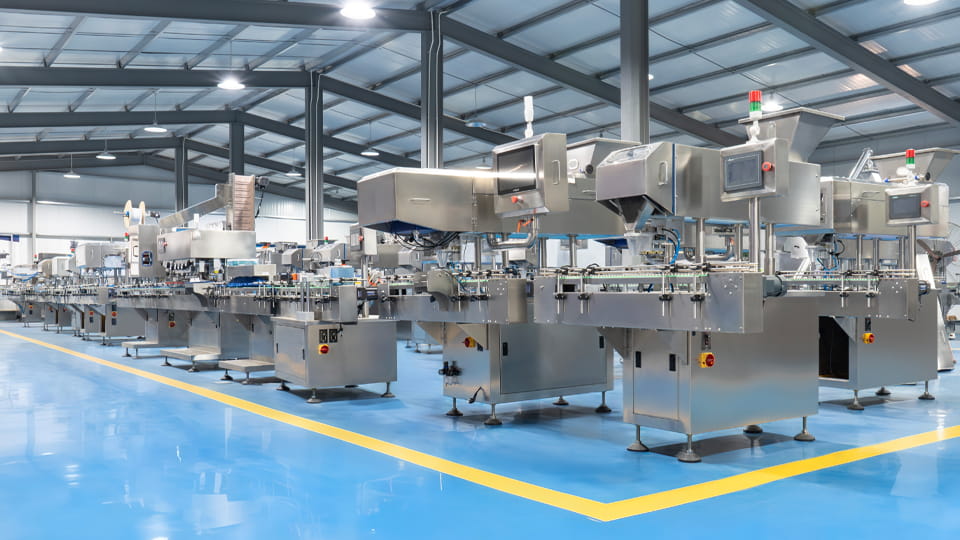
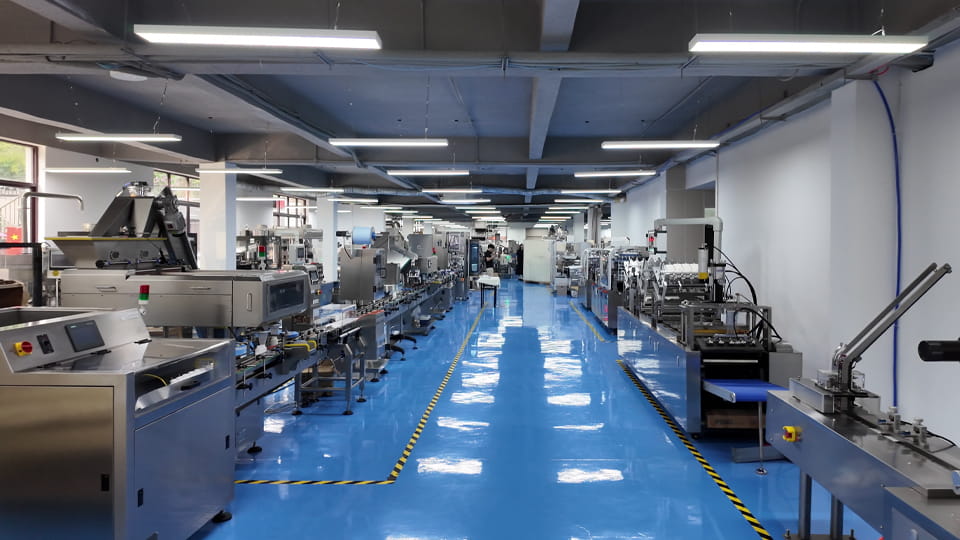
- Entegre Paketleme Hatları: Pratikte, ilaç fabrikalarının sıklıkla kullandığı hatları tamamla yukarıdaki makinelerin birleştirilmesi. Örneğin, tabletten kartona hattında bir tablet presi bulunabilir, kurutucu, kapsül sayacı, şişe, Doldurma ünitesi, kaplama makinesi, indüksiyonlu sızdırmazlık, etiketleme, karton, ve son muayene konveyörü. Bu uçtan uca sistemler bir hat olarak önceden monte edilebilir ve doğrulanabilir, bu da kalifikasyonu ve ayak izini basitleştirir. .
Kısacası, Dozaj formunuza ve paketleme formatınıza uygun makineleri seçin. Bir rehberin tavsiye ettiği gibi, “blister ambalaj makineleri tabletler için idealdir, Yüksek verimli torbalama için yatay form-doldur-kapat sistemleri kullanılırken". Ürününüzü anlama (tablet, kapsül, sıvı, toz) ve istenilen paket (kabarcık, şişe, kese, önceden hazırlanmış kese, vesaire.) makine seçiminde ilk adımdır.
Dikkate Alınması Gereken Temel Faktörler
Belirli makineleri veya satıcıları değerlendirirken, bu kritik faktörleri aklınızda bulundurun:
- Ürün & Ambalaj Formatı Uyumluluğu: Ekipmanın tam ürün formunuzu ve kabınızı işleyebileceğinden emin olun. Dozaj formu ve kap tipi konu: tabletler, kapsüller, sıvılar, tozların hepsinin benzersiz kullanım ihtiyaçları vardır. Örneğin, sayılabilir katılar sayma veya kabarcık sistemlerini kullanır, sıvılar sıkı kapatıcılara sahip sıvı dolgular gerektirirken. Ayrıca kontrol edin boyut ve geometri: bazı makineler birden fazla dolum ağırlığını veya kap boyutunu işleyebilir, diğerleri adanmıştır. Birden fazla SKU planlıyorsanız esneklik önemlidir. Makine açıklamalarında genellikle uyumlu formatlar belirtilir; Mümkünse örnek ürün denemeleriyle doğrulayın.
- Üretim Hızı & Kapasite: Makinenin verimini mevcut ve gelecekteki talebinizle eşleştirin. Makinelerin “nominal hızı” vardır (örneğin. şişe/dakika veya kabarcık/dakika) ve pratik bir çıktı (değişiklikleri dikkate alarak). Aşırı spesifikasyon (çok yüksek hız) para ve yer israfına neden olur; Spesifikasyonun yetersiz olması darboğazlara neden olur. Birçok üretici (JinLu gibi) teklif hızları: örneğin. bazı kapsül hatları saatte yüzbinlerce kapsül yapabilir, sayma makineleri >99.98% ~6.000 şişe/saatte doğru, ve kartonlayıcılara kadar 450 karton/dak. Yalnızca mevcut üretimi değil, büyümeyi de göz önünde bulundurun – JinLuPacking, “mevcut talebinize uygun ve aynı zamanda büyüme için alan sağlayan” kapasiteyi seçmenizi tavsiye ediyor. Hacmin artacağını öngörüyorsanız modüler makinelere veya çok hatlı seçeneklere bakın.
- Kesinlik & Kalite Kontrol: İlaç sektöründe yüksek hassasiyet tartışılamaz. Doldurma ve sayma ekipmanı şunları sağlamalıdır: fazladan veya eksik hap yok, doğru dozaj, ve güvenilir şekilde kapatılmış bir paket. Üst sıralar her konteynerde “fazladan bir parça olmamasını ve tek bir parçanın eksik olmamasını” hedeflemektedir.. Her makinenin değerini değerlendirin doğruluk özellikleri: örneğin. bir sayım doldurucusu iddia edebilir 99.98% kesinlik. Dar toleranslara ulaşmak için çok kanallı optik sensörleri veya servo tahrikli dozajlamayı öneriyoruz. Ayrıca yerleşik kalite özelliklerini de kontrol edin: örneğin. Sayımları doğrulamak için görüş sistemleri, sızıntı tespiti, ağırlık kontrol terazileri. Makine entegre olmalı süreç içi kontroller hataları yakalamak (toplu reddetme, uyarılar) tutarlı kaliteyi sağlamak için.
- Gmp & Mevzuata Uygunluk: Farmasötik makinelerin sıkı hijyen ve dokümantasyon standartlarını karşılaması gerekir. Aramak cGMP uyumlu tasarım: ürünle temas eden tüm parçalar paslanmaz çelik (SUS316L) veya diğer eczane sınıfı malzemeler, pürüzsüz yüzeyler (ölü bacak veya çatlak yok), ve temizlik için kolay sökme. Yüzeyler korozyona/kirlenmeye karşı dayanıklı olmalıdır. Makinenin sahip olması gerekir emniyet muhafızları, mühürlü kontrol panelleri, ve mümkün olduğunda aletsiz geçişler. Aynı derecede önemli olan yazılım uyumluluğudur: modern ilaç hatları genellikle FDA kapsamına girer 21 CFR bölümü 11 (elektronik kayıtlar) ve AB GMP Eki 11 (bilgisayarlı sistemler). Ekipman desteklerinin sağlanmasını tavsiye ederiz elektronik kayıtlar, denetim izleri, ve rol tabanlı erişim, ve kapsamlı bir doğrulama paketiyle birlikte gelir (tasarım belgeleri, FAT/SAT protokolleri, IQ/OQ/PQ şablonları). Kısacası, makine olmalı doğrulamaya hazır. İhracat yapıyorsanız CE işaretli veya diğer yerel sertifikalara sahip makinelere öncelik verin. Paketleme kurallarını unutmayın (DSÖ, FDA, AB) temizlik yoluyla ürün bütünlüğünü koruyan tüm stres, doğrulanmış süreçler.
- Esneklik & Geçiş Süresi: Farmasötik hatlarda sıklıkla birçok ürün çalıştırılır. olan makineleri arayın hızlı değişim yetenekleri. Özellikler servo tahrikli ayarlanabilir kafaları içerebilir, ayarlar için hafıza “tarifleri”, ve kalıpların veya kılavuzların aletsiz değiştirilmesi. JinLuPacking "aletsiz"in altını çiziyor, birden fazla SKU'yu yönetmek için tarif saklama özelliğiyle hızlı geçişler". Dakikalar içinde formatları değiştirebilen bir makine (VS. saat) Arıza süresini azaltarak ve OEE'yi artırarak karşılığını verir. Yarı otomatik makinelerin ayarlanması daha kolaydır ancak operatör gerektirir; tam otomatik makineler, eğer iyi tasarlanmışlarsa genellikle daha hızlı takım değişimine sahiptirler. Ayrıca düzen esnekliğini de göz önünde bulundurun (dikey ve yatay ilerleme), şeritler, vesaire., farklı paket geometrilerine uyum sağlamak için.
- Otomasyon seviyesi: Arasında karar verin yarı otomatik (bazı manuel adımlar) Ve tam otomatik sistemler. Otomatik paketleme hatları işçilik ve insan hatasını en aza indirir, tutarlılığa ulaşmak 24/7 verim. Örneğin, otomatik kartonlama makineleri dikiliyor, Minimum operatör müdahalesiyle kartonları yükleyin ve kapatın, yarı otomatik kartonlama makinelerinin manuel karton yüklemeye ihtiyacı varken. Tam otomatik sayma/doldurma hatları, titreşimli besleyicileri ve tabletler için alma ve yerleştirme kollarını entegre eder, manuel sayımı ortadan kaldırmak. Takas: otomatik makinelerin maliyeti daha yüksektir ve kurulumu karmaşıktır. Yarı otomatik makineler daha az maliyetlidir ancak işçileri bağlar ve daha düşük hızda çalışır. Bunları aşağıdaki tabloda karşılaştırıyoruz:
| Özellik |
Otomatik Makine |
Yarı Otomatik Makine |
| Verim |
Çok yüksek (sürekli, 24/7) |
Ilıman (toplu veya aralıklı) |
| İşçilik Gereksinimi |
Düşük (izlenecek küçük ekip) |
Daha yüksek (besleme/taşıma operatörleri) |
| Esneklik |
Orta (özel format; ses seviyesinde daha hızlı) |
Yüksek (manuel kullanım çeşitli formatlara izin verir) |
| Geçiş Süresi |
Daha uzun olabilir (karmaşık kurulum) |
Genellikle daha kısa (daha basit mekanik) |
| Başlangıç Maliyeti |
Daha yüksek (karmaşık kontroller & robotik) |
Daha düşük |
| Bakım |
Karmaşık (eğitimli teknisyenler gerektirir) |
Daha basit (kullanıcı tarafından bakımı yapılabilecek parçalar) |
Kısacası, için otomatik makineler kullanın yüksek hacimli, istikrarlı üretim. Toplu işlemleriniz küçükse veya seyrekse, yarı otomatik bütçe açısından yeterli olabilir. (Örneğin, yarı otomatik bir kabarcık makinesi, operatör hapları elle yüklerken kabarcıkları yalnızca ısıyla kapatabilir.) Hangi seviyeyi seçerseniz seçin, kontrollerin modern olduğundan emin olun (PLC/HMI, güvenlik kilitleri) ve kullanıcı arayüzünün sezgisel olduğunu.
- Hijyen & Temizlenebilirlik: İlaç makineleri olmalı temizlenmesi ve sterilize edilmesi kolaydır çapraz bulaşmayı önlemek için. Tüm temas parçalarının yıkama için erişilebilir olup olmadığını kontrol edin, ve hiçbir köşe tozları veya sıvıları hapsetmez. Birçok ilaç makinesinin kullandığı aletsiz hızlı çıkarılabilen parçalar temizlik için. Makinenin destekleyip desteklemediğini düşünün CIP (yerinde temizlik) veya silme temizleme döngüleri. Tasarım izin vermeli kuru temizleme (Örneğin, toz içeren değiştirilebilir parçalar). Ayrıca toz söz konusuysa filtreleri ve havalandırmayı da değerlendirin. İlaç ortamlarında sıkı temizlik protokolleri gereklidir, günlük/haftalık bakım rutinlerini planlayın. (Bahşiş için: HMC'nin tavsiyesini okuyun - farmasötik üretim hatları "tortuları gidermek ve partiler arasında çapraz kontaminasyonu önlemek için sıkı temizlik protokolleri" gerektirir.)
- Veri Bütünlüğü & İzlenebilirlik: Makine tam parti izlenebilirliğini kolaylaştırmalıdır. Aranacak özellikler şunları içerir: serileştirilmiş barkodlama (birim doz paketleri için), veri kaydı proses parametrelerinin, ve fabrika MES/ERP sistemleriyle entegrasyon. Üst düzey makineler tüm kritik parametreler için denetim izleri sağlar (sıcaklıklar, ağırlıklar, sayar). Serileştirme için (ABD'de DSCSA veya AB'de FMD gibi birçok pazarın gerektirdiği), Hattın 1D/2D kodların görsel denetimini gerçekleştirebildiğinden emin olun, Kötü kodları reddet, ve ebeveyn-çocuk verilerini toplayın (Örn., bireysel kabarcıklı paketlerin kartonlarına bağlanması). Temel olarak, Ekipman, FDA ve AB izleme talimatlarını karşılamanıza yardımcı olacaktır. Modern makineler genellikle OEE içerir (Genel Ekipman Etkinliği) kontrol panellerini de izleme.
- Toplam Sahip Olma Maliyeti (TCO): Etiket fiyatının ötesine bakın. Dikkate almak enerji tüketimi (ısıtma elemanları, vakum pompaları, motorlar), sarf malzemesi maliyetleri (film, folyo, tozlar, contalar gibi yedek parçalar), Ve hizmet gereksinimleri. Çok ucuz bir makinenin arıza süresi yüksek olabilir veya standart olmayan parçalar kullanılmış olabilir. Tersine, kaliteli bir makine daha fazla enerji kullanabilir ancak daha az atık üretebilir. Faktörler şunları içerir:: bakım işçiliği (bakımı ne sıklıkta ve ne kadar zor), yedek parça teslim süreleri (ithal makineler için önemli), ve finansman/yatırım getirisi. Jinlu blogunun kabarcıklı makineler için belirttiği gibi, "yüksek kaliteli makinelerin ön maliyeti daha yüksek olabilir ancak israfı ve arıza süresini azaltabilir". Özetle, hesaplamak yaşam döngüsü maliyeti: satın alma fiyatı + işletme maliyetleri + Bakım. Tedarikçiler genellikle bunun için TCO araçları veya hesaplayıcıları sağlar.
- Tedarikçi Deneyimi & Destek: Nihayet, ilaç deneyimi olan saygın bir üretici seçin. Paketleme ekipmanı uzun vadeli bir yatırımdır; bir ortak istiyorsun, sadece satıcı değil. Tedarikçinin geçmiş performansını kontrol edin: bölgenizde/sektörünüzde referans tesisleri var mı? Makineleri ilaç müşterileri için doğrulanmış mı?? Kanıtlanmış GMP uzmanlığına sahip tedarikçilere öncelik verilmesi, kapsamlı doğrulama desteği, ve düzenlemeye tabi sektörlerde kanıtlanmış performans kayıtları. Ayrıca satış sonrası hizmeti de değerlendirin: devreye alma desteği sunuyorlar mı (FAT/SAT/IQ/OQ), yedek parça envanteri, uzaktan teşhis, ve eğitim? İyi bir tedarikçi düzeninizi optimize etmenize yardımcı olacaktır, düzenleyici denetimlere yardımcı olmak, ve acil durum arızalarıyla ilgilenin. Gece uçuşu yapan satıcılardan kaçının; sektör sertifikalarını arayın (ISO, CE), garantiler, ve küresel ağlar.
Aşağıda bir seçim sürecini özetleyen akış şeması:

Otomatik vs. Yarı Otomatik Paketleme: Bir Karşılaştırma
Seçeneklerin kapsamını belirlerken, tam otomatik hatları yarı otomatik alternatiflerle karşılaştırmaya yardımcı olur. Otomatik hatlar beslemeyi entegre eder, şekillendirme, doldurma, ve sürekli bir işlemde sızdırmazlık, yarı otomatik hatlar ise manuel müdahale gerektirir (örneğin. elle yükleme şişeleri veya kartonları). Genel olarak:
- Otomatik sistem teklifleri çok yüksek verim (için sıklıkla gerekli >100 karton/dak, veya büyük kapsül partileri). İle çalışıyorlar minimum işçilik (1–2 operatör izlenecek), bu da insan hatasını azaltır. Ayrıca genellikle tam veri günlüklerini otomatik olarak toplarlar. Dezavantajı ise daha yüksek sermaye maliyeti ve karmaşıklık. Bakımı için eğitimli teknisyenlere ihtiyaç duyarlar.
- Yarı otomatik makineler daha düşük maliyet ve daha basit. Ürünleri veya kartonları beslemek için işçilere ihtiyaçları olabilir, onları uygun hale getirmek küçük ve orta koşular. Değişiklikler daha hızlı olma eğilimindedir (daha az hareket ekseni), ve eğitim daha basittir. Fakat, Manuel adımlar işçilik maliyetlerini ve değişkenliği artırır. Yarı otomatik hatlar nadiren tam otomatik hatlarla aynı hıza ulaşır.
İşte temel özelliklerin hızlı bir karşılaştırması:
| Özellik |
Otomatik Hat |
Yarı Otomatik Hat |
| Verim |
Çok yüksek (100+ birim/dak) |
Ilıman (operatör hızına bağlı olarak) |
| İş gücü |
Düşük (1–2 kişi, çoğunlukla izliyorum) |
Daha yüksek (parçaları besleyen birkaç operatör) |
| Esneklik |
Orta (belirli format için optimize edilmiş) |
Yüksek (operatörler anında uyum sağlayabilir) |
| Değişim |
Mühendislik gerektirebilir (daha fazla parça/araç) |
Genellikle daha hızlı (değiştirilecek daha az parça) |
| Başlangıç Maliyeti |
Yüksek (PLC'ler, robotik, sensörler) |
Daha düşük (temel aktüatörler ve konveyörler) |
| Bakım |
Yoğun (uzmanlaşmış teknoloji becerileri) |
Daha kolay (ortak mekanik bakım) |
Pratikte, birçok ilaç hattı her ikisini de birleştirir: örneğin. yarı otomatik kartonlama makinesine besleme yapan otomatik dolum istasyonu, veya tam tersi. Önemli olan eşleştirmektir hacimleriniz için doğru düzeyde otomasyon. Ölçeklendirmeyi planlıyorsanız veya 24/7 koşmak, tam otomasyon genellikle işe yarar. Pilot gruplar veya bütçe kısıtlamaları için, yarı otomatik tezgah üstü veya masa üstü makine yeterli olabilir.
Kaçınılması Gereken Yaygın Tuzaklar
- Uyumluluğun Göz ardı Edilmesi: Maliyetten tasarruf etmek için asla GMP özelliklerinden ödün vermeyin. Uyumlu olmayan makineler denetim hatalarına veya geri çağırmalara neden olur.
- “En Ucuz” Seçeneği Satın Alma: Çok düşük bir teklif, hassasiyet veya destekten yoksun olabilir. Uzun vadeli yatırım getirisini düşünün, sadece peşin fiyat değil.
- Gelecekteki İhtiyaçların İhmal Edilmesi: için satın almayın sadece bugün çıktı; Büyümeye veya yeni ürünlere yer bırakın.
- Fabrika Kabul Testlerini Atlamak: Makineyi her zaman numunelerinizle fabrikada test edin (YAĞ) Sevkiyattan önce. Aynı şekilde, site kabulü gerçekleştirin (DOYGUNLUK) Spesifikasyonları karşıladığından emin olmak için ekibinizle birlikte.
- Yardımcı Programlara Bakış & Entegrasyon: Tesis gereksinimlerini kontrol edin (güç, hava, su) ve makinenin kat planınıza uyduğundan emin olun. Ayrıca mevcut konveyörler veya kontrol sistemleriyle sorunsuz bir şekilde entegre olmasını sağlayın.
Doğru Tedarikçi Nasıl Seçilir?
Doğru ekipman üreticisiyle ortaklık kurmak, makinenin kendisini seçmek kadar önemlidir. Aramak:
- Endüstri Uzmanlığı: Uzmanlaşmış tedarikçiler ilaç ekipmanları FDA/EMA/WHO standartları ve doğrulama protokolleri konusunda güncel olacaktır. Düzen ve kalite kontrolleri konusunda tavsiyelerde bulunabilirler. Bir rehberin belirttiği gibi, “seçtiğiniz makine dozaj formunuza uygun olmalıdır, paketleme formatı, düzenleyici gereksinimler, ve üretim kapasitesi”, yani tecrübe önemli.
- Doğrulama Desteği: Satıcının eksiksiz belgeler sağladığından emin olun: Fabrika/Saha Kabul Test planları, IQ/OQ/PQ protokolleri, risk değerlendirmeleri, ve yazılım doğrulama paketleri. İdeal olarak SAT yürütülmesine bile yardımcı olacaklar.
- Satış Sonrası Hizmet: Garanti koşullarını ve şirketin yedek parça ve servis işlemlerini nasıl yürüttüğünü kontrol edin. Yerel bir ofisleri veya distribütörleri var mı?? Uzaktan destek mevcut mu? Parçaları hızlı bir şekilde gönderebilen veya teknisyen gönderebilen bir satıcı, aksama süresini en aza indirecektir.
- İtibar & Referanslar: Benzer kurulumlara ilişkin referansları veya vaka çalışmalarını isteyin. Teknik desteği güçlü firmaları tercih etmek, küresel servis ekipleri, onaylanmış ilaç projeleri, ve kanıtlanmış makine güvenilirliği.
- Özelleştirme Yeteneği: Üretiminizin benzersiz ihtiyaçları olabilir (özel malzemeler, temiz oda özellikleri, vesaire.). İyi bir tedarikçi makineleri özelleştirecektir (örneğin. özel odalar, otomasyon eklendi, kullanıcı arayüzü dili) ihtiyaçlarınıza göre. Onlar, Örneğin, alan ve proses ihtiyaçlarına göre tasarlanmış anahtar teslimi hatlar sunar.
Tedarikçileri bu noktalarda dikkatle inceleyerek, proje riskini azaltırsınız. Hatırlamak: “Doğru ekipman ortağı, kalite ve mühendislik ekiplerinizin bir uzantısı haline gelir”.
Seçim Akış Şeması
Açıklık sağlamak için, işte basit seçim adımlarının akış şeması:

Sonraki Adımlar
Doğru makineyi seçmek karmaşık ama ödüllendirici bir süreçtir. Ayrıntılı bir yazı yazmanızı öneririz Kullanıcı Gereksinimleri Belirtimi (URS) ekibin için, yukarıda sahip olunması gereken tüm özelliklerin listelenmesi. Ardından saygın tedarikçilerden fiyat teklifleri ve veri sayfaları isteyin. Satın almadan önce, bir istek Fabrika Kabul Testi Ve, eğer mümkünse, gerçek ürünlerinizle bir site denemesi.
Şu tarihte: JinLu Paketleme Makineleri, uçtan uca ilaç paketleme hatlarında uzmanız. Ürünlerimiz (kapsül dolgu maddeleri, kabarcık paketleyiciler, sayma makineleri, kartonlama makineleri, vesaire.) GMP uyumluluğu ve hassasiyeti için tasarlanmıştır. Ürün sayfalarımızı keşfetmenizi öneririz (Görmek Dahili Bağlantılar altında) ve özelleştirilmiş çözümler için mühendislerimizle iletişime geçin. Otomatik kartonlama hattına ihtiyacınız olup olmadığı, yarı otomatik bir kabarcık makinesi, veya tamamen entegre bir şişe hattı, seçim ve doğrulama süreci boyunca size rehberlik edebiliriz.
İlaç Paketleme Makinesi Hakkında SSS
“İlaç paketleme makinesi” tam olarak nedir??
İlaç endüstrisinde ilaçları paketlemek için kullanılan herhangi bir otomatik ekipmandır. Bu, sıvıları şişelere doldurmak için kullanılan makineleri içerebilir, Tabletleri şişelere saymak, tepsilerde kabaran haplar, ürünleri kutulara kartonlama, ve benzeri. Esasen, içermesine yardımcı olan herhangi bir makine, etiket, fok, veya paket ilaç, ilaç paketleme ekipmanının bir parçasıdır.
GMP standartları bu makineler için neden bu kadar önemli??
İyi Üretim Uygulaması (Gmp) standartlar (FDA 21CFR, AB GMP, DSÖ rehberliği) ürünlerinizin sürekli olarak yüksek kalitede olmasını sağlayın. Uygun makineler hijyenik tasarımlara sahiptir (paslanmaz çelik 316L, temizlenebilir yüzeyler), doğrulanmış kontroller (kesin, izlenebilir operasyonlar), ve uygun belgeler. Uyumlu olmayan ekipmanlar, geri çağırmalara veya mevzuata ilişkin alıntılara yol açabilecek kontaminasyon veya üretim hataları riski taşır.
Bu makinelerin maliyeti ne kadar?
Maliyetler makine tipine ve karmaşıklığa göre büyük ölçüde değişiklik gösterir. Basit bir yarı otomatik tezgah üstü hap sayacı birkaç bin USD olabilir, yüksek hızlı otomatik kabarcık hattı veya entegre şişe hattının maliyeti onbinlerce, hatta yüzbinlerce olabilir. Her zaman toplam sahip olma maliyetini göz önünde bulundurun (yukarıya bakın). Gereksinimlerinizi tanımladıktan sonra birkaç satıcıdan teklif almak en iyisidir.
Tabletler için hangi paketleme makinesi en iyisidir?
Bu sizin formatınıza bağlıdır. Tabletleri şişelere veya torbalara saymak için, otomatik sayma/doldurma makinesi idealdir. Birim doz paketleme için, bir kabarcık makinesi yaygındır. Bir şişede toplu paketleme için, otomatik şişe doldurma ve kapatma hattı (yukarı yönde bir tablet sayacı ile) kullanıldı. Bazı şirketler ayrıca tabletlerin bireysel dozda paketlenmesi için çubuk paket veya poşet makineleri kullanıyor. Her formatın artılarını/eksilerini değerlendirin (maliyet, koruma, kullanıcı tercihi) makineyi seçmeden önce.
Ürünlerim neme karşı hassastır. Neleri dikkate almalıyım??
Neme duyarlı tabletler veya kapsüller için, soğuk forma ihtiyacınız olabilir (Tüm zamanlar) kabarcık makineleri veya özel kurutucu sistemleri. Makinenin contalarının farmasötik kalitede olduğundan emin olun, ve entegre kurutma veya nitrojen inertleme seçeneklerini değerlendirin. Ambalaj malzemelerinin kendisi (folyo vs. PVC filmi) eşit derecede önemlidir.
Bir makineyi birden fazla ürün için kullanabilir miyim??
Birçok makine bir şekilde ayarlanabilir, ancak çok farklı ürünler arasında geçiş yapmak zor olabilir. Farklı formatlar için tariflere/ayarlara sahip ekipmanı seçin. Aletsiz, hızlı değiştirilebilen takımlar aynı makinede birden fazla SKU'yu yönetmeyi mümkün kılar. Fakat, çok çeşitli ürünler bekliyorsanız, modüler makineler veya birden fazla özel hat daha verimli olabilir.
Referanslar:
1.Farmasötik ürünlerin ambalajlanmasına ilişkin kılavuzlar(Ek 9) - DSÖ.
2.Mevcut İyi Üretim Uygulaması Gereksinimlerine İlişkin Sorular ve Cevaplar | Teçhizat - BİZ. Gıda ve İlaç İdaresi.
3.GMP Ambalajlama 2026: Gereksinimler, Yönergeler, Kontroller, ve Birincil ve İkincil Ambalajlar – pharmuni.com.
4.Küresel Ambalaj Düzenlemeleri ve Standartları – GMP Gezgini.