
İlaç firmaları bugün her yönden baskı altındadır. Hastaneler daha güvenli ilaç yönetimi istiyor. Perakende pazarları daha düşük paketleme maliyetleri istiyor. Düzenleyiciler daha iyi izlenebilirlik ve serileştirme bekliyor. Aynı zamanda, üreticiler gereksiz ambalaj atığı yaratmadan üretim verimliliğini artırmaya çalışıyor. Bu yüzden etraftaki tartışmalar birim doz paketleme Ve toplu paketleme son yıllarda çok daha önemli hale geldi. Formatlardan biri doz düzeyinde korumaya ve hasta güvenliğine odaklanıyor, diğeri hıza öncelik verirken, basitlik, ve maliyet verimliliği. Her iki seçenek de her ürün için otomatik olarak daha iyi değildir. Doğru seçim ilaç türünüze bağlıdır, üretim hedefleri, dağıtım kanalı, ve paketleme hattı yetenekleri. İlaç üreticileri için, satın alma ekipleri, ve operasyon yöneticileri, Yeni bir ambalaja yatırım yapmadan önce birim doz ve toplu ambalajlama arasındaki gerçek farkların anlaşılması önemlidir. ilaç paketleme sistemi veya mevcut olanı yükseltmek paketleme hattı.
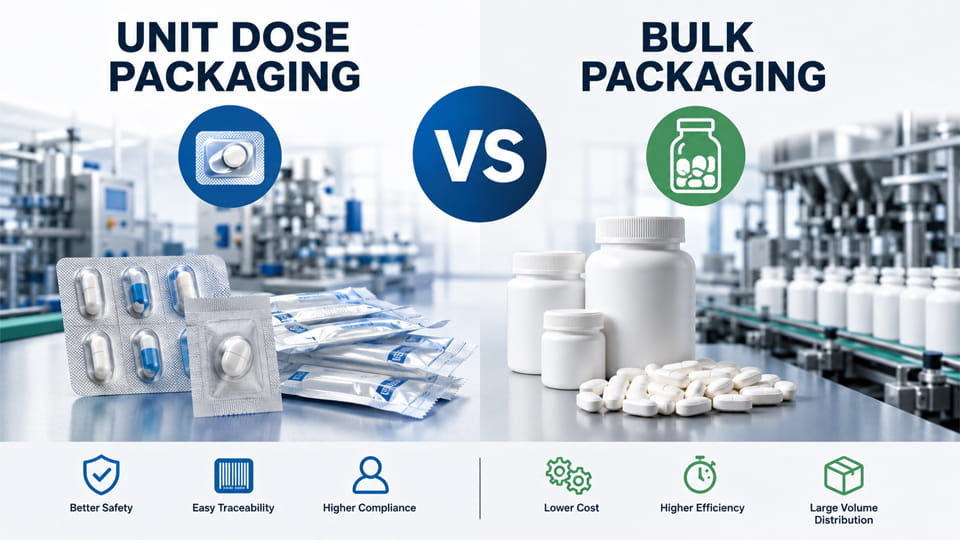
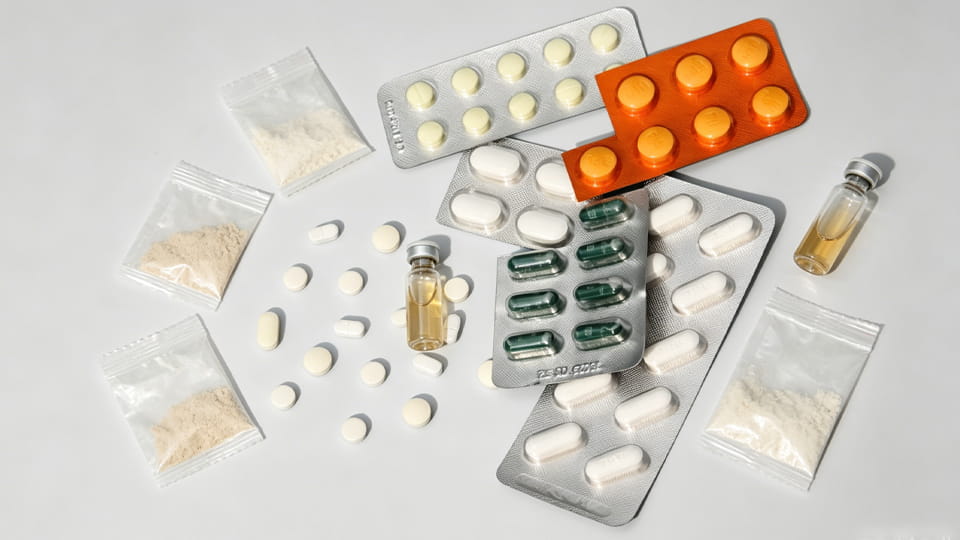
Birim doz paketleme (ayrıca denir tek doz paketleme) her ilaç dozunun ayrı ayrı kendi ambalajında mühürlendiği anlamına gelir. Örneğin, bir hap kendi kabarcıklı cebinde veya poşetinde olabilir. Jinlu Packaging, "birim doz paketlemenin, bir ilacın her bir dozunun önceden paketlendiği ve kendi başına mühürlendiği anlamına geldiğini" açıklıyor.. Pratikte, bu tek tabletli bir kabarcıklı kart olabilir, bir şerit paketi (kavite başına bir tablet), önceden doldurulmuş bir şırınga, bir şişe, veya bir doz sıvı veya toz içeren bir poşet. Her pakette etiket bulunur (ilaç adı, doz, son kullanma tarihi) böylece bir hemşire veya hasta, şişedeki hapları saymadan ilacı doğrulayabilir. ABD hastanelerinde, üzerinde 75% Oral ilaçların birim doz formunda dağıtılması.

Birim doz paketleri yaygındır hastaneler, klinikler, uzun süreli bakım tesisleri, ve klinik denemeler – hassas doz kontrolünün ve izlenebilirliğin önemli olduğu her yerde. Her paket tam olarak bir doz içerdiğinden ve açıkça etiketlendiğinden dozlama hatalarının önlenmesine yardımcı olurlar.. Başka bir deyişle, ve Jinlu notları, birim dozluk paketler saymaya gerek duymaz; "sadece bir paketi alıp açarsınız", kullanım hatalarını azaltmak. Kullanılan diğer terimler arasında tek doz, kullanım birimi, veya ilaç birimi ambalajlama. Tipik formatlar şunları içerir::
Özetle, birim doz paketleme her dozu ayrı ayrı izole eder, güvenliğe yardımcı olmak, Hasta uyumluluğu, ve izlenebilirlik.
Tersine, toplu paketleme ilaçların çok dozlu veya toplu paketlenmesini ifade eder. Yaygın toplu formatlar arasında büyük hap şişeleri bulunur, kavanoz, çok dozlu tüpler, ve toplu çantalar veya kılıflar. Örneğin, 100 tabletlik reçete şişesi veya vitamin kavanozu 30 kapsüller toplu ambalajdır. Bu konteynerler tutar birçok birlikte dozlar. Toplu paketleme, tüketici eczanesi ürünleri için normdur, reçetesiz ilaçlar, besin takviyeleri, ve çoğu jenerik tablet. Ayrıca üretimin ara aşamalarında da kullanılır (örneğin. toplu poşetler veya variller).
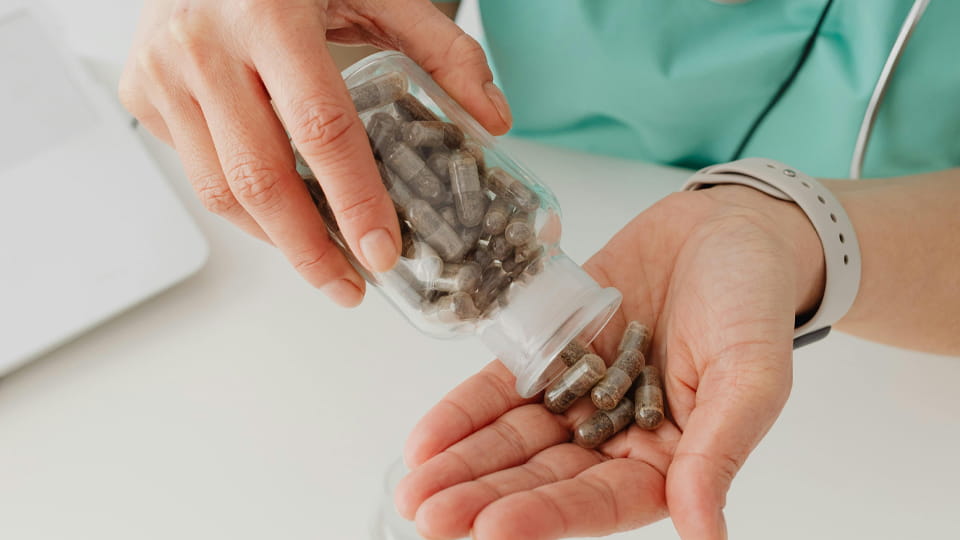
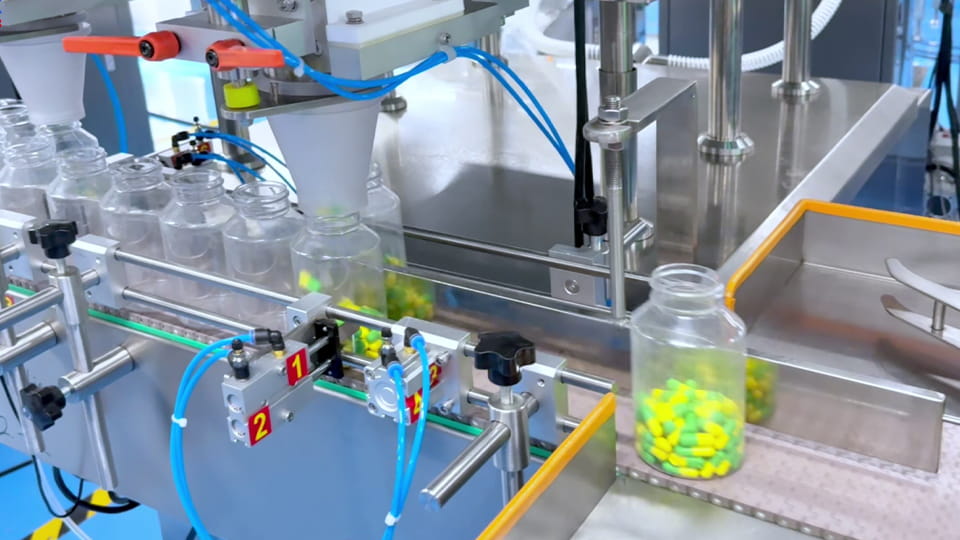
Toplu paketleme genellikle doz başına daha uygun maliyetlidir ve yüksek hacimli paketlemeye uygundur., emtia ürünleri. Toplu hatlara yönelik ekipmanlar şunları içerir: tablet/kapsül sayma ve şişe dolum makineleri, kaplama, sızdırmazlık, ve etiketleme ekipmanları. Örneğin, bir tablet sayma hattı, şişeleri doldurmak için otomatik bir sayma makinesi kullanabilir, onları mühürlemek için bir kapak, ve bitirmek için bir etiketleme makinesi. Toplu hatlar genellikle daha hızlı çalışır (dakikada yüzlerce tablet saymak) ancak birim doz sistemlerine göre daha az doz bazında kontrol sunar. Toplu paketleme aşağıdakiler için idealdir: kitlesel pazar OTC ilaçları, besin takviyeleri, jenerik ilaçlar, ve doz başına fiyatın kritik olduğu ve bireysel doz kontrolünün daha az önemli olduğu tüm ürünler.
Aşağıdaki tablo önemli faktörlere ilişkin iki yaklaşımı karşılaştırmaktadır:
| Faktör | Birim Doz Paketleme | Toplu Paketleme |
| İlaç Güvenliği | Yüksek. Her doz mühürlendi, kirlenmeyi azaltmak. | Daha düşük. Tek bir kapta birden fazla doz. |
| Hasta uyumluluğu | Daha iyi. Açıkça etiketlenmiş bireysel dozlar; doğrulamak daha kolay. | Daha düşük. Hastalar kendi dozlarını sayarlar. |
| İzlenebilirlik & Serileştirme | Harika. Her dozu serileştirmek/takip etmek kolaydır. | Sınırlı. Yalnızca konteyner takip edilir, her hap değil. |
| Paketleme Maliyeti | Doz başına daha yüksek. Daha fazla ambalaj malzemesi & elleçleme. | Doz başına daha düşük. Bir paket birçok üniteyi barındırır. |
| Üretim Verimi | Ilıman. Doz başına daha fazla adım (örneğin. kabarcık oluşumu). | Daha yüksek. Basit sayma/doldurma daha hızlıdır. |
| Ambalaj Atıkları | Daha. Tek dozluk paketler malzeme kullanımını artırır. | Az. Doz başına minimum paketleme (örneğin. bir şişe vs. 100 kabarcıklar). |
| Raf ömrü/Koruma | Daha iyi. Kabarcıklar/şişeler genellikle yüksek bariyerli filmlere sahiptir. | Ilıman. Toplu şişeler birim başına daha az koruma sağlar, raf ömrü benzer olsa da. |
| En İyisi | Hastaneler, klinik denemeler, yüksek değerli ilaçlar, kontrollü maddeler, kişiselleştirilmiş ilaçlar. | Perakende OTC, jenerik ilaçlar, vitamin, takviyeler, büyük hacimli tüketici ürünleri. |
Jinlu Packaging'in belirttiği gibi, bir şişe gibi düşün 100 tabletler (toplu) bir tabletle kabarmaya karşı (birim doz). Dökme şişeler maliyet verimliliği ve hız açısından açıkça avantajlıdır, ancak birim doz formatları güvenlik ve kontrol açısından üstündür. Örneğin, Blister ambalaj her hapı ayrı ayrı nemden ve kurcalanmaya karşı korur, toplu şişeler tüm tabletleri aynı ortama maruz bırakırken.
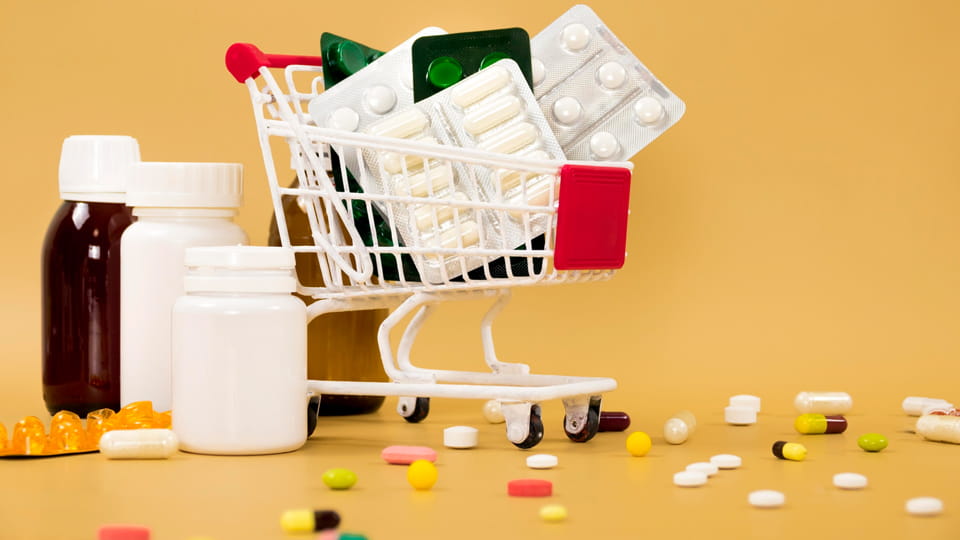
Birim doz sistemleri birçok önemli avantaj sunar:
Özetle, birim doz paketleme güvenliği en üst düzeye çıkarır, izlenebilirlik, ve hasta odaklı dozajlama, daha yüksek paketleme ve taşıma maliyeti pahasına. Jinlu'nun özetlediği gibi, Birim doz üniteleri “tek doz olarak uygulanması amaçlanan ilaç miktarını tutacak şekilde tasarlanmıştır”, “Doğru ilacın, doğru dozda, doğru hastaya, doğru zamanda ulaşmasını sağlamak, her zaman".
Toplu (çoklu doz) ambalajın kendine has güçlü yönleri vardır:
Toplu paketleme maliyet verimliliği ve ölçek açısından parlıyor, Ölçek ekonomisinin bireysel doz kontrolü ihtiyacına ağır bastığı yüksek hacimli ürünler için idealdir. Aslında, Jinlu'nun tedarikçi olarak deneyimi, toplu şişe hatlarının (sayma dahil, kaplama, ve etiketleme üniteleri) birçok nutrasötik ve jenerik ilaç üretim hattının omurgasını oluşturur.

Farklı son pazarların ve kullanım durumlarının net tercihleri vardır. Aşağıdaki tablo tipik sektör seçimlerini özetlemektedir:
| Endüstri/Kullanım Örneği | Tercih Edilen Ambalaj |
| Hastaneler & Sağlık hizmeti (akut bakım) | Birim Doz (kabarcıklar, şeritler, şırıngalar) |
| Uzun Süreli Bakım & LTC Eczanesi | Birim Doz (kabarcıklı kartlar, önceden doldurulmuş paketler) |
| Klinik Denemeler & Araştırma | Birim Doz (denemeler için hassas dozaj kontrolü) |
| Yüksek Potansiyel / Kontrollü Maddeler | Birim Doz (güvenlik, dozaj) |
| Fason Üretim (Hastane ilaçları üreten CMO'lar) | Birim Doz |
| Tezgahın üzerinden (OTC) Uyuşturucu | Toplu (tablet şişeleri/tüpleri, kapsüller) |
| Nutrasötikler & Takviyeler | Toplu (vitamin şişeleri, poşetler) |
| Jenerik İlaçlar (kitlesel pazar) | Toplu (maliyet odağı) |
| Gelişen Tüketici Sağlığı (kozmetik, nutrasötik kombinasyonlar) | Toplu |
| Veteriner / Hayvan Sağlığı | Toplu (genellikle çok dozlu şişeler veya yem katkı maddeleri perakende olarak satılır) |
| Acil Durum Kitleri / İlk yardım | Birim Doz (taşınabilirlik için tek kullanımlık torbalar) |
Örneğin, Jinlu, birim doz sistemlerinin hastanelerde ortaya çıktığını ve güvenlik avantajları nedeniyle artık diğer alanlara "büyük ölçüde genişlediğini" belirtiyor. Aslında, üzerinde 75% ABD'nin. hastane ağızdan alınan ilaçlar birim dozludur, sektörün tercihini yansıtıyor. Tersine, Takviyeler ve reçetesiz ağrı kesiciler gibi tüketiciye yönelik pazarlar, daha düşük birim maliyet ve daha yüksek hacim talep ettikleri için genellikle toplu kaplar kullanır. Klinik ve hastane ortamları kabarcıkların veya poşetlerin dozaj kontrolünü tercih eder, jenerik ilaç üreticileri ve perakendeciler şişe hatlarının verimliliğine odaklanırken.
Birim doz ve toplu doz arasında seçim yapmanın önemli maliyet etkileri vardır. Aşağıdaki maliyet faktörlerini göz önünde bulundurun:
Özetle, birim doz paketleme genellikle daha yüksek CAPEX ve birim başına paketleme maliyeti gerektirir, ancak daha az hata ve israftan tasarruf sağlayabilir. Toplu paketleme, doz başına daha düşük malzeme ve üretim maliyeti sunar. "Daha iyi" seçeneği, ürünün fiyatlandırma stratejisi ve uyumluluk gereklilikleriyle birlikte bu maliyetlerin analiz edilmesine bağlıdır.
Birim doz paketleme hatlarında özel ekipman kullanılır. Anahtar makineler şunları içerir::
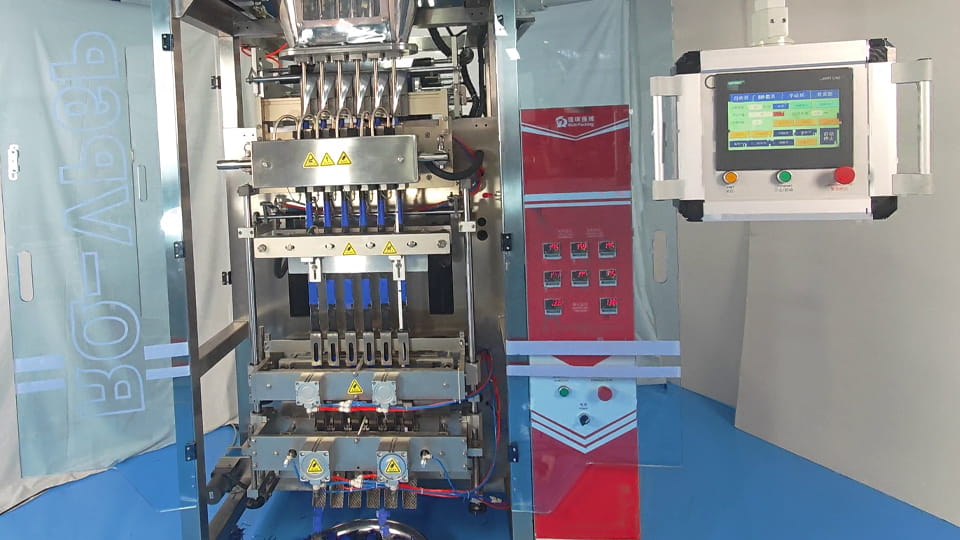
Kısacası, A birim doz hattı bir kabarcık veya poşet makinesinden oluşabilir (birincil paketleme için), ardından bir kartonlama makinesi (ve isteğe bağlı olarak etiketleyici veya yazıcı). Örneğin, tipik bir hastane ilaç hattı: Tablet yönlendirme besleyici → Blister makinesi → Otomatik kartonlama → Kutu paketleyici. Jinlu'nun bu adımlara yönelik makineleri tek bir akışa bağlanabilir (şunu gör “Blister makinelerine bağlanabilir”).
[jl_youtube src=”https://www.youtube.com/embed/k0uyybgttcu”]
Toplu hatlarda hız ve hacim için optimize edilmiş ekipmanlar kullanılır:
Gerçekte, A toplu paketleme hattı tipik olarak benziyor: Şişe çözücü → Tablet sayacı dolum makinesi → Kurutucu yerleştirici → Kapak → (Folyo mühürleyen) → Etiketleme → Kartonlama. Bu modüler makineler aynı zamanda çeşitli ürünleri de işleyebilir (sakız, tozlar, sıvılar) sayma/doldurma ve sınırlama ayarlandığı sürece. Jinlu'nun sayfaları ve sayfaları bu tür çizgilerin nasıl entegre edildiğini gösteriyor.
Örneğin, JL-16R sakızlı çizgi "şişeleri karıştırma işleminin tamamını otomatik olarak tamamlar", sayılıyor… kurutucunun yerleştirilmesi, kaplama, alüminyum folyo mühürleme ve etiketleme” kadar 80 şişe/dakika. Bu gelişmiş çizgiler verimi ve tutarlılığı vurgular, onları toplu ürün paketleme için ideal hale getiriyor.
Doğru yaklaşımın seçilmesi birçok faktöre bağlıdır. Aşağıdaki kontrol listesini ve akış şemasını kılavuz olarak kullanın:
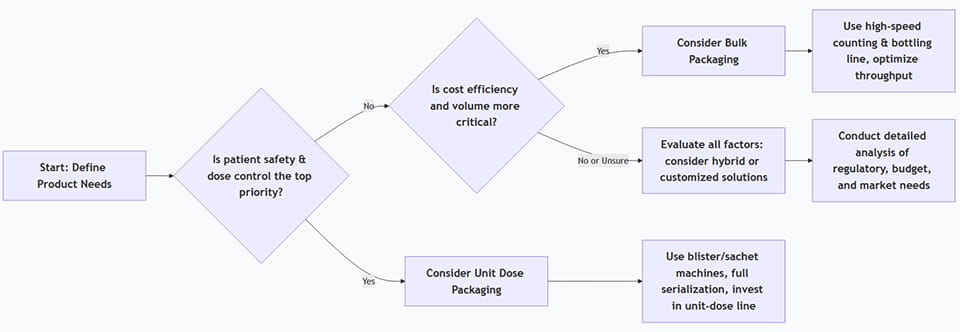
Bu grafikte basitleştirilmiş bir kılavuz gösterilmektedir: tıbbi güvenlik/izlenebilirlik maliyeti aşarsa, birim doza yönelin. Bütçe ve hacim baskınsa, toplu muhtemelen en iyisidir. Gerçek durumlarda, karma stratejiler (örneğin. serileştirilmiş bir kartonun içindeki toplu şişe) ayrıca düşünülebilir.
Herkese uyacak tek bir cevap yok. Birim doz ve toplu paketleme arasındaki seçim, ürününüzün gereksinimlerine ve iş stratejinize bağlıdır. Birim doz paketleme eşsiz güvenlik sunar, uygunluk, ve hastanelere kolaylık, klinik denemeler, ve yüksek değerli ilaçlar, ancak makineye daha fazla yatırım gerektirir (kabarcıklı veya poşet paketleyiciler, kartonlama makineleri) ve ambalaj malzemesi. Toplu paketleme (şişeler, kavanoz, tüpler) düşük maliyet ve yüksek verimde öne çıkıyor, perakende ilaçlar ve takviyeler için ideal, ancak bireysel dozaj üzerinde daha az kontrol sağlar.
Pratikte, birçok şirket kullanıyor ikisi birden farklı ürünler için yöntemler. Örneğin, Terapötik indeksi dar olan bir ilaç, hastanede satışa sunulmak üzere tek dozluk kabarcıklar halinde paketlenebilir, aynı ilacın OTC versiyonu ise 30'lu şişelerde satılıyor. Hattınızı tasarlarken, Toplam sahiplik maliyetini düşünün (teçhizat + malzemeler + hatalar) ve düzenleyici ihtiyaçlar.
En iyi yaklaşımı belirlemek için, yukarıdaki faktörleri inceleyin: hedef pazar, doz formu, hacim, uyumluluk kuralları, ve bütçe. Bir paketleme makinesi uzmanı (veya Jinlu'nun kişiselleştirme ekibi) uygun bir çizgi tasarlayabilir. Örneğin, Jinlu Ambalaj sağlar anahtar teslimi çözümler – yüksek hızlı kabarcık makinelerinden entegre tablet sayma ve şişeleme hatlarına kadar – hem birim doz hem de toplu ihtiyaçlara uyum sağlamak için.
Birim doz paketleme, her ilaç dozunun ayrı ayrı mühürlenmesi ve etiketlenmesi anlamına gelir, kabarcık boşluğu başına bir tablet veya kullanım başına bir poşet gibi. Toplu ambalaj, birden fazla dozu bir şişede bir arada saklar, konteyner, veya daha büyük paket. Birim doz paketleme daha çok güvenliğe odaklanır, izlenebilirlik, ve doz kontrolü, toplu ambalajlama ise yüksek hacimli üretim için genellikle daha uygun maliyetlidir.
Her farmasötik ürün için tek bir cevap yoktur. Birim doz paketleme genellikle hastaneler için daha iyidir, klinik ortamlar, ve yüksek değerli ilaçlar çünkü ilaç güvenliğini ve takibini artırır. Nutrasötikler için genellikle toplu ambalaj tercih edilir, OTC ürünleri, ve büyük ölçekli perakende dağıtım çünkü paketleme maliyetini azaltır ve üretim hızını artırır.
Hastaneler genellikle birim doz ambalajı kullanır çünkü her doz açıkça tanımlanır ve uygulamaya kadar korunur. Bu, ilaç hatalarının azaltılmasına yardımcı olur, barkod tarama sistemlerini destekler, ve dağıtım sırasında hasta güvenliğini artırır.
Evet, Çoğu durumda toplu ambalajlama daha düşük ambalaj malzemesi maliyetine ve daha yüksek hat verimliliğine sahiptir. Şişe dolum hatları ve tablet sayma sistemleri genellikle bireysel doz paketleme sistemlerinden daha yüksek hızlarda çalışabilir. Fakat, toplam maliyet aynı zamanda ilaç israfını da dikkate almalıdır, iş gücü, uyumluluk gereklilikleri, ve ürün koruması.
Toplu ambalajlama yaygın olarak kullanılmaktadır.:
• Vitaminler ve takviyeler
• Jenerik tabletler ve kapsüller
• OTC ilaçları
• Nutrasötik ürünler
• Yüksek hacimli perakende farmasötik ürünler
Bu ürünler genellikle sayma makineleri kullanılarak paketlenir, şişe dolum hatları, kapatma makineleri, ve etiketleme sistemleri.
Ortak birim doz paketleme ekipmanı şunları içerir::
• Blister paketleme makineleri
• Şerit paketleme makineleri
• Poşet paketleme makineleri
• Yapışkan paketleme makineleri
• Kartonlama makineleri
• Görsel inceleme sistemleri
Bu farmasötik paketleme makineleri, daha iyi ürün koruması ve izlenebilirlik ile ayrı ayrı kapatılmış dozlar oluşturmaya yardımcı olur.
Evet. Birim doz paketleme kontaminasyon riskinin azaltılmasına yardımcı olur, yanlış dozaj, ve hataların ele alınması, çünkü her doz kullanıma kadar kapalı kalır. Birçok sağlık tesisi, daha güvenli dağıtım iş akışlarını ve barkod doğrulama süreçlerini desteklemek için birim doz sistemleri kullanıyor.
Evet. Farmasötik kabarcıklı ambalaj, birim doz ambalajlamanın en yaygın biçimlerinden biridir.. Her tablet veya kapsül ayrı bir boşlukta saklanır, ürünün nemden korunmasına yardımcı olur, oksijen, ve kontaminasyonu azaltırken aynı zamanda doz takibini de geliştirir.
Toplu paketleme yaygın olarak kullanılır:
• Nutrasötik üretimi
• Takviye üretimi
• Perakende ilaç dağıtımı
• Veterinerlik
• Yüksek verimli tablet ve kapsül üretimi
Üreticiler, üretim verimliliği ve daha düşük paketleme maliyetleri ana öncelikler olduğunda toplu farmasötik ambalajı tercih ediyor.
En iyi seçim çeşitli faktörlere bağlıdır, içermek:
• Ürün türü
• Hedef pazar
• Düzenleyici gereklilikler
• Paketleme bütçesi
• Üretim hacmi
• Raf ömrü ihtiyaçları
• Dağıtım kanalları
Örneğin, hastaneler ve klinik ürünler genellikle birim doz paketlemeden yararlanır, perakende takviyeler ve yüksek hacimli jenerik ilaçlar genellikle toplu paketleme sistemleri için daha uygundur.
Referanslar:
1. CPG Sec 430.100 Katı ve Sıvı Oral Dozaj Formları için Birim Doz Etiketlemesi -- BİZ. Gıda ve İlaç İdaresi
2.Veri Standartları Kılavuzu (monografiler) Paket Tipi -- BİZ. Gıda ve İlaç İdaresi
3.İlaç paketleme —— WikiPedia
4.İyi üretim uygulamaları ve iyi dağıtım uygulamalarına ilişkin rehberlik: Sorular ve cevaplar —— Avrupa İlaç Ajansı
5.ISO 15378 sertifikasyon – Tıbbi standart için Birincil Ambalaj Malzemesi