
giriiş: Çiğnenebilir tabletler, bütün olarak yutmak yerine çiğnenmiş, onları kullanıcı dostu hale getirmek, özellikle çocuklar için, yaşlılar, ve yutma güçlüğü çeken herkes. Ağızda parçalanarak, çiğnenebilir yiyecekler susuz dozaj kolaylığı sunar, hoş tat, ve katı bir tabletin stabilitesi. Yaygın olarak kullanılırlar Pediatrik ilaçlar ve besin takviyeleri (çiğnenebilir C vitamini veya multivitamin haplarını düşünün), ve hatta veteriner ilaçlarında. FDA rehberliğine göre, Üreticilerin özellikle dikkat etmesi gerekiyor kritik kalite özellikleri (CQA'lar) çiğnenebilir tabletler geliştirirken. Bu CQA'lar tablet sertliği gibi faktörleri içerir, tat maskeleme, güvenliği ve etkinliği sağlamak için içerik bütünlüğü. Kısacası, çiğnenebilir ürünler tabletlerin en iyilerini birleştirir (kesinlik, raf stabilitesi) daha iyisiyle Hasta uyumluluğu. Bu kılavuzda, çiğnenebilir tabletlerin ne olduğunu inceleyeceğiz, onların faydaları, nasıl yapıldıkları, ve bunları işlemek için hangi paketleme makinelerinin kullanıldığı – hepsi dostça bir yaklaşımla, endüstri perspektifi.
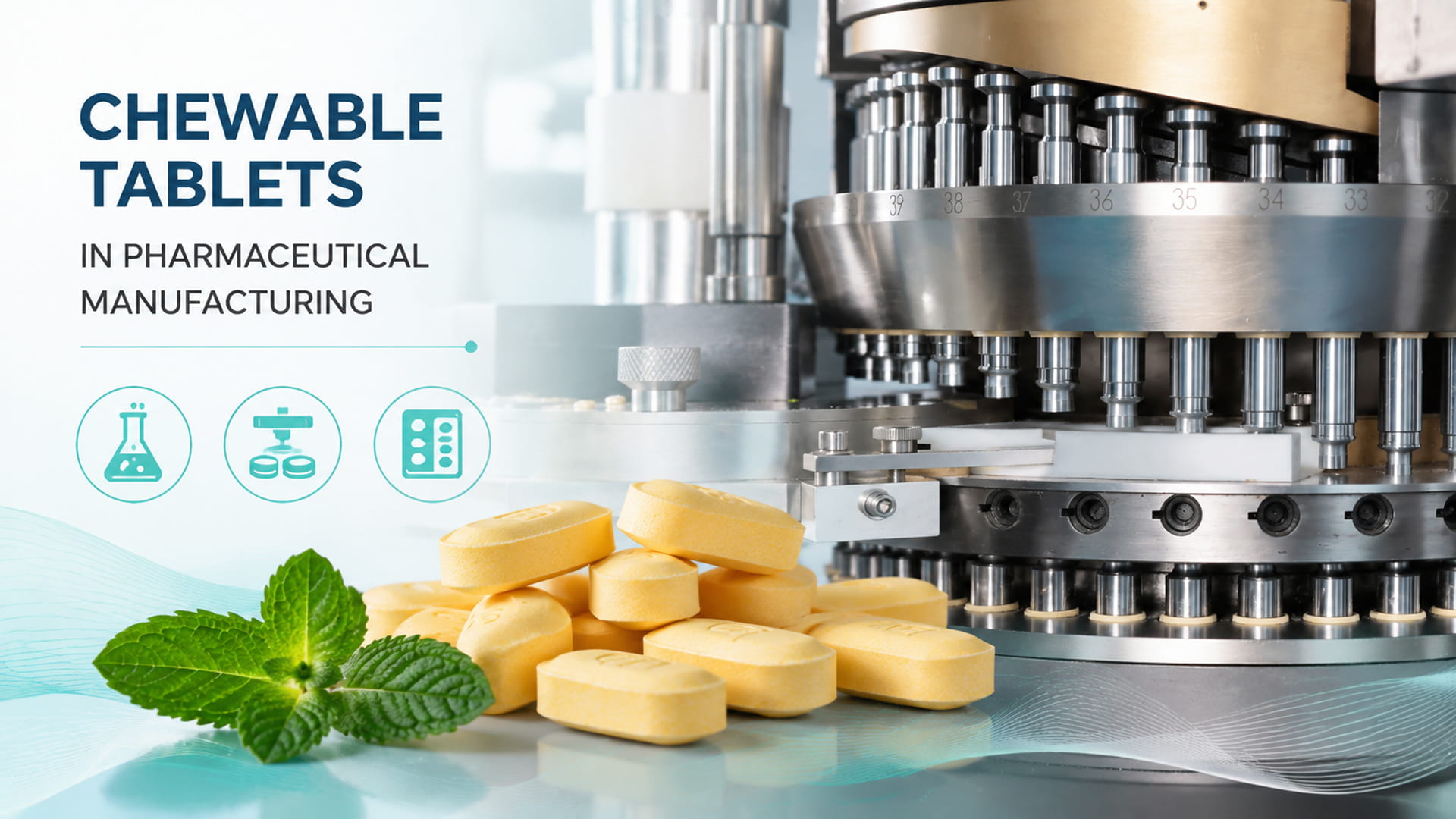
Çiğnenebilir tabletler bir sözlü tür katı dozaj formu yutmadan önce çiğnenecek şekilde tasarlanmıştır. Geleneksel tabletlerden farklı olarak (hangisini bütün olarak yutuyorsun) veya ağızda dağılan tabletler (ODT'ler) dilde eriyen, çiğnenebilir şeyler çiğnenerek ağızda parçalanır. Bu, birçok hasta için dozlamayı kolaylaştırır.
Farmasötik Teknolojiye Göre, Çiğnenebilir tabletler, “aktif bileşenin salınmasını kolaylaştırmak için çiğnenerek işlenmek üzere tasarlanmış tabletler” olarak tanımlanır.(S)”. Pratikte, bu, çiğnenebilir ürünlerin genellikle şeker-alkol gibi bileşenler içerdiği anlamına gelir (polioller) tatlılık ve hacim katan. Ayrıca eğlenceli şekillere dönüştürülebilirler (hayvanlar, kalpler, vesaire.) çocuklara hitap etmek. Çünkü çiğnenebilir ürünler ağızda parçacıklara ayrılıyor, yapılabilirler daha büyük veya farklı şekilli yutacağın haplardan daha, yine de çiğnendikten sonra hızla çözünür.
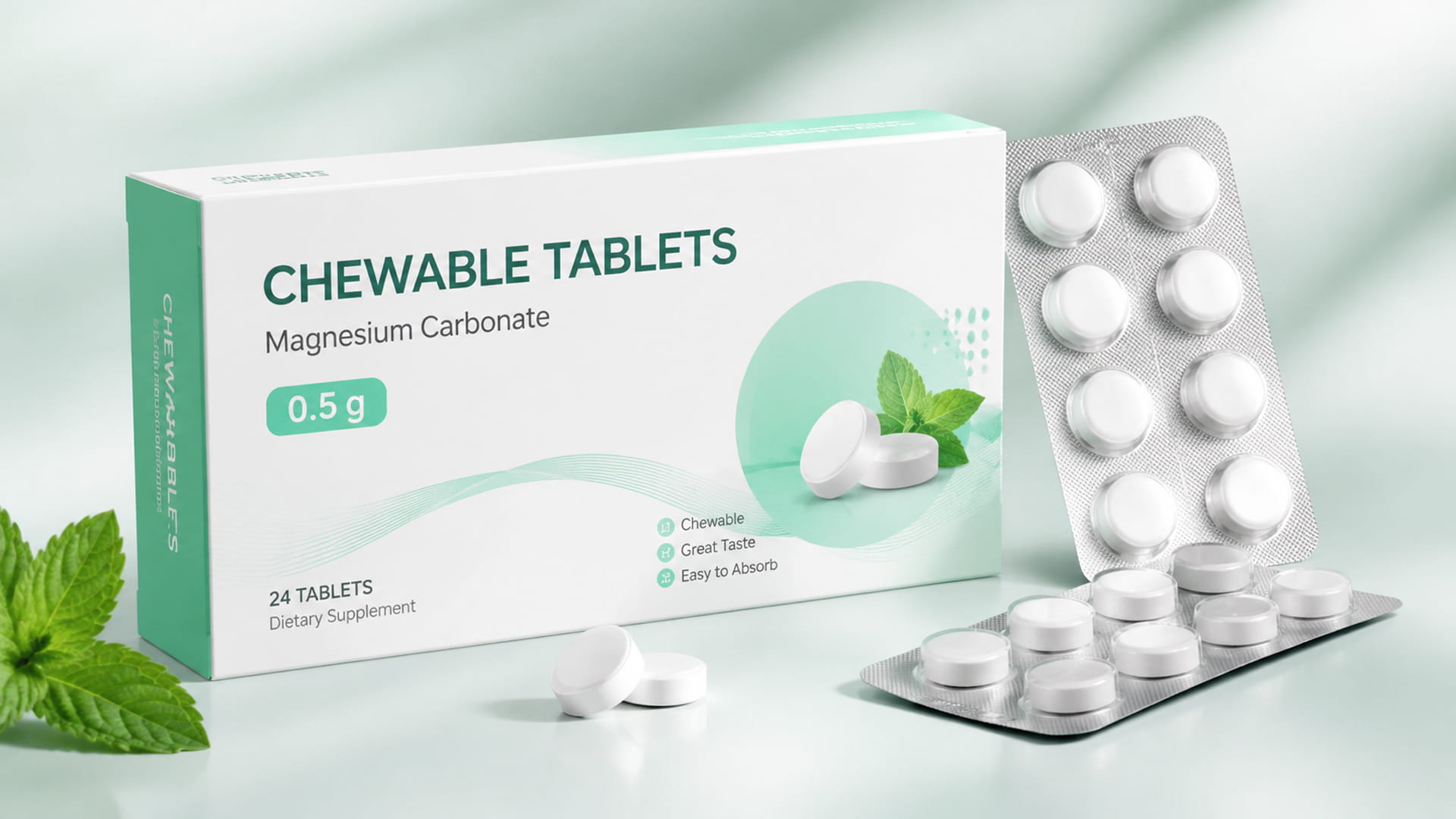
Çiğnenebilir tabletler sağlık pazarının çeşitli segmentlerinde popülerdir:
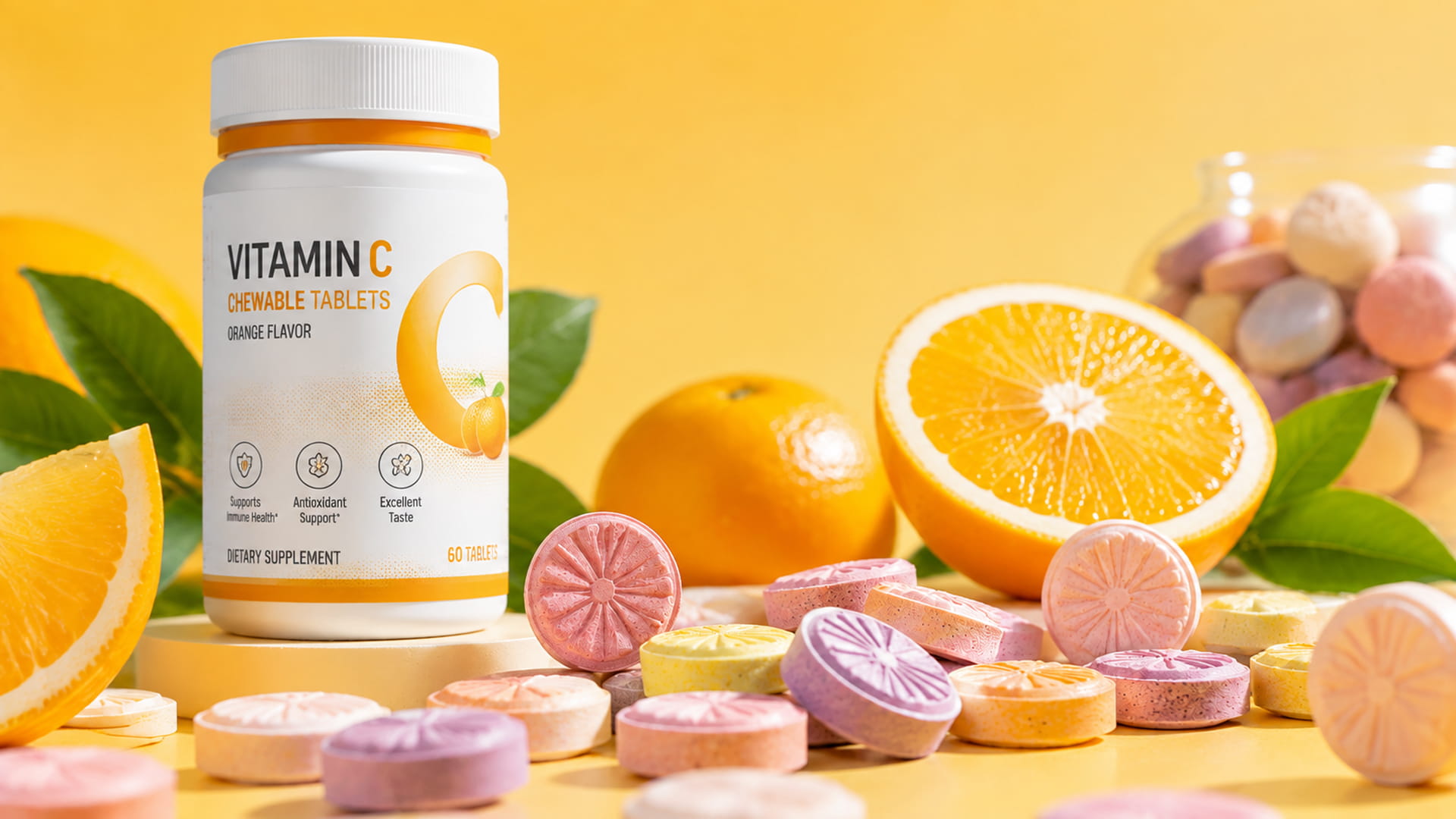
Bu fotoğraf gösteriyor vitaminler ve takviyeler çiğnenebilir tablet formunda. Çiğnenebilir C vitamini, multivitaminler, ve mineral tabletler genellikle parlak renkli şekerlere benzer. Form faktörleri ve lezzetleri, onları hem sağlık bilincine sahip tüketiciler hem de hastalar için dostane bir seçenek haline getiriyor.
Çiğnenebilir bir tablet formüle etmek dengeleyici bir eylemdir. Tablet olmalı lezzetli ve çiğnemesi kolay, henüz güçlü ve istikrarlı taşıma ve depolama için yeterli. Bu şu anlama gelir:
Tat maskeleme & Lezzet: Yutulabilen tabletlerin aksine, çiğnenebilir yiyecekler ağızda kalır, ilaçları tat alma tomurcuklarına maruz bırakmak. Birçok aktif ilaç acıdır, bu nedenle formül hazırlayanlar tatlandırıcılar ekliyor (şekerler veya şeker alkolleri) ve tableti hoş hale getiren tatlandırıcı maddeler. Çok acı API'ler için, Kötü tatların dile ulaşmasını önlemek için ince kaplamalar veya özel tat engelleyici yardımcı maddeler kullanılabilir.. Örneğin, çiğnenebilir vitamin tabletlerinde sıklıkla meyve aromaları ve tatlı bazlar kullanılır (sorbitol veya mannitol gibi) tadı geliştirmek.
Doku & Ağız hissi: İyi bir çiğnenebilir tablet olmalıdır sorunsuz bir şekilde parçalanacak kadar yumuşak cesur veya çok kireçli hissetmeden. Partikül büyüklüğü ve yardımcı madde seçimi önemlidir: ince öğütülmüş malzemeler ve "yumuşak" dolgu maddeleri (örneğin. manitol, ksilitol) tabletin çiğneme altında yavaşça parçalanmasına yardımcı olun. Diğer taraftan, çiğnenebilir gıdalara hala ihtiyaç var bazı depolamada parçalanmamaları için sertlik. Endüstri yönergeleri tablet sertliğinin nispeten düşük tutulmasını öneriyor (örneğin. ~12 kilopondun altında) tablet ağızda çabuk dağılmadığı sürece. Yüksek oranda sıkıştırılabilir yardımcı maddeler ve bağlayıcılar kullanma (mikrokristalin selüloz veya bazı polimerler gibi) Tabletin paketleme sırasında sağlam kalmasına ve ağızda çiğnenebilir olmasına yardımcı olur.
Parçalanma & İlaç Salım: Çiğnenebilir yiyecekler çiğnendikten sonra parçalanmalı ve ilacı etkili bir şekilde salmalıdır. Genellikle anında salınan dozaj formları olarak sınıflandırılırlar., dolayısıyla diğer anında salınan tabletlerle aynı parçalanma ve çözünme standartlarını karşılamaları gerekir.. Pratikte, bu, çiğnenebilir tabletlerin gereken sürede çözünmelerini sağlamak için test edilmesi anlamına gelir (genellikle birkaç dakikanın altında) çiğnedikten sonra. Formülatörler genellikle parçalayıcılar içerir (örneğin. sodyum nişasta glikolat) hızlı parçalanmaya yardımcı olmak ve tutarlı biyoyararlanımı sağlamak için.
İstikrar: Her tablet gibi, çiğnenebilir ürünler neme ve sıcaklığa duyarlı olabilir. Çünkü birçok çiğnenebilir (örneğin. vitaminler veya efervesan çiğnenebilir ürünler) higroskopik dolgu maddeleri kullanın, formülasyon ürünün raf ömrü boyunca stabil kalmalıdır. Bu, üretim ve paketleme sırasında uygun nem kontrolünü gerektirir. Aslında, düzenleyici yönergeler (örneğin. FDA stabilite kılavuzları) Zaman içinde etki ve güvenliği göstermek için stabilite verilerinin gönderilmesini gerektirir. Yüksek ilaç yüküne sahip çiğnenebilir vitaminler için, Stabiliteyi korurken lezzeti aktif bileşenlerle dengelemek için ek bakım gereklidir.
Ortak Yardımcı Maddeler: API'nin ötesindeki temel bileşenler şunları içerir: dolgu maddeleri (seyreltici) toplu için, bağlayıcılar tableti bir arada tutmak için, yağlayıcılar yapışmayı önlemek için, Ve, önemlisi, tatlandırıcılar/tatlandırıcılar. Çiğnenebilir gıdalardaki tipik dolgu maddeleri mannitol veya sorbitol gibi şeker alkolleridir., veya sükroz ve laktoz gibi tatlandırıcılar. Mannitol, örneğin, popüler çünkü havalı bir şey veriyor, ağızda tatlı bir his bırakır ve tabletlerin hızla parçalanmasına yardımcı olur. Parçalayıcılar (mikrokristalin selüloz, sodyum nişasta glikolat) ağızda çabuk dağılmasını sağlamak için kullanılır. Aroma katkı maddeleri (meyve tatları, nane, vesaire.) ve renklendirici maddeler de tabletleri tüketiciler için çekici kılmak için yaygındır.
Bu faktörlere odaklanarak (tat maskeleme), doku, ve parçalanma: İlaç geliştiricileri hem etkili hem de hasta dostu çiğnenebilir tabletler yaratıyor. Doğru formülasyon, sorunsuz üretim ve paketlemenin temelini oluşturur.
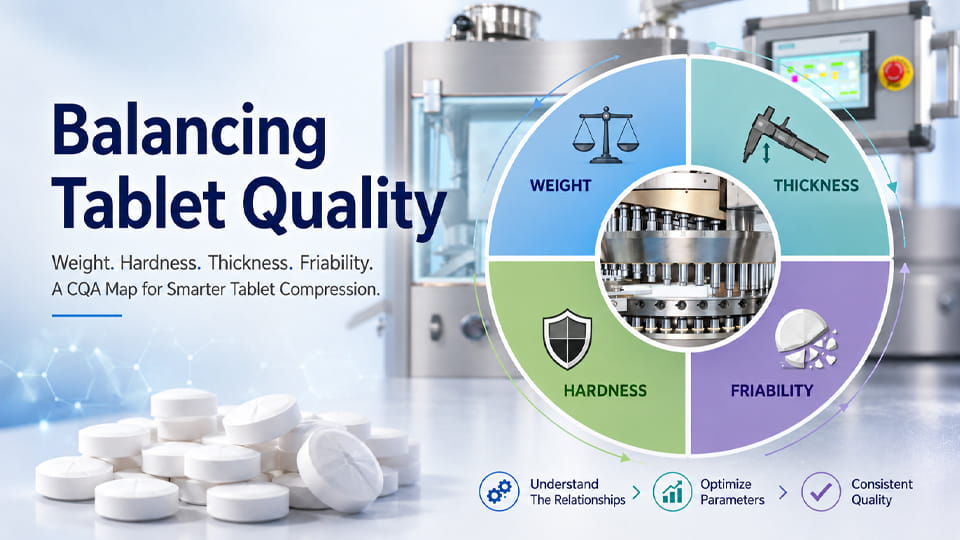
İyi bir çiğnenebilir tablet üretmek, farmasötik kalite ile hastanın kabul edilebilirliğini dengelemek anlamına gelir. Kritik kalite özellikleri şunları içerir::
Bu kalite faktörlerini karşılamak önemsiz değildir, FDA'nın çiğnenebilir tablet özellikleri hakkında özel bir kılavuz yayınlamasının nedeni budur. Kılavuz, düzenleyici başvurularda tüm geliştirme adımlarının ve testlerin belgelenmesini vurgulamaktadır (Gizlilik Sözleşmeleri/ANDA'lar). Paket servis: çiğnenebilir bir tablet hala bir ilaç ürünüdür ve tam kalite titizlikle tedavi edilmelidir, sadece hasta dostu bir dokunuşla.
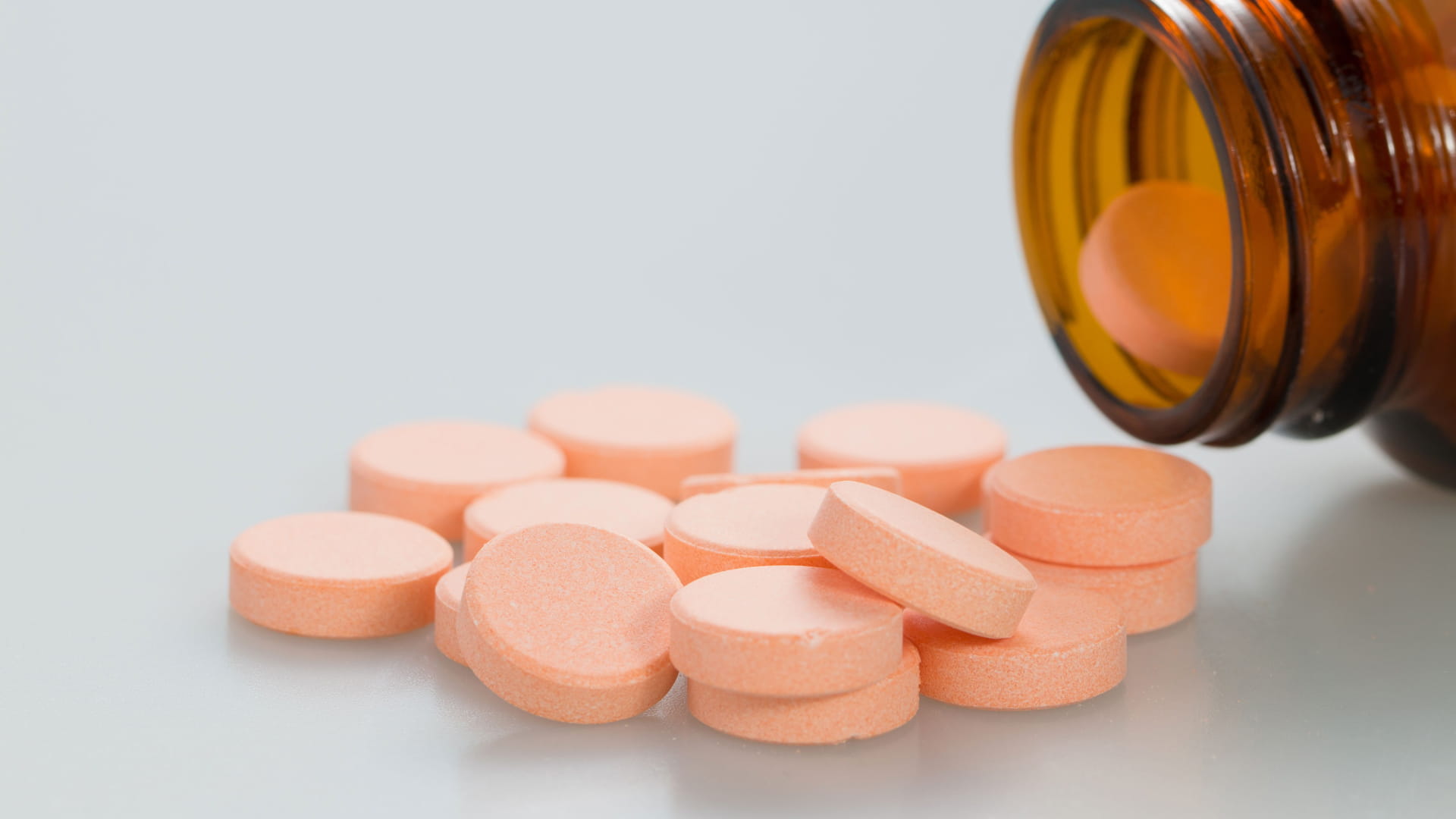
Çiğnenebilir tabletlerin üretimi büyük ölçüde standart tablet üretim sürecini takip eder, çiğnenebilirlik ve tat için bazı özel ayarlamalar ile. Aşağıda çiğnenebilir gıda üretimindeki önemli adımlara genel bir bakış yer almaktadır.:
Her aşamada, üreticiler cGMP düzenlemelerine uyuyor (örneğin. FDA 21 CFR bölümü 211 ABD'de) temizliği sağlamak, kesinlik, ve izlenebilirlik. Modern tablet baskı makineleri genellikle basıncı ve hızı ayarlamak için PLC kontrollerine sahiptir, ve tutarlı sıkıştırmayı sürdürmek için kuvvet sensörleri gibi özellikler. Çiğnenebilir gıdalar için, bir tuşa basitçe "nazikçe ama aynı şekilde" basılmasıdır.
Üretimden sonra, çiğnenebilir tabletlerin taze ve etkili kalabilmesi için doğru ambalaja ihtiyacı vardır. Aşağıda yaygın paketleme yaklaşımları ve kullanılan ekipmanlar yer almaktadır:


Kartonlama makineleri tam otomatik olabilir (insan operatöre gerek yok) ve her kutunun doğru eklentilere sahip olduğundan ve düzgün bir şekilde kapatıldığından emin olmak için sensörler içerir. Otomatik kartonlamanın avantajları arasında manuel paketlemeye kıyasla çok daha yüksek hız ve tutarlılık yer alır. Bir paketleme mühendisinin bir zamanlar söylediği gibi, kartoncular veriyor “profesyonel görünümlü, kurcalamaya dayanıklı kartonlar” minimum işçilikle.
Uç: Çiğnenebilir tabletleriniz şişelere girerse (örneğin. vitamin şişeleri), kabarcık olmayabilir, ancak bu şişeler genellikle kartonlara da konuluyor, aynı kartonlama sürecini takip ederek.
Bu tamamen otomatik şişeleme hattı D vitamini çiğnenebilir ürünleri veya şişelerde satılan çiğnenebilir kalsiyum tabletleri gibi çiğnenebilir ürünler için idealdir. Her şişenin doğru sayıya sahip olmasını sağlar (kesin düşün 60 kavanoz başına çiğnenebilir C vitamini tabletleri) ve üretimi hızlandırır.
Kalite & Uygunluk: Tüm bu paketleme makineleri ilaç standartlarını karşılamalıdır. Örneğin, Blister ve kartonlama hatları cGMP spesifikasyonlarına göre üretilmiştir (21 CFR 211 ABD'de) sıhhi tasarımlı, izlenebilirlik, ve doğrulama protokolleri. Hat içi görüntü sistemleri sıklıkla dolum seviyelerini ve sızdırmazlığı kontrol eder, hataları önleme. Ürün kalitesinde iyi ambalaj mühürleri: Araştırmalar, bir hapın paketinden çıkarılmasının bozulmayı hızlandırdığını gösteriyor. Kısacası, sağlam ambalajlara yatırım yapmak (yüksek bariyerli kabarcıklar ve hassas kartonlayıcılar/sayaçlar gibi) çiğnenebilir tabletlerin fabrikadan hastaya kadar güvenli bir şekilde saklanması için çok önemlidir.
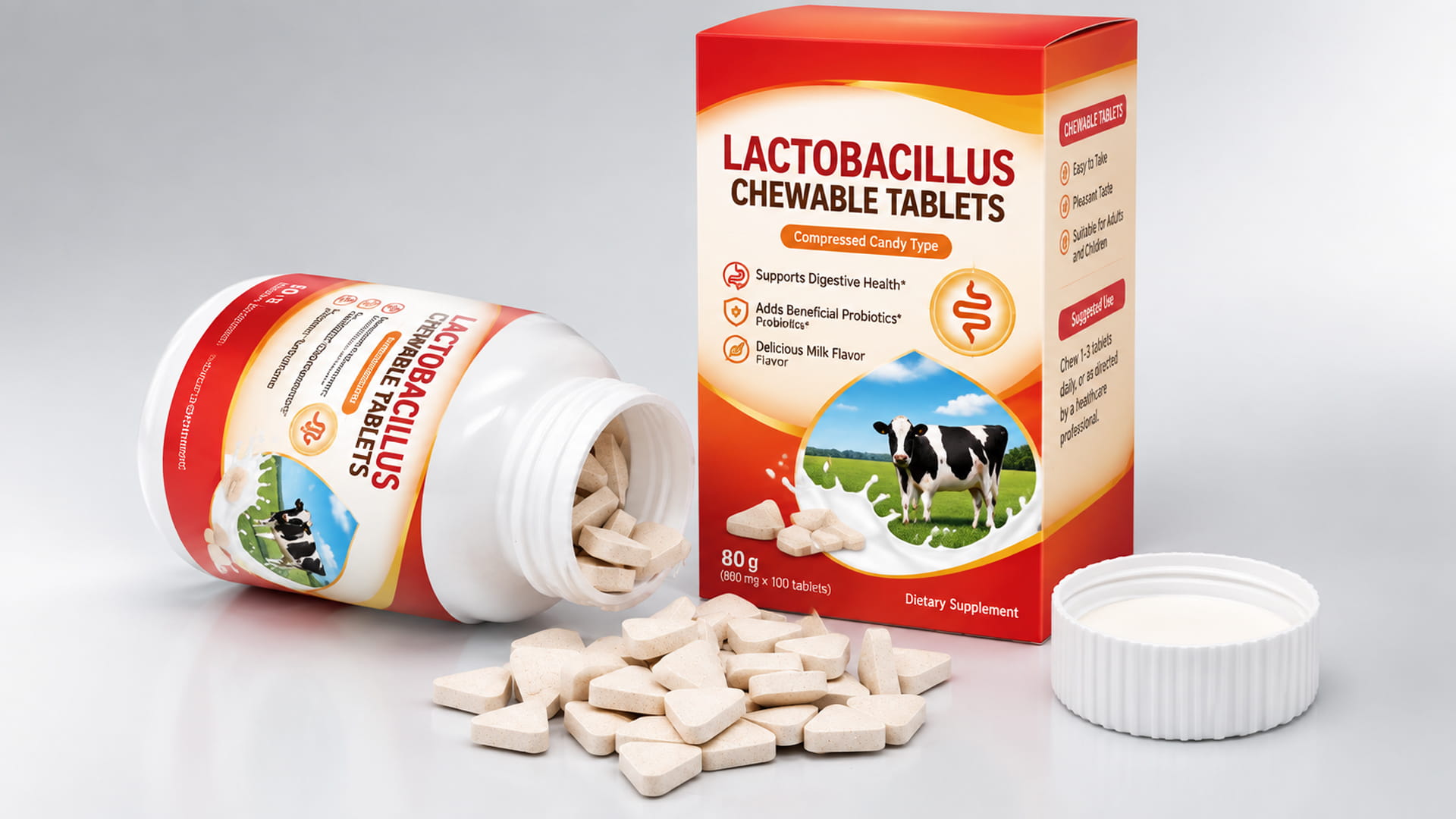
Özetle, çiğnenebilir tabletler hasta dostu ve eczacılıkta çok yönlü dozaj formu. Uyumluluğu artırırlar (suya gerek yok!), ve modern formülasyon teknikleriyle (Tatlandırıcılar, tatlar) oldukça güzel tadabilirler. Üretimlerinde standart tabletleme ekipmanı kullanılıyor birkaç ayarlamayla: düşük basınçlı sıkıştırma, özel yumruklar, ve dikkatli kalite kontrolü. Ambalaj da önemli bir rol oynuyor – kabarcıklı makineler, kartonlama makineleri, ve sayma hatları, her çiğnenebilir tabletin son pakette taze kalmasını ve doğru dozda kalmasını sağlar.
Farmasötik veya nutrasötik üretiminde çalışıyorsanız ve çiğnenebilir tablet üretimini araştırıyorsanız, Unutma: doğru ekipman ortağı büyük bir fark yaratabilir. Üreticiler şunu sever: Jinlu Paketleme özelleştirilmiş tablet presleri sunuyoruz, kabarcık paketleyiciler, ve çiğnenebilir ürünler için tasarlanmış kartonlama makineleri. İhtiyacınız olup olmadığı Döner Tablet Pres saatte binlerce çiğnenebilir hap veya yüksek hızlı kabarcık hattı vitamin sekmelerinizi kapatmak için, kaliteli ekipman, üretiminizin verimli ve tabletlerinizin hasta dostu olmasını sağlayacaktır.
Çiğnenebilir tablet serinizi geliştirmeye hazır? Jinlu Packaging'deki uzmanlarla iletişime geçin kişiye özel farmasötik tablet üretimi ve paketleme çözümleri için
Çiğnenebilir tablet, yutulmadan önce çiğnenecek şekilde tasarlanmış oral katı dozaj formudur.. Geleneksel tabletlere göre daha kolay uygulama sağlar ve farmasötik ürünlerde yaygın olarak kullanılır., vitamin, ve diyet takviyeleri.
Çiğnenebilir tabletler, malzeme karıştırmayı içeren bir işlemle üretilir, granülasyon veya doğrudan sıkıştırma, tablet basma, kalite testi, ve ambalaj. Tutarlı tablet boyutu üretmek için genellikle döner tablet pres makinesi kullanılır, ağırlık, ve sertlik.
Çiğnenebilir tablet üretimi için kullanılan ana ekipman, bir tablet pres makinesini içerir, toz karıştırıcı, tablet didans, metal dedektörü, kabarcıklı paketleme makinesi, sayma makinesi, ve kartonlama makinesi. Ekipman seçimi üretim kapasitesine ve paketleme gereksinimlerine bağlıdır.
Temel fark, bunların nasıl alındığıdır. Düzenli tabletler bütün olarak yutulur, çiğnenebilir tabletler yutulmadan önce çiğnenecek şekilde tasarlanırken. Çiğnenebilir tabletler genellikle daha iyi tat elde etmek için özel formülasyonlar gerektirir, doku, ve çiğneme performansı.
Evet. Döner tablet presi, sıkıştırma kuvvetini ayarlayarak çiğnenebilir tabletler üretebilir, takım tasarımı, ve üretim parametreleri. Doğru makine ayarları, tablet gücü ile çiğnenebilirlik arasında gerekli dengenin sağlanmasına yardımcı olur.
Yaygın örnekler arasında C vitamini çiğneme tabletleri bulunur, çiğnenebilir multivitaminler, çiğnenebilir kalsiyum tabletleri, çiğnenebilir demir tabletleri, ve D vitamini çiğneme tabletleri. Bu ürünler besin takviyeleri ve farmasötik uygulamalarda yaygın olarak kullanılmaktadır..
Her zaman değil. Sıkıştırma işlemi benzer olmasına rağmen, çiğnenebilir tabletler tada daha fazla dikkat gerektirir, ağız hissi, sertlik, ve formülasyon stabilitesi. Üreticilerin hem ürün kalitesini hem de kullanıcı deneyimini dikkatli bir şekilde kontrol etmesi gerekiyor.
Çiğnenebilir tabletlere yönelik yaygın paketleme çözümleri arasında kabarcıklı paketleme yer alır, şişe sayma sistemleri, ve karton makineler. Uygun bir farmasötik paketleme makinesi, tabletlerin nemden korunmasına yardımcı olur ve doğru, verimli üretim.
Çiğnenebilir vitamin tabletleri kullanışlı oldukları için popüler hale geliyor, alınması kolay, hapları yutmakta zorluk çeken çocuklar ve yetişkinler için daha kabul edilebilir. Çiğnenebilir C vitamini ve çiğnenebilir multivitaminler gibi ürünler takviye pazarında yaygın olarak kullanılmaktadır..
Çiğnenebilir tablet üretim hattının seçimi tablet boyutu gibi faktörlere bağlıdır, üretim kapasitesi, otomasyon seviyesi, ve paketleme yöntemi. İlaç üreticileri, makine seçerken hem tablet sıkıştırma ekipmanlarını hem de alt paketleme çözümlerini dikkate almalıdır.
Referanslar:
1.Endüstri için Çiğnenebilir Tabletlere İlişkin Kalite Özelliği Hususları Rehberi —— BİZ. Gıda ve İlaç İdaresi
2.Çiğnenebilir Tabletler: Formülasyon Konularına İlişkin Bir İnceleme —— Eczacılık Teknolojisi
3.Çiğnenebilir Tabletler: Kapsamlı Bir İnceleme —— Asya Farmasötik Araştırma ve Geliştirme Dergisi
4.Formülasyon, Çiğnenebilir Tabletlerin Üretimi ve Değerlendirilmesi —— pharmapproach.com
5.Eriyik Granülasyon Yöntemi ile Yumuşak Çiğnenebilir Parasetamol Tabletler: Formülasyon ve Karakterizasyon —— Ulusal Tıp Kütüphanesi