
İçinde tablet imalatı, sertlik Ve gevreklik iki temel kalite ölçüsüdür. Sertlik (kırma kuvveti) bize bir tabletin çatlamadan önce ne kadar basınca dayanabileceğini söyler. Kırılganlık, bir tabletin yüzeyinin yuvarlandığında veya tutulduğunda ne kadar kolay kırıldığını veya aşındığını ölçer. Başka bir deyişle, sertlik kontrolleri iç güç, gevreklik kontrol edilirken yüzey dayanıklılığı. Her iki özellik de tabletlerin nasıl sıkıştırıldığından kaplanıp son olarak paketlendiğine kadar sonraki işlemleri etkiler.. Bu makale kırılganlık ve sertliğin neden önemli olduğunu açıklamaktadır, her biri nasıl test edilir, ve tablet sıkıştırmasını nasıl etkiledikleri, kaplama, ve gerçek üretim hatlarında paketleme kalitesi.
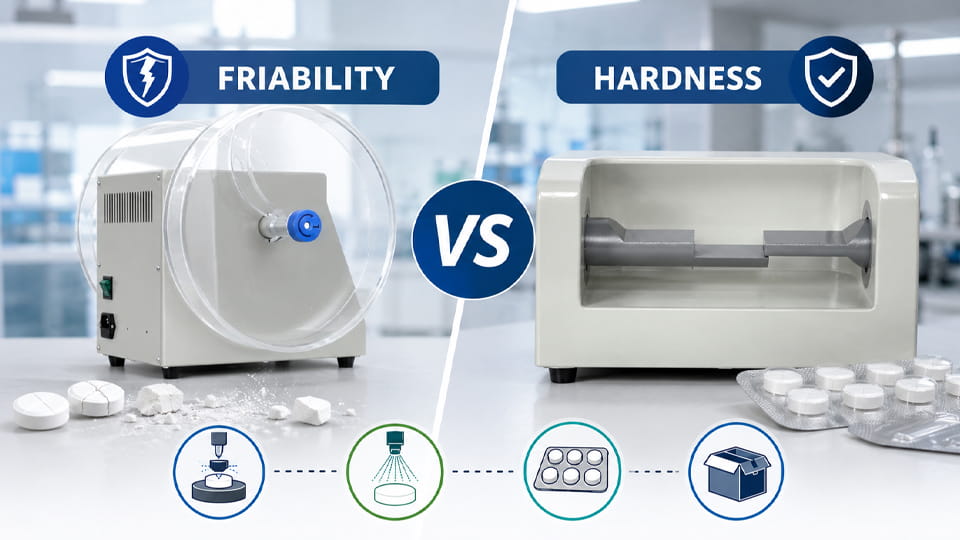
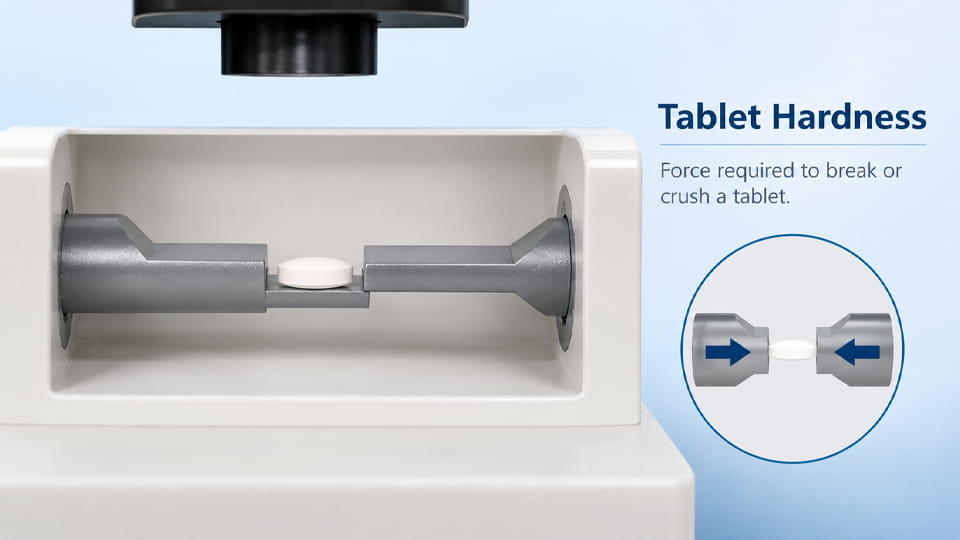
Tablet sertliği (teknik olarak “tablet kırma kuvveti”) bir tableti sıkıştırma yoluyla kırmak için gereken kuvvettir. Pratikte, Sertlik, tabletin iki örs veya plaka arasına yerleştirilmesi ve kırılana kadar kuvvet uygulanmasıyla ölçülür.. Modern sertlik test cihazları (manuel veya dijital) Tepe kuvvetini kilogram veya Newton cinsinden ölçün. Tablet kırma kuvveti aşağıdakiler için kritiktir: kalite kontrolü: bir tablet elleçlemeye dayanacak kadar güçlü olmalıdır, ambalajlama, ve kırılmadan nakliye. ABD. ve Avrupa farmakopeleri sertlik için standartlaştırılmış yöntemleri belirtir (kırma kuvveti) test. Bazı sektör literatürü bu terimi tercih ediyor “kırma kuvveti” "sertlik" üzerinden,"çünkü malzeme biliminde "sertlik" tipik olarak yüzey girintisine karşı direnç anlamına gelir, tablet testi sıkıştırma gücünü ölçerken.
Tablet sertliği formülasyon ve proses parametrelerinden etkilenir. Daha yüksek sıkıştırma kuvveti genellikle daha sert tabletler verir, bağlayıcı ve yağlayıcılar gibi formülasyon faktörleri de sertliği etkiler. Örneğin, bağlayıcıyı arttırmak (örneğin. PVP veya HPMC) genellikle tabletin gücünü artırır, oysa çok fazla yağlayıcı (magnezyum stearat) parçacıklar arası bağı zayıflatabilir. Tabletin boyutu, şekil, ve gözeneklilik de rol oynar: daha kalın veya daha yoğun tabletlerin kırılması genellikle daha fazla kuvvet gerektirir.
Çok düşük sertlik (yetersiz sıkıştırma) tabletlerin bozulmasına neden olur çatırtı, ufalanmak veya talaş kolayca. Çok yüksek sertlik, Yine de, dezavantajları olabilir: çok sert tabletler olabilir yavaş yavaş parçalanmak veya vücutta çok yavaş çözünüyor. Çok sert bir tablet de olabilir hastaların yutması zor. Böylece, tablet tasarımı mekanik gücü performansla dengelemelidir. Pratikte, üreticiler bir kabul aralığı belirledi (örneğin. 4–10kg ya da öylesine) üretim sırasında kopma kuvveti için.
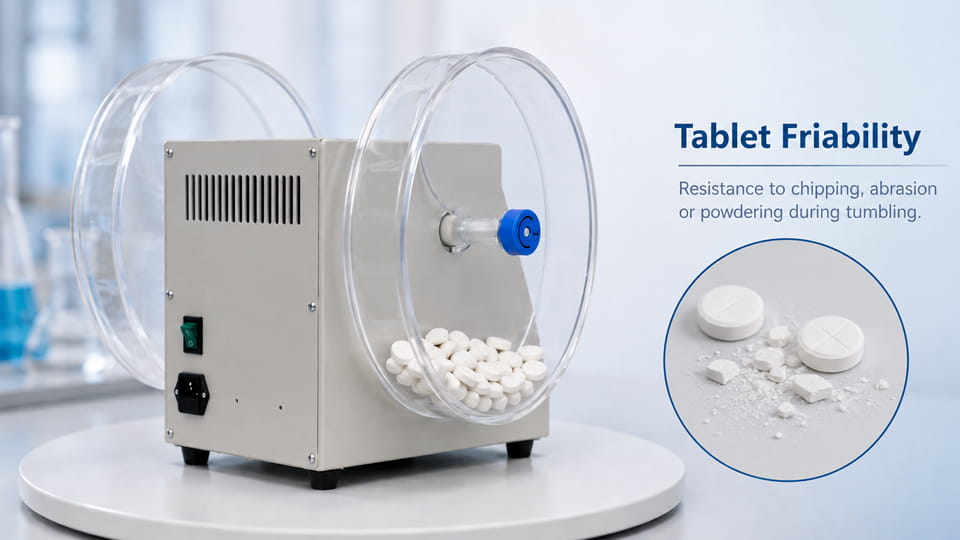
Tablet ufalanabilirliği, bir tabletin mekanik strese maruz kaldığında ne kadar kolay ufalandığının veya kütle kaybettiğinin bir ölçüsüdür, yuvarlanma veya çarpma gibi. Gevreklik testi tozdan arındırılmış tabletlerin dönen bir tambura yerleştirilmesini içerir (Roche ufalanabilir), genellikle 25 rpm'de, ve onları tabi tutmak 100 devrimler. Her devrim, taşıma ve taşıma sırasındaki stresi simüle etmek için tabletleri sabit bir yüksekliğe yuvarlar ve düşürür. Testten sonra, tabletler toplanıyor, ve gevşek toz giderilir. Tabletler, kilo kaybı yüzdesini belirlemek için öncesinde ve sonrasında tartılır., olarak rapor edilen gevreklik. Örneğin, . USP <1216> ve Ph.Eur. monografiler bu prosedürü açıklar.
Gevreklik ne kadar düşük olursa, tablet aşınmaya veya ufalanmaya karşı ne kadar dayanıklıysa. Kabul edilebilir bir kırılganlık sınırı geleneksel olarak ≤%1,0 kilo kaybı. Bu eşikten fazlasını kaybeden tabletler, veya test sırasında gözle görülür şekilde çatlayan veya kırılan, ufalanabilirlik kriterini geçememek. Tablet kırılganlığı özellikle sıkıştırma sonrası dayanıklılık – tabletlerin kaplama tavalarında karşılaştığı fiziksel stresi simüle eder, konveyörler, şişe doldurucular, kabarcık hatları, ve ambalaj. Yüksek ufalanabilirlik, tablet kenarlarında talaş olarak kendini gösterir, görünür çatlaklar, veya aşırı toz. Gevreklik bu nedenle paketleme ve taşıma sağlamlığıyla yakından bağlantılı bir kalite özelliğidir..
Bu testler benzer gibi görünse de farklı stresleri araştırıyor. Basit anlamda:
İki tablet hayal edin: biri test edildi 20 kP (kilopond) ezilme kuvveti (çok zor) ve bir tane 5 kP (yumuşak). düşünebilirsiniz 20 kP tablet yok edilemez, ancak kenarları kırılgansa, ufalanabilirlik tamburunda hâlâ %2-3 kütle kaybedebilir; bu kabul edilebilir sınırın iki katıdır. Pratikte, tablet olabilir "Son derece sert, ezmek için önemli bir güç gerektiriyor ama şaşırtıcı derecede kırılgan.". Bu nedenini gösteriyor ikisi birden testlere ihtiyaç var. Aşağıdaki tablo farkı özetlemektedir:
Kısacası: sertlik direnir ezici, gevreklik direnirken yontma. Sağlam bir tablet tasarımı her ikisini de dengeler: tozlanmadan baskı makinesine ve makinelere dayanmalıdır, yine de düzgün bir şekilde çözülüyor.
| Parametre | Tablet Sertliği (Kırma Gücü) | Tablet Ufalanabilirliği |
|---|---|---|
| Neyi Ölçer? | Uygulanan tek bir kuvvete karşı direnç (sıkıştırma veya gerginlik) kırılmaya neden olmak | Tekrarlanan aşınmaya karşı direnç, darbe, ve yontma (yuvarlanırken kilo kaybı) |
| Tipik Gerilim Türü | Arızaya kadar tek seferlik büyük basınç veya üç noktalı eğilme yükü | Çoklu düşme/düşme (genellikle 100 rotasyonlar) taşıma şoklarını simüle etmek |
| Ana Amaç | Tabletin kırılma gücünü değerlendirin (Sıkıştırma altında formülasyon sağlamlığı) | Taşıma sırasında dayanıklılığı değerlendirin, kaplama, ve ambalaj |
| Test Çıkışı | Kırılma kuvveti değeri (örneğin. Newton veya kp cinsinden) | Testten sonra yüzde kilo kaybı (ve hasar açısından görsel inceleme) |
| Kaliteye Bağlantı | Sıkıştırma parametrelerini ayarlar; tabletlerin kuvvet altında çatlamamasını sağlar | Paketleme hattı ayarlarını belirler; tabletlerin kaplama/taşınmaya dayanmasını sağlar |
| Diğer Testle Değiştirilebilir? | HAYIR. Farklı stres; kendi ölçümüne ihtiyacı var. | HAYIR. Farklı test mantığı; sertlik testinin yerini alamaz. |
Yukarıdaki tablo şunu vurgulamaktadır sertlik ve kırılganlık farklı yönleri ölçer. Sertlik (kırma kuvveti) tek seferlik bir stres testidir, kırılganlık testleri ise düşük seviyeli şokları tekrarladı. Önemli olan, tablet olabilir sert ama kırılgan veya tam tersi. Örneğin, yüksek kırılma kuvvetine sahip bir tablet yine de gevreklik testinde başarısız olmak kenarları kolayca kırılıyorsa veya iç yapışma eşit değilse. Kısacası, sertlik ve ufalanabilirlik birbiriyle ilişkilidir ancak birbirinin yerine geçemez; her ikisi de değerlendirilmelidir.
Tablet sertlik test cihazları, tek bir tablete kırılana kadar kontrollü bir kuvvet uygular. Tipik bir test cihazında, iki düz örs (plaka) tableti kavrayın – biri sabit, biri hareket ediyor. Test cihazı kopma sırasındaki kuvveti kaydeder. Manuel test cihazları (Monsanto gibi yay tabanlı) ve modern dijital test cihazları (Yük hücreleri ve elektronik okumalar ile) yaygındır. Elektronik test cihazları hassas sonuçlar sağlar, tekrarlanabilir ölçümler ve sıklıkla çap ve kalınlığı aynı anda ölçer. Test sırasında, gibi faktörler tablet yönü (düz yüzlü tabletler için) veya özel armatürler (sıradışı şekiller için) tutarlı sonuçlar sağlamak için dikkatlice kontrol edilir. Ölçülen kopma kuvveti kalite kontrolü bilgilendirir: partiler yalnızca sertliğin söz konusu formülasyon için tanımlanan aralık dahilinde olması durumunda kabul edilir.
A kırılgan veya ufalanabilirlik test cihazı, taşımayı simüle etmek için bir tablet örneğini şeffaf bir tamburda yuvarlar. Anahtar adımlar (USP/Ph.Eur başına.) öyle: 1. Bir tablet örneğinin tozunu alın ve tartın (örneğin. 6.5 g veya 10 tabletler). 2. Tabletleri, içinde kaldırma tırnağı bulunan döner bir tambura yerleştirin. 3. 25 rpm'de döndürün 100 devrimler (4 dakika). 4. Tabletleri kaldır, gevşek tozu temizleyin, yeniden tartmak. 5. Hesaplamak % kilo kaybı: .
Eğer herhangi bir tablet çatlamış veya kırılmışsa takla attıktan sonra, parti hemen başarısız oluyor. Aksi takdirde, toplam kilo kaybı ise >1%, test üç kopya halinde tekrarlanır ve ortalama kullanılır. Pratikte, geçen tabletlerde minimum düzeyde talaş veya toz görülüyor. Gevreklik sonuçları kaplama ve paketleme öncesinde kararlara rehberlik eder: yüksek kayıp, yeniden formülasyona veya süreç değişikliğine yol açar.
Test yöntemleri kaplanmamış tabletleri varsayar. Kaplanmış tabletler de test edilebilir, ancak genellikle kabuktan dolayı daha düşük kırılganlığa sahiptirler. Tersine, efervesan veya yüksek gözenekli tabletler test sırasında özel nem kontrolü gerektirebilir. Tablet şekli ve boyutu yuvarlanma davranışını etkiler; düzensiz şekiller için, tambur tabanı rastgele hareket sağlamak için ~10° eğilebilir. Her durumda, özet standartlar (USP, Avro Ph.) aparatı ve prosedürü belirtin. Modern laboratuvar uygulamaları ayrıca sertlik ve ufalanabilirlik test cihazlarının kalibrasyonunu da kontrol eder ve standart referans tabletleriyle düzenli olarak kalite kontrol gerçekleştirir..
Her iki özellik de formülasyona ve işlemeye bağlıdır. Temel faktörler arasında bağlayıcı türü/konsantrasyonu yer alır, sıkıştırma kuvveti, ve tablet şekli. Örneğin:
Çünkü pek çok değişken önemli, üreticiler tek değerler yerine hedef aralıkları belirliyor. Orada evrensel “mükemmel” sertlik yok; ürünün türüne bağlıdır dozaj formu, kullanım amacı, ve ambalaj. Çiğnenebilir bir vitamin ve film kaplı ağrı kesici çok farklı optimal sertlik seviyelerine sahip olabilir, aynı ağırlıkta olsalar bile.
Tablet presindeki sıkıştırma aşaması sertliği büyük ölçüde belirler. Pratikte:

Kısacası, Sıkıştırma parametrelerinin ve formülasyonlarının optimize edilmesi çok önemlidir. JinluPacking'in sorun giderme kılavuzunda belirtildiği gibi, “tabletler çok yumuşaksa, çip yapabilirler, kırmak, veya yüksek kırılganlık sergilemek. Eğer çok zorsa, kaplamaya direnebilirler veya yavaş yavaş çözülebilirler.”. Sıkıştırma kuvvetini ve bağlayıcı içeriğini ayarlayarak, üreticiler sertlikte aşırıya kaçmadan proses streslerine dayanabilen tabletleri hedefleyebilir.
Tablet kaplama (filmi veya şeker kaplama) çekirdek tabletin gücüne karşı çok hassastır. Kaplama sırasında, tabletler dönen bir tavaya konur ve üzerlerine çözelti püskürtülür. Bu yuvarlanma mekanik strese ve neme neden olur. Sertlik ve ufalanabilirlik burada nasıl devreye giriyor?:
Tabletler preslenip kaplandıktan sonra, taşınıyorlar ambalaj hatları – Blister Makineler, kartonlama makineleri, veya şişe doldurma hatları. Tabletin gücü burada da çok önemli:

Kaplama ve paketleme taleplerini karşılayan en kaliteli tabletleri elde etmek, bu noktaları aklınızda bulundurun:
Pratikte, amaç bir tablet "Elde edilmeye dayanacak kadar sert ama çözünme testlerini geçemeyecek kadar da değil.". Birçok üretici sıkıştırma kuvveti grafiğini çiziyor, sertlik, ve trendleri erken tespit etmek için gerçek zamanlı kırılganlık (Örneğin, Sertlikteki ani kayma, toz beslemesinde veya nemde bir değişikliğe işaret edebilir).
Özetle, sertlik ve kırılganlık aynı madalyonun iki yüzüdür tablet kalitesi için. Sertlik, sıkıştırma altında tabletin çekirdek gücünü sağlar, kırılganlık aşınmaya karşı yüzey sağlamlığını ölçerken. Düzgün dengelenmiş, tabletlerin kaplama tavalarından ve paketleme makinelerinden ufalanmadan veya kırılmadan geçmesini garanti ederler. Çok yumuşak tabletler toz ve kaplama kusurlarına neden olur, çok sert tabletler ise kaplama çözümlerine direnç gösterebilir veya kötü bir hasta deneyimine neden olabilir.
İlaç üreticileri ve paketleme mühendisleri için, her iki teste de dikkat etmek kritik öneme sahiptir. Kalite kontrol noktalarınıza kırılganlık ve sertlik testini entegre ettiğinizden emin olun., ve formülasyonu/kompresyonu gerektiği gibi ayarlayın. Bunu yaparak, maliyetli reddetmeleri en aza indirecek ve cihazınızın sorunsuz çalışmasını sağlayacaksınız kabarcık paketleme hatları, KARTON MAKİNELERİ, veya şişeleme hatları.
Tablet üretiminizi ve paketleme hattınızı optimize etmeye hazır? JinluPacking ekibinin farmasötik sıkıştırma ve paketleme konusunda onlarca yıllık deneyimi var. İhtiyacınız olup olmadığı yüksek hızlı tablet presi, toz giderici, veya özel bir kabarcıklı ambalaj çözümü, tabletlerinizin baskıdan hastaya kadar sağlam kalmasını sağlamaya yardımcı olabiliriz. Bize Ulaşın makinelerimizin ve uzmanlığımızın üretim hedeflerinizi nasıl destekleyebileceğini tartışmak için.
HAYIR. Sertlik (kırma kuvveti) tek bir yük altında bir tableti kırmak için gereken kuvveti ölçer. Gevreklik, tabletin tekrarlanan aşınmaya karşı dayanıklılığını ölçer, olarak ifade edildi % davul testinde kilo kaybı. Farklı özellikleri değerlendiriyorlar.
Evet. Bir tabletin kırılma kuvveti yüksek olabilir (zor) ancak parçacık bağı zayıfsa yine de kenarlarda kırılma olur. Böyle bir tablet devrildiğinde kolayca kırılabilir, yüksek kırılganlık sağlayan. Tersine, Orta derecede sertliğe sahip bir tablet, şekli sağlamsa ufalanabilirliği geçebilir. Bu nedenle her iki teste de ihtiyaç vardır.
Yaygın endüstri standardı gevreklik testinden sonra ≤%1,0 ağırlık kaybıdır. Birçok üretici sıradan tabletler için spesifikasyon olarak %0,5-1'i belirler. Bazı ürünler (örneğin. çok büyük veya olağandışı tabletler) özel kriterleri olabilir, Ancak 1% tipik bir kılavuzdur.
Sertlik çözünmeyi önemli ölçüde etkileyebilir. Aşırı sert bir tablet yavaşça parçalanabilir, ilaç salınımının geciktirilmesi. Düzenleyici testler, çok sert tabletlerin (yüksek kuvvetlerde sıkıştırılmış) tablet matrisi çok sıkı olduğundan çözünme spesifikasyonlarının dışına çıkabilir. Tersine, çok yumuşak bir tablet hızla parçalanabilir ancak zamanından önce parçalanabilir. Optimum sertlik, kırılmadan zamanında parçalanmayı sağlar.
Yaygın nedenler arasında yetersiz bağlayıcı bulunur, uygunsuz granülasyon nemi, yetersiz sıkıştırma, aşırı yağlayıcı, ve kırılgan yardımcı maddeler. Örneğin, Çok az bağlayıcı madde içeren veya aşırı kurutulmuş granül içeren tabletler daha ufalanabilir olma eğilimindedir. Tipik bir çözüm formülasyonu ayarlamaktır (örneğin. daha etkili bağlayıcı) veya ıslak granülasyon ve kurutma prosesini optimize edin.
Her zaman değil. Daha yüksek sıkıştırma genellikle sertliği artırır ve başlangıçta kırılganlığı azaltabilir, ama sınırları var. Aşırı güç, kapanmaya yol açabilir, laminasyon veya değiştirilmiş çözünme. Ayrıca, formülasyon hatalıysa (örneğin. zayıf bağlanma), basitçe basıncı artırmak kırılganlığı çözemeyebilir. Hem formülasyonu hem de kuvveti birlikte optimize etmek en iyisidir.
Çünkü farklı mekanik streslere hitap ediyorlar. Sertlik, tabletin tek bir kırma kuvvetine dayanabilmesini sağlar (sıkıştırma ve kesme için önemlidir), kırılganlık ise tekrarlanan darbelere dayanabilmesini sağlar (kaplama için önemli, elleçleme, ve ambalaj). Üreticiler ancak her ikisini de değerlendirerek tabletlerin tüm üretim ve dağıtım zinciri boyunca bütünlüğü koruyacağından emin olabilirler..
Ekipman tasarımı kritik öneme sahiptir. Örneğin, Yüksek hızlı kartonlama makineleri, tabletleri yavaşça yavaşlatmak için sensörler ve yastıklı kanallar kullanıyor (darbede kırılmayı önlemek). Düzgün kıvrımlara sahip vakumlu konveyörler darbeyi azaltır. Şişeleme hatlarında genellikle esnek tüpler ve yavaş geçişler bulunur. İyi tasarlanmış tablet taşıma sistemleri titreşimi azaltır, damla, ve sürtünme, kırılmayı ve toz oluşumunu doğrudan azaltır.
Referanslar:
1.Tablet sertlik testi —— Vikipedi
2.BEN 4 QB Eki 9 Tablet kırılganlığı – Bilimsel kılavuz —— Avrupa İlaç Ajansı
3.Q4B Ek 9: Tablet Ufalanabilirliği Genel Bölüm -- BİZ. Gıda ve İlaç İdaresi
4.Ufalanabilirliğin Tabletin Mekanik Özelliklerine Bağlılığı ve İkili Karışımlar için Tahmine Dayalı Bir Yaklaşım —— Uzmanlar@Minnesota
5.Nemin ve ezilme mukavemetinin tablet ufalanabilirliğine ve in vitro çözünmeye etkisi —— Wiley Çevrimiçi Kütüphanesi