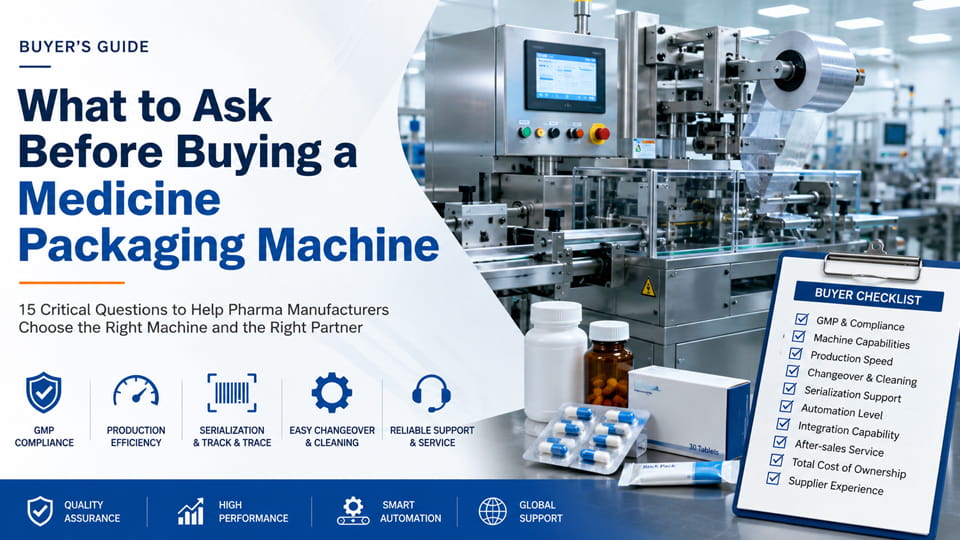

A şişe paketleme hattı boş şişeleri etiketli şişelere dönüştüren uçtan uca otomatik bir sistemdir, paketlenmiş ürünler. İlaç ve nutrasötik üreticileri için, bu çizgiler verimi artırır, işçilik maliyetlerini azaltmak, ve sağlamak GMP uyumlu çıktı. Bu kılavuzda şişe paketleme hattının ne olduğu açıklanmaktadır, nasıl çalışıyor, ve ilgili önemli makineler. Farklı hat türlerini ele alıyoruz (tablet, sıvı, nutrasötik, vesaire.), otomasyonun temel faydalarını listeleyin, ve doğru çizgiyi seçme konusunda pratik ipuçları verin. İster bir anahtar teslim şişe paketleme çözümü veya manuel ile manuel karşılaştırmayı karşılaştırıyorsunuz. otomatik, bu makale sizi ele alıyor.
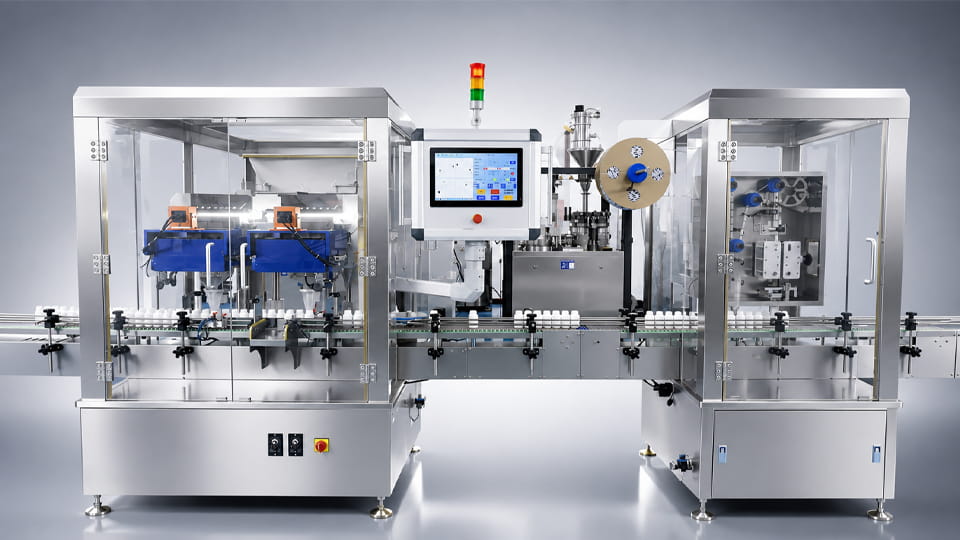
Figür:Tipik bir farmasötik şişe paketleme hattı.
Bir şişe paketleme hattı bir dizi makine ve konveyör boş şişeleri otomatik olarak bitmiş şişelere dönüştüren, paketlenmiş ürünler. Eczacılıkta, bu, boş tabletleri veya sıvı şişeleri alıp sayma/doldurma gibi adımları gerçekleştirmek anlamına gelir, kaplama, indüksiyon sızdırmazlığı (folyo sızdırmazlık), etiketleme, ve son karton ambalaj. Pratikte, bir çizgi “tüm süreci tamamen otomatikleştiriyor, Çizgi dışı şişelerden saymaya kadar, Kurutucu ekleme, kaplama, alüminyum folyo sızdırmazlık, ve etiketleme”.
Başka bir deyişle, Şişeleri manuel olarak alıp tek tek doldurmak yerine, otomatik şişe paketleme hattı şişeleri her istasyondan sırayla besler. Tipik bir çizgi bir şişe çözücüyle başlar (şişeleri konveyör üzerinde dik olarak yönlendiren), daha sonra doldurma/sayma yoluyla akar, pamuk veya kurutucu ekleme (gerekirse), kaplama, indüksiyon sızdırmazlığı, etiketleme, ve son olarak kartonlama. Bu makineler PLC kontrolü altında senkronize olarak çalışır, sürekli çalışabilen anahtar teslimi bir hat oluşturmak. Örneğin, bir ekipman tedarikçisi, bir sayma-doldurma hattının "şişe çözücüye bağlanabileceğini" belirtiyor, kurutucu, kaplama makinesi, alüminyum folyo kapatma makinesi ve etiketleme makinesi”, tüm ana adımları kapsayan.
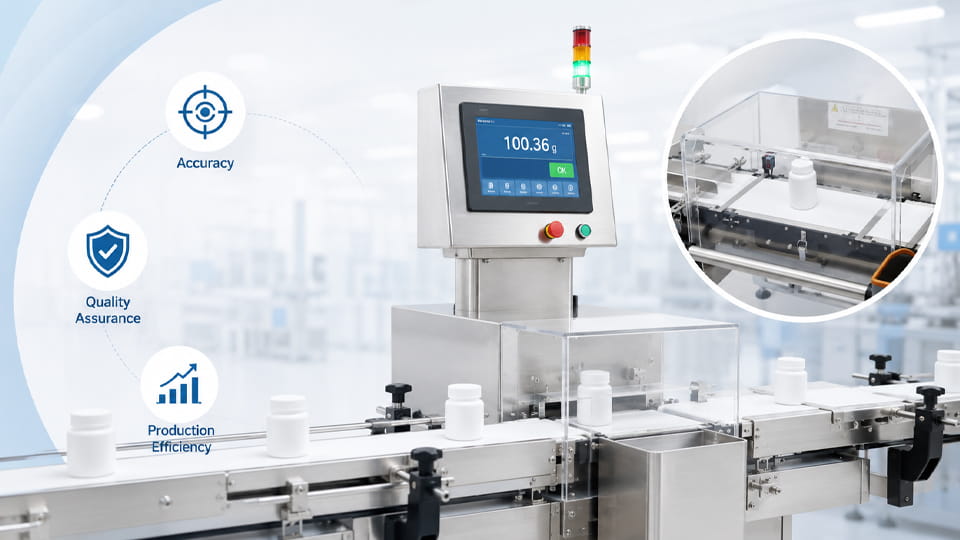
. şişelerin kendileri plastik olabilir (PET, HDPE), bardak, veya diğer malzemeler (ışığa duyarlı ürünler için amber cam, vesaire.). Hat genellikle çeşitli şişe boyutlarını işleyecek şekilde üretilmiştir (örneğin. 30–150 mm çap, 40–300 mm yükseklik) ve kapak türleri (vidalı kapaklar, geçmeli kapaklar, çocuklara dayanıklı kapaklar). Ürünle temas eden tüm parçalar, hijyenik tasarımlarla GMP kalitesinde paslanmaz çelikten yapılmıştır (pürüzsüz yüzeyler, ölü bacak yok) düzenleyici standartları karşılamak. Birçok makinede kalite denetimi için sensörler ve konveyörler bulunur (örneğin. dolum seviyesini kontrol etme, başlık torku, etiketlerin varlığı) ve serileştirmeyi destekleyin (barkod/QR kod yazdırma) izlenebilirlik için.
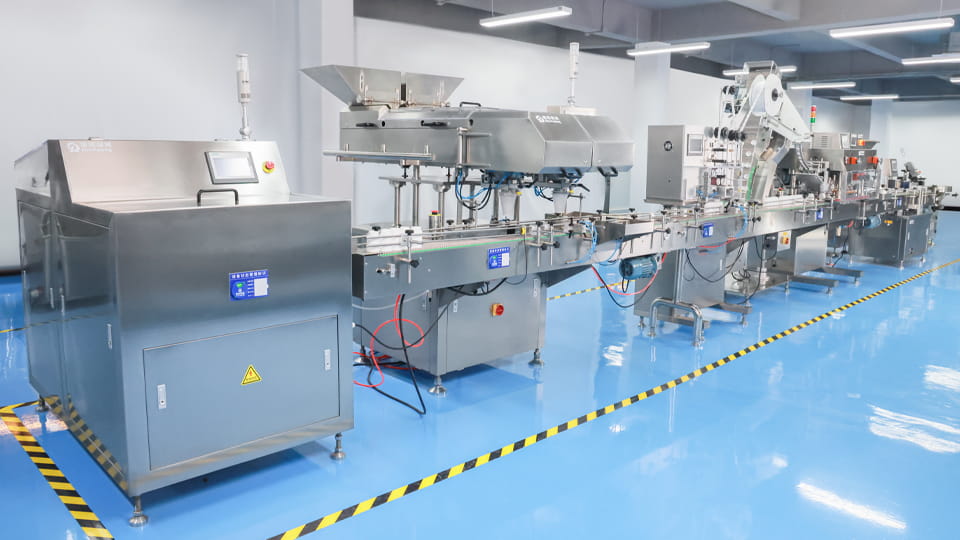
Kısacası, A ilaç şişesi paketleme hattı entegre bir, Boş şişe beslemesinden son kartonlamaya kadar her şeyi gerçekleştiren doğrulanmış sistem, yüksek hızın sağlanması, kesinlik, ve uyumluluk.
Bir şişe paketleme hattının iş akışı, şişeyi hazırlayan bir dizi aşamayı içerir., doldurmak, fok, ve şişeleri paketle. Aşağıdaki akış şeması ortak bir adım dizisini göstermektedir:
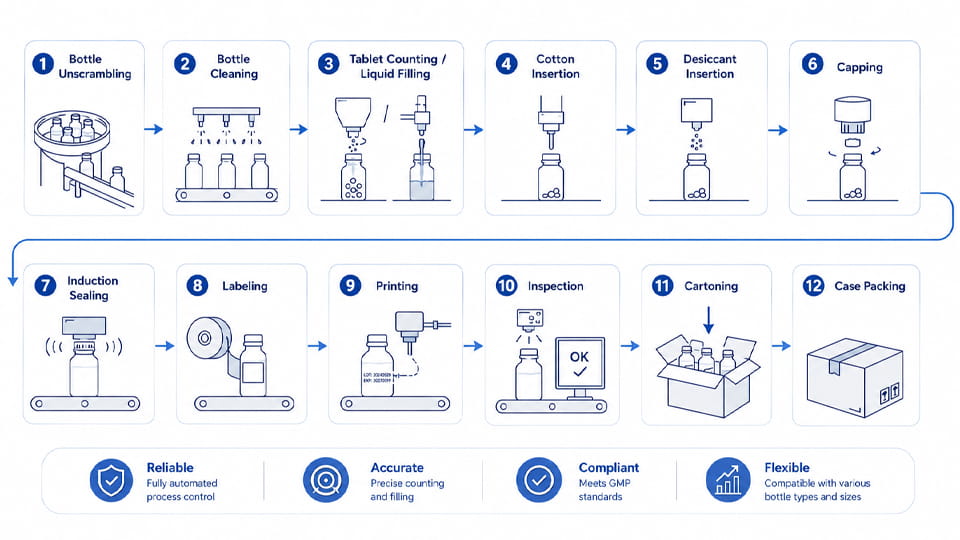
Figür: Tipik bir şişe paketleme hattının iş akışı.
Pratikte, her hattın her istasyonu yoktur. Örneğin, neme duyarlı olmayan katı maddelere yönelik bir hat pamuk yerleştirmeyi atlayabilir, sıvı hattı tablet sayacını kullanmazken. İşte her adımın kısa bir özeti:
Bu istasyonların her biri konveyörlerle birbirine bağlıdır ve merkezi bir PLC/HMI sistemi tarafından kontrol edilir.. Hattın tamamı genellikle temiz oda ortamında kurulur, için inşa edilmiş CGMP standartlar: paslanmaz çelik çerçeveler (SUS304/316L), FDA onaylı boru, yıkama motorları, ve pürüzsüz kaynaklar. PLC otomasyonu (Siemens, Panasonic, Omron, vesaire.) makineler arasında hızı ve çalışmayı senkronize eder.
[jl_youtube src=”https://www.youtube.com/embed/tSrCmYZ-OQ0″]
İşte anahtar makineleri tipik bir şişe paketleme hattında bulacaksınız (kısa özellikler veya avantajlarla):
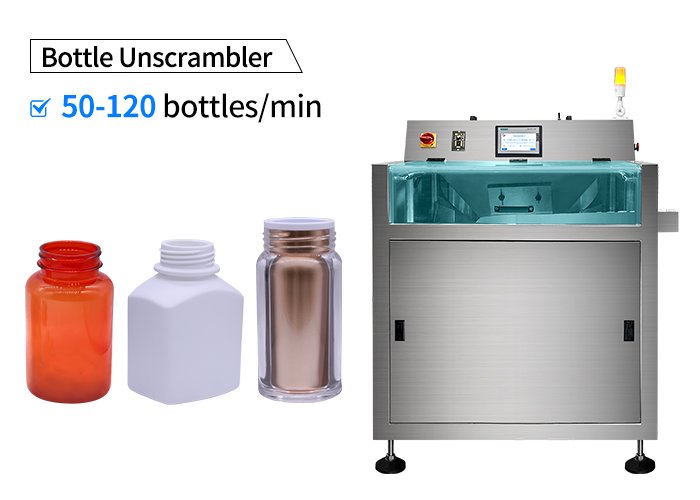
Boş şişeleri konveyöre besler ve yönlendirir. Yüksek kaliteli şifre çözücü teslim eder 50–120 şişe/dak, yuvarlak plastik veya PET şişelerin taşınması. Şişeleri dik konuma getirmek için titreşimli hazne besleyicileri ve rayları kullanır. Modern şifre çözücüler tamamen kapalıdır (tozsuz, CGMP) Siemens PLC kontrolleri ve optik/pnömatik sensörlerle donatılmıştır, böylece şişeler doğru yönlendirilmiş olarak ulaşır (100% kesinlik) manuel yükleme olmadan. Hızlı değiştirilebilen parçalar, bir operatörün şişe boyutlarını dakikalar içinde değiştirmesine olanak tanır.
Katı dozlar için, BİR otomatik sayma makinesi (ayrıca denir tablet/kapsül sayacı veya dolgu) her şişeye belirli sayıda hap bırakır. Bunlar yüksek hızlı optik sensörler veya sayma kafaları kullanır. JinLu'nun sayaçları, örneğin, halletmek 3–40 mm katılar, kadar çıktı elde etmek 100 şişe/saat ile >99.98% kesinlik. (Çok kafalı ve çok şeritli versiyonlar verimi artırabilir.) Sorunsuz bir şekilde entegre oluyorlar: “şişeleri tasnif etmekten etiketlemeye kadar… şişe sayma dolum hattı, şişe çözücüye bağlanabilir, kurutucu, kaplama makinesi, [Ve] etiketleme makinesi”. Kısacası, sayaç her şişenin doğru hap sayısını almasını sağlar.

Şuruplar için, enjekte edilebilir ilaçlar, veya diğer sıvılar, BİR otomatik sıvı doldurucu her dozu dağıtır. Jinlu'nun sıvı doldurucuları servo tahrikli bir pompa kullanıyor ve dalgıç nozul tasarım, köpük ve geri damlamayı önleyen. Koşuyorlar 20–80 şişe/dakika ±0,2 g doğrulukla, ve birkaç ml'den litreye kadar şişe hacimlerine uyum sağlar. Dolum istasyonu, hızı artırmak için genellikle bir indeks tablası veya çoklu nozul manifoldu ile donatılmıştır.. Eleştirel olarak, bu makineler hassas akış kontrolü ve tarife dayalı dolum için PLC/HMI tarafından kontrol edilir.

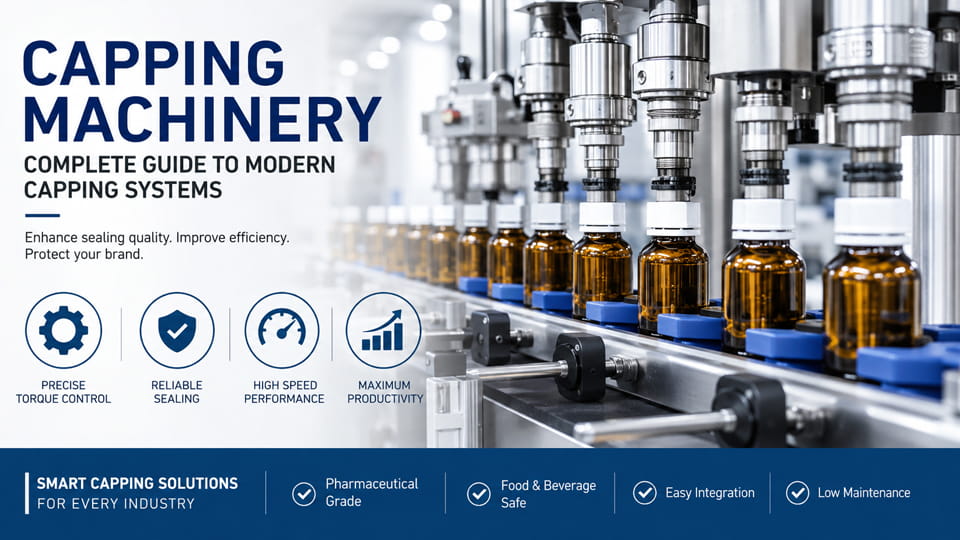
Doldurduktan sonra, bir kapakçı kapakları yerleştirir ve sabitler. iyi kaplama makinesi farklı başlık stillerini idare edecek (vidalı kapaklar, geçmeli kapaklar, çocuklara dayanıklı, vesaire.) özel başlık başlıklarının kullanılması. Otomatik olarak sıralar, beslemeler, ve kapakları doğru torkla uygular. Jinlu'nun servo kapatma makineleri (örneğin. modeli XG-120) çeşitli şişelere ve kapaklara uyum sağlayın ve 120 şişe/dakika. Özellikler arasında gerçek zamanlı tork ayarı bulunur (bir el çarkı veya servo motor aracılığıyla) ve kapak varlığı kontrolü. Kapak yanlış hizalanmış veya eksikse, sistem o şişeyi reddedecek, sağlamak 100% uyumlu çıktı.
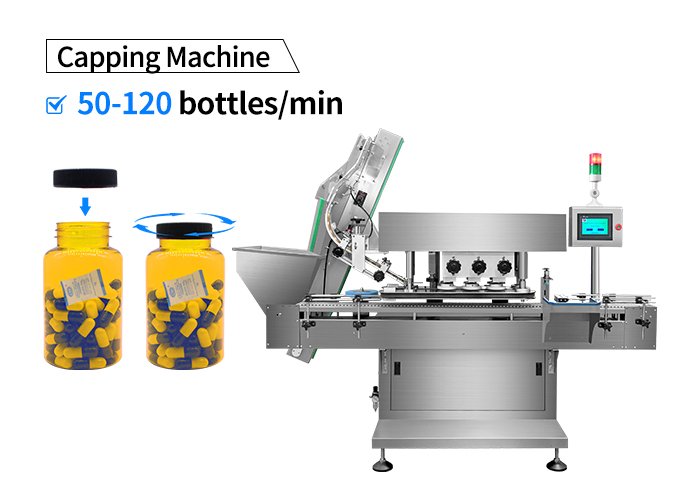
Ayrıca bir denir alüminyum folyo kapatıcı. Bu istasyon, hermetik bir sızdırmazlık oluşturmak için kapağın altına ısıyla kapatılmış bir folyo astar uygular. Tipik bir endüksiyonlu kapatıcı, 120 şişe/dakika. Şişeleri yüksek frekanslı bir bobinin altındaki bir konveyör üzerinde çalıştırır, Folyoyu kısaca ısıtmak ve yapıştırmak. Bu adım kurcalamaya karşı kanıt sağlar ve sızıntıları önler. Modern kapatma makineleri, değişen şişe çaplarına uyum sağlayan çift modlu kafalara ve sürekli çalışma için dahili soğutma fanlarına sahiptir..

Basılı etiketleri şişelere uygular. Yüksek hızlı döner etiketleyiciler (JinLu'nun TBJ serisi gibi) kadar etiketleyebilir 120 şişe/dakika ±1 mm hassasiyetle. Bunlar arasında bir şişe bölücü şişeleri eşit aralıklarla yerleştirmek ve akıllı algılama sistemi her etiketi mükemmel şekilde hizalamak için. Çok modlu etiketleme makineleri önden sarma işlemini gerçekleştirebilir, sarmalayıcı, ve çok taraflı etiketleme. Toplu/lot yazdırma için entegre kodlama kafaları genellikle etiketleme makinelerinin yanında bulunur. Etiketlemeden sonra, görsel denetim sistemleri, serileştirme gereksinimlerini karşılamak için barkodları ve metni doğrulayabilir.

Şişeler etiketlendikten sonra, şişe grupları (gerekirse talimatlar veya broşürlerle birlikte) otomatik olarak kartonlara yerleştirilir. Kartonlama makineleri dikilebilir ve kapatılabilir 400–450 karton/dakika. Şişe hatlarında, yatay (yan yük) kartonlayıcılar yaygındır. Kartonlar oluşturulduktan sonra, koli paketleyicileri veya paletleyiciler ürünleri daha da paketleyebilir. Bu hat sonu makineleri sistemi tamamlar ve genellikle yukarı akış ekipmanıyla senkronizasyon için kendi PLC'lerine sahiptir..

Bu makinelerin her biri birer örnektir. şişe paketleme ekipmanları. Merkezi bir PLC kontrolü ile konveyörler üzerinde birbirine bağlandığında, son derece otomatikleştirilmiş bir şişe paketleme hattı oluştururlar.
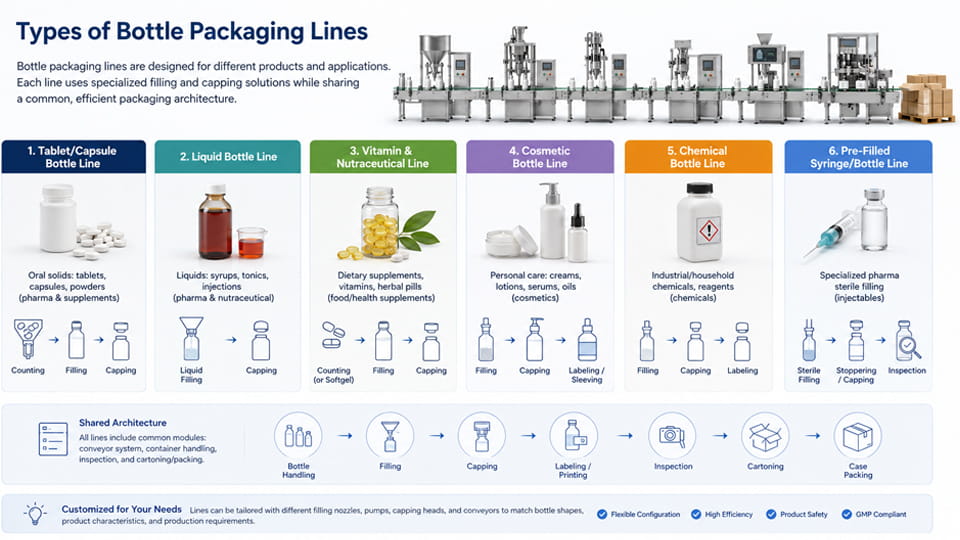
Şişe paketleme hatları genellikle şu şekilde kategorize edilir: birincil ürün türü ve uygulama. Aşağıda yaygın hat türlerinin bir örneği verilmiştir:
| Hat Tipi | Ürün/Uygulama |
| Tablet/Kapsül Şişe Hattı | Oral katılar: tabletler, kapsüller, tozlar (ilaç & takviyeler) |
| Sıvı Şişe Hattı | Sıvılar: şuruplar, şuruplar, tonikler, enjeksiyonlar (ilaç & nutrasötik) |
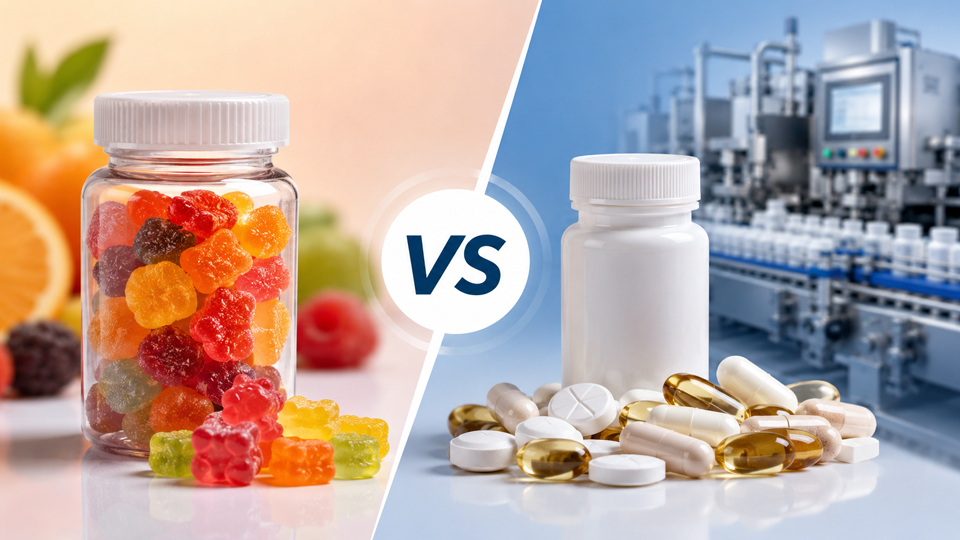
| vitamini & Nutrasötik Hattı | Diyet takviyeleri, vitamin, bitkisel haplar (gıda/sağlık takviyeleri) |
| Kozmetik Şişe Hattı | Kişisel bakım: kremler, losyonlar, serumlar, yağlar (kozmetik) |
| Kimyasal Şişe Hattı | Endüstriyel/ev kimyasalları, reaktifler (kimyasallar) |
| Kullanıma Hazır Şırınga/Şişe | Özel ilaç steril dolumu (enjekte edilebilir ilaçlar) |
Bu hatlar benzer mimarileri paylaşıyor ancak ürüne uygun farklı doldurma/kapama makineleri kullanıyor. Örneğin, A tablet şişe hattı haplar için sayma makineleri kullanıyor, bir süre şurup hattı sıvı pompaları kullanır. Nutrasötik seriler genellikle hassas ürünlere yönelik özellikler içerir (yumuşak kapsüller, sakızlı vitaminler), oysa kozmetik çizgiler entegre olabilir daralan kılıf veya daha yüksek hızlı kapaklayıcılar. Her durumda, hat özelleştirilebilir (meme türleri, konveyörler) şişe şekline ve proses ihtiyaçlarına göre.
Tam otomatik bir şişe paketleme hattına yatırım yapmak, manuel paketlemeye göre birçok avantaj sunar. Temel avantajlar şunları içerir::
Özetle, otomatik şişe paketleme hatları ölçeklenebilirlik ve kontrol sunar. Doğru makinelerle, üreticiler daha yüksek hızlara ulaşıyor, daha düşük işçilik, ve aynı anda daha yüksek ürün kalitesi. Bir paketleme uzmanının belirttiği gibi, Bu sistemler şirketlerin "yüksek hacimli ürünleri çok kısa sürede işlemesine" olanak tanırken hataları da azaltır.
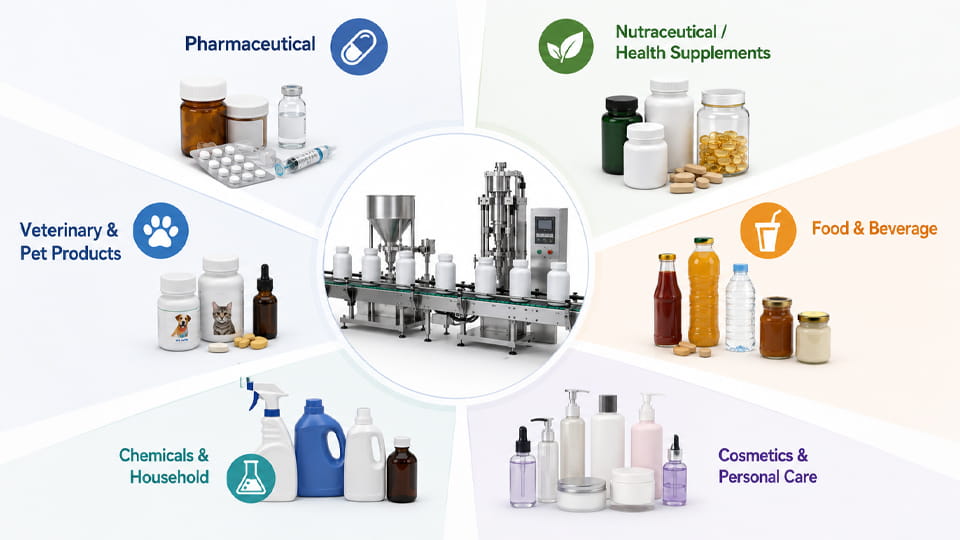
Şişe paketleme hatları birçok sektörde vazgeçilmezdir:
Ürününü şişeleyen her sektör otomatik hattan yararlanabilir. Niş ürünler bile (balmumu hapları, CBD yağı) özelleştirilmiş çizgiler kullan. Yol gösterici prensip, tüm bu endüstrilerde yüksek verim ve kalite kontrolün üretimi iyileştirip iyileştiremeyeceğidir., Otomatik şişe hatları önemli bir rol oynuyor.
İdeal şişe paketleme hattının seçilmesi çeşitli faktörlere bağlıdır. İşte dikkate alınması gerekenler:
Özetle, belirtin şişe türleri, ürün formu, çıktı hedefleri, ve bütçe. Daha sonra özel bir hat yapılandırmak için güvenilir bir üreticiyle çalışın. Ayrıntılı bir düzen sağlamalıdırlar, elektrik gereksinimleri, ve beklenen teslim süresi. (Standart yarı otomatik makineler haftalar içinde teslim edilebilir; Tamamen entegre bir hattın inşa edilmesi ve test edilmesi genellikle 2-4 ay sürer.) Sonlandırmadan önce daima ekipman performansını örnek denemelerle doğrulayın.
| Manuel Paketleme | Otomatik Paketleme Hattı |
| Yavaş (sıklıkla <20 BPM) | Yüksek hız (50–120 BPM veya daha fazla) |
| Emek yoğun (birçok operatör) | Minimum işçilik (bir teknisyen) |
| Değişken doğruluk (insan hatası) | Yüksek hassasiyet (>99.9% kesinlik) |
| Eşit olmayan kalite (tutarsız doldurma) | Tutarlı çıktı (tekrarlanabilir kalite) |
| Başlangıç maliyeti daha düşük (ancak yüksek OPEX) | Daha yüksek yatırım harcaması (ancak OPEX'i düşürün) |
| Minimum ekipman entegrasyonu gerekli | Anahtar teslimi entegrasyon (hepsi bir arada) |
| Hızla ölçeklendirmek zor | Şeritler/modüller eklenerek kolayca ölçeklendirilir |
Masa: Manuel paketleme ile manuel paketlemenin karşılaştırılması. otomatik şişe paketleme hattı.
Tablonun gösterdiği gibi, otomasyon çok daha yüksek verim ve tutarlılık sağlar. Aynı zamanda izlenebilirliği de kolaylaştırır (Her şişeyi barkodlama) ve verimlilik kazanımları sayesinde genellikle birkaç yıl içinde kendi masrafını çıkarabiliyor.
Modern şişe paketleme hattı verimli farmasötik tedavinin omurgasıdır (ve nutrasötik) üretme. Doldurmayı otomatikleştirerek, kaplama, sızdırmazlık, ve etiketleme, bu hatlar kaliteyi ve mevzuat uyumluluğunu sağlarken üretkenliği en üst düzeye çıkarır. Hat seçerken, tasarımı ürün tipinize göre hizalayın (tablet vs. sıvı), verim ihtiyaçları, ve kalite standartları (Gmp, serileştirme, vesaire.). Entegre çözümler ve güçlü destek sunan Jinlu Packaging gibi saygın bir tedarikçiyi arayın.
Özetle: Otomatik bir şişe paketleme hattı, boş şişeleri tek bir sorunsuz işlemle nihai kartonlara dönüştürür. Büyük hacimleri işleyebilir (genellikle dakikada yüzlerce) olağanüstü doğrulukla. Tesis yöneticileri ve mühendisler için, faydaları – daha yüksek verim, daha düşük işçilik, daha iyi tutarlılık – açıktır.
Paketlemenizi otomatikleştirmeye hazır? Jinlu Packaging'in satış ekibiyle iletişime geçin ürünleriniz için özel bir şişe hattını görüşmek üzere. Anahtar teslim tasarım sunuyoruz, yerinde devreye alma, ve 3 yıllık garantiler. Aşırı 30 ilaç ekipmanı imalatında yıllar, Jinlu doğru hızı seçmenize yardımcı olabilir, biçim, ve otomasyon seviyesi – yeni hattınızın hızlı yatırım getirisi sağlamasına olanak sağlar. Ziyaret etmek www.jinlupacking.com veya başlamak için fiyat teklifi isteyin.
Şişe paketleme hattı, şişelenmiş ürünlerin paketlenmesini otomatikleştiren entegre bir makine sistemidir. Genellikle bir şişe çözücü içerir, dolum veya sayma istasyonu, kaplayıcı, mühürleyen, etiketleme makinesi, ve çoğu zaman bir kartonlama makinesi. Bu aşamalar birlikte boş şişeleri alıp bitmiş şişelere dönüştürür, paketlenmiş ürünler.
Otomatik bir hat belirlenmiş bir iş akışını takip eder: boş şişeler dik olarak beslenir (şifresiz), daha sonra dolguya taşındı (sıvılar için) veya sayma makinesi (tabletler/kapsüller için). Sonraki, herhangi bir ek öğe (pamuk veya kurutucular) eklendi. Daha sonra şişelerin kapakları kapatılır, indüksiyonla kapatılmış, ve etiketlenmiş. Nihayet, şişe grupları kartonlara paketlenir. Her makine PLC kontrolü ile senkronize edilir. Modern çizgiler gerçek zamanlı olarak bile ayarlanabiliyor (örneğin. dolum ağırlığının düzeltilmesi) kaliteyi korumak.
Modele ve formata bağlıdır. Tipik hızlar şerit başına dakikada 50-120 şişedir. Örneğin, Jinlu'nun Tablet Sayma Hattı ~70 BPM'ye kadar çalışır, ve birçok kapatma/etiketleme makinesi 120 BPM. Çok şeritli hatlar çıktıyı çoğaltabilir (6 şeritli bir sayaç, örneğin, tek şeritli hızın 6 katını yapabilir). Sıvılar için, 20-80 BPM civarındaki hızlar yaygındır. Seçtiğiniz konfigürasyonlara göre kesin oranlar için her zaman satıcının teknik özellik sayfasını kontrol edin.
Anahtar bileşenler:: Şişe Çözücü, Dolum/Sayma Makinası, Pamuk/Kurutucu Ekleyiciler, Otomatik Kapak Kapatma Makinası, İndüksiyon Kapatıcı, Etiketleme makinesi, Muayene İstasyonu, ve Kartonlama/Kutu Paketleyici. Her biri OEM tarafından sağlanır ve ortak bir konveyör çerçevesine entegre edilir. Bazı hatlara toplu kodlar için hat içi yazıcı ve reddetme sıralayıcı da eklenebilir. Kesin sıralama, ürününüzün katı veya sıvı olmasına bağlıdır, şişe tipiniz, ve paketleme ihtiyaçları.
Evet, şişe hatları hem tabletleri hem de kapsülleri işleyebilir, ikisi de sayılabilir katı maddeler olduğundan. Hat, bir tablet/kapsül sayma dolgusu içerecektir, bu genellikle herhangi bir küçük katı şekil için işe yarar (kapsüller, sakızlı şekerler, vesaire.) belirtilen boyut aralığında. Tabletler ve kapsüller arasında geçiş yapmak genellikle sayma başlığını ve parametreleri ayarlamaktan ibarettir. Birçok üretici, sayma makinelerini, her ikisini de yalnızca tarifleri değiştirerek gerçekleştirecek şekilde tasarlar. Böylece tek bir satırda farklı SKU'lar çalıştırılabilir (örneğin. tek seferde vitamin tableti, bir sonraki kapsül) minimum değişim süresiyle.
Evet – farmasötik şişe paketleme hattındaki tüm makineler cGMP standartlarını karşılayacak şekilde üretilmiştir. Farmasötik dereceli paslanmaz çelikten yapılmıştır (SS316L), sıhhi tasarımlı (yarık yok, kolay temizlik). Kontrol sistemleri FDA'yı destekler 21 CFR bölümü 11 (elektronik kayıtlar) ve genellikle doğrulama belgeleriyle birlikte gelir. Örneğin, tedarikçiler şişe hatlarının "İyi Üretim Uygulamalarına uygun olduğunu" açıkça belirtiyor (Gmp) ve FDA düzenlemeleri.. Ekipman seçerken, CE işaretini arayın, ISO sertifikaları, ve satıcının mevzuat uyumluluğu için IQ/OQ protokolleri sağladığını doğrulayın.
Fiyatlar hız ve konfigürasyona göre büyük ölçüde değişiklik gösterir. Basit bir yarı otomatik sayma ve sınırlama kurulumu birkaç bin dolara mal olabilir, tam entegre bir yüksek hızlı hat ise onlarca, hatta yüzbinlerce dolara mal olabilir. Faktörler istasyon sayısını içerir (örneğin. ekstra etiketleme kafası maliyeti artırır), özel takım, ve uyumluluk ekstraları (örneğin. görüş sistemleri). Tam gereksinimleriniz için her zaman fiyat teklifi isteyin. Toplam sahip olma maliyetini dikkate almayı unutmayın: biraz daha pahalı, yüksek kaliteli bir hat, atıkların ve aksama sürelerinin azaltılması yoluyla genellikle zaman içinde para tasarrufu sağlar.
Anahtar teslim şişe hatları karmaşıktır. Fabrikada üretilip test edildikten sonra, sahada kurulum genellikle makine modülü başına 2-7 gün sürer (site hazırlığına bağlı olarak, yardımcı programlar, ve eğitim). Küçük hatlar birkaç hafta içinde faaliyete geçebilir, büyük çok makineli hatlar ise sahada 4-6 hafta gerektirebilir (IQ/OQ doğrulaması dahil). Tedarikçiniz mekanik kurulumu gerçekleştirmelidir, elektrik bağlantısı, ve ilk yeterlilik. Operatör eğitimi ve proses doğrulama için ekstra zaman planlayın.
Kesinlikle. Lider üreticiler (Jinlu gibi) özel ve anahtar teslim çözümlerde uzmanlaşmak. Neredeyse her yönü özelleştirebilirsiniz: konveyör uzunlukları, makine aralığı, PLC dili, boyama rengi, parça malzemeleri (örneğin. SS304 ve SS316), ve hatta müşteriye özel eklemeleri entegre edin (metal dedektörleri, RFID uygulayıcıları, vesaire.). Çünkü her tesisin alanı ve iş akışı farklıdır, düzenler uyacak şekilde uyarlanmıştır. Modüler genişletmeye ihtiyacınız varsa (örneğin. daha sonra 2. doldurma başlığının eklenmesi) veya benzersiz ürün kullanımı (kırılgan ürünler, özel kapaklar), bunu önceden tartışın. OEM genellikle üretimden önce 3 boyutlu bir fabrika düzeni ve simülasyonu sunar.
Evet – birçok tedarikçi anahtar teslimi entegre hatlar sunuyor, yani çalışmaya hazır, tamamen tasarlanmış bir sistem sundukları anlamına gelir. Anahtar teslimi bir proje tasarım içerir, üretme, test, Nakliye, kurulum, ve son yeterlilik. Tüm hattan tek bir tedarikçinin sorumlu olmasını istiyorsanız bu idealdir.. Sektör rehberlerine göre, Anahtar teslim bir şişe hattı, şişe kullanımından kapak kapatma ve etiketlemeye kadar "adım adım" çalışır. Jinlu gibi şirketler sizinle yerleşim planı üzerinde çalışacak ve ardından tüm hat için tek bir sözleşme fiyatı sunacak. Bu, doğrulama ve desteği basitleştirir çünkü bir ekip tüm sistemi bilir.
Referanslar:
1.Beşeri İlaç ve Biyolojik Ürünlerin Paketlenmesine Yönelik Konteyner Kapatma Sistemleri -- BİZ. Gıda ve İlaç İdaresi
2.İyi Uygulama Kılavuzu: Ambalajlama, Etiketleme, & Depolama Tesisleri —— ispe.org
3.BÖLÜM 211—BİTMİŞ İLAÇ ÜRÜNLERİ İÇİN GÜNCEL İYİ ÜRETİM UYGULAMALARI —— ecfr.gov
4.Karton ve Konteyner Etiketleme Kaynakları -- BİZ. Gıda ve İlaç İdaresi
5.Farmasötik ürünlerin ambalajlanmasına ilişkin kılavuzlar -- DSÖ