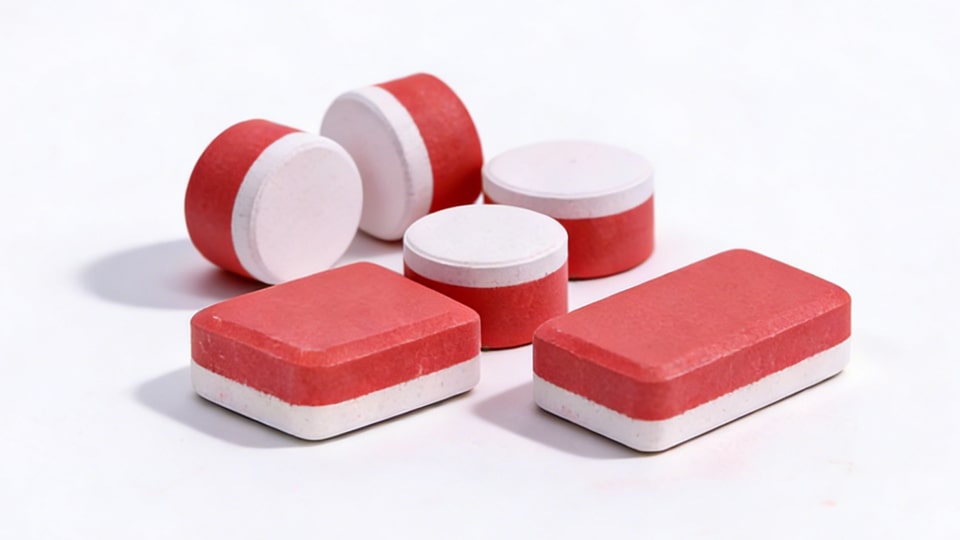
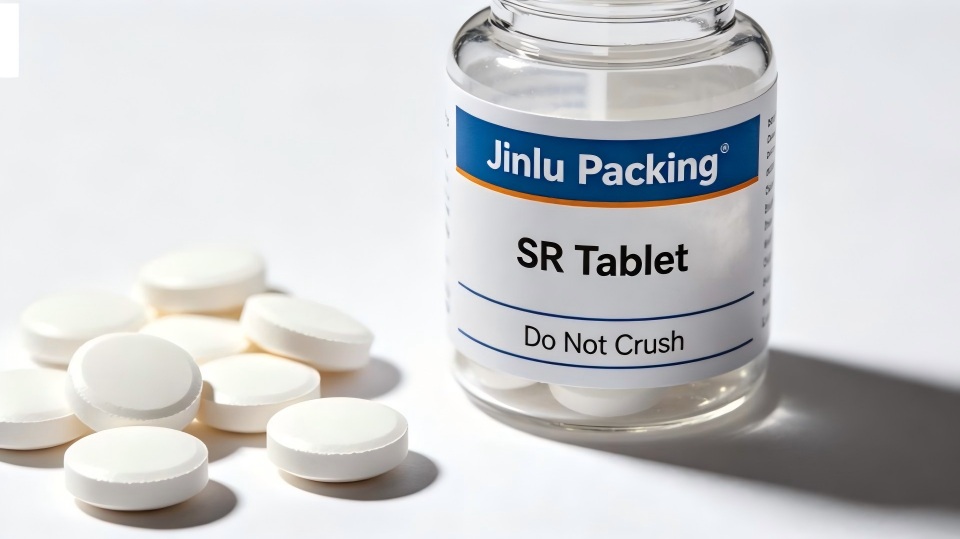
Toz veya granüller bir kalıba beslenir ve bir üst zımba ve alt zımba ile sıkıştırılır. tablet sıkıştırma makinesi. Birlikte, bu zımbalar ve kalıplar tabletin son şeklini ve dozajını oluşturur. Pres taretinin her dönüşünde kalıbın üstünde ve altında bir zımba bulunur. Yumruklar yüksek basınçla bir araya geldiğinde, bir tablet oluşturuldu. Basit anlamda, tablet baskı aleti, bir tablet delme makinesinin hap yapmak için kullandığı zımba ve kalıp setini ifade eder.
Tablet üretiminde, yumruklar ve ölür - toplu olarak şu şekilde bilinir: tablet basın takımları – her birini belirleyin tabletin boyutu, şekil ve kalite. İster tablet presi deyin, hap yapma makinesi, veya döner tablet presi, içerideki takım asıl tabletleme işini yapıyor. Doğru takım standardını seçmek çok önemlidir. En yaygın standartlar şunlardır: B takımlama, D takım, ve bunların daha küçük çeşitleri BB ve DB. Her standart farklı zımba tamburu ve kalıp çaplarını belirtir, onları belirli tablet boyutlarına ve makinelere uygun hale getirmek. Bu kılavuz B'nin ne olduğunu açıklamaktadır., D, BB ve DB takımlama anlamı, nasıl farklılar, ve tablet yapma makineniz için en iyi takımları nasıl seçeceğiniz.
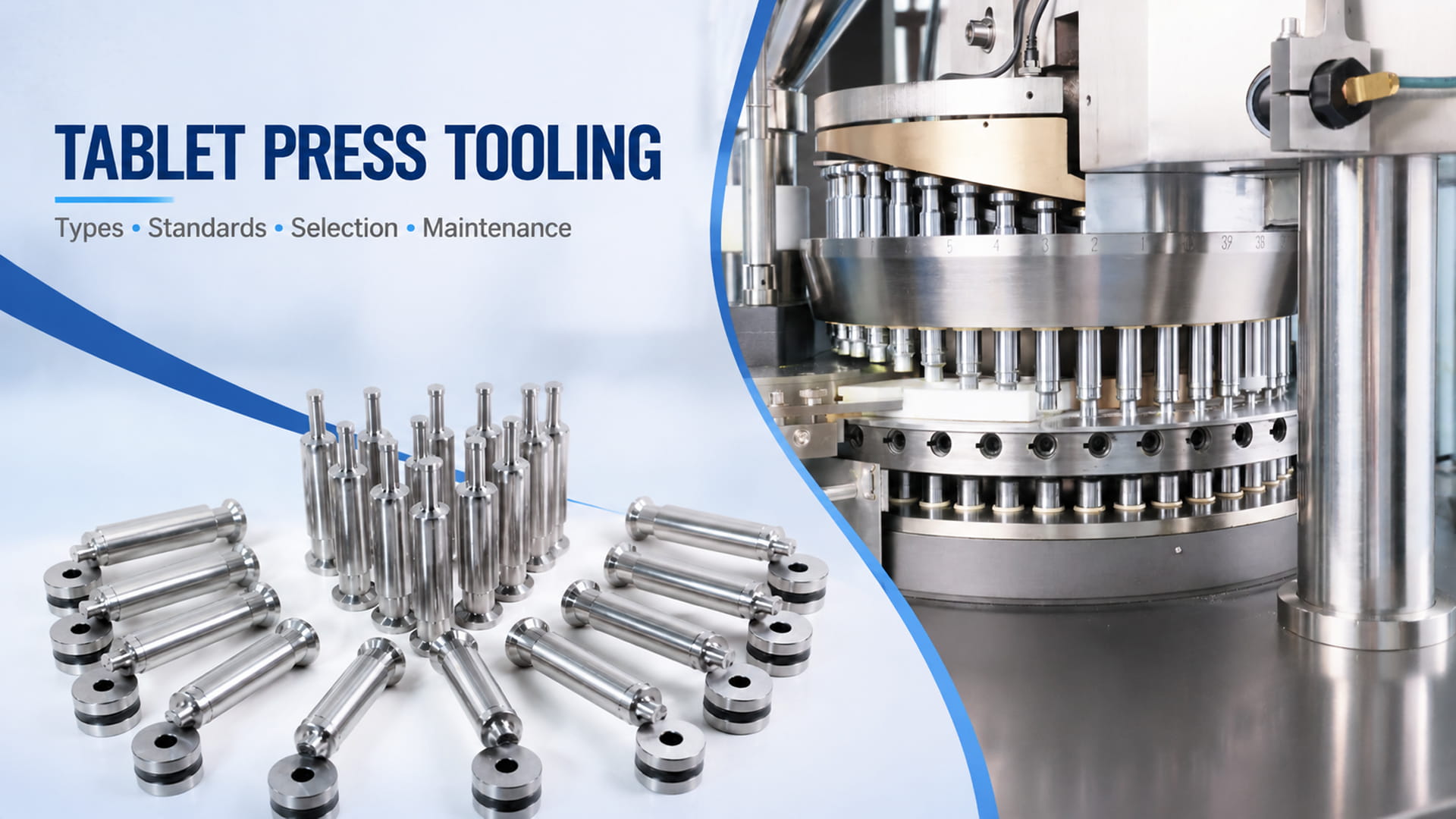
Bir tablet pres makinesindeki takımlama, aşağıdakileri ifade eder: bir çift yumruk ve kalıp tozu şekillendiren ve tabletler halinde sıkıştıran. Kalıp içi boş bir boşluktur (genellikle yuvarlak) tabletin çapını ve kalınlığını tanımlayan, yumruk atarken (üst ve alt) Tozu sıkıştırmak için kalıba yukarıdan ve aşağıdan yerleştirin. Esasen, Araçlar tablet geometrisini yönetir ve baskıya tam olarak eşleştirilmesi gerekir. Doğru takım, eşit ağırlık sağlar, kalınlık ve tablete baskı. Yüksek kaliteli takımlar (GCR-15 gibi sertleştirilmiş çeliklerden yapılmıştır) ayrıca aşınmaya karşı dayanıklıdır ve kapatma veya laminasyon gibi sorunlar.
Farklı uluslararası takım standartları vardır. Kuzey Amerika'da, AAP/TSM standardı yaygındır, ISO ise 18084 (Avrupa) standart dünya çapında kullanılmaktadır. Bu standartlar dahilinde, tablet baskı takımları boyut sınıflarına göre kategorize edilir: B, D, BB, ve DB araçları. Her sınıfın sabit zımba namlusu ve kalıp çapları vardır (ve yükseklikler), bu da maksimum tablet çapını kontrol eder. Örneğin, Jinlu Paketleme tüm takımların taret ve tablet boyutlarına (küçük 6–8 mm) uyması gerektiğini belirtiyor çiğnenebilir tabletler BB takımını kullanın, standart 12–13 mm tabletler B takımını kullanır, ve büyük 25+mm tabletler D takımlarına ihtiyaç duyar.
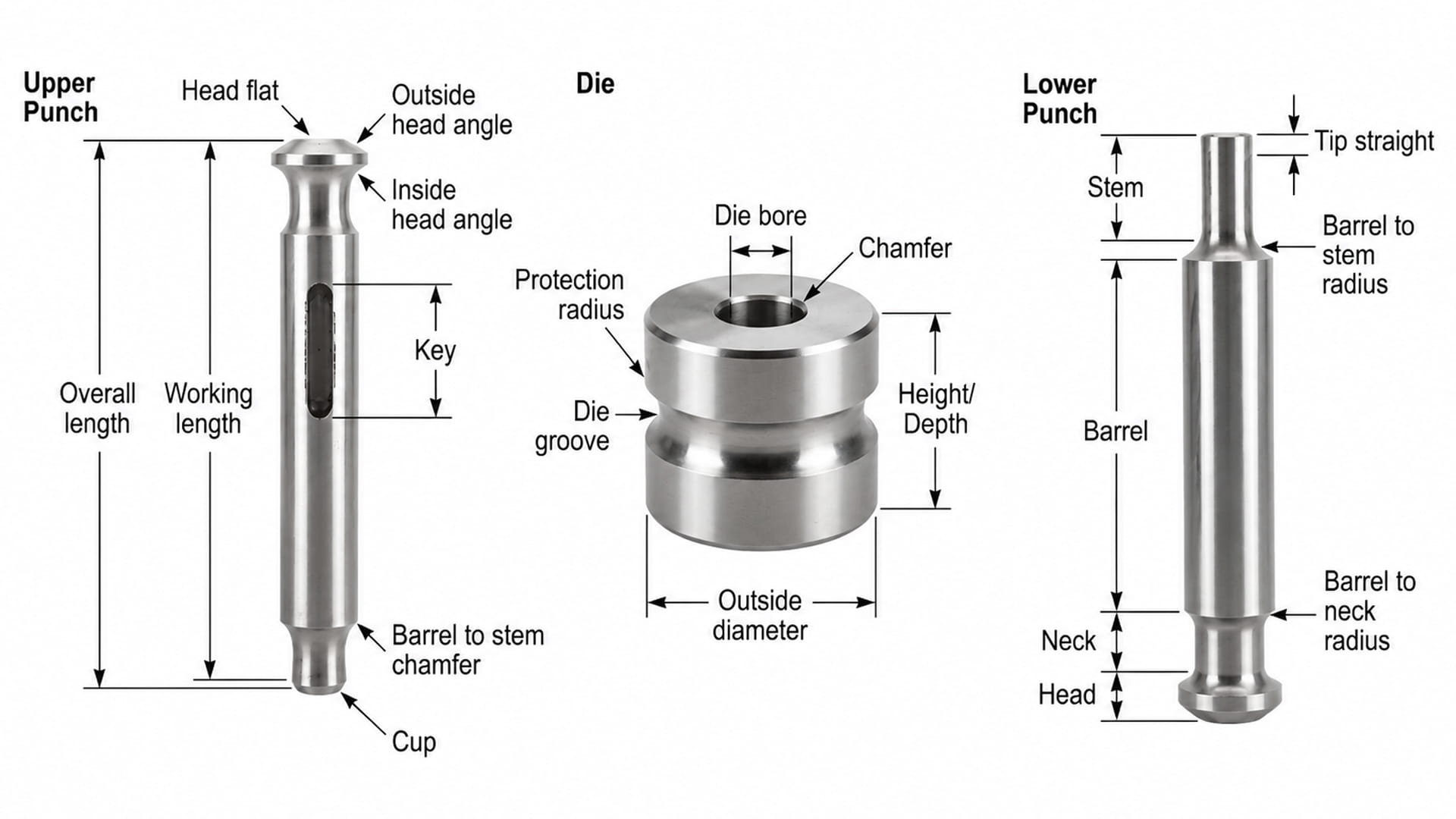
Farklı tablet ürünleri, tutarlı tablet kalitesi ve istikrarlı üretim performansı elde etmek için farklı takım konfigürasyonları gerektirir. Bir tablet sıkıştırma makinesinde, en yaygın tablet baskı takım türleri şunları içerir: B takımlama, D takım, BB takımları, ve DB araçları. Bu takımlama seçenekleri esas olarak zımba boyutunda farklılık gösterir, kalıp boyutları, sıkıştırma yeteneği, ve uygun tablet uygulamaları. Bu kalıplama türleri arasındaki farkları anlamak, ilaç üreticilerinin işine yardımcı olur, üretim mühendisleri, ve makine kullanıcıları tablet makineleri için doğru kurulumu seçiyor.
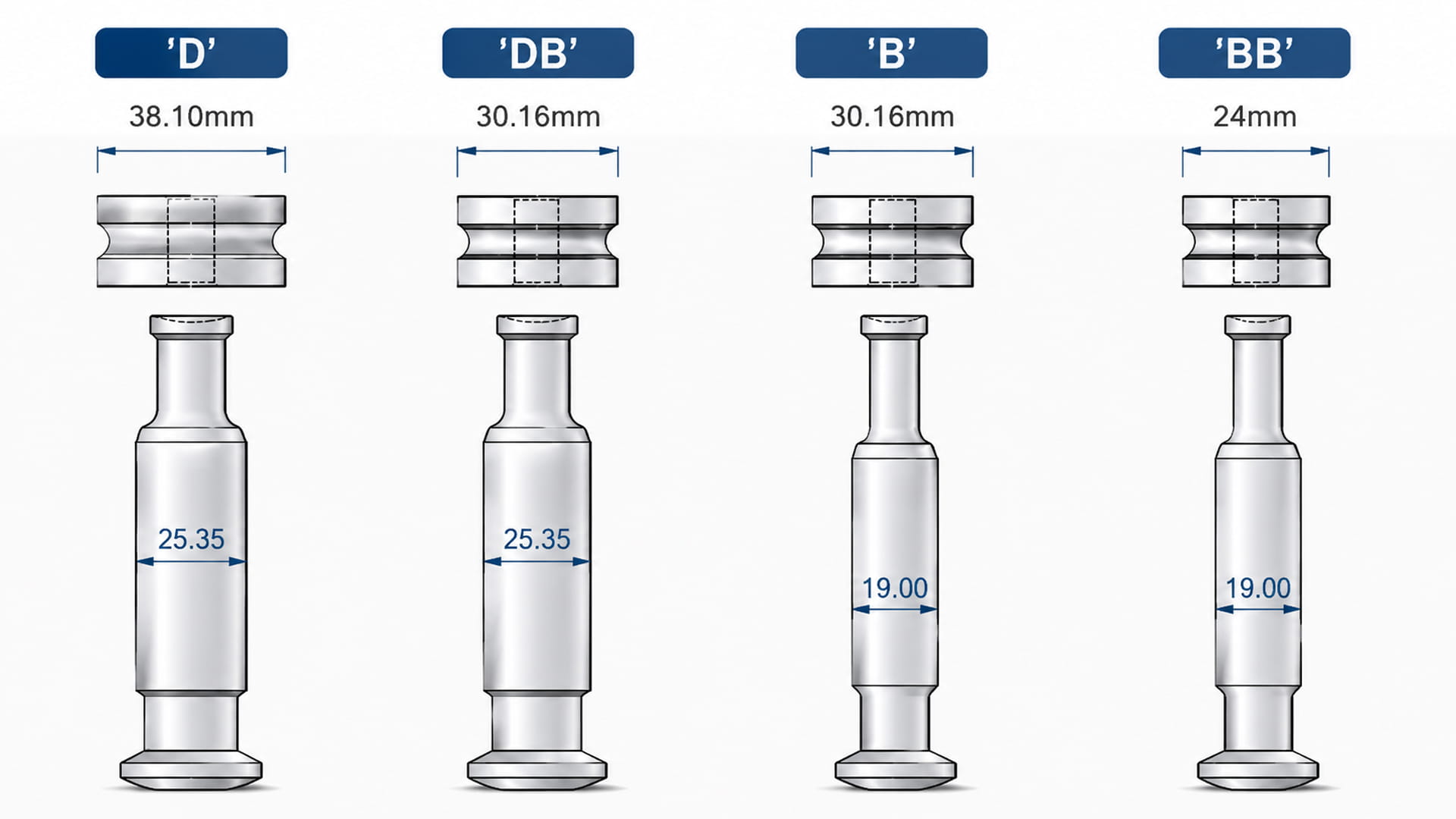
İlaç endüstrisinde, B tipi takımlama en yaygın standartlardan biridir. B takımları şunları kullanır: 19.0 mm yumruk namlusu ve bir 30.16 mm kalıp dış çapı (İLE İLGİLİ). Zımbalarının kendine özgü bir çıkıntısı var flanş veya dudak kafasında, tarete kilitlenen. Başka bir deyişle, B yumrukları yükseltilmiş bir janta sahip olmak kilitleme kelepçesinin devreye girdiği.
B takımları çok yönlüdür. Bir içbükey yumruk ucu (fincan şeklinde) ve yuvarlak bir kalıp, ve neredeyse tüm modern tablet baskı makineleriyle uyumludur (Örneğin, birçok orta- Fette'den yüksek hızlı döner preslere, Orada, İnsanlık, vesaire. B tipi). Bu kalıp, çok çeşitli boyutlardaki standart katı tabletler için kullanılır (tipik olarak yaklaşık 4–16 mm yuvarlak, hatta şekiller için ~19 mm'ye kadar). Yaygın uygulamalar arasında vitaminler gibi geleneksel yuvarlak ve oval tabletler bulunur, takviyeler, ve orta boyut ve doza ihtiyaç duyulan farmasötik tabletler.
B takımları yaygın olarak bulunabilmesi ve yüksek hacimli üretim için uygun maliyetli olması nedeniyle popülerdir. A 30.16 mm kalıp ~16–18 mm'ye kadar tabletler üretebilir (daire) veya biraz daha formda. Örneğin, çoğu küçük/orta boy hap üretim hattı, verimlilik ve esneklik için B takımlarını kullanacaktır.
D tipi takımlar için tasarlanmıştır daha büyük veya daha kalın tabletler. D takım zımba tamburu daha büyüktür (25.35 mm çap) ve kalıp OD'si 38.10 mm. B takımlamanın aksine, D tipi bir zımba vardır jant veya flanş yok – bu sadece düz bir disk kafası. Zımbalar bir aracılığıyla tarete kilitlenir anahtar ve tutucu flanş kelepçesi yerine sistem.
D takımlama bazen “Avrupa takımlama” olarak da adlandırılır (ABD'de de yaygın olmasına rağmen). Tarihsel olarak eski ağır iş tablet preslerinde standarttı ve hala çok büyük tabletler veya çok yüksek sıkıştırma kuvveti için kullanılıyor. Örneğin, D takımları popülerdir efervesan tabletler, veteriner tabletleri, ve yüksek dozda farmasötik tabletler daha büyük çap ve kalınlığa ihtiyaç duyanlar. D takımlarının düz yüzlü zımbaları, karmaşık tasarımlara sahip olabilecek veya güvenilir kabartma gerektiren tabletler için iyidir (düz yüz işaretlemeye yardımcı olur).
Pratik açıdan, D takım kurulumu (25.35 mm yumruk, 38.10 mm kalıp) kabaca tabletler yapacak 5 mm'ye kadar 25 mm çap. Daha yüksek sıkıştırma alanı sunar ve çok sert tabletler elde edebilir. Operasyonunuz büyük bir alan kullanıyorsa Döner Tablet Pres Makinesi büyük vitamin tabletleri veya katmanlı ürünler için, muhtemelen D takımını kullanıyor. Hatırlamak: D yumruklarının dudağı yoktur, yani görsel olarak düz bir disk üstü gibi görünüyorlar.
BB tipi takımlar esasen bir B takımlamanın küçültülmüş versiyonu çok küçük tabletler için. BB takımlama aynı zamanda bir 19.0 mm yumruk namlusu (B gibi) ama bir kullanır daha küçük kalıp ile ilgili 24.00 mm Dış Çap. Temel fark, BB takımlamanın küçük tabletler veya pastiller – 13 mm'nin altındaki mermileri düşünün.
Yüksek istasyon sayılarına veya çok uçlu zımbalara ihtiyaç duyduğunuzda BB takımları tercih edilir. İle 24 mm ölür, bir istasyona birden fazla istasyon sığdırabilirsiniz 24- veya küçük tabletlerin çıktısını artırmak için 32 istasyonlu baskı makinesi. Küçük boyutu hassasiyetten ödün vermez: BB zımbalar çok düzgün mini tabletler üretir (Örneğin, öksürük damlaları, nefes nane şekeri, küçük çiğnenebilir yiyecekler) Dozaj doğruluğunun kritik olduğu yerlerde.
Özetle, BB takımlama = küçük çaplı haplar. Esasen bunun için kompakt presler veya her tabletin küçük olduğu yüksek çıkış modları. BB takımlama sistemi, B takımlamayla aynı taret standartlarını gerektirir (aynı zımba kafası ve tutma), yani BB yumruk atıyor Yapmak B zımbaları gibi dudak/flanş var. Avantajı, 16 istasyonlu eski bir baskı makinesini 24 istasyonlu bir kurulumda daha küçük aletler kullanarak çalıştırabilmektir.
DB tipi araçlar D ve B'nin özelliklerini birleştiren hibrit bir sistemdir. Bir veritabanı kurulumunda, . zımba namlusu çapı 25.35 mm (D ile aynı), ama OD 30.16 mm (B ile aynı). Başka bir deyişle, geniş çaplı bir zımba kafası kullanır (D gibi) daha küçük bir kalıp deliği ile (B gibi).
Bu kombinasyon oldukça büyük üretimler yapmanızı sağlar, yüksek dozda tabletler (D gibi daha uzun) Tam D takımlamaya göre daha fazla istasyon takarken (kalıplar daha küçük olduğundan). DB takımları genellikle esnek üretim için tasarlanmış baskı makinelerinde görülür: B boyutlu bir kalıpla D zımbanın yüksek sıkıştırma kabiliyetine sahip olursunuz. Örneğin, Büyük bir şekil istediğiniz ancak aynı zamanda zımbaları değiştirerek B taretini yeniden kullanmak istediğiniz yoğun multivitamin tabletleri veya büyük veteriner hapları için bir DB zımba/kalıp seti kullanılabilir..
DB aletinin zımbası B zımbası gibi kilitlenir (kafasında bir flanş var) ancak boyutu D'ye daha yakın. Bu, aşağıdakiler için özel bir seçimdir: verimli orta büyüklükte tabletler aklımda. Temel olarak, DB, "B'den büyük ancak tam D kadar büyük değil" anlamına gelir; orta ila büyük tabletlerin yüksek çıktısını sunan bir uzlaşmadır. DB takımları için tipik tablet boyutları yaklaşık 5-19 mm çapındadır.
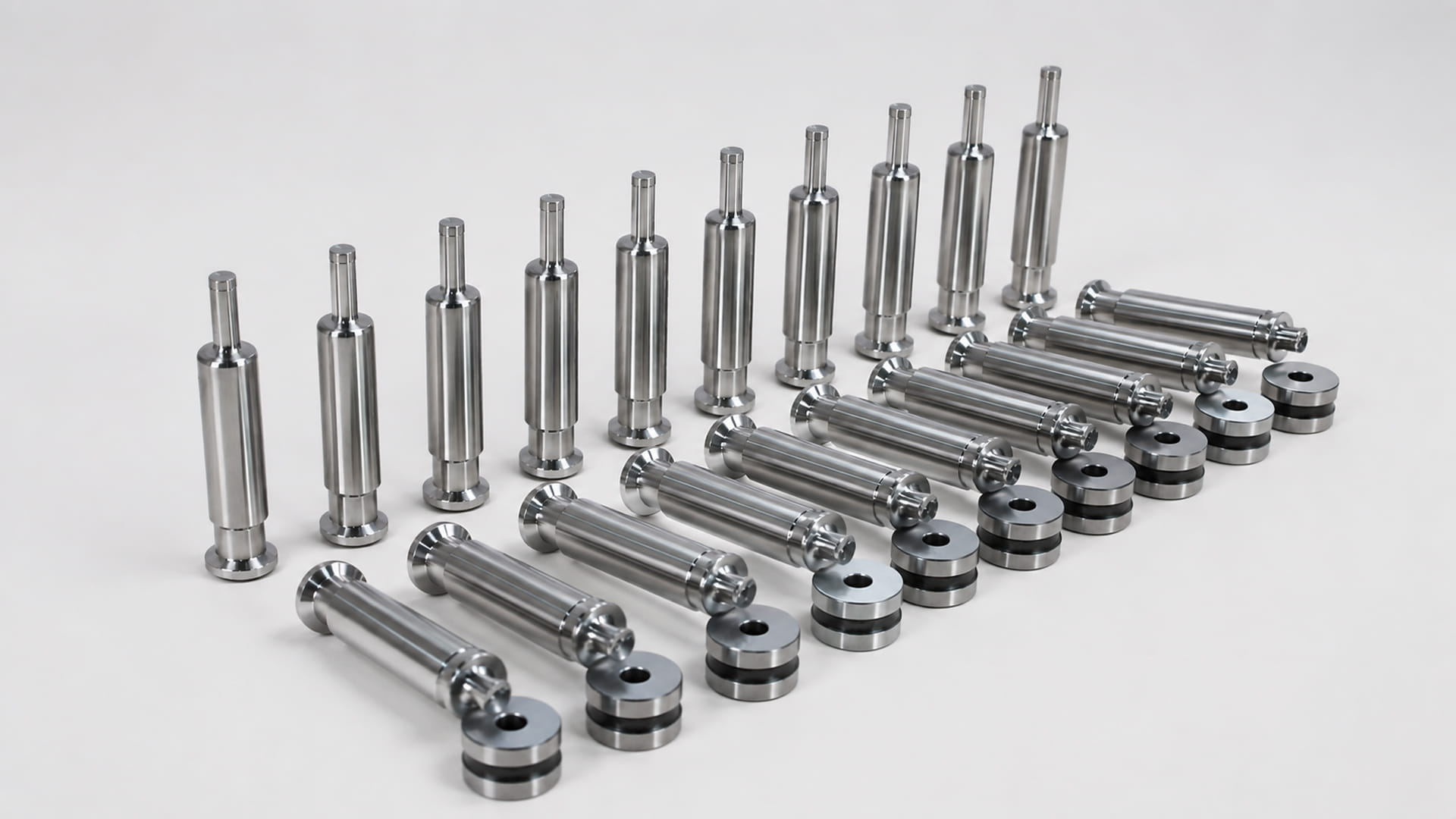
Aşağıda her takım tipinin tipik boyutlarının ve tablet boyutu aralıklarının hızlı bir karşılaştırması bulunmaktadır., endüstri standartlarına dayalı:
| Takım Tipi | Zımba Namlusu Ø | Kalıp Ø (İLE İLGİLİ) | Tablet çapı | Ortak Kullanım |
| B | 19.00 mm | 30.16 mm | ~4–16 mm | Standart tabletler (ilaç) |
| D | 25.35 mm | 38.10 mm | ~10–25 mm | Büyük tabletler, efervesan |
| BB | 19.00 mm | 24.00 mm | ~4–13 mm | Küçük tabletler, yüksek hızlı hatlar |
| Veritabanı | 25.35 mm | 30.16 mm | ~5–19 mm | Yoğun küçük ilaç tabletleri |
Örneğin, JinluPacking, B araçlarının genellikle 3-16 mm boyutunda tabletler ürettiğini belirtiyor, D takımları 10–25 mm'yi kapsarken. BB takımlama yaklaşık 13 mm ve DB yaklaşık 19 mm maksimuma çıkar. Tam boyut aynı zamanda tablet şekline de bağlıdır (yuvarlak, oval, vesaire.).
A'nın ötesinde, B, D adlandırma, takımların tablet preslerine uyacak bir standarda uyması gerekir. Takım standartlarının iki ana ailesi vardır:
Önemli olan, AB (ISO 18084) ve TSM zımbaları birbirinin yerine kullanılamaz. Kalıp dış çapları aynı olmasına rağmen (örneğin. 38.10 D için mm, 30.16 B için mm), . yumruk detayları farklı. Örneğin, TSM zımba kafalarının yatak yüzeyleri üzerinde ISO zımba kafalarından biraz farklı bir açısı vardır, ve anahtar yuvası farklı konumlandırılmış. Pratikte, ISO/D delgisi genellikle TSM/ABD tarzı baskı makinesine doğru şekilde sığmaz, ve tam tersi. Beklentilerinin olup olmadığını görmek için her zaman baskı makinenizin belgelerini kontrol edin. TSM veya ISO/AB Zımba ve kalıp siparişi vermeden önce takımlama.
Özetle: TSM = ABD/Japonya standardı, AB = ISO 18084 metrik. Her ikisi de tablet şeklinde hassasiyet sağlar, ancak takım kafaları uyumsuz.
Hap pres makineniz için takım seçerken, dikkate almak tablet boyutu, üretim hacmi, Ve tablet sertliği:
Pratikte, birçok üretici (JinLu Ambalaj dahil) rehberlik sağlamak. Örneğin, JinLu'nun ZP-17D tablet presi standart GCR-15 zımbalar kullanılarak 100kN olarak derecelendirilmiştir, böylece takımları tablet boyutuna göre belirlerler. Ayrıca her iki aletin de boyut Ve malzeme konu: zor, aşındırıcı tabletler daha sert çelik veya özel kaplamalar kullanır (Kalay, CrN) takım ömrünü uzatmak için.
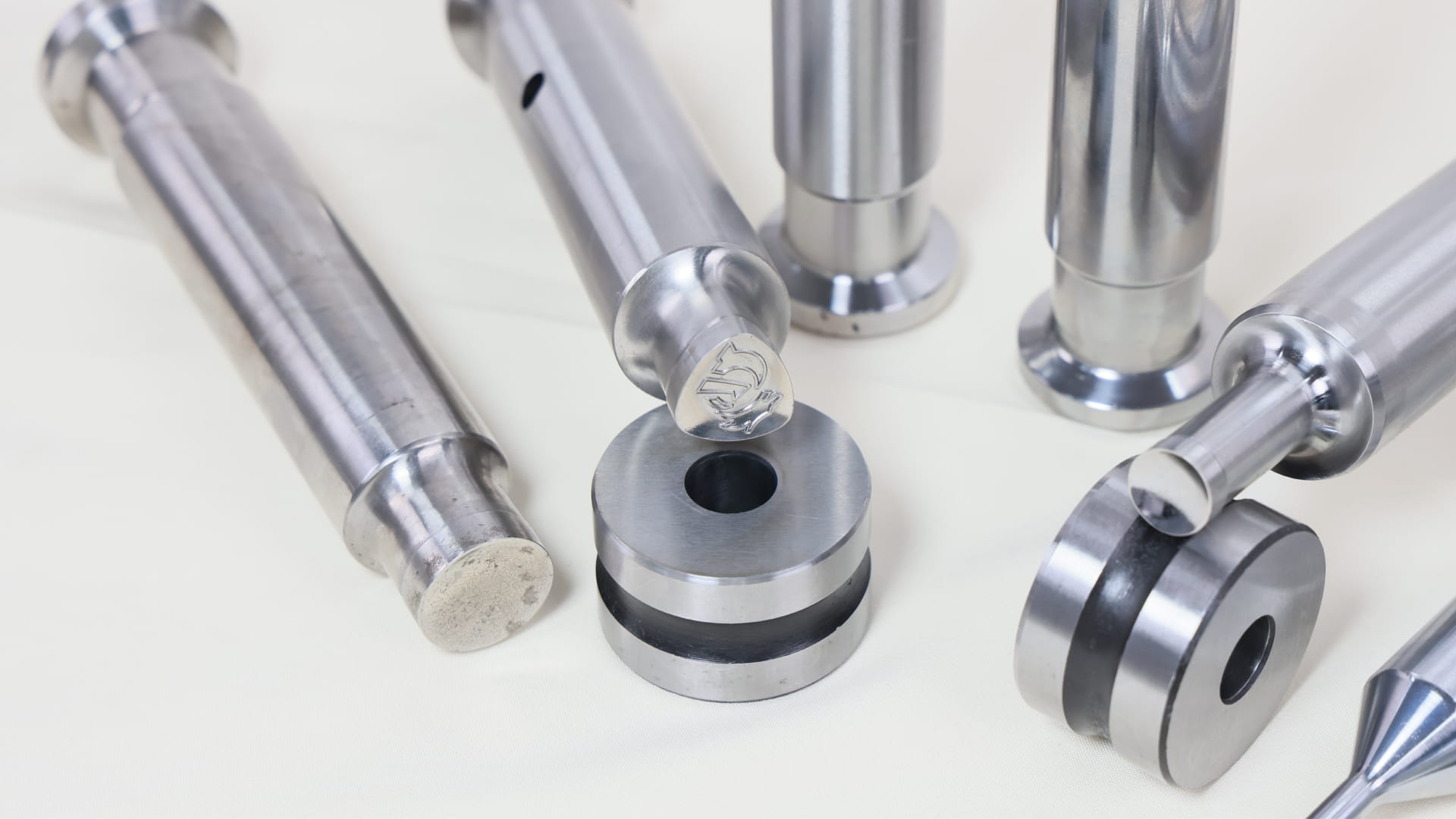
Uygun bakım takım ömrünü önemli ölçüde uzatır ve tablet kalitesi. Sektör uzmanları kabaca şunu belirtiyor: 85% Del ve öl sorunlarının büyük bir kısmı kötü bakım ve kullanımdan kaynaklanmaktadır. Takımlarınızı en iyi durumda tutmak için en iyi uygulamaları burada bulabilirsiniz:
Bu adımları takip ederek (temiz, incelemek, tamir/cila, ölçüm, yağlamak, mağaza – genellikle “7 adımlı takım bakım süreci” olarak adlandırılır) aksama süresini en aza indirecek. Bir mühendisin söylediği gibi, “Temiz bir, bakımlı bir zımbanın tabletlerin yapışmasına veya kırılmasına neden olma olasılığı çok daha düşüktür. pratikte, temizlik en kritik adım: Yapışmaya neden olabilecek eski ürün kalıntılarını ortadan kaldırır, toplama, veya çapraz bulaşma.
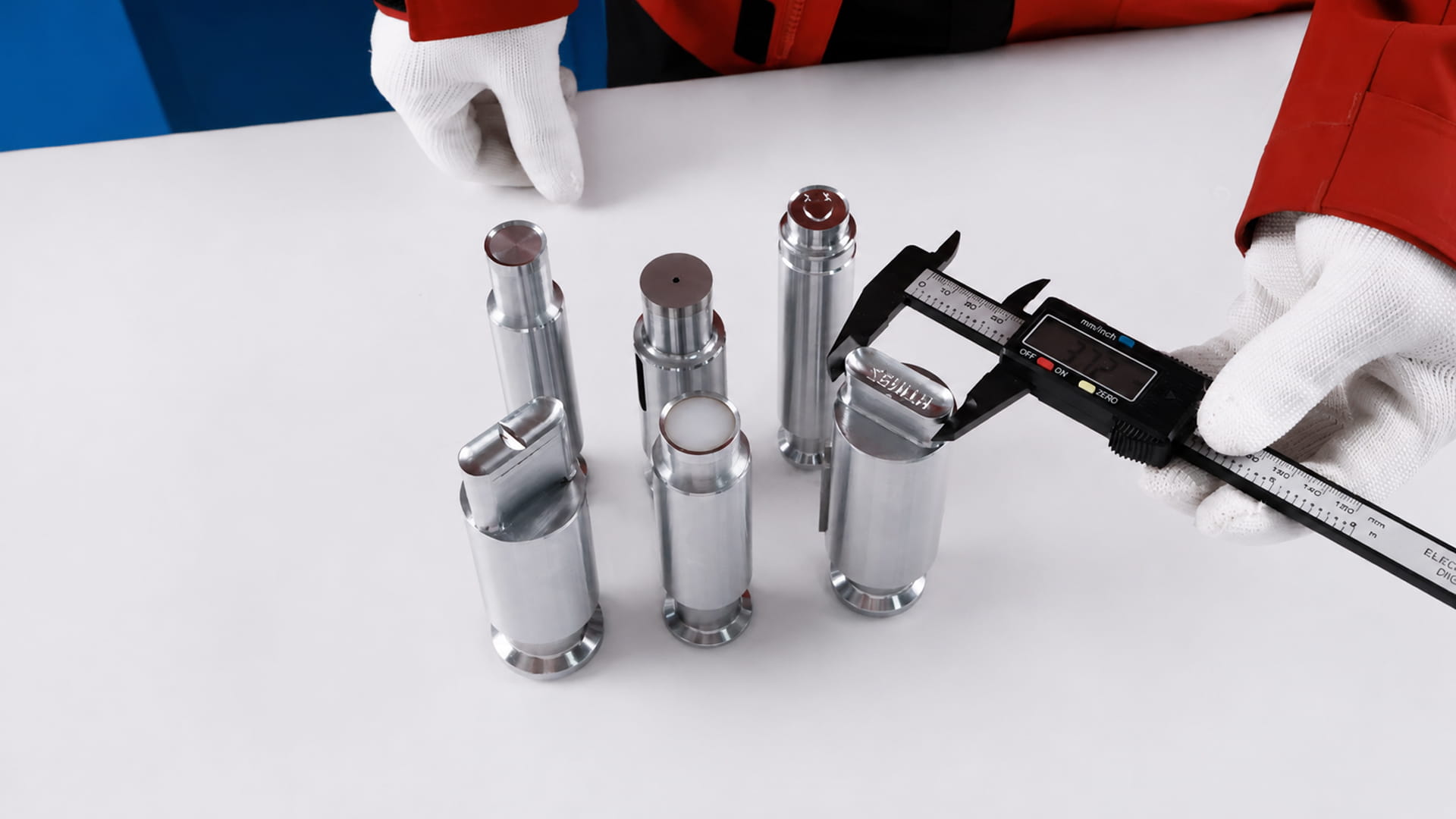
Boyutların yanı sıra, takımlama malzeme ve kaplama kritik. Çoğu tablet pres zımbası yüksek kaliteli karbon çeliğinden yapılmıştır (örneğin. GCR-15) ~60 HRC sertlikte, yüksek sıkıştırma kuvvetlerine dayanıklı. Nemli veya asidik formülasyonlar için (şifalı bitkiler veya efervesan gibi), paslanmaz çelik veya kaplamalı zımbalar (Kalay, CrN, DLC) korozyona ve yapışmaya karşı dayanıklıdır.
Her zaman takımların spesifikasyonlara göre üretildiğinden emin olun. Birçok tedarikçi Tablet Spesifikasyon Kılavuzunu takip ediyor (TSM) veya toleranslar için ISO standartları. JinLu, Örneğin, notlar BB takımları, talep üzerine sağlanan denetim belgeleriyle birlikte TSM/AB spesifikasyonlarına tam olarak göre yapılmıştır. Yüksek kaliteli takımlar kusurların önlenmesine ve zımba ömrünün uzatılmasına yardımcı olur.
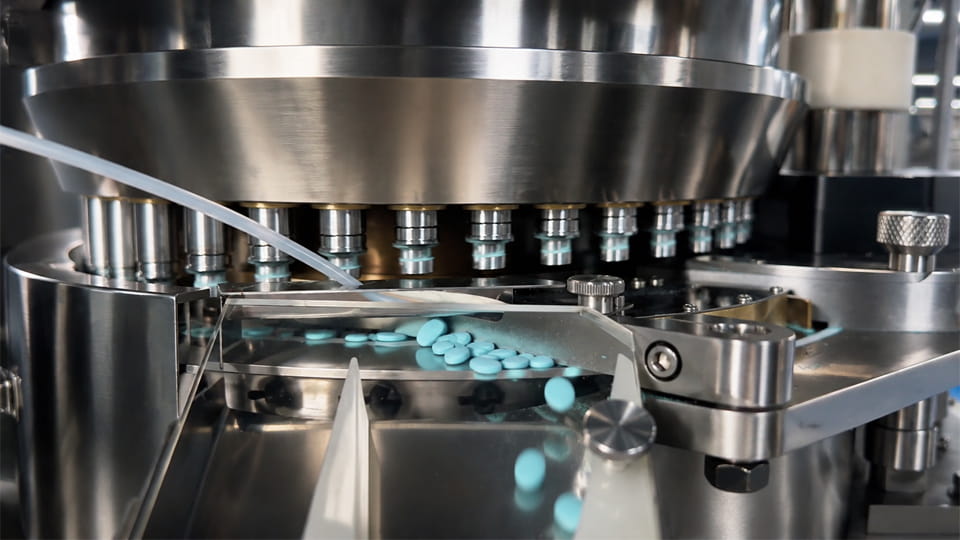
Figür: yüksek hızlı presler ve aletler birçok tableti hızlı bir şekilde teslim eder
Saygın tablet baskı üreticileri ve takım tedarikçileri doğru standardı seçmenize yardımcı olabilir. Örneğin, JinLu Packaging genellikle müşterilerin B arasında seçim yapmasına yardımcı olur, D, Ürüne göre BB veya DB takımları. Ücretsiz formül testi sunuyoruz ve özel araçlar önerebiliriz (kazınmış, puanlama, vesaire.) basın için. Tam bir üretim hattını entegre ederken, hem pres hem de takım sağlayan bir tedarikçi seçin, yani uyumluluk garanti edilir.
Üstelik, Hızlı değiştirilebilen takım sistemi ve bakım planına sahip olmak arıza süresini en aza indirir. Hızlı kalıp çıkarma gibi özellikleri arayın, taret hızlı bırakma, ve yeni baskı makinelerinde aletsiz zımba çıkarma. Örneğin, JinLu'nun GMP tasarımına odaklanması, makinelerinin hızlı çıkarılabilen taretlere ve temizlemesi kolay temas parçalarına sahip olduğu anlamına geliyor, takımların en iyi durumda kalmasını sağlamaya yardımcı olmak.
Uygun tablet baskı takımları sadece sarf malzemesi bir parçadan daha fazlasıdır; ürününüzün kalitesini ve üretim verimliliğinizi doğrudan etkileyen stratejik bir seçimdir. Arasındaki farkları anlayarak B, D, BB, ve DB araçları ve seçim ve bakımda en iyi uygulamaları takip etmek, ilaç üreticileri maliyetli kusurları ve arıza sürelerini önleyebilir. Takım standardınıza uymayı unutmayın (TSM ve ISO), tabletiniz için doğru boyutu seçin, ve sıkı bir şekilde takip edin temizlik/muayene rutini. Kazanç tek tip tabletlerdir, daha az reddedilme, ve daha güvenilir bir üretim hattı.
Yeni bir tablet sıkıştırma makinesi almaya hazırlanıyorsanız veya takımlarınızı yükseltiyorsanız, deneyimli OEM'lere ulaşmayı düşünün. Jinlu Packaging, ihtiyaçlarınız için en iyi takım sistemi konusunda rehberlik sunar, ve tabletlerinizi teknik özelliklere uygun tutmak için özel zımbalar ve kalıplar sağlayabilir. Ekibimiz, tablet baskı makinenizden en iyi şekilde yararlanmanız için mükemmel alet setini seçmenize yardımcı olmaya hazırdır. Bize Ulaşın uzman tavsiyesi veya kaliteli tablet pres takımları ve ekipmanları hakkında fiyat teklifi için.
Tablet presleme aletleri, toz veya granülleri tabletler halinde oluşturmak için bir tablet sıkıştırma makinesinde kullanılan zımba ve kalıp setini ifade eder.. Araçlar tablet boyutunu kontrol eder, şekil, kalınlık, ve genel görünüm. Tam bir takım seti genellikle bir üst zımba içerir, alt yumruk, ve öl, Sıkıştırma işlemi sırasında birlikte çalışan.
En yaygın tablet baskı takımları türleri arasında B takımları bulunur, D takım, BB takımları, ve DB araçları. Bu takımlama türleri temel olarak zımba boyutunda farklılık gösterir, kalıp boyutları, sıkıştırma kapasitesi, ve uygun tablet uygulamaları. Doğru seçim tablet boyutuna bağlıdır, formülasyon özellikleri, üretim gereksinimleri, ve tablet sıkıştırma makinenizin teknik özellikleri.
B takımı ile D takımı arasındaki temel fark, boyutları ve sıkıştırma yetenekleridir. B takımlamanın daha küçük bir zımba ve kalıp konfigürasyonu vardır ve genellikle standart boyutlu tabletler için kullanılır. D takımlama daha büyük bir tasarıma sahiptir, daha yüksek sıkıştırma kuvvetine ve daha büyük tablet üretimine olanak tanır. Daha büyük tabletler için genellikle D kalıplama tercih edilir, B araçları yaygın farmasötik tabletler için daha fazla esneklik sağlarken.
BB takımlama, daha küçük tabletler üretmek için tasarlanmış daha küçük bir takımlama konfigürasyonudur. Kompakt tablet boyutları gerektiren ürünlerde yaygın olarak kullanılır., bazı farmasötik tabletler gibi, takviyeler, ve özel ürünler. Üreticilerin verimli üretim performansına sahip daha küçük tabletlere ihtiyaç duyduğu durumlarda BB araçları uygun bir seçenek olabilir.
DB takımlama, D ve B takımlama sistemlerinin özelliklerini birleştiren bir takımlama konfigürasyonudur. Daha küçük bir zımba tasarımıyla daha büyük bir kalıp konfigürasyonu kullanır, Belirli tablet boyutları ve üretim gereksinimleri için esneklik sağlar. Veritabanı araçları genellikle üreticilerin tablet boyutu kapasitesi ile takım verimliliği arasında bir dengeye ihtiyaç duyduğu durumlarda seçilir.
Her zaman değil. Bir tablet pres makinesi, belirli takım özellikleri için tasarlanmıştır, ve uyumluluk taret tasarımına bağlıdır, yumruk boyutları, kalıp boyutu, ve takım standardı. Örneğin, B takımlama ve D takımlama, makine uyumluluğunu onaylamadan birbirinin yerini alamaz. Takımları değiştirmeden önce daima tablet baskı modelini ve takım özelliklerini kontrol edin.
Ana tablet pres takımlama standartları TSM'yi içerir (Tablet Teknik Özellikler Kılavuzu), AB (Avrupa Takımlama Standardı), ve ISO takım standartları. TSM Kuzey Amerika'da yaygın olarak kullanılmaktadır, AB ve ISO standartları birçok uluslararası pazarda yaygın olarak kullanılırken. Bazı boyutlar benzer görünse de, TSM ve AB takımları otomatik olarak değiştirilemez.
Doğru tablet pres takımını seçmek çeşitli faktörlere bağlıdır, tablet boyutu dahil, şekil, formülasyon, sıkıştırma kuvveti, üretim hacmi, ve tablet baskı modeli. Üreticiler ayrıca takım standartlarını da dikkate almalı, malzeme seçimi, ve istikrarlı tablet kalitesi ve verimli üretim sağlamak için beklenen takım ömrü.
Yaygın tablet baskı aleti sorunları arasında yapışma yer alır, toplama, tablet kapatma, dengesiz tablet ağırlığı, yumruk aşınması, ve ölüm hasarı. Bu sorunlar aşınmış takımlardan kaynaklanabilir, yanlış bakım, uygun olmayan takım malzemeleri, veya hatalı tablet sıkıştırma ayarları. Düzenli denetim ve doğru takım seçimi, üretim sorunlarının azaltılmasına yardımcı olabilir.
Tablet pres takımının hizmet ömrü, tablet formülasyonu gibi faktörlere bağlıdır, üretim hızı, sıkıştırma kuvveti, takım malzemesi, kaplama, ve bakım uygulamaları. Uygun temizlik ile, denetleme, yağlama, ve depolama, yüksek kaliteli zımbalar ve kalıplar, değiştirilmesi gerekmeden milyonlarca tablet üretebilir.
Referanslar:
1.Tabletler için Pres Aletleri — Zımbalar ve Kalıplar —— ISO 18084:2011
2.Bölüm 32 – Gelişim, Optimizasyon, Proses Parametrelerinin Ölçeklendirilmesi ve Büyütülmesi: Tablet sıkıştırma —— Bilimsel
3.Tablet Takımlama Standardizasyonunun Faydaları —— Eczacılık Teknolojisi
4.Tablet Pres Takımlarının Bakım ve Depolamasının İyileştirilmesi —— Eczacılık Teknolojisi
5.Zımba geometrisinin etkisi (kafa düz çapı) ve takım tipi ('B’ veya 'D') formülasyon tabletlerinin fiziksel-mekanik özellikleri üzerine —— Ulusal Tıp Kütüphanesi
6.Tablet işleme teknolojisindeki gelişmelere ilişkin güncelleme —— Bilimsel