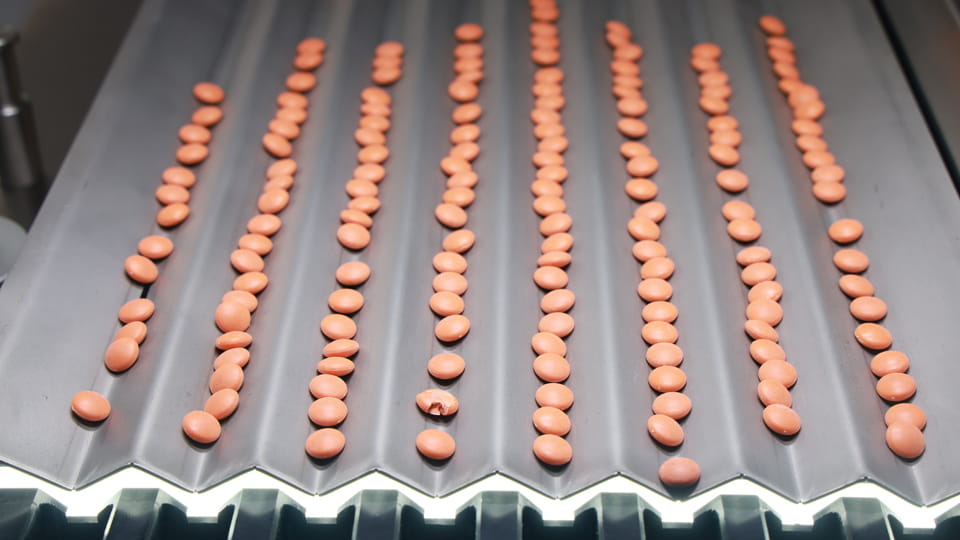
การนับที่แม่นยำคือ วิกฤต ในบรรจุภัณฑ์ยา. ถ้าขวดบอกว่า 100 ยาเม็ด, มัน ต้อง มีอย่างแน่นอน 100 – ข้อผิดพลาดอาจนำไปสู่ การเรียกคืนผลิตภัณฑ์ , การดำเนินการขององค์การอาหารและยา, หรือแย่กว่านั้น: เป็นอันตรายต่อผู้ป่วย. แนวทางปฏิบัติที่ดีในการผลิต (GMP) และกฎระเบียบ (E.G. อย.21CFR ส่วนหนึ่ง 11 อัตโนมัติ เคาน์เตอร์แท็บเล็ต/แคปซูล แก้ปัญหาข้อผิดพลาดของมนุษย์: พวกเขา อย่างรวดเร็ว นับหลายพันเม็ดต่อชั่วโมงพร้อมย่อย-0.1% อัตราความผิดพลาด. การใช้เคาน์เตอร์แบบดั้งเดิม ตาแมว (ลำแสง) เซ็นเซอร์ , เทคโนโลยีที่เติบโตเต็มที่ตั้งแต่ทศวรรษ 1980. ล่าสุด, ตัวนับการมองเห็นที่ขับเคลื่อนด้วย AI
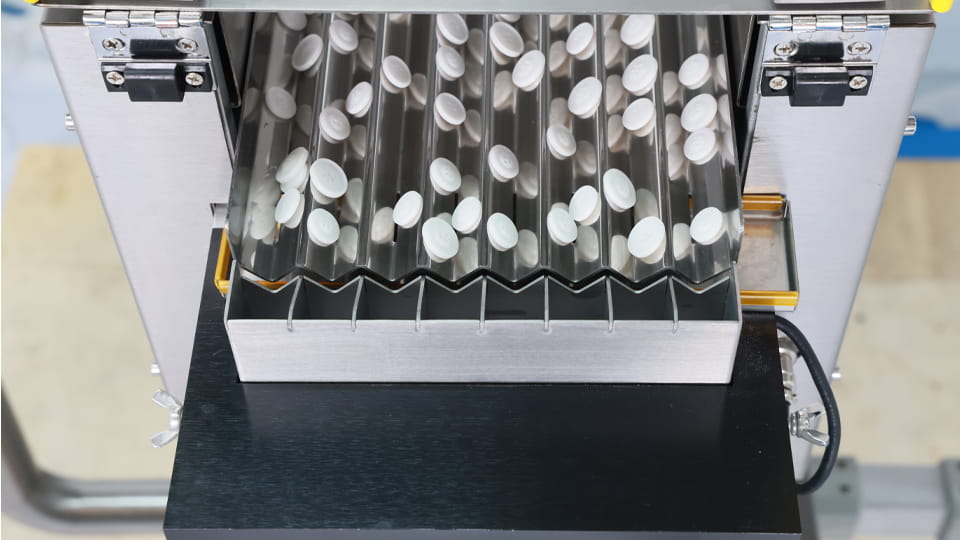
โฟโตอิเล็กทริคเคาน์เตอร์คืออะไร? ก ตาแมว (และ) เคาน์เตอร์ ใช้เซ็นเซอร์ลำแสงแบบธรรมดาเพื่อตรวจจับยาเม็ด. ในทางปฏิบัติ, เม็ดยาจะถูกป้อนผ่านช่องทางสั่นหนึ่งช่องหรือมากกว่านั้นเข้าไปในช่องแคบ. ก ลำแสงอินฟราเรด ข้ามเส้นทาง. เมื่อเม็ดยาหยดผ่าน, มัน บล็อก (ขัดจังหวะ) ลำแสง , สร้างพัลส์ที่เซ็นเซอร์บันทึกเป็นหนึ่งนับ. คิดเหมือนก tripwire ความเร็วสูง – ทำลายลำแสง, ลงทะเบียนยา. ตัวนับเหล่านี้มักเป็นแบบหลายช่องทาง (8, 12, 16 เลน, ฯลฯ) เพื่อปริมาณงานสูง.
โฟโตอิเล็กทริคเคาน์เตอร์ทำงานอย่างไร?
การหยุดชะงักของลำแสง: ของพวกเขา (หรือเลเซอร์) โปรเจ็กต์ตัวปล่อยข้ามช่องทาง; ตัวรับสัญญาณอีกด้านหนึ่งจะตรวจจับว่าแสงถูกบังหรือไม่. การหยุดชะงักแต่ละครั้ง = หนึ่งเม็ด.การประมวลผลสัญญาณ: เซ็นเซอร์จะส่งสัญญาณพัลส์ออกมา (หรือนับขึ้น) ทุกครั้งที่ลำแสงหัก. อุปกรณ์อิเล็กทรอนิกส์อย่างง่ายนับพัลส์.การร้องเพลงทางกล: เพื่อให้ทำงานได้อย่างถูกต้อง, ยาเม็ดจะต้องดรอป ทีละคน . เครื่องป้อนแบบสั่นพร้อมรางแบบหลายขั้นตอนแยกจากกัน (เดี่ยว) ยาลงในสตรีมไฟล์เดียว. หากยาสองเม็ดทับซ้อนกัน, ลำแสงมองเห็นการหยุดชะงักเป็นเวลานานหนึ่งครั้งแทนที่จะเป็นสองครั้ง, ทำให้เกิดการนับน้อยไป.
ข้อดีของการนับโฟโตอิเล็กทริค
ความเร็วสูง: โฟโตอิเล็กทริคเซนเซอร์ตอบสนองในหน่วยไมโครวินาที, เปิดใช้งานเหตุการณ์การนับหลายพันรายการต่อนาที. สำหรับ เรียบง่าย, ผลิตภัณฑ์เครื่องแบบ , พวกเขาสามารถติดตามสายการบรรจุที่เร็วที่สุดได้อย่างง่ายดาย.พิสูจน์แล้ว & เชื่อถือได้: เทคโนโลยีมีความเป็นผู้ใหญ่และแข็งแกร่ง. ไบนารี่ (แสง/ไม่มีแสง) ตรรกะนั้นติดตั้งง่ายและล้มเหลวได้ยาก. เมื่อปรับเทียบแล้ว, โฟโตอิเล็กทริคเคาน์เตอร์ทำงานได้อย่างเสถียรโดยมีการแทรกแซงของผู้ปฏิบัติงานน้อยที่สุด.ต้นทุนที่ต่ำกว่า: เครื่องจักรเหล่านี้ใช้ชิ้นส่วนที่ค่อนข้างถูก (ไฟ LED, โฟโต้ทรานซิสเตอร์). ถ้ามองในแง่รายจ่ายฝ่ายทุนจะประหยัดกว่ามาก. นี่หมายถึง ROI ที่เร็วขึ้นสำหรับสายมาตรฐาน.บำรุงรักษาง่าย: ชิ้นส่วนที่เคลื่อนไหวน้อยลงและไม่มีซอฟต์แวร์ที่ซับซ้อนทำให้การบำรุงรักษาทำได้ง่ายตรงไปตรงมา. เซ็นเซอร์ต้องการการทำความสะอาดเป็นระยะเท่านั้น (โดยเฉพาะเลนส์) เพื่อหลีกเลี่ยงไม่ให้ฝุ่นสะสม.เหมาะสำหรับเม็ดทึบแสง: พวกเขาทำงานได้ดีมากสำหรับสีที่สม่ำเสมอ, ยาเม็ดหรือแคปซูลทึบแสง. เซ็นเซอร์ IR แบบลำแสงทะลุไม่ได้รับผลกระทบจากสีของเม็ดยาหรือการสะท้อนแสง, ทำให้เหมาะสำหรับการใช้งานเคาน์เตอร์แท็บเล็ตจำนวนมาก.
ข้อจำกัดของเคาน์เตอร์โฟโตอิเล็กทริค แม้จะมีจุดแข็งของพวกเขาก็ตาม, เคาน์เตอร์ตาแมวมี ข้อเสียโดยธรรมชาติ ในสภาพแวดล้อมทางเภสัชกรรมในโลกแห่งความเป็นจริง:
ข้อผิดพลาดที่ทับซ้อนกัน/จับกันเป็นก้อน: หากแยกเม็ดยาไม่หมด, ชิ้นส่วนที่ทับซ้อนกันหลอกเซ็นเซอร์ให้นับเป็นหนึ่งเดียว. ตัวอย่างเช่น, เม็ดยาสองเม็ดติดกันทำให้เกิดพัลส์บีมบล็อกยาวหนึ่งอัน. การหลีกเลี่ยงสิ่งนี้ต้องใช้การจำเพาะทางกลที่ดีมาก, ซึ่งจะยากขึ้นที่ความเร็วสูงหรือมีรูปร่างผิดปกติ.ผลิตภัณฑ์ที่โปร่งใสหรือเป็นเงา: แสงอินฟราเรดสามารถผ่านหรือสะท้อนออกไปได้ ชัดเจน/โปร่งใส แคปซูล (ซอฟเจล) หรือยาเม็ดเคลือบหนา. แคปซูลเจลาตินใสอาจไม่บังลำแสงเลย. ซึ่งทำให้เกิดการนับน้อยเกินไปและผลลัพธ์ที่ไม่สอดคล้องกัน. การแก้ปัญหานี้มักต้องใช้เทคนิคพิเศษ (เช่น คานมุมหรือตัวสะท้อนแสง), ซึ่งเพิ่มความซับซ้อน.ไม่มีการตรวจสอบคุณภาพ: เครื่องนับโฟโตอิเล็กทริคจะตรวจจับเฉพาะ "บางสิ่งที่ผ่านไป". พวกเขาไม่สามารถมองเห็นข้อบกพร่องที่พื้นผิวได้, รอยแตก, ชิป, หรือสีผิด. เม็ดที่แตกหรือเม็ดที่ปนเปื้อนยังคงนับว่าเป็นเม็ดที่ดี.ความไวต่อฝุ่น: ในสภาพแวดล้อมที่เป็นแป้ง, ฝุ่นบนตัวส่งสัญญาณ/ตัวรับจะทำให้ลำแสงอ่อนลง. เมื่อเวลาผ่านไป, สิ่งนี้สามารถอ่านผิดได้ว่าเป็นการอุดตันอย่างต่อเนื่อง, สร้างจุดบอด. ทำความสะอาดบ่อยๆ (หรือเซ็นเซอร์พร้อมสัญญาณเตือนตรวจสอบตัวเอง) เป็นสิ่งจำเป็นเพื่อป้องกันการดริฟท์.การบันทึกข้อมูลที่จำกัด: ระบบพื้นฐานนับแต่ไม่ได้บันทึกภาพหรือเส้นทางการตรวจสอบโดยละเอียด. พวกเขาตอบสนองบันทึกการนับการเติมขั้นพื้นฐาน, แต่ไม่สามารถให้หลักฐานดิจิทัลของยาทุกเม็ดได้.
โดยสรุป, เคาน์เตอร์ตาแมว (บางครั้งเรียกว่า เคาน์เตอร์อิเล็กทรอนิกส์หรือออปติคัล ) เป็นเลิศ วิธีแก้ปัญหาม้าม สำหรับสายธรรมดาหลายสาย, โดยเฉพาะอย่างยิ่งเมื่อประเภทผลิตภัณฑ์มีความสม่ำเสมอและงบประมาณมีจำกัด. มีความคุ้มค่าและตรงไปตรงมา, แต่ต้องใช้ยาที่คัดแยกอย่างดีและสภาพแวดล้อมที่สะอาดเพื่อหลีกเลี่ยงข้อผิดพลาดในการนับ.
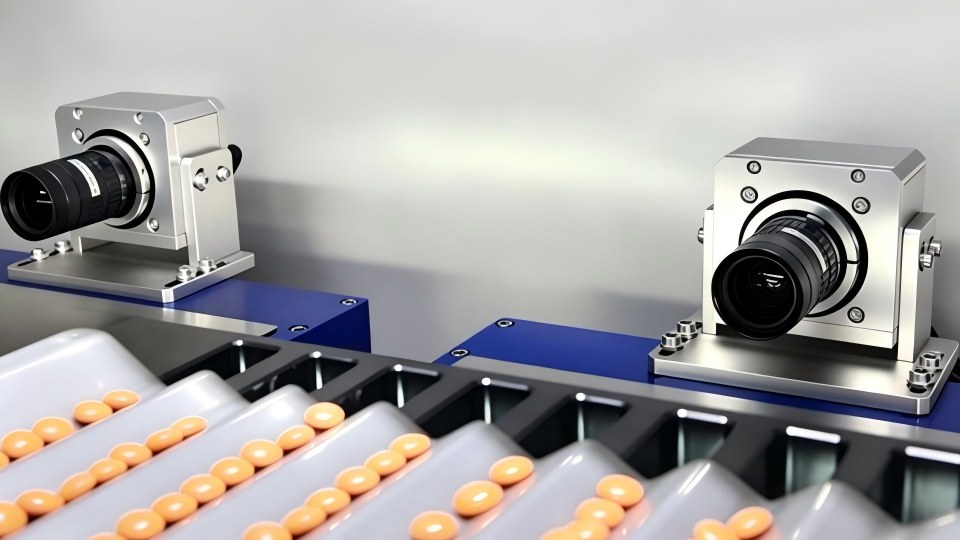
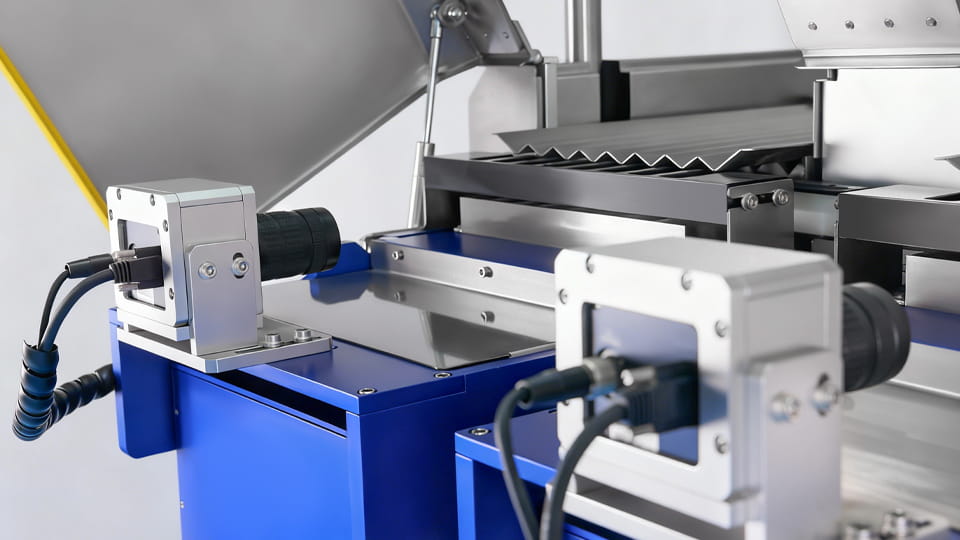
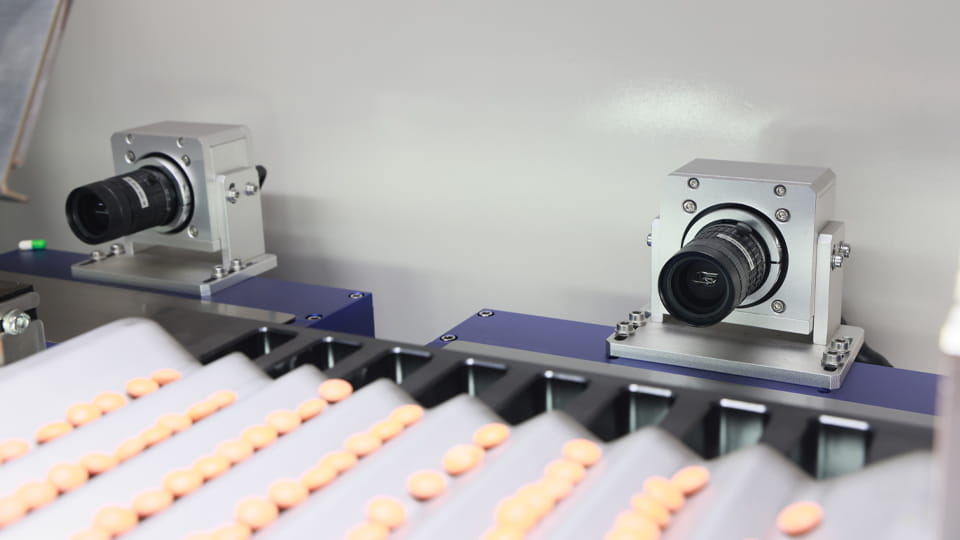
Vision Counter คืออะไร? ก วิสัยทัศน์ (ที่ใช้กล้อง) เคาน์เตอร์ ใช้ซอฟต์แวร์สร้างภาพความเร็วสูงพร้อม เห็นและนับ แต่ละเม็ด. แทนที่จะเป็นลำแสงเดียว, เครื่องจักรมีกล้องอุตสาหกรรมตั้งแต่หนึ่งตัวขึ้นไปวางอยู่เหนือช่องตก. กล้องเหล่านี้จะจับภาพวิดีโอต่อเนื่องของเม็ดยาขณะที่หยดลงในขวด. เบื้องหลัง, ระบบ AI/คอมพิวเตอร์วิทัศน์จะวิเคราะห์แต่ละเฟรม, ระบุรูปร่าง, ขนาด, สี, และคุณสมบัติอื่นๆ ของแท็บเล็ตหรือแคปซูลทุกตัว.
การนับการมองเห็นทำงานอย่างไร
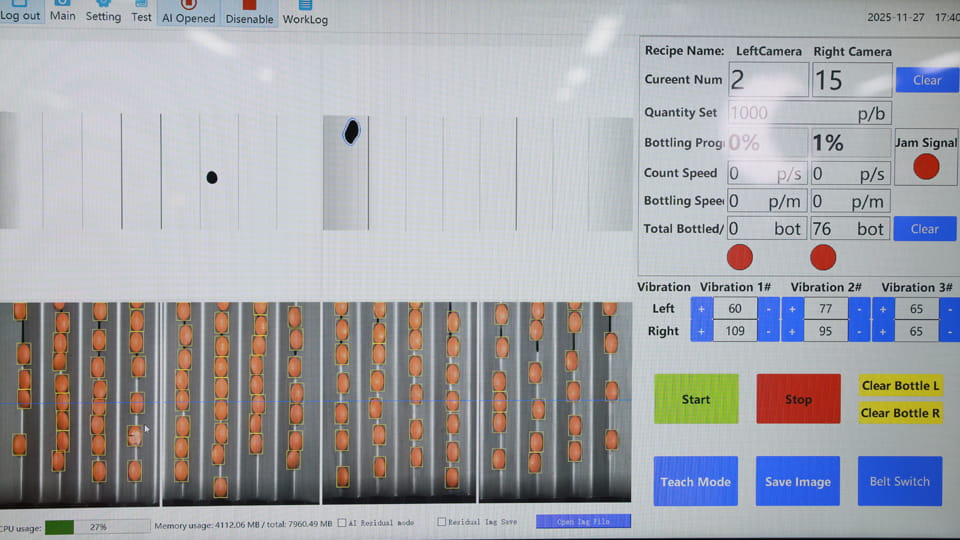
การถ่ายภาพด้วยกล้อง: กล้องความละเอียดสูง (บางครั้งก็มีหลายมุม) ถ่ายภาพสตรีมผลิตภัณฑ์นับพันภาพต่อวินาที. แสงที่ดี (รวมถึงไฟแบ็คไลท์หรือไฟมุม) เน้นขอบและรูปทรง.การประมวลผลภาพ: อัลกอริธึมที่ซับซ้อน (การวิเคราะห์หยด, การตรวจจับขอบ, โครงข่ายประสาทเทียมเอไอ) ค้นหาแต่ละเม็ดในภาพและจำแนกประเภท. “วัตถุ” แต่ละรายการจะรับรู้ได้ด้วยลายเซ็นที่มองเห็นได้ (รูปร่าง, พื้นที่, สี).การนับและการตรวจสอบ: ระบบจะนับหนึ่งหน่วยสำหรับรูปร่างเม็ดยาแต่ละอันที่จดจำได้. หากตรวจพบรูปร่างที่ผิดปกติหรือทับซ้อนกัน, ซอฟต์แวร์สามารถแบ่งออกเป็นหลายจำนวนได้ (ดู “โซลูชันที่ทับซ้อนกัน” ด้านล่าง). นอกจากนี้ยังตรวจสอบยาแต่ละเม็ดกับเทมเพลตด้วย: ถ้าเม็ดยาแตกหรือผิด, มันทำเครื่องหมายมัน.การควบคุมคุณภาพอย่างต่อเนื่อง: เพราะการมองเห็นเคาน์เตอร์เห็นสินค้าอย่างแท้จริง, พวกเขาสามารถตรวจสอบแบบอินไลน์ได้. เม็ดแตก, ฝุ่นบนเม็ดยา, สีไม่ตรงกัน, หรืออนุภาคแปลกปลอมสามารถระบุและดีดออกหรือทำเครื่องหมายได้โดยอัตโนมัติ.
เมื่อเทียบกับตาแมว, การนับการมองเห็นเปรียบเสมือนการเปลี่ยนจากเซ็นเซอร์ตาบอดไปสู่กล้องความเร็วสูงที่ "รู้" ว่ายาที่ดีมีลักษณะอย่างไร. เป็นการก้าวกระโดดทางเทคโนโลยีที่สำคัญ.
[jl_youtube src=”https://www.youtube.com/embed/2x_DyT_SkGU”]
ข้อดีของวิชั่นเคาน์เตอร์
ความแม่นยำสูงเป็นพิเศษ: วิชันซิสเต็มได้รับความแม่นยำ ~99.99% เป็นประจำ. ตัวนับอินฟราเรดเกิน 99% ความแม่นยำ, ในขณะที่โมเดลที่ใช้การมองเห็นผลักดันความแม่นยำในการนับ 99.99%. จุดทศนิยมเพิ่มเติมเป็นสิ่งสำคัญในเภสัชภัณฑ์, ซึ่งแม้แต่ขวดที่บรรจุน้อยเกินไปก็ไม่สามารถยอมรับได้.โปร่งใส & สินค้าที่ผิดปกติ: วิสัยทัศน์เก่งที่ ดูผ่าน ซอฟเจลใสจะสร้างขอบหรือเงาเล็กน้อยภายใต้แสงที่เหมาะสม, ซึ่งกล้องตรวจจับได้. นอกจากนี้ยังรองรับแท็บเล็ตทุกรูปทรง เช่น วงรี, รูปหัวใจ, เคลือบ – ไม่มีการดัดแปลงเป็นพิเศษ. ระบบจดจำโครงร่างได้, ดังนั้นจึงยังคงนับเม็ดยาที่เอียงหรือมีรูปร่างผิดปกติ.การทับซ้อนกันและการจัดการกับก้อน: เมื่อยาสองเม็ดติดกัน, ซอฟต์แวร์วิชั่นยังสามารถแยกพวกมันออกได้. อัลกอริทึมจะวัดขนาดและรูปร่างของหยด: หากเป็นประมาณสองเท่าของพื้นที่ที่คาดไว้, มันแบ่งออกเป็นสองส่วน. กล่าวอีกนัยหนึ่ง, มัน "แก้ไข" ปัญหาการทับซ้อนกันโดยอัตโนมัติ, ซึ่งโฟโตอิเล็กทริคเซนเซอร์ไม่สามารถทำได้.การตรวจสอบคุณภาพแบบอินไลน์: แต่ละเม็ดมีภาพ, เพื่อให้ระบบสามารถตรวจสอบข้อบกพร่องได้ทันที. มันมองหาชิป, รอยแตก, การเปลี่ยนสี, หรือสิ่งแปลกปลอมโดยการเปรียบเทียบรูปร่างและพื้นผิวของเม็ดยากับแม่แบบ “มาตรฐานทองคำ”. ยาเม็ดที่ไม่ดีอาจทำให้เกิดการระเบิดของลมได้, ป้องกันไม่ให้พวกเขาไปถึงผลิตภัณฑ์ขั้นสุดท้าย.การติดตามข้อมูล (21 ส่วนซีเอฟอาร์ 11): เครื่องนับการมองเห็นจะสร้างบันทึกดิจิทัลของกระบวนการ. ระบบระดับไฮเอนด์สามารถบันทึกรูปภาพหรือวิดีโอของทุกขวดในเวลาเติมได้. นี่เป็นแนวทางการตรวจสอบที่เป็นข้อสรุป: คุณสามารถดึงรูปยาแต่ละเม็ดในขวดขึ้นมาได้หากจำเป็น. การปรับเปลี่ยน (การเปลี่ยนแปลงชุด, การตั้งค่าการสอบเทียบ) ถูกบันทึกด้วยการประทับเวลาและรหัสผู้ใช้. สิ่งนี้สนับสนุนหลักการ ALCOA+ (ระบุแหล่งที่มาได้, ต้นฉบับ, ฯลฯ) กำหนดโดย FDA regs.ความทนทานต่อฝุ่นสูง: ระบบการมองเห็นอัจฉริยะสามารถกรองฝุ่นหรือรอยขีดข่วนแบบคงที่ได้. โดยจะจับภาพ "โมเดลพื้นหลัง" เมื่อว่างเปล่า, แล้วลบออกระหว่างการนับเพื่อให้บันทึกเฉพาะเม็ดยาที่เคลื่อนที่เท่านั้น. ซึ่งหมายความว่าฝุ่นบนเลนส์หรือแทร็กไม่ได้ทำให้การนับลดลง; ส่วนใหญ่จะถูกละเลยโดยซอฟต์แวร์.มูลค่าระยะยาว: เนื่องจากเป็นสองเท่าของระบบการตรวจสอบ, เครื่องนับการมองเห็นสามารถลดการเรียกคืนและของเสียได้. พวกเขาฝังการควบคุมคุณภาพไว้ในขั้นตอนการบรรจุ, ซึ่งช่วยเพิ่มคุณภาพผลผลิตโดยรวม. เมื่อเวลาผ่านไป สิ่งนี้สามารถพิสูจน์ราคาที่สูงขึ้นได้.
ข้อเสียของ Vision Counter
ต้นทุนที่สูงขึ้น: ระบบวิชันซิสเต็มต้องใช้กล้องความเร็วสูง, GPU/ชิปประสาท, และซอฟต์แวร์ที่ซับซ้อน. ตัวนับ AI แบบหลายช่องสัญญาณอาจมีราคาแพงกว่าระบบเซ็นเซอร์ IR พื้นฐานหลายเท่า. การลงทุนล่วงหน้ามีความสำคัญ, ดังนั้นผู้ซื้อที่ใส่ใจเรื่องงบประมาณอาจลังเล.ความซับซ้อน: การตั้งค่ากล้องและการส่องสว่างสำหรับผลิตภัณฑ์ต่างๆ อาจเกี่ยวข้องมากกว่าการปรับลำแสง IR. แสงสว่างจะต้องได้รับการปรับให้เหมาะสม (มุม, แสงไฟ, ฯลฯ) สำหรับแต่ละรูปทรง/สีของผลิตภัณฑ์. นอกจากนี้ยังต้องมีการบำรุงรักษาฮาร์ดแวร์คอมพิวเตอร์และซอฟต์แวร์อีกด้วย.การจำกัดความเร็ว: ในขณะที่ตัวนับการมองเห็นสมัยใหม่นั้นรวดเร็วมาก, พวกเขาประมวลผลภาพมากกว่าลำแสงทันที. เครื่องวิชันซิสเต็มระดับไฮเอนด์ใช้กล้องหลายเลนเพื่อเข้าถึงปริมาณงานของระบบ IR, แต่มีการแลกเปลี่ยนอยู่บ้าง. (อย่างไรก็ตาม, โปรดทราบว่าการมองเห็นไม่รบกวน; กรอบกล้องตัวเดียวครอบคลุมหลายเม็ดในคราวเดียว, และสามารถใช้กล้องหลายตัวพร้อมกันได้)การซ่อมบำรุง: กล้องและเลนส์ก็ต้องสะอาดเช่นกัน (ฝุ่นสามารถเลอะบนภาพได้, แม้ว่าตามที่ระบุไว้ซอฟต์แวร์สามารถรับมือได้). แต่ความล้มเหลวของกล้องหรือการวางแนวที่ไม่ถูกต้องอาจต้องอาศัยการสนับสนุนทางเทคนิคที่เชี่ยวชาญมากกว่าเซ็นเซอร์ IR ทั่วไป.
โดยสรุป, เครื่องนับตามการมองเห็น เสนอ อัดแน่นไปด้วย โซลูชั่นการนับ: พวกเขานับเม็ดยาและตรวจสอบพร้อมกัน, ให้การรับประกันแบบดิจิทัลว่าทุกขวดถูกต้อง. ข้อเสียคือต้นทุนและความซับซ้อนในการตั้งค่า. เพื่อความมีมูลค่าสูง, ความเร็วสูง, หรือสายผลิตภัณฑ์ที่ซับซ้อน (E.G. ส่งออกไปยังตลาดที่เข้มงวด), ความแม่นยำและความสามารถในการตรวจสอบย้อนกลับเพิ่มเติมมักจะทำให้การลงทุนนี้สมเหตุสมผล.
วิสัยทัศน์เทียบกับเคาน์เตอร์โฟโตอิเล็กทริค: การเปรียบเทียบแบบเคียงข้างกัน
คุณสมบัติ เคาน์เตอร์โฟโตอิเล็กทริค วิชั่นเคาน์เตอร์
หลักการนับ IR/ลำแสงหยุดชะงัก
การถ่ายภาพความเร็วสูง + การวิเคราะห์ภาพเอไอ
ความแม่นยำ มากถึง ~99.9% (ถ้ายาเม็ดแยกได้อย่างสมบูรณ์แบบ)
มากถึง ~99.99% (แม้จะมีการทับซ้อนกัน)
ประเภทสินค้า (ในอุดมคติ) ทึบแสง, เม็ด/แคปซูลสม่ำเสมอ
โปร่งใส, ซอฟเจล, ผลิตภัณฑ์ที่ไม่สม่ำเสมอหรือเคลือบ
ยาที่ทับซ้อนกัน ไม่สามารถแยกแยะได้ (นับเม็ดยาที่ทับซ้อนกันเป็นหนึ่งเดียว)
อัลกอริทึมแยก blobs – นับแยกกัน
การตรวจสอบพื้นผิว/คุณภาพ ไม่มีการตรวจสอบ (นับเฉพาะการมีอยู่เท่านั้น)
ตรวจสอบแต่ละเม็ดเพื่อหาข้อบกพร่อง, สี, เครื่องหมาย
สภาพแวดล้อมของฝุ่น ความอดทนต่ำ (ฝุ่นบนเลนส์ = จำนวนเท็จ)
มีความอดทนสูง (การลบพื้นหลังจะกรองสิ่งสกปรกที่อยู่นิ่งออก)
การติดตามข้อมูล บันทึกพื้นฐาน (การนับแบทช์, อาจจะเป็นสัญญาณเตือนธรรมดาๆ)
เส้นทางการตรวจสอบโดยละเอียด (ภาพที่ประทับเวลา, บันทึกการเปลี่ยนแปลง)
การสนับสนุนด้านกฎระเบียบ ตอบสนองความแม่นยำในการเติม (CGMP)
รองรับ 21 ซีเอฟอาร์ 11 การปฏิบัติตามบันทึกดิจิทัล
ความเร็ว/ปริมาณงาน สูงมาก (การตอบสนองระดับไมโครวินาที, หลายพันครั้ง/นาที)
สูงมาก (กรอบกล้องบังหลายเม็ด, หลายเลนเพื่อขยายขนาด)
ตั้งค่า & ความซับซ้อน การสอบเทียบอย่างง่าย (ปรับความไว)
ซับซ้อน (การตั้งค่าแสงสว่าง, การปรับแต่งซอฟต์แวร์ตาม SKU)
ต้นทุนเริ่มต้น ต่ำกว่า (เทคโนโลยีผู้ใหญ่, ส่วนประกอบที่ถูกกว่า)
สูงกว่า (กล้อง, ฮาร์ดแวร์คอมพิวเตอร์, ลิขสิทธิ์ซอฟต์แวร์)
ROI ระยะยาว ROI ที่มั่นคงสำหรับบรรทัดง่ายๆ
ROI ผ่านข้อผิดพลาดน้อยลง, เรียกคืน, และผลประโยชน์ด้านการปฏิบัติตามกฎระเบียบ
ข้อมูลที่รวบรวมจากแหล่งอุตสาหกรรมและเอกสารประกอบของผู้ผลิต.
วิชันซิสเต็มส์นับผลิตภัณฑ์ใดได้ดีที่สุด? ตัวนับการมองเห็นจะส่องแสงเมื่อนับ ผลิตภัณฑ์ที่ท้าทาย ที่เอาชนะเซ็นเซอร์ลำแสงธรรมดา. เหล่านี้รวมถึง:
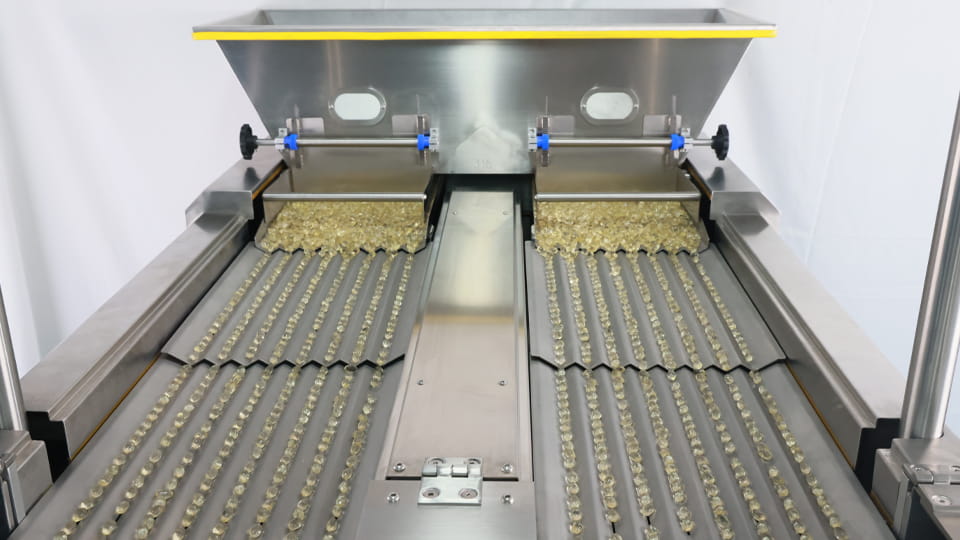
แคปซูลซอฟเจลใส: น้ำมันปลา หรือซอฟเจลน้ำมันพืชมีสีใสหรือมีสีอ่อนๆ. คานโฟโตอิเล็กทริกมักจะทะลุผ่านหรือกระจาย, แต่กล้องมองภาพมองเห็นขอบและเงาของมัน.เม็ดสองสีและเคลือบ: สินค้ามี 2 สี, เครื่องหมายที่พิมพ์, หรือการเคลือบที่ผิดปกติ (E.G. เคลือบลำไส้ ) สามารถสร้างความสับสนให้กับเซ็นเซอร์ IR ได้. กล้องจะดูรายละเอียดสีทั้งหมดและสามารถแยกแยะเม็ดยาหนึ่งจากอีกเม็ดหนึ่งได้.รูปทรงแปลกตา: หัวใจ, วงรี, แปดเหลี่ยม, หรือเม็ดยาแบบไดคัทตกลงมาอย่างคาดเดาไม่ได้. อัลกอริธึมการมองเห็นจะจดจำรูปทรงของมัน. แม้ว่าเม็ดยารูปวงรีจะเอียงในการบินก็ตาม, โครงร่างของมันยังคงระบุอยู่.ยาที่มีมูลค่าสูงหรือมีความสำคัญ: สำหรับยารักษามะเร็ง, การฉีดเทคโนโลยีชีวภาพ (ถ้าเป็นแบบขวด), หรือกลุ่มที่มีความเสี่ยงสูง, ผู้ผลิตต้องการข้อผิดพลาดเป็นศูนย์. การตรวจสอบพิเศษของวิชั่นให้การรับประกันดังกล่าว.ผลิตภัณฑ์ปลอดเชื้อ/ใช้งานได้: สายพิเศษบางสาย (ขวดปลอดเชื้อ, ชีววิทยา) รวมภาพเพื่อตรวจสอบการปนเปื้อน; ตัวนับการมองเห็นเข้ากันได้ดีกับแนวห้องคลีนรูมดังกล่าว.เส้นเฟล็กซ์ชุดเล็ก: สายการผลิตที่ผลิต SKU ที่แตกต่างกันมากมาย (เหมือนคนทำสัญญาจ้าง) ได้รับประโยชน์จากความสามารถในการกำหนดค่าใหม่ของระบบวิชันซิสเต็ม โดยสามารถโหลดสูตรต่อผลิตภัณฑ์ได้.ผลิตภัณฑ์เสริมอาหาร (E.G. กัมมี่, น้ำมันปลา):เครื่องนับเหนียวของ Jinlu เพื่อการออกแบบเฉพาะทาง)
ในระยะสั้น, ตัวนับการมองเห็น เหมาะสำหรับ แคปซูลและแท็บเล็ตที่ไม่ได้มาตรฐาน : โปร่งแสง, หลายรูปทรง, หรือสินค้าพรีเมี่ยม. หากการดำเนินการของคุณจัดการได้ชัดเจน ซอฟเจล , สองชั้น , หรือเปลี่ยนสูตรบ่อยๆ, ระบบวิชั่นขั้นสูงช่วยให้แน่ใจว่าแต่ละรายการได้รับการนับและตรวจสอบอย่างถูกต้อง.
ผลิตภัณฑ์ใดบ้างที่ยังสามารถใช้เคาน์เตอร์โฟโตอิเล็กทริคได้? เคาน์เตอร์โฟโตอิเล็กทริคยังคงอยู่ มีประสิทธิภาพมาก สำหรับกรณีที่ตรงไปตรงมา:
แท็บเล็ตมาตรฐาน: เม็ดสีขาวหรือสีที่ไม่มีความโปร่งใสหรือการเคลือบ. สำหรับยาชื่อสามัญขนาดใหญ่, โฟโตอิเล็กทริคได้รับการพิสูจน์และเพียงพอแล้ว.แคปซูลเจลาตินแข็ง (ทึบแสง): หากแคปซูลมีสี/เจือสี, ลำแสงจะกั้นได้ดี.SKU เดียว, เส้นปริมาณมาก: หากคุณใช้งานผลิตภัณฑ์เพียงอย่างเดียวเป็นหลัก (ไม่มีการเปลี่ยนแปลง) และมันเป็นยาเม็ดทึบแสง, โฟโตอิเล็กทริคเซนเซอร์ให้ความเร็วที่รวดเร็วด้วยต้นทุนที่ต่ำ.การดำเนินงานที่คำนึงถึงงบประมาณ: สำหรับระดับห้องปฏิบัติการหรือเส้นเล็กกว่า (ต้นแบบที่ถูกกว่า, ยาสามัญ, ยารักษาสัตว์เกษตร, ฯลฯ) โดยที่งบประมาณมีจำกัด, เคาน์เตอร์ IR ได้รับความนิยม.สภาพแวดล้อมที่สะอาด: หากพื้นที่บรรจุได้รับการดูแลอย่างดี (ฝุ่นเล็กน้อย) และยาเม็ดก็แสดงออกมาอย่างดีเสมอ, ระบบโฟโตอิเล็กทริคจะ "ดับไฟ" โดยมีความยุ่งยากน้อยที่สุด.ผลิตภัณฑ์ควบคุมที่มีความเสี่ยงต่ำ: หากเส้นทางการตรวจสอบที่เข้มงวดไม่ใช่เรื่องสำคัญ (E.G. โภชนเภสัชภัณฑ์หรือตลาดในประเทศบางชนิด), โฟโตอิเล็กทริคมีคุณสมบัติตรงตาม cGMP เพื่อความแม่นยำในการเติม.
โดยสรุป, ใช้การนับโฟโตอิเล็กทริคเมื่อมีผลิตภัณฑ์ เครื่องแบบ, ทึบแสง, และสิ่งแวดล้อมได้รับการควบคุม , หรือเมื่อต้นทุนเริ่มต้นเป็นปัญหาใหญ่. มันยังคงเป็น “เครื่องมือ” ที่คุ้มต้นทุนสำหรับกลุ่มผลิตภัณฑ์ยาหลายสาย.
GMP และข้อพิจารณาด้านกฎระเบียบ เคาน์เตอร์ยาต้องสอดคล้องด้วย CGMP ความต้องการ21 ส่วนซีเอฟอาร์ 11 (หากมีการเก็บบันทึกทางอิเล็กทรอนิกส์). ปัจจัยสำคัญ ได้แก่ ความแม่นยำในการนับ, ความสะอาด, และความสมบูรณ์ของข้อมูล.
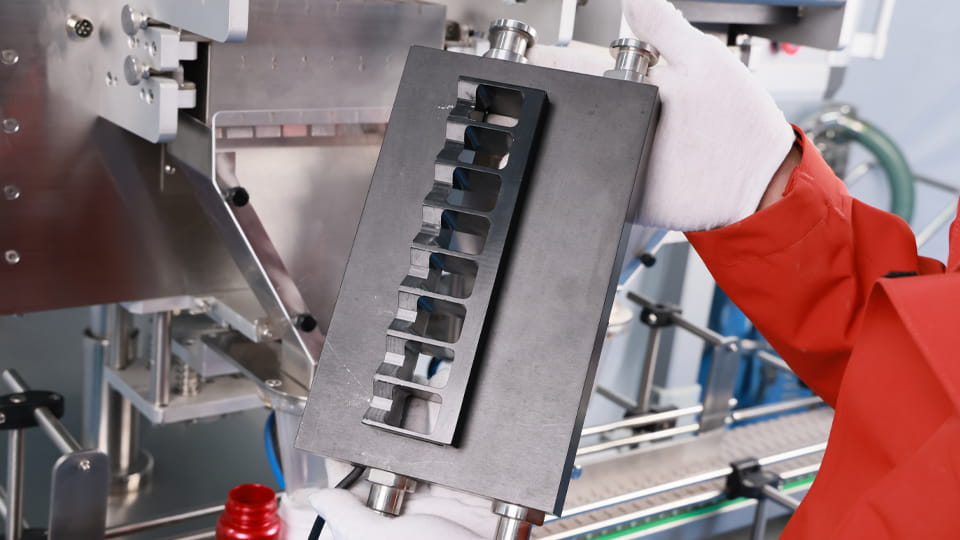
เติมความแม่นยำ (210/211): กฎระเบียบกำหนดให้มีขั้นตอนที่เป็นลายลักษณ์อักษรเพื่อให้แน่ใจว่ามีการติดฉลากและบรรจุภัณฑ์ที่ถูกต้อง. ตัวนับอัตโนมัติที่นับจำนวนได้อย่างน่าเชื่อถือสนับสนุนข้อบังคับนี้. ในฐานะที่เป็นบล็อกหนึ่งของ Jinlu บันทึก, เครื่องนับเม็ดยาอัตโนมัติ “ช่วยให้เป็นไปตามข้อกำหนดของ FDA และ cGMP เพื่อความแม่นยำในการเติม” โดยรับประกันการนับจำนวนขวดต่อขวดที่สม่ำเสมอ.การทำความสะอาดและสุขอนามัย: เคาน์เตอร์ทั้งสองประเภทใช้รางปิดและสามารถรวมเครื่องดูดฝุ่นเพื่อให้เป็นไปตามมาตรฐานสุขอนามัย GMP. (การออกแบบของ Jinlu มักมีช่องที่ปิดสนิทและโมดูลที่ทำความสะอาดอย่างรวดเร็ว)ความสมบูรณ์ถูกต้องของข้อมูล (ส่วนหนึ่ง 11 & แอลกอฮอล์+): ระบบวิชันซิสเต็มสร้างข้อมูลดิจิทัลโดยธรรมชาติ (ภาพ, บันทึก) ที่ง่ายต่อการทำให้เห็นการงัดแงะ. ตัวอย่างเช่น, ตัวนับการมองเห็นระดับสูงสามารถเก็บถาวรได้ ภาพรวมของแต่ละขวด ณ เวลาเติม . รูปภาพที่มีการประทับเวลาเหล่านี้เป็น "หลักฐานยืนยันความสมบูรณ์ของผลิตภัณฑ์ที่ไม่อาจเปลี่ยนแปลงได้" ในระหว่างการตรวจสอบ. ทุกการกระทำของซอฟต์แวร์ (การเปลี่ยนแปลงสูตร, การปรับความเร็ว) ถูกบันทึกด้วย ID ผู้ใช้, สร้างเส้นทางการตรวจสอบเต็มรูปแบบ. สิ่งนี้สนับสนุนหลักการ ALCOA+: บันทึกมีสาเหตุมาจาก, ต้นฉบับ (ภาพสินค้าจริง), ร่วมสมัย, ฯลฯ.การตรวจสอบย้อนกลับด้วยตาแมว: ตัวนับ IR สามารถบันทึกจำนวนและเหตุการณ์ข้อผิดพลาดได้, แต่พวกเขาขาดหลักฐานทางสายตา. ไม่มีวิธีดั้งเดิมในการบันทึก ยาแต่ละเม็ดมีลักษณะอย่างไร . การอัพเกรดระบบ IR สำหรับ Part 11 การปฏิบัติตามข้อกำหนดอาจต้องใช้เซ็นเซอร์หรือกล้องภายนอกสำหรับเส้นทางการตรวจสอบ. ในทางตรงกันข้าม, ตัวนับการมองเห็นถูกสร้างขึ้นด้วยการควบคุมด้วยคอมพิวเตอร์ตั้งแต่เริ่มต้น.คุณสมบัติ & การตรวจสอบ: ทั้งสองระบบจะต้องมี ไอคิว/โอคิว (คุณสมบัติการติดตั้ง/การใช้งาน) และเอกสารตามมาตรฐานเภสัชกรรม. ระบบวิชันซิสเต็มอาจต้องมีการตรวจสอบที่ซับซ้อนมากขึ้นเนื่องจากซอฟต์แวร์, แต่เครื่องจักรสมัยใหม่หลายเครื่องก็รองรับการตรวจสอบความถูกต้องด้วย.แนวโน้มด้านกฎระเบียบ: หน่วยงานกำกับดูแลทั่วโลกกำลังมุ่งสู่ความคาดหวังด้านข้อมูลที่เข้มงวดยิ่งขึ้น. ความสามารถในการสาธิต “ยาแต่ละเม็ดที่นับ” ด้วยรูปภาพและบันทึกจะกลายเป็นสิ่งที่สร้างความแตกต่าง. ในความเป็นจริง, บางส่วนเรียกระบบวิชันซิสเต็มว่า "อนาคตของการเติมที่มีข้อบกพร่องเป็นศูนย์" โดยการเปลี่ยนกระบวนการให้เป็นดิจิทัล.
ในทางปฏิบัติ, เครื่องนับใดๆ ในฟาร์มาจะต้องมีใบรับรอง cGMP (ไอเอสโอ, CE, ฯลฯ) และเอกสารประกอบที่ดี (บันทึกการบำรุงรักษา, จิบ). เลือกระบบ (ตาแมวหรือการมองเห็น) ที่รวมเข้ากับบันทึกแบทช์อิเล็กทรอนิกส์ของคุณ (เอบีอาร์) หรือระบบการดำเนินการผลิต (MES). ตัวนับวิสัยทัศน์ช่วยให้เกิดการบูรณาการทางดิจิทัลเต็มรูปแบบได้อย่างเป็นธรรมชาติมากขึ้น, ทำให้การตรวจสอบง่ายขึ้นและเกิดข้อผิดพลาดน้อยลง.
การวิเคราะห์ต้นทุน: เป็นตัวนับวิสัยทัศน์ที่คุ้มค่ากับการลงทุน? การลงทุนครั้งแรก: เคาน์เตอร์โฟโตอิเล็กทริคมีราคาถูกกว่ามากเมื่อจ่ายล่วงหน้า. ตามที่ระบุไว้ก่อนหน้านี้, ตัวนับ IR ที่ครบกำหนดใช้เลนส์และอุปกรณ์อิเล็กทรอนิกส์ที่เรียบง่าย. ในทางตรงกันข้าม, ระบบการมองเห็นอาจต้องใช้เลนส์แบบกำหนดเอง, กล้องหลายตัว, และโปรเซสเซอร์ AI (มักจะทำงานบนชิป NVIDIA หรือที่คล้ายกัน). ตัวนับ IR 8 เลนตัวเดียวอาจมีราคาอยู่ที่ตัวเลขห้าหลักจากต่ำถึงกลาง, ในขณะที่เครื่องวิชันซิสเต็ม 8 เลนระดับไฮเอนด์อาจมีราคานับหมื่นดอลลาร์หรือมากกว่านั้น.
ต้นทุนการดำเนินงาน: ระบบโฟโตอิเล็กทริคมีค่าบำรุงรักษาต่ำ (ทำความสะอาดเซ็นเซอร์เป็นครั้งคราว, เปลี่ยนไฟ LED IR). ระบบวิชันซิสเต็มมีส่วนมากขึ้น (กล้อง, คอมพิวเตอร์) แต่หลายรุ่นได้รับการออกแบบมาเพื่อการใช้งานที่ยาวนานและมีหน่วยแบบถอดเปลี่ยนได้. ทั้งสองประเภทได้รับประโยชน์จากเครื่องดักฝุ่นและต้องมีอะไหล่ (รางขวด, หลอด, ฯลฯ).
ความเสี่ยงในการเรียกคืนผลิตภัณฑ์: ในด้านเภสัชกรรม, ที่ ต้นทุนของข้อผิดพลาด สามารถลดต้นทุนอุปกรณ์ได้. ขวดที่นับผิดหนึ่งขวดในชุดสามารถกระตุ้นให้เกิดการเรียกคืน ซึ่งส่งผลให้สูญเสียยอดขายและความเสียหายต่อแบรนด์นับล้าน. วิชันซิสเต็มลดความเสี่ยงนี้ลงได้อย่างมากโดยหลีกเลี่ยงการเติมน้อยเกินไป/เติมเกินโดยไม่ตรวจไม่พบ. พวกเขายังจับยาที่ไม่ตรงตามข้อกำหนดอีกด้วย (หลีกเลี่ยงเหตุการณ์ที่มีคุณภาพ). กว่าปี, การหลีกเลี่ยงการเรียกคืนและค่าปรับตามกฎระเบียบสามารถพิสูจน์ต้นทุนด้านการมองเห็นที่สูงขึ้นได้.
การออมแรงงาน: วิชันซิสเต็มอัตโนมัติเต็มรูปแบบช่วยลดความจำเป็นในการตรวจสอบและการทำงานซ้ำด้วยตนเองหลังการบรรจุหีบห่อ. ผู้ปฏิบัติงานรายหนึ่งสามารถดูแลสายการผลิตการนับด้วยการมองเห็นขนาดใหญ่ แทนที่จะใช้พนักงานหลายคนในการตรวจสอบขวดด้วยมือ. การลดแรงงานนี้เป็น ROI ที่ซ่อนอยู่.
ROI ระยะยาว: เพื่อสายผลิตภัณฑ์ที่สอดคล้องกัน, เครื่องโฟโตอิเล็กทริกอาจจ่ายผลเร็ว (ROI ที่คาดการณ์ได้). สำหรับเส้นที่หลากหลายหรือคุณภาพสูง, ROI ของวิสัยทัศน์มาจากคุณภาพที่ดีขึ้น. ในทางสถิติ, ผลักดันความแม่นยำจาก 99.90% ถึง 99.99% (“9” อีกอันหนึ่ง) วิธี 90% ข้อผิดพลาดน้อยลง. ซึ่งอาจส่งผลให้มีการคัดแยกหรือเรียกคืนขวดได้น้อยลงมาก.
สรุปต้นทุน: โฟโตอิเล็กทริคเคาน์เตอร์มีต้นทุนเริ่มต้นที่ต่ำและความเรียบง่าย. ตัวนับการมองเห็นมีราคาสูงกว่าส่วนหน้า, แต่พวกเขาเพิ่มความสามารถ (การตรวจสอบ, การตรวจสอบย้อนกลับ) ซึ่งมักจะช่วยประหยัดค่าใช้จ่ายในภายหลัง. ดังที่ผู้เชี่ยวชาญท่านหนึ่งกล่าวไว้, ระบบโฟโตอิเล็กทริกนำเสนอ "จุดเริ่มต้นที่มีความเสี่ยงต่ำพร้อม ROI ที่คาดการณ์ได้" สำหรับการปฏิบัติงานมาตรฐาน. ในขณะเดียวกัน, ระบบวิชันซิสเต็มมอบ "ข้อมูลอัจฉริยะด้านคุณภาพ" ที่สามารถเพิ่มรายได้โดยการปกป้องแบรนด์.
บันทึก: หากงบประมาณมีจำกัด, พิจารณาเริ่มต้นด้วยเครื่องโฟโตอิเล็กทริกและวางแผนเส้นทางการอัพเกรด. ตัวอย่างเช่น, Jinlu เครื่องนับแท็บเล็ต JL-8C เครื่องนับวิชั่น CCD JL-8Pro
เครื่องนับวิชั่น CCD JL-8Pro
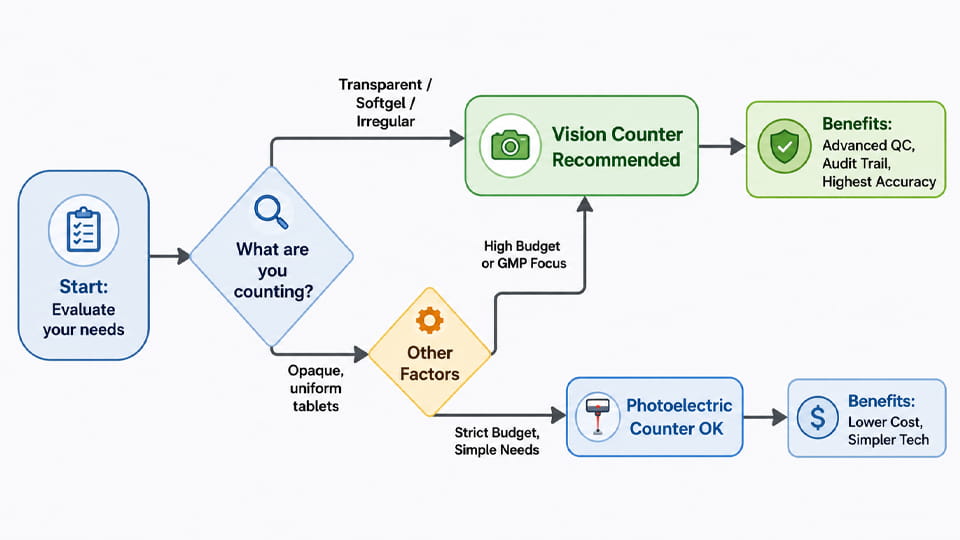
วิธีเลือกระหว่างการมองเห็นและเทคโนโลยีการนับโฟโตอิเล็กทริค การเลือกเทคโนโลยีการนับที่ถูกต้องต้องคำนึงถึงการจับคู่ของคุณ ส่วนผสมผลิตภัณฑ์, งบประมาณ, และเป้าหมายที่มีคุณภาพ . นี่เป็นแนวทางการตัดสินใจง่ายๆ:
เลือกโฟโตอิเล็กทริคหาก :
สินค้าของคุณทึบแสงทั้งหมด, เม็ด/แคปซูลสม่ำเสมอ. (เช่น. ยาชื่อสามัญที่ผลิตจำนวนมาก)ข้อจำกัดด้านงบประมาณครอบงำ. (เครื่องโฟโตอิเล็กทริคมีราคาถูกกว่ารุ่นวิชั่นที่เทียบเท่ากันถึง 30–50%)สภาพแวดล้อมของคุณสะอาดมากและสายงานของคุณได้รับการปรับแต่งอย่างประณีต (ฝุ่นน้อยที่สุด, การร้องเพลงที่ยอดเยี่ยม).คุณเพียงแค่ต้องมีอุปกรณ์พิเศษเพื่อให้ได้ปริมาณงานสูงโดยไม่ต้องมีการตรวจสอบคุณภาพเพิ่มเติม.
เลือกวิสัยทัศน์หาก :
คุณจัดการ SKU ที่หลากหลาย : แคปซูลใส, แท็บเล็ตหลายสี, รูปร่างแปลก ๆ.GMP/การตรวจสอบเป็นสิ่งสำคัญ : คุณต้องมีบันทึกดิจิทัล, 21 ซีเอฟอาร์ 11 การปฏิบัติตาม, และความสมบูรณ์ของข้อมูล ALCOA+.งบประมาณและพื้นที่ของคุณเอื้ออำนวย : วิชันแมชชีนเป็นการลงทุนแต่สร้างมูลค่าเพิ่ม.คุณต้องการการตรวจจับข้อบกพร่องในตัว : การจับเม็ดยาที่แตกหักหรือสิ่งแปลกปลอมถือเป็นเรื่องสำคัญ.คุณกำลังอัพเกรดสายความเร็วสูง : วิสัยทัศน์สามารถรองรับปริมาณงานสูงหลายช่องทางในขณะที่เพิ่มการควบคุมคุณภาพ.
ในทางปฏิบัติ, กลุ่มผลิตภัณฑ์ยาสมัยใหม่จำนวนมากกำลังมุ่งสู่เคาน์เตอร์การมองเห็น, โดยเฉพาะในตลาดที่พัฒนาแล้ว. หากเป้าหมายของคุณคือคุณภาพ "ศูนย์ข้อบกพร่อง", ต้นทุนการมองเห็นล่วงหน้านั้นคุ้มค่ามากขึ้นเรื่อยๆ. อย่างไรก็ตาม, เครื่องนับโฟโตอิเล็กทริคยังคงเป็นตัวเลือกที่เหมาะสมสำหรับการใช้งานมาตรฐานซึ่งความคุ้มค่าเป็นสิ่งสำคัญ.
บทสรุป บรรทัดล่าง: แบบดั้งเดิม เคาน์เตอร์ตาแมว ยังคงความคุ้มค่า, ทางเลือกที่เชื่อถือได้เพื่อความเรียบง่าย, สายการผลิตที่มีปริมาณงานสูงพร้อมเม็ดยาที่สม่ำเสมอในสภาพที่สะอาด. เครื่องนับการมองเห็น , อย่างไรก็ตาม, กำลังกลายเป็น ทันสมัย โซลูชั่นสำหรับบรรจุภัณฑ์ยา. มีค่าใช้จ่ายล่วงหน้าสูงกว่าแต่ให้ความแม่นยำที่ไม่มีใครเทียบได้, การตรวจสอบ, และคุณสมบัติการปฏิบัติตามข้อกำหนด - กุญแจสำคัญสำหรับผลิตภัณฑ์ที่ซับซ้อนหรือมีมูลค่าสูง. เมื่อกฎระเบียบเข้มงวดขึ้นและคุณภาพที่ "ไม่มีข้อบกพร่อง" ก็กลายเป็นบรรทัดฐาน, โรงงานยาหลายแห่งกำลังอัปเกรดเป็นระบบการนับและการตรวจสอบด้วยการมองเห็น.
ไม่ว่าคุณจะเลือกเทคโนโลยีใดก็ตาม, Jinlu Packing เสนอทั้งสองอย่าง: ตั้งแต่ตัวนับ IR 8 เลนที่ทนทานไปจนถึงตัวนับการมองเห็น AI ขั้นสูง. ผู้เชี่ยวชาญของเราสามารถช่วยคุณเลือกอุปกรณ์ที่เหมาะสมสำหรับแท็บเล็ตของคุณได้, แคปซูลหรือเส้นเหนียว. ติดต่อเรา มาตรฐานยา .
คำถามที่พบบ่อยเกี่ยวกับเครื่องวัดการมองเห็นและเครื่องวัดโฟโตอิเล็กทริค
1. อะไรคือความแตกต่างระหว่างตัวนับการมองเห็นและตัวนับโฟโตอิเล็กทริค?
เครื่องนับด้วยตาแมวนับเม็ดยาหรือแคปซูลโดยการตรวจจับการหยุดชะงักของลำแสงขณะที่ผลิตภัณฑ์เคลื่อนผ่านช่องนับ. เครื่องนับการมองเห็นใช้กล้องอุตสาหกรรมและซอฟต์แวร์ประมวลผลภาพเพื่อระบุและนับผลิตภัณฑ์แต่ละรายการตามรูปร่าง, ขนาด, และลักษณะการมองเห็น.
ข้อแตกต่างที่สำคัญคือวิชันซิสเต็มสามารถดำเนินการทั้งการนับและการตรวจสอบไปพร้อมๆ กัน, ในขณะที่ระบบตาแมวมุ่งเน้นไปที่การนับเป็นหลัก.
เทคโนโลยีการนับใดที่แม่นยำกว่าสำหรับบรรจุภัณฑ์ยา?
ในการใช้งานด้านเภสัชกรรมส่วนใหญ่, เทคโนโลยีการนับการมองเห็นให้ความแม่นยำสูงกว่า, โดยเฉพาะอย่างยิ่งเมื่อใช้แคปซูลใส, ซอฟเจล, แท็บเล็ตที่ผิดปกติ, หรือสินค้าที่อาจทับซ้อนกันระหว่างการนับ.
เนื่องจากระบบการมองเห็นจะวิเคราะห์ภาพแทนที่จะอาศัยการรบกวนของลำแสงเพียงอย่างเดียว, พวกเขาสามารถแยกแยะผลิตภัณฑ์แต่ละรายการได้ดีขึ้นและลดข้อผิดพลาดในการนับ.
โฟโตอิเล็กทริคสามารถนับแคปซูลซอฟเจลได้อย่างแม่นยำ?
เครื่องนับโฟโตอิเล็กทริกอาจเผชิญกับความท้าทายเมื่อนับแคปซูลซอฟเจลแบบโปร่งใสหรือกึ่งโปร่งใส เนื่องจากแสงสามารถผ่านหรือหักเหรอบๆ ผลิตภัณฑ์ได้.
โดยทั่วไประบบการนับการมองเห็นจะเหมาะสมกับการใช้งานซอฟเจลมากกว่า เนื่องจากระบบจดจำโปรไฟล์การมองเห็นของผลิตภัณฑ์ แทนที่จะขึ้นอยู่กับการอุดตันของแสง.
เครื่องนับการมองเห็นเป็นไปตามมาตรฐาน GMP หรือไม่?
ใช่. เครื่องนับด้วยภาพสมัยใหม่สามารถออกแบบให้รองรับข้อกำหนด GMP ได้โดยจัดทำบันทึกทางอิเล็กทรอนิกส์, การตรวจสอบย้อนกลับเป็นชุด, เส้นทางการตรวจสอบ, และฟังก์ชั่นการตรวจสอบคุณภาพ.
ผู้ผลิตยาหลายรายเลือกระบบการมองเห็นเนื่องจากช่วยสนับสนุนความสมบูรณ์ของข้อมูลและการริเริ่มการปฏิบัติตามกฎระเบียบ.
เครื่องนับการมองเห็นสามารถตรวจจับเม็ดยาที่แตกหักหรือสิ่งแปลกปลอมได้?
ใช่. ข้อดีที่ใหญ่ที่สุดประการหนึ่งของเทคโนโลยีการนับด้วยการมองเห็นคือความสามารถในการตรวจสอบผลิตภัณฑ์ในขณะนับจำนวน.
ระบบขั้นสูงสามารถระบุแท็บเล็ตที่บิ่นได้, แคปซูลแตก, รูปแบบสี, และวัสดุแปลกปลอมบางชนิด, ช่วยปรับปรุงคุณภาพผลิตภัณฑ์และลดความเสี่ยงที่สินค้ามีตำหนิจะออกสู่ตลาด.
เป็นเครื่องนับการมองเห็นที่คุ้มค่ากับการลงทุนที่สูงกว่า?
แม้ว่าโดยทั่วไปต้นทุนการซื้อเริ่มแรกจะสูงกว่าก็ตาม, ผู้ผลิตยาหลายรายพบว่าระบบวิชันซิสเต็มให้ผลตอบแทนจากการลงทุนที่แข็งแกร่งในระยะยาว.
ประโยชน์อาจรวมถึงความแม่นยำในการนับที่ดีขึ้น, การเรียกคืนผลิตภัณฑ์น้อยลง, ลดการตรวจสอบด้วยตนเอง, อัตราการปฏิเสธที่ต่ำกว่า, และความสามารถในการปฏิบัติตามข้อกำหนดที่ได้รับการปรับปรุง.
เมื่อใดที่ฉันควรเลือกเครื่องนับโฟโตอิเล็กทริค?
เครื่องนับโฟโตอิเล็กทริคมักเป็นตัวเลือกที่ดีเมื่อใด:
เครื่องนับด้วยภาพสามารถทำงานบนสายการบรรจุยาความเร็วสูงได้หรือไม่?
ใช่. ระบบการนับด้วยภาพสมัยใหม่ได้รับการออกแบบสำหรับสภาพแวดล้อมการผลิตยาด้วยความเร็วสูง และสามารถประมวลผลยาเม็ดและแคปซูลในปริมาณมาก ในขณะที่ยังคงความแม่นยำในการนับ.
หลายระบบรวมกล้องความเร็วสูงเข้าด้วยกัน, การประมวลผลภาพแบบเรียลไทม์, และกลไกการปฏิเสธอัตโนมัติเพื่อรองรับการทำงานอย่างต่อเนื่อง.
ผลิตภัณฑ์ใดเหมาะที่สุดสำหรับเทคโนโลยีการนับการมองเห็น?
ระบบการนับการมองเห็นมีประโยชน์อย่างยิ่งสำหรับ:
ฉันจะเลือกระหว่างตัวนับการมองเห็นและตัวนับโฟโตอิเล็กทริคได้อย่างไร?
ทางเลือกที่ดีที่สุดขึ้นอยู่กับลักษณะผลิตภัณฑ์ของคุณ, เป้าหมายการผลิต, ข้อกำหนดการปฏิบัติตาม, และงบประมาณ.
เลือกเครื่องนับโฟโตอิเล็กทริกหากคุณต้องการโซลูชันที่คุ้มค่าสำหรับยาเม็ดและแคปซูลมาตรฐาน. เลือกเครื่องนับการมองเห็นหากคุณต้องการความแม่นยำที่สูงกว่า, ความสามารถในการตรวจสอบผลิตภัณฑ์, รองรับรูปแบบยาที่ซับซ้อน, และการติดตามข้อมูลที่แข็งแกร่งยิ่งขึ้น.
สำหรับบริษัทยาที่วางแผนอัปเกรดระบบอัตโนมัติในระยะยาว, เทคโนโลยีการนับการมองเห็นกำลังกลายเป็นโซลูชันที่ต้องการมากขึ้นเรื่อยๆ.
อ้างอิง: ทรัพยากรความสมบูรณ์ถูกต้องของข้อมูลสำหรับการผลิตยา — สมาคมยาทางหลอดเลือดดำ ตส 986 – ภาคผนวก 2: แนวปฏิบัติที่ดีในการผลิตผลิตภัณฑ์ยาของ WHO: หลักการสำคัญ — WHO รับรองการนับแท็บเล็ตที่ถูกต้อง — ฟาร์มเทค.คอม วิธีการนับวัตถุตามการประมวลผลภาพสำหรับแอปพลิเคชันแมชชีนวิชัน - arxiv.org