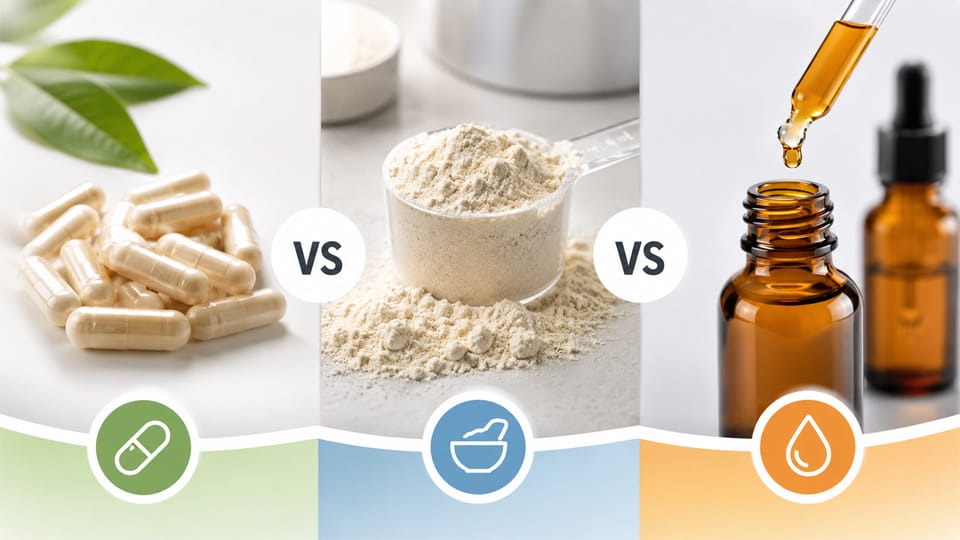

เมื่อมองแวบแรก, ผลิตภัณฑ์เสริมอาหารและยาอาจมีลักษณะคล้ายกันมาก. ทั้งสองอย่างอาจจะขายเป็น แท็บเล็ต, แคปซูล, ผง, กัมมี่, หรือของเหลว, และทั้งสองมักใช้กระบวนการผลิตและบรรจุภัณฑ์ที่เทียบเคียงได้. อย่างไรก็ตาม, ความคล้ายคลึงกันส่วนใหญ่สิ้นสุดเพียงแค่นั้น.
เมื่อเปรียบเทียบอาหารเสริมกับยา, ความแตกต่างที่ใหญ่ที่สุดอยู่ที่การใช้งานตามวัตถุประสงค์, ข้อกำหนดด้านกฎระเบียบ, มาตรฐานคุณภาพ, และภาระผูกพันในการปฏิบัติตาม. ผลิตภัณฑ์เสริมอาหาร ได้รับการออกแบบมาเพื่อเสริมอาหารและสนับสนุนสุขภาพโดยรวม, ในขณะที่ ยา มีวัตถุประสงค์เพื่อวินิจฉัย, รักษา, ป้องกัน, หรือจัดการโรคต่างๆ. เพราะจุดประสงค์ที่แตกต่างกันเหล่านี้, ผู้ผลิตจะต้องปฏิบัติตามกฎเกณฑ์ที่แตกต่างกันในการกำหนด, การผลิต, การตรวจสอบ, การติดฉลาก, และบรรจุภัณฑ์.
สำหรับผู้ผลิตอาหารเสริมและยา, การทำความเข้าใจความแตกต่างเหล่านี้ถือเป็นสิ่งสำคัญในการเลือกอุปกรณ์การผลิต, การออกแบบสายการบรรจุ, และรับรองการปฏิบัติตามกฎระเบียบ. ในคู่มือนี้, เราจะสำรวจความแตกต่างที่สำคัญระหว่างผลิตภัณฑ์เสริมอาหารและยา และความหมายสำหรับการดำเนินการด้านการผลิตและบรรจุภัณฑ์สมัยใหม่.
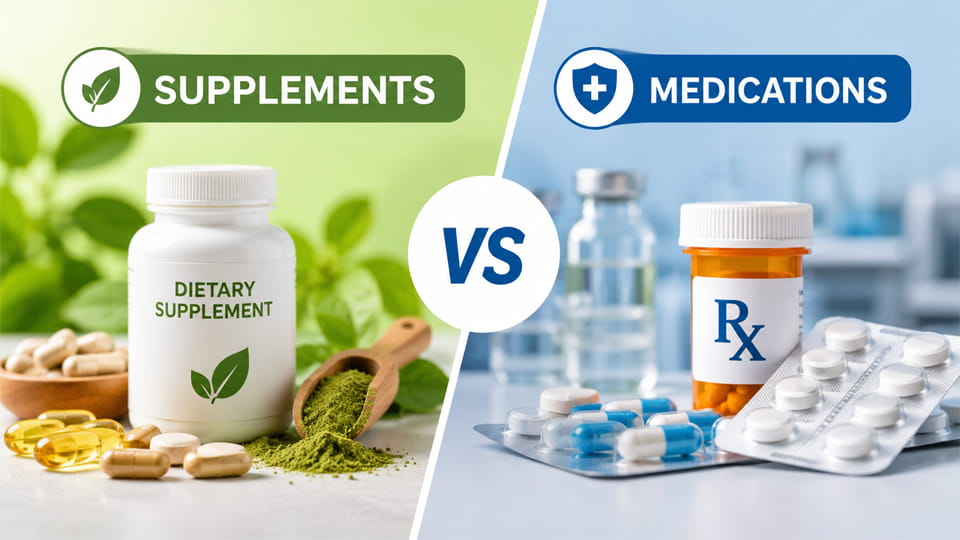
ผลิตภัณฑ์เสริมอาหาร (เรียกอีกอย่างว่า โภชนเภสัช หรือ ผลิตภัณฑ์เสริมอาหาร) เป็นผลิตภัณฑ์ที่รับประทานเพื่อเพิ่มคุณค่าทางโภชนาการ. ตามกฎหมายของสหรัฐอเมริกา (ดีเชีย 1994), อาหารเสริมจะต้องมี "ส่วนผสมอาหาร" อย่างน้อยหนึ่งอย่างเช่นวิตามิน, แร่ธาตุ, สมุนไพร, กรดอะมิโนหรือพฤกษศาสตร์อื่นๆ, ตั้งใจที่จะ เสริม อาหาร. ตัวอย่าง ได้แก่ แท็บเล็ตวิตามินรวม, แคปซูลน้ำมันปลา, สารสกัดสมุนไพร, หรือผงโปรตีน. ในสหภาพยุโรป, ระยะ ผลิตภัณฑ์เสริมอาหาร ถูกนำมาใช้: เป็น “แหล่งรวมสารอาหารหรือสารอื่นๆ ที่เข้มข้น” ในรูปแบบยา (แคปซูล, ผง, ของเหลว, ฯลฯ). อาหารเสริมสามารถให้สารอาหารที่ขาดหายไปจากอาหารหรือส่งเสริมสุขภาพโดยทั่วไป, แต่พวกเขาเป็น ไม่ มีอำนาจเรียกร้องการรักษาหรือป้องกันโรคได้. ป้ายกำกับโดยทั่วไปจะมี ข้อมูลเสริม แผงและข้อจำกัดความรับผิดชอบ (E.G. “ไม่ได้ตั้งใจจะวินิจฉัย, รักษา, รักษา, หรือป้องกันโรคใดๆ”). กฎหมายของสหภาพยุโรปประสานวิตามิน/แร่ธาตุที่อนุญาตในอาหารเสริมเข้าด้วยกัน (คำสั่ง 2002/46/EC) และต้องมีการประเมินความเสี่ยงของส่วนผสมใหม่โดย EFSA.
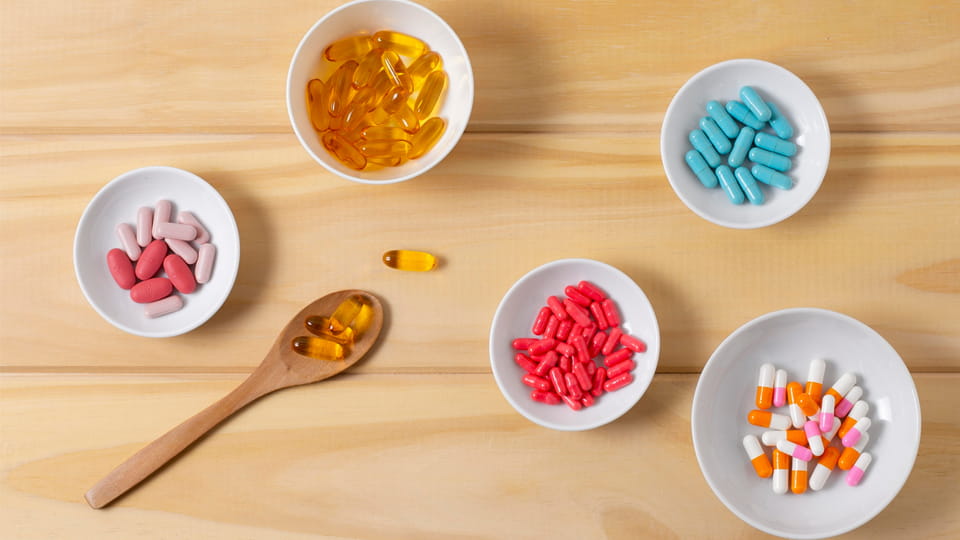
ประเด็นสำคัญสำหรับอาหารเสริม: ไม่จำเป็นต้องมีใบสั่งยา; ควบคุมให้เป็นอาหาร; การติดฉลากต้องระบุส่วนผสมและการใช้ที่แนะนำ; ผู้ผลิตจะต้องปฏิบัติตาม กฎ cGMP อาหารของ FDA (21 CFR111) เพื่อให้แน่ใจว่ามีตัวตน, ความบริสุทธิ์, และความแข็งแกร่งของผลิตภัณฑ์. อย.ทำ ไม่ ทบทวนอาหารเสริมเพื่อความปลอดภัยหรือประสิทธิภาพก่อนจำหน่าย, ดังนั้นความรับผิดชอบจึงตกอยู่กับผู้สร้าง (ที่ต้องแจ้งให้อย.ทราบถึงเหตุการณ์ไม่พึงประสงค์ร้ายแรงใดๆ, ดูด้านล่าง).
ยา (ยาเสพติด) รวมถึงยาที่ต้องสั่งโดยแพทย์และที่จำหน่ายหน้าเคาน์เตอร์ (โอทีซี) ยาที่ใช้รักษา, รักษา, บรรเทาหรือป้องกันโรคของมนุษย์. อย. กำหนด ยา เช่นเดียวกับสารใดๆ ที่มุ่งหมายเพื่อใช้ในการวินิจฉัยโรค, รักษา, การบรรเทาผลกระทบ, การรักษา, หรือการป้องกันโรค, หรือส่งผลต่อโครงสร้าง/หน้าที่ของร่างกาย. ซึ่งรวมถึงทั้งยาแบรนด์เนมและยาสามัญ, ชีววิทยา, และการเยียวยา OTC บางอย่าง (ยาบรรเทาอาการปวด, ยาลดกรด, ยาแก้ไอ, ฯลฯ). ในทางตรงกันข้าม, ผลิตภัณฑ์เสริมอาหารไม่รวมสารที่วางตลาดเพื่อการรักษาโรคโดยเฉพาะ.
ยาต้องเป็นไปตามมาตรฐานการควบคุมที่เข้มงวด. ในสหรัฐอเมริกา, ยาใหม่ต้องมีการสมัครยาใหม่ (สนญ) หรือตัวย่อ NDA (สำหรับยาชื่อสามัญ), ได้รับการสนับสนุนจากข้อมูลการทดลองทางคลินิกที่แสดงให้เห็นถึงความปลอดภัยและประสิทธิภาพ. ศูนย์ประเมินและวิจัยยาของอย (คปภ) ติดตามยาที่วางตลาดประมาณ 11,000 รายการ, การบังคับใช้ แนวทางปฏิบัติที่ดีในการผลิตในปัจจุบัน (CGMP) สำหรับเภสัชกรรม (21 CFR210–211) เพื่อให้มั่นใจในคุณภาพที่สม่ำเสมอ. ในสหภาพยุโรป, ยาจะต้องได้รับอนุญาตจาก EMA หรือหน่วยงานระดับชาติ, และผู้ผลิตต้องปฏิบัติตาม EU GMP (ตามที่ประสานงานโดย EMA) เพื่อให้มั่นใจในคุณภาพและการปฏิบัติตามเอกสารที่ได้รับอนุมัติ. โดยทั่วไปบรรจุภัณฑ์ยาจะต้องมีคุณสมบัติ เช่น ซีลที่ป้องกันการแกะ, ภาชนะที่ทนต่อเด็ก (พ.ร.บ.ป้องกันพิษ), การติดตามแบบอนุกรม (ดีเอสซีเอสเอ, สหภาพยุโรป เอฟเอ็มดี), และการติดฉลากที่กว้างขวาง (รหัส กสทช, คำแนะนำ, หมดอายุ) ที่เข้มงวดกว่าอาหารเสริม.
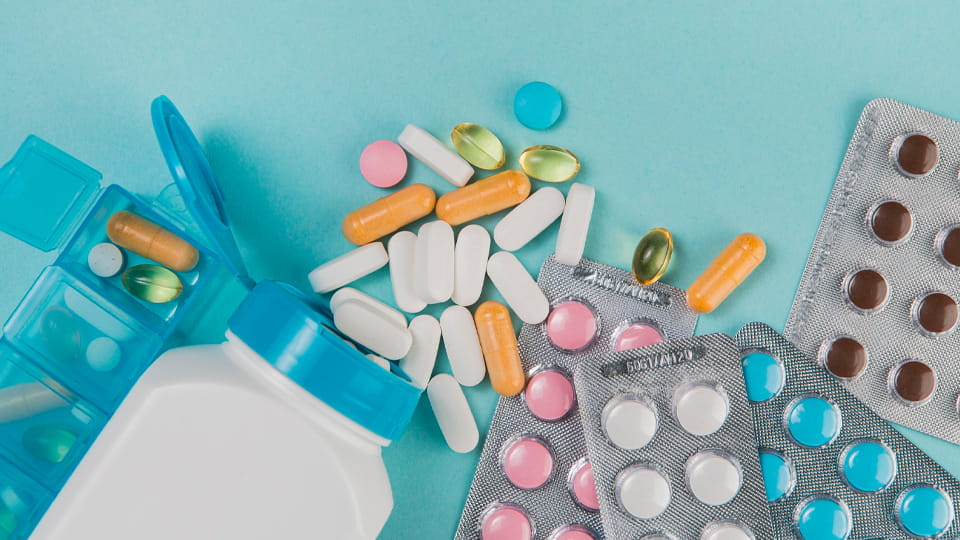
ประเด็นสำคัญสำหรับยา: ต้องได้รับการอนุมัติจาก FDA/EMA ก่อนทำการตลาด; การทดลองทางคลินิกและเอกสารทางเทคนิค; การปฏิบัติตาม cGMP ที่เข้มงวด; การติดฉลากควบคุม (ข้อเท็จจริงเกี่ยวกับยา); และทั้งยา Rx และยา OTC จำนวนมากจำเป็นต้องมีการควบคุมความปลอดภัย/คุณภาพที่เข้มงวด.
ความแตกต่างหลักคือ เจตนา. ยามีจุดประสงค์เพื่อการวินิจฉัยโดยเฉพาะ, รักษา, หรือรักษาโรคต่างๆ. อาหารเสริมมีจุดมุ่งหมายเพื่อ เสริมอาหาร. ดังนั้น:
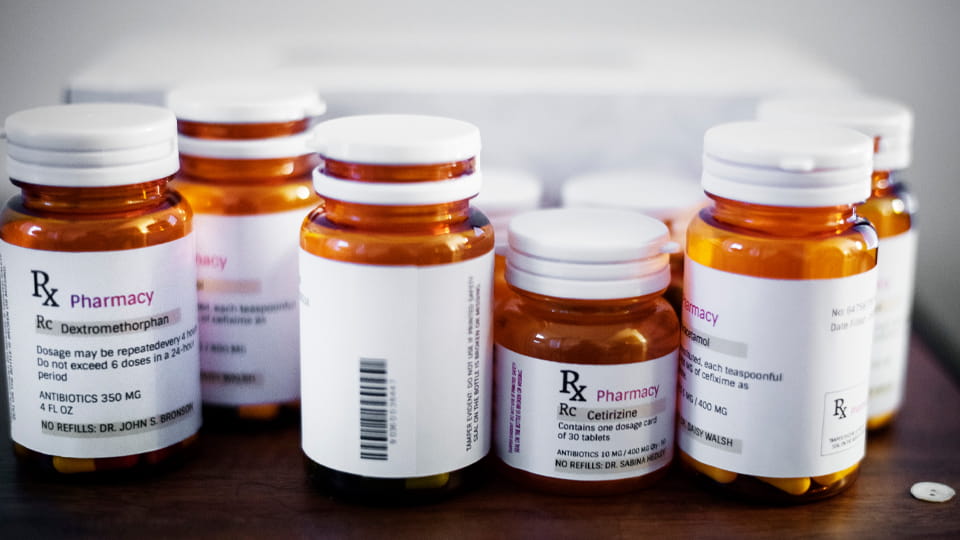
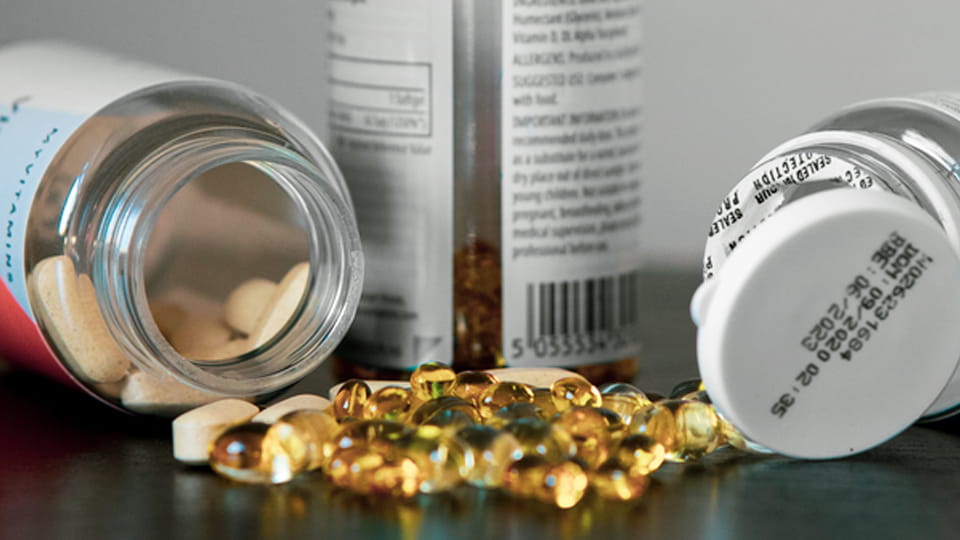
แบบฟอร์มยาหลายรูปแบบทับซ้อนกันระหว่างอาหารเสริมและยา. ทั้งสองสามารถเป็นได้:
จากมุมมองของอุปกรณ์, เครื่องก็คล้ายกันมาก. เป็นไปตามมาตรฐาน GMP เส้นการนับ/การเติม ที่รองรับขวดวิตามินขนาด 50 มล. มักจะสามารถเติมขวดยาที่มีขนาดใกล้เคียงกันได้เช่นกัน (อาจมีการปรับเปลี่ยนเล็กน้อย). เส้นตุ่มสำหรับปริมาณที่เป็นของแข็งสามารถจัดการกับยาเม็ดใดก็ได้. การกดแท็บเล็ตแบบหมุน หรือ ฟิลเลอร์แคปซูล ทางต้นน้ำผลิต แบบฟอร์มการให้ยา; ปลายน้ำ, เส้นจะแตกต่างกันเล็กน้อยจนกระทั่งถึงการติดฉลาก/การตรวจสอบ. ความแตกต่างที่สำคัญของเครื่องจักรมาจากขนาดการผลิตและคุณลักษณะด้านกฎระเบียบ (E.G. กล้องตรวจสอบที่ซับซ้อนยิ่งขึ้นในสายการผลิตยา).
เมื่อเลือกอุปกรณ์, มุ่งเน้นไปที่ผลิตภัณฑ์ รูปแบบ, ปริมาณ, และความต้องการการปฏิบัติตาม:
ตาราง ด้านล่างสรุปความแตกต่างที่สำคัญและแนะนำอุปกรณ์ตามประเภทผลิตภัณฑ์.
| คุณลักษณะ | ผลิตภัณฑ์เสริมอาหาร | ยา (ยาเสพติด) |
| คำจำกัดความ/การใช้งาน | สารอาหาร/สมุนไพรเพื่อเสริมอาหาร | รักษา/วินิจฉัย/ป้องกันโรค |
| ต้องได้รับการอนุมัติ | ไม่มีการอนุมัติล่วงหน้าจาก FDA (ดีเชีย) | การอนุมัติจาก FDA/EMA (NDA/คุณ/บลา) |
| การทดสอบทางคลินิก | ไม่มีการทดลองทางคลินิกที่บังคับ | การทดลองที่เข้มงวดเพื่อความปลอดภัย/ประสิทธิภาพ |
| ระบบ GMP | GMP อาหาร (21 CFR111) | ยา GMP (21 CFR210–211, GMP ของสหภาพยุโรป) |
| การติดฉลาก | ข้อมูลเสริม; ข้อจำกัดความรับผิดชอบ "ไม่ใช่เพื่อการรักษา" | ข้อเท็จจริงเกี่ยวกับยา; รวมถึงข้อบ่งชี้, ปริมาณ, ผลข้างเคียง |
| การเรียกร้อง | การอ้างสิทธิ์โครงสร้าง/ฟังก์ชันเท่านั้น | อนุญาตให้ใช้คำกล่าวอ้างการรักษาที่เฉพาะเจาะจงได้ |
| การควบคุมบรรจุภัณฑ์ | เกรดอาหารมาตรฐาน; หมวกเด็กหากจำเป็น | การปิดบังคับที่เห็นได้ชัดเจน/ป้องกันเด็ก; การทำให้เป็นอนุกรม |
| การทดสอบคุณภาพ | การทดสอบเป็นกลุ่มโดยผู้ผลิต (ตัวตน, ความบริสุทธิ์) | การควบคุมคุณภาพที่ครอบคลุม (ความแรง, การละลาย, ความมั่นคง) |
| ตัวอย่างสินค้า | วิตามิน, แร่ธาตุ, สมุนไพร, กรดอะมิโน | แอสไพริน, ยาปฏิชีวนะ, ฮอร์โมน, ยาแก้ปวด OTC |
| แบบฟอร์มสินค้า | รูปแบบบรรจุภัณฑ์ทั่วไป | เครื่องจักรที่แนะนำ |
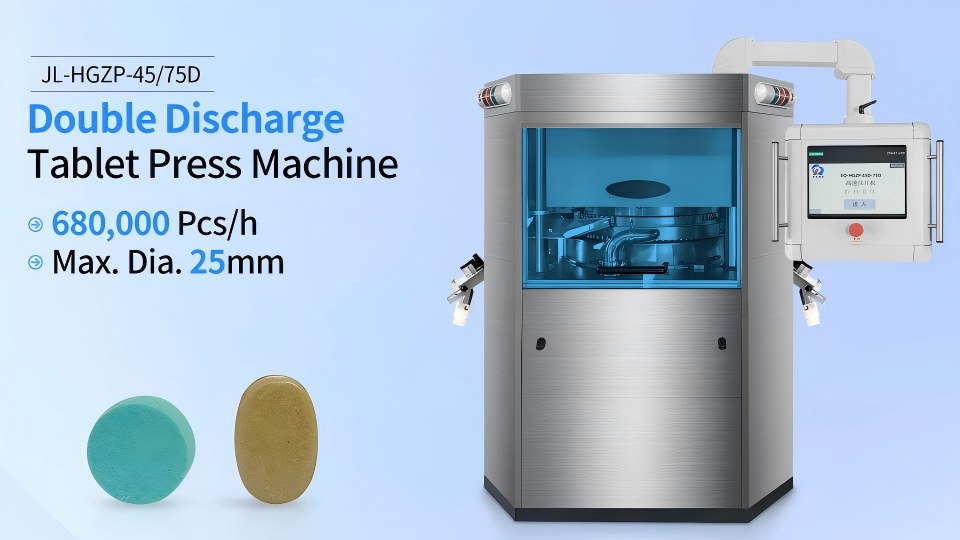
| แท็บเล็ต | ขวด (นับ & หมวก); บัตรตุ่ม | กดแท็บเล็ต; เครื่องเคลือบ; เครื่องนับ; ฟิลเลอร์ขวด & แคปเปอร์; เครื่องตุ่ม; คาร์โตเนอร์ |
| แคปซูล | ขวด (ด้วยสารดูดความชื้น); บัตรตุ่ม | เครื่องบรรจุแคปซูล; เครื่องนับ; ฟิลเลอร์ขวด & แคปเปอร์; เครื่องตุ่ม; คาร์โตเนอร์ |
| ผง/เม็ด | ซอง/แพ็คสติ๊ก; กระเป๋ายืนขึ้น; ไห (อ่าง) | เครื่องผสม/เครื่องบดย่อย; ซอง/สติ๊กแพ็คเกอร์; ฟิลเลอร์กระเป๋าสำเร็จรูป; ฟิลเลอร์ขวดผง; เครื่องซีล; คาร์โตเนอร์ |
| ของเหลว | ขวด (หยดหรือหมวก); หลอดบรรจุ | สายการบรรจุของเหลว; เครื่องตัดแต่ง (ทนต่อเด็กได้หากจำเป็น); ผู้ติดฉลาก; คาร์โตเนอร์ |
| กัมมี่/เคี้ยว | แพ็คแผลพุพอง; ขวด | ผู้ฝากเหนียว; เครื่องบรรจุตุ่ม; เครื่องนับ; ฟิลเลอร์ขวด; คาร์โตเนอร์ |
แต่ละเซลล์จะแสดงทั้งรายการอาหารเสริมและรายการยา: เครื่องเดียวกันมักจะสามารถรองรับทั้งสองอย่างได้ด้วยการปรับเปลี่ยนเล็กน้อย. เช่น, Jinlu เครื่องบรรจุพุพอง สามารถบรรจุวิตามินได้, ยาเม็ดหรืออาหารเสริมแบบเหนียวๆ เช่นเดียวกับที่ทำยาเม็ด.
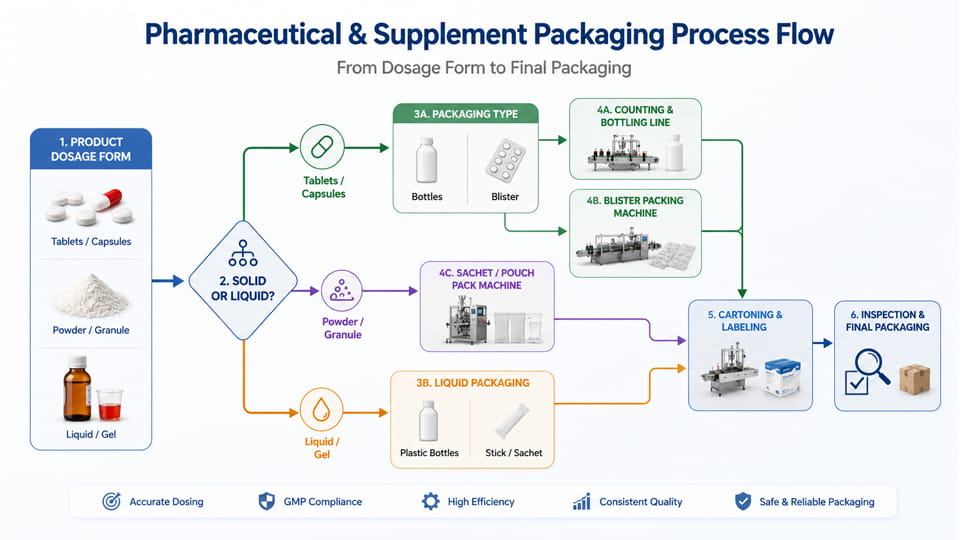
แผนภาพนางเงือก: ผังงานด้านบนแสดงกระบวนการตัดสินใจที่เรียบง่าย. เริ่มต้นด้วยรูปแบบผลิตภัณฑ์ (แท็บเล็ตที่เป็นของแข็ง, แคปซูล, ผง, ฯลฯ), ใช้อุปกรณ์การผลิตที่เหมาะสม (กด, ฟิลเลอร์, มิกเซอร์), จากนั้นเลือกสายการบรรจุ. ขวด, แผลพุพอง, ซอง, และกล่องเป็นจุดสิ้นสุดทั่วไป.
ทั้งสองอุตสาหกรรมอาจใช้หน่วยปฏิบัติการที่คล้ายคลึงกัน (ผงผสม, การทำเม็ดเล็ก, การบีบอัดแท็บเล็ต, ไส้แคปซูล). อย่างไรก็ตาม, ขั้นตอนบางอย่างแตกต่างออกไป:
แม้จะมีความแตกต่างเหล่านี้, ความเชี่ยวชาญด้านบรรจุภัณฑ์ยาของ Jinlu ทำให้อุปกรณ์ของบริษัทเหมาะสำหรับอาหารเสริมโดยมีการเปลี่ยนแปลงน้อยที่สุด. ตัวอย่างเช่น, เครื่องนับแคปซูลของเราแสดงรายการ “การใช้งานทางเภสัชกรรมและการแพทย์”, นับเม็ด, แคปซูล, ยาเม็ด, ฯลฯ, 2-40มม, เอาท์พุท 100 ขวด/ชั่วโมง, ความแม่นยำ >99.98%-. เครื่องเดียวกันนั้นก็นับได้ วิตามินเหนียว หรืออาหารเสริมสัตว์เลี้ยงได้ง่ายๆเหมือนยาเม็ด.
กลุ่มผลิตภัณฑ์เสริมอาหารขวดแท็บเล็ต/แคปซูลทั่วไปอาจรวมถึง: เครื่องถอดขวด → เครื่องนับแท็บเล็ต/แคปซูล → เครื่องวางฝา/ทอร์เกอร์ → เครื่องซีลฟอยล์แบบเหนี่ยวนำ → เครื่องติดฉลาก → เครื่องเข้ารหัสอิงค์เจ็ท → สายพานลำเลียง. สำหรับการใช้ยา, เส้นอาจจะคล้ายกันมากแต่ถูกปิดล้อมด้วยเครื่องดูดควันแบบลามินาร์ (สำหรับสภาพแวดล้อมที่ปลอดเชื้อ/ไม่ปนเปื้อน) และจะรวมระบบการมองเห็นเพื่อตรวจสอบฉลากและหลักฐานการงัดแงะ. สายการนับของ Jinlu สามารถรวมเข้ากับอุปกรณ์ปิดฝาและการติดฉลากได้อย่างสมบูรณ์ โซลูชั่นเทิร์นคีย์.

สำหรับการผลิตยาด้วยความเร็วสูง, เครื่องตุ่ม (E.G. เจแอล ดีพีพี-270แม็กซ์) แบบฟอร์มและซีลแผ่นตุ่ม, ซึ่งป้อนเข้ากล่องบรรจุโดยตรง. ผู้บรรจุกล่องจะนำบัตรตุ่มแต่ละใบไปใส่ลงในกล่องกระดาษที่พิมพ์ออกมา, จากนั้นปิดและบางครั้งก็ปิดผนึกกล่อง. การไหลทั้งหมดนี้สามารถทำงานได้หลายพันหน่วยต่อชั่วโมง. ผู้ผลิตอาหารเสริมมักใช้ผลิตภัณฑ์ที่คล้ายกันสำหรับผลิตภัณฑ์ต่างๆ เช่น ยาเม็ดฟู่หรือวิตามินที่บรรจุในตุ่ม. เครื่องจักรส่วนใหญ่จะเหมือนกัน (เครื่องบรรจุตุ่มของเราสามารถปรับปรุงประสิทธิภาพการผลิตในเม็ดบรรจุภัณฑ์ได้, แคปซูล…), แต่คุณสมบัติห้องคลีนรูมและการตรวจสอบอาจมีการปรับขนาดให้เป็นไปตาม GMP.
[jl_youtube src=”https://www.youtube.com/embed/1Bb_J6rluac”]
การทำความเข้าใจความแตกต่างระหว่างผลิตภัณฑ์เสริมอาหารและยาเป็นสิ่งสำคัญสำหรับนักวางแผนอุปกรณ์และผู้จัดการฝ่ายผลิตในอุตสาหกรรมผลิตภัณฑ์เพื่อสุขภาพ. ในขณะที่เครื่องจักรแปรรูปที่ใช้งานอยู่ (แท็บเล็ตกด, ฟิลเลอร์แคปซูล, แผลพุพอง, นับเส้น, ฯลฯ) มีการแบ่งปันกันมาก, ความต้องการด้านกฎระเบียบแตกต่างกัน: ผลิตภัณฑ์เสริมอาหารอยู่ภายใต้กฎเกณฑ์ด้านอาหาร/โภชนาการ และขึ้นอยู่กับความปลอดภัยที่ผู้ผลิตจัดการ, ในขณะที่ยาต้องการกระบวนการที่ผ่านการตรวจสอบและการอนุมัติตามกฎระเบียบ. เมื่อเลือกอุปกรณ์บรรจุภัณฑ์, ผู้ซื้อควรจัดวางเครื่องจักรให้ตรงกับรูปแบบผลิตภัณฑ์และความต้องการด้านกฎระเบียบ: ทำให้มั่นใจ การปฏิบัติตามมาตรฐาน GMP, การจัดการวัสดุที่เหมาะสม, และคุณสมบัติพิเศษใดๆ (ทนต่อเด็ก, หลักฐานการงัดแงะ, การทำให้เป็นอนุกรม) ที่จำเป็นสำหรับยาเสพติด. พันธมิตรด้านอุปกรณ์ที่มีความรู้สามารถปรับโซลูชันให้เหมาะกับแต่ละกรณีได้.
โดยการจับคู่ประเภทผลิตภัณฑ์กับอุปกรณ์อย่างระมัดระวัง โดยใช้ทรัพยากรเช่น จินลู่บรรจุเครื่องบรรจุแคปซูลของ, เครื่องอัดแท็บเล็ต, เครื่องบรรจุภัณฑ์พลาสติก, การนับเส้น, ซอง/ซองบรรจุ, และ Cartoners—ผู้ผลิตสามารถสร้างสายการผลิตที่มีประสิทธิภาพซึ่งตอบสนองทั้งความต้องการของตลาดและมาตรฐานด้านกฎระเบียบ. การทำงานร่วมกันขององค์ความรู้ด้านกระบวนการและเครื่องจักรที่เหมาะสมทำให้มั่นใจได้ถึงความปลอดภัย, การผลิตที่เป็นไปตามข้อกำหนดไม่ว่าคุณจะทำผลิตภัณฑ์เสริมอาหารหรือยาก็ตาม.
ผลิตภัณฑ์เสริมอาหารมีวัตถุประสงค์เพื่อเสริมอาหารและส่งเสริมสุขภาพโดยรวม, ในขณะที่ยาถูกออกแบบมาเพื่อวินิจฉัย, รักษา, ป้องกัน, หรือจัดการโรคต่างๆ. เพราะจุดประสงค์ที่แตกต่างกันเหล่านี้, ยาจะต้องได้รับการอนุมัติตามกฎระเบียบที่เข้มงวดยิ่งขึ้น, การทดสอบ, และข้อกำหนดการปฏิบัติตามมากกว่าอาหารเสริม.
เลขที่. ในเขตอำนาจศาลส่วนใหญ่, รวมทั้งสหรัฐอเมริกาด้วย, ผลิตภัณฑ์เสริมอาหารมีการควบคุมแตกต่างจากยา. โดยทั่วไปอาหารเสริมจะจัดประเภทตามกฎระเบียบที่เกี่ยวข้องกับอาหาร, ในขณะที่ยาได้รับการควบคุมเหมือนยาและต้องเป็นไปตามข้อกำหนดด้านความปลอดภัยและประสิทธิภาพเฉพาะก่อนเข้าสู่ตลาด.
มักจะใช่, พร้อมการปรับเปลี่ยน. หากมีการสร้างบรรทัดเพื่อ cGMP (สแตนเลส, ทำความสะอาดง่าย, ฯลฯ), สามารถเรียกใช้ผลิตภัณฑ์ประเภทใดก็ได้. คุณอาจต้องเปลี่ยนแม่พิมพ์หรือการตั้งค่า. ข้อควรระวังหลักคือด้านกฎระเบียบ: ตรวจสอบให้แน่ใจว่าอาหารเสริมมีฉลากอย่างเหมาะสม, และหากเปลี่ยนมาใช้ยา, ตรวจสอบขั้นตอนการฆ่าเชื้อ/การทำความสะอาด. เครื่องจักรของ Jinlu ใช้งานได้อเนกประสงค์ เป็นต้น, ว่ากันว่าฟิลเลอร์แบบนับเหมาะสำหรับ “ยาเม็ดและแคปซูลเกือบทุกรูปทรง”.
โดยทั่วไป, ไม่ – พระราชบัญญัติบรรจุภัณฑ์ป้องกันสารพิษ (PPPA) ครอบคลุมถึงยาและสารอันตรายบางชนิด. อาหารเสริมบางชนิด (E.G. ยาเม็ดเหล็ก, ซึ่งอาจเป็นพิษต่อเด็กได้) อาจตกอยู่ภายใต้ PPPA. วิตามินและยาสมุนไพรส่วนใหญ่ไม่จำเป็นต้องใช้ฝาปิดป้องกันเด็กตามกฎหมาย, แต่ผู้ผลิตหลายรายใช้เป็นมาตรการด้านความปลอดภัยและการตลาด. แนวทางปฏิบัติที่ดีที่สุดในการปฏิบัติตามความคาดหวังของผู้บริโภค.
มี GMP ทั้งคู่, แต่เป็น GMP เสริม (21 CFR111) เป็นส่วนย่อยของเภสัช GMP (21 CFR210/211). ตัวอย่างเช่น, อาหารเสริมจำเป็นต้องมีการทดสอบเอกลักษณ์ของส่วนผสมและการทดสอบสิ่งเจือปนบางอย่าง, แต่ไม่ได้กำหนดการตรวจสอบกระบวนการทางคลินิก. อย่างไรก็ตาม, GMP ทั้งหมดหมายความว่าคุณต้องรักษาความสะอาด, บันทึกข้อมูลการผลิต, และทดสอบผลิตภัณฑ์เพื่อให้แน่ใจว่ามีการกล่าวอ้างฉลาก. หากอย.ตรวจสอบสายอาหารเสริม, พวกเขาจะตรวจสอบการทำความสะอาดที่เหมาะสม, ขั้นตอนที่จัดทำเป็นเอกสาร, และผลการทดสอบเหมือนกับที่ทำในโรงงานผลิตยา. สำหรับเภสัชภัณฑ์, FDA คาดว่าจะมีชั้นเพิ่มเติม: วิธีการที่ได้รับการตรวจสอบแล้ว, การศึกษาความมั่นคง, การควบคุมสิ่งแวดล้อมที่เข้มงวดมากขึ้น, ฯลฯ.
มันยังคงสำคัญอยู่. ในขณะที่บริษัทอาหารเสริมไม่ยื่นรายงานต่ออย, พวกเขายังต้องพิสูจน์ว่าผลิตภัณฑ์ของตนคือสิ่งที่พวกเขาพูด. แปลว่าอุปกรณ์ (เช่นเครื่องอัดยาเม็ดหรือเครื่องตุ่ม) ควรจะมีคุณสมบัติ (IR/WH/PQ) เพื่อให้แน่ใจว่าจะสร้างรูปแบบยาที่ถูกต้องอย่างสม่ำเสมอ. อย่างน้อยที่สุด, มาตรฐาน USP หรือบริษัทจะต้องมีการทดสอบการชั่งน้ำหนักและเนื้อหา. แนวทางปฏิบัติที่ดีด้านคุณภาพสมัยใหม่ (เอ็มคิวพี) ในผลิตภัณฑ์เสริมอาหารสะท้อนยามากขึ้น, โดยเฉพาะตลาดส่งออก. พวกเขา, ตัวอย่างเช่น, กล่าวถึงการปฏิบัติตาม “cGMP, CE, อย, และ EMA” สำหรับเครื่องบรรจุถุง, ระบุว่าพวกเขาออกแบบเครื่องจักรให้ตรงตามข้อกำหนดเหล่านั้น.
ปัจจัยสำคัญได้แก่: ความเร็วของเครื่องเทียบกับปริมาตรที่คาดหวัง, ความยืดหยุ่น (สามารถใช้ได้กับรูปทรงขวดที่แตกต่างกันหรือประเภทตุ่ม?), ทำความสะอาดง่าย (ชิ้นส่วนสแตนเลส, ซีไอพี), และคุณสมบัติอัตโนมัติ (เหมือนการควบคุมเซอร์โว, HMI, และการตรวจสอบ). พิจารณาบริการหลังการขายและอะไหล่ด้วย. Jinlu เน้นการจัดส่งภายใน 7 วันและการรับประกัน 3 ปีสำหรับเครื่อง, สะท้อนถึงการสนับสนุนหลังการขายที่แข็งแกร่ง. ผู้ซื้อควรถามเกี่ยวกับการบูรณาการด้วย (E.G. เครื่องนับสามารถซิงค์กับกล่องบรรจุที่มีอยู่ได้อย่างง่ายดาย?). ในที่สุด, การปฏิบัติตาม: ตรวจสอบให้แน่ใจว่าเครื่องจักรสามารถผลิตบรรจุภัณฑ์ "เกรดยา" ได้หากจำเป็น, แม้กระทั่งอาหารเสริม. สายการบรรจุของ Jinlu ผ่านมาตรฐานที่เกี่ยวข้องกับ CE และ FDA, และเน้นการใช้ส่วนประกอบของแบรนด์เนม (เหมือนออมรอน, ซีเมนส์) เพื่อความน่าเชื่อถือ.
อ้างอิง:
1.คำถามและคำตอบเกี่ยวกับผลิตภัณฑ์เสริมอาหาร — เรา. สำนักงานคณะกรรมการอาหารและยา
2.แนวทางปฏิบัติที่ดีในการผลิตในปัจจุบัน (CGMP) สำหรับอาหารและผลิตภัณฑ์เสริมอาหาร — เรา. สำนักงานคณะกรรมการอาหารและยา
3.อาหารเสริมและสมุนไพร — กสทช
4.คู่มือการปฏิบัติตามข้อกำหนดสำหรับองค์กรขนาดเล็ก: แนวทางปฏิบัติที่ดีในการผลิตในปัจจุบันในการผลิต, การบรรจุหีบห่อ, การติดฉลาก, หรือถือกิจการผลิตภัณฑ์เสริมอาหาร - เรา. สำนักงานคณะกรรมการอาหารและยา
5.ผลิตภัณฑ์เสริมอาหาร: สิ่งที่คุณต้องรู้ — สถาบันสุขภาพแห่งชาติ
6.หลักเกณฑ์ด้านคุณภาพ: การผลิต — สำนักงานยาแห่งยุโรป