ในหลาย ๆ สายการบรรจุ, ซอง, กระเป๋า, หรือถุงเล็กๆ ออกมาจากเครื่องจักรต้นน้ำใน ความสับสนวุ่นวายแบบสุ่ม – กองซ้อนกัน, มุ่งไม่สอดคล้องกัน. การจัดเรียงสิ่งเหล่านี้ด้วยตนเองทำได้ช้าและเกิดข้อผิดพลาดได้ง่าย. คนงานต้องแยกและหมุนกระเป๋าแต่ละใบ, ซึ่งใช้แรงงานเข้มข้นและเสี่ยงต่อการนับข้อผิดพลาด (การทับซ้อนกันนำไปสู่การนับผิด). ความไม่สอดคล้องกันนี้สามารถทำได้ อดอยากหรือติดขัด อุปกรณ์ปลายน้ำ เช่น เครื่องบรรจุกล่องหรือเครื่องบรรจุกล่อง. เหนือสิ่งอื่นใด, การจัดการด้วยมือเพิ่มความเสี่ยงในการปนเปื้อน ซึ่งเป็นข้อกังวลใหญ่สำหรับผลิตภัณฑ์ยาและอาหาร.
ก เครื่องคัดแยกถุง แก้ปัญหาจุดปวดเหล่านี้ได้. มันจะแยกออกจากกันโดยอัตโนมัติ, จัดตำแหน่ง, ลำดับ, และนับถุงหรือซองที่จัดเรียงแบบสุ่มก่อนที่จะป้อนเข้าเครื่องถัดไป. มีผลบังคับใช้, มันเปลี่ยนถุงที่วุ่นวายให้เป็นระเบียบ, สตรีมไฟล์เดียว. ผลลัพธ์ที่ได้จะราบรื่น, ไหลเข้าสู่กล่องบรรจุหรือกล่องบรรจุอย่างต่อเนื่อง, โดยมีการสัมผัสของมนุษย์น้อยที่สุด.
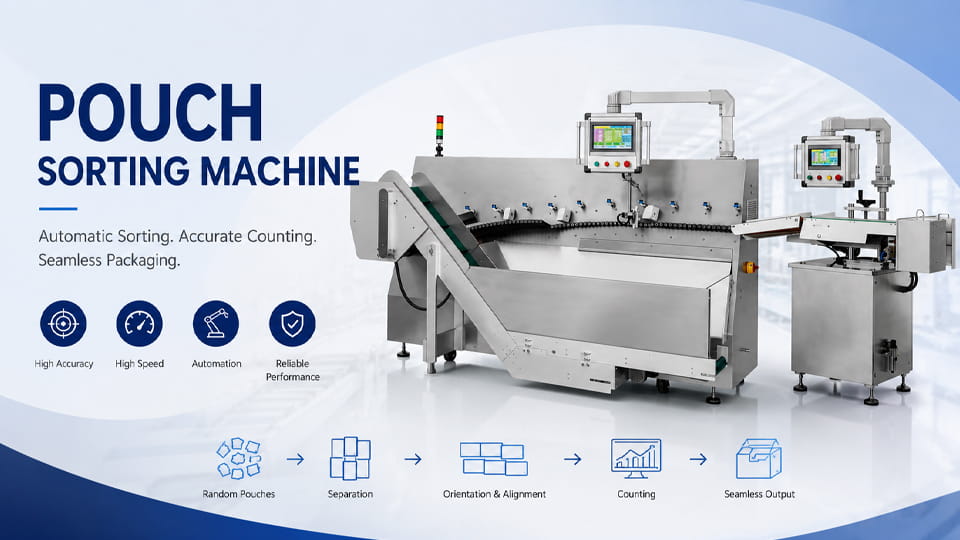
รูป: การคัดแยกซองด้วยตนเองต้องใช้แรงงานคนมากและมีแนวโน้มที่จะเกิดข้อผิดพลาด. แบบอัตโนมัติ เครื่องคัดแยกถุง จัดการงานนี้ได้อย่างรวดเร็วและแม่นยำ, ป้อนถุงเข้าสู่สายการบรรจุอย่างต่อเนื่อง.
เครื่องคัดแยกถุงคืออะไร?
ก เครื่องคัดแยกถุง (หรือ เครื่องคัดแยกถุง) เป็นเครื่องจักรอุตสาหกรรมอัตโนมัติที่ออกแบบมาเพื่อจัดระเบียบขนาดเล็ก แพ็คเกจที่ยืดหยุ่น - กระเป๋า, ซอง, แพ็คติด, หรือถุงเล็กๆ – ที่ออกมาจากเครื่องบรรจุหรือเครื่องบรรจุโดยไม่ได้เรียงลำดับ. ในแง่ง่ายๆ, มันรับเอาต์พุตของ a เครื่องบรรจุถุงหรือซอง และ ลำดับ รายการ: แยกถุงที่ทับซ้อนกันออกจากกัน, กำหนดทิศทางให้สม่ำเสมอ, นับพวกเขา, และให้อาหารแก่พวกเขาในขั้นต่อไป.
ใส่วิธีอื่น, เป็นตัวป้อน/ตัวจัดระเบียบเฉพาะสำหรับสายการบรรจุภัณฑ์. โดยจะจัดการกับงานที่อาจต้องใช้ผู้ปฏิบัติงานจำนวนมาก. ตัวอย่างเช่น, เครื่องคัดแยกซองของ JinLu “จัดระเบียบอัตโนมัติ, ทิศทาง, เรียงลำดับ, และนับ” ซองแบบไม่เรียงลำดับ (ผง, ของเหลว, แท็บเล็ต, ประเภทเจล) ด้วยความเร็วสูงถึง 100–420 ถุงต่อนาที. เครื่องจักรเหล่านี้ถูกสร้างขึ้นมาเพื่อ 24/7 การผลิต: ส่วนใหญ่ใช้หน้าจอสัมผัส PLC เพื่อให้ใช้งานง่ายและปรับให้เข้ากับถุงขนาดต่างๆ ได้ทันที.
เครื่องคัดแยกถุงช่วยแก้ปัญหาทั่วไป: มัน แยกจากกัน กระเป๋าแบบผสม, ลบสองเท่า (สองถุงติดกัน), แก้ไขการวางแนว, และ นับแต่ละชิ้นได้อย่างแม่นยำ. เอาต์พุตจะเป็นสตรีมไฟล์เดียวที่สอดคล้องกันซึ่งเครื่องดาวน์สตรีมสามารถจัดการได้. ในทางปฏิบัติ, ซึ่งหมายความว่ากล่องบรรจุจะเต็มเท่าๆ กัน (ไม่มีถุงหายไป), และการนับและการป้อนแบบแมนนวลจะหมดไป. โดยพื้นฐานแล้วมันจะกลายเป็นบัฟเฟอร์และตัวป้อนอัตโนมัติที่มาแทนที่ตารางการเรียงลำดับแบบแมนนวล.
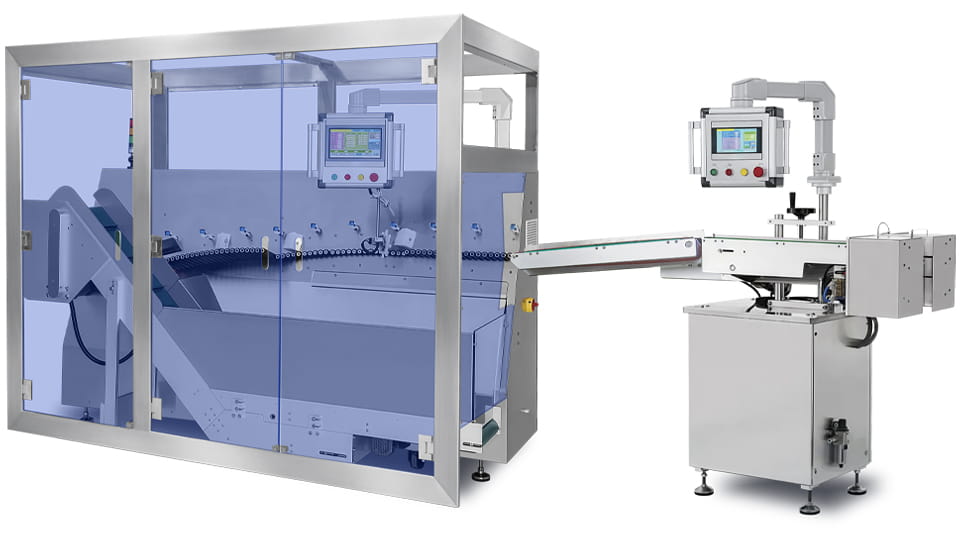
เครื่องคัดแยกถุงอัตโนมัติทำงานอย่างไร?
เครื่องคัดแยกถุงที่ทันสมัยทำงานได้หลายขั้นตอน, กระบวนการอัตโนมัติเต็มรูปแบบ. แต่ละขั้นตอนจะซิงโครไนซ์โดยระบบควบคุมเซอร์โวและเซ็นเซอร์ความเร็วสูง. ขั้นตอนการทำงานโดยรวมมีลักษณะเช่นนี้:
- การให้อาหารกระเป๋า (กำลังโหลด): ขั้นแรกจะใส่ถุงลงในถังหรือบริเวณป้อนอาหาร, ไม่ว่าจะด้วยตนเองหรือจากเครื่องบรรจุภัณฑ์ขั้นต้น. โดยทั่วไปถังบรรจุจะมีความจุขนาดใหญ่และมีลักษณะไม่เรียบเพื่อให้โหลดได้ง่าย. ตัวอย่างเช่น, เครื่องคัดแยกบางเครื่องสามารถปรับความสูงได้, 300-ถังบรรจุลิตรที่ป้อนถุงเข้าสู่ระบบอย่างต่อเนื่อง. เครื่องใช้ก ระบบการให้อาหารแบบซิงโครไนซ์หลายขั้นตอน เพื่อย้ายถุงออกจากถังโดยไม่ทำให้ติดขัดหรือมีกระเป๋าเหลือ.
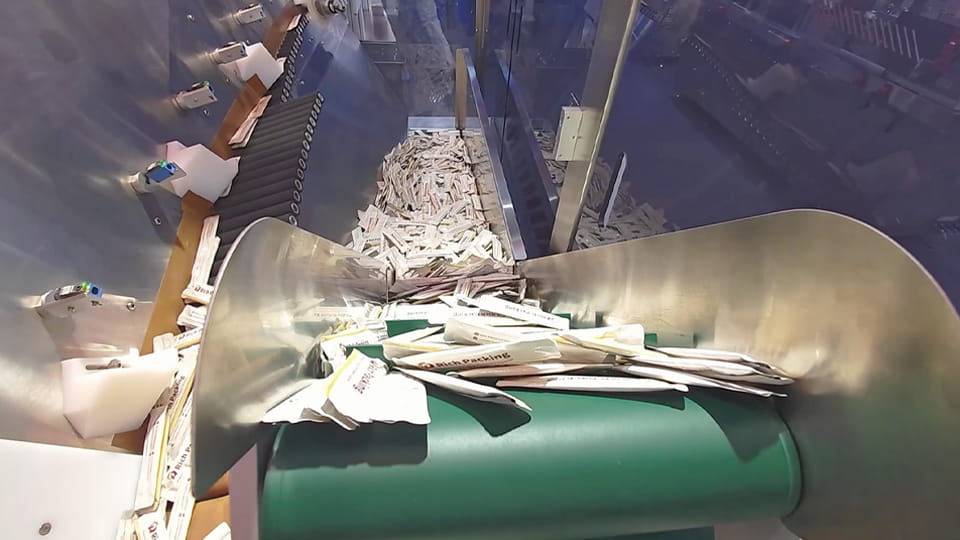
- การแยกกระเป๋า: ขณะที่ถุงเคลื่อนออกจากถัง, พวกมันมักจะออกมาทับซ้อนกันหรือซ้อนกัน. ของเครื่อง ระบบป้องกันการซ้อน แยกพวกมันออกจากกันเพื่อให้ผ่านได้ครั้งละหนึ่งซองเท่านั้น. วิธีนี้จะป้องกันการป้อนซ้ำ. เช่น, การออกแบบของ JinLu “ทำให้มั่นใจได้ว่าถุงเดียวจะผ่านไปในแต่ละครั้ง, ขจัดข้อผิดพลาดที่เกิดจากถุงตั้งแต่สองใบขึ้นไปผ่านพร้อมกันได้อย่างสมบูรณ์”. การแยกมักจะกระทำโดยใช้ลูกกลิ้งหรือสายพานลำเลียงแบบพิเศษที่จะค่อยๆ งัดถุงที่ติดอยู่ออกจากกัน.
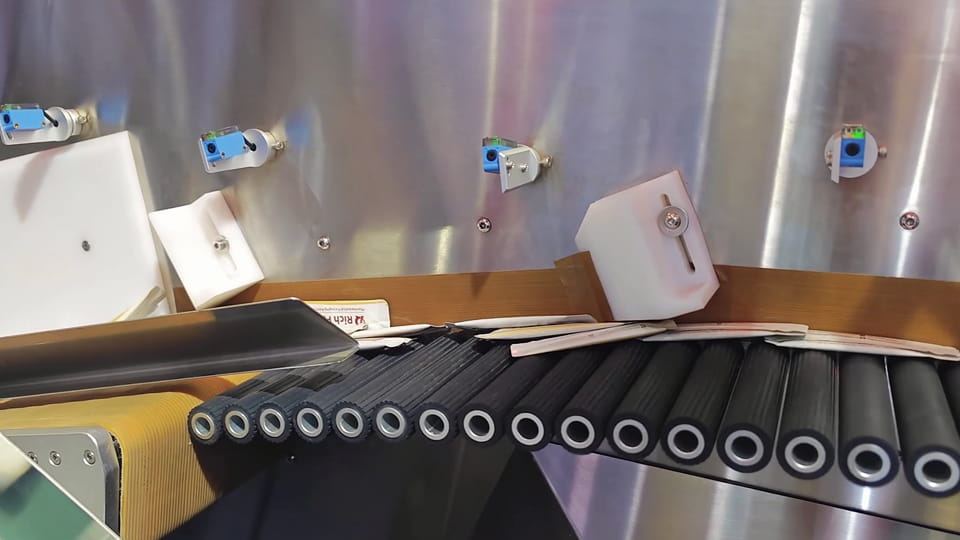
- การวางแนวและการจัดตำแหน่งกระเป๋า: ต่อไป, เครื่อง ทิศทาง แต่ละซองให้มีทิศทางสม่ำเสมอ (E.G. หงายฉลากทั้งหมดขึ้นหรือปิดผนึกทั้งหมดไว้ที่ด้านใดด้านหนึ่ง). โดยทั่วไปจะทำโดยใช้ลูกกลิ้งหรือสายพานที่ขับเคลื่อนด้วยเซอร์โว. เซอร์โวมอเตอร์ที่มีความแม่นยำสูงจะหมุนและวางตำแหน่งถุงแต่ละใบขณะเคลื่อนที่. กันฝุ่น, ลูกกลิ้งป้องกันไฟฟ้าสถิตจะจับถุงและจัดตำแหน่ง. ตัวอย่างเช่น, การออกแบบหนึ่งใช้ 11 เซอร์โวมอเตอร์ขับเคลื่อนโดยตรง เพื่อประสานการเคลื่อนไหวของลูกกลิ้ง, ดังนั้นถุงต่างๆ จึง “เคลื่อนที่ไปพร้อมๆ กันอย่างสมบูรณ์แบบ, โดยไม่ลื่นหรือกระโดด,” ทำให้พวกเขาสอดคล้องกัน. ผลที่ได้คือกระแสของกระเป๋าทั้งหมดหันหน้าไปทางเดียวกัน.
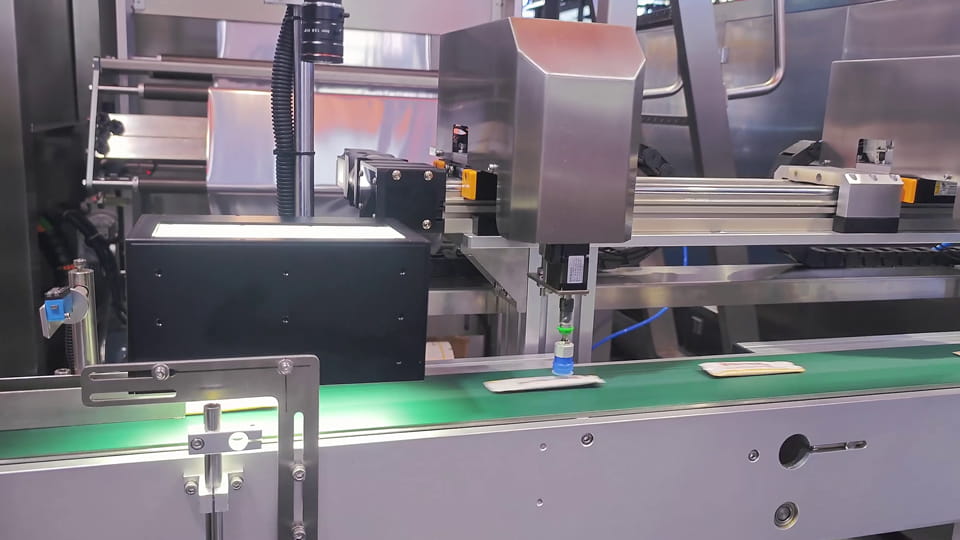
- การตรวจจับเซ็นเซอร์: ตลอดกระบวนการ, โฟโตอิเล็กทริคหรือเซ็นเซอร์วิชั่นจะตรวจสอบแต่ละกระเป๋า. เซ็นเซอร์ตรวจจับการมีอยู่ของถุง, ปฐมนิเทศ, และความผิดปกติใดๆ (เหมือนการทับซ้อนกันเร่ร่อนหรือฟีดที่ทำมุม). หากกระเป๋าไม่อยู่ในแนวที่ถูกต้องหรือติดขัด, เซ็นเซอร์จะกระตุ้นการตอบสนองทันที. เซ็นเซอร์เหล่านี้จะป้อนข้อมูลแบบเรียลไทม์ไปยังระบบควบคุม. ในเครื่องจักรคุณภาพสูง, ทุกตำแหน่งในแถวมีเซ็นเซอร์ทำให้มั่นใจได้ ไร้จุดบอด ความคุ้มครอง. วงจรป้อนกลับช่วยให้กระบวนการเรียงลำดับปราศจากข้อผิดพลาด.
- การเรียงลำดับและการนับ: เมื่อจัดแนวแล้ว, กระเป๋าจะเคลื่อนผ่านสถานีคัดแยกและนับขั้นสุดท้าย. ที่นี่, เครื่องช่วยให้แน่ใจว่าถุงจะถูกป้อนทีละถุงเข้าไปในสายพานลำเลียงหรือรางน้ำ. มัน นับ แต่ละซองมีความแม่นยำสูงสุด – มักจะเกินนั้น 99.97% ความแม่นยำ. ระบบขั้นสูงแม้กระทั่งการประทับเวลาหรือบาร์โค้ดนับ. เครื่องนับความเร็วสูงช่วยให้แน่ใจว่าทราบจำนวนถุงที่แน่นอนและสามารถส่งการแจ้งเตือนได้หากมีความคลาดเคลื่อนใดๆ. ความแม่นยำนี้ช่วยลดข้อผิดพลาดการนับผิดพลาดดาวน์สตรีมได้อย่างมาก.
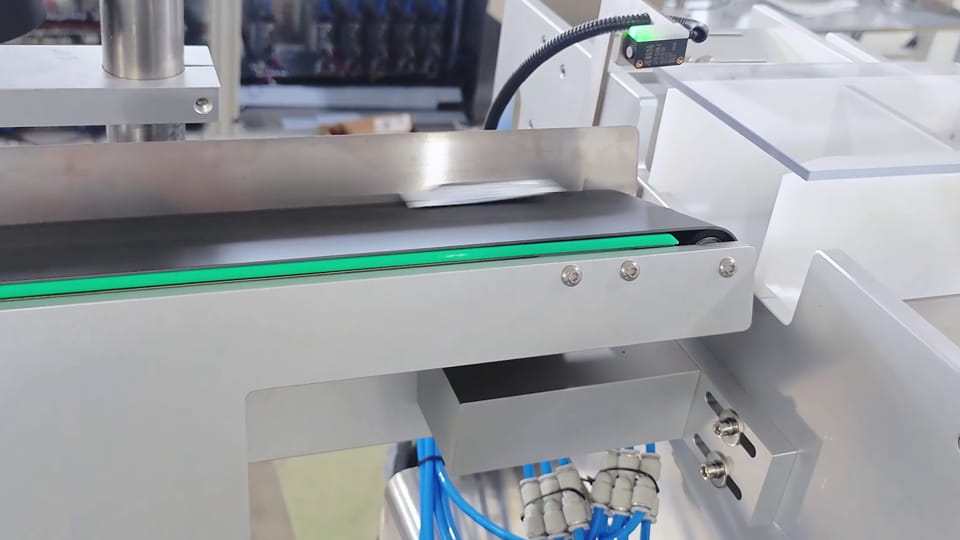
- การปฏิเสธข้อบกพร่อง: กระเป๋าใดๆ ที่ยังคงไม่ตรงแนว, แบน (แนวนอน), หรือชำรุดถูกไล่ออกโดยกลไกการปฏิเสธ. ตัวอย่างเช่น, หากกระเป๋าวางราบแทนที่จะตั้งตรง, ระบบ "การปฏิเสธกระเป๋าแนวนอน" จะเปลี่ยนเส้นทางออกจากสายการผลิต. ในทำนองเดียวกัน, เซ็นเซอร์สามารถตรวจจับถุงที่ฉีกขาดหรือบรรจุผิดได้, ทำให้เกิดการปฏิเสธอัตโนมัติ. ทางนี้, มุ่งเน้นอย่างถูกต้องเท่านั้น, กระเป๋าใบเดียวดำเนินการต่อ. กระบวนการทั้งหมดทำให้มั่นใจได้ว่าไม่มีถุงที่ติดหรือคัดแยกผิดไปยังเครื่องบรรจุกล่องหรือเครื่องบรรจุกล่อง.
แต่ละขั้นตอนจะดำเนินการโดยอัตโนมัติโดยมีการแทรกแซงของมนุษย์น้อยที่สุด. เครื่องจักรสมัยใหม่ผสมผสานขั้นตอนเหล่านี้เข้ากับระบบที่มีขนาดกะทัดรัด. ตัวอย่างเช่น, หนึ่ง เครื่องคัดแยกแบบเซอร์โวเต็มรูปแบบ ถูกสร้างขึ้นบนเฟรมเดียว: ถังจะป้อนถุง, สายพานเซอร์โวและลูกกลิ้งจะจัดตำแหน่งให้ตรงกัน, เซ็นเซอร์หลายตัวตรวจสอบพวกมัน, และสายพานลำเลียงจะปล่อยพวกมันตามลำดับ - ทั้งหมดนี้อยู่ในการไหลต่อเนื่องเพียงครั้งเดียว.
[jl_youtube src=”https://www.youtube.com/embed/NxTAzsZIx-s”]
ประโยชน์หลักของการใช้เครื่องคัดแยกถุง
การนำเครื่องคัดแยกถุงอัตโนมัติมาใช้ ผลประโยชน์ทันที ไปยังสายการบรรจุใดๆ. ข้อดีหลัก ได้แก่:
- ประสิทธิภาพการผลิตที่สูงขึ้น: ระบบอัตโนมัติช่วยเร่งความเร็วในการเรียงลำดับได้อย่างมาก. เครื่องคัดแยกถุงความเร็วสูงสามารถจัดการได้ หลายร้อยถุงต่อนาที, เกินกว่าความสามารถของมนุษย์มาก. เช่น, เครื่องคัดแยกของ JinLu วิ่งเข้าไปหา 420 ถุง/นาที, และมือจับรุ่นอื่นๆ 400 หรือมากกว่านั้น. สิ่งนี้ต่อเนื่อง, ผลผลิตที่รวดเร็วช่วยให้เครื่องบรรจุดาวน์สตรีมของคุณป้อนด้วยความเร็วสูงสุด. ผลลัพธ์ที่ได้คือปริมาณงานต่อชั่วโมงที่สูงขึ้นมาก. ในทางปฏิบัติ, การดำเนินงานพบว่าอัตราการผลิตเพิ่มขึ้นและเวลาตอบสนองลดลงเมื่อแทนที่การคัดแยกแบบแมนนวลด้วยระบบอัตโนมัติ.
- ปรับปรุงความแม่นยำในการเรียงลำดับ: เครื่องคัดแยกอัตโนมัติช่วยขจัดข้อผิดพลาดที่มนุษย์ทำ. การทับซ้อนกันและถุงที่พลาดแทบจะไม่มีอยู่เลย. เครื่องจักรระดับไฮเอนด์มีความแม่นยำในการนับมากกว่า 99.9% (อัตราข้อผิดพลาดด้านล่าง 0.009%). คุณสมบัติพิเศษ เช่น ระบบป้องกันการซ้อนและเซ็นเซอร์โฟโตอิเล็กทริคทำให้อัตราข้อผิดพลาดต่ำมาก. ซึ่งหมายความว่าจะไม่มีการฟีดซ้ำซ้อนอีกต่อไป, ไม่นับพลาด, และติดขัดน้อยมาก. ในไลน์อัตโนมัติ, แต่ละกระเป๋าจะถูกติดตามและนับ, ดังนั้นการนับบรรจุภัณฑ์ขั้นสุดท้ายของคุณจึงเชื่อถือได้. เป็นผลให้, ผู้บรรจุหีบห่อหลีกเลี่ยงการเรียกคืนหรืองานบรรจุหีบห่อที่มีค่าใช้จ่ายสูงเนื่องจากการนับผิด.
- ลดต้นทุนแรงงาน: โดยการเปลี่ยนงานที่ต้องทำเอง, เครื่องจักรเหล่านี้ช่วยลดความต้องการบุคลากร. ผู้ปฏิบัติงานที่เคยเรียงลำดับและนับด้วยมือสามารถปรับใช้ใหม่ได้. ตัวอย่างเช่น, โรงงานโภชนเภสัชแห่งหนึ่งรายงานว่า 90% ลดแรงงานในการคัดแยกด้วยมือ หลังจากติดตั้งเครื่องคัดแยกอัตโนมัติ. จำเป็นต้องมีผู้ปฏิบัติงานจำนวนน้อยลงเพื่อดูแลกระบวนการ ซึ่งมักจะเป็นเพียงผู้บังคับบัญชาเพียงคนเดียวสำหรับเครื่องจักรหลายเครื่อง. เมื่อเวลาผ่านไป ROI นี้มีความสำคัญ: คุณประหยัดค่าจ้างและลดความเหนื่อยล้าหรือข้อผิดพลาดของมนุษย์.
- สุขอนามัยและการปฏิบัติตามกฎระเบียบที่ดีขึ้น: การลดการสัมผัสของมนุษย์เป็นสิ่งสำคัญอย่างยิ่งในสายการผลิตยาและอาหาร. เครื่องคัดแยกถุงถูกสร้างขึ้นเพื่อสภาพแวดล้อมที่สะอาด: ส่วนติดต่อมักจะเป็น 304 หรือ 316 สแตนเลส และพื้นผิวเรียบลื่นและทำความสะอาดง่าย. เช่น, เครื่องคัดแยกของ JinLu ใช้ 316L สำหรับการติดต่อกับผลิตภัณฑ์และ 304 สำหรับโครงสร้าง, การประชุม CGMP มาตรฐาน. การออกแบบที่ปิดล้อม (มักมีหน้าต่างกระจกนิรภัย) ยังช่วยรักษาสิ่งกีดขวางด้านสุขอนามัย. คุณสมบัติทำความสะอาดง่ายของเครื่องและมีซอกมุมไม่กี่จุดทำให้คุณสามารถฆ่าเชื้อได้อย่างรวดเร็ว. ซึ่งช่วยลดความเสี่ยงในการปนเปื้อนได้อย่างมากเมื่อเทียบกับการจัดการแบบแมนนวล.
- บูรณาการอย่างง่ายดายกับสายการบรรจุภัณฑ์: เครื่องคัดแยกถุงได้รับการออกแบบมาให้เหมาะกับสายการผลิตของคุณ. สามารถระบายถุงได้หลายทิศทาง (แบน, ตั้งตรง, หรือซ้อนกัน) เพื่อให้ตรงกับเครื่องถัดไป. ตัวอย่างเช่น, คุณสามารถปรับความสูงหรือมุมการระบายเพื่อให้กระเป๋าป้อนเข้าโดยตรง เครื่องบรรจุกล่อง, อัน การนับ/สายพานลำเลียงสะสม, หรือเครื่องแพ็คกล่อง. เครื่องจักรจำนวนมากมาพร้อมกับความสูงของสายพานลำเลียงหรือชุดติดตั้งที่ได้มาตรฐาน. ในทางปฏิบัติ, คุณสามารถ "เสียบปลั๊กแล้วเล่น" เครื่องคัดแยกเข้าสู่ระบบที่มีอยู่โดยมีการเปลี่ยนแปลงเลย์เอาต์น้อยที่สุด. สิ่งนี้จะเพิ่มความคล่องตัวในการเพิ่มระบบอัตโนมัติ: เพียงเชื่อมต่อช่องทางออกของเครื่องคัดแยกเข้ากับสายพานลำเลียงทางเข้าของเครื่องบรรจุกล่องของคุณ. ผลที่ได้คือไร้รอยต่อ, สายการผลิตอัตโนมัติแบบ end-to-end ตั้งแต่การบรรจุจนถึงการบรรจุขั้นสุดท้าย.
การใช้งานเครื่องคัดแยกถุง
เครื่องคัดแยกถุงมีการใช้อย่างแพร่หลายในอุตสาหกรรมต่างๆ – กระเป๋าหรือซองเล็กๆ ทุกที่จำเป็นต้องนับหรือป้อนอย่างเป็นระเบียบ. พื้นที่การใช้งานที่สำคัญ ได้แก่:
- บรรจุภัณฑ์ยา: นี่เป็นกรณีการใช้งานที่สำคัญ. กลุ่มผลิตภัณฑ์ยามักบรรจุผง, เม็ด, หรือของเหลวลงในซองและถุง. เครื่องคัดแยกถุงช่วยให้มั่นใจได้ว่าแต่ละปริมาณยา (E.G. ซองยา, ผงเสริม หีบห่อ) ได้รับการจัดการอย่างถูกต้อง. โดยให้ความแม่นยำและการปฏิบัติตามข้อกำหนดที่จำเป็นสำหรับยา. ตัวอย่างเช่น, เครื่องจักรดังกล่าวจะจัดการเป็นประจำ ซองยา, แพ็คเก็ตวิตามิน, ถุงของเหลวในช่องปาก, และแม้กระทั่งบรรจุภัณฑ์พุพองฟอยล์ขนาดเล็ก. เพราะพวกเขามาพบกัน มาตรฐานจีเอ็มพี และมีการนับที่แม่นยำ, เหมาะสำหรับสายงานร้านขายยาที่ความถูกต้องแม่นยำและการตรวจสอบย้อนกลับเป็นสิ่งสำคัญ. ผู้ผลิตยาหลายรายใช้เครื่องคัดแยกเพื่อป้อนกระดาษบรรจุกล่องหรือ เครื่องบรรจุตุ่ม โดยปราศจากการจัดการของมนุษย์.
- โภชนเภสัช & บรรจุภัณฑ์อาหารเสริม: นึกถึงเครื่องดื่มผสมวิตามิน, ซองผงโปรตีน, แพ็คอาหารเสริมเพื่อสุขภาพ, โปรไบโอติก, ฯลฯ. สินค้าเหล่านี้มักเข้า ซองหรือแพ็คแท่ง รูปร่าง. เครื่องคัดแยกถุงจัดการกับผลิตภัณฑ์เช่น ซองผงโปรตีน, วิตามินเครื่องดื่มผสม, และแพ็คโปรไบโอติก. พวกเขาตรวจสอบให้แน่ใจว่าการเสิร์ฟแต่ละครั้งจะถูกนับและจัดตำแหน่งก่อนชกมวย. กลุ่มผลิตภัณฑ์โภชนเภสัชให้ความสำคัญกับปริมาณงานที่เพิ่มขึ้น, เนื่องจากความต้องการอาจมีสูง. เครื่องคัดแยกช่วยรักษาคุณภาพและความเร็วของผลิตภัณฑ์สำหรับรายการต่างๆ เช่น ผงพลังงานสำเร็จรูปหรือซองคอลลาเจน.
- อาหาร & บรรจุภัณฑ์เครื่องดื่ม: เครื่องคัดแยกถุงเป็นเรื่องธรรมดาในสายการผลิตอาหาร. ตัวอย่างเช่น, พวกเขาเรียงลำดับ แพ็คกาแฟหรือชาแบบแท่ง, น้ำตาลหรือซองปรุงรส, ผสมเครื่องดื่มสำเร็จรูป, ถุงซอสและเครื่องปรุงรส. ของว่างบางรายการใช้สำหรับบรรจุถั่วหรือเครื่องเทศแต่ละถุง, ด้วย. การจัดการอย่างอ่อนโยนของผู้คัดแยก (ลูกกลิ้งอ่อนและฟีดควบคุม) หมายถึงซองอาหารที่เปราะบางไม่เสียหาย. ในทางปฏิบัติ, เส้นบรรจุภัณฑ์ความเร็วสูง (E.G. ฟิลเลอร์ซองหลายเลน) จำเป็นต้องมีเครื่องคัดแยกเพื่อสะสมผลผลิตสำหรับบรรจุกล่อง/กล่อง. โดยการคัดแยกก่อน, เครื่องจักรป้องกันการติดขัดที่ปลายน้ำและให้จำนวนที่แน่นอน (E.G. 10 ถุงชาต่อกล่อง) อยู่กับ.
- การดูแลส่วนบุคคลและสารเคมีในครัวเรือน: การคัดแยกถุงไม่ได้มีไว้สำหรับอาหาร/ยาเท่านั้น. นอกจากนี้ยังใช้กับผลิตภัณฑ์ดูแลส่วนบุคคลและผลิตภัณฑ์เคมีด้วย. ตัวอย่างเช่น, ซองมาส์กหน้าเครื่องสำอาง, ตัวอย่างซองแชมพู/ครีมนวดผม, ฝักผงซักฟอกในถุง, หรือ ซองน้ำยาบ้วนปากเหลว สามารถจัดเรียงได้ทั้งหมด, รวมทั้งสารเคมีรายวันด้วย (น้ำยาบ้วนปาก, ผงซักฟอก) และเครื่องสำอาง (มาสก์หน้า, โลชั่น) กระเป๋า. อุตสาหกรรมใดๆ ที่ใช้บรรจุภัณฑ์แบบใช้ครั้งเดียว ตั้งแต่เครื่องทดสอบโลชั่นไปจนถึงบรรจุภัณฑ์ผงซักฟอกขนาดเล็ก ก็สามารถได้รับประโยชน์. เครื่องคัดแยกช่วยให้มั่นใจว่าถุงที่มีรูปทรงแตกต่างกันเหล่านี้ (กระเป๋าซิป, แพ็คหมอน, ฯลฯ) ถูกป้อนเข้าเครื่องถัดไปอย่างถูกต้อง.
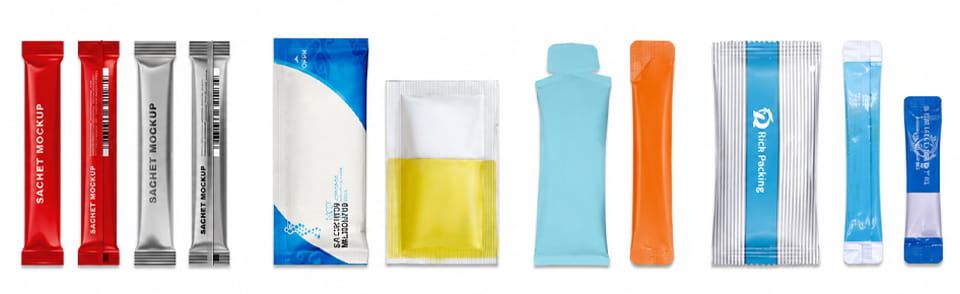
เครื่องคัดแยกถุงของ Jinlupacking ให้บริการในอุตสาหกรรมที่หลากหลาย ตั้งแต่ถุงขนมและกาแฟไปจนถึงซองผงซักฟอกและเครื่องสำอาง, สะท้อนให้เห็นถึงการประยุกต์ใช้เทคโนโลยีการคัดแยกถุงในวงกว้าง.
โดยสรุป, หากสินค้าของคุณอยู่ในซองเล็กๆ, ถุง, หรือใส่ถุงและคุณต้องนับและป้อนอาหารอย่างน่าเชื่อถือ, เครื่องคัดแยกถุงถือเป็นทางเลือกหนึ่ง. ความยืดหยุ่นนี้ครอบคลุมเกือบทุกรูปแบบกระเป๋าที่ใช้ในปัจจุบัน.
วิธีการเลือกเครื่องคัดแยกถุงที่เหมาะสม
การเลือกเครื่องคัดแยกที่เหมาะสมที่สุดนั้นขึ้นอยู่กับข้อกำหนดของผลิตภัณฑ์และสายการผลิตของคุณ. นี่คือปัจจัยหลักที่ต้องพิจารณา:
- ขนาดกระเป๋า: ตรวจสอบความยาวและความกว้างที่เครื่องยอมรับ. เช่น, เครื่องคัดแยกของ JinLu จัดการกระเป๋าที่มีความยาวสูงสุด 185 มม. และกว้าง 110 มม. หากกระเป๋าของคุณมีขนาดใหญ่กว่ามาก, คุณต้องมีรุ่นอื่น. พิจารณารูปร่างด้วย: เครื่องคัดแยกส่วนใหญ่สามารถรองรับถุงหมอนได้, แพ็คติด, และซองทรงสี่เหลี่ยม, แต่รูปทรงที่สูงมากหรือผิดปกติอาจต้องมีการปรับแต่ง.
- ความเร็วในการผลิตที่ต้องการ: จับคู่ความเร็วของเครื่องคัดแยกกับสายงานของคุณ. คำนวณกี่ถุงต่อนาที (บีพีเอ็ม) คุณต้องการโดยพิจารณาจากสารตัวเติมและเป้าหมายบรรจุภัณฑ์ของคุณ. เครื่องคัดแยกมาในระดับที่แตกต่างกัน: วิ่งบ้างประมาณ 100–150 BPM, ในขณะที่รุ่นไฮเอนด์ทำ 300–400+ BPM. จดจำ, ความเร็วที่สูงขึ้นมักขึ้นอยู่กับขนาดถุงหรือประเภทผลิตภัณฑ์ที่เล็กกว่า. หากสายของคุณมีปริมาณมาก, เลือกใช้เครื่องคัดแยกความเร็วสูง; ถ้าสายของคุณเล็กลง, หน่วยความเร็วต่ำอาจเพียงพอ.
- วัสดุกระเป๋า: พิจารณาฟิล์มหรือวัสดุ. ฟอยล์, ลามิเนตพลาสติก, และถุงกระดาษก็มีพฤติกรรมแตกต่างออกไป. ฟิล์มฟอยล์และเคลือบอาจลื่นหรือเกิดไฟฟ้าสถิตได้ง่าย. ตรวจสอบว่าเครื่องมีหรือไม่ คุณสมบัติป้องกันไฟฟ้าสถิตย์ หรือลูกกลิ้งที่มีพื้นผิว (E.G. กันฝุ่น, ลูกกลิ้งป้องกันไฟฟ้าสถิตย์). เครื่องคัดแยกบางประเภทมีแรงกดลูกกลิ้งหรือวัสดุพื้นผิวที่ปรับได้สำหรับพื้นผิวถุงที่แตกต่างกัน. หากกระเป๋าของคุณเบาหรือแข็งมาก, ระบุสิ่งนี้เมื่อเลือกเพื่อให้ผู้ผลิตสามารถปรับกลไกการจัดการได้.
- อุปกรณ์ปลายน้ำ: ลองนึกถึงสิ่งที่เครื่องคัดแยกจะป้อนเข้าไป. มันเป็นเครื่องบรรจุกล่องอัตโนมัติหรือไม่? เครื่องบรรจุหีบห่อ? สายพานลำเลียงแบบนับ? สิ่งนี้ส่งผลต่อรูปแบบการจำหน่าย. ตัวอย่างเช่น, หากป้อนกระดาษใส่กล่องโดยคาดว่าจะบรรจุซองแบนเป็นปึก, เครื่องคัดแยกควรส่งออกกระเป๋าให้เรียบ. หากป้อนสายพานลำเลียงแบบนับถุง, คุณอาจต้องการให้พวกเขาตั้งตรง. เครื่องจักรส่วนใหญ่อนุญาตให้กำหนดค่าความสูงและทิศทางการจ่ายออกได้. พิจารณาจุดเชื่อมต่อด้วย (E.G. ความสูงของสายพานลำเลียงและควบคุมความเข้ากันได้).
- ข้อกำหนดด้านสุขอนามัยและการทำความสะอาด: สำหรับการใช้ยาหรืออาหาร, ตรวจสอบการก่อสร้าง. มองหา 304/316 สแตนเลส, มอเตอร์ที่ปิดล้อม, และดีไซน์ที่ทำความสะอาดง่าย. เครื่องคัดแยกควรเป็นไปตามมาตรฐาน เช่น GMP หรือ CE หากจำเป็น. คุณสมบัติเช่นสายพานลำเลียงแบบปลดเร็ว, ลูกกลิ้งปิดผนึก, และซีไอพี (ทำความสะอาดในสถานที่) ความเข้ากันได้ถือเป็นสิ่งสำคัญ. ตามกฎแล้ว, รอยแยกน้อยลง, ยิ่งทำความสะอาดยิ่งดี. หากอุตสาหกรรมของคุณคือยา, ยืนยันในการสร้างที่สอดคล้องกับ cGMP.
โดยการจับคู่สเป็คเครื่องอย่างระมัดระวัง (ความเร็ว, ช่วงขนาด, การจัดการวัสดุ) กับผลิตภัณฑ์และสายผลิตภัณฑ์ของคุณ, คุณจะพบกับโมเดลที่มีประสิทธิภาพสูงสุด. ในทางปฏิบัติ, ผู้ขายจะสอบถามขนาดกระเป๋าของคุณ, ปริมาณงานที่ต้องการ, และสิ่งที่จะเกิดขึ้นต่อไป – ใช้ข้อมูลนั้นเพื่อรับเครื่องคัดแยกที่เหมาะสมที่สุด.
เครื่องคัดแยกถุงอัตโนมัติกับการคัดแยกถุงด้วยตนเอง
การเลือกระหว่างการเรียงลำดับด้วยตนเองและอัตโนมัติไม่ใช่เรื่องง่ายเมื่อเปรียบเทียบแบบเทียบเคียงกัน:
| คุณสมบัติ |
การเรียงลำดับด้วยตนเอง |
การคัดแยกถุงอัตโนมัติ |
| ความต้องการแรงงาน |
สูงมาก (หลายคน) |
ต่ำ (ผู้ปฏิบัติงานรายหนึ่งหรือไม่มีเลย) |
| ความเร็วในการเรียงลำดับ |
จำกัด (สิบถุง/นาที) |
สูงมาก (100–400+ ถุง/นาที) |
| การนับความแม่นยำ |
ขึ้นอยู่กับผู้ปฏิบัติงาน (ผิดพลาดได้ง่าย) |
อัตโนมัติที่มีความแม่นยำสูง (99.9%+) |
| การดำเนินการอย่างต่อเนื่อง |
ยาก (ความเหนื่อยล้า, หยุดพัก) |
24/7 การดำเนินงานอย่างต่อเนื่อง |
| การติดต่อของมนุษย์ |
โดยตรง (เสี่ยงต่อการปนเปื้อน) |
น้อยที่สุด (เครื่องปิดล้อม) |
| การรวมเข้าด้วยกัน |
จำกัด (จำเป็นต้องส่งมอบ) |
ง่าย (เอาท์พุทสายพานลำเลียงโดยตรง) |
ตารางนี้เน้นความแตกต่างที่สำคัญ. การเรียงลำดับด้วยตนเองสามารถทำงานได้กับปริมาณที่น้อยมากหรือเส้นที่ช้า, แต่กลับกลายเป็นไปไม่ได้อย่างรวดเร็วในวงกว้าง. ระบบอัตโนมัติ ไม่เพียงแต่ช่วยเร่งการผลิตเท่านั้น แต่ยังให้ความสม่ำเสมอและตรวจสอบย้อนกลับได้อีกด้วย. ในโรงงานบรรจุภัณฑ์สมัยใหม่เกือบทุกแห่ง, การลงทุนซื้อเครื่องคัดแยกอัตโนมัติ จ่ายออกไป โดยการเพิ่มเอาต์พุตและลดข้อผิดพลาด.
บทสรุป
ก เครื่องคัดแยกถุง เป็นเครื่องมืออัตโนมัติที่สำคัญสำหรับอุตสาหกรรมใดๆ ก็ตามที่บรรจุผลิตภัณฑ์ในถุงหรือซองขนาดเล็ก. โดยการจัดระเบียบอัตโนมัติ, การจัดแนว, การนับ, และให้อาหารแก่กระเป๋าของคุณ, ช่วยขจัดปัญหาคอขวดแบบแมนนวลและเพิ่มปริมาณการผลิต. คุณได้รับการดำเนินการเร็วขึ้น (หลายร้อยถุงต่อนาที), ความแม่นยำในการนับที่เกือบจะสมบูรณ์แบบ, ลดต้นทุนค่าแรง, และสุขอนามัยที่ดีขึ้น - ทั้งหมดนี้ในขณะเดียวกันก็ป้องกันการติดขัดในกล่องกระดาษหรือเครื่องบรรจุกล่องขั้นปลายน้ำ.
หากคุณต้องการคุณภาพสูง เครื่องคัดแยกถุงอัตโนมัติ สำหรับซองยา, ซองอาหาร, แท่งของเหลวหรือถุงเล็ก ๆ อื่น ๆ, พิจารณาโซลูชันของ JinLu Packing. เรานำเสนอเครื่องจักร (เหมือน เจแอล-PA-420) ที่จัดการได้ถึง 420 ถุง/นาทีด้วย >99.97% ความแม่นยำ. เครื่องจักรของเราทำงานร่วมกับอุปกรณ์บรรจุกล่องและการนับจำนวนได้อย่างราบรื่น. ทีมวิศวกรของเราสามารถปรับแต่งระบบคัดแยกให้เหมาะกับขนาดกระเป๋าของคุณได้, ความเร็ว, และเค้าโครงไลน์บรรจุภัณฑ์.
สำหรับระบบอัตโนมัติที่ปรับแต่งโดยเฉพาะ, ติดต่อเรา เพื่อหารือเกี่ยวกับความต้องการในการคัดแยกกระเป๋าของคุณ. JinLu Packing นำเสนอโซลูชั่นแบบครบวงจรสำหรับสายการบรรจุถุง/ซอง, ตั้งแต่การคัดแยกจนถึงการเติม, การบรรจุกล่อง, และอีกมากมาย. ให้ผู้เชี่ยวชาญของเราออกแบบระบบการคัดแยกและการป้อนที่เหมาะสมเพื่อให้คุณทำงานได้อย่างสอดคล้องกัน, ความเร็วสูง, การดำเนินการอัตโนมัติเต็มรูปแบบในสายงานของคุณ.
คำถามที่พบบ่อยเกี่ยวกับเครื่องคัดแยกถุง
เครื่องคัดแยกถุงประเภทใดบ้างที่สามารถจัดการได้?
เครื่องคัดแยกถุงสมัยใหม่มีความหลากหลาย. พวกเขาสามารถจัดเรียงซองแบนได้, แพ็คติด, ยืนขึ้น (ดอย) กระเป๋า, ถุงซิป, ถุงพวย, และแม้กระทั่งถุงรูปทรงไม่ปกติ. ตัวอย่างเช่น, เครื่องมักจะรองรับถุงปิดผนึกสามด้านและสี่ด้าน, ถุงพวย, กระเป๋าซิปยืนขึ้น, แพ็คติด, และกระเป๋าทรงต่างๆ. หากกระเป๋าของคุณอยู่ในช่วงขนาดของเครื่องและมีความยืดหยุ่น, มันควรจะจัดการกับพวกเขา. อย่าลืมระบุรูปร่างหรือความหนาของถุงที่ผิดปกติให้กับซัพพลายเออร์.
เครื่องคัดแยกถุงสามารถคัดแยกซองยาได้?
อย่างแน่นอน. ซองยา (สำหรับผง, เม็ด, หรือของเหลว) เป็นแอปพลิเคชันหลัก. เครื่องจักรเหล่านี้ถูกสร้างขึ้นเพื่อให้ตรงตามมาตรฐานยา (สแตนเลส, การปฏิบัติตาม cGMP). มีการออกแบบที่มีความแม่นยำสูงและถูกสุขลักษณะที่จำเป็นสำหรับการใช้ยา. ในทางปฏิบัติ, ผู้ผลิตยาหลายรายใช้เครื่องคัดแยกถุงเพื่อป้อนยาบรรจุลงในกล่องบรรจุโดยไม่ต้องใช้มือสัมผัส.
อะไรคือความแตกต่างระหว่างเครื่องคัดแยกถุงและเครื่องนับถุง?
เครื่องคัดแยกถุงไม่เพียงแต่นับจำนวนเท่านั้น แต่ยังจัดตำแหน่งและเรียงลำดับถุงที่จัดเรียงแบบสุ่มอีกด้วย. มันอาจจะยุ่งก็ได้, อินพุตและเอาต์พุตที่ทับซ้อนกันเรียบร้อย, สั่งสตรีม. ในทางตรงกันข้าม, เครื่องนับถุง (หรือนับสายพานลำเลียง) โดยทั่วไปจะถือว่ากระเป๋าอยู่ในแนวเดียวกันแล้ว; เพียงนับและจัดเรียงตามน้ำหนักหรือตามเซ็นเซอร์โฟโตอิเล็กทริคเมื่อผ่านไป. เครื่องนับจะไม่แยกหรือวางแนวถุงผสม. ดังนั้นหากคุณต้องการจัดการกับอินพุตที่ไม่เป็นระเบียบ, จำเป็นต้องมีเครื่องคัดแยก; หากกระเป๋าของคุณเรียบร้อยดีแล้วและคุณแค่ต้องนับ, คุณสามารถใช้เครื่องนับได้.
สามารถเชื่อมต่อเครื่องเข้ากับเครื่องบรรจุกล่องได้หรือไม่?
ใช่. ในความเป็นจริง, เครื่องคัดแยกถุงได้รับการออกแบบมาเพื่อป้อนอุปกรณ์ปลายน้ำ เช่น เครื่องบรรจุกล่องอัตโนมัติหรือเครื่องบรรจุกล่อง. คุณมักจะสามารถติดตั้งสายพานลำเลียงจากเครื่องคัดแยกเข้าไปในการป้อนเข้าของกล่องบรรจุได้โดยตรง. เครื่องคัดแยกหลายเครื่องอนุญาตให้ปรับความสูงหรือการวางแนวการระบายออกได้ (แบนกับ. ตั้งตรง) เพื่อให้ตรงกับเครื่องถัดไป. แฮนด์ออฟที่ไร้รอยต่อนี้จะสร้างเส้นต่อเนื่อง – เป็นต้น, โดยตรงจากเครื่องบรรจุซอง → เครื่องคัดแยกถุง → เครื่องบรรจุกล่องอัตโนมัติ, โดยไม่มีขั้นตอนแบบแมนนวลในระหว่างนั้น.
เครื่องคัดแยกถุงอัตโนมัติสามารถทำงานได้เร็วแค่ไหน?
ความเร็วแตกต่างกันไปตามรุ่นและขนาดผลิตภัณฑ์. ช่วงทั่วไปมีตั้งแต่ประมาณ 100 แพ็คต่อนาที (ppm) สำหรับเครื่องขนาดเล็กถึง 400+ ppm สำหรับหน่วยระดับไฮเอนด์. เช่น, โมเดลประสิทธิภาพสูงของ JinLu เข้าถึงได้มากถึง 420 ถุง/นาที. เครื่องคัดแยกของ Ruida โจมตี 400 ถุง/นาที. เครื่องจักรความเร็วต่ำ (100–150 แผ่นต่อนาที) มีอยู่สำหรับบรรทัดที่เล็กกว่าหรือช้ากว่า. ความเร็วจริงยังขึ้นอยู่กับขนาดกระเป๋าและความราบรื่นในการไหลด้วย. ตรวจสอบให้แน่ใจว่าได้เลือกรุ่นที่มีความเร็วสายที่คุณต้องการหรือสูงกว่า.
เครื่องสามารถรองรับกระเป๋าขนาดใดได้บ้าง?
แต่ละเครื่องมีช่วงขนาดที่กำหนด. ขีดจำกัดทั่วไปคือประมาณความยาว 80–185 มม. และความกว้าง 10–110 มม, แต่สิ่งนี้แตกต่างกันไปตามรุ่น. ตัวอย่างเช่น, เครื่องคัดแยกของ JinLu จัดการได้ถึง 185 × 110 มม, และด้ามจับของ Keypack ยาว 84–168 มม. ตรวจสอบเอกสารข้อมูลจำเพาะของผู้ผลิตเสมอ. หากกระเป๋าของคุณอยู่ใกล้จุดสูงสุด, ยืนยันว่าจะทำงานได้อย่างน่าเชื่อถือ (หรือพิจารณาเวอร์ชันที่กำหนดเอง).
ฉันจะเลือกเครื่องคัดแยกถุงให้เหมาะกับสายการผลิตของฉันได้อย่างไร?
โปรดดูส่วนวิธีการเลือกของเราด้านบน. โดยย่อ: กำหนดขนาดกระเป๋าของคุณ, ความเร็วเป้าหมาย (ถุง/นาที), และประเภทวัสดุ. จากนั้นตรวจสอบให้แน่ใจว่าสเป็คของเครื่องตรงกันหรือเกินกว่านั้น. พิจารณาอุปกรณ์ปลายน้ำของคุณด้วย หากคุณมีเครื่องบรรจุกล่องหรือสายพานลำเลียงแบบนับจำนวน, ตรวจสอบให้แน่ใจว่าเครื่องคัดแยกสามารถรวมเข้ากับมันได้. ทบทวนข้อกำหนดด้านสุขอนามัย (304SS สำหรับสายยา) และใบรับรองหากจำเป็น. ซัพพลายเออร์ที่เหมาะสมควรช่วยคุณจับคู่รุ่นสินค้าให้ตรงกับความต้องการของคุณ. (ตัวอย่างเช่น, พวกเขาอาจขอขนาดกระเป๋าของคุณ, อัตราการผลิต, และเกียร์ดาวน์สตรีมเพื่อแนะนำเครื่องคัดแยกที่เหมาะสม)
อ้างอิง:
1.การคัดแยกสิ่งของบนสายพานลำเลียงที่เคลื่อนที่. ส่วนหนึ่ง 1: เทคนิคการตรวจจับและจำแนกวัตถุ —— วิทยาศาสตร์โดยตรง
2.พัฒนาระบบคัดแยกการออกแบบอัตโนมัติตามขอบด้านนอกของวัตถุ —— ห้องสมุดออนไลน์ WILEY
3.การออกแบบและการใช้งานเครื่องคัดแยกด้วยการมองเห็นที่มีการป้อนเป็นระยะโดยหุ่นยนต์ —— รีเสิร์ชเกท
4.ระบบจดจำและคัดแยกบรรจุภัณฑ์อาหารตามแสงที่มีโครงสร้างและการเรียนรู้เชิงลึก —— arxiv.org
5.การออกแบบระบบคัดแยกถุงยาโดยใช้วิชันซิสเต็มและหุ่นยนต์คู่ขนาน —— qikan.cmes.org