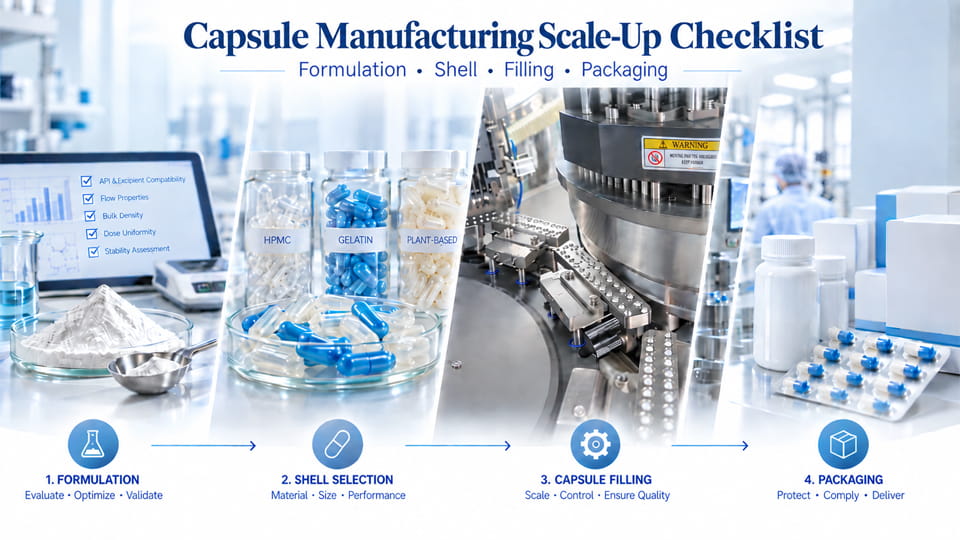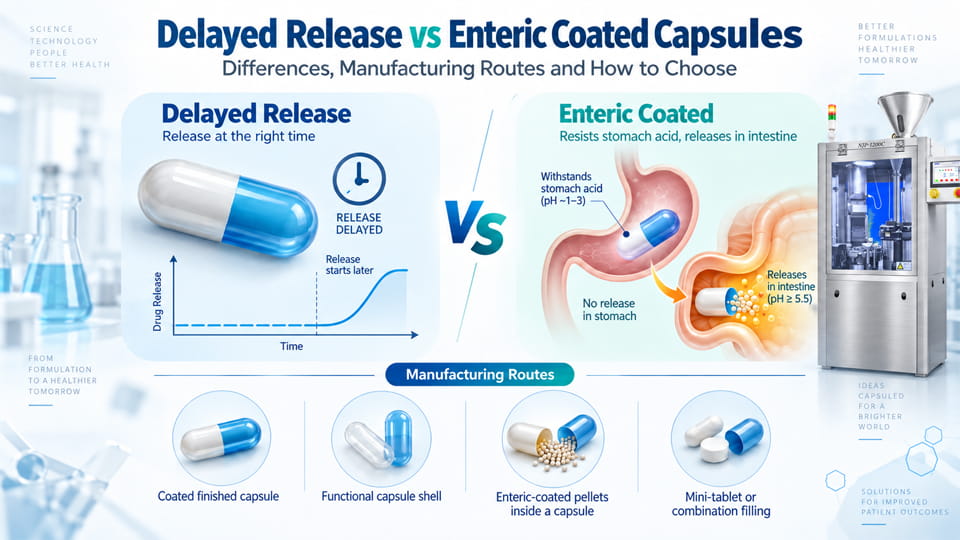

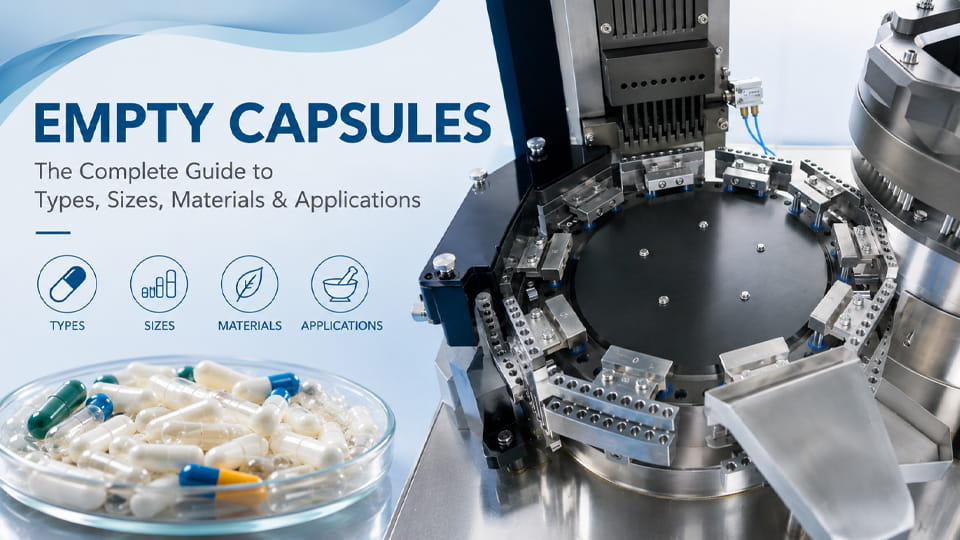
Прежде чем обсуждать материалы капсул, методы производства, или упаковочное оборудование, полезно понять, что пустые капсулы на самом деле и почему они так широко используются. От рецептурных лекарств до нутрицевтиков и травяных добавок, пустые капсулы предоставляют фармацевтическим производителям гибкую, точный, и эффективное дозировочное решение. Их совместимость с автоматическим наполнением капсул и упаковочные линии также делает их неотъемлемой частью современного фармацевтического производства.. Выбираете ли вы пустые желатиновые капсулы, оценка растительных альтернатив, или планируете новую линию по упаковке капсул, понимание основ поможет вам принимать более эффективные решения о производстве и закупках..
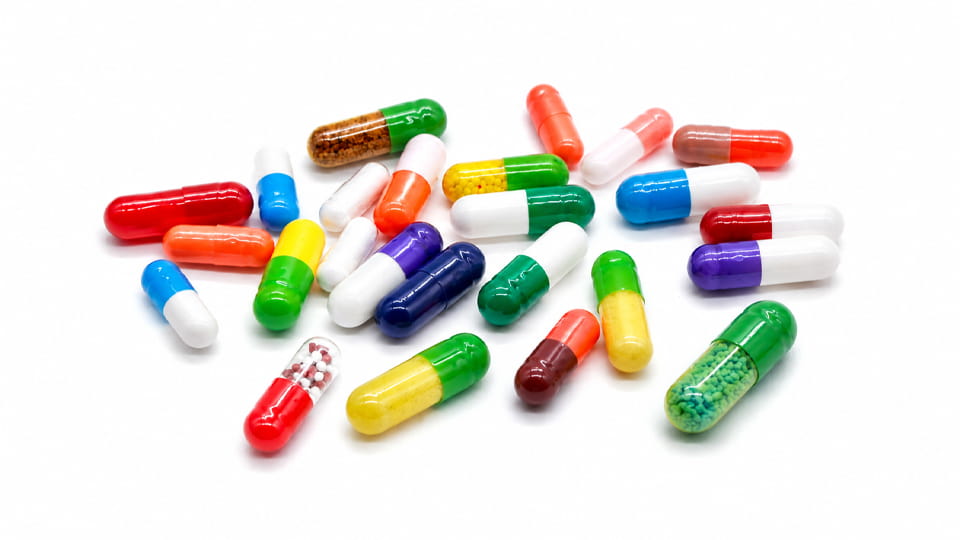
В фармацевтическом производстве, пустые капсулы (также называемые пустыми капсулами или пустыми капсулами для таблеток) являются основными полыми оболочками, используемыми для создания оральных лекарственные формы. Они действуют как контейнеры для порошков., гранулы или гранулы лекарств и добавок. Пустая капсула обычно состоит из двух основных частей – крышки и корпуса, которые подходят и соединить вместе образовать закрытую оболочку. (Колпачок — это более короткая верхняя половина., а тело — это более длинная нижняя половина.) Современные конструкции капсул включают в себя запорный механизм (например, совпадение стопорных колец или канавок на крышке и корпусе) чтобы капсула оставалась плотно закрытой после наполнения. Это предотвращает случайное открытие капсулы во время обработки., доставка или обработка.
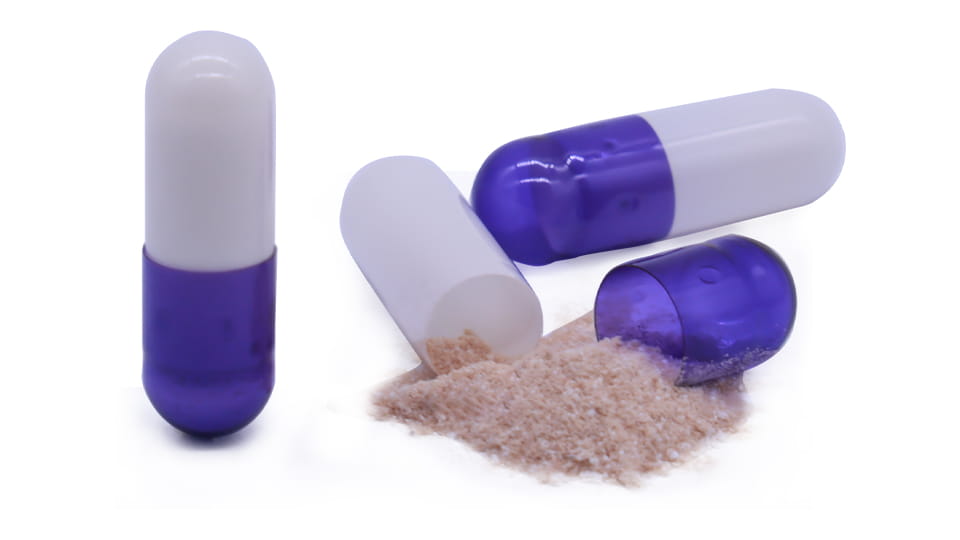
На практике, пустые капсулы служат удобным «пустой сосуд» для медицины. Обычно они изготавливаются из желатина или материалов растительного происхождения., и загружены API или добавки во время производства. После заполнения, крышка и корпус защелкиваются вместе, обеспечивая безопасность содержимого. Под микроскопом, вы можете увидеть капсульная крышка, корпус капсулы, и часто блокировочное кольцо или двойная привязка дизайн в объединении (как показано ниже):
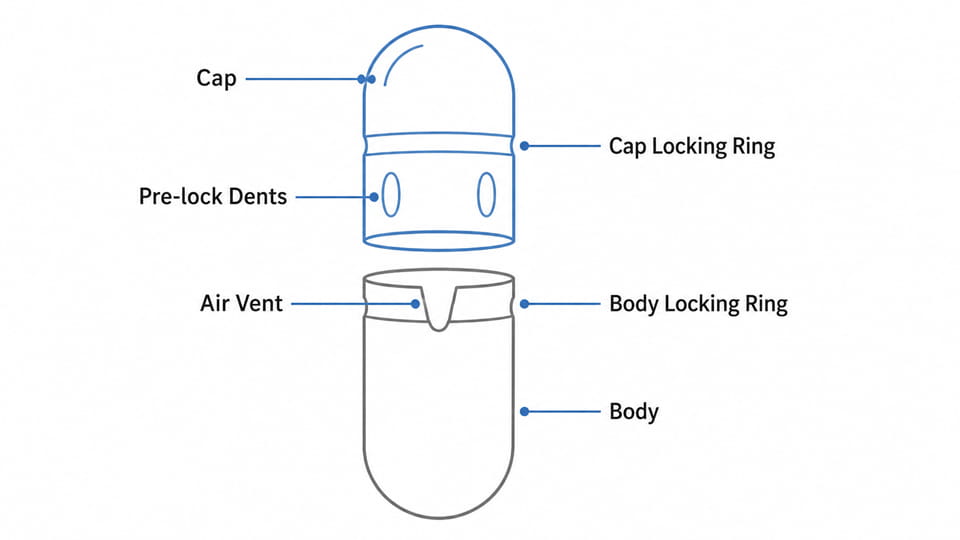
В итоге, пустая капсула представляет собой готовую к заполнению оболочку, состоящую из крышки и корпуса, которые защелкиваются или фиксируются вместе.. Эти твердые оболочки достаточно эластичны для сборки, но достаточно прочны, чтобы выдержать высокоскоростные линии наполнения и упаковки.. Они поставляются предварительно собранными или в виде отдельных крышек и корпусов. (часто поставляется в лотках оптом), и заполняются на отдельных этапах завода.
Существует несколько типов пустых капсул., отличаются главным образом своими материал оболочки. Наиболее распространенными являются:
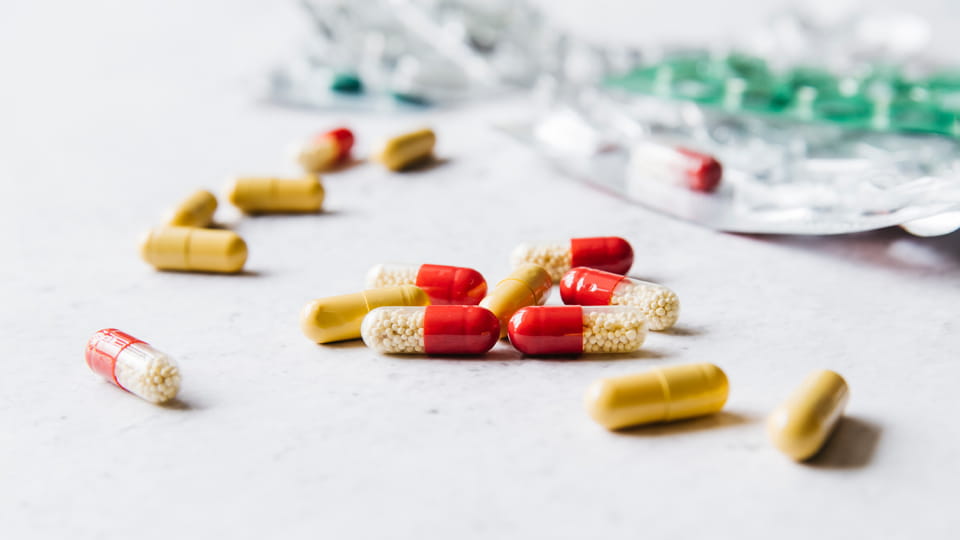
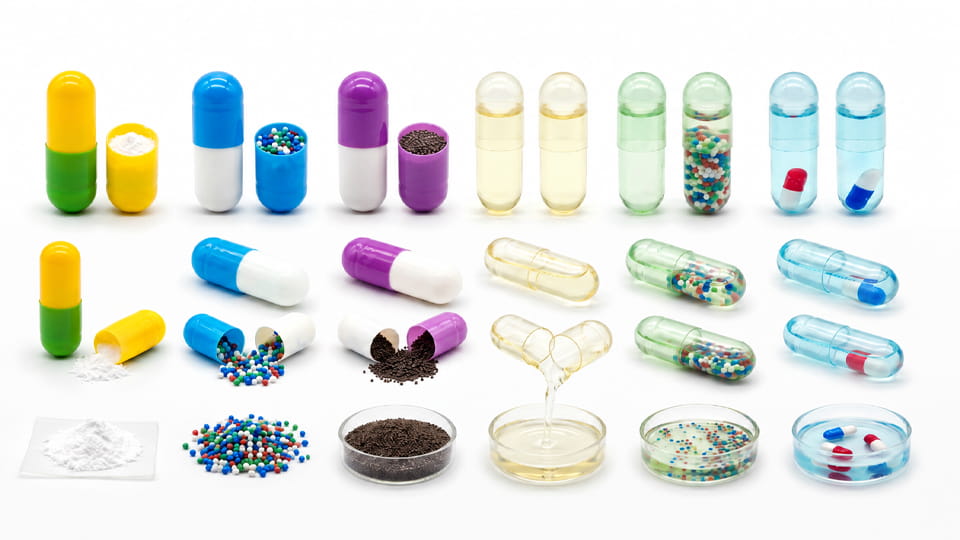
Современная фармацевтика вышла за рамки животного желатина. «По мере развития науки и техники, новые материалы и усовершенствования процессов привели к разработке пустых капсул из ГПМЦ., гидроксипропиловый крахмал, и пуллулан, помимо желатина». На практике, когда кто-то просит «пустые желатиновые капсулы», обычно подразумевают твердые двухсекционные капсулы из общего материала. Но поставщики капсул сегодня предлагают и то, и другое. желатин и ГПМЦ (вегетарианский) капсулы различных цветов и размеров для удовлетворения различных потребностей. (При заказе, вы также можете увидеть, как они называются пустые капсулы от таблеток, пустые капсулы от лекарств, или пустые оболочки капсул.)
У каждого материала есть плюсы и минусы. Желатин – традиционный, недорогой, легко растворяется, но не подходит для строгих вегетарианцев. HPMC и другие веганские варианты стоят немного дороже, но подходят для более широкой потребительской базы.. Пуллулан имеет очень хорошую защиту от влаги., которые могут улучшить срок годности некоторых лекарств или добавок.
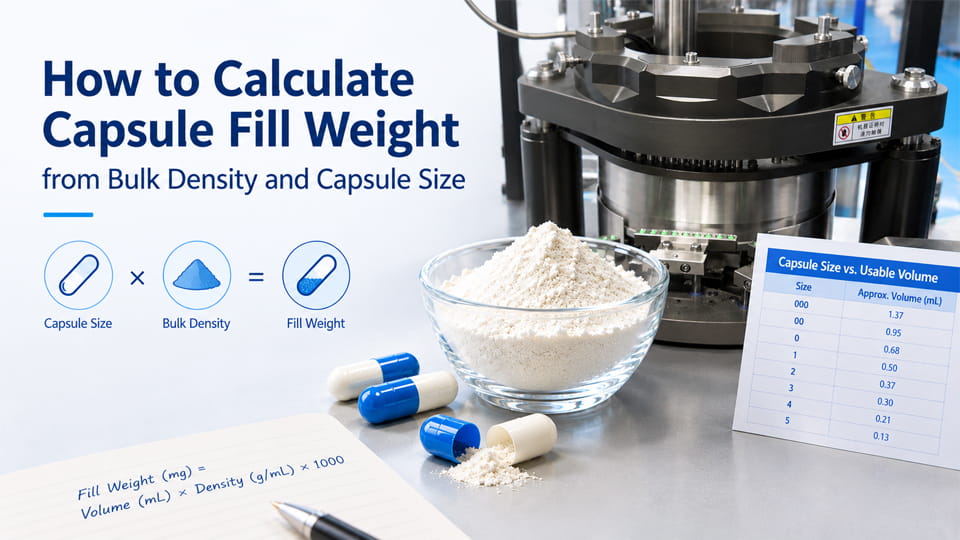
Пустые капсулы поставляются в диапазон размеров для размещения различных объемов доз. Стандартные размеры нумеруются от 000 (самый большой) вплоть до 5 (самый маленький). Размер 000 очень велик – около 1.37 внутренний объем мл – тогда как размер 5 крошечный (~0,21 мл). Выбор правильного размер капсулы зависит от наполняющий вес и плотность порошка или гранул:
Стол 1 Типичные размеры твердых желатиновых капсул
| Обозначение размера | Объем заполнения (мл) | Объем заполнения (унция) | Высота закрытой капсулы (мм) | Внешний диаметр (мм) |
|---|---|---|---|---|
| 000 | 1.37 | 1/20 | 26.1 | 10.0 |
| 00 | 0.95 | 1/30 | 23.3 | 8.5 |
| 0 | 0.68 | 1/40 | 21.7 | 7.7 |
| 1 | 0.50 | 1/55 | 19.4 | 6.9 |
| 2 | 0.37 | 1/75 | 18.0 | 6.4 |
| 3 | 0.30 | 1/100 | 15.9 | 5.8 |
| 4 | 0.21 | 1/135 | 14.3 | 5.3 |
| 5 | 0.13 | 1/220 | 11.1 | 4.9 |
Объем наполнения каждого размера обычно указывается производителем капсул.. Например, стандартная диаграмма показывает объемы капсул от 1.37 мл (размер 000) вплоть до 0.21 мл (размер 5). Этот объем соответствует определенному весу, исходя из плотности порошка.. Фактически, Стол 2.1 в фармацевтическом справочнике указаны объемы и приблизительный вес для различных размеров на основе типичной плотности выпуска.. При формулировании, производители рассчитывают необходимый размер капсулы по целевому весу дозы и плотности материала (плотность порошка).
Приложения по размеру: Нутрицевтики (например, поливитамины или травяные добавки) часто используйте капсулы большего размера (0 или 000) потому что им нужно доставить большое количество трав или витаминов. Многие таблетки преобразованы в капсулы (чрезмерная инкапсуляция для клинических испытаний) используйте стандартные размеры капсул 1 или 0. Наоборот, очень маленькие капсулы (размеры 3–5) может использоваться для сильнодействующих препаратов, или для легкого проглатывания детьми.
В итоге, пустые капсулы доступны в размеры 000 к 5. Общая рекомендация: чем меньше число, чем больше капсула (то есть. 000 самый большой, 5 самый маленький). Производители и поставщики капсул предоставляют таблицы размеров чтобы разработчики рецептур могли подобрать капсулу, соответствующую объему предполагаемой дозы.. Правильный выбор размера гарантирует, что каждая капсула содержит правильное количество API для последовательного дозирования..
Пустые оболочки твердых капсул (корпуса и крышки капсул) производятся процесс нанесения покрытия погружением. Основные шаги следующие: (Подробности см. в справочниках по клинической фармацевтике.):
Все эти производственные этапы автоматизированы и тщательно контролируются на предмет качества.. Фактически, опубликованное руководство по производству капсул обобщает эти этапы.: "Шаг 1: приготовление раствора желатина; Шаг 2: нанесение покрытия погружением на металлические штыри; Шаг 3: вращение штифтов с покрытием; Шаг 4: сушка штифтов с покрытием; Шаг 5: зачистка и обрезка; Шаг 6: соединение обрезанной оболочки капсулы; Шаг 7: печать». (Шаг печати: После сборки, на капсулах часто печатаются коды продуктов или логотипы., затем проверяется и упаковывается.)
На протяжении всего этого процесса, обширный Контроль качества проверки выполняются (сила цветения желатина, вязкость, микробные пределы, и т. д.) для обеспечения однородности снарядов. Современные капсульные линии могут производить миллионы снарядов в день., с очень стабильным весом и размерами.
При выборе типа и размера капсулы, сначала рассмотрите активный ингредиент и состав, тогда метод производства.
Выбирайте по ингредиенту/составу:
Выбирайте по оборудованию и масштабу:
В итоге, выберите материал капсулы, который соответствует вашему API (стабильность, диетические потребности) а затем выберите размер капсулы для вашей дозы. Также убедитесь в совместимости с вашим разливочным оборудованием. (руководство против. автоматический). Современные капсульные наполнители (как те из Джинлу) разработаны для работы со всеми стандартными типами капсул. Например, протестированные установки показывают, что желатин, Оболочки HPMC и пуллулан работают без сбоев на одних и тех же высокоскоростных машинах..
Пустые капсулы используются во многих отраслях промышленности.. Ключевые приложения включают в себя:
Эти примеры показывают универсальность пустых капсул.. Они представляют собой универсальную лекарственную форму для любого порошкообразного или гранулированного продукта, который необходимо проглатывать в точной дозе..
Заполнение пустых капсул продуктом может осуществляться несколькими способами., в зависимости от масштаба:


Во всех способах наполнения, особое внимание уделяется очень легким или липким порошкам. (усилители потока, смазка). Сбор пыли и электростатический контроль (ионизаторы) важны для безопасности оператора и точности заполнения. Для крупных операций, Машины для наполнения капсул являются ключевой частью технологической цепочки: они превращают «пустые капсулы» в готовую продукцию в больших масштабах..
После заполнения капсул, лекарственные формы должны быть качественно упакованы. Есть несколько распространенные упаковочные решения для твердых капсул:
На практике, фармацевтический завод может комбинировать эти решения. Например, высокоскоростная производственная линия может начинаться с Автоматический капсульный наполнитель, затем направьте капсулы в счетно-укупорочную машину, и, наконец, отправьте бутылки картонщику. Альтернативно, для единичных доз, капсулы из наполнителя поступают в линейную блистерную машину.
Ключевой момент: Упаковочное оборудование следует выбирать в тон капсулам.. Блистерные машины должны учитывать размер и форму капсул. (для обеспечения надежной подачи в полости). Счетные машины должны соответствовать требованиям к хрупкости капсул и скорости.. Многие поставщики станков (как Джинлу) предложить настройку: например, регулировка питателей или направляющих желоба в соответствии с размером и материалом вашей капсулы. Как рекламирует производитель, их блистерные упаковки изготовлены в соответствии со стандартами GMP и могут упаковывать таблетки., капсулы, и другие формы на высокой скорости.
В конечном счете, интегрированные упаковочные линии — комбинированное наполнение капсул, считает, вздутие/покрытие, и картонирование – обеспечивают наиболее эффективное решение для крупномасштабного производства. Они автоматизируют поток от пустой капсулы до готового упакованного продукта..
Пустые капсулы (двухсекционные оболочки для таблеток и пищевых добавок) являются основополагающим элементом фармацевтического производства. Понимание их материалов, размеры, и конструктивные особенности (как запорные механизмы) поможет вам выбрать подходящую оболочку для вашего продукта. Не менее важно знать процесс производства и наполнения.: капсулы изготавливаются методом погружения (желатин/ГПМЦ) а затем заполняется на автоматизированных машинах, которые разделяют, доза, и закройте каждую капсулу. Окончательно, Надлежащая упаковка – с помощью блистерных машин или счетных линий – гарантирует, что заполненные капсулы остаются неповрежденными и соответствуют требованиям при распределении..
Если вы производитель фармацевтических препаратов или нутрицевтиков и ищете надежное оборудование, рассмотрите универсального поставщика решений, который разбирается в капсулах. Такие компании, как Jinlu Packing, предлагают интегрированные линии наполнения и упаковки капсул, соответствующие стандартам cGMP.. Они могут помочь адаптировать линию к вашему конкретному типу капсул и потребностям в производительности.. Свяжитесь с экспертом сегодня чтобы обсудить, как оптимизировать производство и упаковку капсул.
Пустые капсулы — это пустые оболочки капсул, используемые для содержания фармацевтических ингредиентов., порошки, гранулы, или пищевые добавки. Обычно они состоят из капсульной крышки., корпус капсулы, и запорный механизм, позволяя производителям производить точные и удобные пероральные лекарственные формы.
Твердые капсулы обычно изготавливаются из желатина. (животного происхождения) или вегетарианские альтернативы, такие как HPMC (целлюлоза) и пуллулан (ферментированный крахмал тапиоки). На практике, «пустая капсула» обычно относится к одной из этих двухчастных оболочек, готовых к заполнению..
К основным типам пустых капсул относятся твердые желатиновые капсулы., ГПМЦ капсулы, и пуллулан капсулы. Твердые желатиновые капсулы обычно используются для фармацевтических препаратов., в то время как HPMC и капсулы на растительной основе популярны для нутрицевтиков и вегетарианских продуктов..
К основным типам пустых капсул относятся твердые желатиновые капсулы., ГПМЦ капсулы, и пуллулан капсулы. Твердые желатиновые капсулы обычно используются для фармацевтических препаратов., в то время как HPMC и капсулы на растительной основе популярны для нутрицевтиков и вегетарианских продуктов..
Пустые капсулы доступны в разных размерах., включая 000, 00, 0, 1, 2, 3, 4, и 5. Большие размеры, например 000 и 00 часто используются в качестве добавок, в то время как меньшие размеры обычно используются для фармацевтических препаратов с более низкими дозировками..
Наиболее распространенными размерами твердых оболочек в фармацевтике и пищевых добавках являются размеры 0 и 1. Они обеспечивают хороший баланс объема наполнения и проглатываемости.. (Однако, формулы с очень высокими дозами могут использовать 00 или 000, а для педиатрических доз можно использовать размер 3–5.)
Стандартные двухкомпонентные капсулы предназначены для твердых веществ. (порошки, гранулы). Они могут протекать при заполнении жидкостью.. Для масел или жидкостей, Обычно используются мягкие желатиновые капсулы или специализированные жидкие капсулы.. (Примечание: существует технология твердых капсул с жидкостным наполнением, но они по-прежнему используют порошковый барьер внутри.)
Правильно хранящиеся капсулы имеют длительный срок годности.. Как желатиновые капсулы, так и капсулы HPMC могут храниться несколько лет. (часто 2–5 лет) если хранить запечатанным в прохладе, сухие условия. Через некоторое время, потеря или увеличение влаги может повлиять на них, поэтому необходимо соблюдать рекомендации по хранению.
Пустые капсулы производятся в несколько этапов., включая подготовку сырья, формирование оболочки капсулы, сушка, проверка качества, и упаковка. Этот процесс обеспечивает постоянный размер капсул., сила, и качество для фармацевтического производства.
Да. Из-за сырья и обработки, Капсулы HPMC и пуллулан стоят значительно дороже, чем желатиновые капсулы.. Это отражается на ценах на пустые растительные капсулы..
Ссылки:
1.Твердые желатиновые капсулы: Формулировка & Производство —— Studylib.net
2.Твердая желатиновая капсула с замком. —— Google Патенты
3.ГПМЦ капсулы: текущее состояние и перспективы на будущее —— Национальная библиотека медицины
4.Твердые желатиновые капсулы —— Pharmacy180.com
5.Комплексный обзор: Капсула —— Международный журнал фармацевтических наук (IJPS)