
Konserwacja sprzętu farmaceutycznego nie polega jedynie na naprawie maszyny po jej zatrzymaniu. Dobry program konserwacji pozwala utrzymać sprzęt w czystości, niezawodny, dokładny, i gotowy do produkcji, redukując jednocześnie nieoczekiwane przestoje i unikając ryzyka jakościowego. Pod Aktualna dobra praktyka produkcyjna FDA, sprzęt używany do produkcji, proces, pakiet, lub przechowywać produkty lecznicze należy czyścić i konserwować w odpowiednich odstępach czasu, poparte pisemnymi procedurami i zapisami. Automatyczny, mechaniczny, i sprzęt elektroniczny również muszą być rutynowo kalibrowane, sprawdzony, lub sprawdzone w ramach pisemnego programu.
Dla zakładu farmaceutycznego, Praktyczny cel jest prosty: wiedzieć, które maszyny są najważniejsze, zidentyfikować komponenty, które najprawdopodobniej wpływają na jakość produktu lub czas sprawności, utrzymać je przed awarią, dokumentować pracę, i stale ulepszaj plan na podstawie rzeczywistych danych operacyjnych. Przewodnik dobrych praktyk ISPE w zakresie konserwacji podobnie traktuje konserwację jako ustrukturyzowany program obejmujący obszar GMP, a nie zbiór izolowanych zadań naprawczych.

W tym przewodniku wyjaśniono, jak zbudować taki system, z praktyczną listą kontrolną konserwacji sprzętu farmaceutycznego, harmonogram konserwacji, porady dotyczące konkretnej maszyny, oraz rozważania GMP dotyczące tabletkarek, Wypełniacze kapsułki, Maszyny pęcherzy, maszyny liczące, i kartoniarzy.
Konserwacja sprzętu farmaceutycznego jest planowana kontrola, czyszczenie, smarowanie, modyfikacja, wsparcie kalibracji, naprawa, oraz prace związane z wymianą, mające na celu utrzymanie prawidłowego działania maszyn do produkcji i pakowania produktów farmaceutycznych.
Obejmuje znacznie więcej niż technik konserwacji ze skrzynką narzędziową. Kompletny program konserwacji farmaceutycznej łączy produkcję, inżynieria, zapewnienie jakości, operatorzy, zarządzanie częściami zamiennymi, dokumentacja, i dostawców sprzętu.
Dlaczego to ma znaczenie??
Istnieją cztery przydatne podejścia do konserwacji:
| Typ konserwacji | Spust | Najlepsze zastosowanie | Główne ograniczenie |
| Konserwacja reaktywna | Sprzęt już się zepsuł | Niska krytyczność, niedrogie komponenty | Powoduje nieplanowane przestoje i może pozwolić na wtórne uszkodzenia |
| Konserwacja zapobiegawcza | Czas, cykle, partie, lub godziny pracy | Części eksploatacyjne, smarowanie, inspekcje, zaplanowane serwisowanie | Można wymienić części wcześniej niż to konieczne, jeśli odstępy czasu są źle ustawione |
| Konserwacja oparta na stanie | Zmierzony stan przekracza określoną granicę | Namiar, silniki, systemy próżniowe, elementy wrażliwe na temperaturę | Wymaga wiarygodnych pomiarów i granic akceptacji |
| Konserwacja predykcyjna | Tendencje lub modele wskazują na postępujące pogorszenie | Sprzęt krytyczny, w przypadku którego wczesne ostrzeganie ma dużą wartość | Wymaga wystarczających danych, dyscyplina monitorująca, i możliwości techniczne |
Dla większości producentów farmaceutycznych, najlepszą odpowiedzią nie jest wybór tylko jednej metody. Podstawą jest konserwacja zapobiegawcza, konserwacja reaktywna odpowiednich elementów niskiego ryzyka, oraz metody oparte na warunkach lub metody predykcyjne, jeżeli uzasadnia to krytyczność sprzętu.
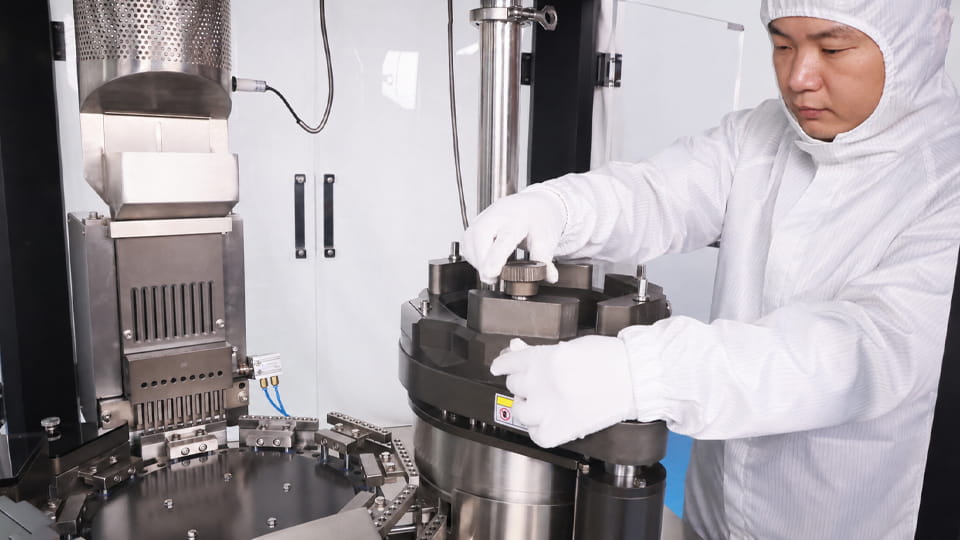
Praktyczny program konserwacji zapobiegawczej w przemyśle farmaceutycznym zaczyna się od sprzętu, a nie od ogólnej listy kontrolnej pobranej z Internetu.
Prosty przepływ pracy wygląda następująco:
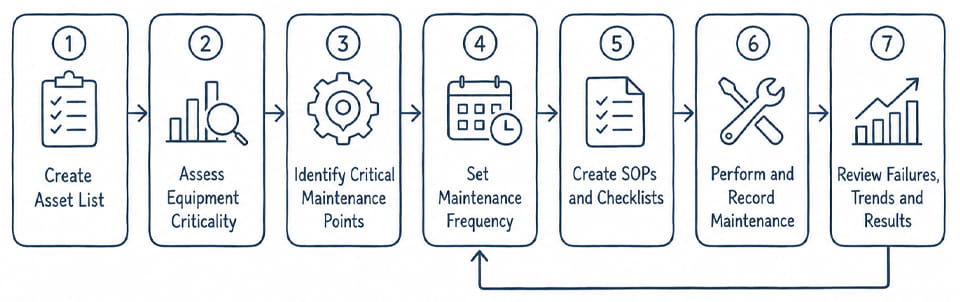
Ważną częścią jest ostatnia strzałka. Harmonogram konserwacji farmaceutycznej powinien zostać poprawiony w miarę poznawania rzeczywistego zachowania sprzętu.
Poniższy harmonogram to a szablon startowy, nie jest częstotliwością regulacyjną. Rzeczywiste odstępy czasu powinny być zgodne z zaleceniami producenta sprzętu i oceną ryzyka w Twoim zakładzie, godziny pracy, przybory, historia konserwacji, i zatwierdzony stan. FDA wymaga planu konserwacji, a GMP UE oczekuje, że sprzęt będzie odpowiednio konserwowany, a odpowiedni sprzęt pomiarowy i kontrolny będzie sprawdzany w określonych odstępach czasu.
| Częstotliwość | Zalecane zadania związane z konserwacją sprzętu farmaceutycznego |
| Codziennie / każdą zmianę | Wyczyść dostępne obszary kontaktu z produktem; usunąć kurz i pozostałości; sprawdzić, czy nie ma wycieków, niezwykły hałas, wibracja, luźne części, uszkodzeni strażnicy, nietypowe alarmy, problemy z powietrzem/próżnią, i oczywiste zużycie narzędzi; sprawdzić urządzenia zabezpieczające przed rozpoczęciem pracy |
| Tygodnik | Sprawdź i wyczyść czujniki, filtry, więzy, pasy, linie próżniowe, złączki pneumatyczne, podajniki, szyny prowadzące, obróbka, i punkty odsysania pyłu; w razie potrzeby nasmarować zatwierdzone punkty |
| Miesięczny | Sprawdź łożyska, kamery, elementy napędu, silniki, połączenia elektryczne, uszczelki, skrzynie biegów, wyrównanie narzędzi, wydajność próżni, grzejniki, i części eksploatacyjne; przejrzyj historię alarmów i napraw |
| Kwartalny | Wykonaj głębszą kontrolę mechaniczną i elektryczną; zweryfikować krytyczne ustawienia i oprzyrządowanie; sprawdzić obwody bezpieczeństwa i zespoły narażone na duże zużycie; przeglądaj powtarzające się awarie i zużycie części zamiennych |
| Coroczny | Przeprowadź kompleksową kontrolę lub planowany remont w zależności od stanu maszyny; w uzasadnionych przypadkach wymienić części o ograniczonej żywotności; weryfikować status kalibracji i systemy bezpieczeństwa; przeanalizuj program premiera, historia konserwacji, dokumentacja, i trening |
Dla codzienna lista kontrolna konserwacji sprzętu farmaceutycznego, operatorzy są Twoją pierwszą linią obrony. Poproś ich, aby poszukali zmian: nowy hałas, więcej proszku wokół uszczelki, wolniejsza reakcja na próżnię, cieplejszy silnik, niestabilne śledzenie filmu, lub zwiększony współczynnik odrzuceń. Małe zmiany często pojawiają się przed pełnym załamaniem.
Cotygodniowe prace powinny koncentrować się na elementach, które kumulują się w kurzu lub stopniowo się rozluźniają, zatkać, wyschnąć, lub nosić. Comiesięczna konserwacja sięga głębiej do systemów napędowych, połączenia elektryczne, wyrównanie, uszczelki, obróbka, i zespoły ruchome.
Praca kwartalna i roczna nie powinna stać się rytuałem, w którym technicy po prostu zaznaczają pola. Porównaj rzeczywisty stan maszyny z wcześniejszymi przeglądami. Sprawdź powtarzające się błędy. Spójrz na wymienione komponenty. Zapytaj, czy częstotliwość konserwacji jest nadal odpowiednia.
Smarowanie zasługuje na szczególną uwagę. Zbyt mała ilość smaru zwiększa tarcie; użycie niewłaściwego smaru lub nałożenie go tam, gdzie możliwe jest zanieczyszczenie, może spowodować kolejny problem. JinLu ma osobną Przewodnik po środkach smarnych do sprzętu farmaceutycznego obejmujące wybór środków smarnych i kwestie konserwacji maszyn farmaceutycznych.
Ogólne porady dotyczące konserwacji sprzętu farmaceutycznego idą tylko tak daleko. Prawdziwa wartość wynika z wiedzy, co należy sprawdzić w każdej maszynie.
Konserwacja tabletkarki. Skoncentruj się na ciosach i matrycach, wieżyczka, górne i dolne tory krzywkowe, rolki dociskowe, Force Feeder, układ napędowy, punkty smarowania, odsysanie pyłu, i ochrona bezpieczeństwa. Nagromadzenie proszku wokół głowicy rewolwerowej lub oprzyrządowania może przyspieszyć zużycie i przyczynić się do defektów tabletek, podczas gdy uszkodzone narzędzia lub złe ustawienie wymagają natychmiastowego zbadania. Tabletkarki JinLu wykorzystują zespoły takie jak wieżyczki obrotowe, podajniki na siłę, systemy próżniowe, systemy kompresji, i zabezpieczenie przed przeciążeniem, tworzenie tych logicznych punktów kontroli w programie konserwacji zapobiegawczej tabletkarki. Zobacz JinLu Seria maszyn do tabletkowania.
Konserwacja maszyny do napełniania kapsułek. Zachowaj podajnik kapsułek, układ separacji, puste koło, składniki dozujące, zespoły ubijania lub napełniania, stacja zamykająca, kamery, i obszary kontroli zapylenia czyste i prawidłowo wyregulowane. Należy zwrócić szczególną uwagę na proszek przedostający się do przestrzeni mechanicznych, spadek wydajności próżni, nieprawidłowe ustawienie kapsułki, i nietypowy hałas kamery. Automatyczne napełniacze kapsułek JinLu wykorzystują modułowe zespoły wypełniające i, w niektórych modelach, łożyska bezolejowe, których zadaniem jest ograniczenie konieczności konserwacji. Aby uzyskać głębszy przewodnik na poziomie komponentów, Widzieć Jak konserwować automatyczną maszynę do napełniania kapsułek i Gama maszyn do napełniania kapsułek.
Konserwacja maszyny blistrowej. Sprawdź stacje formowania i uszczelniania, grzejniki, płyty uszczelniające lub rolki, rolki prowadzące, napięcie filmu, podajniki, oprzyrządowanie tnące, chłodzenie, czujniki, elementy pneumatyczne, i systemy próżniowe. Kurz lub pozostałości na powierzchniach uszczelniających, zużyte elementy, nieprawidłowe ustawienie, i niestabilne warunki przetwarzania mogą szybko ujawnić się w postaci słabych zgrzewów lub zniekształconych opakowań. Maszyny blistrowe JinLu łączą formowanie, karmienie, Uszczelnienie ciepła, trakcja, i funkcje cięcia, dlatego wyrównanie między stacjami jest szczególnie ważne. Zobacz Gama maszyn pakujących w blistry i JinLu Przewodnik po problemach z maszyną blistrową.
Maszyny liczące i kartonujące. NA liczniki tabletek i kapsułek, zachowaj kanały wibracyjne, powierzchnie do karmienia, czujniki fotoelektryczne lub wizyjne, obszary usuwania kurzu, obsługa butelek, odrzucać systemy, i elementy pneumatyczne czyste i prawidłowo umieszczone. Urządzenia liczące JinLu zostały zaprojektowane z myślą o integracji z liniami rozlewniczymi, podczas gdy produkt JL-16C wykorzystuje modułowy, zamknięta konstrukcja mająca na celu uproszczenie konserwacji i ograniczenie problemów z kurzem. Na Maszyna do kartonowania, należy zwrócić szczególną uwagę na elementy układu podciśnieniowego, przyssawki, czasopisma kartonowe, więzy, przewodniki, czujniki, systemy ulotek, stacje formujące, oraz wykrywanie produktu/kartonu, ponieważ kilka skoordynowanych stacji musi działać sekwencyjnie.
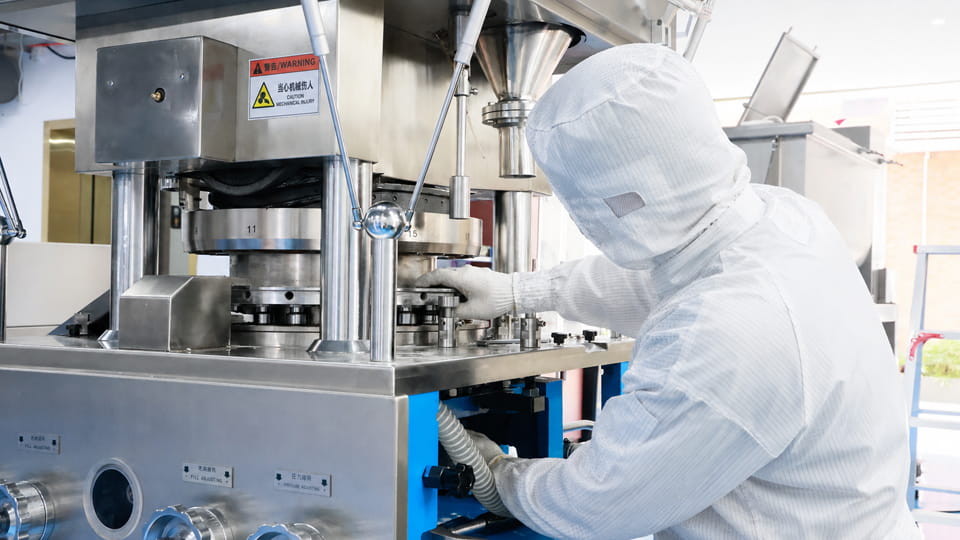
Konserwacja, czyszczenie, i kalibracja są ze sobą powiązane, ale nie są one wymienne.
| Działalność | Główny cel | Typowy przykład |
| Czyszczenie | Usuń pozostałości produktu, pył, pozostałości środka czyszczącego, i zanieczyszczenie | Czyszczenie stacji dozowania kapsułek po partii |
| Konserwacja | Zachowaj lub przywróć wydajność mechaniczną/elektryczną | Wymiana zużytego łożyska lub regulacja układu napędowego |
| Kalibrowanie | Potwierdź, że urządzenie pomiarowe lub kontrolne działa z określoną dokładnością | Sprawdzanie temperatury, ciśnienie, waga, lub pomiar siły względem odniesienia |
FDA jasno określa te obowiązki. Sekcja 211.67 wymaga pisemnych procedur czyszczenia i konserwacji, w tym odpowiedzialność, harmonogramy, metody i materiały, demontaż lub ponowny montaż w razie potrzeby, ochrona czystego sprzętu, kontrola czystości przed użyciem, i zapisy. Sekcja 211.68 dodaje rutynową kalibrację, kontrola, lub sprawdzenie automatyczne, mechaniczny, i sprzętu elektronicznego w ramach pisemnego programu.
Dlatego też SOP zorientowana na GMP może wykorzystywać tę listę kontrolną:
| Element SPO | Co zdefiniować |
| Cel i zakres | Sprzęt i zajęcia objęte ubezpieczeniem |
| Odpowiedzialność | Operator, konserwacja, inżynieria, Kontrola jakości, lub role wykonawców |
| Częstotliwość | Czas, godzina pracy, cykl, seria, lub wyzwalacz oparty na stanie |
| Bezpieczeństwo i przygotowanie | Izolacja, lokaut, stan czyszczenia, wymagane środki ochrony indywidualnej |
| Metoda konserwacji | Kontrola, modyfikacja, wymiana, smarowanie, narzędzia, zatwierdzone materiały |
| Demontaż/ponowny montaż | Wymagana sekwencja i kontrole przed ponownym uruchomieniem |
| Kryteria akceptacji | Co stanowi akceptowalny stan maszyny |
| Kontrole pokonserwacyjne | Czystość, gwardia, ustawienia, próba, kalibracja lub ponowna kwalifikacja, jeśli ma to zastosowanie |
| Dokumentacja | Data, technik, wykonaną pracę, używane części, ustalenia, odchylenia, zatwierdzenia |
Stanowisko UE jest ściśle powiązane. Rozdział UE dotyczący GMP 3 twierdzi, że należy projektować urządzenia produkcyjne, usytuowany, i konserwowany zgodnie z jego przeznaczeniem; naprawy i konserwacja nie mogą stwarzać zagrożenia dla jakości produktu; sprzęt powinien być łatwy do czyszczenia; urządzenia pomiarowe i kontrolne powinny być kalibrowane i sprawdzane w określonych odstępach czasu wraz z zapisami; a wadliwy sprzęt należy w miarę możliwości usunąć lub wyraźnie zidentyfikować.
Pozostaje to aktywnym problemem związanym z inspekcją, a nie starym wymogiem znajdującym się w zbiorze przepisów. Listy ostrzegawcze FDA wydane w 2025 I 2026 w dalszym ciągu powołują się na firmy w związku z nieodpowiednimi procedurami czyszczenia i konserwacji sprzętu lub związanymi z tym awariami 21 CFR 211.67.
Jednym z najczęstszych błędów pielęgnacyjnych jest uruchamianie wszystkiego aż do awarii. Inne obejmują zapewnienie każdej maszynie takich samych okresów międzyobsługowych, ignorując niewielkie zmiany w hałasie lub wibracjach, użycie niewłaściwego smaru, nadmierne smarowanie, odroczenie kontroli czujników, prowadzenie kiepskich rejestrów, nie przewożąc żadnych krytycznych części zamiennych, i wznowienie produkcji bez odpowiedniego przeglądu pokonserwacyjnego.
Konserwacja predykcyjna może posunąć program dalej. Zamiast pytać, „Czy już czas wymienić to łożysko?– pytasz, „Czy łożysko rzeczywiście się pogarsza??Przydatne dane wejściowe obejmują wibracje, temperatura, ciśnienie, prąd silnika, historia alarmów, trendy próżniowe, i istniejących danych procesowych. Badanie produkcji farmaceutycznej z wykorzystaniem działającej aseptycznej linii rozlewniczej wykazało, że długoterminowe zmiany w danych z monitorowania procesu można powiązać z awariami sprzętu i wykorzystać do wsparcia wcześniej zaplanowanych interwencji.
Praktyczna korzyść nie polega na tym, że każda fabryka potrzebuje sztucznej inteligencji. Chodzi o to, że informacje o trendach mogą pomóc w przeniesieniu konserwacji z ustalonego kalendarza na decyzje oparte na dowodach.
Aby obniżyć koszty konserwacji, zacznij od nudnych podstaw: tam, gdzie to możliwe, standaryzuj popularne części zamienne, zapewniaj dostępność najważniejszych części eksploatacyjnych, operatorzy pociągów zauważyli pogorszenie, przestrzegać prawidłowych praktyk smarowania, dokumentuj powtarzające się awarie, i angażuj producenta OEM, gdy wzór jest niejasny. JinLu, Na przykład, udostępnia dokumentację techniczną, szkolenie, konserwacja zapobiegawcza i naprawcza, zdalne rozwiązywanie problemów, oraz kopie zapasowe parametrów/oprogramowania w ramach oferty wsparcia.
Koszt utrzymania również zaczyna się od nabywanie. FDA 21 CFR 211.63 w szczególności wymaga, aby sprzęt farmaceutyczny miał odpowiednią konstrukcję, rozmiar, i lokalizację ułatwiającą zamierzoną operację, czyszczenie, i konserwacja. Porównując dostawców maszyn farmaceutycznych, poszukaj dostępnych punktów konserwacji, łatwy demontaż stykowy produktu, oprzyrządowanie modułowe, zrozumiała diagnostyka usterek, łatwo dostępne części eksploatacyjne, dobre podręczniki, zdalne wsparcie, i realistyczne czasy dostaw części zamiennych.
Przed zakupem zadaj dostawcy proste pytanie: „Pokaż naszemu zespołowi konserwacyjnemu, w jaki sposób uzyskamy dostęp, czysty, sprawdzać, i wymień części, które zużywają się najczęściej.” Maszyna, która oszczędza dziesięć minut przy każdej przezbrojeniu lub ułatwia kontrolę, może być cenniejsza w całym okresie użytkowania niż maszyna o nieco niższej cenie zakupu.
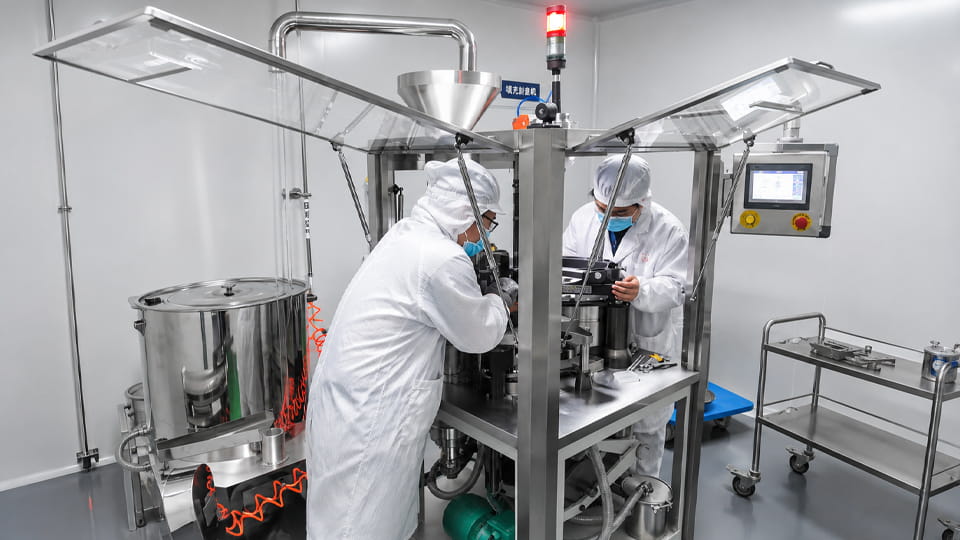
W produkcji farmaceutycznej, konserwacja = niezawodność + jakość + zgodność. Dobry Konserwacja sprzętu farmaceutycznego nie polega na częstszym wykonywaniu konserwacji, a bardziej na wykonywaniu właściwej konserwacji we właściwym czasie. Wybór odpowiedniego sprzętu to krok pierwszy; równie istotne jest przestrzeganie zorganizowanego programu konserwacji. Wykonując codzienne kontrole, trzymając się harmonogramów, i dokumentowanie każdego działania, zapobiegasz niespodziankom, zmniejszyć koszty, i dbaj o bezpieczeństwo pacjentów.
I zbieranie Jeinlu, projektujemy nasze maszyny (tabletkarki, Wypełniacze kapsułki, itp.) mając na uwadze higienę i łatwość konserwacji. Ale nawet najlepsza maszyna potrzebuje TLC. Zachęcamy do zastosowania wskazówek zawartych w tym przewodniku na własnym sprzęcie, I zawsze szczegółowe informacje można znaleźć w instrukcji obsługi urządzenia.
Jeśli masz pytania dotyczące programów konserwacji lub potrzebujesz wsparcia technicznego dla swojej linii, nasi inżynierowie w Jinlu są gotowi do pomocy. Właściwa konserwacja zapewnia płynne i trwałe działanie linii, utrzymuje wysoką jakość i niskie koszty.
Gotowy do poprawy czasu pracy Twojej maszyny? Skontaktuj się z zespołem pomocy technicznej JinluPacking lub zapoznaj się z naszą pełną gamą urządzeń do pakowania produktów farmaceutycznych, aby zobaczyć, jak projektujemy pod kątem łatwego czyszczenia i konserwacji.
Nie ma jednego okresu konserwacji, który sprawdzałby się w przypadku każdej maszyny farmaceutycznej. Częstotliwość konserwacji powinna być oparta na zaleceniach producenta sprzętu, godziny pracy, obciążenie produkcyjne, krytyczność sprzętu, Charakterystyka produktu, oraz historię poprzednich konserwacji. Sprzęt intensywnie użytkowany lub krytyczny może wymagać codziennych lub cotygodniowych inspekcji, natomiast głębszą konserwację zapobiegawczą można planować co miesiąc, kwartalny, lub rocznie.
Konserwacja zapobiegawcza to planowana konserwacja przeprowadzana przed awarią sprzętu. Zwykle obejmuje kontrolę, czyszczenie, smarowanie, modyfikacja, wymiana części zużywalnych, kontrole bezpieczeństwa, i testy funkcjonalne w określonych odstępach czasu. Dobry program konserwacji zapobiegawczej pomaga producentom produktów farmaceutycznych ograniczyć nieoczekiwane przestoje, utrzymać stałą wydajność maszyny, i identyfikuj zużycie komponentów, zanim wpłynie to na produkcję lub jakość produktu.
Lista kontrolna konserwacji sprzętu farmaceutycznego powinna obejmować części mechaniczne, punkty smarowania, układy napędowe, czujniki, komponenty elektryczne, systemy pneumatyczne i próżniowe, urządzenia zabezpieczające, obróbka, uszczelki, filtry, i inne części eksploatacyjne. Należy również zapisać identyfikator sprzętu, data kontroli, technik, ustalenia, części wymienione, działania naprawcze, i następną zaplanowaną datę konserwacji.
Tak. GMP wymaga konserwacji sprzętu do produkcji farmaceutycznej w taki sposób, aby nieprawidłowe działanie lub zanieczyszczenie nie miało wpływu na jakość produktu. Pod FDA 21 CFR 211.67, producenci muszą ustanowić i przestrzegać pisemnych procedur czyszczenia i konserwacji sprzętu, łącznie z powierzonymi obowiązkami, harmonogramy konserwacji, metody, inspekcje, i zapisy. Dokładny odstęp między konserwacjami powinien być określony w zależności od sprzętu i procesu, a nie według jednego uniwersalnego harmonogramu.
Konserwacja zapobiegawcza jest zwykle wykonywana według wcześniej określonego czasu, godzina pracy, cykl, lub harmonogram produkcji. Konserwacja predykcyjna wykorzystuje dane o stanie sprzętu, aby określić, kiedy faktycznie konieczna jest konserwacja. Na przykład, wibracja, temperatura silnika, ciśnienie próżniowe, prąd elektryczny, lub trendy alarmowe mogą pomóc w identyfikacji rozwijających się problemów przed awarią. Wiele zakładów farmaceutycznych wykorzystuje konserwację zapobiegawczą jako podstawę i konserwację predykcyjną sprzętu o krytycznym znaczeniu.
Producenci produktów farmaceutycznych powinni prowadzić dokumentację wyraźnie pokazującą, jakie czynności konserwacyjne zostały przeprowadzone, kiedy został ukończony, kto to wykonał, jakie problemy stwierdzono, oraz jakie działania naprawcze lub wymianę części były wymagane. Dokumentacja głównego sprzętu może również zawierać informacje dotyczące czyszczenia i użytkowania, identyfikacja sprzętu, odniesienia do partii, inspekcje, kontrole kalibracyjne, odchylenia, i działania następcze. Zapisy powinny być identyfikowalne, chronologiczny, i łatwe do odzyskania podczas inspekcji GMP.
Zacznij od pełnej listy wyposażenia i sklasyfikowaj każdą maszynę według jej wpływu na jakość produktu, bezpieczeństwo, i produkcja. Następnie przejrzyj instrukcję konserwacji OEM, zidentyfikować krytyczne elementy podlegające zużyciu, i zdefiniuj interwały przeglądów lub wymian w oparciu o godziny pracy, intensywność produkcji, historia niepowodzeń, i ryzyko. Przypisz obowiązki, tworzyć listy kontrolne dotyczące konkretnego sprzętu, udokumentować wykonaną pracę, i regularnie dostosowuj harmonogram, korzystając z rzeczywistych danych dotyczących konserwacji.
Nie każda czynność obsługowa wymaga pełnej przekwalifikowania, jednakże znaczące naprawy lub zmiany należy ocenić pod kątem ich wpływu na działanie sprzętu i zatwierdzony stan. Wymiana rutynowej części zużywalnej na równoważny może wymagać jedynie określonych kontroli pokonserwacyjnych. Zmiany wpływające na ustawienia krytyczne, systemy sterowania, dokładność pomiaru, oprogramowanie, części mające kontakt z produktem, lub parametry operacyjne mogą wymagać kalibracji, weryfikacja, zmienić kontrolę, lub częściową rekwalifikację przed wznowieniem produkcji.
Najbardziej skutecznym podejściem jest połączenie konserwacji zapobiegawczej opartej na ryzyku z dobrą kontrolą operatora i szybkim dostępem do krytycznych części zamiennych. Operatorzy powinni zgłaszać nietypowy hałas, wibracja, temperatura, przeciek, utrata próżni, usterki czujnika, lub zwiększenie współczynnika odrzuceń, zanim staną się one poważnymi awariami. Zespoły utrzymaniowe powinny również analizować powtarzające się awarie, prowadzić dokładną historię serwisową, monitorować krytyczne komponenty, oraz współpracować z producentem sprzętu, gdy powtarzających się problemów nie można rozwiązać wewnętrznie.
Kupujący powinni ocenić dostępność konserwacji, zanim skupią się wyłącznie na szybkości maszyny i cenie zakupu. Szukaj łatwego dostępu do części zużywalnych, szybki demontaż stykowy produktu, oprzyrządowanie modułowe, znormalizowane części zamienne, jasne punkty smarowania, przydatna diagnostyka PLC, dostępne elementy elektryczne i pneumatyczne, i proste procedury czyszczenia. Dostawca powinien także dostarczyć instrukcje konserwacji, listy części zamiennych, szkolenie, dokumentacja techniczna, zdalne wsparcie, i niezawodną obsługę posprzedażną.
Referencje:
1.Przewodnik dobrych praktyk: Konserwacja, wydanie drugie —— ISPE
2.Zapewnienie jakości farmaceutyków: kompendium wytycznych i powiązanych materiałów: tom 2: Dobre praktyki produkcyjne i kontrola, 10wyd —— KTO
3.21 CFR § 211.182 Dziennik czyszczenia i użytkowania sprzętu —— eCFR
4.I Temat P 7 Dobra Praktyka Wytwarzania Aktywnych Składników Farmaceutycznych —— Europejska Agencja Leków
5.Wytyczne dotyczące dobrej praktyki produkcyjnej i dobrej praktyki dystrybucyjnej: Pytania i odpowiedzi —— Europejska Agencja Leków
6.Ukierunkowana konserwacja zapobiegawcza sprzętu farmaceutycznego —— Brama Badawcza