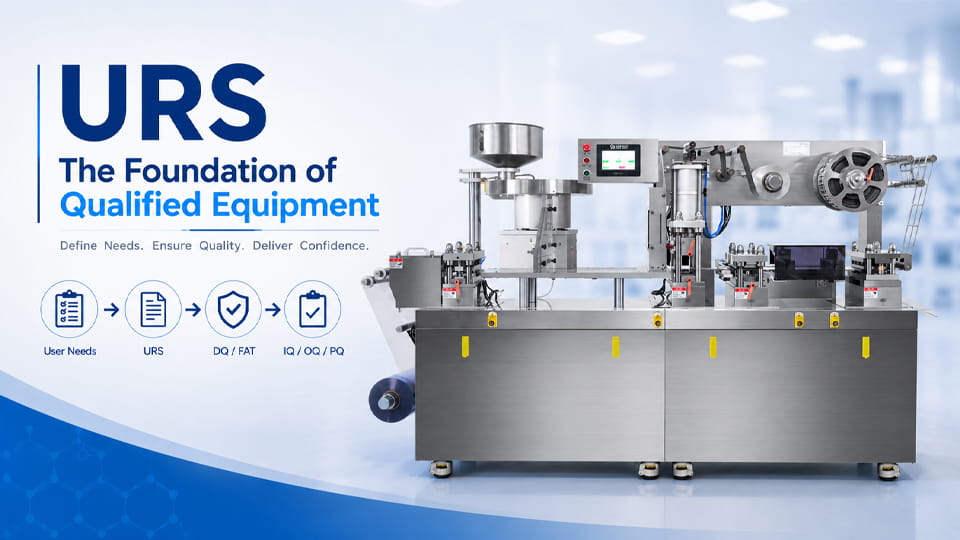
उपयोगकर्ता आवश्यकताएँ विशिष्टता क्या है? (उर्स) फार्मा में?फार्मास्युटिकल उपकरण के लिए एक संपूर्ण गाइड
उपयोगकर्ता आवश्यकताएँ विशिष्टता क्या है? (उर्स) फार्मा में?फार्मास्युटिकल उपकरण के लिए एक संपूर्ण गाइड
अगस्त 17, 2026
कोई टिप्पणी नहीं
ए उपयोगकर्ता आवश्यकताएँ विशिष्टता (उर्स) में दवा निर्माण परिभाषित करने वाला मूलभूत दस्तावेज़ है क्या गुणवत्ता को पूरा करने के लिए एक प्रणाली या उपकरण के टुकड़े को पूरा करना होगा, प्रदर्शन, और विनियामक आवश्यकताएँ. यह उपकरण मालिक द्वारा लिखा गया है (फार्मा कंपनी) और आवश्यक कार्यों की रूपरेखा तैयार करता है, क्षमता, सामग्री, और उपकरण की जीएमपी विशेषताएं. एक यूआरएस यह सुनिश्चित करता है कि सभी हितधारक (उत्पादन, इंजीनियरिंग, क्यूए) खरीद या डिज़ाइन शुरू होने से पहले आवश्यकताओं पर सहमत हों. यह आपूर्तिकर्ता प्रस्तावों के लिए आधार रेखा प्रदान करता है और पूरे डिज़ाइन में संदर्भ बन जाता है, परीक्षण, और सत्यापन.
चाबी छीनना
यूआरएस परिभाषित करता है कि फार्मास्युटिकल उपकरण को क्या हासिल करना है, इसके इच्छित उपयोग सहित, क्षमता, प्रदर्शन, गुणवत्ता, सुरक्षा, और परिचालन आवश्यकताएँ.
एक अच्छा फार्मास्युटिकल यूआरएस में स्पष्ट और मापने योग्य आवश्यकताएं होनी चाहिए जिसे बाद में सत्यापित किया जा सकता है.
पैकेजिंग मशीनरी के लिए, यूआरएस में उत्पाद विनिर्देश शामिल हो सकते हैं, पैकेज प्रारूप, उत्पादन की गति, सामग्री, उपयोगिताओं, स्वचालन, सफाई, सुरक्षा, और प्रलेखन.
यूआरएस डिज़ाइन विनिर्देश के समान नहीं है. यूआरएस आवश्यक परिणाम को परिभाषित करता है; उपकरण निर्माता तकनीकी समाधान विकसित करता है.
यूआरएस इसके लिए एक संदर्भ प्रदान कर सकता है उपकरण खरीद, आपूर्तिकर्ता मूल्यांकन, डीक्यू, फैट/सैट, आईक्यू, OQ, और पीक्यू.
एक स्पष्ट यूआरएस मशीन के डिजाइन और निर्माण से पहले दवा निर्माता और उपकरण आपूर्तिकर्ता के बीच गलतफहमी को कम करने में मदद करता है.
एक पैकेजिंग मशीन परियोजना के लिए, खरीदार जितनी जल्दी आवश्यकताओं को परिभाषित करेगा, जैसे उत्पाद का प्रकार, पैकेजिंग प्रारूप, लक्ष्य गति, और जीएमपी अपेक्षाएँ, उपयुक्त उपकरण का मूल्यांकन करना उतना ही आसान हो जाता है.
ए उपयोगकर्ता आवश्यकताएँ विशिष्टता (उर्स) एक औपचारिक दस्तावेज़ है जो कैप्चर करता है उपयोगकर्ता की आवश्यकताएँ और अपेक्षाएँ फार्मा उद्योग में उपकरण या प्रणाली के एक टुकड़े के लिए. यह वर्णन करता है क्या उपकरण को अवश्य करना चाहिए - उदा. लक्ष्य उत्पादन दर, उत्पाद प्रारूप, शुद्धता, और विनियामक कार्य - बिना निर्धारित किये कैसे इसे हासिल करने के लिए. यूआरएस प्रक्रिया इंजीनियरों या उत्पादन उपयोगकर्ताओं और उपकरण आपूर्तिकर्ताओं के बीच एक पुल के रूप में कार्य करता है. यह उपयोगकर्ता के दृष्टिकोण और बाधाओं को संप्रेषित करता है ताकि आपूर्तिकर्ता डिज़ाइन कर सकें, उद्धरण, और उन जरूरतों को पूरा करने के लिए एक प्रणाली का निर्माण करें.
उदाहरण के लिए, एक यूआरएस निर्दिष्ट कर सकता है:
Theउपयोग का उद्देश्य (उदाहरण के लिए:. "10-60 गिनती की टेबलेट फफोले पैक करें").
प्रदर्शन कसौटी (उदाहरण के लिए:. “≥ 100,000 प्रति घंटे छाले”).
विनियामक और जीएमपी आवश्यकताएँ (उदाहरण के लिए:. “स्वच्छ डिजाइन, के लिए साफ़-सफ़ाई <10 पीपीएम अवशेष").
निर्माण की सामग्री (उदाहरण के लिए:. "316L स्टेनलेस स्टील में सभी उत्पाद-संपर्क भाग").
उपयोगिताएँ और पर्यावरण (उदाहरण के लिए:. “क्लास सी क्लीनरूम में काम करता है, 380V पावर की आवश्यकता है, 6 जल पट्टी").
आवश्यकताओं को स्पष्ट रूप से सामने परिभाषित करके, यूआरएस बाद के सभी चरणों - डिज़ाइन समीक्षा - के लिए आधारशिला बन जाता है, आपूर्तिकर्ता मूल्यांकन, परीक्षण, और सत्यापन. विनियामक मार्गदर्शन (उदाहरण के लिए:. ईयू अनुलग्नक 15, एफडीए 21 सीएफआर भाग 11, GAMP5) उपकरण योग्यता के लिए प्रारंभिक बिंदु के रूप में स्पष्ट रूप से प्रलेखित उपयोगकर्ता आवश्यकताओं की अपेक्षा करता है. व्यवहार में, यूआरएस लिखना क्रॉस-फ़ंक्शनल टीमों को बाध्य करता है (उत्पादन, क्यूए, मान्यकरण, इंजीनियरिंग) उत्पाद को सही ढंग से बनाने के लिए उपकरण को वास्तव में क्या करना चाहिए, इस पर संरेखित करना.
फार्मास्युटिकल विनिर्माण में यूआरएस महत्वपूर्ण क्यों है??
जीएमपी-अनुरूप परियोजना की सफलता के लिए एक अच्छी तरह से तैयार किया गया यूआरएस महत्वपूर्ण है. प्रमुख कारणों में शामिल हैं:
आवश्यकताओं की स्पष्टता: एक यूआरएस सभी अपेक्षाओं का दस्तावेजीकरण करता है (आउटपुट, गुणवत्ता, सुरक्षा, वगैरह।) एक ही स्थान पर. यह भ्रम से बचाता है और सुनिश्चित करता है कि आपूर्तिकर्ता को ठीक-ठीक पता है कि क्या आवश्यक है. बिना उर्स के, आवश्यकताएँ अस्पष्ट या अनदेखी हो सकती हैं, जिससे महँगे रीडिज़ाइन हुए.
डिज़ाइन योग्यता का आधार (डीक्यू): यूआरएस डिजाइन योग्यता के लिए आधार रेखा के रूप में कार्य करता है. यह आपको यह सत्यापित करने की अनुमति देता है कि प्रस्तावित डिज़ाइन सभी आवश्यकताओं को पूरा करता है. ईयू जीएमपी अनुलग्नक 15 स्पष्ट रूप से कहा गया है कि "डिज़ाइन योग्यता के दौरान उपयोगकर्ता आवश्यकताओं के विनिर्देश की आवश्यकताओं को सत्यापित किया जाना चाहिए".
मान्यकरण & परीक्षण: प्रत्येक योग्यता गतिविधि यूआरएस पर आधारित होती है. एफडीए मार्गदर्शन बताता है कि स्थापना योग्यता (आईक्यू) यूआरएस में परिभाषित अनुमोदित विशिष्टताओं के अनुसार उपकरण की स्थापना की पुष्टि करता है (उदा।, निर्माण की सामग्री)”. परिचालन योग्यता (OQ) परीक्षण करता है कि उपकरण इच्छानुसार कार्य करता है, और प्रदर्शन योग्यता (पीक्यू) पुष्टि करता है कि यह स्टेज में परिभाषित विशिष्टताओं को लगातार पूरा करता है 1 (उर्स). संक्षेप में, चाहे FAT पर, बैठा, आईक्यू, ओक्यू या पीक्यू, प्रत्येक परीक्षण एक या अधिक यूआरएस आवश्यकताओं की पुष्टि करता है.
जोखिम प्रबंधन & जीएमपी अनुपालन: महत्वपूर्ण गुणवत्ता विशेषताओं को शामिल करके (सीक्यूए), जीएमपी डिज़ाइन सुविधाएँ, और यूआरएस में नियामक आवश्यकताएँ, टीमें जोखिमों का शीघ्र समाधान कर सकती हैं. उदाहरण के लिए, पहले से ही स्वच्छ डिजाइन मानदंड निर्दिष्ट करने से बाद में संदूषण की समस्या नहीं होती है. उद्योग की सर्वोत्तम प्रथाएं क्यूए को शामिल करने पर जोर देती हैं, सुरक्षा, और यूआरएस में अनुपालन की जरूरत है ताकि "अंतिम प्रणाली व्यवसाय और अनुपालन दोनों जरूरतों को पूरा करे".
संचार & आपूर्तिकर्ता चयन: यूआरएस फार्मा कंपनी और के बीच एक सामान्य संदर्भ है उपकरण विक्रेता. यह आपूर्तिकर्ताओं को ऐसे प्रस्ताव तैयार करने की अनुमति देता है जो सीधे उपयोगकर्ता की आवश्यकताओं से मेल खाते हैं. यह बोलियों का मूल्यांकन करने में भी मदद करता है - मशीनों को यूआरएस के विरुद्ध जांचा जा सकता है (FAT/SAT के माध्यम से) यह देखने के लिए कि कौन सा आपकी आवश्यकताओं को सर्वोत्तम रूप से पूरा करता है.
लागत और अनुसूची नियंत्रण: स्पष्ट आवश्यकताओं का अर्थ है गुंजाइश कम होने या छूटी हुई सुविधाओं की कम संभावना. इससे परियोजना में देरी और दोबारा काम महंगा होने का जोखिम कम हो जाता है.
उदाहरण - यूआरएस सामग्री श्रेणियाँ:
यूआरएस श्रेणी
उदाहरण आवश्यकताएँ
उपयोग का उद्देश्य
उपकरण किस प्रक्रिया और उत्पाद को संभालता है.
क्षमता/प्रदर्शन
आउटपुट दर (उदा।, छाले/मिनट), बैच का आकार, शुद्धता.
उत्पाद & पैकेजिंग
उत्पाद का प्रकार, मात्रा बनाने की विधि, पैक का आकार, सामग्री (उदा।, पीवीसी).
सामग्री (संपर्क)
सभी उत्पाद-संपर्क भाग (उदा।, 316एल एसएस, सतह खत्म).
पीएलसी/एचएमआई की आवश्यकता, नुस्खा भंडारण, डेटा प्रविष्ट कराना, अभिगम नियंत्रण.
सुरक्षा
गार्ड, ई-बंद करो, इंटरलॉक, एलार्म, सुरक्षा मानक.
प्रलेखन
नियमावली, चित्र, प्रमाण पत्र, प्रशिक्षण दस्तावेज़.
योग्यता
एफएटी/एसएटी योजनाएं, और पास मानदंड के साथ आईक्यू/ओक्यू/पीक्यू डिलिवरेबल्स.
सत्यापन नोट: प्रत्येक यूआरएस आइटम स्पष्ट और मापने योग्य होना चाहिए. उदाहरण के लिए, सटीक संख्याएँ निर्दिष्ट करें (उदाहरण के लिए:. "100 बोतलें/मिनट" या "अधिकतम 30°C चैम्बर तापमान") ताकि FAT/OQ जैसे परीक्षण उन्हें निष्पक्ष रूप से सत्यापित कर सकें. हमेशा स्वीकृति मानदंड शामिल करें (उदाहरण के लिए:. “सील में 0.01MPa होना चाहिए 5 सेकंड") जहां लागू हो.
फार्मास्युटिकल यूआरएस में क्या शामिल होना चाहिए?
एक फार्मास्युटिकल यूआरएस आम तौर पर इन क्षेत्रों को कवर करता है:
उपयोग का उद्देश्य & दायरा: प्रक्रिया चरण का वर्णन करें (भरना, मुद्रण, लेबलिंग, वगैरह।), उत्पाद और पैकेजिंग प्रारूप, और उपकरण समग्र प्रक्रिया में कैसे फिट बैठता है. यह बाकी सभी चीज़ों के लिए संदर्भ निर्धारित करता है.
क्षमता और थ्रूपुट: लक्ष्य आउटपुट को परिभाषित करें (इकाइयाँ/घंटा या बैच आकार). उदाहरण के लिए: "सामान बाँधना 50,000 प्रति 8-घंटे की शिफ्ट में यूनिट-डोज़ ब्लिस्टर पैक।” किसी भी स्टार्टअप/शटडाउन की स्थिति या टर्नडाउन रेंज को शामिल करें.
उत्पाद और पैकेजिंग विवरण: उत्पाद विशेषताएँ निर्दिष्ट करें (टेबलेट का आकार, वज़न, नमी संवेदनशीलता) और पैकेजिंग प्रारूप (बोतल का प्रकार, ब्लिस्टर कार्ड आयाम, कार्टन का आकार). यदि एकाधिक उत्पाद या आकार का उपयोग किया जाता है, प्रत्येक की सूची बनाएं.
निर्माण की सामग्री: आवश्यक सामग्रियों और मानकों की सूची बनाएं. फार्मा में, स्टेनलेस स्टील (304/316एल) और एफडीए-ग्रेड पॉलिमर संपर्क भागों के लिए आम हैं. सतह फिनिश आवश्यकताओं को शामिल करें (उदाहरण के लिए:. रा ≤0.8 μm) और कोई अस्तर या कोटिंग.
जीएमपी और डिज़ाइन सुविधाएँ: स्वच्छ डिजाइन मानदंड शामिल करें (उदाहरण के लिए:. कोई मृत पैर या दरार नहीं, जल निकास क्षमता). किसी भी लागू मानक या दिशानिर्देश का संदर्भ लें (ईयू जीएमपी अनुलग्नक 11, आईएसओ, एएसटीएम). कम्प्यूटरीकृत सिस्टम के लिए, डेटा अखंडता आवश्यकताओं पर ध्यान दें (लेखापरीक्षा, 21सीएफआर11 के अनुसार इलेक्ट्रॉनिक हस्ताक्षर).
उपयोगिताएँ और पर्यावरण: आवश्यक उपयोगिताओं का विवरण (शक्ति: वोल्टेज/चरण, संपीड़ित हवा का दबाव/प्रवाह, ठंडा पानी, खाली, वगैरह।) और पर्यावरणीय स्थितियाँ (क्लीनरूम क्लास, तापमान/आर्द्रता रेंज).
नियंत्रण और डेटा: स्वचालन आवश्यकताओं का वर्णन करें: पीएलसी/एचएमआई प्लेटफार्म, बोली, नुस्खा प्रबंधन, एलार्म, और कनेक्टिविटी (ईथरनेट/स्काडा/एमईएस). किसी भी डेटा भंडारण या रिपोर्टिंग आवश्यकताओं को बताएं (बैच रिकॉर्ड, ओईई ट्रैकिंग).
सुरक्षा आवश्यकताओं: सुरक्षा सुविधाओं की सूची बनाएं (उदाहरण के लिए:. हल्के पर्दे, आपातकालीन रोक, आपस में जुड़े हुए गार्ड) और प्रासंगिक सुरक्षा मानक (सीटी, यूएल). किसी भी एर्गोनोमिक या ऑपरेटर सुरक्षा आवश्यकताओं को शामिल करें (ताला लगाना टैग लगाना, लोटो जोन).
दस्तावेज़ीकरण और सेवाएँ: उपयोगकर्ता मैनुअल की डिलीवरी की आवश्यकता है, यथा-निर्मित चित्र, अंशांकन रिकॉर्ड, सामग्री प्रमाण पत्र, सॉफ़्टवेयर बैकअप, और ऑपरेटरों/रखरखाव कर्मियों के लिए प्रशिक्षण.
परीक्षण एवं योग्यता: वसा निर्दिष्ट करें (कारखाने की स्वीकृति के लिए परीक्षण) मानदंड और दायरा आईआर/डब्ल्यूएच/पीक्यू. उदाहरण के लिए: "आपूर्तिकर्ता अपनी साइट पर सभी यूआरएस बिंदुओं के अनुपालन को प्रदर्शित करते हुए एक एफएटी निष्पादित करेगा और एक एफएटी रिपोर्ट प्रदान करेगा।"
फार्मास्युटिकल पैकेजिंग उपकरण के लिए यूआरएस आवश्यकताएँ
पैकेजिंग मशीनरी कुछ विशेष यूआरएस विचार हैं. उपरोक्त सामान्य मदों के अतिरिक्त, शामिल करना:
पैकेजिंग गति: लक्ष्य दरें निर्दिष्ट करें (उदाहरण के लिए:. 200 बोतलें/मिनट, 50 डिब्बों/मिनट, 80 छाले/मिनट). यदि एकाधिक मशीनें/लाइनें एकीकृत हैं, प्रत्येक के लिए थ्रूपुट स्पष्ट करें.
उत्पाद रेंज: उन सभी उत्पाद प्रकारों की सूची बनाएं जिन्हें संभाला जाना चाहिए (टैबलेट बनाम. कैप्सूल, विभिन्न बोतल व्यास, टोपी शैलियाँ, वगैरह।). यदि रेखा एकाधिक प्रारूपों को संभालती है, आवश्यक शामिल करें बदलाव का समय और किसी भी प्रारूप भागों की आवश्यकता है.
पैकेज प्रारूप: छालों के लिए, कार्ड का आकार निर्दिष्ट करें, गुहा लेआउट, पन्नी प्रकार (पीवीसी/पीवीडीसी मोटाई, अलु/पीवीडीसी). बोतलों के लिए, कंटेनर के प्रकार बताएं और वॉल्यूम भरें. डिब्बों के लिए, आयाम और समापन प्रकार निर्दिष्ट करें. ये विवरण सुनिश्चित करते हैं कि मशीन सही ढंग से कॉन्फ़िगर की गई है.
सामग्री हैंडलिंग: किसी भी फीडर का विवरण दें, विभाजक, या ठोस खुराक के लिए आवश्यक छलनी. पाउडर/तरल पदार्थ के लिए, खुराक सहनशीलता और जलाशय आवश्यकताओं को निर्दिष्ट करें.
सामग्री: हमेशा की तरह, सभी उत्पाद-संपर्क हिस्से फार्मा के लिए उपयुक्त होने चाहिए (उदाहरण के लिए:. एसएस316एल). यदि संक्षारक या अम्लीय उत्पाद शामिल हैं, किसी विशेष कोटिंग या सामग्री पर ध्यान दें.
सफाई & बदलाव: यदि बार-बार उत्पाद परिवर्तन की अपेक्षा की जाती है, त्वरित-रिलीज़ भागों या सीआईपी की आवश्यकता होती है (सब कुछ साफ़ - सुथरा) विशेषताएँ. बाँझ लाइनों के लिए, क्लीनरूम वर्गीकरण और स्टरलाइज़ेशन विधियों को निर्दिष्ट करें.
नियंत्रण: उदाहरण के लिए:. “लाइन SCADA इंटरफ़ेस के साथ एलन-ब्रैडली पीएलसी का उपयोग करेगी, रेसिपी नियंत्रण का समर्थन करना।” किसी भी लेबल क्रमांकन या अपस्ट्रीम/डाउनस्ट्रीम उपकरण से कनेक्टिविटी निर्दिष्ट करें.
एकीकरण: यदि किसी बड़ी लाइन का भाग, अनुकूलता की आवश्यकता है (उदाहरण के लिए:. कन्वेयर, बैच ट्रैकिंग, बारकोड स्कैनर). किसी भी इंटरफ़ेस का दस्तावेज़ीकरण करें (विद्युतीय, यांत्रिक, संचार) आवश्यकता है.
उपयोगिताओं: पैकेजिंग लाइनें अक्सर संपीड़ित हवा की जरूरत होती है (उदाहरण के लिए:. 5 एक्स एनएल/मिनट पर बार) और वैक्यूम या नाइट्रोजन का उपयोग कर सकते हैं. न्यूनतम आवश्यकताएं बताएं.
सुरक्षा: आसपास अनेक ऑपरेटरों के साथ, लोडिंग/रिजेक्ट स्टेशनों पर हल्के पर्दे या दो-हाथ वाले नियंत्रण शामिल करें. यूआरएस को आपकी साइट के सुरक्षा नियमों को प्रतिबिंबित करना चाहिए (उदाहरण के लिए:. सीई अनुपालन).
उदाहरण के लिए, एक ब्लिस्टर मशीन यूआरएस में शामिल हो सकती है: “200°C तक हीट-सीलिंग क्षमता, 300μm मोटी पीवीसी/पीवीडीसी फिल्म को समायोजित करें, एकीकृत ब्लिस्टर फीडर और ट्रिम कन्वेयर, 4-बदलाव के साथ ब्लिस्टर प्रारूप को ट्रैक करें <15 मिन, SS316L में सभी संपर्क भाग, आउटपुट ≥80 छाले/मिनट पर 100% क्षमता।" इस तरह की विशिष्टताएँ मशीन निर्माता को आपकी सटीक ज़रूरतें पूरी करने देती हैं.
यूआरएस योग्यता प्रक्रिया में कैसे फिट बैठता है??
यूआरएस उपकरण योग्यता जीवनचक्र का प्रारंभिक बिंदु है. एक सरलीकृत प्रवाह है:
यूआरएस → डीक्यू: एक बार यूआरएस स्वीकृत हो जाए, उपकरण डिजाइन (चित्र, विशिष्टता) यह सुनिश्चित करने के लिए डिज़ाइन योग्यता में समीक्षा की जाती है कि सभी यूआरएस आवश्यकताएँ पूरी हो गई हैं. एक डिज़ाइन समीक्षा में, इंजीनियर और क्यूए डिज़ाइन आउटपुट की प्रत्येक यूआरएस आइटम से तुलना करके चलते हैं.
यूआरएस → फैट/सैट: फ़ैक्टरी स्वीकृति परीक्षण (मोटा) विक्रेता की साइट पर यह प्रदर्शित करने के लिए किया जाता है कि मशीन शिपिंग से पहले यूआरएस से मेल खाती है. उपभवन 15 यदि उचित हो तो विक्रेता साइट पर यूआरएस अनुपालन की पुष्टि करने का भी सुझाव देता है. स्थापना के बाद, साइट स्वीकृति परीक्षण (बैठा) पुष्टि करता है कि सब कुछ अभी भी अपनी जगह पर काम करता है (कभी-कभी FAT और SAT चरण ओवरलैप होते हैं).
यूआरएस → आईक्यू: इंस्टालेशन योग्यता जाँच करती है कि स्थापित उपकरण यूआरएस विनिर्देशों से मेल खाते हैं. उदाहरण के लिए, एफडीए मार्गदर्शन में कहा गया है कि आईक्यू को यह सत्यापित करना चाहिए कि "किसी सुविधा के सभी पहलू, उपयोगिता, या उपकरण जो उत्पाद की गुणवत्ता को प्रभावित कर सकते हैं... यूआरएस में परिभाषित अनुमोदित विनिर्देशों का पालन करें (उदा।, निर्माण की सामग्री)”. व्यवहार में इसका मतलब पाइपिंग की जाँच करना है, विद्युतीय, और यूआरएस के विरुद्ध संरचनात्मक विवरण.
यूआरएस → ओक्यू/पीक्यू: परिचालन योग्यता परीक्षण करती है कि मशीन इच्छानुसार कार्य करता है. FDA का कहना है कि OQ उपकरण के संचालन का सत्यापन करता है[एस] जैसा कि प्रत्याशित ऑपरेटिंग रेंज में इरादा था". प्रदर्शन योग्यता तब यूआरएस-परिभाषित मानदंडों को पूरा करते हुए लगातार आउटपुट दिखाती है. दूसरे शब्दों में, OQ/PQ के तहत आप मशीन को वास्तविक सामग्रियों के साथ चलाते हैं और मेट्रिक्स की पुष्टि करते हैं (रफ़्तार, उपज, दोष दर, वगैरह।) यूआरएस के अनुसार.
प्रत्येक चरण में, परीक्षण प्रोटोकॉल यूआरएस आवश्यकताओं पर आधारित हैं. यदि यूआरएस कहता है "बजाओ।" 100 एमएल ±2%," तो OQ परीक्षण उसे पूरा करने के लिए वितरित मात्रा को मापेंगे. एक यूआरएस अस्पष्ट लक्ष्यों को वस्तुनिष्ठ परीक्षणों में बदल देता है.
यह जानना महत्वपूर्ण है कि ये दस्तावेज़ किस प्रकार भिन्न हैं:
दस्तावेज़
को परिभाषित करता है (दायरा)
लेखक
उपयोगकर्ता आवश्यकताएँ विशिष्टता (उर्स)
उपयोगकर्ताओं को सिस्टम से क्या करने की आवश्यकता है (कार्यात्मक और नियामक आवश्यकताएँ).
फार्मा कंपनी (मालिक)
कार्यात्मक विशिष्टता (एफएस)
सिस्टम यूआरएस को कैसे पूरा करेगा (कार्य, सॉफ्टवेयर मॉड्यूल, विशेषताएँ).
इंजीनियरिंग/विक्रेता
डिज़ाइन विशिष्टता (डी एस)
विस्तृत समाधान (चित्र, बीओएम, कोड, विन्यास).
इंजीनियरिंग/विक्रेता
Theउर्स जवाब क्या प्रश्न: “क्या प्रदर्शन, सुरक्षा, और अनुपालन सुविधाएँ आवश्यक हैं?“यह समाधान के तरीकों को खुला छोड़ देता है.
Theकार्यात्मक विशिष्टता यूआरएस को सिस्टम फ़ंक्शंस में तोड़ देता है (उदाहरण के लिए:. "नियंत्रण प्रणाली अलार्म पर स्वतः बंद हो जाएगी और त्रुटि कोड रिकॉर्ड करेगी").
Theडिज़ाइन विशिष्टता वास्तविक डिज़ाइन प्रदान करता है (सीएडी चित्र, पीएलसी कोड, विक्रेता/निर्माता विवरण).
यूआरएस में अति-निर्दिष्टीकरण से बचें. उदाहरण के लिए, जब तक बिल्कुल आवश्यक न हो, किसी विशिष्ट पीएलसी ब्रांड या मोटर प्रकार को अनिवार्य न करें. यूआरएस को जरूरतों पर ध्यान देना चाहिए, डिज़ाइन विवरण नहीं. जैसा कि उद्योग विशेषज्ञ ध्यान देते हैं, यूआरएस में अत्यधिक तकनीकी विवरण शामिल करने से लचीले समाधान सीमित हो सकते हैं. इसके बजाय वे विवरण कार्यात्मक/डिज़ाइन विनिर्देशों में हैं.
यूआरएस की तैयारी के लिए कौन जिम्मेदार है??
आम तौर पर, theफार्मास्युटिकल उपयोगकर्ता (क्रेता) यूआरएस के लिए जिम्मेदार है. एक क्रॉस-फ़ंक्शनल टीम आमतौर पर इसका मसौदा तैयार करती है:
उत्पादन/प्रक्रिया इंजीनियर: इच्छित उपयोग को परिभाषित करें, THROUGHPUT, और प्रक्रिया एकीकरण.
गुणवत्ता आश्वासन/सत्यापन: जीएमपी आवश्यकताएँ प्रदान करें, डेटा अखंडता की आवश्यकता, और नियामक मानदंड.
रखरखाव अभियांत्रिकी: उपयोगिताएँ निर्दिष्ट करें, स्पेयर पार्ट्स, रखरखाव पहुंच, और स्थापना स्थान.
विनियामक/क्यूए: अनुलग्नक या दिशानिर्देश सुनिश्चित करें (उपभवन 15, उपभवन 1 बाँझ के लिए, वगैरह।) संबोधित हो रहे थे.
खरीद: दस्तावेज़ प्रारूप का समन्वय करता है और तकनीकी बिंदुओं को स्पष्ट कर सकता है.
उपकरण विक्रेता इनपुट दे सकता है (क्या संभव है, विशिष्ट प्रदर्शन, वगैरह।), लेकिन अंतिम यूआरएस उपयोगकर्ता की ओर से आना चाहिए. सभी हितधारकों को शीघ्र शामिल करना (उत्पादन, क्यूए, इंजीनियरिंग, मान्यकरण) एक सर्वोत्तम अभ्यास है. उदाहरण के लिए, QA स्वच्छता संबंधी आवश्यकता को पकड़ सकता है, और प्रक्रिया एक फ़ीड आकार निर्दिष्ट कर सकती है. यूआरएस को इन दृष्टिकोणों को एकीकृत करना चाहिए ताकि यह वास्तव में आपकी आवश्यकताओं को प्रतिबिंबित कर सके.
एक अच्छा फार्मास्युटिकल यूआरएस कैसे लिखें
स्पष्ट बनाने के लिए इन चरणों का पालन करें, परीक्षणयोग्य यूआरएस:
इच्छित उपयोग को परिभाषित करें: एक संक्षिप्त सिस्टम विवरण और उद्देश्य के साथ प्रारंभ करें (उदाहरण के लिए:. "उत्पाद एबीसी लाइन में तरल भरने की मशीन के लिए यूआरएस"). यह मंच तैयार करता है.
लागू विनियमों/मानकों की सूची बनाएं: प्रासंगिक मार्गदर्शन शामिल करें (ईयू जीएमपी अनुलग्नक 15/11, 21 सीएफआर भाग 11, खेल 5, वगैरह।) ताकि अनुपालन संबंधी आवश्यकताएं छूट न जाएं.
विशिष्ट और मापने योग्य बनें: आवश्यकताओं को सटीक मानों या परीक्षणों के साथ बताएं. "उच्च गति" के बजाय, “न्यूनतम” निर्दिष्ट करें 500 बोतलें/घंटा पर 80% भरना". प्रत्येक आवश्यकता वस्तुनिष्ठ रूप से सत्यापन योग्य होनी चाहिए.
विस्तृत उत्पाद और प्रक्रिया आवश्यकताएँ: उत्पाद प्रकारों का वर्णन करें, भौतिक गुण, पर्यावरणीय स्थितियाँ. उदाहरण के लिए: “टैबलेट का व्यास 6-10 मिमी; 20-25 डिग्री सेल्सियस में काम करें, 40-60% आरएच।"
सामग्री और डिज़ाइन मानदंड निर्दिष्ट करें: संपर्क सामग्री को स्पष्ट रूप से परिभाषित करें (उदाहरण के लिए:. एसएस316एल), खत्म (आरए), स्वच्छता कक्षाएं, वगैरह. इससे आईक्यू जांच "एज़-बिल्ट" स्पेक्स की पुष्टि करती है.
उपयोगिताएँ और स्थान आवश्यकताएँ शामिल करें: दस्तावेज़ बिजली की आपूर्ति, वायुदाब/प्रवाह, पानी की गुणवत्ता, तौल, और कोई विशेष नींव या कमरे की आवश्यकताएं.
नियंत्रण और डेटा प्रबंधन का वर्णन करें: नियंत्रण प्रणाली प्राथमिकताएँ निर्दिष्ट करें (पीएलसी ब्रांड, एचएमआई भाषा), नुस्खा गिनती, अलार्म/इवेंट लॉगिंग (सीएफआर 21पार्ट के लिए ऑडिट ट्रेल 11), वगैरह. यदि लाइन को एमईएस के साथ एकीकृत किया जाना चाहिए, इसे नोट करें.
सुरक्षा सुविधाओं की रूपरेखा: आवश्यक सुरक्षा इंटरलॉक की सूची बनाएं, रक्षा, आपातकालीन रोक, और सुरक्षा मानकों का अनुपालन (सीटी, यूएल). ऑपरेटर सुरक्षा को नज़रअंदाज़ न करें (उदाहरण के लिए:. प्रकाश, सीढ़ी, ताला लगाना टैग लगाना).
एफएटी/एसएटी के लिए योजना: इंगित करें कि मशीन FAT और SAT से गुजरेगी, और किन स्वीकृति मानदंडों का परीक्षण किया जाएगा (उदाहरण के लिए:. "सभी यूआरएस अंक मापे गए परिणामों के साथ एफएटी प्रोटोकॉल में शामिल किए जाएंगे").
समीक्षा करें और संशोधित करें: सुनिश्चित करें कि सभी आवश्यकताएँ स्पष्ट हैं, स्पष्ट, और पता लगाने योग्य. यदि ट्रैकिंग के लिए उपयोगी हो तो अद्वितीय आईडी निर्दिष्ट करें. यह सत्यापित करने के लिए कि कोई भी महत्वपूर्ण चीज़ गायब नहीं है, क्यूए/सत्यापन शामिल करें.
प्रमुख सर्वोत्तम प्रथाएँ: सभी समूहों के उपयोगकर्ताओं को शामिल करें, सरल भाषा का प्रयोग करें, और अस्पष्ट शब्दों से बचें. एक अच्छा यूआरएस बुलेट सूचियों या तालिकाओं का उपयोग करता है, और प्रत्येक आइटम के परीक्षण के लिए मानदंड हैं. जैसा कि एक उद्योग स्रोत कहता है: प्रत्येक आवश्यकता "विशिष्ट और परीक्षण योग्य" होनी चाहिए. इस तरह, आप प्रत्येक FAT/IQ/OQ चरण को सीधे URS आइटम से लिंक कर सकते हैं.
यूआरएस लिखते समय सामान्य गलतियाँ
बहुत अस्पष्ट: संख्याओं के बिना "उपयोग में आसान" या "उच्च गति" जैसी आवश्यकताएं अप्राप्य हैं. हमेशा स्वीकृति मानदंड निर्धारित करें या निर्दिष्ट करें.
डिज़ाइन-केंद्रित भाषा: "पीएलसी सीमेंस होना चाहिए" या "तीन मोटरों का उपयोग करें" लिखना यूआरएस से आगे निकल जाता है. जरूरतों पर फोकस रखें (क्या, कैसे नहीं).
सत्यापन विधि गुम है: यदि आप यह नहीं कह सकते कि इसका परीक्षण कैसे करें, इसे स्पष्टीकरण की आवश्यकता है. उदाहरण के लिए, "ठीक से सील करना चाहिए" में एक रिसाव परीक्षण विशिष्टता शामिल होनी चाहिए.
जीएमपी/डेटा अखंडता की अनदेखी: अलार्म का उल्लेख करना भूल गया, डेटा बैकअप, या भाग 11 अनुपालन से ऑडिट संबंधी समस्याएं उत्पन्न हो सकती हैं.
उपयोगिताओं/पर्यावरण की अनदेखी: सामान्य चूक वायुदाब हैं, शक्ति चरण, कक्ष वर्ग, या कुल वजन भी (फर्श का भार).
सफ़ाई/परिवर्तन को छोड़ना: फार्मा में, सीआईपी और तेज़ बदलाव अक्सर महत्वपूर्ण होते हैं. उन्हें छोड़ने से बाद में पुनः डिज़ाइन किया जा सकता है.
सभी हितधारकों को शामिल नहीं करना: यदि QA या उत्पादन शामिल नहीं है, आवश्यकताएं (उदाहरण के लिए:. साफ़-सफ़ाई, ऑपरेटर की आवश्यकता) छूट सकता है.
अवास्तविक उम्मीदें: थ्रूपुट का अत्यधिक वादा करना या तापमान का कम आकलन करना उल्टा असर डाल सकता है. वास्तविक प्रक्रिया डेटा पर आधार संख्याएँ.
कोई संस्करण नियंत्रण नहीं: यूआरएस को एक संपादन योग्य ड्राफ्ट के रूप में मानना टीमों को भ्रमित कर सकता है. एक बार फाइनल हो गया, यह एक नियंत्रित दस्तावेज़ होना चाहिए.
एक यूआरएस जो या तो बहुत सामान्य है या बहुत विस्तृत है, दोनों ही परेशानी का कारण बन सकते हैं. स्पष्ट लक्ष्य रखें, स्पष्ट उपयोगकर्ता आवश्यकताएँ.
फार्मास्युटिकल पैकेजिंग मशीन यूआरएस उदाहरण
नीचे यूआरएस प्रविष्टियों का एक सरल उदाहरण दिया गया है फुल पैकेजिंग मशीन. (वास्तविक मूल्य आपके विशिष्ट उत्पादों और लक्ष्यों से आएंगे।)
मांग
उदाहरण (फुल पैकेजिंग मशीन)
मशीन का प्रकार
स्वचालित रोटरी ब्लिस्टर पैकिंग मशीन
उत्पादों
गोलियां (6-10 मिमी Ø) और कैप्सूल (8-12 मिमी Ø)
ब्लिस्टर सामग्री
पीवीसी/पीवीडीसी फिल्म 300 माइक्रोन, या अलु/पीवीडीसी फ़ॉइल 20/30 माइक्रोन
ट्रैक की संख्या
4-ट्रैक मशीन (ब्लिस्टर चक्र के लिए)
आउटपुट स्पीड
≥ 80 प्रति मिनट भरे हुए छाले
सील
ऊपरी/निचले टूलींग के साथ हीट-सील; सीलिंग तापमान 170-200 डिग्री सेल्सियस; सीलिंग बल 3kN
बदलाव
प्रारूप में बदलाव < 30 उत्पादों के बीच मिनट
निर्माण
उत्पाद-संपर्क भागों के लिए SS316L स्टेनलेस स्टील, रा ≤ 0.8 माइक्रोन
नियंत्रण प्रणाली
10 के साथ एलन-ब्रैडली पीएलसी″ एचएमआई; तक के लिए रेसिपी भंडारण 20 प्रारूप
उपयोगिताओं
400 वीएसी, 5 बार संपीड़ित हवा (100 एनएल/मिनट), 50 हर्ट्ज शक्ति
सुरक्षा
सीई-अनुपालक गार्ड और ई-स्टॉप; इंटरलॉक प्रवेश द्वार
प्रलेखन
उपयोगकर्ता पुस्तिका, वायर संरचना आरेख, एफएटी/आईक्यू/ओक्यू प्रोटोकॉल, अंशांकन दस्तावेज़
योग्यता समर्थन
विक्रेता स्थल पर एफएटी सभी यूआरएस बिंदुओं को कवर करता है; आपूर्तिकर्ता IQ/OQ/PQ दस्तावेज़ प्रदान करता है
टिप्पणी: ये उदाहरणात्मक उदाहरण हैं. आपके वास्तविक यूआरएस में आपके उत्पाद के आकार से संबंधित मूल्य शामिल होंगे, क्लीनरूम ग्रेड, विनियामक आवश्यकताएँ, और सत्यापन योजना.
DPP-270Pro लिक्विड ब्लिस्टर पैकेजिंग मशीन
उपकरण खरीद के लिए यूआरएस चेकलिस्ट
यूआरएस को अंतिम रूप देने से पहले, सुनिश्चित करें कि आपने कवर कर लिया है:
उपयोग का उद्देश्य / प्रक्रिया चरण
उत्पाद प्रकार और पैकेजिंग प्रारूप
उत्पादन क्षमता और परिचालन सीमा
निर्माण की सामग्री और सतह परिसज्जा
जीएमपी/स्वच्छ डिज़ाइन सुविधाएँ
सफाई और सीआईपी आवश्यकताएँ
उपयोगिताएँ और पर्यावरणीय स्थितियाँ
नियंत्रण और डेटा अखंडता (एचएमआई, स्काडा, सीएफआर21 भाग 11)
सुरक्षा एवं रखवाली संबंधी आवश्यकताएँ
प्रलेखन (नियमावली, चित्र, प्रमाण पत्र)
एफएटी/एसएटी और योग्यता डिलिवरेबल्स
रखरखाव, स्पेयर पार्ट्स, और प्रशिक्षण की जरूरत है
विनियामक संदर्भ (उदाहरण के लिए:. उपभवन 15, उपभवन 1)
एक संपूर्ण चेकलिस्ट आपूर्तिकर्ताओं द्वारा परियोजना पर बोली लगाने से पहले गायब टुकड़ों को पकड़ने में मदद करती है.
निष्कर्ष
ए उपयोगकर्ता आवश्यकताएँ विशिष्टता (उर्स) किसी भी फार्मा उपकरण परियोजना के लिए प्रारंभिक बिंदु है. यह उपयोगकर्ता की ज़रूरतों को परिभाषित करता है और अनुरूप उपकरण डिज़ाइन और सत्यापन का आधार बन जाता है. वर्तनी द्वारा क्या उपकरण को स्पष्ट रूप से करना चाहिए, मापने योग्य मानदंड - यूआरएस खरीद का मार्गदर्शन करता है, आपूर्तिकर्ता प्रस्ताव, और योग्यता परीक्षण.
फार्मास्युटिकल पैकेजिंग लाइनों के लिए, एक मजबूत यूआरएस आपकी गारंटी देता है ब्लिस्टर पैकर्स, टेबलेट काउंटर, कार्टनर, और बॉटलिंग मशीनें आवश्यक आउटपुट प्रदान करती हैं और जीएमपी डिजाइन मानकों को पूरा करती हैं. जब आपका उत्पादन, क्यूए, और इंजीनियरिंग टीमें यूआरएस पर सहयोग करती हैं, आप गलतफहमियों को कम करते हैं और FAT के लिए एक आसान रास्ता तय करते हैं, आईक्यू, OQ, और पीक्यू.
यदि आप किसी पैकेजिंग मशीन या लाइन के लिए यूआरएस तैयार कर रहे हैं, याद करना: परिभाषित करें कि आपको क्या चाहिए, इसे मापने योग्य बनाएं, और इसे जीएमपी आवश्यकताओं से लिंक करें. जिनलू पैकिंग में विशेषज्ञता है फार्मास्युटिकल पैकेजिंग मशीनरी - ब्लिस्टर पैकिंग और कैप्सूल भरने से लेकर कार्टिंग और बॉटलिंग लाइन तक. हाथ में स्पष्ट यूआरएस के साथ, हम अपने उपकरण प्रस्तावों और सत्यापन समर्थन को आपकी सटीक आवश्यकताओं के अनुरूप बना सकते हैं.
जिनलू पैकिंग से संपर्क करें आपकी अगली फार्मास्युटिकल पैकेजिंग मशीन को निर्दिष्ट और योग्य बनाने में विशेषज्ञ सहायता के लिए. हमारी अनुभवी टीम आपके यूआरएस को अनुपालन में बदलने में मदद कर सकती है, उच्च प्रदर्शन समाधान.
उपयोगकर्ता आवश्यकताओं विशिष्टता पर अक्सर पूछे जाने वाले प्रश्न (उर्स) फार्मा में
यूआरएस एक लिखित दस्तावेज़ है जो किसी मशीन या सिस्टम को डिज़ाइन करने या खरीदने से पहले उसके लिए उपयोगकर्ता की अपेक्षाओं का विवरण देता है. यह प्रदर्शन को सूचीबद्ध करता है, कार्यक्षमता, और अनुपालन आवश्यकताओं को उपकरण को पूरा करना होगा. दूसरे शब्दों में, यह आपूर्तिकर्ताओं को ठीक-ठीक बताता है कि प्रक्रिया के लिए क्या आवश्यक है.
फार्मास्युटिकल उद्योग में यूआरएस महत्वपूर्ण क्यों है??
यूआरएस सुनिश्चित करता है कि उपकरण जीएमपी के अनुसार विकसित किया गया है, सुरक्षा, और डेटा अखंडता आवश्यकताएँ. यह इस बात पर स्पष्टता प्रदान करता है कि क्या आवश्यक है ताकि डिज़ाइनर अनुरूप निर्माण कर सकें, उच्च गुणवत्ता वाली प्रणालियाँ. स्पष्ट यूआरएस के बिना, उपकरण में प्रमुख आवश्यकताएँ पूरी नहीं हो सकतीं, जिसके परिणामस्वरूप महंगा पुनर्कार्य या विनियामक गैर-अनुपालन होता है.
आमतौर पर यूआरएस कौन लिखता है?
आमतौर पर जो लोग इस प्रक्रिया को चलाते हैं (उत्पादन या उत्पाद विशेषज्ञ) यूआरएस का मसौदा तैयार करें, इंजीनियरिंग से इनपुट के साथ, क्यूए, और सत्यापन टीमें. यह सुनिश्चित करता है कि सभी दृष्टिकोण शामिल हैं. नियामक आवश्यकताओं की पूर्ति की पुष्टि के लिए अंतिम समीक्षा और अनुमोदन में क्यूए शामिल होना चाहिए.
यूआरएस कब बनाया जाना चाहिए?
यूआरएस को उपकरण खरीदने या निर्माण करने से पहले तैयार किया जाना चाहिए - इस निर्णय के ठीक बाद कि एक नई प्रणाली की आवश्यकता है, और विस्तृत डिज़ाइन या विक्रेता चयन से पहले.
यूआरएस में क्या शामिल किया जाना चाहिए?
फार्मा यूआरएस के प्रमुख अनुभाग आम तौर पर परियोजना के दायरे को कवर करते हैं, कार्यात्मक आवश्यकताएँ (यह क्या करता है), प्रदर्शन आवश्यकताएँ (यह कितनी अच्छी तरह से करता है), विनियामक अनुपालन आवश्यकताएँ, आंकड़ा शुचिता, और स्वीकृति मानदंड. इसमें सुरक्षा संबंधी अनुभाग भी शामिल हो सकते हैं, रखरखाव, प्रलेखन, प्रशिक्षण, वगैरह.
यूआरएस और कार्यात्मक आवश्यकता विशिष्टता के बीच क्या अंतर है? (एफआरएस)?
यूआरएस परिभाषित करता है कि उपयोगकर्ता को क्या चाहिए (व्यापार की ज़रूरते, उच्च स्तरीय कार्य). एफआरएस (या कार्यात्मक विशिष्टता) बाद में आता है और वर्णन करता है कि सिस्टम यह कैसे करेगा. यूआरएस के बारे में सोचें "हमें एक्स आउटपुट और वाई सटीकता की आवश्यकता है", जबकि एफआरएस इसे प्राप्त करने के लिए तकनीकी समाधान या वर्कफ़्लो का विवरण देगा. आम तौर पर, यूआरएस में कार्यात्मक विशिष्टताओं की नकल न करें.
यूआरएस सत्यापन से कैसे जुड़ता है? (आईआर/डब्ल्यूएच/पीक्यू)?
यूआरएस सभी सत्यापन परीक्षणों के लिए आधार रेखा है. प्रत्येक योग्यता गतिविधि यूआरएस में आवश्यकताओं का पता लगाती है. उदाहरण के लिए, यदि यूआरएस की आवश्यकता है 10,000 बोतलें/घंटा, पीक्यू (प्रदर्शन योग्यता) उस आउटपुट का परीक्षण करेंगे. उपभवन 15 स्पष्ट रूप से कहा गया है कि यूआरएस आवश्यकताओं को डीक्यू के दौरान सत्यापित किया जाना चाहिए और पूरे आईक्यू/ओक्यू/पीक्यू में संदर्भ के रूप में काम करना चाहिए.
क्या कोई विक्रेता हमारे लिए यूआरएस लिख सकता है??
जबकि एक विक्रेता यह स्पष्ट कर सकता है कि वे आवश्यकताओं को कैसे पूरा करेंगे, यूआरएस उपयोगकर्ता के स्वामित्व वाला रहना चाहिए. इसे आपकी विशिष्ट प्रक्रिया और जीएमपी प्राथमिकताओं को प्रतिबिंबित करना चाहिए, सिर्फ वही नहीं जो आपूर्तिकर्ता ने पहले बनाया है. आपको तकनीकी व्यवहार्यता पर विक्रेता इनपुट मिल सकता है, लेकिन अंतिम यूआरएस आपकी टीम द्वारा मान्य किया जाना चाहिए (क्यूए/सत्यापन) पक्षपात से बचने के लिए.
क्या नियामकों के लिए यूआरएस आवश्यक है??
हाँ. जीएमपी दिशानिर्देश (ईयू अनुलग्नक 15, एफडीए 21 सीएफआर, वगैरह।) उपकरण के लिए दस्तावेज़ीकृत विशिष्टताओं की आवश्यकता है. उपभवन 15 योग्यता की शुरुआत में स्पष्ट रूप से यूआरएस या समान विशिष्टता की मांग की जाती है. उसी प्रकार, एफडीए का हिस्सा 11 और GAMP5 स्पष्ट दस्तावेजी आवश्यकताओं पर जोर देते हैं. ऑडिट के दौरान, नियामक प्रत्येक महत्वपूर्ण मशीन के लिए एक यूआरएस या विशिष्टता देखने की उम्मीद करेंगे.
यदि हम यूआरएस छोड़ दें तो क्या होगा??
खराब यूआरएस को छोड़ देने या लिखने से अक्सर डिजाइन संबंधी खामियां और अनुपालन संबंधी समस्याएं पैदा हो जाती हैं. आपको ऐसी मशीनें मिल सकती हैं जो उत्पादन आवश्यकताओं को पूरा नहीं करती हैं या जिनमें महत्वपूर्ण जीएमपी सुविधाओं का अभाव है. फार्मागाइडलाइन चेतावनी देती है कि एक अस्पष्ट यूआरएस "स्पष्टता की कमी के कारण उपकरणों को फिर से डिज़ाइन करने और योग्य बनाने से जुड़ी अत्यधिक लागत" का कारण बनता है।. हमेशा एक अच्छे यूआरएस से शुरुआत करें - यह अनुपालन के लिए सबसे प्रभावी मार्ग है, ऑन-स्पेक सिस्टम.
पेटी फू, जिनलुपैकिंग के संस्थापक, ऊपर लाता है 20 फार्मास्युटिकल मशीनरी क्षेत्र में वर्षों की विशेषज्ञता. उनके नेतृत्व में, जिंलू डिज़ाइन को एकीकृत करने वाला एक विश्वसनीय आपूर्तिकर्ता बन गया है, उत्पादन, और बिक्री. पेटी को ग्राहकों को फार्मा पैकेजिंग की जटिलताओं से निपटने में मदद करने के लिए अपने गहन उद्योग ज्ञान को साझा करने का शौक है, यह सुनिश्चित करना कि उन्हें न केवल उपकरण प्राप्त हों, बल्कि उनके उत्पादन लक्ष्यों के अनुरूप एक सच्ची वन-स्टॉप सेवा साझेदारी है.