सही का चयन करना फार्मास्युटिकल पैकेजिंग मशीन उत्पाद सुरक्षा सुनिश्चित करने के लिए महत्वपूर्ण है, विनियामक अनुपालन, और कुशल उत्पादन. वैश्विक फार्मास्युटिकल पैकेजिंग बाजार फलफूल रहा है - एक अनुमान के मुताबिक यह इससे भी आगे निकल जाएगा $160 अरब द्वारा 2026. एक ही समय पर, नियामक सख्त गुणवत्ता नियंत्रण की मांग करते हैं: उदाहरण के लिए:. एफडीए का सीजीएमपी (21 सीएफआर भाग 210-211) विनिर्माण पर कठोर आवश्यकताएं लागू करें, प्रसंस्करण, और दवाओं की पैकिंग. व्यवहार में, लगभग का आधा दवा याद दिलाती है पैकेजिंग या लेबलिंग संबंधी त्रुटियाँ शामिल हैं, दांव पर प्रकाश डालना. इस गाइड में, हम सभी प्रमुख विचारों - उत्पाद प्रारूप - पर विचार करेंगे, क्षमता, अनुपालन, स्वचालन, विक्रेता समर्थन, और भी बहुत कुछ - ताकि आप आत्मविश्वास से अपनी आवश्यकताओं के लिए सही फार्मा पैकेजिंग उपकरण चुन सकें. हम मशीन के प्रकारों को कवर करते हैं (छाले की मशीन, कैप्सूल भराव, कार्टनर, वगैरह।), स्वचालित बनाम अर्ध-स्वचालित प्रणालियों की तुलना करें, और विशेषज्ञ युक्तियाँ शामिल करें, एक तुलना तालिका, चयन चरणों का एक फ़्लोचार्ट, एक अक्सर पूछे जाने वाले प्रश्न, और कार्रवाई योग्य सिफ़ारिशें.
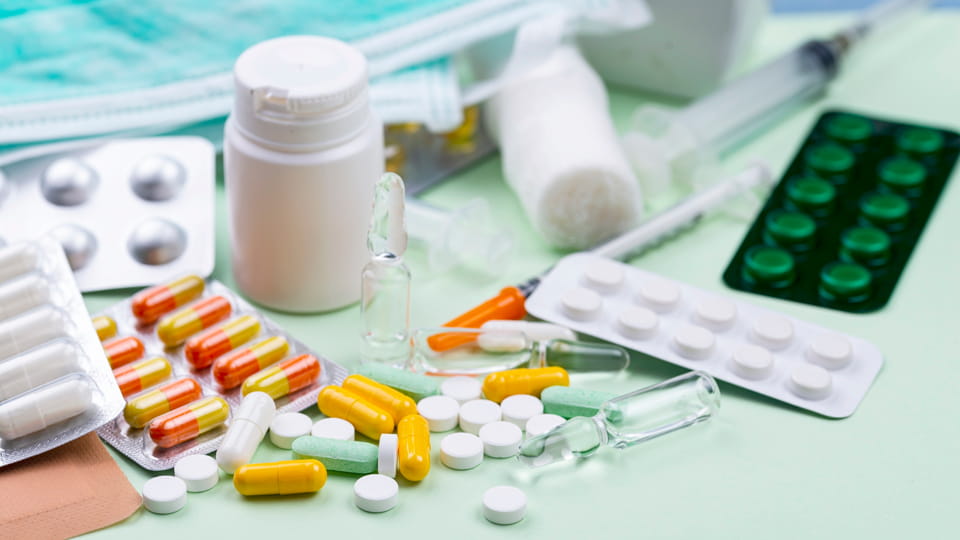
सही मशीन का चयन क्यों मायने रखता है?
फार्मास्युटिकल पैकेजिंग सामान्य उपभोक्ता पैकेजिंग की तुलना में कहीं अधिक महत्वपूर्ण है. यह दवा की गुणवत्ता की रक्षा करता है, खुराक सटीकता सुनिश्चित करता है, और रोगी की सुरक्षा बरकरार रखता है. उदाहरण के लिए, डब्ल्यूएचओ के दिशानिर्देश इस बात पर जोर देते हैं कि पैकेजिंग को दवाओं को नमी से बचाना चाहिए, रोशनी, ऑक्सीजन, और उनके शेल्फ जीवन के दौरान अन्य प्रतिकूल प्रभाव. वैसे ही, एफडीए के सीजीएमपी नियम अनिवार्य करते हैं कि "तरीके, सुविधाएँ, प्रसंस्करण और पैकिंग में "और नियंत्रण" को दवा की सुरक्षा और सही सामग्री की गारंटी देनी चाहिए. व्यवहारिक अर्थों में, ख़राब पैकेजिंग का कारण बन सकता है दूषण, ग़लत लेबलिंग, खुराक संबंधी त्रुटियाँ, या उपकरण की खराबी - यहां तक कि रोगी को नुकसान भी. वास्तव में, रिकॉल डेटा का विश्लेषण इंगित करता है तक 50% दवा की वापसी पैकेजिंग या लेबलिंग की गलतियों के कारण होती है. इसका मतलब है कि प्रतीत होता है कि एक छोटी सी चूक (ग़लत बारकोड, क्षतिग्रस्त छाला, ग़लत गिनती की गोलियाँ) महंगी वापसी या विनियामक चेतावनी को ट्रिगर कर सकता है.
सुरक्षा से परे, सही मशीन उत्पादकता बढ़ाती है और लागत कम करती है. आधुनिक फार्मा लाइनें फिलिंग को एकीकृत करती हैं, मुद्रण, उच्च गति स्वचालित प्रणालियों में गिनती और लेबलिंग. ऐसे उपकरण चुनना जो आपकी आउटपुट आवश्यकताओं और स्वचालन स्तर से मेल खाते हों, थ्रूपुट में नाटकीय रूप से सुधार कर सकते हैं और श्रम को कम कर सकते हैं. के साथ -साथ, गलत विकल्प के कारण बार-बार जाम लग सकता है, असंगत भरण, और डाउनटाइम - दक्षता को नुकसान पहुंचा रहा है. और क्योंकि फार्मास्युटिकल प्लांट अक्सर चलते रहते हैं 24/7, अनिर्धारित रखरखाव विनाशकारी हो सकता है. इन कारणों से, उद्योग विशेषज्ञ संतुलित चयन पर जोर देते हैं: “फार्मास्युटिकल पैकेजिंग उपकरण का चयन करने के लिए जीएमपी अनुपालन क्षमताओं के सावधानीपूर्वक मूल्यांकन की आवश्यकता होती है, सत्यापन तत्परता, और दीर्घकालिक परिचालन विश्वसनीयता". सारांश, सही मशीन सुनिश्चित करती है गुणवत्ता और अनुपालन (दोषों/रिकॉल से बचना) अनुकूलन करते समय उत्पादन क्षमता और लागत.
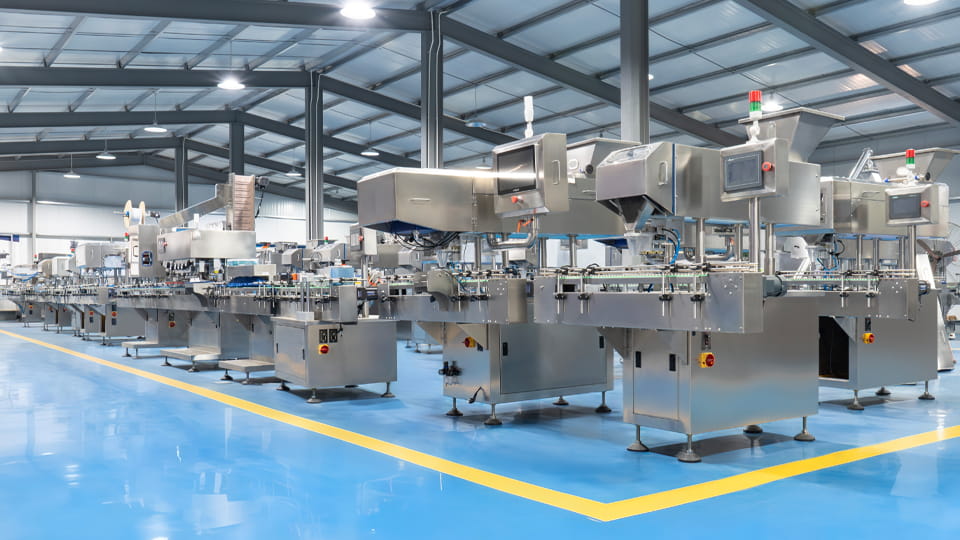
फार्मास्युटिकल पैकेजिंग मशीनों के प्रकार
"फार्मास्युटिकल पैकेजिंग" में कई उत्पाद और प्रारूप शामिल हैं. मशीनें गिर जाती हैं प्राथमिक पैकेजिंग (दवा के संपर्क में पहली परत) और द्वितीयक/तृतीयक पैकेजिंग (बाहरी डिब्बे, बंडल, PALLETS). विशिष्ट मशीनों में शामिल हैं:
- भरने और खुराक देने वाली मशीनें: के लिए तरल पदार्थ, क्रीम, या पाउडर शीशियों/बोतलों/पाउचों में. उदाहरण: तरल भराव, पाउडर भरने वाली मशीनें, सिरप भराव. यदि आपका उत्पाद एक है तरल दवा, तरल पदार्थों के लिए डिज़ाइन की गई मशीन का चयन करें (क्रमिक वृत्तों में सिकुड़नेवाला या पिस्टन भराव). के लिए चूर्ण/कणिकाएँ (उदाहरण के लिए:. थोक में गोलियाँ भेजी जा रही हैं), वॉल्यूमेट्रिक या बरमा भराव आदर्श हैं.
- कैप्सूल/टैबलेट उपकरण: के लिए कैप्सूल या गोलियाँ, प्रमुख मशीनें हैं कैप्सूल भरने वाली मशीनें, टैबलेट प्रेस, और गिनती/भरने की मशीनें. आधुनिक कैप्सूल फ़िलर प्लेसमेंट को स्वचालित कर सकते हैं, पृथक्करण, भरना, और कैप्सूल को लॉक करना. टैबलेट प्रेस कंप्रेस पाउडर को टैबलेट में बदल देता है. गिनती की मशीनें (ऑप्टिकल काउंटर) ठोस खुराक को बोतलों या पाउचों में भरें और गिनें. जैसा कि जिनलूपैकिंग नोट करता है, में ठोस खुराक पंक्तियाँ "हर चीज़ सटीक गिनती से शुरू होती है" - हाई-स्पीड मल्टी-चैनल सेंसर सुनिश्चित करते हैं कि प्रत्येक बोतल/पाउच में बिल्कुल सही गिनती हो.
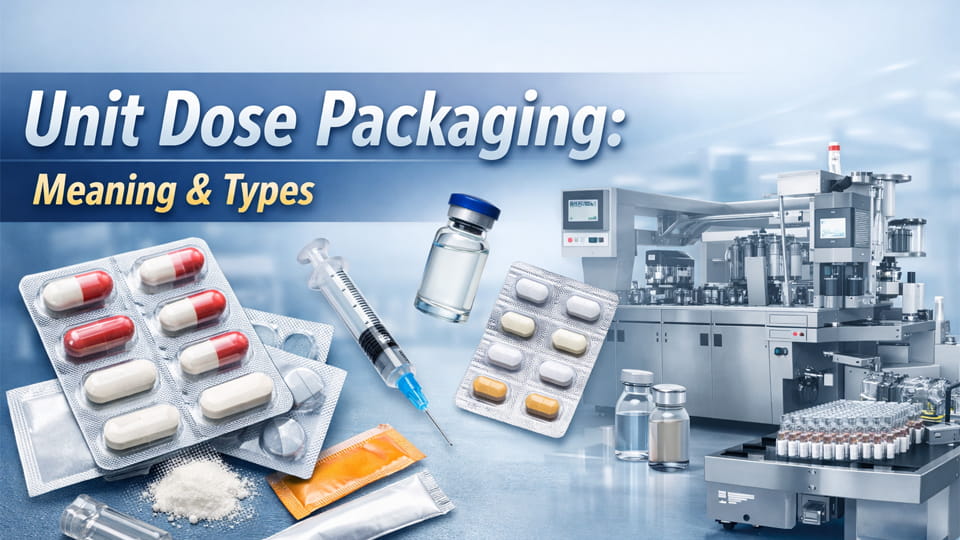
- ब्लिस्टर पैकेजिंग मशीनें: ब्लिस्टर पैक में गोलियों/कैप्सूल के लिए. ये थर्मोफॉर्म ट्रे जो गोलियों को पन्नी के नीचे सील कर देती हैं. ब्लिस्टर मशीनें के रूप में आओ साधारण प्लेट (अनुक्रमित) या रोटरी निरंतर प्रकार, विभिन्न प्रारूपों के साथ (पीवीसी-आधारित या कोल्ड-फॉर्म फ़ॉइल). वे यूनिट-डोज़ पैकेजिंग के लिए आदर्श हैं.
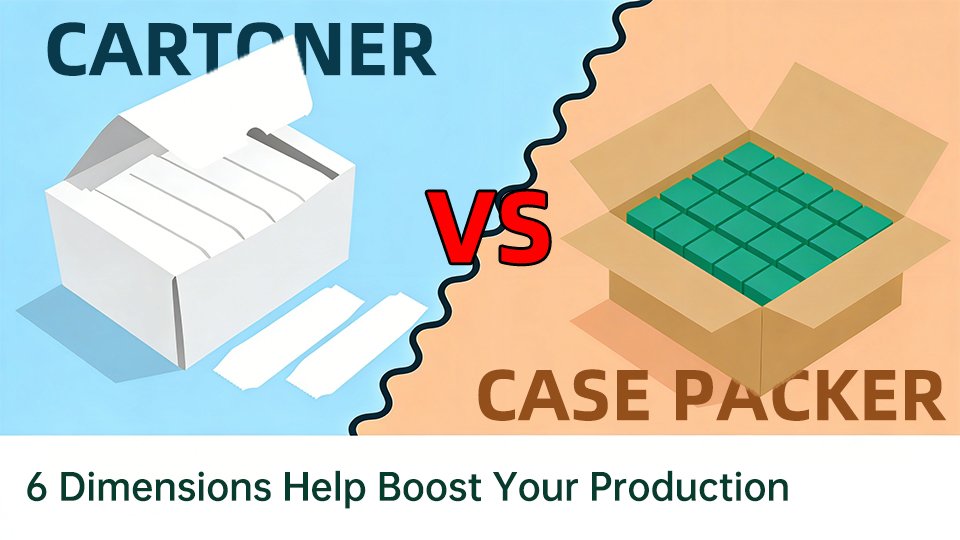
- कार्टोनिंग/बॉक्सिंग मशीनें: द्वितीयक पैकिंग. कार्टोनर्स डिब्बों को मोड़ें और सील करें, अक्सर ब्लिस्टर पैक या बोतलें और रोगी पत्रक डालना. वे हो सकते है क्षैतिज (पक्ष-लोड) या खड़ा (शीर्ष भार) कार्टनर बक्सों को खड़ा करने को स्वचालित करते हैं, सामग्री लोड हो रही है, और सीलिंग - मैन्युअल श्रम को कम करना और लगातार बॉक्स बंद करना सुनिश्चित करना (जीएमपी ट्रैसेबिलिटी के लिए महत्वपूर्ण). आधुनिक कार्टनर सख्त नियमों का पालन करने के लिए स्टेनलेस-स्टील सेनेटरी डिज़ाइन और छेड़छाड़-स्पष्ट सील का उपयोग करते हैं.
- लेबलर और निरीक्षक: लेबलिंग मशीनें बोतलों/डिब्बों पर बैच कोड के साथ पूर्व-मुद्रित लेबल लगाएं, समाप्ति की तिथियां, और बारकोड. निरीक्षण प्रणाली (कैमरा दृष्टि, मेटल डिटेक्टर, एक्स-रे) भरण सटीकता की जाँच करें, बाहरी अणु, लेबल उपस्थिति, और कोड पठनीयता. अनुपालन के लिए, ऐसे उपकरण की तलाश करें जो क्रमबद्धता का समर्थन करता हो (पता लगाने योग्य बारकोड) और त्रुटि अस्वीकृति.
- एकीकृत पैकेजिंग लाइनें: व्यवहार में, फार्मा संयंत्र अक्सर उपयोग करते हैं पूरी पंक्तियाँ उपरोक्त मशीनों का संयोजन. उदाहरण के लिए, टैबलेट-टू-कार्टन लाइन में टैबलेट प्रेस शामिल हो सकता है, डिसिकेंट इंसर्टर, कैप्सूल काउंटर, बॉटल अस्वाभाविक, भरने वाली इकाई, कैपिंग मशीन, प्रेरण मुहर, लेबलिंग, दफ़्ती, और अंतिम निरीक्षण कन्वेयर. इन एंड-टू-एंड सिस्टम को पहले से इकट्ठा किया जा सकता है और एक लाइन के रूप में मान्य किया जा सकता है, जो योग्यता और पदचिह्न को सरल बनाता है. .
संक्षेप में, ऐसी मशीनें चुनें जो आपके खुराक स्वरूप और पैकेजिंग प्रारूप से मेल खाती हों. जैसा कि एक मार्गदर्शक सलाह देता है, “ब्लिस्टर पैकेजिंग मशीनें टैबलेट के लिए आदर्श हैं, जबकि क्षैतिज फॉर्म-फिल-सील सिस्टम का उपयोग उच्च-थ्रूपुट पाउचिंग के लिए किया जाता है।. अपने उत्पाद को समझना (गोली, कैप्सूल, तरल, पाउडर) और वांछित पैकेज (छाला, बोतल, पाउच, पूर्व-निर्मित थैली, वगैरह।) मशीन चुनने में पहला कदम है.
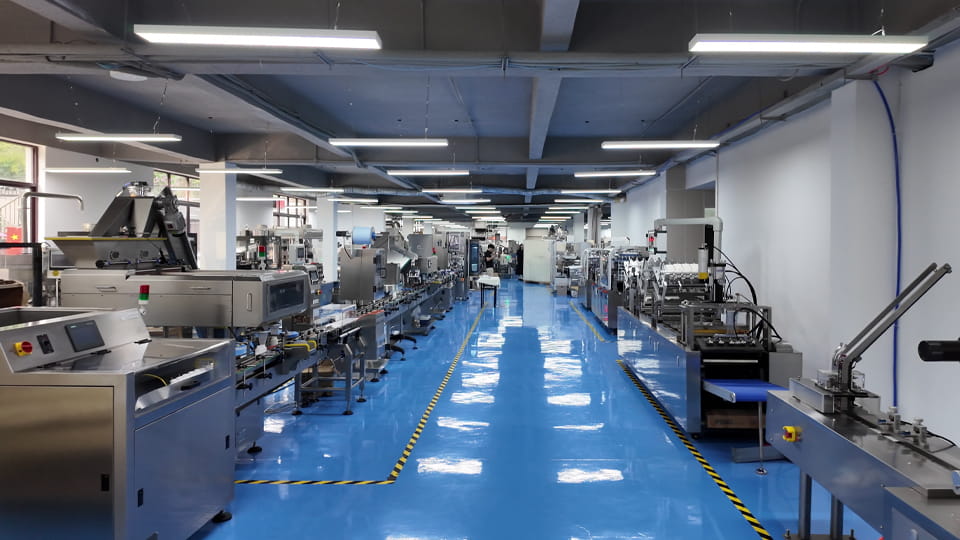
विचार करने योग्य मुख्य कारक
विशिष्ट मशीनों या विक्रेताओं का मूल्यांकन करते समय, इन महत्वपूर्ण कारकों को ध्यान में रखें:
- उत्पाद & पैकेजिंग प्रारूप संगतता: सुनिश्चित करें कि उपकरण आपके सटीक उत्पाद रूप और कंटेनर को संभाल सके. खुराक प्रपत्र और कंटेनर प्रकार मामला: गोलियाँ, कैप्सूल, तरल पदार्थ, सभी पाउडरों की विशिष्ट हैंडलिंग आवश्यकताएँ होती हैं. उदाहरण के लिए, गणनीय ठोस गिनती या ब्लिस्टर प्रणाली का उपयोग करते हैं, जबकि तरल पदार्थों के लिए टाइट सीलर्स वाले तरल-भराव की आवश्यकता होती है. यह भी जांचें आकार और ज्यामिति: कुछ मशीनें एकाधिक भरण भार या कंटेनर आकार को संभाल सकती हैं, अन्य समर्पित हैं. यदि आप एकाधिक SKU की योजना बनाते हैं तो लचीलापन महत्वपूर्ण है. मशीन विवरण अक्सर संगत प्रारूप निर्दिष्ट करते हैं; यदि संभव हो तो नमूना उत्पाद परीक्षणों से सत्यापित करें.
- उत्पादन गति & क्षमता: मशीन के थ्रूपुट को अपनी वर्तमान और भविष्य की मांग से मिलाएं. मशीनों में "रेटेड गति" होती है (उदाहरण के लिए:. बोतलें/मिनट या छाले/मिनट) और एक व्यावहारिक आउटपुट (परिवर्तनों को ध्यान में रखते हुए). अति विशिष्टीकरण (बहुत तेज़ गति) पैसा और जगह बर्बाद करता है; कम विशिष्टीकरण बाधाओं का कारण बनता है. कई निर्माता (जिनलू की तरह) उद्धरण गति: उदाहरण के लिए:. कुछ कैप्सूल लाइनें प्रति घंटे सैकड़ों हजारों कैप्सूल कर सकती हैं, गिनती की मशीनें >99.98% ~6,000 बोतल/घंटा पर सटीक, और कार्टनर तक 450 डिब्बों/मिनट. न केवल वर्तमान उत्पादन बल्कि विकास पर भी विचार करें - जिनलुपैकिंग क्षमता चुनने की सलाह देती है "जो विकास के लिए जगह देते हुए आपकी वर्तमान मांग के अनुरूप हो". यदि आपको वॉल्यूम बढ़ने का अनुमान है तो मॉड्यूलर मशीनों या मल्टी-लेन विकल्पों की तलाश करें.
- शुद्धता & गुणवत्ता नियंत्रण: फार्मा में उच्च परिशुद्धता पर समझौता नहीं किया जा सकता. उपकरण भरना एवं गिनती सुनिश्चित करनी होगी कोई अतिरिक्त या गायब गोलियाँ नहीं, सही खुराक, और एक विश्वसनीय रूप से सीलबंद पैकेज. शीर्ष पंक्तियों का लक्ष्य प्रत्येक कंटेनर में "एक भी अतिरिक्त टुकड़ा नहीं और एक भी टुकड़ा गायब नहीं होना" है. प्रत्येक मशीन का मूल्यांकन करें सटीकता विशिष्टताएँ: उदाहरण के लिए:. एक काउंट फिलर दावा कर सकता है 99.98% शुद्धता. सख्त सहनशीलता हासिल करने के लिए हम मल्टी-चैनल ऑप्टिकल सेंसर या सर्वो-संचालित खुराक की सलाह देते हैं. अंतर्निहित गुणवत्ता सुविधाओं की भी जाँच करें: उदाहरण के लिए:. गिनती सत्यापित करने के लिए दृष्टि प्रणाली, रिसाव का पता लगाना, वज़न जाँचने वाले. मशीन को एकीकृत करना चाहिए प्रक्रिया में नियंत्रण त्रुटियाँ पकड़ने के लिए (बैच अस्वीकार करता है, अलर्ट) लगातार गुणवत्ता सुनिश्चित करने के लिए.
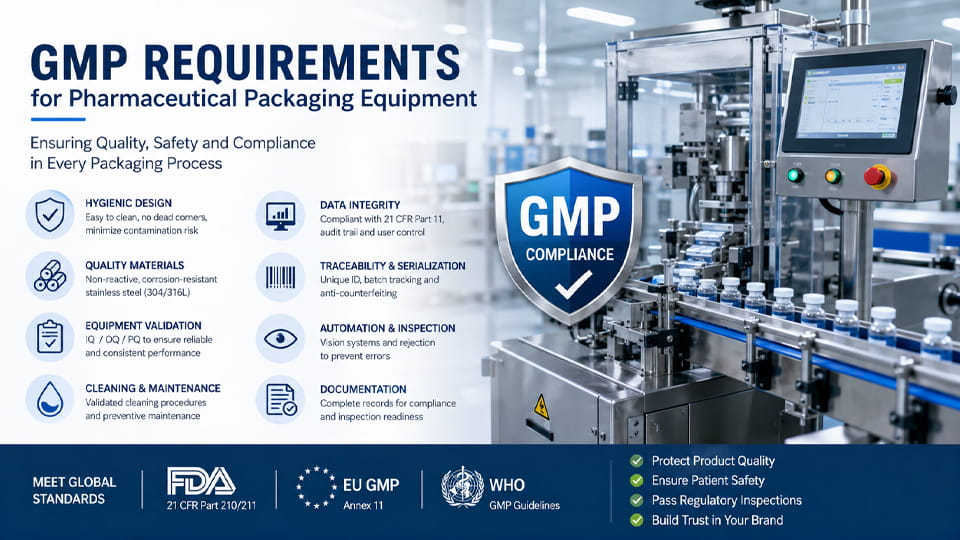
- जीएमपी & विनियामक अनुपालन: फार्मास्युटिकल मशीनों को कड़े स्वच्छता और दस्तावेज़ीकरण मानकों को पूरा करना होगा. देखो के लिए सीजीएमपी-संगत डिजाइन: सभी उत्पाद-संपर्क भाग स्टेनलेस स्टील (SUS316L) या अन्य फार्म-ग्रेड सामग्री, चिकनी सतहें (कोई मरे हुए पैर या दरारें नहीं), और सफाई के लिए आसान जुदा करना. सतहों को संक्षारण/संदूषण का प्रतिरोध करना चाहिए. मशीन होनी चाहिए सुरक्षा गार्ड, सीलबंद नियंत्रण पैनल, और जहां संभव हो, उपकरण-रहित बदलाव. सॉफ्टवेयर अनुपालन भी उतना ही महत्वपूर्ण है: आधुनिक फार्मा लाइनें अक्सर FDA के अंतर्गत आती हैं 21 सीएफआर भाग 11 (इलेक्ट्रॉनिक रिकॉर्ड) और ईयू जीएमपी अनुलग्नक 11 (कम्प्यूटरीकृत सिस्टम). हम उपकरण समर्थन सुनिश्चित करने की सलाह देते हैं इलेक्ट्रॉनिक रिकॉर्ड, ऑडिट ट्रैल्स, और भूमिका-आधारित पहुंच, और एक व्यापक सत्यापन पैकेज के साथ आता है (डिज़ाइन दस्तावेज़, एफएटी/एसएटी प्रोटोकॉल, आईक्यू/ओक्यू/पीक्यू टेम्पलेट्स). संक्षेप में, मशीन होनी चाहिए सत्यापन के लिए तैयार. निर्यात करते समय सीई मार्किंग या अन्य स्थानीय प्रमाणन वाली मशीनों को प्राथमिकता दें. पैकेजिंग दिशानिर्देश याद रखें (कौन, एफडीए, यूरोपीय संघ) सभी लोग स्वच्छता के माध्यम से उत्पाद की अखंडता बनाए रखने पर जोर देते हैं, मान्य प्रक्रियाएँ.
- FLEXIBILITY & बदलाव का समय: फार्मास्युटिकल लाइनें अक्सर कई उत्पाद चलाती हैं. के साथ मशीनों की तलाश करें त्वरित परिवर्तन क्षमताएँ. सुविधाओं में सर्वो-संचालित समायोज्य हेड शामिल हो सकते हैं, सेटिंग्स के लिए मेमोरी "रेसिपी"।, और सांचों या गाइडों का उपकरण-रहित प्रतिस्थापन. JinLuPacking "टूल-फ्री" पर जोर देती है, एकाधिक SKU को संभालने के लिए रेसिपी भंडारण के साथ त्वरित बदलाव”. एक ऐसी मशीन जो मिनटों में फॉर्मेट बदल सकती है (बनाम. घंटे) डाउनटाइम को कम करके और OEE को बढ़ाकर भुगतान करता है. अर्ध-स्वचालित मशीनों को समायोजित करना आसान है लेकिन ऑपरेटरों की आवश्यकता होती है; यदि अच्छी तरह से डिज़ाइन किया गया हो तो पूरी तरह से स्वचालित मशीनों में आमतौर पर तेजी से उपकरण परिवर्तन होते हैं. लेआउट लचीलेपन पर भी विचार करें - ऊर्ध्वाधर बनाम क्षैतिज फ़ीड, गलियों, वगैरह।, विभिन्न पैकेज ज्यामिति को समायोजित करने के लिए.
- स्वचालन स्तर: के बीच निर्णय लें अर्द्ध स्वचालित (कुछ मैन्युअल चरण) और पूरी तरह से स्वचालित प्रणाली. स्वचालित पैकेजिंग लाइनें श्रम और मानवीय त्रुटि को कम करती हैं, लगातार हासिल करना 24/7 THROUGHPUT. उदाहरण के लिए, स्वचालित कार्टनर खड़े हो गए, न्यूनतम ऑपरेटर इनपुट के साथ डिब्बों को लोड और सील करें, जबकि सेमी-ऑटो कार्टनरों को मैन्युअल कार्टन लोडिंग की आवश्यकता होती है. पूरी तरह से स्वचालित गिनती/भरने वाली लाइनें टैबलेट के लिए वाइब्रेटरी फीडर और पिक-एंड-प्लेस आर्म्स को एकीकृत करती हैं, मैन्युअल गिनती को समाप्त करना. अदला - बदली: ऑटो मशीनों की लागत अधिक होती है और उन्हें स्थापित करना जटिल होता है. सेमी-ऑटो मशीनों की लागत कम होती है लेकिन वे श्रमिकों को बांधती हैं और कम गति से चलती हैं. हम नीचे दी गई तालिका में उनकी तुलना करते हैं:
| विशेषता |
स्वचालित मशीन |
अर्ध-स्वचालित मशीन |
| प्रवाह |
बहुत ऊँचा (निरंतर, 24/7) |
मध्यम (बैच या रुक-रुक कर) |
| श्रम की आवश्यकता |
कम (निगरानी के लिए छोटा दल) |
उच्च (फीडिंग/हैंडलिंग के लिए ऑपरेटर) |
| FLEXIBILITY |
मध्यम (समर्पित प्रारूप; वॉल्यूम में तेज़) |
उच्च (मैन्युअल हैंडलिंग विभिन्न प्रारूपों की अनुमति देती है) |
| बदलाव का समय |
लम्बा हो सकता है (जटिल सेटअप) |
आमतौर पर छोटा (सरल यांत्रिकी) |
| प्रारंभिक लागत |
उच्च (जटिल नियंत्रण & रोबोटिक) |
निचला |
| रखरखाव |
जटिल (प्रशिक्षित तकनीशियनों की आवश्यकता है) |
सरल (उपयोगकर्ता-सेवा योग्य हिस्से) |
संक्षेप में, के लिए स्वचालित मशीनों का उपयोग करें उच्च परिमाण, स्थिर उत्पादन. यदि आपका बैच रन छोटा या कम है, अर्ध-स्वचालित बजट पर पर्याप्त हो सकता है. (उदाहरण के लिए, एक सेमी-ऑटो ब्लिस्टर मशीन केवल फफोले को हीट-सील कर सकती है जबकि ऑपरेटर गोलियाँ हाथ से लोड करता है।) आप जो भी स्तर चुनें, सुनिश्चित करें कि नियंत्रण आधुनिक हों (पीएलसी/एचएमआई, सुरक्षा इंटरलॉक) और यह कि यूजर इंटरफ़ेस सहज है.
- स्वच्छता & साफ़-सफ़ाई: फार्मास्युटिकल मशीनें होनी चाहिए साफ करना और कीटाणुरहित करना आसान है क्रॉस-संदूषण को रोकने के लिए. जांचें कि सभी संपर्क भाग धोने के लिए पहुंच योग्य हैं, और कोई भी कोना पाउडर या तरल पदार्थ को नहीं फँसाता. कई फार्मा मशीनें उपयोग करती हैं टूल-मुक्त त्वरित-रिलीज़ भाग सफाई के लिए. विचार करें कि क्या मशीन समर्थन करती है सीआईपी (जगह स्वच्छ रखें) या वाइप-डाउन सफाई चक्र. डिज़ाइन को अनुमति देनी चाहिए शुष्क सफाई (उदाहरण के लिए, पाउडर रखने के लिए विनिमेय हिस्से). यदि पाउडर शामिल है तो फिल्टर और वेंटिलेशन का भी मूल्यांकन करें. फार्मा परिवेश में सख्त सफाई प्रोटोकॉल की आवश्यकता होती है, इसलिए दैनिक/साप्ताहिक रखरखाव दिनचर्या की योजना बनाएं. (टिप के लिए: एचएमसी की सलाह पढ़ें - फार्मास्युटिकल लाइनों को "अवशेषों को हटाने और बैचों के बीच क्रॉस-संदूषण को रोकने के लिए कठोर सफाई प्रोटोकॉल" की आवश्यकता होती है।)
- आंकड़ा शुचिता & पता लगाने की क्षमता: मशीन को पूर्ण बैच ट्रैसेबिलिटी की सुविधा प्रदान करनी चाहिए. देखने लायक सुविधाएँ शामिल हैं क्रमबद्ध बारकोडिंग (यूनिट-खुराक पैक के लिए), डेटा प्रविष्ट कराना प्रक्रिया मापदंडों का, और फ़ैक्टरी एमईएस/ईआरपी सिस्टम के साथ एकीकरण. शीर्ष स्तरीय मशीनें सभी महत्वपूर्ण मापदंडों के लिए ऑडिट ट्रेल्स प्रदान करती हैं (तापमान, तौल, गिनता). क्रमांकन के लिए (संयुक्त राज्य अमेरिका में डीएससीएसए या ईयू में एफएमडी जैसे कई बाजारों द्वारा इसकी आवश्यकता है), सुनिश्चित करें कि लाइन 1डी/2डी कोड के दृष्टि निरीक्षण को संभाल सकती है, ख़राब कोड अस्वीकार करें, और माता-पिता-बच्चे का डेटा एकत्र करें (उदा।, अलग-अलग ब्लिस्टर पैक को उनके कार्टन से जोड़ना). मूल रूप से, उपकरण को आपको FDA और EU ट्रेसिंग अधिदेशों को पूरा करने में मदद करनी चाहिए. आधुनिक मशीनों में अक्सर OEE शामिल होता है (समस्त उपकरण प्रबवशीलता) डैशबोर्ड की निगरानी भी.
- मालिकाने की कुल कीमत (TCO): स्टीकर की कीमत से परे देखें. विचार करना ऊर्जा की खपत (हीटिंग तत्व, वैक्यूम पंप, मोटर्स), उपभोज्य लागत (पतली परत, पन्नी, पाउडर, सील जैसे स्पेयर पार्ट्स), और सेवा आवश्यकताएँ. एक बहुत सस्ती मशीन में उच्च डाउनटाइम हो सकता है या गैर-मानक भागों का उपयोग किया जा सकता है. के साथ -साथ, एक गुणवत्ता वाली मशीन अधिक ऊर्जा का उपयोग कर सकती है लेकिन कम अपशिष्ट पैदा करती है. कारकों में शामिल हैं: रखरखाव श्रम (कितनी बार और कितना कठिन बनाए रखना), स्पेयर पार्ट्स लीड समय (आयातित मशीनों के लिए महत्वपूर्ण), और वित्तपोषण/आरओआई. जैसा कि जिनलू ब्लॉग ब्लिस्टर मशीनों के लिए नोट करता है, "उच्च गुणवत्ता वाली मशीनों की अग्रिम लागत अधिक हो सकती है लेकिन अपशिष्ट और डाउनटाइम को कम कर सकती है". सारांश, इसे परिकलित करें जीवनचक्र लागत: खरीद मूल्य + परिचालन लागत + रखरखाव. आपूर्तिकर्ता अक्सर इसके लिए टीसीओ उपकरण या कैलकुलेटर प्रदान करते हैं.
- आपूर्तिकर्ता अनुभव & सहायता: अंत में, फार्मा अनुभव वाला एक प्रतिष्ठित निर्माता चुनें. पैकेजिंग उपकरण एक दीर्घकालिक निवेश है; तुम्हें एक साथी चाहिए, सिर्फ एक विक्रेता नहीं. आपूर्तिकर्ता के ट्रैक रिकॉर्ड की जाँच करें: क्या आपके क्षेत्र/उद्योग में उनके संदर्भ संयंत्र हैं? क्या उनकी मशीनें फार्मा ग्राहकों के लिए मान्य हैं?? प्रदर्शित जीएमपी विशेषज्ञता वाले आपूर्तिकर्ताओं को प्राथमिकता देना, व्यापक सत्यापन समर्थन, और विनियमित उद्योगों में सिद्ध ट्रैक रिकॉर्ड. बिक्री के बाद की सेवा का भी आकलन करें: क्या वे कमीशनिंग सहायता प्रदान करते हैं? (फैट/सैट/आईक्यू/ओक्यू), स्पेयर पार्ट्स की सूची, दूरस्थ निदान, और प्रशिक्षण? एक अच्छा आपूर्तिकर्ता आपके लेआउट को अनुकूलित करने में मदद करेगा, नियामक ऑडिट में सहायता करें, और आपातकालीन ब्रेकडाउन को संभालें. रात-रात भर बेचने वालों से बचें - उद्योग प्रमाणपत्रों की तलाश करें (आईएसओ, सीटी), वारंटियों, और वैश्विक नेटवर्क.
नीचे एक है चयन प्रक्रिया का सारांश देने वाला फ़्लोचार्ट:

स्वचालित बनाम. अर्ध-स्वचालित पैकेजिंग: एक तुलना
विकल्पों का दायरा बढ़ाते समय, यह अर्ध-स्वचालित विकल्पों के विरुद्ध पूर्णतः स्वचालित लाइनों की तुलना करने में मदद करता है. स्वचालित लाइनें फीडिंग को एकीकृत करती हैं, गठन, भरना, और एक सतत प्रक्रिया में सीलिंग, जबकि अर्ध-स्वचालित लाइनों को मैन्युअल हस्तक्षेप की आवश्यकता होती है (उदाहरण के लिए:. हाथ से लोड की जाने वाली बोतलें या कार्टन). सामान्य रूप से:
- स्वचालित सिस्टम की पेशकश बहुत उच्च थ्रूपुट (अक्सर के लिए आवश्यक है >100 डिब्बों/मिनट, या बड़े कैप्सूल बैच). वे साथ काम करते हैं न्यूनतम श्रम (1-2 ऑपरेटर निगरानी के लिए), जो मानवीय त्रुटि को कम करता है. वे आमतौर पर पूर्ण डेटा लॉग भी स्वचालित रूप से एकत्र करते हैं. नकारात्मक पक्ष यह है उच्च पूंजीगत लागत और जटिलता. इनके रखरखाव के लिए प्रशिक्षित तकनीशियनों की आवश्यकता होती है.
- अर्द्ध स्वचालित मशीनें हैं कम लागत और सरल. उन्हें उत्पादों या डिब्बों को खिलाने के लिए श्रमिकों की आवश्यकता हो सकती है, उन्हें उपयुक्त बनाना छोटे से मध्यम रन. बदलाव जल्दी होते हैं (गति की कम अक्षें), और प्रशिक्षण सरल है. तथापि, मैन्युअल कदम श्रम लागत और परिवर्तनशीलता को बढ़ाते हैं. अर्ध-ऑटो लाइनें शायद ही कभी पूरी तरह से स्वचालित के समान गति तक पहुंचती हैं.
यहां प्रमुख विशेषताओं की त्वरित तुलना दी गई है:
| विशेषता |
स्वचालित लाइन |
अर्ध-स्वचालित लाइन |
| प्रवाह |
बहुत ऊँचा (100+ इकाई/मिनट) |
मध्यम (ऑपरेटर की गति पर निर्भर करता है) |
| श्रम |
कम (1-2 लोग, ज्यादातर देख रहे हैं) |
उच्च (कई ऑपरेटर भागों को खिला रहे हैं) |
| FLEXIBILITY |
मध्यम (विशिष्ट प्रारूप के लिए अनुकूलित) |
उच्च (ऑपरेटर तुरंत अनुकूलन कर सकते हैं) |
| बदलाव |
इंजीनियरिंग की आवश्यकता हो सकती है (अधिक भाग/उपकरण) |
अक्सर जल्दी (स्वैप करने के लिए कम हिस्से) |
| प्रारंभिक लागत |
उच्च (स्वीकृति, रोबोटिक, सेंसर) |
निचला (बुनियादी एक्चुएटर्स और कन्वेयर) |
| रखरखाव |
गहन (विशेष तकनीकी कौशल) |
आसान (सामान्य यांत्रिक रखरखाव) |
व्यवहार में, कई फार्मा लाइनें दोनों को जोड़ती हैं: उदाहरण के लिए:. सेमी-ऑटो कार्टनर में फीड होने वाला एक स्वचालित फिलिंग स्टेशन, या विपरीत. कुंजी का मिलान करना है आपके वॉल्यूम के लिए स्वचालन का सही स्तर. यदि आप स्केल करने की योजना बना रहे हैं या 24/7 दौड़ना, पूर्ण स्वचालन से आमतौर पर लाभ मिलता है. पायलट बैचों या बजट की कमी के लिए, एक सेमी-ऑटो बेंच-टॉप या टेबलटॉप मशीन पर्याप्त हो सकती है.
बचने के लिए सामान्य नुकसान
- अनुपालन की अनदेखी: लागत बचाने के लिए जीएमपी सुविधाओं पर कभी कंजूसी न करें. गैर-अनुपालक मशीनें ऑडिट विफलताओं या रिकॉल का कारण बनेंगी.
- "सबसे सस्ता" विकल्प ख़रीदना: बहुत कम बोली में सटीकता या समर्थन की कमी हो सकती है. दीर्घकालिक आरओआई पर विचार करें, सिर्फ अग्रिम कीमत नहीं.
- भविष्य की आवश्यकताओं की उपेक्षा करना: के लिए न खरीदें बस आज का आउटपुट; विकास या नए उत्पादों के लिए जगह छोड़ें.
- फ़ैक्टरी स्वीकृति परीक्षण छोड़ना: हमेशा अपने नमूनों के साथ मशीन का फ़ैक्टरी-परीक्षण करें (मोटा) शिपमेंट के पहले. वैसे ही, साइट स्वीकृति निष्पादित करें (बैठा) यह सुनिश्चित करने के लिए कि यह विशिष्टताओं को पूरा करता है, अपनी टीम के साथ.
- उपयोगिताओं की अनदेखी & एकीकरण: सुविधा आवश्यकताओं की जाँच करें (शक्ति, वायु, पानी) और सुनिश्चित करें कि मशीन आपके फ्लोर प्लान पर फिट बैठती है. यह भी सुनिश्चित करें कि यह मौजूदा कन्वेयर या नियंत्रण प्रणालियों के साथ सुचारू रूप से एकीकृत हो.
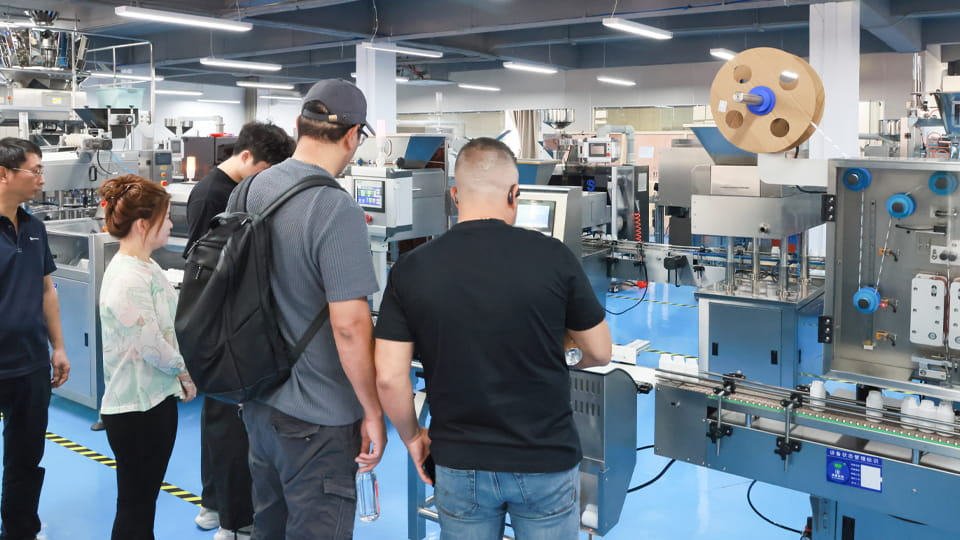
सही सप्लायर कैसे चुनें?
सही उपकरण निर्माता के साथ साझेदारी करना उतना ही महत्वपूर्ण है जितना मशीन का चयन करना. देखो के लिए:
- उद्योग विशेषज्ञता: आपूर्तिकर्ता जो विशेषज्ञ हैं फार्मा उपकरण एफडीए/ईएमए/डब्ल्यूएचओ मानकों और सत्यापन प्रोटोकॉल पर अद्यतन होगा. वे लेआउट और गुणवत्ता नियंत्रण पर सलाह दे सकते हैं. जैसा कि एक गाइड बताता है, “आपके द्वारा चुनी गई मशीन आपके खुराक फॉर्म से मेल खाना चाहिए, पैकेजिंग प्रारूप, विनियामक आवश्यकताएँ, और उत्पादन क्षमता", इसलिए अनुभव मायने रखता है.
- सत्यापन समर्थन: सुनिश्चित करें कि विक्रेता पूर्ण दस्तावेज़ प्रदान करता है: फ़ैक्टरी/साइट स्वीकृति परीक्षण योजनाएँ, आईक्यू/ओक्यू/पीक्यू प्रोटोकॉल, जोख़िम का आकलन, और सॉफ्टवेयर सत्यापन पैकेज. आदर्श रूप से वे SAT निष्पादन में भी सहायता करेंगे.
- बिक्री के बाद सेवा: वारंटी शर्तों की जाँच करें और कंपनी स्पेयर पार्ट्स और सेवा को कैसे संभालती है. क्या उनका कोई स्थानीय कार्यालय या वितरक है?? क्या दूरस्थ सहायता उपलब्ध है? एक विक्रेता जो भागों को शीघ्रता से भेज सकता है या तकनीशियन भेज सकता है, डाउनटाइम को कम करेगा.
- प्रतिष्ठा & संदर्भ: समान स्थापनाओं के संदर्भ या केस अध्ययन के लिए पूछें. मजबूत तकनीकी सहायता वाली फर्मों का चयन करना, वैश्विक सेवा दल, मान्य फार्मा परियोजनाएं, और सिद्ध मशीन विश्वसनीयता.
- अनुकूलन क्षमता: आपके उत्पादन की विशिष्ट आवश्यकताएँ हो सकती हैं (विशेष सामग्री, सफ़ाई कक्ष विशिष्टताएँ, वगैरह।). एक अच्छा आपूर्तिकर्ता मशीनों को अनुकूलित करेगा (उदाहरण के लिए:. विशेष कक्ष, स्वचालन जोड़ा गया, उपयोगकर्ता इंटरफ़ेस भाषा) आपकी आवश्यकताओं के लिए. वे, उदाहरण के लिए, स्थान और प्रक्रिया आवश्यकताओं के अनुरूप टर्नकी लाइनें प्रदान करता है.
इन बिंदुओं पर आपूर्तिकर्ताओं की सावधानीपूर्वक जांच करके, आप परियोजना जोखिम कम करते हैं. याद करना: "सही उपकरण भागीदार आपकी गुणवत्ता और इंजीनियरिंग टीमों का विस्तार बन जाता है".
चयन फ़्लोचार्ट
स्पष्टता के लिए, यहाँ एक सरल है चयन चरणों का फ़्लोचार्ट:

अगले कदम
सही मशीन चुनना एक जटिल लेकिन फायदेमंद प्रक्रिया है. हम विस्तृत लिखने की अनुशंसा करते हैं उपयोगकर्ता आवश्यकताएँ विशिष्टता (उर्स) आपकी टीम के लिए, उपरोक्त सभी आवश्यक सुविधाओं को सूचीबद्ध करना. फिर प्रतिष्ठित आपूर्तिकर्ताओं से उद्धरण और डेटाशीट मांगें. खरीद से पहले, अनुरोध ए कारखाने की स्वीकृति के लिए परीक्षण और, अगर संभव हो तो, आपके वास्तविक उत्पादों के साथ एक साइट परीक्षण.
पर जिनलू पैकिंग मशीनरी, हम एंड-टू-एंड फार्मा पैकेजिंग लाइनों में विशेषज्ञ हैं. हमारे उत्पाद (कैप्सूल भराव, ब्लिस्टर पैकर्स, गिनती की मशीनें, कार्टनर, वगैरह।) जीएमपी अनुपालन और परिशुद्धता के लिए डिज़ाइन किए गए हैं. हम आपको हमारे उत्पाद पृष्ठ देखने के लिए प्रोत्साहित करते हैं (देखना आंतरिक कड़ियाँ नीचे) और अनुकूलित समाधानों के लिए हमारे इंजीनियरों से संपर्क करें. क्या आपको स्वचालित कार्टनिंग लाइन की आवश्यकता है, एक अर्ध-ऑटो ब्लिस्टर मशीन, या पूरी तरह से एकीकृत बोतल लाइन, हम चयन और सत्यापन प्रक्रिया में आपका मार्गदर्शन कर सकते हैं.
फार्मास्युटिकल पैकेजिंग मशीन पर अक्सर पूछे जाने वाले प्रश्न
"फार्मास्युटिकल पैकेजिंग मशीन" वास्तव में क्या है?
यह फार्मास्युटिकल उद्योग में दवाओं को पैक करने के लिए उपयोग किया जाने वाला कोई भी स्वचालित उपकरण है. इसमें तरल पदार्थ को शीशियों में भरने की मशीनें शामिल हो सकती हैं, गोलियों को बोतलों में गिनना, ट्रे में फफोले वाली गोलियाँ, उत्पादों को बक्सों में पैक करना, और इसी तरह. अनिवार्य रूप से, कोई भी मशीनरी जो नियंत्रित करने में मदद करती है, लेबल, मुहर, या बंडल दवा फार्मा पैकेजिंग उपकरण का हिस्सा है.
इन मशीनों के लिए जीएमपी मानक इतने महत्वपूर्ण क्यों हैं??
गुड मैनुफैक्चरिंग प्रैक्टिस (जीएमपी) मानकों (एफडीए 21सीएफआर, ईयू जीएमपी, डब्ल्यूएचओ का मार्गदर्शन) सुनिश्चित करें कि आपके उत्पाद लगातार उच्च गुणवत्ता वाले हों. अनुपालन करने वाली मशीनों में स्वच्छ डिजाइन होते हैं (स्टेनलेस स्टील 316L, साफ करने योग्य सतहें), मान्य नियंत्रण (शुद्ध, पता लगाने योग्य संचालन), और उचित दस्तावेज़ीकरण. गैर-अनुपालक उपकरण संदूषण या उत्पादन त्रुटियों का जोखिम उठाते हैं जिससे रिकॉल या नियामक उद्धरण हो सकते हैं.
इन मशीनों की कीमत कितनी है?
लागत मशीन के प्रकार और जटिलता के अनुसार व्यापक रूप से भिन्न होती है. एक साधारण सेमी-ऑटो बेंच-टॉप पिल काउंटर की कीमत कुछ हज़ार USD हो सकती है, जबकि एक हाई-स्पीड स्वचालित ब्लिस्टर लाइन या एकीकृत बोतल लाइन की लागत दसियों या सैकड़ों हजारों तक हो सकती है. हमेशा स्वामित्व की कुल लागत पर विचार करें (ऊपर देखें). एक बार अपनी आवश्यकताओं को परिभाषित करने के बाद कई विक्रेताओं से उद्धरण प्राप्त करना सबसे अच्छा है.
टेबलेट के लिए कौन सी पैकेजिंग मशीन सर्वोत्तम है??
यह आपके प्रारूप पर निर्भर करता है. गोलियों को बोतलों या थैलियों में गिनने के लिए, एक स्वचालित गिनती/भरने की मशीन आदर्श है. यूनिट-खुराक पैकेजिंग के लिए, ब्लिस्टर मशीन आम है. एक बोतल में थोक पैकेजिंग के लिए, एक स्वचालित बोतल भरने और कैपिंग लाइन (एक टैबलेट काउंटर अपस्ट्रीम के साथ) प्रयोग किया जाता है. कुछ कंपनियाँ गोलियों की व्यक्तिगत-खुराक पैकेजिंग के लिए स्टिक-पैक या पाउच मशीनों का भी उपयोग करती हैं. प्रत्येक प्रारूप के फायदे/नुकसान का मूल्यांकन करें (लागत, सुरक्षा, उपयोगकर्ता की प्राथमिकता) मशीन चुनने से पहले.
मेरे उत्पाद नमी के प्रति संवेदनशील हैं. मुझे क्या विचार करना चाहिए?
नमी के प्रति संवेदनशील गोलियों या कैप्सूल के लिए, आपको कोल्ड-फॉर्म की आवश्यकता हो सकती है (आलू-आलू) ब्लिस्टर मशीनें या विशेष शुष्कक प्रणालियाँ. सुनिश्चित करें कि मशीन की सील फार्मास्युटिकल-ग्रेड की हैं, और एकीकृत सुखाने या नाइट्रोजन निष्क्रियण विकल्पों पर विचार करें. पैकेजिंग सामग्री स्वयं (पन्नी बनाम. पीवीसी फिल्म) समान रूप से महत्वपूर्ण हैं.
क्या मैं अनेक उत्पादों के लिए एक मशीन का उपयोग कर सकता हूँ??
कई मशीनें कुछ हद तक समायोज्य हैं, लेकिन अत्यधिक भिन्न उत्पादों के बीच स्विच करना चुनौतीपूर्ण हो सकता है. विभिन्न प्रारूपों के लिए रेसिपी/सेटिंग्स वाले उपकरण चुनें. उपकरण मुक्त, त्वरित-परिवर्तन टूलिंग एक ही मशीन पर कई SKU को संभालना संभव बनाती है. तथापि, यदि आप विभिन्न प्रकार के उत्पादों की आशा करते हैं, मॉड्यूलर मशीनें या एकाधिक समर्पित लाइनें अधिक कुशल हो सकती हैं.
संदर्भ:
1.फार्मास्युटिकल उत्पादों के लिए पैकेजिंग पर दिशानिर्देश(उपभवन 9) - कौन.
2.वर्तमान अच्छे विनिर्माण अभ्यास आवश्यकताओं पर प्रश्न और उत्तर | उपकरण - हम. खाद्य एवं औषधि प्रशासन.
3.जीएमपी पैकेजिंग में 2026: आवश्यकताएं, दिशा-निर्देश, नियंत्रण, और प्राथमिक बनाम माध्यमिक पैकेजिंग - pharmuni.com.
4.वैश्विक पैकेजिंग विनियम और मानक - जीएमपी नेविगेटर.