
Introduction: Les comprimés à croquer sont conçus pour être mâché au lieu d'avalé entier, les rendant conviviaux, surtout pour les enfants, personnes âgées, et toute personne ayant des difficultés à avaler. En s'effondrant dans la bouche, à croquer offrent la commodité d’un dosage sans eau, goût agréable, et la stabilité d'un comprimé solide. Ils sont largement utilisés pour médicaments pédiatriques et suppléments nutritionnels (pensez à ces pilules à croquer de vitamine C ou de multivitamines), et même dans les médicaments vétérinaires. Selon les directives de la FDA, les fabricants doivent accorder une attention particulière à attributs de qualité critiques (CQA) lors du développement de comprimés à croquer. Ces CQA incluent des facteurs tels que la dureté des comprimés, masquage du goût, et l'uniformité du contenu pour garantir la sécurité et l'efficacité. En bref, les comprimés à croquer combinent le meilleur des comprimés (précision, stabilité des étagères) avec mieux conformité des patients. Dans ce guide, nous allons expliquer ce que sont les comprimés à croquer, leurs avantages, comment ils sont fabriqués, et quelles machines d'emballage sont utilisées pour les manipuler - le tout d'une manière conviviale, point de vue de l'industrie.
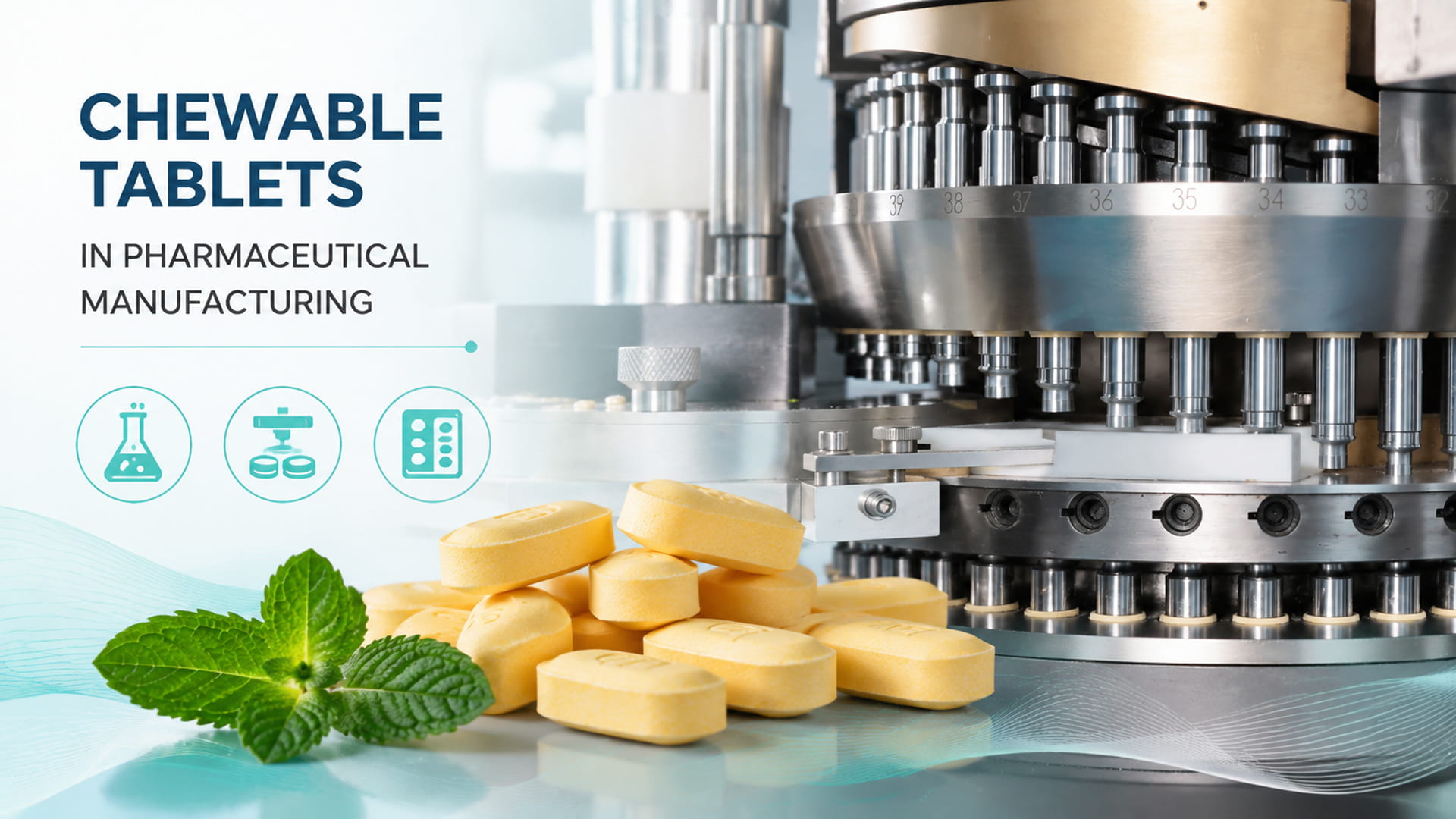
Les comprimés à croquer sont un type d'oral forme posologique solide conçu pour être mâché avant d'être avalé. Contrairement aux tablettes classiques (que tu avales en entier) ou comprimés à désintégration orale (ODT) qui se dissolvent sur la langue, les produits à croquer sont décomposé dans la bouche par la mastication. Cela facilite le dosage pour de nombreux patients.
Selon la technologie pharmaceutique, Les comprimés à croquer sont définis comme des comprimés « conçus pour être traités par mastication afin de faciliter la libération du principe actif.(s)». En pratique, cela signifie que les produits à croquer contiennent souvent des ingrédients comme des sucres-alcools (polyols) qui ajoutent de la douceur et du volume. Ils peuvent également être moulés dans des formes amusantes (animaux, cœurs, etc.) pour plaire aux enfants. Parce que les produits à croquer se brisent en particules dans la bouche, ils peuvent être faits plus grand ou de forme différente que les pilules que tu avalerais, mais se dissout rapidement après avoir mâché.
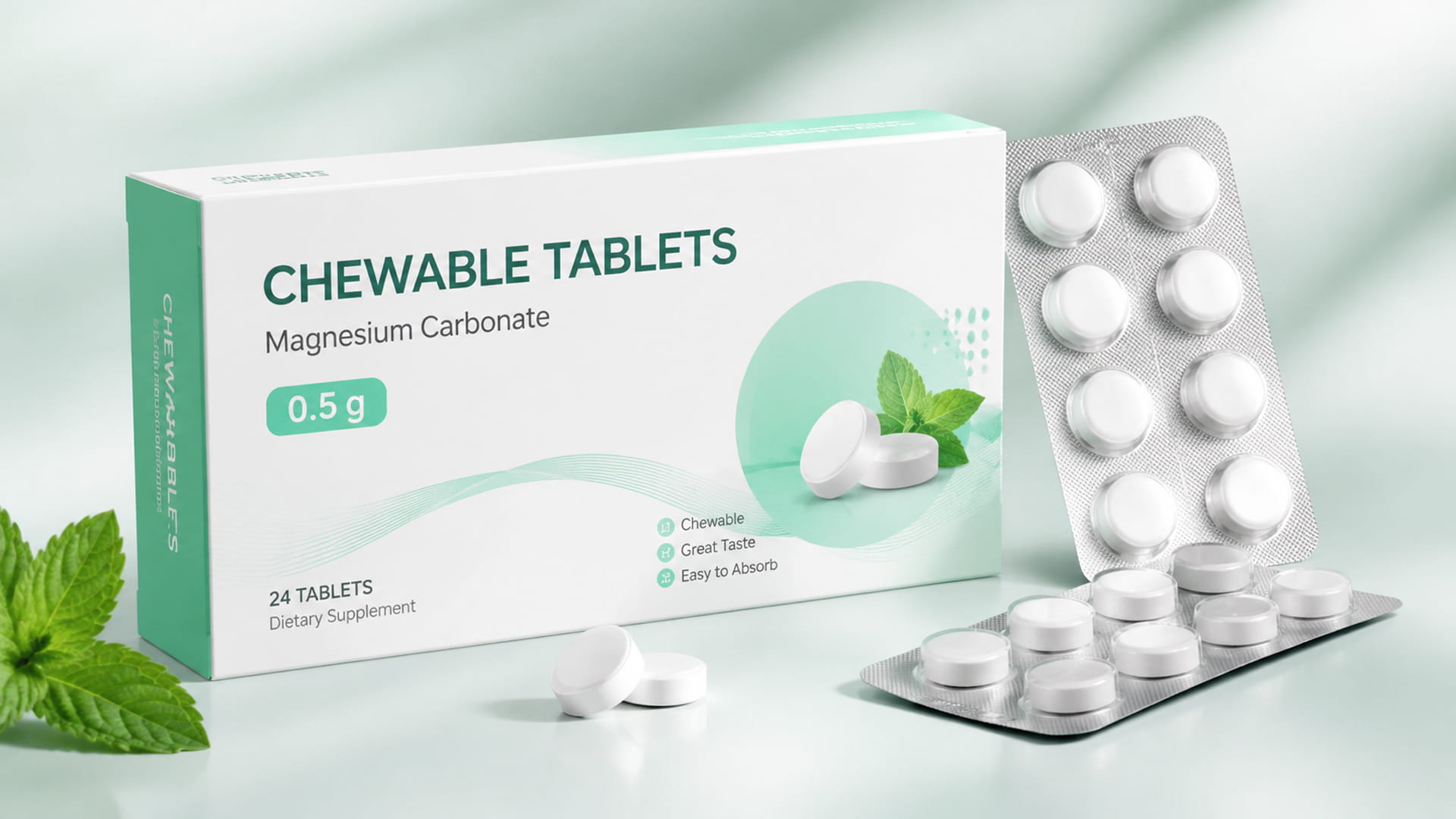
Les comprimés à croquer sont populaires dans plusieurs segments du marché de la santé:

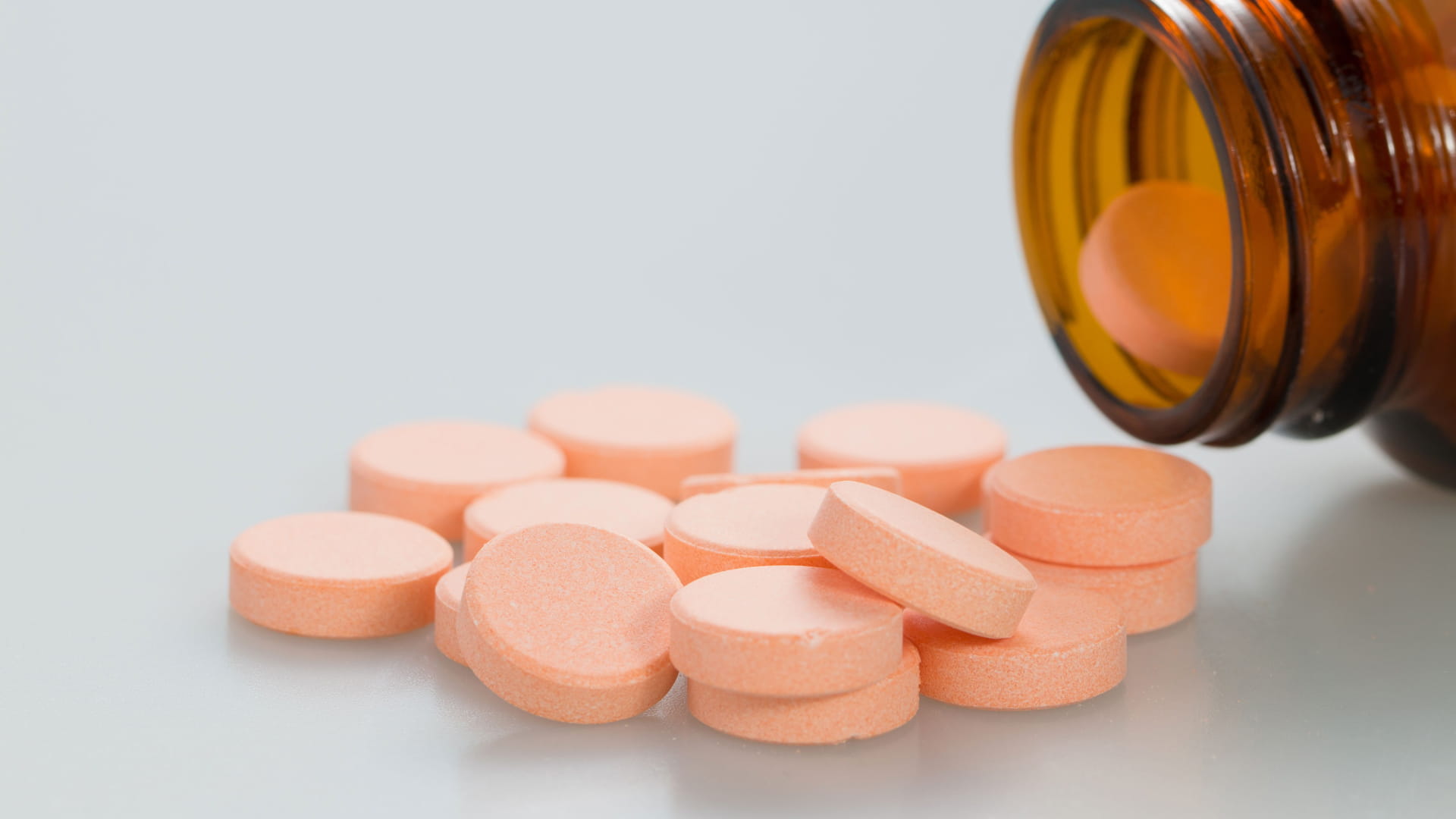
Cette photo montre vitamines et suppléments sous forme de comprimé à croquer. Vitamine C à croquer, multivitamines, et les comprimés de minéraux ressemblent souvent à des bonbons aux couleurs vives. Leur forme et leur goût en font une option conviviale pour les consommateurs et les patients soucieux de leur santé..
Formuler un comprimé à croquer est un exercice d’équilibre. La tablette doit être agréable au goût et facile à mâcher, encore solide et stable suffisant pour la manipulation et le stockage. Cela signifie:
Masquage du goût & Appétence: Contrairement aux comprimés à avaler, les produits à croquer restent dans la bouche, exposer des médicaments aux papilles gustatives. De nombreux médicaments actifs sont amers, donc les formulateurs ajoutent des édulcorants (sucres ou alcools de sucre) et des agents aromatisants pour rendre le comprimé agréable. Pour les API très amères, de fines couches ou des excipients spéciaux bloquant le goût peuvent être utilisés pour empêcher le mauvais goût d'atteindre la langue. Par exemple, les comprimés de vitamines à croquer utilisent souvent des arômes de fruits et des bases sucrées (comme le sorbitol ou le mannitol) pour améliorer le goût.
Texture & Sensation en bouche: Un bon comprimé à croquer doit être assez doux pour se décomposer en douceur sans sensation granuleuse ou trop crayeuse. La taille des particules et le choix des excipients sont importants: ingrédients finement moulus et charges « douces » (par exemple. mannitol, xylitol) aider le comprimé à s'effriter doucement sous la mastication. D'autre part, les produits à croquer ont encore besoin quelques dureté pour qu'ils ne se désagrègent pas pendant le stockage. Les directives de l'industrie suggèrent de maintenir la dureté des comprimés à un niveau relativement bas (par exemple. en dessous de ~12 kiloponds) sauf si le comprimé se désagrège rapidement dans la bouche. Utilisation d'excipients et de liants hautement compressibles (comme la cellulose microcristalline ou certains polymères) aide à garder le comprimé intact pendant l'emballage tout en étant à croquer dans la bouche.
Désintégration & Libération de médicaments: Les produits à croquer doivent se décomposer et libérer efficacement le médicament une fois mâchés.. Ils sont généralement classés comme formes posologiques à libération immédiate., ils doivent donc répondre aux mêmes normes de désintégration et de dissolution que les autres comprimés à libération immédiate. En pratique, cela signifie tester les comprimés à croquer pour s'assurer qu'ils se dissolvent dans le temps requis (souvent en moins de quelques minutes) après avoir mâché. Les formulateurs incluent souvent des désintégrants (par exemple. glycolate d'amidon sodique) pour faciliter une rupture rapide et garantir une biodisponibilité constante.
Stabilité: Comme n'importe quelle tablette, les produits à croquer peuvent être sensibles à l’humidité et à la température. Parce que de nombreux produits à croquer (par exemple. vitamines ou comprimés à croquer effervescents) utiliser des charges hygroscopiques, la formulation doit être stable tout au long de la durée de conservation du produit. Cela implique un contrôle approprié de l'humidité pendant la fabrication et l'emballage.. En fait, directives réglementaires (par exemple. Directives de stabilité de la FDA) exiger la soumission de données sur la stabilité pour démontrer la puissance et la sécurité au fil du temps. Pour les vitamines à croquer à forte charge médicamenteuse, des précautions supplémentaires sont nécessaires pour équilibrer la saveur avec les ingrédients actifs tout en maintenant la stabilité.
Excipients courants: Les ingrédients clés au-delà de l'API incluent charges (diluants) pour le vrac, classeurs pour maintenir la tablette ensemble, lubrifiants pour éviter de coller, et, important, arômes/édulcorants pour le goût. Les charges typiques des produits à croquer sont les alcools de sucre comme le mannitol ou le sorbitol., ou des édulcorants comme le saccharose et le lactose. Mannitol, par exemple, est populaire parce qu'il donne une ambiance cool, sensation en bouche douce et aide les comprimés à se désintégrer rapidement. Désintégrer (cellulose microcristalline, glycolate d'amidon sodique) sont utilisés pour assurer une rupture rapide dans la bouche. Additifs de saveur (saveurs de fruits, menthe, etc.) et les colorants sont également courants pour rendre les comprimés attrayants pour les consommateurs.
En se concentrant sur ces facteurs : le masquage du goût, texture, et désintégration : les développeurs pharmaceutiques créent des comprimés à croquer qui sont à la fois efficaces et conviviaux pour les patients. Une formulation appropriée jette les bases d’une fabrication et d’un emballage fluides.
Produire un bon comprimé à croquer signifie trouver un équilibre entre la qualité pharmaceutique et l'acceptabilité du patient.. Les attributs de qualité critiques comprennent:
Répondre à ces facteurs de qualité n’est pas anodin, c'est pourquoi la FDA a publié des directives spéciales sur les propriétés des comprimés à croquer.. Les lignes directrices mettent l'accent sur la documentation de toutes les étapes de développement et des tests dans les dossiers réglementaires. (NDA/ANDA). Les plats à emporter: un comprimé à croquer reste un produit médicamenteux et doit être traité avec toute la rigueur qualitative, juste avec une touche conviviale pour le patient.
La fabrication des comprimés à croquer suit en grande partie le processus de production standard des comprimés., avec quelques ajustements spéciaux pour la mastication et le goût. Vous trouverez ci-dessous un aperçu des étapes clés de la production de produits à croquer:
A chaque étape, les fabricants suivent les réglementations cGMP (par exemple. FDA 21 Partie CFR 211 aux États-Unis) pour assurer la propreté, précision, et traçabilité. Les presses à comprimés modernes disposent souvent de commandes PLC pour ajuster la pression et la vitesse., et des fonctionnalités telles que des capteurs de force pour maintenir une compression constante. Pour les produits à croquer, une touche est simplement une pression « douce mais uniforme ».
Après la production, les comprimés à croquer ont besoin du bon emballage pour rester frais et efficaces. Vous trouverez ci-dessous les approches d'emballage courantes et les équipements utilisés.:


Les encartonneuses peuvent être entièrement automatiques (aucun opérateur humain n'est nécessaire) et inclure des capteurs pour garantir que chaque boîte dispose des bons inserts et est correctement scellée.. Les avantages de l'encartonnage automatisé incluent une vitesse et une cohérence beaucoup plus élevées par rapport à l'emballage manuel.. Comme l'a un jour plaisanté un ingénieur d'emballage, les cartonneurs donnent « d'aspect professionnel, cartons inviolables » avec un minimum de travail.
Conseil: Si vos comprimés à croquer sont mis en bouteilles (par exemple. bouteilles de vitamines), il n'y a peut-être pas d'ampoule, mais ces bouteilles vont souvent aussi dans des cartons, suivant le même processus de mise en carton.
Ceci pleinement ligne d'embouteillage automatisée est idéal pour les produits à croquer comme les comprimés à croquer de vitamine D ou les comprimés de calcium à croquer vendus en bouteilles. Il garantit que chaque bouteille a le nombre correct (penser avec précision 60 comprimés de vitamine C à croquer par pot) et accélère la production.
Qualité & Conformité: Toutes ces machines de conditionnement doivent répondre aux normes pharmaceutiques. Par exemple, les lignes de blister et de cartonnage sont construites selon les spécifications cGMP (21 CFR 211 aux États-Unis) avec conception sanitaire, traçabilité, et protocoles de validation. Les systèmes de vision en ligne vérifient souvent les niveaux de remplissage et l'étanchéité, prévenir les erreurs. Un bon emballage scelle la qualité du produit: des études montrent que retirer prématurément une pilule de son emballage accélère sa dégradation. En bref, investir dans un emballage robuste (comme les blisters à haute barrière et les encartonneuses/comptoirs précis) est crucial pour assurer la sécurité des comprimés à croquer, de l'usine au patient.
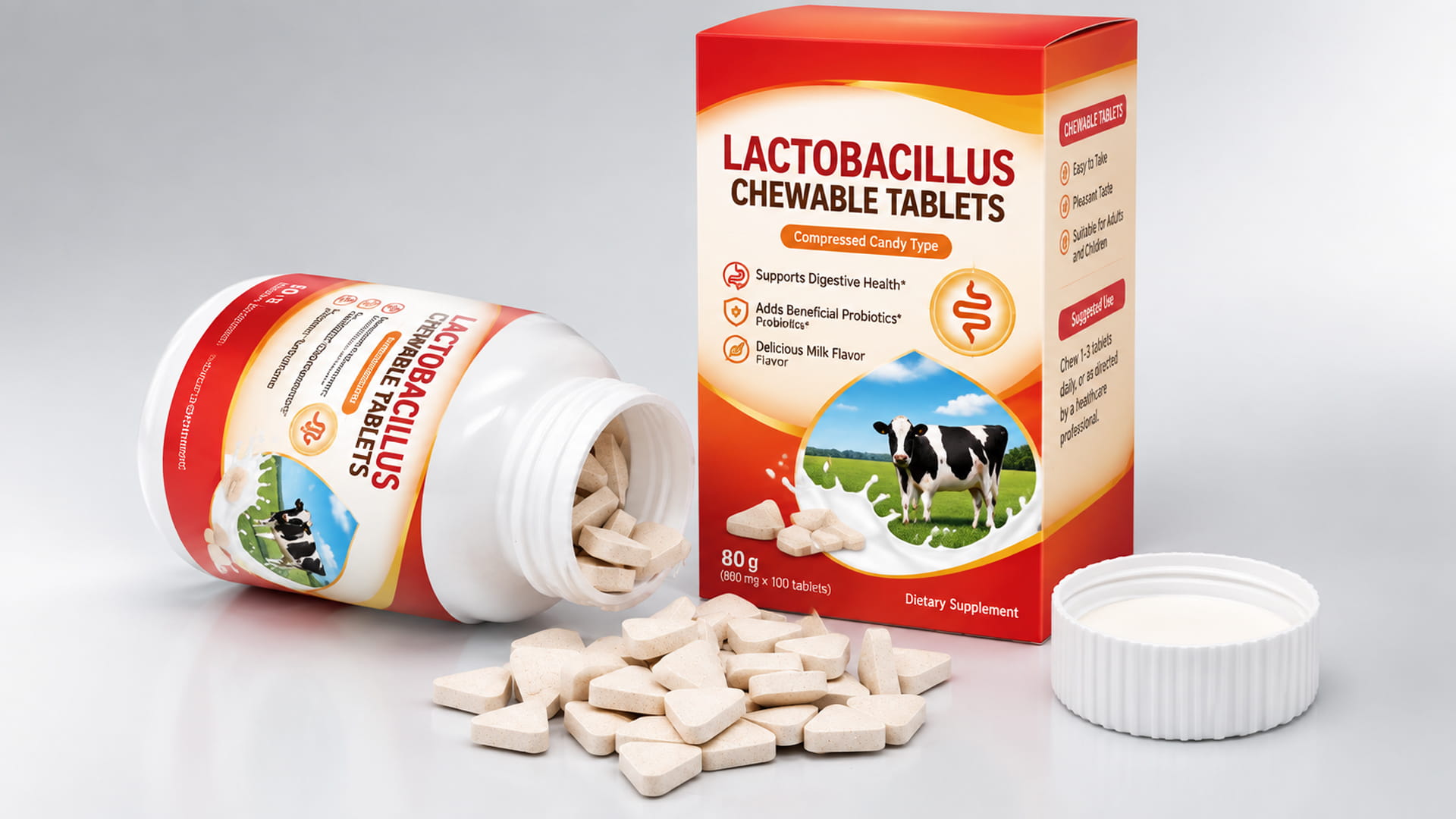
En résumé, les comprimés à croquer sont un convivial pour les patients et forme galénique polyvalente en pharmacie. Ils améliorent la conformité (pas besoin d'eau!), et avec des techniques de formulation modernes (édulcorants, saveurs) ils peuvent avoir un très bon goût. Leur production utilise un équipement de compression standard avec quelques ajustements: compression basse pression, poinçons spéciaux, et un contrôle qualité minutieux. L’emballage joue également un rôle clé – les blisters, encartonneuses, et des lignes de comptage garantissent que chaque comprimé à croquer reste frais et correctement dosé dans le paquet final.
Si vous travaillez dans la fabrication pharmaceutique ou nutraceutique et que vous explorez la production de comprimés à croquer, souviens-toi: le bon partenaire d'équipement peut faire une grande différence. Les fabricants aiment Emballage Jinlu proposer des presses à comprimés personnalisées, emballeurs de blisters, et encartonneuses conçues pour les produits à croquer. Que vous ayez besoin d'un presse à comprimés rotative pour des milliers de pilules à croquer par heure ou par ligne de blister à grande vitesse pour sceller vos comprimés de vitamines, un équipement de qualité maintiendra votre production efficace et vos comprimés conviviaux.
Prêt à enrichir votre gamme de comprimés à croquer? Contactez les experts de Jinlu Packing pour des solutions de production et de conditionnement de comprimés pharmaceutiques sur mesure
Un comprimé à croquer est une forme posologique orale solide conçue pour être mâchée avant d'être avalée.. Il permet une administration plus facile par rapport aux comprimés traditionnels et est couramment utilisé pour les produits pharmaceutiques., vitamines, et suppléments alimentaires.
Les comprimés à croquer sont fabriqués selon un processus qui comprend le mélange des matériaux, granulation ou compression directe, pressage de comprimés, tests de qualité, et emballage. Une presse à comprimés rotative est couramment utilisée pour produire des comprimés de taille constante., poids, et dureté.
Le principal équipement utilisé pour la production de comprimés à croquer comprend une presse à comprimés., mélangeur de poudre, dépoussiéreur de comprimés, détecteur de métaux, machine d'emballage en cloque, machine à compter, et encartonneuse. La sélection de l'équipement dépend de la capacité de production et des exigences d'emballage.
La principale différence réside dans la manière dont ils sont pris. Les comprimés ordinaires sont avalés entiers, tandis que les comprimés à croquer sont conçus pour être mâchés avant d'être avalés. Les comprimés à croquer nécessitent généralement des formulations spécifiques pour obtenir un meilleur goût, texture, et performances de mastication.
Oui. Une presse à comprimés rotative peut produire des comprimés à croquer en ajustant la force de compression, conception d'outillage, et paramètres de production. Des réglages appropriés de la machine aident à atteindre l’équilibre requis entre la force du comprimé et sa masticabilité..
Les exemples courants incluent les comprimés à croquer de vitamine C, multivitamines à croquer, comprimés de calcium à croquer, comprimés de fer à croquer, et comprimés à croquer de vitamine D. Ces produits sont largement utilisés dans les compléments nutritionnels et les applications pharmaceutiques..
Pas toujours. Bien que le processus de compression soit similaire, les comprimés à croquer nécessitent une attention particulière au goût, sensation en bouche, dureté, et stabilité de la formulation. Les fabricants doivent contrôler soigneusement à la fois la qualité des produits et l’expérience utilisateur..
Les solutions d'emballage courantes pour les comprimés à croquer comprennent l'emballage sous blister., systèmes de comptage de bouteilles, et encartonneuses. Une machine de conditionnement pharmaceutique adaptée aide à protéger les comprimés de l'humidité et garantit une précision, production efficace.
Les comprimés de vitamines à croquer deviennent populaires parce qu’ils sont pratiques, facile à prendre, et plus acceptable pour les enfants et les adultes qui ont des difficultés à avaler des pilules. Des produits tels que la vitamine C à croquer et les multivitamines à croquer sont largement utilisés sur le marché des suppléments..
Le choix d'une ligne de production de comprimés à croquer dépend de facteurs tels que la taille des comprimés, capacité de production, niveau d'automatisation, et méthode d'emballage. Les fabricants de produits pharmaceutiques doivent prendre en compte à la fois les équipements de compression des comprimés et les solutions d'emballage en aval lors de la sélection des machines..
Références:
1.Considérations sur les attributs de qualité pour les comprimés à croquer —— NOUS. Administration des aliments et des médicaments
2.Comprimés à croquer: Un examen des considérations de formulation —— PharmaTech
3.Comprimés à croquer: Un examen complet —— Journal asiatique de recherche et développement pharmaceutique
4.Formulation, Fabrication et évaluation de comprimés à croquer —— pharmapproach.com
5.Comprimés de paracétamol à croquer par méthode de granulation par fusion: Formulation et caractérisation —— Bibliothèque nationale de médecine