
El auge de los suplementos gomosos ha desafiado el modelo tradicional de tableta/cápsula en la industria de las vitaminas.. Las gomitas son populares porque saben a caramelo y son fáciles de tragar., pero a menudo contienen azúcar agregada y tienden a ser menos estables con el tiempo que las pastillas. Tabletas y cápsulas, por el contrario, puede suministrar dosis más altas de nutrientes con una vida útil más larga y una precisión de dosificación exacta. Este artículo compara Gomitas de vitaminas versus pastillas en términos de absorción, experiencia de usuario, estabilidad, contenido de azúcar, dosificación, y vida útil. Examinamos por qué las gomitas están en auge (especialmente entre los niños, las personas mayores y el mercado en movimiento), cuando se prefieren las pastillas (para dosis altas y cumplimiento estricto), y cómo los fabricantes empaquetan cada formato. También destacamos el papel de equipos como las máquinas contadoras., relleno, taponadoras y etiquetadoras en un línea de envasado de suplementos, con ejemplos de las soluciones de Jinlu Packing.
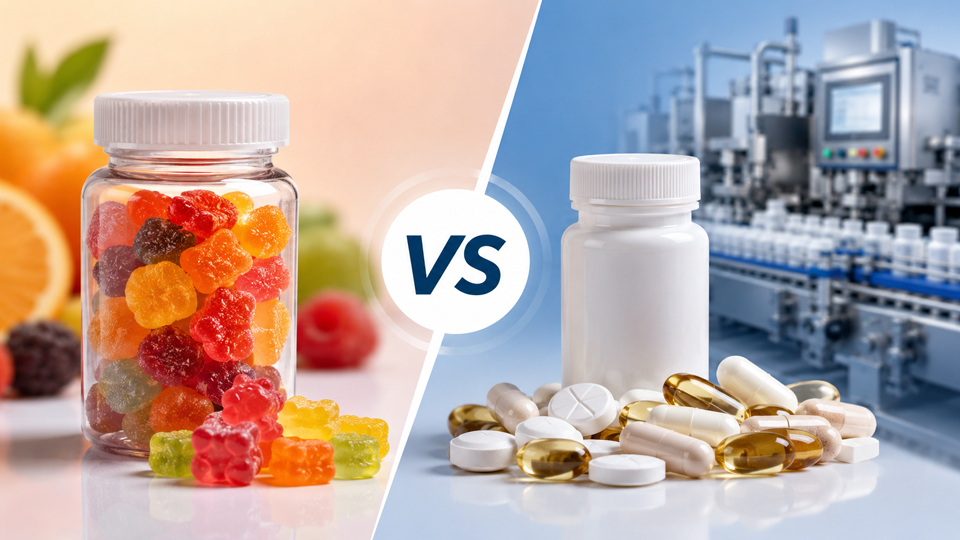
Las gomitas vitamínicas son caramelos de goma masticables formulados con vitaminas., minerales u otros suplementos. Parecen caramelos con sabor a frutas. (a menudo tienen forma de oso o anillo) y usar gelatina, base de pectina o almidón para masticar. Las gomitas están diseñadas para hacer que tomar suplementos sea más placentero.. Por ejemplo, una gomita multivitamina podría contener vitamina C, D o B12, aromatizado y coloreado para que sepa como un refrigerio.
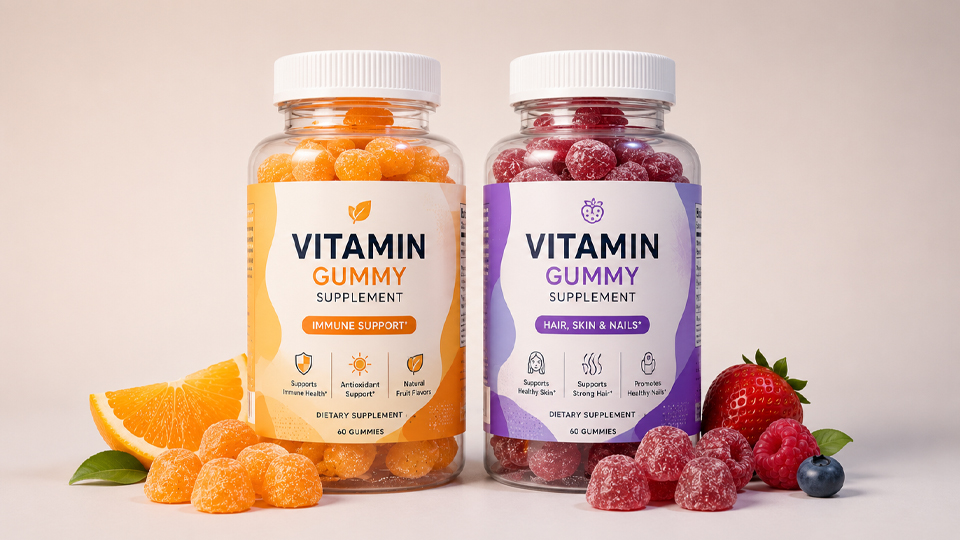
Cifra: Suplementos vitamínicos gomosos en forma de caramelo.. Las gomitas atraen especialmente a los consumidores a quienes no les gusta tragar pastillas.. Como señala UCLA Health, Las gomitas “saben a caramelo” y son más agradables para el estómago porque carecen de la agentes aglutinantes que se encuentran en tabletas. Los mostradores de gomitas modernos pueden incluso manejar una amplia gama de tamaños (p.ej. Las máquinas de Jinlu procesan gomitas de 2 a 130 mm de largo). El resultado es un portátil., vitamina masticable que se ve y se siente como un placer.
Las “pastillas” incluyen tabletas, cápsulas y cápsulas blandas: lo familiar formatos sólidos para suplementos. Pastillas para tabletas son polvos o gránulos comprimidos (con aglutinantes) formado bajo alta presión. Una prensa de tabletas rotativa puede producir decenas de miles de tabletas por hora. Las tabletas son versátiles: se pueden recubrir (p.ej. película o recubierto de azúcar) para el gusto o liberación retardada, y se le puede dar forma o imprimir. Cápsulas consta de dos mitades de concha (generalmente gelatina o HPMC) que encierran polvos, gránulos o incluso líquidos. Cápsulas de gelatina blanda son cubiertas de gelatina de una sola pieza que contienen vitaminas o aceites líquidos (como aceite de pescado). Las píldoras requieren ser tragadas, pero son muy eficientes para suministrar nutrientes.. Una tableta bien diseñada tendrá peso estable, dureza adecuada, apariencia suave y calidad constante.

Cifra: Las píldoras vitamínicas incluyen tabletas., cápsulas y cápsulas blandas. Las tabletas y cápsulas generalmente tienen concentraciones más altas de ingredientes activos que las gomitas.. Porque las tabletas/cápsulas son sólidos comprimidos o encapsulados, A menudo se mantienen potentes durante años si se almacenan bien.. Por ejemplo, una línea de tabletas de estilo farmacéutico puede incluir mezclas, granulación, compresión (prensa de tabletas) y revestimiento opcional, seguido de conteo y embotellado. Las modernas máquinas llenadoras de cápsulas pueden procesar cientos de miles de cápsulas por hora. En suma, Las pastillas son de alto rendimiento., forma de dosis alta favorecida por los fabricantes a granel.
Los estudios sobre biodisponibilidad muestran resultados mixtos. Algunas investigaciones encontraron que la absorción de nutrientes puede ser similar (o incluso más alto) en gomitas vs pastillas. Por ejemplo, a 2019 estudiar en Nutrientes informó que las gomitas de vitamina D lograron una biodisponibilidad ligeramente mejor que las tabletas. Asimismo, Notas de salud de UCLA: "Las investigaciones muestran que su cuerpo puede absorber los nutrientes de las vitaminas gomosas tan fácilmente como los de las vitaminas tradicionales". Esto se debe en parte a que masticar gomitas mezcla las vitaminas con la saliva., iniciar la absorción temprana. Sin embargo, no todos los nutrientes funcionan igual en las gomitas; Las vitaminas y minerales solubles en agua pueden degradarse o filtrarse en la matriz gomosa..
En la práctica, Las gomitas a menudo tienen concentraciones más bajas en las dosis indicadas en la etiqueta.. Cleveland Clinic señala que “las vitaminas gomosas en realidad tienen menos vitaminas y minerales que las vitaminas normales” y los fabricantes pueden “envasarlas con más de lo que dice la etiqueta” para compensar las pérdidas con el tiempo.. En breve, mientras que una gomita bien formulada puede aportar nutrientes de forma eficaz, las pastillas generalmente garantizan una dosis precisa. Mesa:
| Aspecto | Gomitas | Pastillas (Tabletas/Cápsulas) |
| Contenido de nutrientes | Normalmente más bajo por unidad; A menudo se añaden extras para compensar la degradación. | Alta carga de nutrientes; potencia más predecible |
| Absorción | Comparable para muchas vitaminas.; comienza durante la masticación | Después de la disolución en el estómago/intestino; eficiente para la mayoría de los suplementos |
| Límites de formulación | Puede faltar ciertas vitaminas. (hierro, B12) debido al sabor/estabilidad | Puede incluir una amplia gama (incluso activos sensibles); recubrimientos enmascaran el sabor |
| Tableta vs Gomita | Masticable, puede dejar de necesitar agua; mejor para los quisquillosos para tragar | tragado entero; más fácil para dosis muy altas o grados farmacéuticos |
El sabor es donde brillan las gomitas.. Vienen en sabores afrutados y texturas masticables que parecen caramelos.. este dulce, una experiencia agradable fomenta el cumplimiento, especialmente en niños y personas mayores. Como señala VitaMedica, Las gomitas solucionan los problemas para tragar pastillas.: "Si alguna vez has tenido problemas con los suplementos tradicionales, Las gomitas masticables podrían ser una opción fácil., alternativa conveniente”. En contraste, Los comprimidos suelen tener un regusto desagradable o una textura calcárea. (a menos que esté recubierto), y las cápsulas pueden ser grandes o difíciles de tragar.
Sin embargo, el sabor a caramelo tiene una desventaja: azúcar y aditivos. La mayoría de las gomitas usan azúcar., jugo de frutas o edulcorantes para enmascarar el amargor. UCLA Health informa que la mayoría de los suplementos gomosos tienen 2–8 gramos de azúcar por porción, que puede sumar (la AHA recomienda <25g diarios para mujeres). Las versiones sin azúcar utilizan alcoholes de azúcar. (sorbitol, xilitol) o edulcorantes intensos, pero pueden causar malestar digestivo en personas sensibles.. Las pastillas generalmente no contienen edulcorantes. (solo excipientes y agentes aglutinantes).
En resumen, Las gomitas ofrecen un sabroso experiencia de usuario: fácil, sabroso, y divertido. Las pastillas priorizan la función: Ingestión eficiente de dosis altas.. Para muchos, la elección se reduce a preferencias y estilo de vida.
La estabilidad es una distinción importante. Formatos masticables (gomitas o masticables) son propenso a la absorción de humedad. Healthline y Medical News Today señalan que las gomitas se degradan más rápido que tabletas. El contenido de agua/humedad en las gomitas produce vitaminas. (especialmente c, B) descomponerse o perder potencia durante meses. Los fabricantes contrarrestan esto con gomitas “sobrefortificantes”, pero la potencia aún puede caer por debajo de lo indicado en la etiqueta con el tiempo.. En contraste, tabletas (seco, comprimido) Conserva la potencia durante varios años si se almacena correctamente..
El embalaje ayuda a prolongar la vida útil. Los frascos de gomitas suelen requerir desecantes y sellos herméticos para mitigar la humedad. En comparación, Las tabletas a menudo se empaquetan en blísteres simples o en frascos con muchos menos problemas de humedad..
Las gomitas casi siempre contienen agentes edulcorantes.. Como se señaló anteriormente, azúcar agregada es una preocupación. Además de problemas dentales/de salud, edulcorantes (incluso concentrados de jugo “naturales”) valor nutricional diluido por gomita. Los colorantes y sabores artificiales también son comunes en las gomitas para hacerlas atractivas.. Personas con restricciones dietéticas. (diabetes, fenilcetonuria) o aquellos que evitan los ingredientes artificiales pueden encontrar las gomitas problemáticas.
En contraste, tabletas/cápsulas utilizan excipientes (relleno, carpetas) que normalmente son insípidos e inertes. Muchas pastillas no contienen azúcar. (revestido o sin revestir). Hay opciones de gomitas sin azúcar, pero estos suelen utilizar sorbitol o xilitol que pueden provocar gases o efectos laxantes..
Porque las gomitas parecen caramelos, los consumidores a veces toman más. El riesgo de sobredosis es real: nutrientes como la vitamina A, D, mi, K o minerales como el hierro tienen límites superiores. UCLA advierte, “Es tentador tomar más de la dosis recomendada... Demasiado hierro y zinc pueden causar dolor de estómago, vómitos o algo peor”. Las gomitas también pueden tener una potencia variable.: un estudio señaló que las dosis individuales de gomitas pueden variar, a pesar del etiquetado.
Las tabletas y cápsulas vienen con dosis estandarizadas por unidad.. Un trago proporciona exactamente los miligramos previstos., y esta precisión es más fácil de controlar en la fabricación.. Las líneas de conteo automatizadas garantizan exactamente, decir, “100 comprimidos por frasco,”mientras que las gomitas pueden aglutinarse o pegarse, hacer contar un desafío. (Sin embargo, Los contadores de gomitas modernos logran >99.9% precisión del conteo una vez configurado correctamente.)
Como se insinuó anteriormente, la vida útil difiere mucho. Tabletas/cápsulas normalmente tienen una vida útil de 2 a 3 años, a menudo caducan mucho después de la producción. Gomitas, con su humedad y azúcar, A menudo duran sólo 1 o 2 años en las mejores condiciones.. Puntos clave:
Esto significa que los minoristas y los consumidores deben rotar las existencias de gomitas más rápidamente.. Para fabricantes, Implica ciclos de producción a mercado más rápidos y envases robustos. (vea abajo) para preservar la calidad.
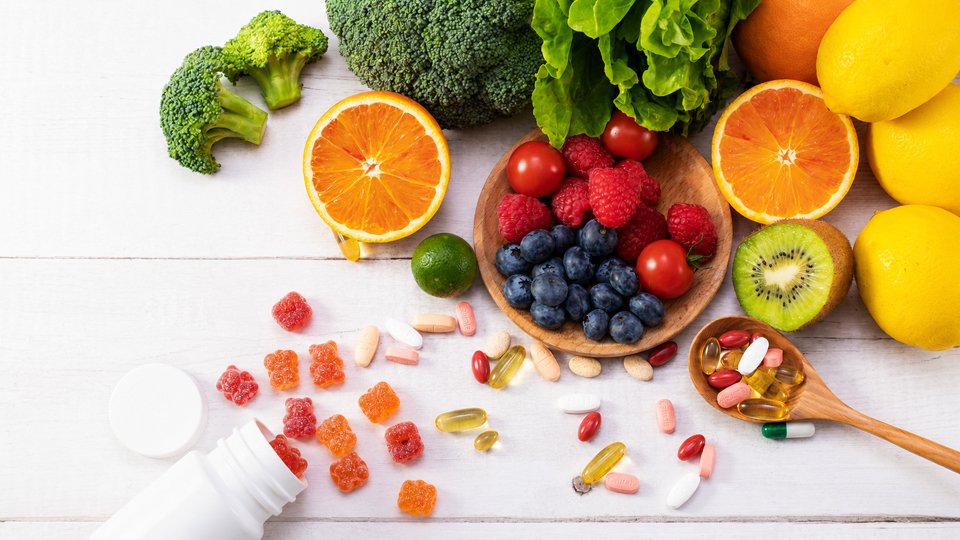
El aumento de las gomitas se debe al cambio en las preferencias de los consumidores.. Un fenómeno conocido como “fatiga de la pastilla” está empujando a la gente a exigir formatos más agradables. Como señala Glanbia, Muchos consumidores ahora consideran que las pastillas no son inspiradoras., conduciendo “nuevo, formatos de suplementos agradables que se adaptan a la conveniencia, gusto, y personalización”. Las tendencias del mercado ilustran esto:
En breve, demanda de los consumidores de disfrutar, los suplementos aromatizados son altos. El mercado de suplementos está respondiendo.: Las gomitas multivitamínicas se convirtieron en una categoría multimillonaria, y los informes de la industria pronostican un alto crecimiento continuo (p.ej. Glanbia predice que el mercado mundial de suplementos gomosos casi se triplicará 2034). Las gomitas han pasado de ser un nicho a convertirse en algo común, Impulsado por esta tendencia a la fatiga por las pastillas y el amplio atractivo demográfico..

Las vitaminas gomosas pueden ser efectivas si se formula y se consume adecuadamente, pero tienen limitaciones. Consideraciones clave:
En la práctica, Las vitaminas gomosas funcionan, especialmente para cerrar brechas nutricionales menores. Solo ten en cuenta: Es posible que no reemplacen completamente a las tabletas de mayor potencia., y deben complementar una dieta equilibrada. Guárdalos siempre como se indica (Frío, seco) y preste atención al contenido de azúcar al planificar su ingesta diaria.
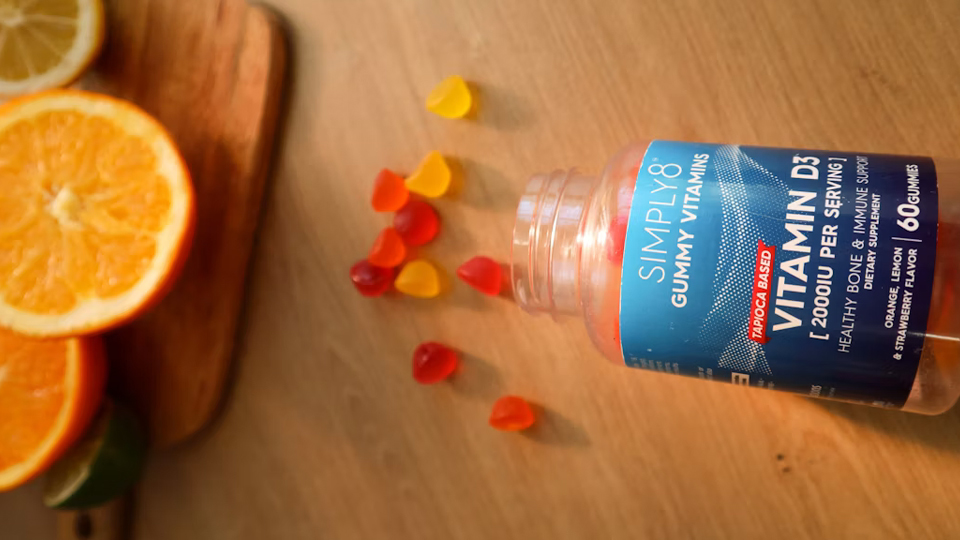
En breve, Las gomitas son adecuadas para quienes necesitan un suplemento sabroso.. Deben elegirse cuando la conveniencia y el cumplimiento superan la necesidad de dosis muy altas..
Desde el punto de vista de la producción, Las gomitas y las pastillas presentan diferentes desafíos.:
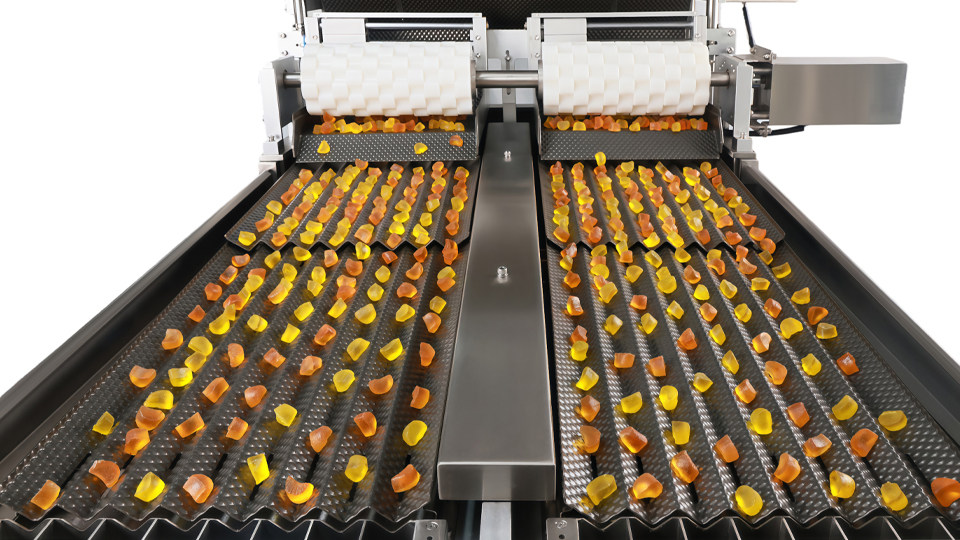
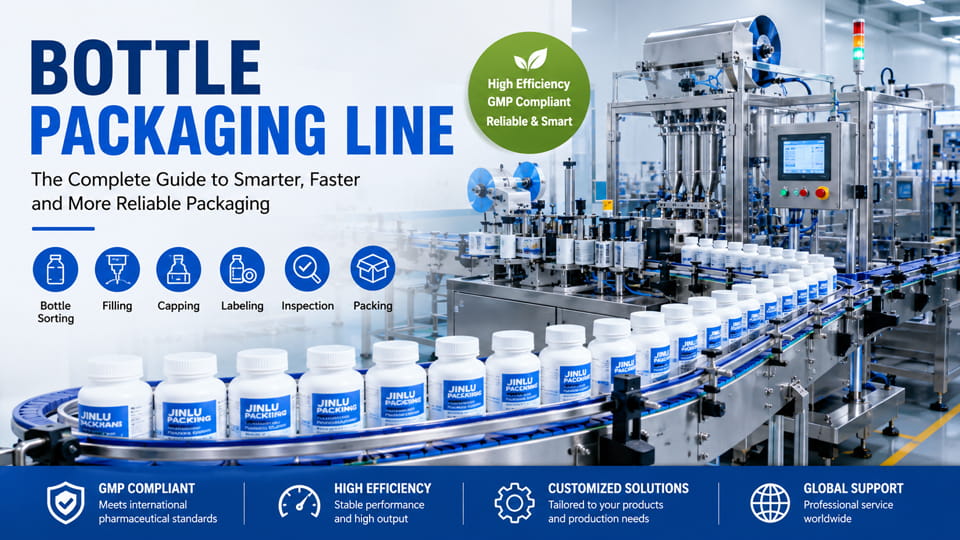
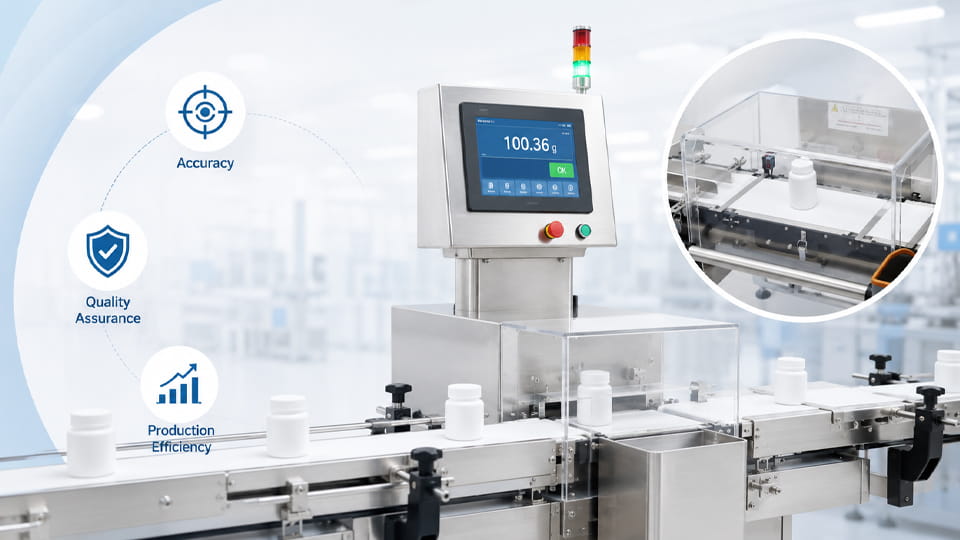
Cifra: Una máquina contadora de gomitas separa y cuenta piezas sobre rodillos vibratorios (imagen: Embalaje de Jinlu). La integración es clave. Notas originales de Jinlu, Los contadores de gomitas modernos son “listo para la integración” – se conectan con posicionadores de botellas anteriores y taponadoras posteriores, selladores por inducción, y etiquetadoras. En la práctica, una línea de envasado de gomitas totalmente automatizada mueve las botellas desde el clasificador hasta el llenado (cálculo) a dosificar (desecante) para tapar y etiquetar sin intervención manual. Para pastillas, existen líneas análogas: un mostrador de tabletas llena botellas, luego un taponador aprieta las tapas, Los selladores de aluminio pueden aplicar sellos., y el etiquetado finaliza el proceso.
Equipo relevante (Ejemplos de Jinlu):
Cada equipo se puede vincular en el sitio de Jinlu para obtener más información.. Estas herramientas ayudan a los fabricantes a escalar la producción de cualquiera de los formatos..
No existe un formato vitamínico único que sirva para todos. Gomitas ganar en sabor, conveniencia y cumplimiento para muchos grupos demográficos, pero compensa la potencia y la estabilidad en almacenamiento. Pastillas entregar el máximo de nutrientes, mayor vida útil y precisión de dosificación, pero puede ser más difícil de tragar y menos divertido. Los fabricantes deben considerar a sus clientes objetivo.: si el gusto y la comodidad son los reyes (p.ej. para gomitas o vitaminas infantiles), el formato gomoso tiene sentido a pesar de sus desafíos. Si se necesitan dosis altas o una regulación estricta, Las tabletas/cápsulas siguen siendo los caballos de batalla..
Equipo de embalaje cierra la brecha: conteo automatizado, Las líneas de llenado y sellado garantizan que cualquiera de los formatos se pueda producir a escala.. El rango de Jinlu—desde contadores de gomitas y líneas de botellas hasta prensas de tabletas y máquinas de blíster—Ilustra cómo las fábricas modernas de suplementos pueden adaptarse a cualquiera de los mercados.. Entendiendo los pros y los contras de cada formato. (Gomitas de vitaminas versus pastillas), Los compradores de la industria pueden elegir los productos y equipos adecuados para las necesidades de sus clientes..
Las gomitas vitamínicas no son necesariamente mejores que las pastillas, pero a menudo son más fáciles y agradables de tomar.. Las gomitas pueden mejorar el cumplimiento de los suplementos porque es más probable que las personas las tomen de manera constante. Pastillas, por otro lado, Por lo general ofrecen una mejor estabilidad de los nutrientes., vida útil más larga, y mayor capacidad de dosificación.
Algunas vitaminas gomosas pueden disolverse más rápido y entrar más rápidamente al sistema digestivo., especialmente ciertos nutrientes como la vitamina D o B12. Sin embargo, en la mayoría de los casos, La diferencia general de absorción entre las gomitas y las pastillas es relativamente pequeña cuando los productos se fabrican correctamente..
Las vitaminas gomosas se han vuelto populares porque saben mejor, son más fáciles de consumir, y reducir la “fatiga de las pastillas”. Muchos consumidores prefieren las gomitas porque se sienten más como un snack que como un suplemento tradicional.. Las tendencias de bienestar en las redes sociales y los productos de nutrición personalizados también han acelerado la demanda del mercado..
Sí. Las vitaminas gomosas de alta calidad pueden ser efectivas para los adultos cuando contienen la dosis correcta de nutrientes y se almacenan adecuadamente. Muchos adultos eligen suplementos gomosos por conveniencia y mejor consistencia diaria..
La mayoría de las vitaminas gomosas contienen algún tipo de edulcorante., como el azúcar, jarabe de glucosa, o concentrados de frutas naturales. Sin embargo, Muchos fabricantes ahora ofrecen vitaminas gomosas sin azúcar para satisfacer la demanda de los consumidores preocupados por la salud y con etiquetas limpias..
Las vitaminas gomosas pueden tener:
• Vida útil más corta
• Menor estabilidad de los nutrientes
• Capacidad limitada de formulación en dosis altas
• Mayor sensibilidad al calor y la humedad
• Azúcar adicional o ingredientes aromatizantes
Estos factores pueden crear desafíos adicionales en los procesos de fabricación y embalaje..
Las pastillas de vitaminas suelen ser mejores para:
• Usuarios de suplementos en dosis altas
• Programas de nutrición profesional
• Aplicaciones de nutrición deportiva
• Consumidores preocupados por el azúcar
• Requisitos de almacenamiento a largo plazo
Las tabletas y cápsulas también proporcionan un control de dosis más preciso para los fabricantes farmacéuticos..
Sí. La producción de suplementos gomosos es generalmente más compleja que la fabricación tradicional de tabletas.. Las gomitas requieren un estricto control de la humedad., gestión de la temperatura, sistemas de depósito precisos, túneles de enfriamiento, y equipos de embalaje especializados para evitar que se peguen o se deformen..
El equipo común de envasado de vitaminas gomosas incluye:
• Máquinas contadoras de gomitas
• Líneas de llenado de botellas
• Insertadores desecantes
• Máquinas taponadoras
• Sistemas de etiquetado
• Máquinas de sellado por inducción
El embalaje adecuado es fundamental porque los productos gomosos son sensibles a la humedad y al calor..
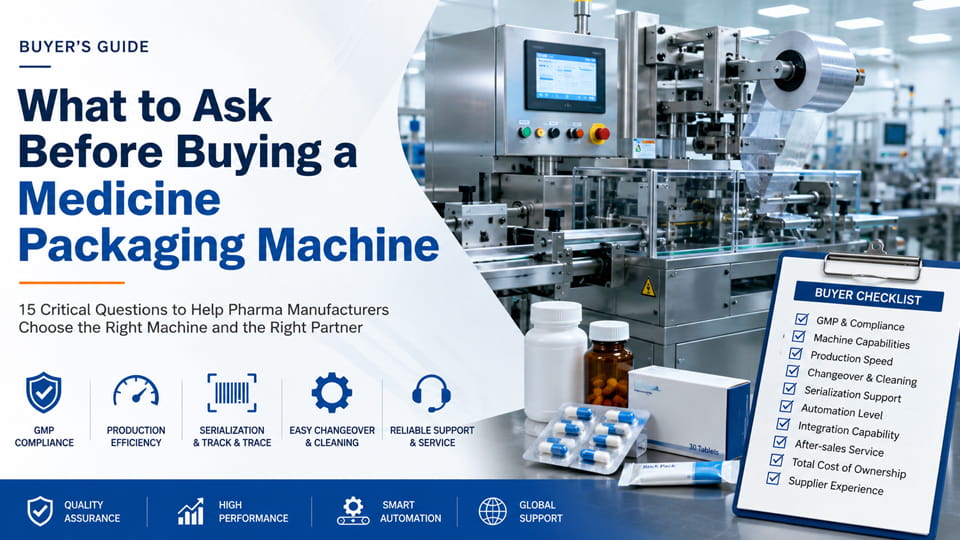
Las gomitas suelen necesitar líneas especiales.: una máquina de contar gomitas (separando piezas pegajosas) seguido de la inserción del desecante, tapado y etiquetado. Las pastillas pueden pasar por contadores de pastillas y máquinas embotelladoras o blister estándar con menos necesidad de control de humedad.. Jinlu ofrece líneas integradas para ambos tipos..
Referencias:
1.¿Funcionan las vitaminas gomosas?? Los beneficios y desventajas —— Línea de salud
2.¿Las vitaminas gomosas funcionan tan bien como las vitaminas tradicionales?? —— Clínica Cleveland
3.Vitaminas gomosas versus pastillas. ¿Realmente importa?? ——Reddit
4.Suplementos dietéticos: Valor dudoso, peligros ocultos —— Publicaciones de salud de Harvard