
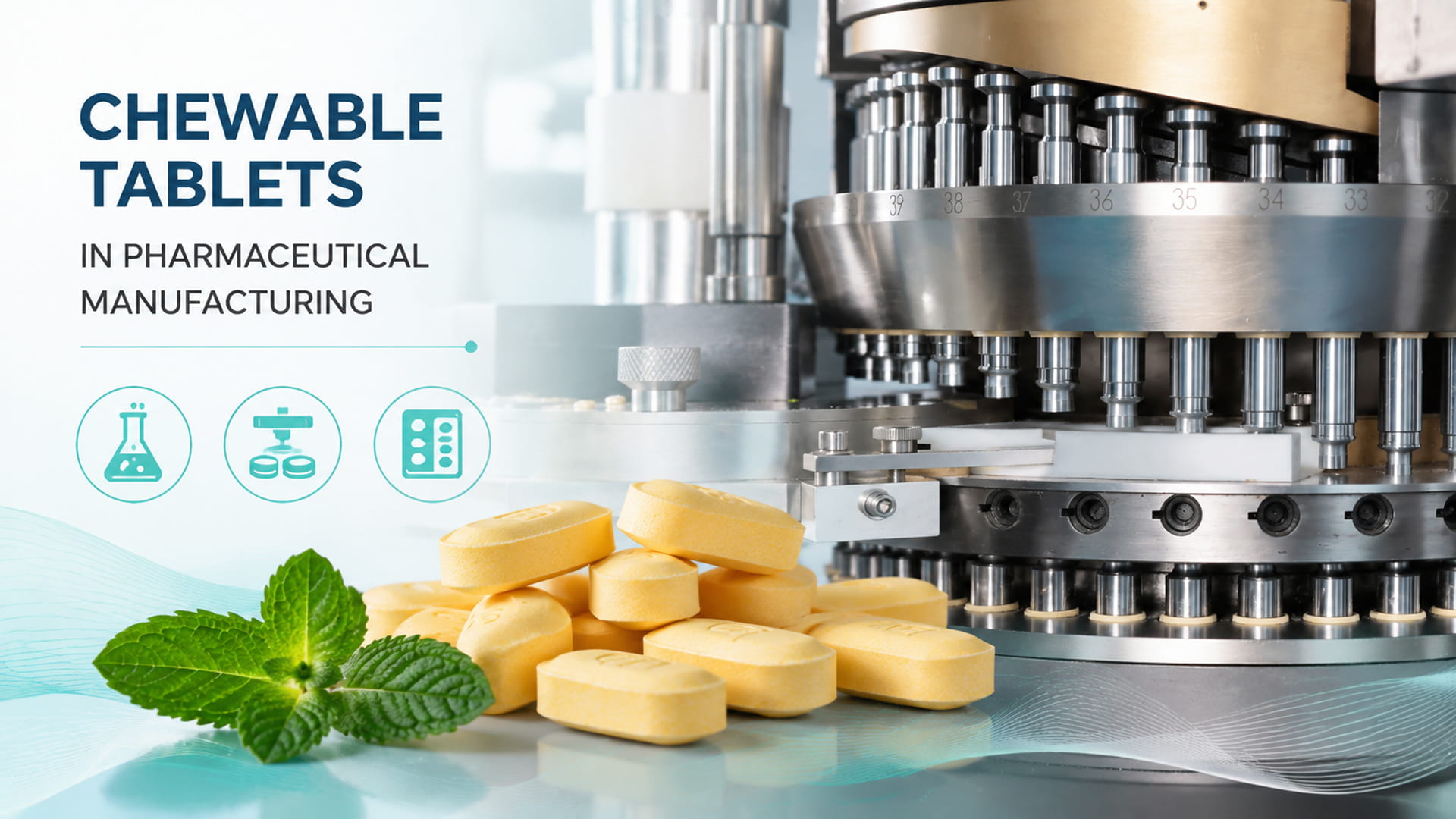
Einführung: Kautabletten sind darauf ausgelegt gekaut statt im Ganzen geschluckt, um sie benutzerfreundlich zu machen, vor allem für Kinder, Senioren, und alle mit Schluckbeschwerden. Durch Zerfall im Mund, Kautabletten bieten den Komfort einer wasserfreien Dosierung, angenehmer Geschmack, und die Stabilität eines soliden Tablets. Sie werden häufig verwendet für Kinderarzneimittel und Nahrungsergänzungsmittel (Denken Sie an diese kaubaren Vitamin C- oder Multivitaminpillen), und sogar in Tierarzneimitteln. Gemäß FDA-Richtlinien, Darauf müssen die Hersteller besonders achten entscheidende Qualitätsmerkmale (CQAs) bei der Entwicklung von Kautabletten. Diese CQAs umfassen Faktoren wie die Tablettenhärte, Geschmacksmaskierung, und inhaltliche Einheitlichkeit, um Sicherheit und Wirksamkeit zu gewährleisten. Zusamenfassend, Kautabletten vereinen das Beste aus Tabletten (Genauigkeit, Lagerstabilität) mit besser Einhaltung von Patienten. In diesem Ratgeber, Wir werden durchgehen, was Kautabletten sind, ihre Vorteile, wie sie hergestellt werden, und mit welchen Verpackungsmaschinen sie verarbeitet werden – alles aus freundlicher Sicht, Branchenperspektive.
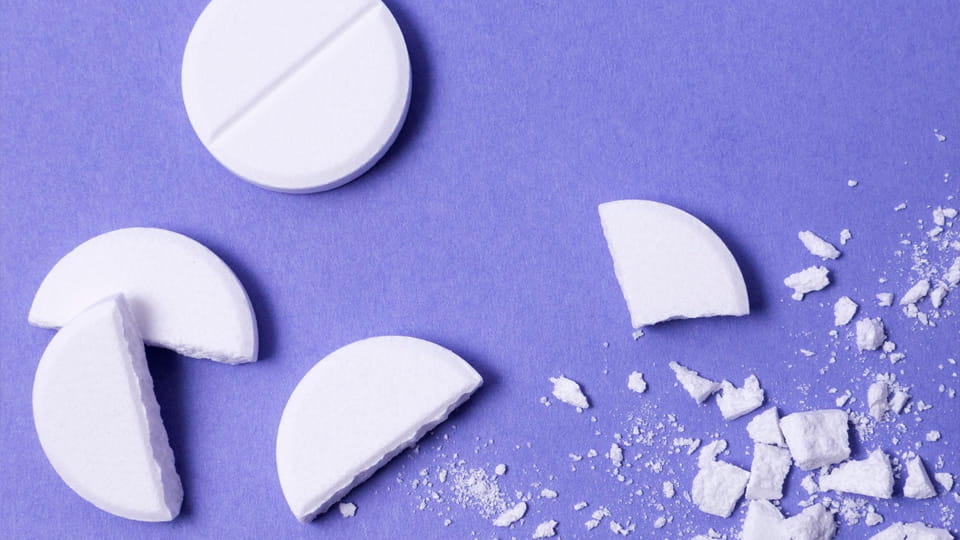
Kautabletten sind a Art der mündlichen feste Darreichungsform Entwickelt, um vor dem Schlucken gekaut zu werden. Im Gegensatz zu herkömmlichen Tablets (was du ganz schluckst) oder oral zerfallende Tabletten (Odts) die sich auf der Zunge auflösen, Kautabletten sind durch Kauen im Mund zersetzt werden. Dies erleichtert vielen Patienten die Dosierung.
Laut Pharmaceutical Technology, Kautabletten sind definiert als Tabletten, „die dazu bestimmt sind, durch Kauen verarbeitet zu werden, um die Freisetzung des Wirkstoffs zu erleichtern.“(S)”. In der Praxis, Das bedeutet, dass Kautabletten häufig Inhaltsstoffe wie Zuckeralkohole enthalten (Polyole) die Süße und Volumen verleihen. Sie können auch in lustige Formen geformt werden (Tiere, Herzen, usw.) um Kinder anzusprechen. Weil Kautabletten im Mund in Partikel zerfallen, sie können gemacht werden größer oder anders geformt als Pillen, die du schlucken würdest, dennoch lösen sie sich nach dem Kauen schnell auf.
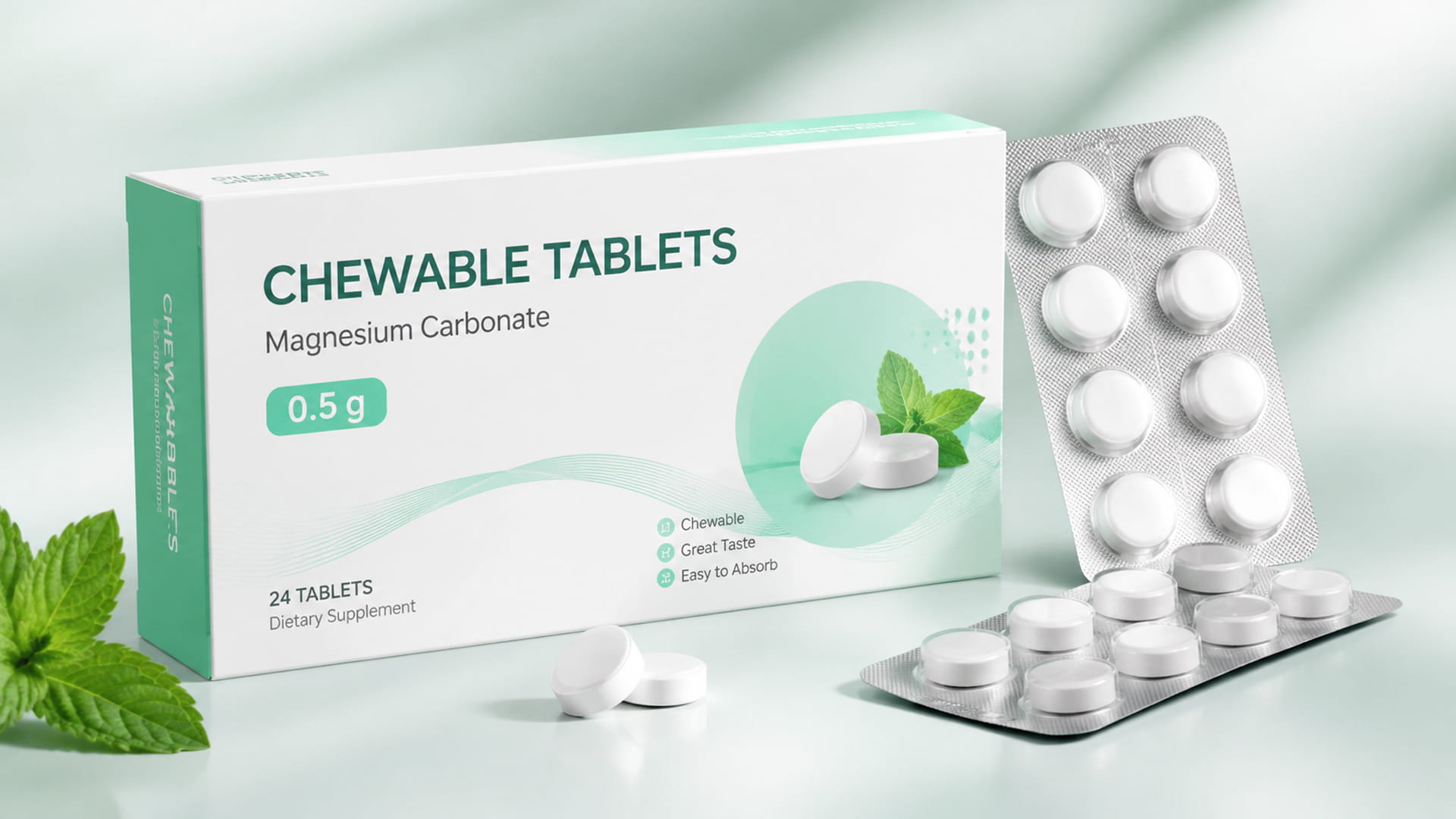
Kautabletten erfreuen sich in mehreren Segmenten des Gesundheitsmarktes großer Beliebtheit:
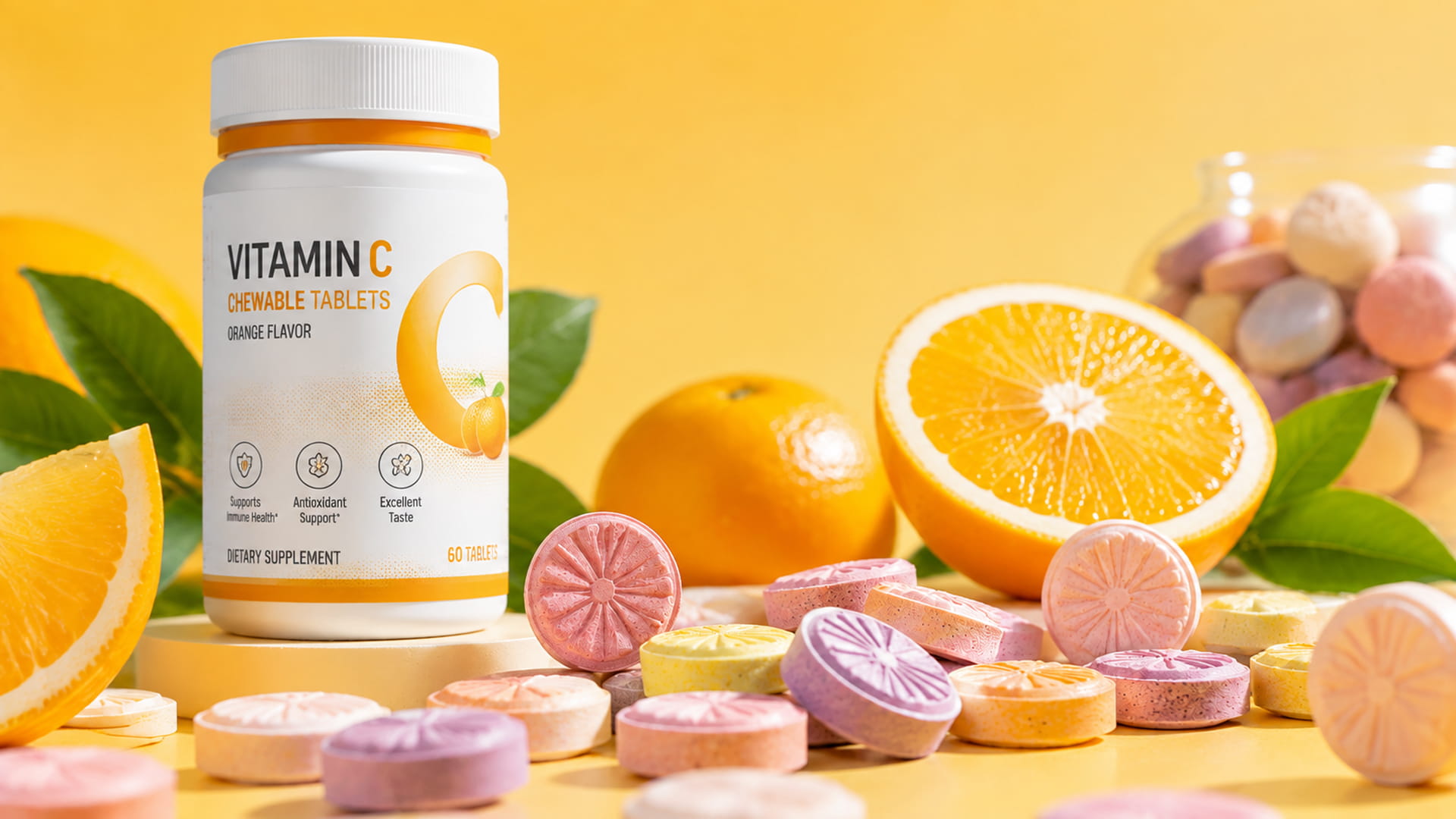
Dieses Foto zeigt Vitamine und Nahrungsergänzungsmittel in Kautablettenform. Kaubares Vitamin C, Multivitamine, und Mineralstofftabletten sehen oft wie Bonbons mit leuchtenden Farben aus. Ihr Formfaktor und Geschmack machen sie zu einer freundlichen Option für gesundheitsbewusste Verbraucher und Patienten gleichermaßen.
Die Formulierung einer Kautablette ist ein Balanceakt. Das Tablet muss sein schmackhaft und leicht zu kauen, noch stark und stabil ausreichend für Handhabung und Lagerung. Das heisst:
Geschmacksmaskierung & Schmackhaftigkeit: Im Gegensatz zu schluckbaren Tabletten, Kautabletten bleiben im Mund, Drogen den Geschmacksknospen aussetzen. Viele Wirkstoffe sind bitter, Deshalb fügen die Formulierer Süßstoffe hinzu (Zucker oder Zuckeralkohole) und Aromastoffe, um die Tablette angenehm zu machen. Für sehr bittere APIs, Um zu verhindern, dass der schlechte Geschmack auf die Zunge gelangt, können dünne Beschichtungen oder spezielle geschmackshemmende Hilfsstoffe verwendet werden. Zum Beispiel, Kaubare Vitamintabletten verwenden häufig Fruchtaromen und süße Basen (wie Sorbitol oder Mannitol) um den Geschmack zu verbessern.
Textur & Mundgefühl: Eine gute Kautablette sollte es sein weich genug, um reibungslos zu zerfallen ohne sich körnig oder zu kreidig anzufühlen. Partikelgröße und Hilfsstoffauswahl sind wichtig: fein gemahlene Zutaten und „weiche“ Füllstoffe (z.B. Mannit, Xylit) Lassen Sie die Tablette beim Kauen sanft zerbröckeln. Auf der anderen Seite, Kautabletten brauchen wir noch manche Härte, damit sie bei der Lagerung nicht auseinanderfallen. Branchenrichtlinien empfehlen, die Tablettenhärte relativ niedrig zu halten (z.B. unter ~12 Kilopond) es sei denn, die Tablette zerfällt schnell im Mund. Verwendung hochkompressibler Hilfsstoffe und Bindemittel (wie mikrokristalline Cellulose oder bestimmte Polymere) Hilft dabei, dass die Tablette beim Verpacken intakt bleibt und dennoch im Mund kaubar bleibt.
Zerfall & Arzneimittelfreisetzung: Kautabletten müssen nach dem Kauen zersetzt werden und den Wirkstoff wirksam freisetzen. Sie werden üblicherweise als Darreichungsformen mit sofortiger Freisetzung klassifiziert, Sie müssen daher die gleichen Zerfalls- und Auflösungsstandards erfüllen wie andere Tabletten mit sofortiger Wirkstofffreisetzung. In der Praxis, Das bedeutet, dass die Kautabletten getestet werden müssen, um sicherzustellen, dass sie sich innerhalb der erforderlichen Zeit auflösen (oft unter ein paar Minuten) nach dem Kauen. Formulierer enthalten häufig Sprengmittel (z.B. Natriumstärkeglykolat) um einen schnellen Abbau zu unterstützen und eine konsistente Bioverfügbarkeit sicherzustellen.
Stabilität: Wie jedes Tablet, Kautabletten können feuchtigkeits- und temperaturempfindlich sein. Weil viele Kautabletten (z.B. Vitamine oder Brausetabletten) Verwenden Sie hygroskopische Füllstoffe, Die Formulierung muss während der gesamten Haltbarkeitsdauer des Produkts stabil sein. Dazu gehört eine ordnungsgemäße Feuchtigkeitskontrolle während der Herstellung und Verpackung. Tatsächlich, regulatorische Richtlinien (z.B. Stabilitätsrichtlinien der FDA) erfordern die Übermittlung von Stabilitätsdaten, um die Wirksamkeit und Sicherheit im Laufe der Zeit nachzuweisen. Für kaubare Vitamine bei hoher Wirkstoffbelastung, Es ist zusätzliche Sorgfalt erforderlich, um den Geschmack mit den Wirkstoffen in Einklang zu bringen und gleichzeitig die Stabilität aufrechtzuerhalten.
Gemeinsame Hilfsstoffe: Zu den wichtigsten Inhaltsstoffen, die über die API hinausgehen, gehören: Füllstoffe (Verdünnung) für Masse, Bindemittel um das Tablet zusammenzuhalten, Schmiermittel um ein Festkleben zu verhindern, Und, wichtig, Aromen/Süßstoffe für den Geschmack. Typische Füllstoffe in Kautabletten sind Zuckeralkohole wie Mannitol oder Sorbitol, oder Süßstoffe wie Saccharose und Laktose. Mannit, zum Beispiel, ist beliebt, weil es kühl ist, Es hat ein süßes Mundgefühl und trägt dazu bei, dass die Tabletten schnell zerfallen. Zerfallmittel (mikrokristalline Cellulose, Natriumstärkeglykolat) werden verwendet, um einen schnellen Zerfall im Mund zu gewährleisten. Geschmackszusätze (Fruchtaromen, Minze, usw.) Auch Farbstoffe sind üblich, um Tabletten für den Verbraucher attraktiv zu machen.
Indem man sich auf diese Faktoren konzentriert – Geschmacksmaskierung, Textur, und Zerfall – pharmazeutische Entwickler entwickeln Kautabletten, die sowohl wirksam als auch patientenfreundlich sind. Die richtige Formulierung legt den Grundstein für eine reibungslose Herstellung und Verpackung.
Um eine gute Kautablette herzustellen, muss die pharmazeutische Qualität mit der Patientenakzeptanz in Einklang gebracht werden. Zu den kritischen Qualitätsmerkmalen gehören::
Die Erfüllung dieser Qualitätsfaktoren ist nicht trivial, Aus diesem Grund hat die FDA eine spezielle Anleitung zu den Eigenschaften von Kautabletten veröffentlicht. Der Schwerpunkt der Leitlinien liegt auf der Dokumentation aller Entwicklungsschritte und Tests in den Zulassungsanträgen (NDAs/ANDAs). Das Essen zum Mitnehmen: Eine Kautablette ist immer noch ein Arzneimittel und muss mit aller Sorgfalt behandelt werden, nur mit einer patientenfreundlichen Note.
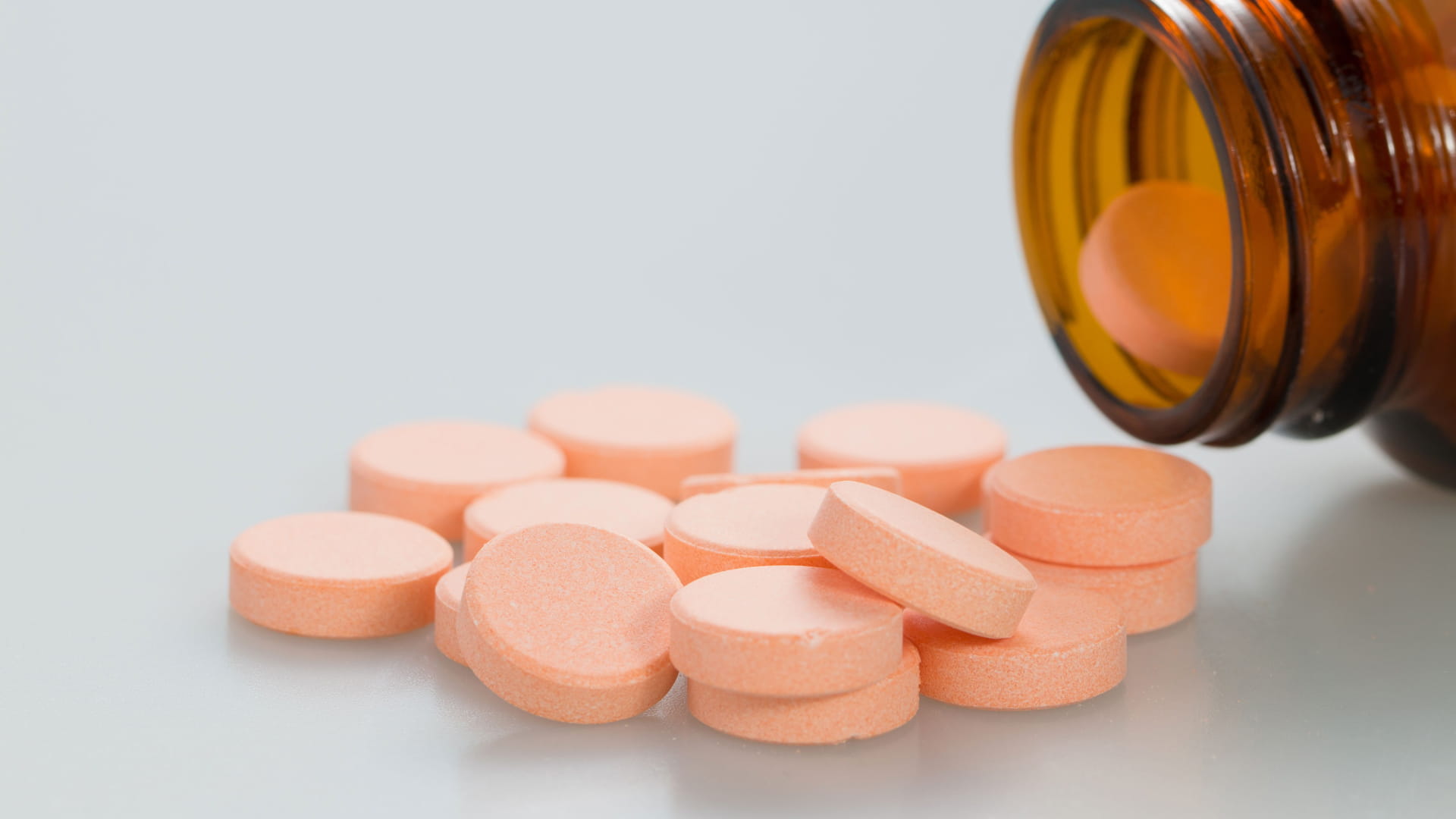
Die Herstellung von Kautabletten folgt weitgehend dem Standard-Tablettenproduktionsprozess, mit einigen besonderen Optimierungen für Kaubarkeit und Geschmack. Nachfolgend finden Sie eine Übersicht über die wichtigsten Schritte bei der Herstellung von Kautabletten:
In jeder Phase, Hersteller befolgen die cGMP-Vorschriften (z.B. FDA 21 CFR Teil 211 in den USA) um Sauberkeit zu gewährleisten, Präzision, und Rückverfolgbarkeit. Moderne Tablettenpressen verfügen häufig über SPS-Steuerungen zur Anpassung von Druck und Geschwindigkeit, und Funktionen wie Kraftsensoren, um eine gleichmäßige Kompression aufrechtzuerhalten. Für Kautabletten, Eine Taste ist einfach ein „sanftes, aber gleichmäßiges“ Drücken.
Nach der Produktion, Kautabletten benötigen die richtige Verpackung, um frisch und wirksam zu bleiben. Nachfolgend sind gängige Verpackungsansätze und verwendete Geräte aufgeführt:


Kartonierer können vollautomatisch sein (kein menschlicher Bediener erforderlich) und umfassen Sensoren, um sicherzustellen, dass jede Box die richtigen Einsätze hat und ordnungsgemäß versiegelt ist. Zu den Vorteilen der automatisierten Kartonierung gehört eine wesentlich höhere Geschwindigkeit und Konsistenz im Vergleich zur manuellen Verpackung. Wie ein Verpackungsingenieur einmal witzelte, Kartonierer geben „professionell aussehend, manipulationssichere Kartons“ mit minimalem Arbeitsaufwand.
Tipp: Wenn Ihre Kautabletten in Flaschen abgefüllt werden (z.B. Vitaminflaschen), Möglicherweise ist keine Blase vorhanden, aber diese Flaschen kommen oft auch in Kartons, nach dem gleichen Kartoniervorgang.
Dies voll und ganz automatisierte Abfülllinie ist ideal für kaubare Produkte wie Vitamin-D-Kautabletten oder kaubare Kalziumtabletten, die in Flaschen verkauft werden. Es stellt sicher, dass jede Flasche die richtige Anzahl hat (Denken Sie genau 60 Kaubare Vitamin-C-Tabletten pro Glas) und beschleunigt die Produktion.
Qualität & Einhaltung: Alle diese Verpackungsmaschinen müssen den Pharmastandards entsprechen. Zum Beispiel, Blister- und Kartonierlinien werden nach cGMP-Spezifikationen gebaut (21 CFR 211 in den USA) mit Sanitärdesign, Rückverfolgbarkeit, und Validierungsprotokolle. Inline-Vision-Systeme prüfen häufig den Füllstand und die Versiegelung, Fehler verhindern. Gute Verpackungssiegel in Produktqualität: Studien zeigen, dass das vorzeitige Entfernen einer Pille aus der Packung den Abbau beschleunigt. Zusamenfassend, Investition in robuste Verpackungen (wie Hochbarriereblister und präzise Kartonierer/Zähler) ist von entscheidender Bedeutung für die sichere Aufbewahrung von Kautabletten von der Fabrik bis zum Patienten.
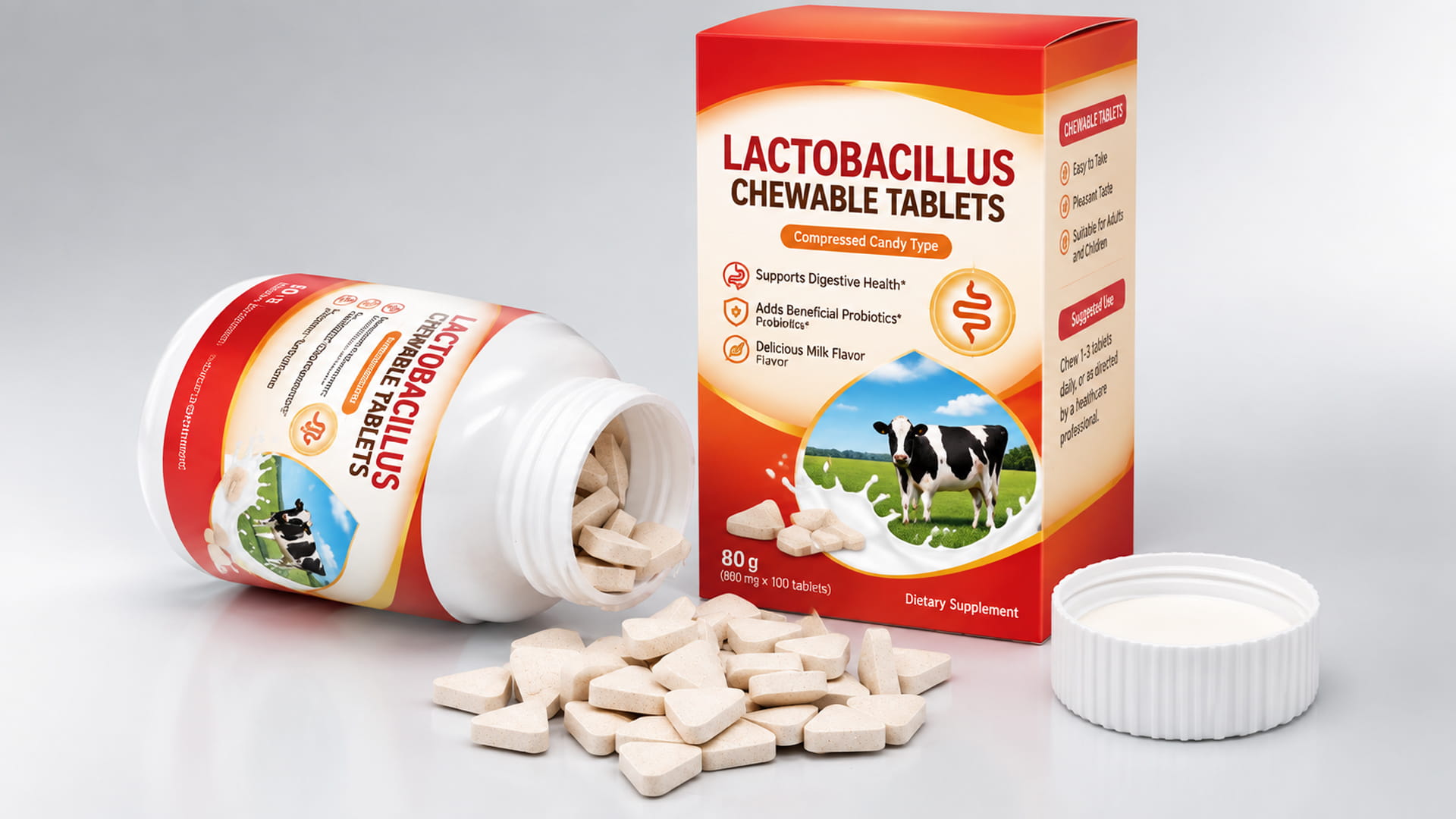
Zusammenfassend, Kautabletten sind a patientenfreundlich und vielseitige Darreichungsform in der Pharmaindustrie. Sie verbessern die Compliance (kein Wasser nötig!), und mit modernen Formulierungstechniken (Süßstoffe, Aromen) Sie können ganz gut schmecken. Ihre Produktion erfolgt mit Standard-Tablettiergeräten mit ein paar Änderungen: Niederdruckkompression, spezielle Schläge, und sorgfältige Qualitätskontrolle. Auch die Verpackung spielt eine Schlüsselrolle – Blistermaschinen, Kartonierer, und Zähllinien sorgen dafür, dass jede Kautablette in der Endverpackung frisch und richtig dosiert bleibt.
Wenn Sie in der pharmazeutischen oder nutrazeutischen Herstellung tätig sind und sich mit der Produktion von Kautabletten beschäftigen, erinnern: Der richtige Ausrüstungspartner kann einen großen Unterschied machen. Hersteller mögen Jinlu Packing bieten maßgeschneiderte Tablettenpressen an, Blisterpacker, und Kartonierer für Kauprodukte. Ob Sie ein benötigen Drehetablette Presse für Tausende von Kautabletten pro Stunde oder a Hochgeschwindigkeits-Blisterlinie zum Verschließen Ihrer Vitamintabletten, Hochwertige Ausrüstung sorgt dafür, dass Ihre Produktion effizient und Ihre Tabletten patientenfreundlich bleiben.
Bereit, Ihr Kautablettensortiment zu erweitern? Kontaktieren Sie die Experten von Jinlu Packing für maßgeschneiderte pharmazeutische Tablettenproduktions- und Verpackungslösungen
Eine Kautablette ist eine orale feste Darreichungsform, die vor dem Schlucken gekaut wird. Im Vergleich zu herkömmlichen Tabletten ermöglicht es eine einfachere Verabreichung und wird häufig für pharmazeutische Produkte verwendet, Vitamine, und Nahrungsergänzungsmittel.
Kautabletten werden durch einen Prozess hergestellt, der das Mischen der Materialien umfasst, Granulierung oder Direktverdichtung, Tafel drücken, Qualitätsprüfung, und Verpackung. Eine Rotationstablettenpresse wird üblicherweise verwendet, um eine gleichmäßige Tablettengröße herzustellen, Gewicht, und Härte.
Zur Hauptausrüstung für die Herstellung von Kautabletten gehört eine Tablettenpresse, Pulvermischer, Tablettenentstauber, Metalldetektor, Blasenverpackungsmaschine, Zählmaschine, und Kartoniermaschine. Die Auswahl der Ausrüstung hängt von der Produktionskapazität und den Verpackungsanforderungen ab.
Der Hauptunterschied besteht darin, wie sie eingenommen werden. Normale Tabletten werden im Ganzen geschluckt, während Kautabletten dazu gedacht sind, vor dem Schlucken gekaut zu werden. Kautabletten erfordern in der Regel spezielle Formulierungen, um einen besseren Geschmack zu erzielen, Textur, und Kauleistung.
Ja. Eine Rotationstablettenpresse kann durch Anpassen der Kompressionskraft Kautabletten herstellen, Werkzeugdesign, und Produktionsparameter. Die richtigen Maschineneinstellungen tragen dazu bei, das erforderliche Gleichgewicht zwischen Tablettenstärke und Kaubarkeit zu erreichen.
Gängige Beispiele sind Vitamin-C-Kautabletten, kaubare Multivitamine, Kaubare Kalziumtabletten, kaubare Eisentabletten, und Vitamin-D-Kautabletten. Diese Produkte werden häufig in Nahrungsergänzungsmitteln und pharmazeutischen Anwendungen eingesetzt.
Nicht immer. Obwohl der Komprimierungsprozess ähnlich ist, Kautabletten erfordern zusätzliche Aufmerksamkeit auf den Geschmack, Mundgefühl, Härte, und Formulierungsstabilität. Hersteller müssen sowohl die Produktqualität als auch das Benutzererlebnis sorgfältig kontrollieren.
Gängige Verpackungslösungen für Kautabletten sind Blisterverpackungen, Flaschenzählsysteme, und Kartonmaschinen. Eine geeignete pharmazeutische Verpackungsmaschine hilft, Tabletten vor Feuchtigkeit zu schützen und sorgt für eine genaue Dosierung, effiziente Produktion.
Kaubare Vitamintabletten erfreuen sich aufgrund ihrer praktischen Handhabung immer größerer Beliebtheit, einfach zu nehmen, und akzeptabler für Kinder und Erwachsene, die Schwierigkeiten beim Schlucken von Pillen haben. Produkte wie kaubares Vitamin C und kaubare Multivitamine sind auf dem Markt für Nahrungsergänzungsmittel weit verbreitet.
Die Wahl einer Produktionslinie für Kautabletten hängt von Faktoren wie der Tablettengröße ab, Produktionskapazität, Automatisierungsgrad, und Verpackungsmethode. Pharmahersteller sollten bei der Maschinenauswahl sowohl Geräte zur Tablettenkomprimierung als auch nachgelagerte Verpackungslösungen berücksichtigen.
Referenzen:
1.Überlegungen zu Qualitätsmerkmalen für Kautabletten – Leitfaden für die Industrie —— UNS. Lebensmittel- und Arzneimittelbehörde
2.Kautabletten: Ein Überblick über Überlegungen zur Formulierung —— PharmTech
3.Kautabletten: Eine umfassende Rezension —— Asiatisches Journal für pharmazeutische Forschung und Entwicklung
4.Formulierung, Herstellung und Bewertung von Kautabletten —— pharmapproach.com
5.Weich kaubare Paracetamol-Tabletten nach der Schmelzgranulationsmethode: Formulierung und Charakterisierung —— Nationalbibliothek für Medizin