
Die Granulierung ist ein wichtiger Schritt Tablettenherstellung das feine Pulver in größere verwandelt, gleichmäßiges Granulat. Ohne Granulierung, viele Pulver (APIs und Hilfsstoffe) haben eine schlechte Fließfähigkeit und Kompressibilität, Dies führt zu Problemen wie Segregation, ungleichmäßige Matrizenfüllung, und schwache Tabletten. In der Praxis, die meisten Formulierungen kann nicht direkt komprimiert werden, da Rohpulver dazu neigen, zu fein und inkonsistent zu sein. Granulation (nass oder trocken) verbessert den Pulverfluss, Staubkontrolle, Gleichmäßigkeit und Bindung verschmelzen, was wiederum Tabletten mit konstantem Gewicht ergibt, Härte und aktive Verteilung. Obwohl die direkte Komprimierung einfacher ist (weniger Schritte, geringere Kosten), es erfordert außergewöhnliche Rohstoffeigenschaften. Dieser Artikel erklärt warum vor der Tablettierung normalerweise eine Granulierung erforderlich ist, deckt die Vorteile und Nachteile von ab Nass- vs. Trockengranulierung, und bietet praktische Hinweise zur Auswahl des richtigen Verfahrens.
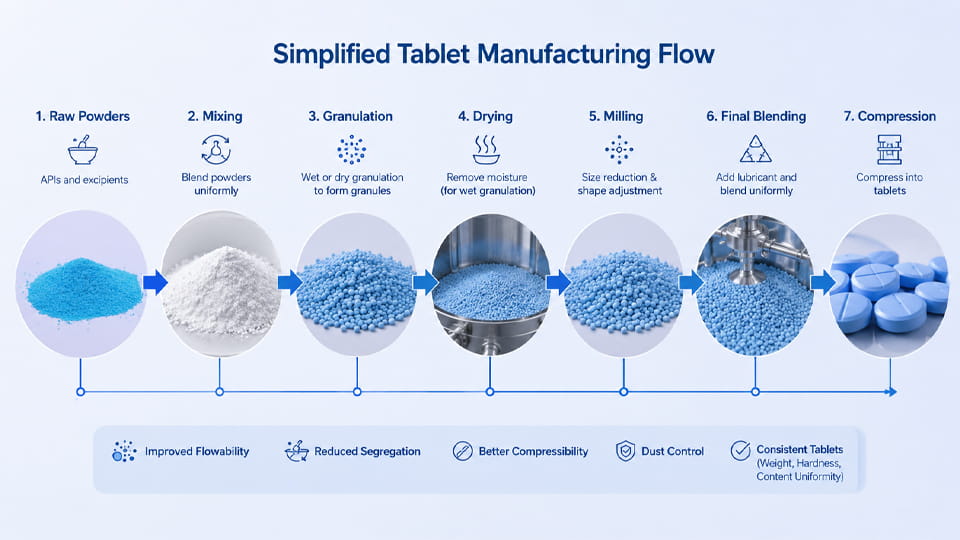
Figur: Vereinfachtes Flussdiagramm zur Tablet-Herstellung. Rohe Pulver + Hilfsstoffe werden gemischt, granuliert (nass oder trocken), getrocknet (bei Nässe), gemahlen, mit Gleitmittel gemischt, dann zu Tabletten verpresst.
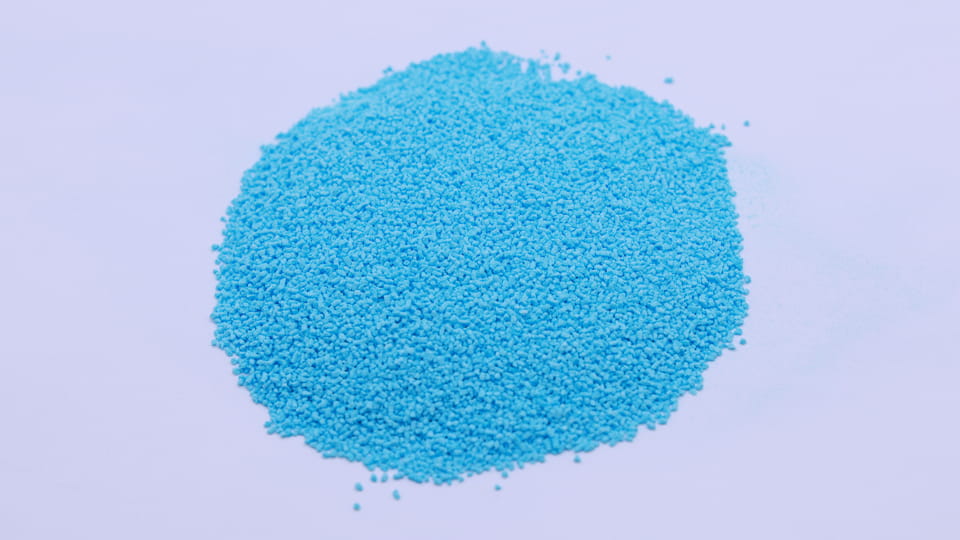
Granulation ist ein Teilchentechnik Prozess, der „feine Pulver in größere umwandelt“., einheitliche Partikel, sogenannte Granulat“. In der pharmazeutischen Herstellung, Granulation (nass oder trocken) wird verwendet, um Pulver besser zu Granulat zu agglomerieren Fließfähigkeit, Kompressibilität, und Einheitlichkeit. Zum Beispiel, A Hochschermischer-Granulator (Nassgranulator) fügt hinzu Bindemittel Lösung zum Pulver, eine feuchte Masse bilden, welches dann getrocknet wird (üblicherweise in einem Wirbelschichttrockner) und zu Granulat gemahlen. Alternativ, Bei der Trockengranulierung kommt mechanischer Druck zum Einsatz (Walzenverdichtung oder Schlagen) um das Pulver zu komprimieren und in Granulat zu zerkleinern.
Sowohl die Nass- als auch die Trockengranulierung zielen darauf ab, ein Granulat zu erzeugen, das dies ermöglicht dicht, rieselfähig und homogen. Dieses Granulat wird in die eingespeist Tablettenpresse zuverlässiger als loses Pulver. Granulat erzeugt außerdem weniger Staub und neigt dazu, sich zu stärkeren Tabletten zusammenzupressen. Zusamenfassend, Die Granulierung ist ein entscheidender Schritt, um sicherzustellen, dass die Tabletten den Qualitätsmerkmalen entsprechen (einheitliches Gewicht, Stärke, Dosisgenauigkeit) wenn Rohpulver allein nicht für die direkte Tablettierung geeignet sind.
Theoretisch ja (für einige Formulierungen): Bestimmte APIs und Hilfsstoffe (z.B. mikrokristalline Cellulose, sprühgetrocknete Laktose) haben ausgezeichnet inhärent Fließfähigkeit und Kompressibilität. Diese seltenen Formulierungen können sein Direktkomprimierung (Gleichstrom) ohne vorherige Granulierung tablettiert. Die direkte Komprimierung ist der einfachste Weg: Pulver mischen + Schmiermittel, Anschließend direkt in eine Tablettenpresse einfüllen. Es vermeidet zusätzliche Ausrüstung und Schritte (kein Trocknen), spart Zeit und Kosten.
Aber in der Praxis, Die meisten Pulver können das nicht: Die meisten niedermolekularen APIs sind sehr fein und kohäsiv, mit schlechten Fließ- und Kompressionseigenschaften. Wenn Pulver nicht reibungslos fließen, Der Formhohlraum wird unter- oder überfüllt, Dies führt zu Schwankungen des Tablettengewichts. Wenn sich Pulver nicht gut komprimieren lassen, Tabletten werden weich sein, Verschließen oder Brechen. Kleine Dosen (wenige mg APIs) Wenn sie mit großen Hilfsstoffmengen vermischt werden, kommt es häufig zu einer Entmischung (Feines API trennt sich vom groben Träger). Zusamenfassend, mit Ausnahme hochspezialisierter Hilfsstoffe für die Direktverdichtung, die meisten pharmazeutischen Mischungen brauchen Granulierung zur Behebung von Fließ-/Kompressibilitätsproblemen.
Eine direkte Komprimierung ist nur möglich, wenn die Mischung vorhanden ist bereits hat eine sehr gute Fließfähigkeit und Verdichtung. Zum Beispiel, Binäre Mischungen sehr frei fließender Hilfsstoffe mit einer hochdosierten Tablette können funktionieren. Auch bei Arzneimitteln, die extremer Hitze ausgesetzt sind, wird die Direktverdichtung gewählt- oder feuchtigkeitsempfindlich, da Befeuchtungs- und Trocknungsschritte übersprungen werden. Jedoch, Dies erfordert eine sorgfältige Auswahl der Hilfsstoffe (Z.B., Direktverpresste Laktose, MCC, mitverarbeitete Hilfsstoffe) und oft kundenspezifische Formulierungen.
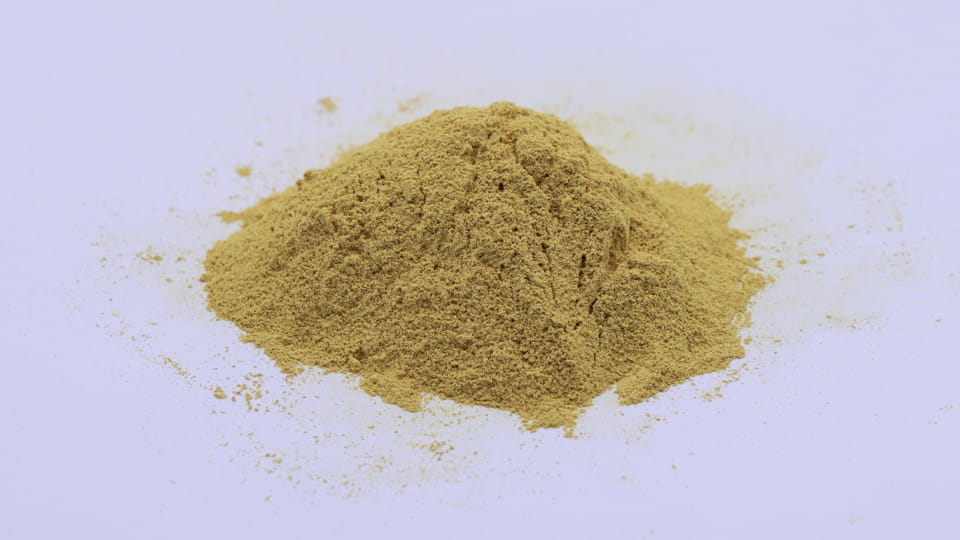
Zusammenfassend, Die Granulierung löst die größten Strömungs-/Kompressionsherausforderungen von Rohpulvern. Ohne es, Tabletten würden unzulässige Gewichtsschwankungen aufweisen, Härte und Dosis. Der Kompromiss sind zusätzliche Schritte (mischen, Trocknen, Mahlen), aber für die meisten pharmazeutischen Produkte, Granulierung ist der zuverlässige Weg, die Produktqualität zu gewährleisten.
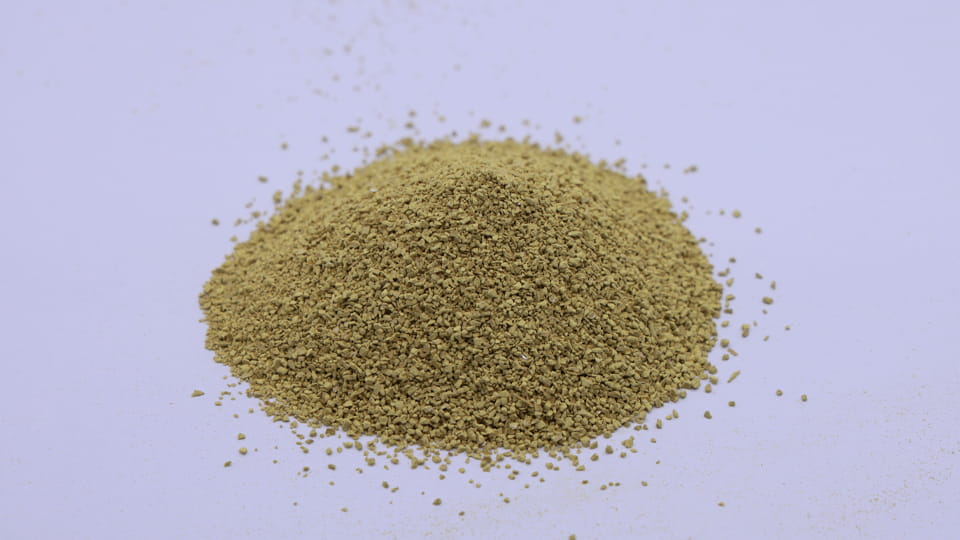
Direkte Komprimierung (Gleichstrom) ist das einfachste, kostengünstigstes Tablettierverfahren, und es wird bevorzugt, wenn es funktioniert. DC minimiert Schritte (nur Mischen und Verdichten), erfordert weniger Ausrüstung (Mixer + drücken) und verhindert das Austrocknen. Dies ist die Methode der Wahl, wenn die API und die Hilfsstoffe bereits sehr frei fließend sind, stark komprimierbar, und gleichmäßig vermischen. Hochlösliche Hilfsstoffe wie Laktose oder sprühgetrocknete Zuckeralkohole, kombiniert mit einem hochdosierten API, erlauben oft DC. Es wird auch für feuchtigkeits-/hitzeempfindliche Medikamente gewählt, die sich in einem Nassprozess zersetzen würden.
Jedoch, Die Erfüllung dieser materiellen Anforderungen ist eine Herausforderung. Hilfsstoffe für DC müssen „kritisch“ ausgewählt werden, um eine hervorragende Fließfähigkeit und Kompressibilität zu gewährleisten. Wenn diese Bedingungen nicht erfüllt sind, DC-Tabletten leiden unter Gewichtsschwankungen und geringer Festigkeit. Daher, DC ist eigentlich nur für geeignet ca. 10–20 % von Formulierungen; Die meisten erfordern den technischen Schritt der Granulierung.
Vorteile der Direktkomprimierung: weniger Einheitenoperationen, geringere Kapital-/Ausrüstungskosten, kein Trocknungsschritt (spart Zeit/Energie), und die einfachste Validierung. Auch in fix dosierten Kombinationsprodukten mit einem hohen Anteil an direkt verpressbaren Füllstoffen kommt es häufig zum Einsatz. Aber für jede Mischung mit schlechter Fließfähigkeit oder Entmischungsrisiko, Granulierung ist in der Regel unvermeidbar.
Auf beiden Wegen können Tabletten hergestellt werden, Sie unterscheiden sich jedoch stark in Komplexität und Leistung. Die folgende Tabelle fasst die wichtigsten Unterschiede zusammen:
| Parameter | Direkte Komprimierung (Gleichstrom) | Granulation (Nass/Trocken) |
| Prozesskomplexität | Niedrig (Mischen-Mischen und dann drücken) | Höher (mischen, granulieren, trocken, Mühle, dann drücken) |
| Ausrüstung | Mixer, Tablettenpresse | Granulator oder Kompaktor mit hoher Scherwirkung, Trockner, Mühle, Tablettenpresse |
| Anforderungen an die Fließfähigkeit | Muss ausgezeichnet sein | Durch die Granulierung wird die Fließfähigkeit deutlich verbessert |
| Kompressibilität | Begrenzt durch die Eigenschaften des Rohpulvers | Verstärkt durch Granulatbindung |
| Inhaltliche Einheitlichkeit | Schwieriger zu erreichen (Gefahr der Segregation) | Besser (Segregation minimiert) |
| Staubentwicklung | Hoch (feine Pulver) | Niedrig (Granulat, weniger Bußgelder) |
| Geeignet für die meisten APIs | NEIN (wenige Ausnahmen) | Ja (breites Spektrum, insb. APIs mit schlechtem Datenfluss) |
| Tablet-Qualität | Mäßig (hängt von der Formulierung ab) | Hoch (gleichbleibendes Gewicht, Stärke) |
Gesamt, Die Granulierung ist aufwändiger und kostenintensiver, aber es liefert hervorragende Pulvereigenschaften. DC ist schlank und kostengünstig, Aber nur, wenn die Rohstoffe von Natur aus strenge Kriterien erfüllen.
Sobald eine Granulierung erforderlich ist, Die nächste Frage ist nass vs. trocken. Jedes hat Vor- und Nachteile.


Wählen Sie nass oder trocken: Wenn Ihr API mit Feuchtigkeit/Hitze zurechtkommt und das Produkt eine erstklassige Gleichmäßigkeit erfordert, Nassgranulierung wird bevorzugt. Wenn Energie und Kapital begrenzt sind oder das Medikament empfindlich ist, Trockengranulierung ist attraktiv. In der Praxis, Die Nassgranulierung ist bei herkömmlichen Tabletten am häufigsten, während in bestimmten Fällen die Trockengranulierung eingesetzt wird (z.B. Metformin, Aspirin).
Die wichtigsten Geräte der Tablettenherstellungslinie sind auf den gewählten Prozess abgestimmt. Für Nassgranulation, A Hochschermischer-Granulator (Nassgranulatormaschine) dient zum Mischen von Pulver und Bindemittel, gefolgt von a Wirbelschichttrockner um das Granulat zu trocknen. Für trockene Granulierung, A Walzenverdichter (Trockengranulatormaschine) wird verwendet, um das Pulver zu Bändern zu verdichten. Das Granulat (von nass oder trocken) werden dann bei Bedarf gemahlen und schließlich einer zugeführt Drehetablette Presse, wodurch sie zu Tabletten komprimiert werden. Nach Komprimierung, Tabletten können zu a gehen Tafelschack oder Verpackungsmaschine.
| Ausrüstung (Jinlu-Beispiel) | Primäre Funktion |
| Hochschermischer-Granulator | Mischt Pulver und flüssiges Bindemittel zu feuchtem Granulat. (Nassgranulation) |
| Wirbelschichttrockner | Trocknet nasses Granulat gleichmäßig (oft nach Mischen mit hoher Scherung). |
| Walzenverdichter (Trockener Granulator) | Verdichtet Pulver zu Bändern oder Kügelchen zur Trockengranulierung. |
| Drehetablette Presse | Verpresst Pulver oder Granulat mit hoher Geschwindigkeit zu Tabletten. |
Jedes der oben genannten Produkte ist bei Jinlu Packing erhältlich (sehen Hochschermischer-Granulator, Walzenverdichter (Trockener Granulator), Und Rotations-Tablettenpressmaschine in unserem Produktkatalog).
Unterschreibt eine Formel, die granuliert werden muss: Wenn Sie Probleme wie ungleichmäßiges Gewicht bemerken, Staubwischen des Pulvers, Tablettendeckel, oder getrennte Mischungen während der Versuche, Eine Granulierung ist wahrscheinlich erforderlich. Zum Beispiel, wenn das Mischen des Wirkstoffs mit einem Hilfsstoff ein sehr lockeres Ergebnis ergibt, leichte Mischung, es lässt sich oft nicht gut komprimieren. Auch, sehr niedrig dosierte APIs (<<50 mg) erfordern typischerweise eine Granulierung, um eine gleichmäßige Verteilung sicherzustellen. Zusamenfassend, falls vorhanden (fließen, Dichte) ist im Machbarkeitsmix schlecht, planen zu granulieren.
Tipps zur Verbesserung der Fließfähigkeit/Kompressibilität: Zusätzlich zur Granulierung, Formulierer können es versuchen: Größentechnik (Mahlen oder gröbere Körnungen, um übermäßige Feinanteile zu vermeiden), gleitender Tanz (z.B. 0.5– 2 % kolloidales Siliciumdioxid oder Talk werden unmittelbar vor der Tablettierung hinzugefügt, um die Reibung zu verringern), oder Schmiermittel (Magnesiumstearat) mit Bedacht. Manchmal kann Sprühtrocknung oder die Verwendung kugelförmiger Agglomerate hilfreich sein. Durch die Reduzierung des Feuchtigkeitsgehalts und die Kontrolle der Luftfeuchtigkeit wird außerdem eine Verklumpung verhindert. Richtig Mischer Design (z.B. Vakuumzufuhr) kann Staub mildern. Endlich, Optimierung der Parameter der Tablettenpresse (Fülltiefe, Verweilzeit) Hilft, den Grenzfluss auszugleichen.
Produktion in Höchstgeschwindigkeit: Auf einer modernen Rotationspresse, Selbst kleine Strömungsprobleme führen zu einer Gewichtsdrift. Echtzeit-Gewichtsrückmeldung und häufige Kalibrierung werden unerlässlich. Hochgeschwindigkeitsmaschinen verwenden häufig eine zweistufige Komprimierung (Vorkompressionswalze) und Paddelzuführungen zur Verbesserung der Füllkonsistenz. Wenn du muss Tablette ein schlecht fließendes Pulver, Erwägen Sie ein Upgrade auf eine Maschine mit Zwangszuführung oder Doppelfüllkurve. Stellen Sie stets sicher, dass die Einheitlichkeit der Inhalte bei voller Geschwindigkeit erhalten bleibt. Ein gut granuliertes Futter vereinfacht Hochgeschwindigkeitsläufe erheblich – das Granulat sorgt auch bei konstanter Füllung für eine gleichmäßige Füllung 200,000 Tabletten pro Stunde.
Zusammenfassend, „Granulation vor der Tablettierung“ ist erforderlich, da die meisten Wirkstoffe und Hilfsstoffe nicht direkt in hochwertige Tabletten gepresst werden können. Die Granulierung behebt grundlegende Pulverprobleme – den Fluss, Staub, Entmischung und Kompressibilität – mit denen rohe Pulver nicht umgehen können. Bei sehr speziellen Formulierungen hat die Direktverdichtung ihre Berechtigung, Der Granulationsschritt gewährleistet eine gleichbleibende Tablettenqualität. Durch die Wahl der geeigneten Granulationstechnik (nass vs. trocken) und Optimierung der Prozessparameter, Hersteller stellen sicher, dass Tablets alle Spezifikationen erfüllen (einheitliches Gewicht, Härte, Auflösung) im erforderlichen Maßstab. Granulierung ist nicht nur ein zusätzlicher Aufwand – sie ist der Schlüssel zur Zuverlässigkeit, Hochgeschwindigkeits-Tablettenproduktion.
Ob Sie eine neue Tablet-Produktionslinie bauen, Modernisierung bestehender Geräte, oder die Bewertung des besten Prozesses für eine bestimmte Formulierung, Die Auswahl der richtigen Granuliertechnologie ist eine wichtige Entscheidung.
Bei Jinlu Packing, Wir helfen Pharmaherstellern, Hersteller von Nahrungsergänzungsmitteln, und Auftragsfertigungsunternehmen (CMOs) Wählen Sie geeignete Lösungen für die Nassgranulierung, trockene Granulierung, Tablet-Komprimierung, Beschichtung, und Verpackung. Unser Engineering-Team kann Ihnen praktische Empfehlungen basierend auf Ihrer Produktionskapazität geben, Formulierungseigenschaften, GMP-Anforderungen, und Automatisierungsziele. Senden Sie uns Ihre Benutzeranforderungsspezifikation (URS), Produktionsziele, oder Produktdetails, Wir helfen Ihnen dabei, die für Ihr Projekt am besten geeignete Granulierungs- und Tablettenherstellungslösung zu finden.
Die Granulierung vor der Tablettierung dient der Verbesserung der Pulverfließfähigkeit, Kompressibilität, und inhaltliche Einheitlichkeit. Feine Pulver fließen oft nicht gleichmäßig in die Matrize der Tablettenpresse, was zu Gewichtsschwankungen führen kann, schlechte Tablettenhärte, und Herstellungsfehler. Durch die Umwandlung von Pulvern in einheitliche Granulate, Hersteller können eine stabilere und effizientere Tablettenproduktion erreichen.
Ja, Einige Formulierungen können ohne Granulierung direkt komprimiert werden. Dieser Vorgang wird als Direktkomprimierung bezeichnet. Jedoch, Direkte Kompression funktioniert nur, wenn der Wirkstoff aktiv ist (API) und Hilfsstoffe weisen eine ausgezeichnete Fließfähigkeit und Komprimierbarkeit auf. Viele pharmazeutische Pulver erfordern eine Granulierung, um eine gleichbleibende Tablettenqualität zu erreichen.
Zu den Hauptvorteilen gehören:
• Verbesserte Fließfähigkeit des Pulvers
• Bessere Kompressibilität
• Reduzierte Trennung der Zutaten
• Verbesserte Einheitlichkeit der Inhalte
• Geringere Staubentwicklung
• Erhöhte Tablettenhärte
• Höhere Produktionseffizienz
Diese Vorteile helfen Herstellern, Tabletten mit gleichbleibender Qualität und weniger Produktionsproblemen herzustellen.
Eine schlechte Fließfähigkeit kann zu einer ungleichmäßigen Formfüllung während der Kompression führen. Infolge, Tabletten können unterschiedliche Gewichte haben, inkonsistenter Arzneimittelgehalt, und höhere Ablehnungsraten. Ein schlechter Pulverfluss kann auch die Effizienz der Tablettenpresse verringern und die Ausfallzeiten verlängern.
Beim Granulieren werden Pulver vor dem Komprimieren in Granulat umgewandelt, Bei der Direktverdichtung wird der Granulationsschritt übersprungen und das gemischte Pulver direkt verdichtet.
Die Granulierung sorgt im Allgemeinen für eine bessere Fließfähigkeit, Kompressibilität, und inhaltliche Einheitlichkeit, wohingegen die Direktverdichtung bei geeigneter Formulierung ein einfacheres und kostengünstigeres Verfahren darstellt.
Nassgranulierung wird typischerweise dann eingesetzt, wenn Pulver schlechte Fließeigenschaften aufweisen, schlechte Kompressibilität, oder eine Tendenz zur Segregation. Es wird auch häufig verwendet, wenn Hersteller die Tablettenhärte und die Gleichmäßigkeit des Inhalts verbessern müssen. Die Nassgranulierung ist eine der am weitesten verbreiteten Methoden bei der Herstellung pharmazeutischer Tabletten.
Bei Formulierungen, die empfindlich auf Hitze oder Feuchtigkeit reagieren, wird die Trockengranulierung bevorzugt. Da kein flüssiges Bindemittel verwendet wird, Es hilft, feuchtigkeitsempfindliche oder thermisch instabile Wirkstoffe zu schützen und verbessert gleichzeitig die Fließfähigkeit und Kompressibilität des Pulvers.
Ja. Durch Granulierung kann die Partikelbindung beim Komprimieren verbessert werden, Dies führt zu stärkeren Tabletten mit besserer mechanischer Integrität. Richtig granulierte Materialien ergeben oft Tabletten mit höherer Härte und geringerer Bröckeligkeit und reduzieren gleichzeitig Fehler wie Deckelung und Laminierung.
Durch die Granulierung wird der Wirkstoff gleichmäßiger in der Formulierung verteilt und die Entmischung bei Handhabung und Transport verringert. Dies ist besonders wichtig für niedrig dosierte Formulierungen, wo selbst kleine Abweichungen in der API-Verteilung die Produktqualität und die Einhaltung gesetzlicher Vorschriften beeinträchtigen können.
Zu den gängigen pharmazeutischen Granulierungsgeräten gehören::
• Hochschermischer-Granulatoren
• Wirbelschichtgranulatoren
• Walzenverdichter
• Oszillierende Granulatoren
• Wirbelschichttrockner
Die Wahl der Ausrüstung hängt von den Formulierungseigenschaften ab, Produktionsmaßstab, und ob eine Nassgranulierung oder Trockengranulierung erforderlich ist.
Referenzen:
1.Q7A Leitfaden zur guten Herstellungspraxis für pharmazeutische Wirkstoffe -- UNS. Lebensmittel- und Arzneimittelbehörde
2.Annektieren 2 Gute Herstellungspraktiken der WHO für pharmazeutische Produkte: Hauptprinzipien -- WER
3.Eine kritische Übersicht über die Granulierung von Arzneimitteln und Hilfsstoffen: Prinzip, Analyse und typische Anwendungen —— ScienceDirect
4.Direkte Kompression versus Granulation —— www.pharmtech.com
5.Eine Kompressibilitäts- und Verdichtbarkeitsstudie realer Tablettiermischungen: Der Einfluss von Nass- und Trockengranulierung im Vergleich zu einer direkten Tablettierungsmischung —— ScienceDirect
6.Einfluss von Granulations- und Kompressionsprozessvariablen auf die Fließgeschwindigkeit von Granulat und auf Tabletteneigenschaften, unter besonderer Berücksichtigung von Gewichtsschwankungen —— ScienceDirect
7.Partikel-Engineering von Hilfsstoffen für die Direktkompression: Die Rolle von Materialeigenschaften verstehen —— Nationalbibliothek für Medizin