
Pharmaverpackung muss Kontaminationen verhindern und Rückverfolgbarkeit gewährleisten, nach strengen globalen Standards. Gute Herstellungspraktiken (GMP) erfordern ein hygienisches Gerätedesign, nicht reaktive Materialien, und volle Qualifikation (IR/WH/PQ) von Maschinen. Zu den wichtigsten Vorschriften gehören: FDA 21 CFR-Teile 210/211, die reinigbare Geräte und Wartungsprotokolle vorschreiben, EU-GMP (EudraLex Vol4) (Teil I, Kapitel 3 und Anhang 1) für sterile Verpackungen, Und ISO 15378, der QMS-Standard für Primärpackmittel. Grundlegende Anforderungen decken ab Materialkompatibilität, validierte Reinigung/CIP, Serialisierung, Und Datenintegrität (21 CFR Teil 11/EU-Anhang 11). In diesem Leitfaden werden diese Standards erläutert und wie man GMP-konforme Verpackungsmaschinen auswählt (Blase, Flaschenfüllung, Kartonierung, Beschriftung, usw.) für sicher, rückverfolgbare Arzneimittel.
Pharmazeutische Verpackungen sind ebenso wichtig wie das Medikament selbst – es schützt die Produktidentität, Potenz und Sterilität. Die WHO weist darauf hin, dass die Verpackung Medikamente vor unerwünschten Chemikalien schützen muss, biologische oder physikalische Kontamination und, für sterile Produkte, „Sterilität muss gewahrt bleiben“. In der Praxis, das bedeutet jede Blisterpackung, Flaschen oder Kartonverpackungen müssen gemäß GMP korrekt hergestellt und etikettiert werden, um Verwechslungen oder Kontaminationen zu verhindern. Globale Regulierungsbehörden (FDA, EMA, WER) erfordern, dass Verpackungsprozesse und -geräte ebenso wie die Arzneimittelherstellung validiert und kontrolliert werden. Zusamenfassend, Pharmaverpackungsstandards Es besteht die Aufgabe, die Sicherheit der Patienten durch die ordnungsgemäße Aufbewahrung von Arzneimitteln zu gewährleisten, rein und im gesamten Vertrieb rückverfolgbar.

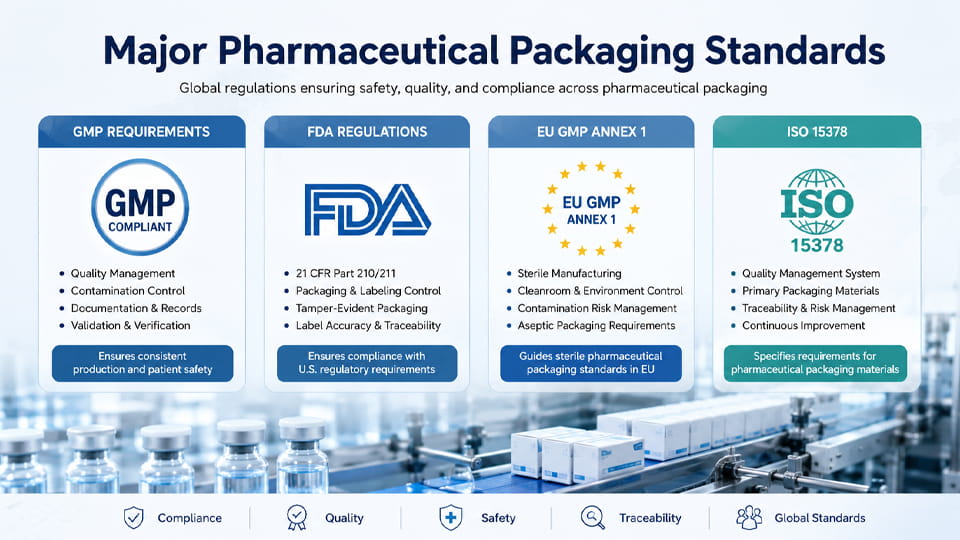
GMP ist das übergeordnete Rahmenwerk für die Arzneimittelqualität. Zum Verpacken, GMP-Vorgaben Hygienisches Design und strenge Kontrollen um Kreuzkontaminationen und Verwechslungen zu verhindern. Die Ausrüstung muss dafür ausgelegt sein „leicht und gründlich gereinigt“, wie die Aufsichtsbehörden angeben. Zum Beispiel, Die FDA-Richtlinie spezifiziert diese Ausrüstung „sollte so konstruiert und angeordnet sein, dass die Reinigung erleichtert wird … Kontamination verhindert wird“. Die WHO/PIC/S-Richtlinien legen ebenfalls Wert auf die Validierung von Geräten und Prozessen mit hygienischem Design. Im Wesentlichen, GMP für Verpackungen erfordert: Reinigbarer Edelstahl (oft SUS316L) Ausrüstung, dokumentierte Reinigungsprotokolle, volle Qualifikation (IR/WH/PQ) und genaue Etikettierungsaufzeichnungen. Diese Praktiken schützen die Produktidentität und -qualität bei jedem Verpackungsschritt.
In den Vereinigten Staaten, FDAs 21 CFR-Teile 210 Und 211 umfassen die Herstellung und Verpackung von Arzneimitteln. Teil 211 (Unterabschnitt D/E) enthält spezifische Regeln für die Gerätekonstruktion, Reinigung und Kalibrierung. Zum Beispiel, Alle Geräte müssen innerhalb der Spezifikationen funktionieren und gemäß den schriftlichen Verfahren gereinigt werden. Teil 211 Außerdem ist es erforderlich, Komponenten zu identifizieren und zu kennzeichnen, um Verwechslungen vorzubeugen, und Führung vollständiger Chargenprotokolle während des Verpackens. Wichtig, 21 CFR Teil 11 gilt für computergestützte Kontrollen Verpackungsleitungen: Es erfordert eindeutige Benutzeranmeldungen, Audit-Trails und elektronische Signaturen zur Gewährleistung der Datenintegrität. In der Praxis, Das bedeutet, dass moderne Verpackungsmaschinen Chargendaten verschlüsseln müssen, Benutzerzugriff einschränken, und protokollieren Sie jede Änderung, in Übereinstimmung mit den FDA-Vorschriften.
Der EU-GMP-Leitfaden (EudraLex Vol 4) orientiert sich eng an den FDA-Grundsätzen für Geräte. Teil I Kapitel 3 (Räumlichkeiten und Ausstattung) erfordert, dass die Ausrüstung vorhanden ist „leicht zu reinigen“ mit nicht reaktiven Kontaktteilen. Annektieren 15 (EU) erfordert die volle Qualifikation (IR/WH/PQ) aller Maschinen. Für computergestützte Systeme, EU-Anhang 11 (hier nicht dargestellt) erfordert ebenfalls Validierung und sichere Prüfpfade, wie der Teil der FDA 11. Ein wichtiges Update ist EU-GMP-Anhang 1 (Sterile Produkte), voll anwendbar ab 2024. Annektieren 1 legt die Messlatte für sterile Verpackungen höher: es erfordert eine dokumentierte Kontaminationskontrollstrategie (CCS) und hochwertige Reinraumstandards (ISO 5/7 Noten), sowie Barrieretechnologien (Isolatoren/RABS) und validierte Sterilisationsmethoden. Integrität des Behälterverschlusses (CCI) Prüfungen und Kontrollen von extrahierbaren/auslaugbaren Stoffen werden ebenfalls hervorgehoben Kontaminationsrisiken minimieren. Alle in der EU ansässigen oder exportierten Linien für sterile Injektionspräparate müssen diese Kriterien erfüllen.
ISO 15378 ist der internationale Standard für Primärverpackungsmaterialien für Arzneimittel. Es legt ein Qualitätsmanagementsystem fest (QMS) auf ISO abgestimmt 9001, mit Bezug auf GMP. Mit anderen Worten, ISO 15378 konzentriert sich auf das Design, Herstellung und Lieferung von pharmazeutischen Verpackungskomponenten (Blisterfolie, Flaschen, Fläschchen, usw.), Sicherstellen, dass sie Kundenanforderungen und behördliche Anforderungen stets erfüllen. Während ISO 15378 richtet sich eher an Materiallieferanten als an Gerätehersteller, Maschinenhersteller müssen konforme Materialien berücksichtigen (z.B. zugelassene Kunststoffe oder Laminate) und Dokumentation bereitstellen (Zertifikate zur Materialrückverfolgbarkeit) sodass die endgültige Primärverpackung ISO-15378-zertifiziert ist. ISO erreichen 15378 Die Zertifizierung beweist das Engagement für Verpackungsmaterialien in GMP-Qualität in Ihrer Produktion.
Pharmaverpackungsmaschinen müssen strenge technische Kriterien erfüllen, um den oben genannten Standards zu entsprechen. Die folgende Tabelle fasst die wichtigsten Anforderungen zusammen:
| Erfordernis | Wichtige Punkte |
| Hygienisches Design | Ausstattung aus Edelstahl (z.B. 316L), glatte Schweißnähte, geneigte Flächen. Freitragende Rahmen (Isolierte Laufwerke) um versteckte Bereiche zu beseitigen, Reinigung ermöglichen. |
| Materialkompatibilität | Alle produktberührenden Teile müssen nicht reaktiv/nicht absorbierend sein (316L SS, PTFE, Kunststoffe in Pharmaqualität) Daher können sie keine Wirkstoffe auslaugen oder binden. Verwenden Sie Schmiermittel und Dichtungen in Lebensmittelqualität (PTFE, EPDM) beständig gegen Reinigungsmittel. |
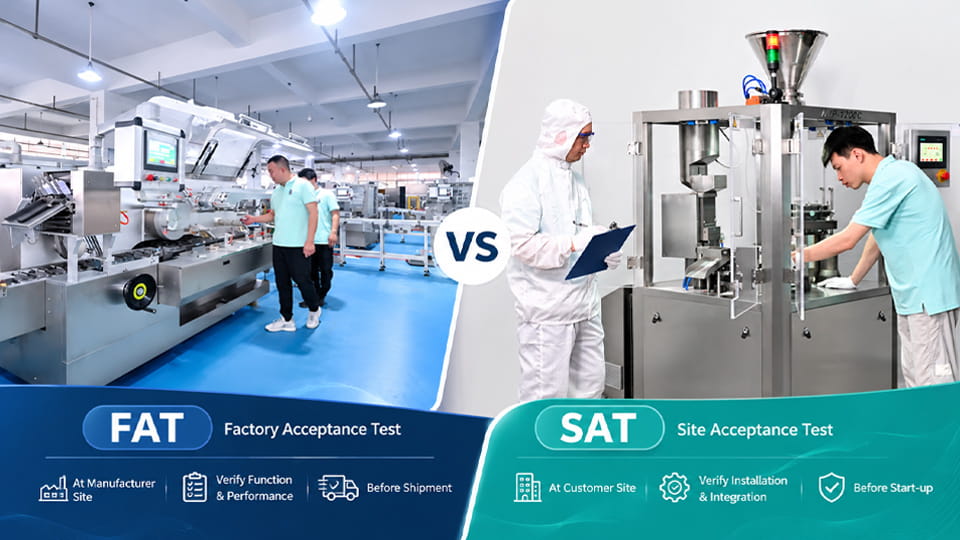
| Gerätevalidierung | Voll IR/WH/PQ für jede Maschine: dokumentierte Installationsqualifikation, Funktionsprüfung, und Leistungstests während einer simulierten oder realen Charge. Jede neue oder modifizierte Maschine muss vor der Verwendung qualifiziert werden. |
| Reinigung & Desinfektion | Validierte Reinigungs-/CIP-Verfahren für jeden Produktwechsel. Reinigungs-SOPs müssen geschrieben werden, regelmäßig ausgeführt und erneut validiert werden. Nur Bereiche mit Produktkontakt erfordern eine Validierungsprobenahme. |
| Wartung & Kalibrierung | Geplante vorbeugende Wartung zum Austausch verschlissener Teile. Kalibrierungsverfahren (z.B. für Waagen, Durchflussmesser) mit Aufzeichnungen (für die FDA 21 CFR 211.68) sorgen für Genauigkeit. Regelmäßige Kontrollen der Sensoren und Aktoren gemäß SOP. |
| Automatisierung & Sicherheit | Fehlervermeidungsfunktionen wie Sichtprüfung, Das Scannen von Barcodes und automatische Ausschusstore reduzieren menschliche Fehler. Verriegelungen (z.B. Türsensoren) Stoppen Sie Maschinen bei Staus. Zum Beschriften von Linien, Kameras überprüfen die korrekte Etikettenanwendung. |
| Datenintegrität | Die Kontrollen müssen der FDA entsprechen 21 CFR Teil 11/EU-Anhang 11: sichere Benutzerkonten, unveränderliche Prüfpfade, und elektronisches Abzeichnen von Aufzeichnungen. MES/ERP-Integration zur Archivierung von Chargenprotokollen. Digitale Protokolle von Einstellungen und Abweichungen. |
| Serialisierung & Rückverfolgbarkeit | Die Ausrüstung muss das Drucken oder Ätzen eindeutiger Kennungen unterstützen (z.B. 2D DataMatrix-Codes) auf jedem Primärpaket. Durch die Integration mit Track-and-Trace-Systemen wird sichergestellt, dass jeder Code mit einer Charge/Charge verknüpft ist. Die Zeile muss Rückverfolgungen und Rückrufe per Code zulassen. |
Zum Beispiel, nach der Installation eines neuen Blasenlinie oder Flaschenfüller, GMP erfordert dokumentierte IQ/OQ/PQ-Tests zum Nachweis jeder Funktion (Füllvolumen, Dichtungsqualität, Ausschuss) entspricht den Spezifikationen. Ähnlich, nach jeder Charge, Die Maschine muss nach einem validierten Verfahren gereinigt werden. Die Aufsichtsbehörden verlangen, dass diese Reinigungsprozesse durchgeführt werden „dokumentiert, verifiziert, und regelmäßig revalidiert“. Automatisierte Reinigung vor Ort (CIP) Üblich sind Systeme für flüssige Füllstoffe oder lösemittelbasierte Reinigung für Feststoffe. Kritische Oberflächen (Trichter, Düsen, Siegel) werden mit einem Tupfer getestet oder gemessen (z.B. Gesamter organischer Kohlenstoff) um zu bestätigen, dass keine Rückstände zurückbleiben. Zusamenfassend, Sie müssen anhand der Dokumentation nachweisen können, dass bei jedem Abfüll-/Verpackungsvorgang ein qualifizierter Mitarbeiter eingesetzt wurde, Sanitärmaschine.
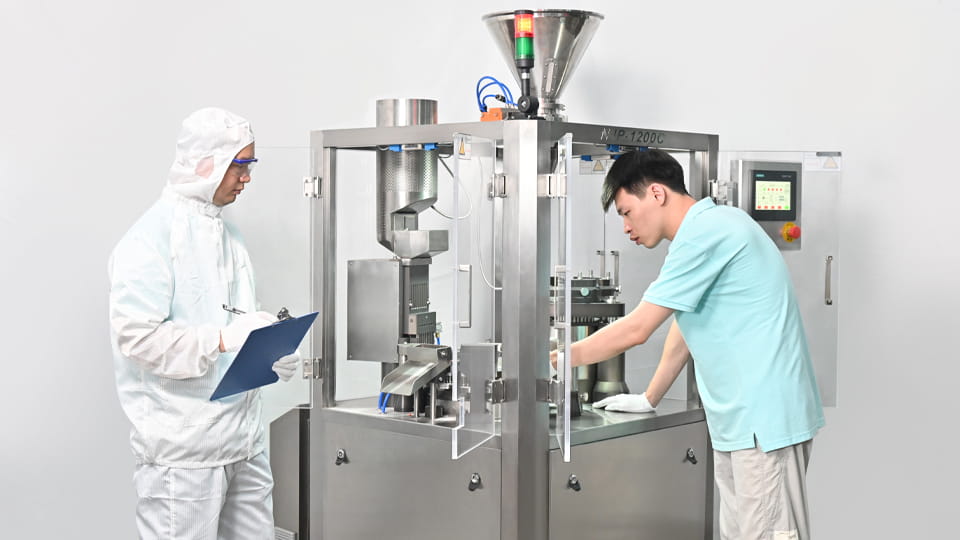
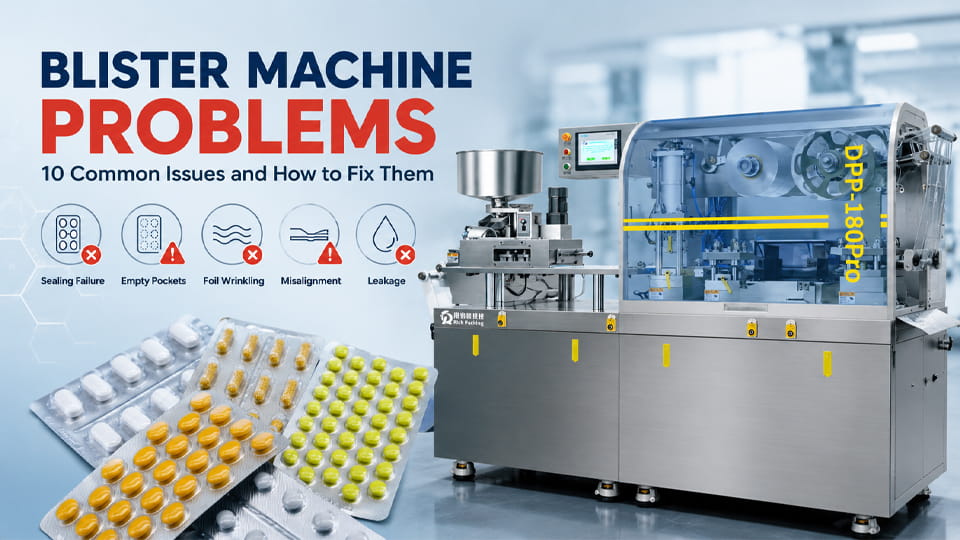
Pharma-Produktionslinien Verwenden Sie eine Vielzahl spezialisierter Maschinen. Zu den wichtigsten GMP-bezogenen Merkmalen gängiger Geräte gehören::
Jede dieser Maschinen sollte unter Berücksichtigung des GMP-Designs ausgewählt werden (glatte rostfreie Oberflächen, CIP, Bei Bedarf HEPA-Luft). Für detaillierte Beispiele, Weitere Informationen finden Sie auf den Produktseiten von Jinlu Packing, die Compliance-Merkmale wie freitragende Rahmen und CE/GMP-Zertifizierungen hervorheben.
Die Einhaltung der Pharmaverpackungsstandards stellt eine Herausforderung dar: Die regulatorischen Anforderungen variieren je nach Markt, und jedes neue Medikament erfordert möglicherweise andere Verpackungsspezifikationen (z.B. kindergesicherte Verschlüsse, spezifische Beschichtungen). Validierung und Dokumentation verursachen Zeit- und Kostenaufwand – jede neue Packungsgröße oder Produktänderung kann eine erneute Validierung auslösen. Serialisierungsregeln (DSCSA in den USA, FMD in der EU, usw.) sind komplex und entwickeln sich weiter, erfordern regelmäßige Software-Updates und Mitarbeiterschulungen. Reinraumanforderungen (für sterile Produkte) erhöhen auch die Anlagenkosten. Endlich, Verfolgung und Nachweis der Einhaltung (durch Chargenprotokolle und Audit-Trails) bedeutet robuste Software und Protokollierung. Die Bewältigung dieser Herausforderungen erfordert eine enge Zusammenarbeit zwischen den Ingenieuren, Qualitätssicherung und Lieferanten, und anpassungsfähig wählen, gut unterstützte Ausrüstung.
Bei der Auswahl von Maschinen für a pharmazeutische Verpackungslinie, Befolgen Sie eine GMP-Checkliste:
Die Zukunft der Pharmaverpackung ist zunehmend digital und nachhaltig. Serialisierung und Nachverfolgung & Verfolgen wird weltweit expandieren, möglicherweise Nutzung der Blockchain zur Sicherung der Lieferketten. Intelligente Verpackung (RFID-Tags, NFC-Sensoren) kann mit der Überwachung von Lagerbedingungen oder Manipulationsereignissen beginnen. Ausstattung liegt im Trend Industrie 4.0 – Linien mit IIoT-Sensoren und KI-gesteuerten Bildverarbeitungssystemen, die Fehler vorhersagen oder Pillen zuverlässiger zählen. Robotik für die Endverpackung (Fallbearbeitung, Palettieren) und fortschrittliche aseptische Barrieren (z.B. geschlossene aseptische Systeme) wachsen auch. Auf der Materialseite, Es gibt einen Vorstoß für recycelbare oder biologisch abbaubare Verpackungskomponenten, Daher müssen die Maschinen mit neuen Filmtypen umgehen. Gesamt, Automatisierung, Datenkonnektivität und Umweltsicherheit sind Schlüsseltrends, die Pharmaverpackungen der nächsten Generation prägen.
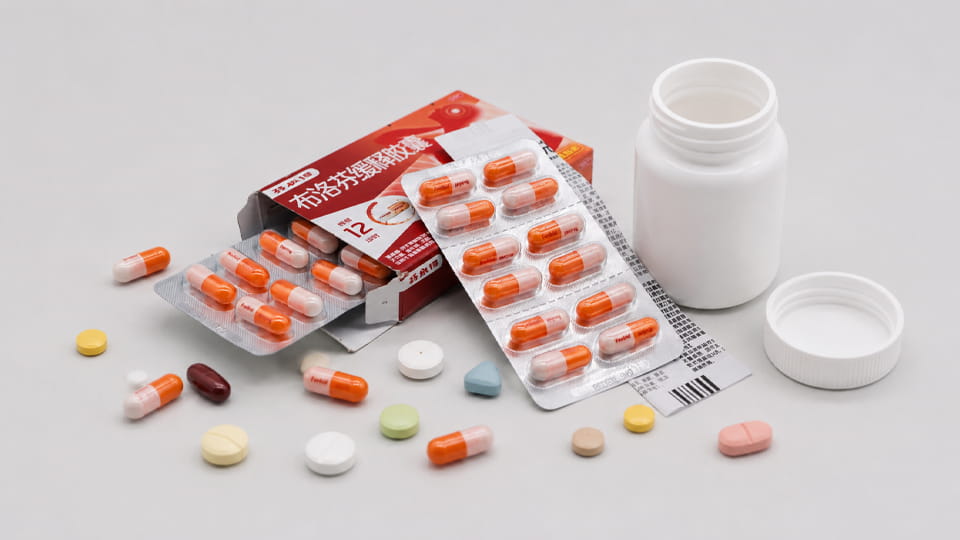
Die Einhaltung pharmazeutischer Verpackungsstandards ist wichtig nicht verhandelbar für Arzneimittelhersteller. Durch das Verständnis von GMP, FDA- und ISO-Anforderungen – und durch die Auswahl von Maschinen, die diese erfüllen – gewährleisten Sie Produktqualität und Patientensicherheit. Compliance erfordert ein strenges Design (glatte 316L-Oberflächen, CIP/COP-Reinigung), vollständige Validierung (IR/WH/PQ) und laufende Dokumentation (Wartungs- und Prüfprotokolle). Mit Vorschriften wie denen der FDA 21 CFR und EU-Anhang 1, Pharmaunternehmen können sich keine Abkürzungen leisten.
Für Lösungen für Verpackungsanlagen, mit erfahrenen Lieferanten zusammenarbeiten. Jinlu Packing, Zum Beispiel, ist auf GMP-gerechte Blistermaschinen spezialisiert, Flüssigkeitsabfülllinien, Kartonieren und mehr. Unsere Maschinen verfügen über eine freitragende Konstruktion, Materialien in FDA-Qualität und unterstützen die Serialisierung sofort. Kontaktieren Sie Jinlu Packing Stellen Sie noch heute sicher, dass Ihre nächste Verpackungslinie mit vollständiger Validierungsunterstützung den globalen GMP-Standards entspricht.
Pharmazeutische Verpackungsstandards sind die regulatorischen Anforderungen, die sicherstellen, dass Arzneimittelverpackungen keine Produkte kontaminieren oder vermischen. Dazu gehören GMP-Richtlinien von Behörden wie FDA und EMA, die ein hygienisches Gerätedesign vorschreiben, Reinigungsvalidierung und gründliche Dokumentation. Standards wie ISO 15378 Der Schwerpunkt liegt auf dem Qualitätsmanagement der Verpackungsmaterialien selbst. Gemeinsam stellen sie sicher, dass die Verpackung die Arzneimittelqualität schützt und genaue Informationen enthält.
FDAs 21 CFR Teil 211 umfasst Verpackungsvorgänge. Es erfordert, dass die Ausrüstung gewartet wird, gereinigt und kalibriert, sodass die Identität oder Reinheit des Arzneimittels nicht beeinträchtigt wird. Zum Beispiel, In den Leitlinien der FDA heißt es, dass Geräte „so konstruiert sein sollten, dass die Reinigung erleichtert wird“ und warnt davor, dass Materialien nicht mit dem Medikament reagieren dürfen. Auch die Computersysteme an der Leitung müssen diesen Anforderungen genügen 21 CFR Teil 11 (elektronische Aufzeichnungen und Prüfprotokolle).
ISO 15378 ist ein ISO-Standard speziell für Primärverpackungsmaterialien von Arzneimitteln. Es erweitert ISO 9001 mit GMP-Anforderungen, Sicherstellung, dass Verpackungsmateriallieferanten über ein QMS verfügen, das Kundenstandards und gesetzliche Standards konsequent erfüllt. Es regelt zwar die Ausrüstung nicht direkt, Die Verwendung von ISO 15378-zertifizierten Materialien auf GMP-Maschinen trägt dazu bei, die gesetzlichen Erwartungen und Kundenanforderungen an die Qualität zu erfüllen.
Annektieren 1 Der EU-GMP-Leitfaden deckt sterile Arzneimittel ab. Es legt strenge Regeln für die aseptische Herstellung fest, einschließlich Verpackung von Injektionsmitteln. Zu den wichtigsten Punkten gehört die Umsetzung einer Kontaminationskontrollstrategie (CCS), Nutzung klassifizierter Reinräume (ISO 5/7), Isolator- oder Barrieretechnik, und Validierung der Sterilisations-/Desinfektionsschritte. Annektieren 1 Compliance stellt sicher, dass dies bereits beim Verpacken der Fall ist, Sterile Medikamente bleiben frei von Mikroben und Partikeln – was für die Patientensicherheit von entscheidender Bedeutung ist.
Erste, Überprüfen Sie das Design und die Materialien: Alle produktberührenden Teile sollten aus Edelstahl 316L bestehen und keine versteckten Spalten aufweisen. Stellen Sie sicher, dass der Anbieter eine vollständige IQ/OQ/PQ-Dokumentation bereitstellt. Achten Sie auf Funktionen wie CIP-Fähigkeit oder einfache Zerlegungsreinigung. Bestätigen Sie, dass es über die Möglichkeit zur elektronischen Chargenaufzeichnung verfügt (21 CFR Teil 11) und Serialisierungsunterstützung (2D-Kodierung). Endlich, Überprüfen Sie alle Zertifizierungszeichen (Ce, GMP) und fragen Sie nach Referenzen oder Prüfberichten. Eine echte GMP-Maschine verfügt über Validierungsunterstützung und eine vollständige Compliance-Dokumentation.
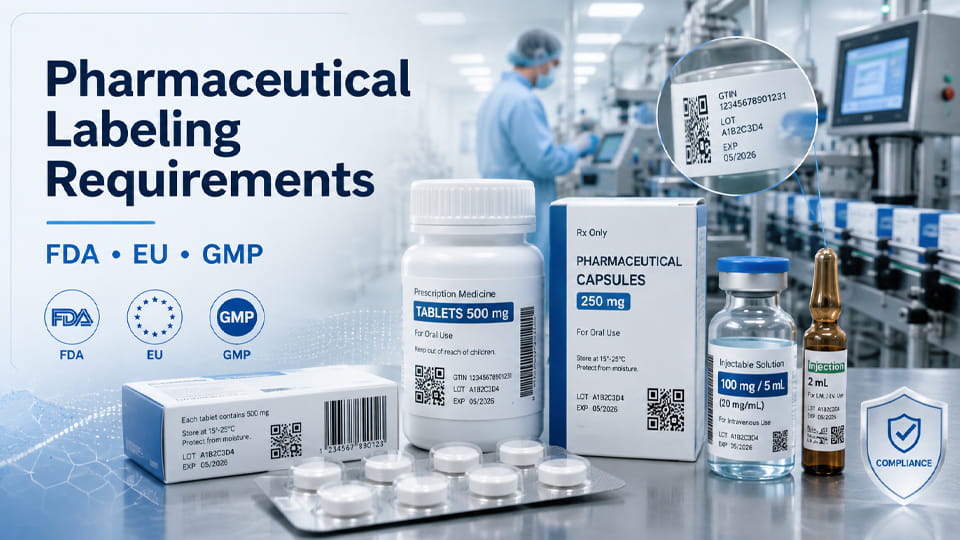
Serialisierungsgesetze (z.B. das US Drug Supply Chain Security Act, EU-Fälschungsschutzrichtlinie) Schreiben Sie auf jedem einzelnen Paket einen eindeutigen Code vor, um es in der Lieferkette verfolgen zu können. Verpackungsanlagen müssen diese Codes drucken oder ätzen (typischerweise 2D-Barcodes) auf jeder Blisterpackung oder Flasche. Dadurch wird sichergestellt, dass Fälschungen erkannt werden und Chargen bei Bedarf schnell zurückgerufen werden können. In der Praxis, Die Serialisierung ist über einen Kodierer und eine Verifizierungskamera in die Verpackungslinie integriert, Die Software verknüpft jeden Code mit den Chargenaufzeichnungen, um eine vollständige Rückverfolgbarkeit zu gewährleisten.
Ein GMP-Kartonierer sollte glatt sein, Hygienische Oberflächen und geschlossene Kartonzuführung zur Staubminimierung. Es muss Etiketten- und Codescanner integrieren, um den Chargencode und den Inhalt jedes Kartons zu überprüfen. Überprüfen Sie, ob die Maschine eine Linienfreigabe durchführen kann (Entleerung/Inspektion zwischen Produkten) Per FDA -Richtlinien, und dass es eine einfache Reinigung von Kartonklebeapplikatoren ermöglicht. Zum Beispiel, Viele Kartonierer verfügen über Vakuum-Kartongreifer und Sichtsysteme, um Kartonstaus oder fehlende Beilagen zu erkennen, Einhaltung der Verwechslungsschutzvorschriften 21 CFR 211.
Referenzen:
1.21 CFR Teil 211 – AKTUELLE GUTE HERSTELLUNGSPRAXIS FÜR FERTIGE ARZNEIMITTEL —— Institut für Rechtsinformation
2.ISO 15378:2017 Primärverpackungsmaterialien für Arzneimittel —— iso.org
3.EU-GMP-Anhang 1: Herstellung steriler Arzneimittel —— gmp-compliance.org
4.Gesetz zur Sicherheit der Arzneimittellieferkette (DSCSA) --UNS. Lebensmittel- und Arzneimittelbehörde