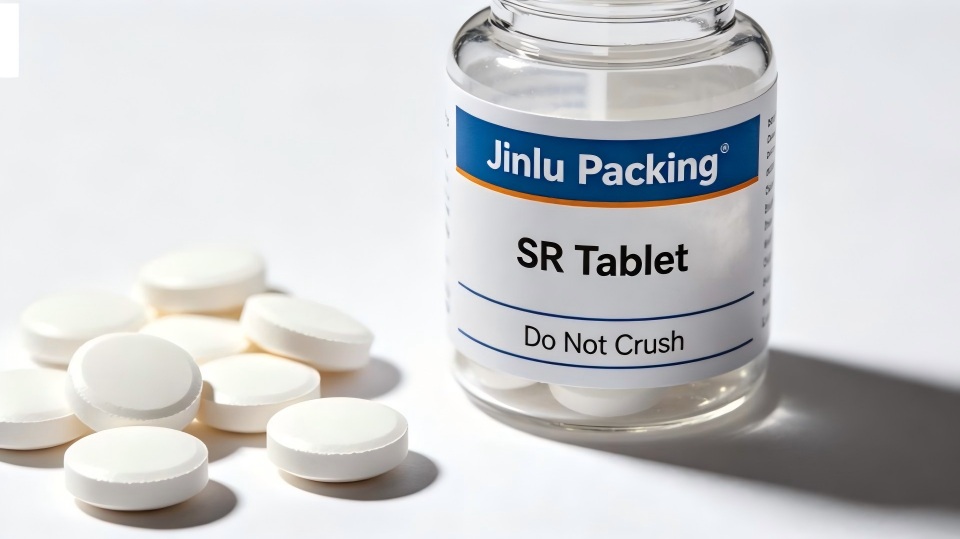

Pulver oder Granulat werden in eine Matrize eingespeist und durch einen Oberstempel und einen Unterstempel verdichtet Tablet -Kompressionsmaschine. Zusammen, Diese Stempel und Matrizen bilden die endgültige Form und Dosierung der Tablette. Bei jeder Drehung des Revolvers der Presse entsteht ein Stempel über und einer unter einer Matrize. Wenn die Schläge mit hohem Druck zusammenstoßen, Es entsteht eine Tablette. In einfachen Worten, Unter Tablettenpresswerkzeug versteht man den Satz Stempel und Matrizen, den eine Tablettenstanzmaschine zur Herstellung von Pillen verwendet.
In der Tablettenherstellung, Stempel und Matrizen – zusammenfassend bekannt als Werkzeuge für Tablettenpressen – Bestimmen Sie alle Größe des Tablets, Form und Qualität. Ob Sie es eine Tablettenpresse nennen, Pillenmaschine, oder Rotationstablettenpresse, Die Werkzeuge im Inneren übernehmen die eigentliche Tablettierungsarbeit. Die Wahl des richtigen Werkzeugstandards ist entscheidend. Die gebräuchlichsten Standards sind B-Werkzeug, D-Werkzeug, und ihre kleineren Varianten BB und DB. Jede Norm spezifiziert unterschiedliche Stempelzylinder- und Matrizendurchmesser, Dadurch sind sie für bestimmte Tablet-Größen und Maschinen geeignet. In diesem Leitfaden wird aufgeschlüsselt, was B, D, BB- und DB-Werkzeug bedeuten, wie sie sich unterscheiden, und wie Sie das beste Werkzeug für Ihre Tablet-Maschine auswählen.
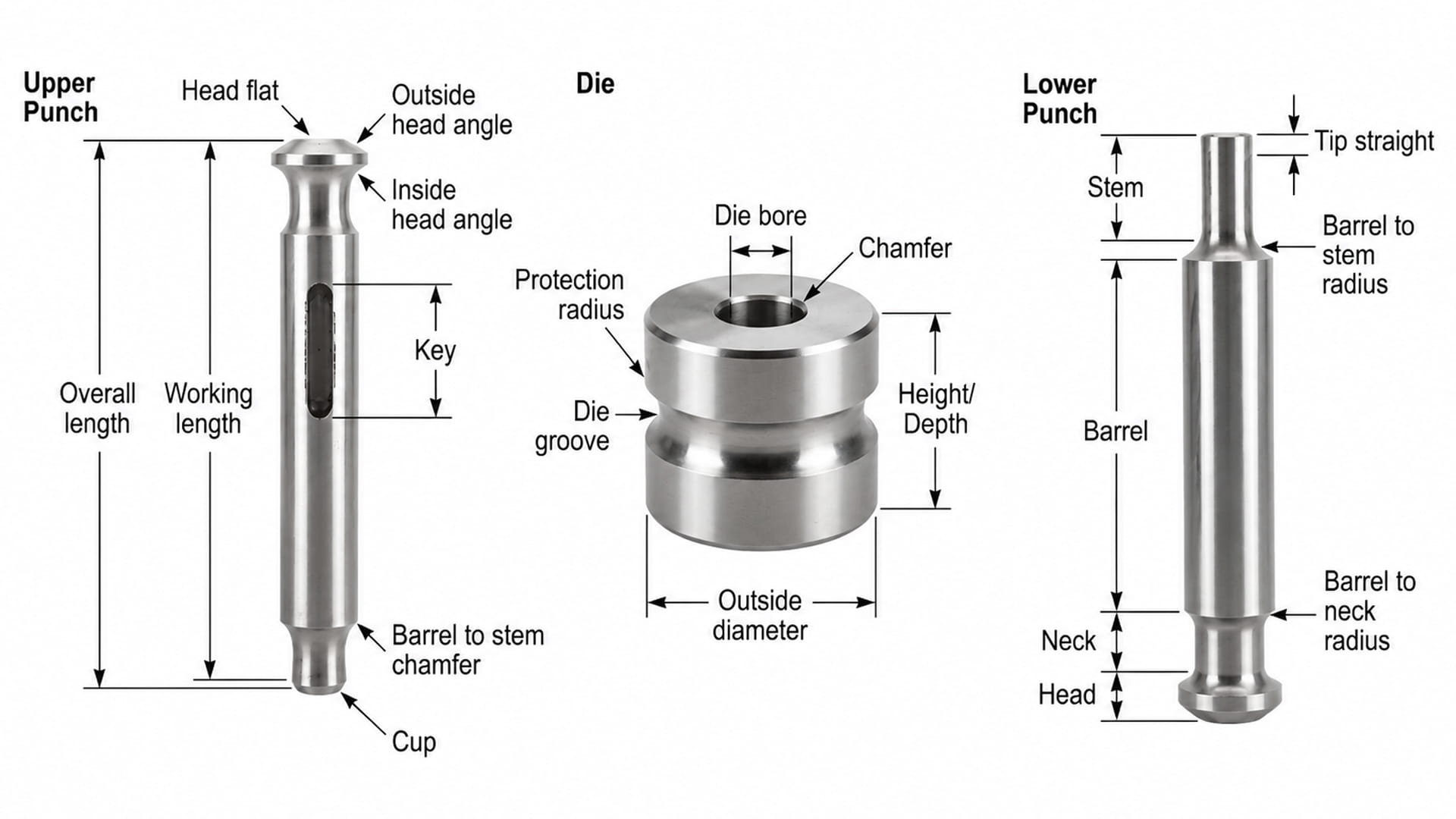
Unter Werkzeugbestückung einer Tablettenpresse versteht man die Paar Stempel und Matrizen Diese formen und verpressen das Pulver zu Tabletten. Die Matrize ist ein Hohlraum (oft rund) Dies definiert den Durchmesser und die Dicke der Tablette, während Schläge (oben und unten) von oben und unten in die Matrize einführen, um das Pulver zu verdichten. Im Wesentlichen, Die Werkzeugbestückung bestimmt die Tablet-Geometrie und muss genau auf die Presse abgestimmt sein. Das richtige Werkzeug sorgt für ein gleichmäßiges Gewicht, Dicke und Prägung auf dem Tablet. Hochwertige Werkzeuge (Hergestellt aus gehärteten Stählen wie GCR-15) widersteht auch Verschleiß und vermeidet Probleme wie Verschließen oder Laminieren.
Es gibt verschiedene internationale Werkzeugstandards. In Nordamerika, Üblich ist der AAP/TSM-Standard, während die ISO 18084 (europäisch) Standard wird weltweit verwendet. Innerhalb dieser Standards, Tablettenpresswerkzeuge werden nach Größenklassen kategorisiert: B, D, BB, und DB-Tools. Jede Klasse verfügt über feste Stempelzylinder- und Matrizendurchmesser (und Höhen), die wiederum den maximalen Tablettendurchmesser steuern. Zum Beispiel, Jinlu Packing weist darauf hin, dass alle Werkzeuge den Revolver- und Tablettabmessungen entsprechen müssen – klein 6–8 mm Kautabletten Verwenden Sie BB-Werkzeuge, Standard-12–13-mm-Tablets verwenden B-Werkzeuge, und große 25+mm-Tablets benötigen D-Werkzeug.
Unterschiedliche Tablettenprodukte erfordern unterschiedliche Werkzeugkonfigurationen, um eine gleichbleibende Tablettenqualität und eine stabile Produktionsleistung zu erreichen. In einer Tablettenkompressionsmaschine, Zu den gängigsten Werkzeugtypen für Tablettenpressen gehören: B-Werkzeug, D-Werkzeug, BB-Werkzeug, und DB-Tools. Diese Werkzeugoptionen unterscheiden sich hauptsächlich in der Stempelgröße, Die Abmessungen, Komprimierungsfähigkeit, und passende Tablet-Anwendungen. Das Verständnis der Unterschiede zwischen diesen Werkzeugtypen hilft Pharmaherstellern, Produktionsingenieure, und Maschinenbenutzer wählen das richtige Setup für ihr Tablet-Gerät.
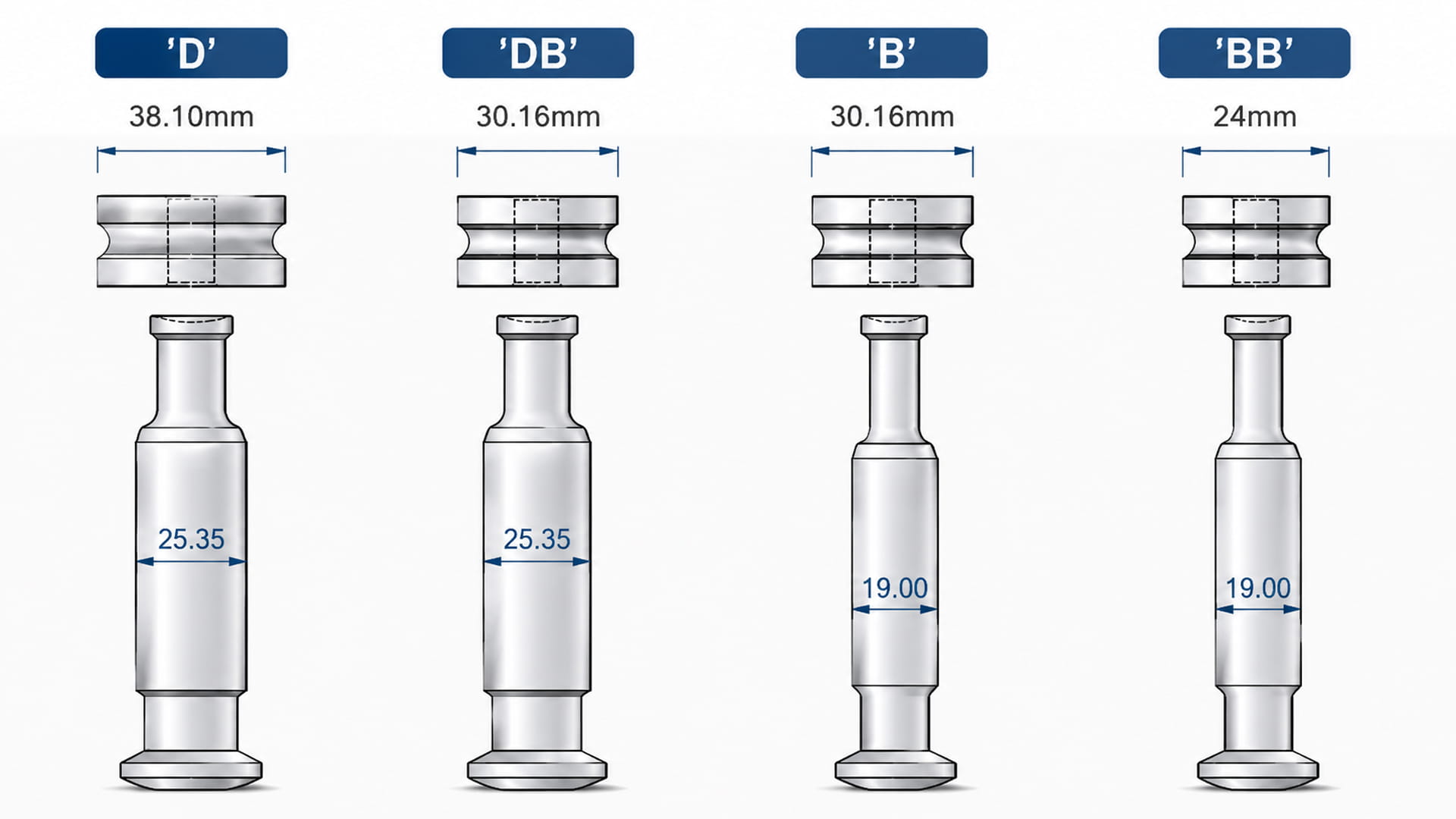
In der Pharmaindustrie, Werkzeuge vom Typ B ist einer der gebräuchlichsten Standards. B-Werkzeuge verwenden a 19.0 mm Stanzlauf und a 30.16 mm Außendurchmesser der Matrize (VON). Seine Stempel haben einen markanten Vorsprung Flansch oder Lippe auf dem Kopf, der im Turm einrastet. Mit anderen Worten, B-Schläge einen erhöhten Rand haben dass eine Rastklammer einrastet.
B-Werkzeuge sind sehr vielseitig. Es hat eine konkave Schlagspitze (becherförmig) und ein runder Würfel, und es ist mit fast allen modernen Tablettenpressen kompatibel (Zum Beispiel, viele mittel- bis hin zu Hochrotationspressen von Fette, Es gibt, Manie, usw. sind B-Typ). Dieses Werkzeug wird für feste Standardtabletten in einer Vielzahl von Größen verwendet (typischerweise etwa 4–16 mm rund, oder sogar bis zu ~19 mm für Formen). Zu den üblichen Anwendungen gehören herkömmliche runde und ovale Tabletten wie Vitamine, Ergänzungen, und pharmazeutische Tabletten, bei denen eine moderate Größe und Dosierung erforderlich ist.
B-Werkzeuge sind beliebt, weil sie weit verbreitet und für die Massenproduktion kostengünstig sind. A 30.16 Mit der mm-Matrize können Tabletten mit einer Größe von bis zu ~16–18 mm hergestellt werden (Kreis) oder etwas mehr in Form. Zum Beispiel, Die meisten Produktionslinien für kleine/mittlere Pillen verwenden B-Werkzeuge, um Effizienz und Flexibilität zu gewährleisten.
D-Typ-Werkzeug ist konzipiert für größere oder dickere Tabletten. Der D-Tooling-Stanzzylinder ist größer (25.35 mm Durchmesser) und der Würfel-OD ist 38.10 mm. Im Gegensatz zu B-Tooling, ein D-Typ-Stanzer hat kein Rand oder Flansch – es ist nur ein flacher Scheibenkopf. Die Stempel rasten über einen im Turm ein Schlüssel und Halter System anstelle einer Flanschklemme.
D-Werkzeuge werden manchmal als „europäische Werkzeuge“ bezeichnet. (obwohl es auch in den USA üblich ist). Es war früher Standard bei älteren Hochleistungs-Tablettenpressen und wird immer noch für sehr große Tabletten oder sehr hohe Presskräfte verwendet. Zum Beispiel, D-Tooling ist beliebt für Brausetabletten, Veterinärtabletten, und hochdosierte pharmazeutische Tabletten die einen größeren Durchmesser und eine größere Dicke benötigen. Die Flachstempel von D Tooling eignen sich gut für Tabletten, die komplexe Designs haben oder eine zuverlässige Prägung erfordern (Die flache Fläche erleichtert das Markieren).
In praktischer Hinsicht, ein D-Tooling-Setup (25.35 mm Stempel, 38.10 mm sterben) Ich werde aus ungefähr Tabletten Tabletten machen 5 mm bis 25 mm Durchmesser. Es bietet eine höhere Kompressionsfläche und kann sehr harte Tabletten erreichen. Wenn Ihr Betrieb ein großes verwendet Drehetablette Pressmaschine für große Vitamintabletten oder Schichtprodukte, Es werden wahrscheinlich D-Werkzeuge verwendet. Erinnern: D-Schläge haben keine Lippe, Sie sehen also optisch wie ein flaches Scheibenoberteil aus.
BB-Werkzeug ist im Wesentlichen ein verkleinerte Version des B-Werkzeugs für sehr kleine Tabletten. BB-Werkzeuge haben auch eine 19.0 mm Stanzlauf (wie B) verwendet aber a kleinerer Würfel von 24.00 mm Außendurchmesser. Der Hauptunterschied besteht darin, dass BB-Werkzeuge es ausmachen kleine Tabletten oder Lutschtabletten – Denken Sie an Patronen unter 13 mm.
BB-Werkzeuge werden bevorzugt, wenn Sie eine hohe Anzahl von Stationen oder Stanzen mit mehreren Spitzen benötigen. Mit 24 mm stirbt, Sie können viele Stationen auf einem unterbringen 24- oder 32-Stationen-Presse zur Steigerung der Produktion kleiner Tabletten. Seine geringe Größe beeinträchtigt die Präzision nicht: BB-Stanzen erzeugen sehr gleichmäßige Minitabletten (Zum Beispiel, Hustenbonbons, Pfefferminzbonbons, kleine Kautabletten) wo die Dosierungsgenauigkeit von entscheidender Bedeutung ist.
Zusammenfassend, BB-Werkzeug = Pillen mit kleinem Durchmesser. Es ist im Wesentlichen für Kompaktpressen oder Hochleistungsmodi, bei denen jedes Tablet klein ist. Das BB-Werkzeugsystem erfordert die gleichen Revolverstandards wie das B-Werkzeugsystem (Gleicher Stempelkopf und gleiche Retention), also schlägt BB zu Tun haben die Lippe/den Flansch wie B-Stanzen. Der Vorteil besteht darin, dass eine alte 16-Stationen-Presse mit kleineren Werkzeugen in einem 24-Stationen-Aufbau betrieben werden kann.
Werkzeuge vom Typ DB ist ein Hybridsystem, das die Merkmale von D und B kombiniert. In einem DB-Setup, Die Der Durchmesser des Stanzzylinders beträgt 25.35 mm (das Gleiche wie D), aber die die OD ist 30.16 mm (das gleiche wie B). Mit anderen Worten, Es wird ein Stanzkopf mit großem Durchmesser verwendet (wie D) mit kleinerer Matrizenbohrung (wie B).
Mit dieser Kombination können Sie ziemlich große Mengen produzieren, hochdosierte Tabletten (größer wie D) bei gleichzeitiger Montage von mehr Stationen als bei Voll-D-Werkzeugen (da die Matrizen kleiner sind). DB-Werkzeuge kommen häufig auf Pressen zum Einsatz, die für eine flexible Produktion ausgelegt sind: Sie erhalten die hohe Verdichtungsfähigkeit eines D-Stempels mit einer Matrize der Größe B. Zum Beispiel, Ein DB-Stanz-/Matrizensatz kann für dichte Multivitamintabletten oder große Veterinärtabletten verwendet werden, wenn Sie eine große Form wünschen, aber auch einen B-Revolver durch Austauschen der Stempel wiederverwenden möchten.
Der Stempel eines DB-Werkzeugs verriegelt sich wie ein B-Stempel (es hat einen Flansch am Kopf) aber seine Größe liegt näher an D. Es ist eine spezielle Wahl für Mittelgroße Tabletten mit Effizienz im Hinterkopf. Grundsätzlich, DB steht für „größer als B, aber nicht so groß wie volles D“ – ein Kompromiss, der eine hohe Leistung bei mittelgroßen bis großen Tablets bietet. Typische Tablettengrößen für DB-Werkzeuge liegen bei etwa 5–19 mm Durchmesser.
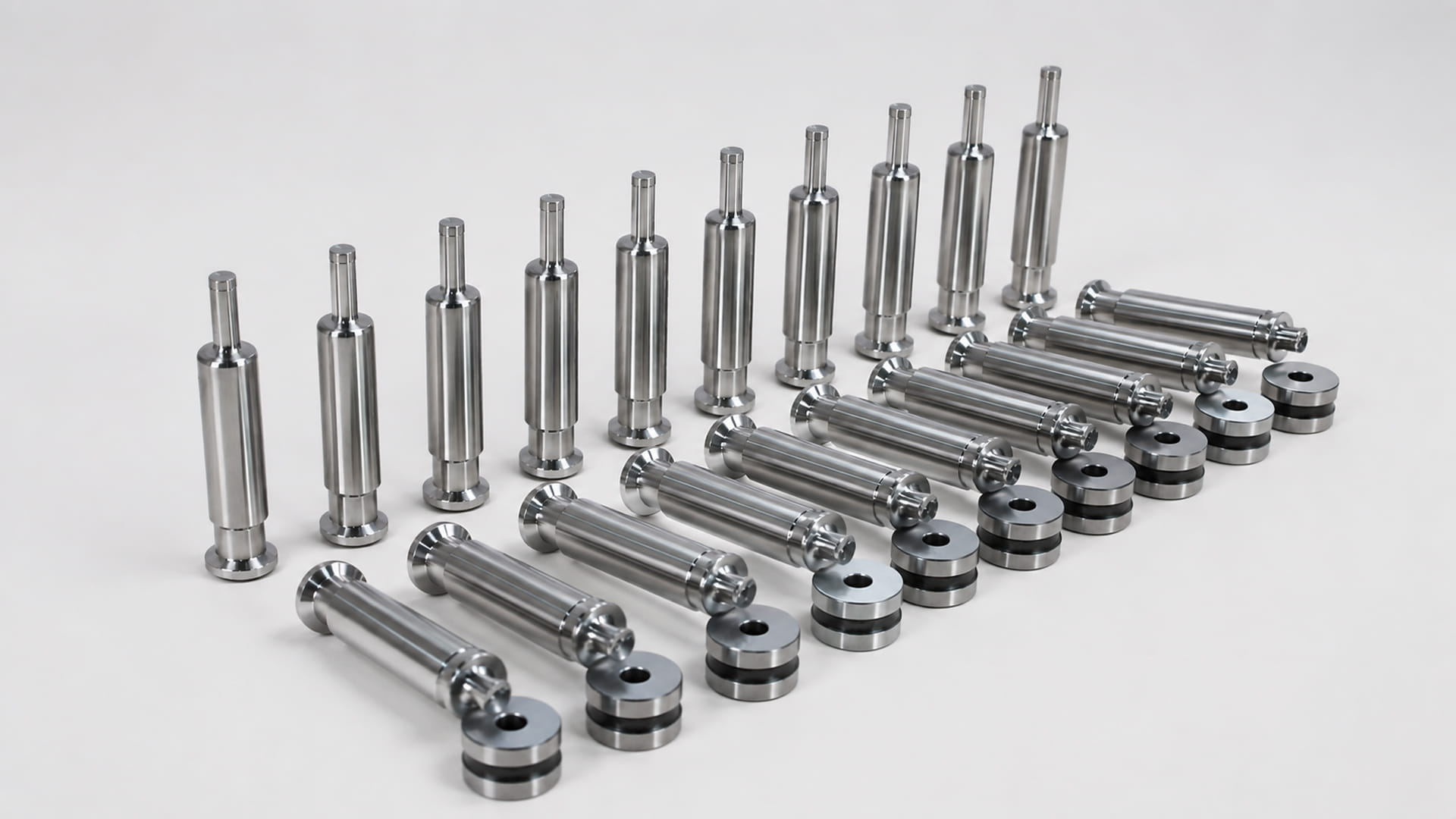
Nachfolgend finden Sie einen kurzen Vergleich der typischen Abmessungen und Tablettengrößenbereiche der einzelnen Werkzeugtypen, basierend auf Industriestandards:
| Werkzeugtyp | Stanzzylinder-Ø | Die Ø (VON) | Tablettendurchmesser | Allgemeiner Gebrauch |
| B | 19.00 mm | 30.16 mm | ~4–16 mm | Standardtabletten (Pharma) |
| D | 25.35 mm | 38.10 mm | ~10–25 mm | Große Tabletten, sprudelnd |
| BB | 19.00 mm | 24.00 mm | ~4–13 mm | Kleine Tabletten, Hochgeschwindigkeitsstrecken |
| DB | 25.35 mm | 30.16 mm | ~5–19 mm | Dichte, kleinformatige Tabletten |
Zum Beispiel, JinluVerpackungshinweise Mit B-Werkzeugen werden typischerweise Tabletten von 3–16 mm hergestellt, während das D-Werkzeug 10–25 mm abdeckt. BB-Werkzeuge erreichen maximal etwa 13 mm und DB-Werkzeuge etwa 19 mm. Die genaue Größe hängt auch von der Tablettenform ab (runden, Oval, usw.).
Jenseits des A, B, D Benennung, Die Werkzeuge müssen einem Standard entsprechen, um für Tablettenpressen geeignet zu sein. Es gibt zwei Hauptfamilien von Werkzeugstandards:
Wichtig, EU (ISO 18084) und TSM-Stempel sind nicht austauschbar. Auch wenn die Außendurchmesser der Matrizen gleich sind (z.B. 38.10 mm für D, 30.16 mm für B), Die Die Stanzdetails sind unterschiedlich. Zum Beispiel, TSM-Stanzköpfe haben einen etwas anderen Winkel an den Auflageflächen als ISO-Stanzköpfe, und der Schlüsselschlitz ist anders positioniert. In der Praxis, Ein ISO/D-Stempel passt im Allgemeinen nicht richtig in eine TSM/US-Presse, und umgekehrt. Überprüfen Sie immer die Dokumentation Ihrer Druckmaschine, um zu sehen, ob sie erwartet TSM oder ISO/EU Bevor Sie Stempel und Matrizen bestellen, informieren Sie sich bitte über die Werkzeuge.
Zusammenfassend: TSM = US-/japanischer Standard, EU = ISO 18084 metrisch. Beides sorgt für Präzision in der Tablettenform, aber ihre Werkzeugköpfe sind nicht kompatibel.
Bei der Auswahl der Werkzeuge für Ihre Tablettenpresse, halten Tablet-Größe, Produktionsvolumen, Und Tablettenhärte:
In der Praxis, viele Hersteller (einschließlich JinLu-Verpackung) Orientierung geben. Zum Beispiel, JinLus Tablettenpresse ZP-17D ist für 100 kN bei Verwendung von Standard-GCR-15-Stempeln ausgelegt, Daher spezifizieren sie die Werkzeuge nach Tablet-Größe. Sie weisen auch darauf hin, dass beide Werkzeuge verwendet werden Größe Und Material Gegenstand: hart, Schleiftabletten verwenden härteren Stahl oder spezielle Beschichtungen (Zinn, CrN) um die Lebensdauer der Werkzeuge zu verlängern.
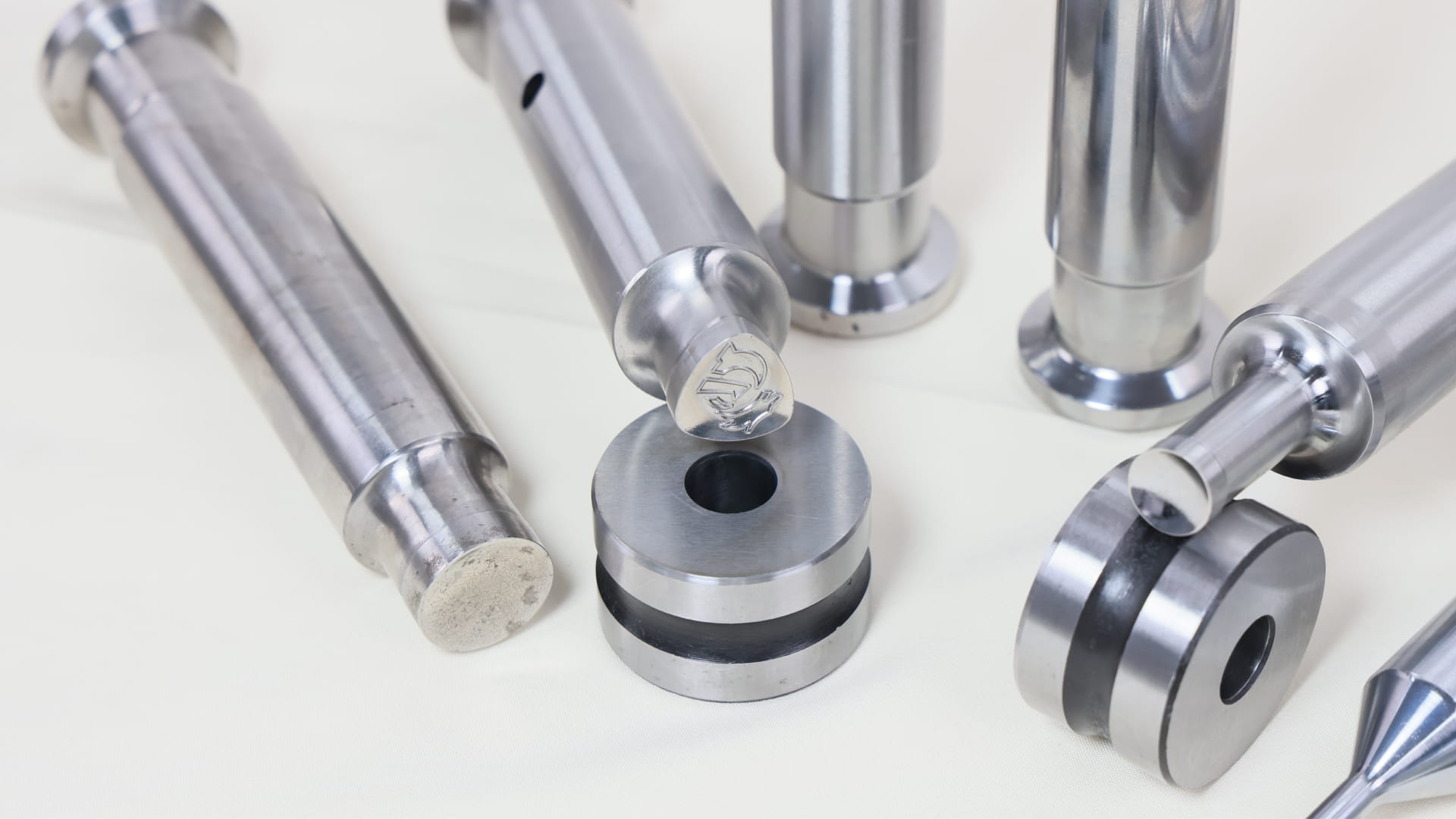
Richtige Wartung verlängert die Standzeit des Werkzeugs erheblich und Tablet-Qualität. Das stellen Branchenexperten in etwa fest 85% der Stanz- und Matrizenprobleme sind auf schlechte Wartung und Handhabung zurückzuführen. Hier finden Sie Best Practices, um Ihre Werkzeuge in Topform zu halten:
Befolgen Sie diese Schritte (sauber, überprüfen, reparieren/polieren, messen, schmieren, Store – oft als „7-stufiger Werkzeugwartungsprozess“ bezeichnet) minimiert Ausfallzeiten. Wie es ein Ingenieur ausdrückte, „Eine saubere, Bei einer gut gepflegten Stanze ist die Wahrscheinlichkeit, dass Tabletten kleben oder zerbrechen, weitaus geringer.“ In der Praxis, Reinigung ist der kritischste Schritt: Es entfernt alte Produktrückstände, die zu Verklebungen führen können, pflücken, oder Kreuzkontamination.
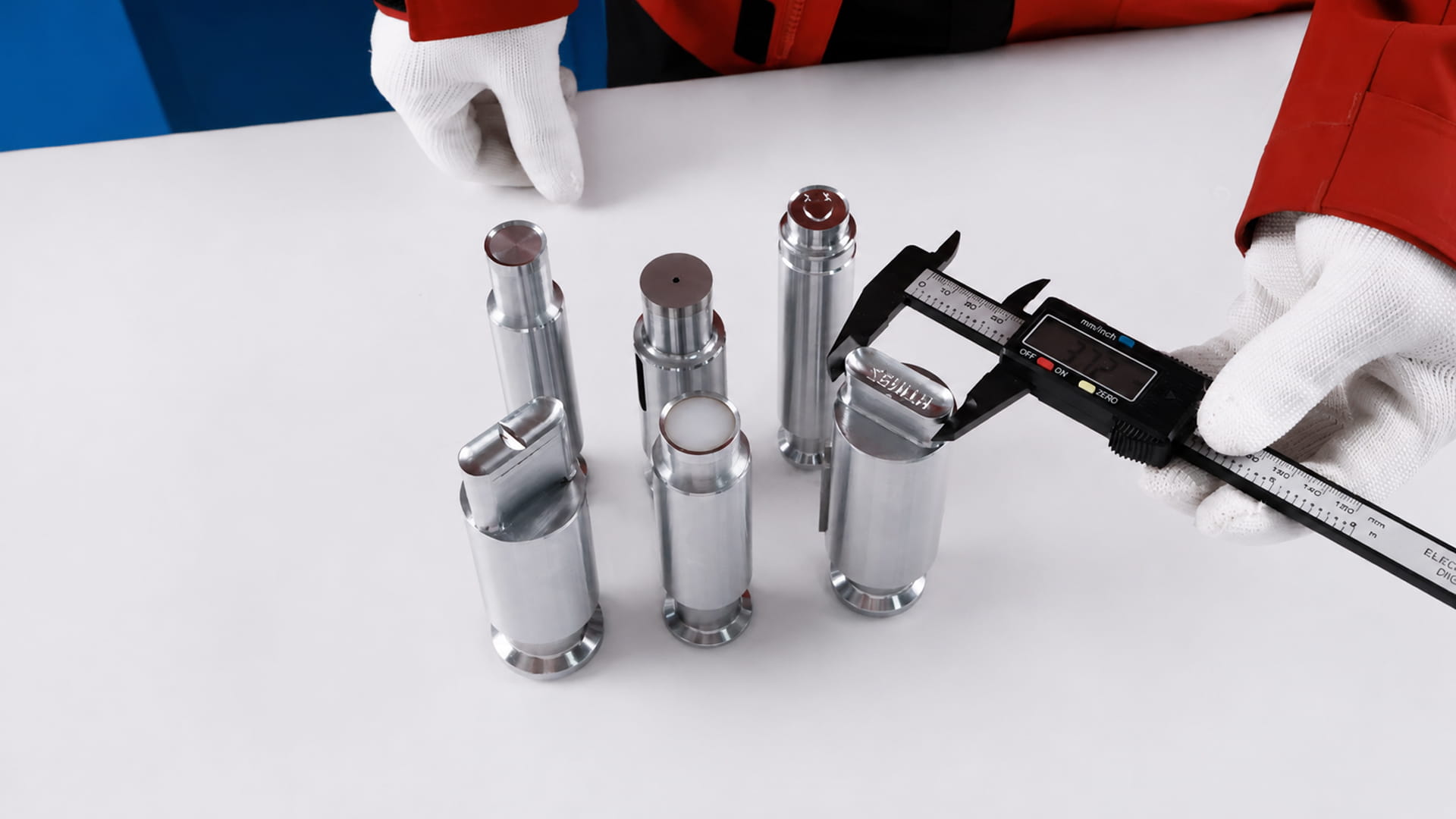
Abgesehen von den Abmessungen, Werkzeuge Material und Verarbeitung sind kritisch. Die meisten Stempel für Tablettenpressen bestehen aus hochwertigem Kohlenstoffstahl (z.B. GCR-15) mit einer Härte von ~60 HRC, das hohen Druckkräften standhält. Für feuchte oder saure Formulierungen (wie Kräuter oder Brausetabletten), Edelstahl- oder beschichtete Stempel (Zinn, CrN, DLC) kann Korrosion und Anhaften widerstehen.
Stellen Sie immer sicher, dass die Werkzeuge gemäß den Spezifikationen hergestellt werden. Viele Lieferanten befolgen das Tableting Specification Manual (TSM) oder ISO-Normen für Toleranzen. JinLu, Zum Beispiel, Hinweise: BB-Werkzeuge werden nach den genauen TSM/EU-Spezifikationen hergestellt. Inspektionsdokumente werden auf Anfrage zur Verfügung gestellt. Hochwertige Werkzeuge helfen, Fehler zu vermeiden und die Lebensdauer des Stempels zu verlängern.

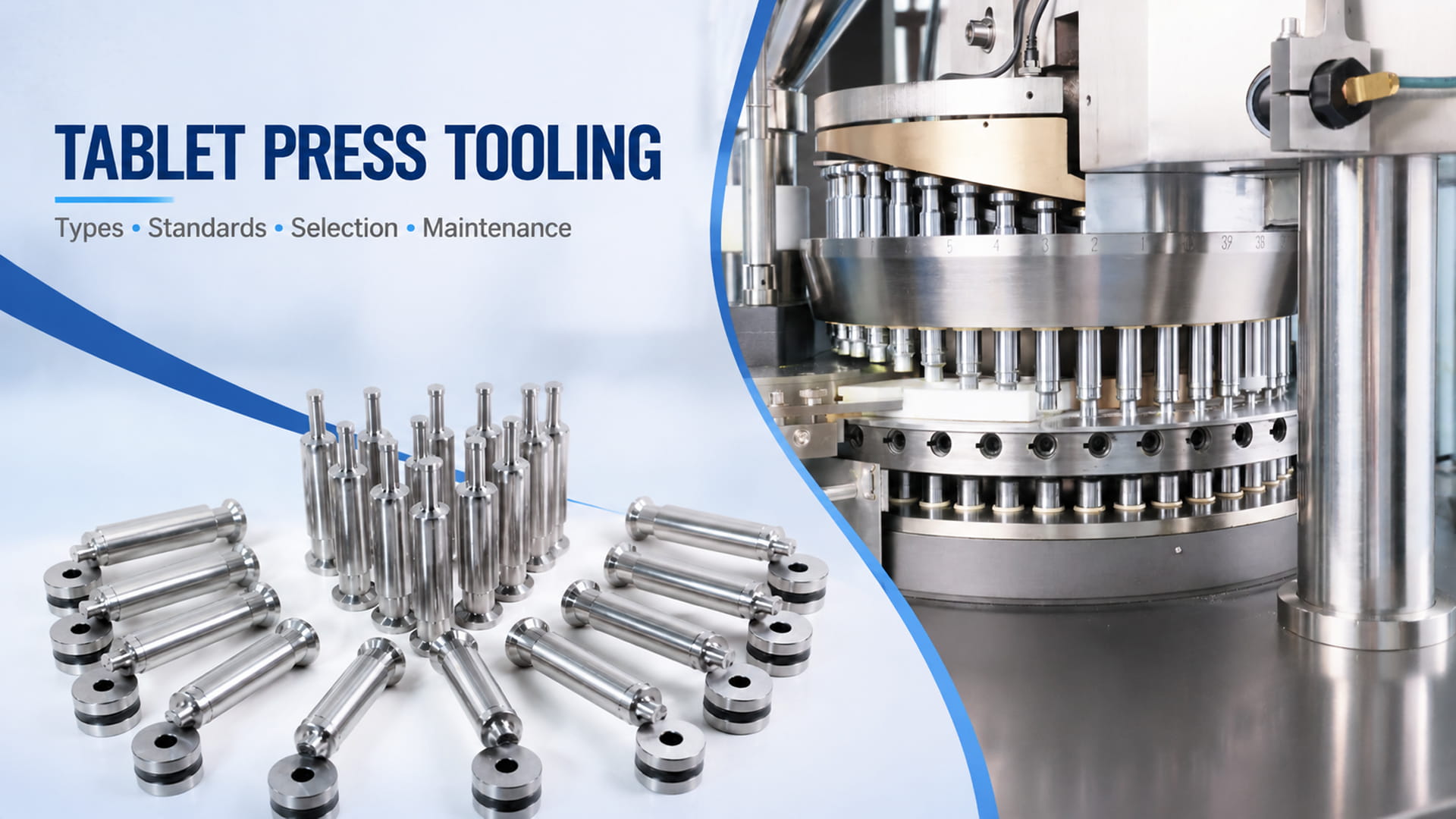
Figur: Hochgeschwindigkeitspressen und Werkzeuge liefern viele Tabletten schnell
Seriös Hersteller von Tablettenpressen und Werkzeuglieferanten kann Ihnen bei der Auswahl des richtigen Standards helfen. Zum Beispiel, JinLu Packing unterstützt Kunden oft bei der Wahl zwischen B, D, BB- oder DB-Werkzeug je nach Produkt. Wir bieten kostenlose Formeltests an und können Spezialwerkzeuge empfehlen (graviert, punkten, usw.) für Ihre Presse. Bei der Integration einer kompletten Produktionslinie, Wählen Sie einen Lieferanten, der sowohl Pressen als auch Werkzeuge anbietet, Somit ist die Kompatibilität gewährleistet.
Außerdem, Ein Schnellwechsel-Werkzeugsystem und ein Wartungsplan minimieren Ausfallzeiten. Achten Sie auf Funktionen wie schnelle Chip-Entfernung, Turmschnellspanner, und werkzeugloses Entfernen des Stempels bei neuen Pressen. Zum Beispiel, JinLus Fokus auf GMP-Design bedeutet, dass ihre Maschinen über Schnellwechseltürme und leicht zu reinigende Kontaktteile verfügen, Dadurch wird sichergestellt, dass die Werkzeuge in Top-Zustand bleiben.
Das richtige Werkzeug für die Tablettenpresse ist mehr als nur ein Verbrauchsteil – es ist eine strategische Entscheidung, die sich direkt auf die Qualität Ihres Produkts und Ihre Fertigungseffizienz auswirkt. Durch das Verständnis der Unterschiede zwischen B, D, BB, und DB-Tools und Befolgen von Best Practices bei der Auswahl und Wartung, Pharmahersteller können kostspielige Defekte und Ausfallzeiten vermeiden. Denken Sie daran, Ihrem Werkzeugstandard zu entsprechen (TSM vs. ISO), Wählen Sie die richtige Größe für Ihr Tablet, und folgen Sie einem strengen Reinigungs-/Inspektionsroutine. Die Auszahlung erfolgt in einheitlichen Tabletten, weniger Ausschuss, und eine zuverlässigere Produktionslinie.
Wenn Sie den Kauf einer neuen Tablet-Komprimierungsmaschine oder die Aufrüstung Ihrer Werkzeuge planen, Erwägen Sie, sich an erfahrene OEMs zu wenden. Jinlu Packing bietet Beratung zum besten Werkzeugsystem für Ihre Anforderungen, und kann kundenspezifische Stempel und Matrizen liefern, damit Ihre Tablets den Spezifikationen entsprechen. Unser Team hilft Ihnen gerne bei der Auswahl des perfekten Werkzeugsatzes, damit Sie das Beste aus Ihrer Tablettenpresse herausholen. Kontaktieren Sie uns für fachkundige Beratung oder ein Angebot für hochwertige Werkzeuge und Geräte für Tablettenpressen.
Unter Tablettenpresswerkzeug versteht man den Satz von Stempeln und Matrizen, die in einer Tablettenpressmaschine verwendet werden, um Pulver oder Granulat zu Tabletten zu formen. Das Werkzeug steuert die Tablettengröße, Form, Dicke, und Gesamterscheinung. Ein kompletter Werkzeugsatz umfasst normalerweise einen Oberstempel, Unterstempel, und sterben, die während des Komprimierungsvorgangs zusammenarbeiten.
Zu den gebräuchlichsten Werkzeugtypen für Tablettenpressen gehören B-Werkzeuge, D-Werkzeug, BB-Werkzeug, und DB-Tools. Diese Werkzeugtypen unterscheiden sich hauptsächlich in der Stempelgröße, Die Abmessungen, Komprimierungskapazität, und passende Tablet-Anwendungen. Die richtige Wahl hängt von der Tablet-Größe ab, Formulierungseigenschaften, Produktionsanforderungen, und die Spezifikationen Ihrer Tablet-Komprimierungsmaschine.
Der Hauptunterschied zwischen B-Werkzeugen und D-Werkzeugen besteht in ihrer Größe und Komprimierungsfähigkeit. B-Werkzeuge haben eine kleinere Stempel- und Matrizenkonfiguration und werden häufig für Tablets in Standardgröße verwendet. D-Tooling zeichnet sich durch ein größeres Design aus, Dies ermöglicht eine höhere Kompressionskraft und eine größere Tablettenproduktion. Für größere Tablets werden oft D-Werkzeuge bevorzugt, während B-Werkzeuge eine größere Flexibilität für gängige pharmazeutische Tabletten bieten.
Bei BB-Werkzeugen handelt es sich um eine kleinere Werkzeugkonfiguration, die für die Herstellung kleinerer Tabletten entwickelt wurde. Es wird häufig für Produkte verwendet, die kompakte Tablettengrößen erfordern, wie bestimmte pharmazeutische Tabletten, Ergänzungen, und Spezialprodukte. BB-Werkzeuge können eine geeignete Option sein, wenn Hersteller kleinere Tablets mit effizienter Produktionsleistung benötigen.
DB-Werkzeuge sind eine Werkzeugkonfiguration, die Eigenschaften von D- und B-Werkzeugsystemen kombiniert. Es verwendet eine größere Matrizenkonfiguration mit einem kleineren Stempeldesign, Bietet Flexibilität für spezifische Tablettengrößen und Produktionsanforderungen. DB-Werkzeuge werden häufig ausgewählt, wenn Hersteller ein Gleichgewicht zwischen Tablet-Größe und Werkzeugeffizienz benötigen.
Nicht immer. Eine Tablettenpresse ist für bestimmte Werkzeugspezifikationen ausgelegt, und die Kompatibilität hängt vom Turmdesign ab, Stempelabmessungen, Die Größe, und Werkzeugstandard. Zum Beispiel, B-Tooling und D-Tooling können sich nicht einfach gegenseitig ersetzen, ohne die Maschinenkompatibilität zu bestätigen. Überprüfen Sie immer das Modell der Tablettenpresse und die Werkzeugspezifikationen, bevor Sie das Werkzeug wechseln.
Zu den wichtigsten Werkzeugstandards für Tablettenpressen gehört TSM (Tablet-Spezifikationshandbuch), EU (Europäischer Werkzeugstandard), und ISO-Werkzeugstandards. TSM ist in Nordamerika weit verbreitet, Während EU- und ISO-Standards in vielen internationalen Märkten häufig verwendet werden. Obwohl einige Abmessungen ähnlich erscheinen können, TSM- und EU-Werkzeuge sind nicht automatisch austauschbar.
Die Wahl des richtigen Werkzeugs für eine Tablettenpresse hängt von mehreren Faktoren ab, einschließlich Tablet-Größe, Form, Formulierung, Kompressionskraft, Produktionsvolumen, und Tablettenpressenmodell. Hersteller sollten auch Werkzeugstandards berücksichtigen, Materialauswahl, und erwartete Werkzeugstandzeit, um eine stabile Tablettenqualität und eine effiziente Produktion sicherzustellen.
Zu den häufigsten Problemen mit den Werkzeugen der Tablettenpresse gehört das Verkleben, pflücken, Tablettendeckel, ungleichmäßiges Tablettengewicht, Stempelverschleiß, und sterben Schaden. Diese Probleme können auf verschlissene Werkzeuge zurückzuführen sein, unsachgemäße Wartung, ungeeignete Werkzeugmaterialien, oder falsche Tablet-Komprimierungseinstellungen. Regelmäßige Inspektionen und die richtige Werkzeugauswahl können dazu beitragen, Produktionsprobleme zu reduzieren.
Die Lebensdauer von Tablettenpresswerkzeugen hängt von Faktoren wie der Tablettenformulierung ab, Produktionsgeschwindigkeit, Kompressionskraft, Werkzeugmaterial, Beschichtung, und Wartungspraktiken. Bei richtiger Reinigung, Inspektion, Schmierung, und Lagerung, Hochwertige Stempel und Matrizen können Millionen von Tabletten produzieren, bevor ein Austausch erforderlich ist.
Referenzen:
1.Presswerkzeuge für Tabletten – Stempel und Matrizen —— ISO 18084:2011
2.Kapitel 32 – Entwicklung, Optimierung, und Skalierung von Prozessparametern: Tablet-Komprimierung —— ScienceDirect
3.Die Vorteile der Standardisierung von Tablet-Werkzeugen —— PharmTech
4.Verbesserung der Wartung und Lagerung von Tablet-Press-Werkzeugen —— PharmTech
5.Einfluss der Stempelgeometrie (Kopfflachdurchmesser) und Werkzeugtyp ('B’ oder „D“) zu den physikalisch-mechanischen Eigenschaften von Formulierungstabletten —— Nationalbibliothek für Medizin
6.Ein Update zu den Fortschritten in der Tablet-Tooling-Technologie —— ScienceDirect