
Have you ever found a fluffy cotton ball inside a pill bottle and wondered why it’s there? It might seem like random packaging fluff, but cotton in pill bottles is actually intentional. In fact, this practice dates back to Bayer’s early aspirin bottles over a century ago. The cotton serves multiple purposes: it cushions tablets to prevent chipping, helps control moisture, and even acts as a simple tamper indicator. In this friendly guide, we’ll explain why pill bottles have cotton, what benefits it provides in pharmaceutical packaging, and whether you should leave it in or toss it when you open the bottle. (We’ll also tie in how modern tablet bottling lines and packaging machines handle this issue.)
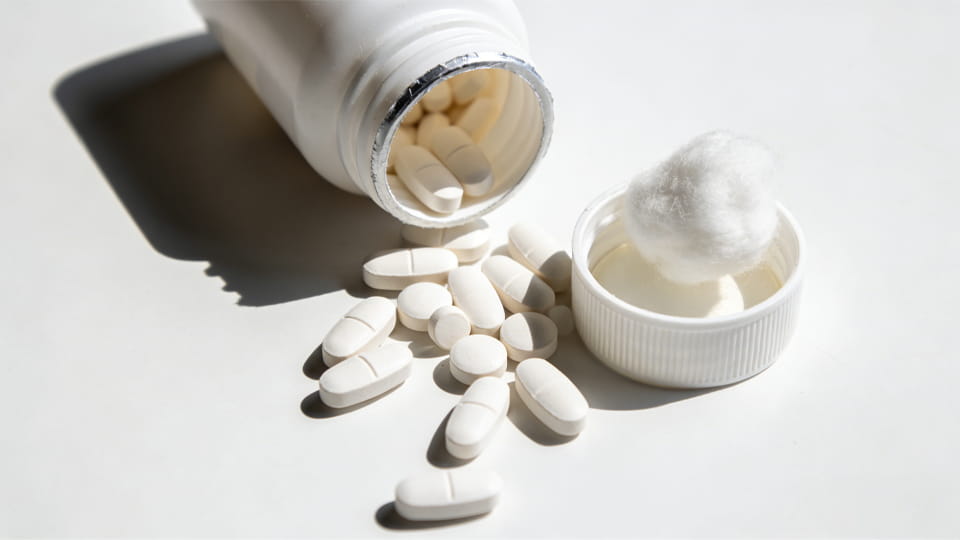
The tradition of adding cotton balls to medicine bottles dates back to the early days of modern pharmaceuticals. When Bayer first introduced it in aspirin bottles around 1900, tablets were relatively fragile and often hand-packed. Without automated packaging, pills could easily chip or break in transit. By filling empty space, cotton kept pills from rattling against each other during shipping. This meant fewer broken pills and more accurate dosing for patients. In other words, cotton acted like an internal cushion. Early tablet presses were less refined, so tablets would shatter more easily if allowed to move. Cotton filler solved that problem: the less the pills moved inside the bottle, the less chance they’d crack.
Over time, adding cotton became a standard packaging step for many drugs and supplements. Even as packaging technology improved, cotton remained a go-to solution because it was cheap, simple, and effective. By the mid-20th century, “cotton in the bottle” was just how medicine came.
What exactly does that cotton ball do inside a medicine bottle? Its functions include:
In summary, the cotton ball in a pill bottle isn’t pointless. It’s there to keep tablets safe, dry, and trusted. Manufacturers add this bit of fiber because it enhances safety in several small but meaningful ways.
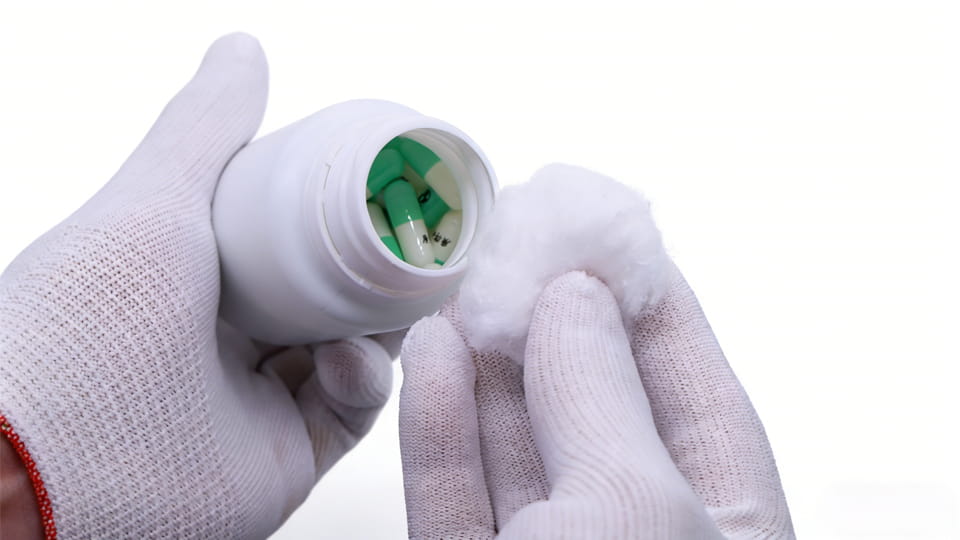
Today’s packaging world is changing, and you’ll see cotton in fewer bottle designs than in the past. Why? Modern advances have gradually made cotton less necessary. First, tablets themselves have improved: many pills now have tougher, chip-resistant coatings. Second, packaging methods have evolved. Instead of loose pills in a plastic bottle, many medicines are sold in blister packs (see image below) or in sealed bottles with advanced filling machinery. These methods inherently prevent movement, so the cotton is no longer needed for cushioning.
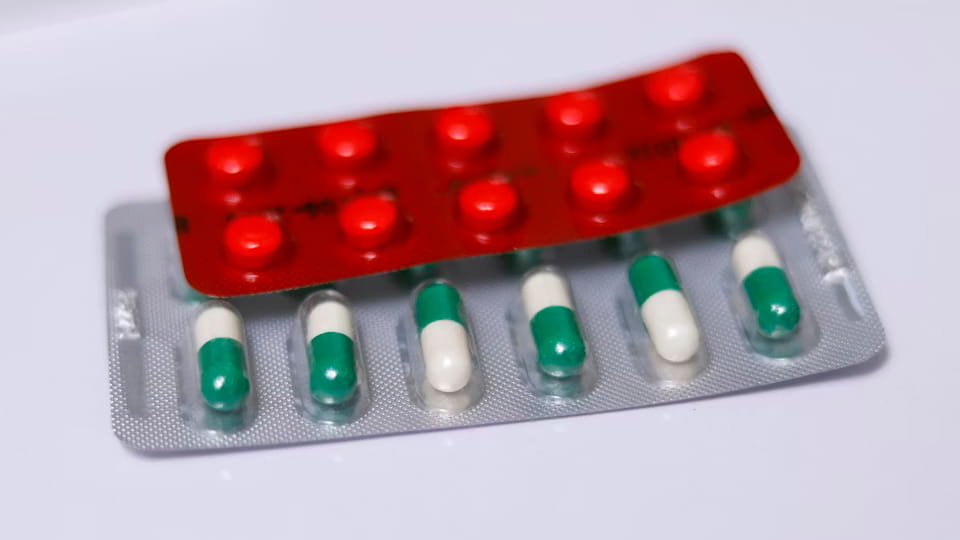
In the photo above, pills are sealed in a blister package. Medicines in blister or vacuum-sealed containers usually don’t require any cotton padding. For moisture control, manufacturers often use small desiccant packs or built-in moisture barriers instead of cotton. Since the 1980s, improvements in production and tamper-proof packaging have largely phased cotton out of medicine bottles. If some pills now travel in cushioned trays or molded containers, a cotton ball would add empty bulk without extra benefit.
Even when cotton is skipped for practical reasons, the only place it truly “worked” was during initial shipping. Once better materials (like shrink-wrap or foil seals) hold the pills firm, cotton’s old jobs can be done by other means. For example, a small silica gel cartridge prevents moisture far more effectively than a cotton ball ever could.
That said, you might still encounter cotton in certain products, especially over-the-counter supplements or older brands. In those cases, the cotton is largely traditional. Manufacturers who keep using it often cite customer expectation and “better safe than sorry” packaging. But by industry trend, cotton in bottles is mostly a throwback. Pharmaceutical companies save weight and cost by leaving it out, opting for cleaner, lighter packaging.
If cotton has these benefits, why do you rarely see it in today’s pill bottle packaging? The truth is, most modern pharmaceutical containers no longer include cotton. The shift happened around the 1980s as production and packaging technology advanced.
According to industry sources, cotton “remained a packaging mainstay until the 1980s,” but has largely been phased out by modern packaging methods. Many companies today skip cotton balls entirely. For instance, some Bayer® Aspirin bottles no longer include cotton because studies showed it was unnecessary once better packaging was in place.
Some consumers even remove the cotton after opening the bottle. Since its real purpose was transit protection, there’s no harm in tossing it once you get home. In fact, keeping wet cotton inside for too long could theoretically reintroduce moisture. So, while the bottle won’t suffer without it, the cotton served its job long before you unscrewed the cap.
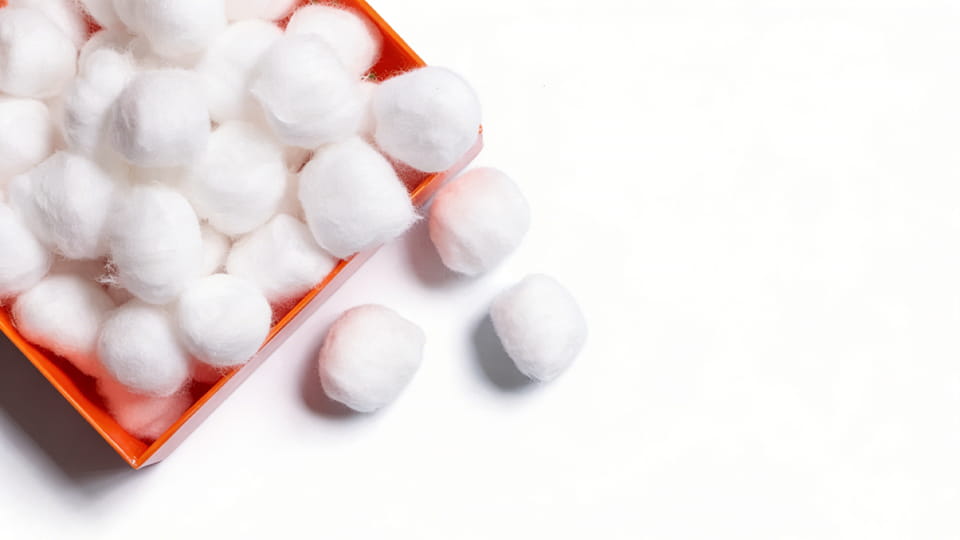
In comparing cotton to its replacements, the story highlights technology vs. tradition.
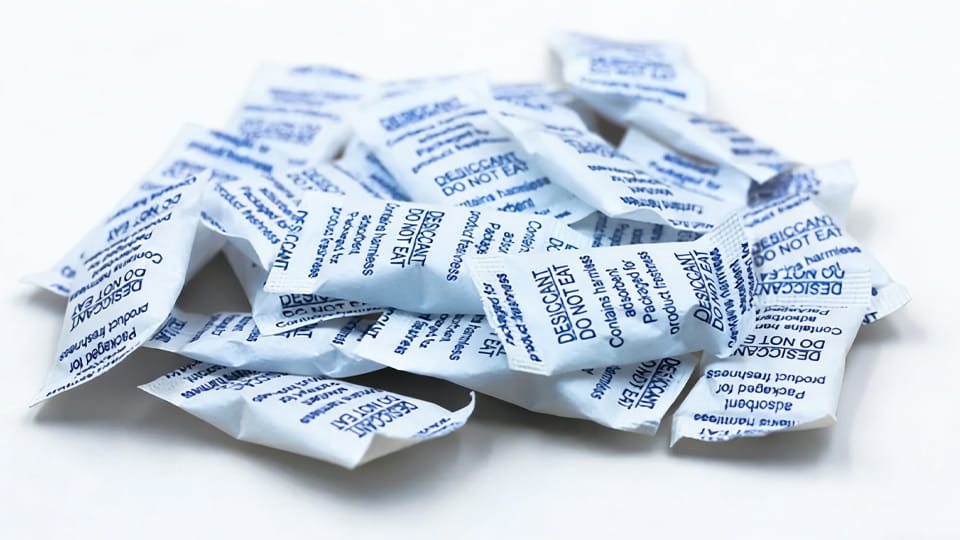
Below is a summary of the two approaches:
| Feature | Cotton Ball (Traditional) | Desiccant Pack (Modern) |
|---|---|---|
| Purpose | Cushion tablets; passive moisture absorption; tamper-evidence. | Active moisture control and humidity protection. |
| Moisture Control | Mild – absorbs some humidity naturally. | High – silica/clay made for maximum moisture uptake. |
| Cushioning | Yes – adds padding to prevent pill breakage. | No – desiccants do not cushion (other packaging protects pills). |
| Regulatory Use | Simple and natural (biodegradable). | Widely approved for pharmaceuticals; meets standards. |
| Consumer Perception | Familiar tradition; signals “something extra” inside. | Generally invisible (small pouch) but clearly marked “Do Not Eat.” |
| Environment Impact | Biodegradable cotton. | Synthetic material; must be disposed safely if not reusable. |
| Current Trend | Mostly phased out in new bottles. | Common in new pills, vitamins, and supplement packaging. |
As shown, desiccant packs are far more effective at moisture control. Many packaging experts now recommend them for any medication sensitive to humidity. Cotton balls remain a valid, natural solution, but in practice they’re largely a relic. Some niche products or older stock might still use them (especially overseas or in small-scale production), but the general trend is toward desiccants and tamper-sealed, machine-packed bottles.
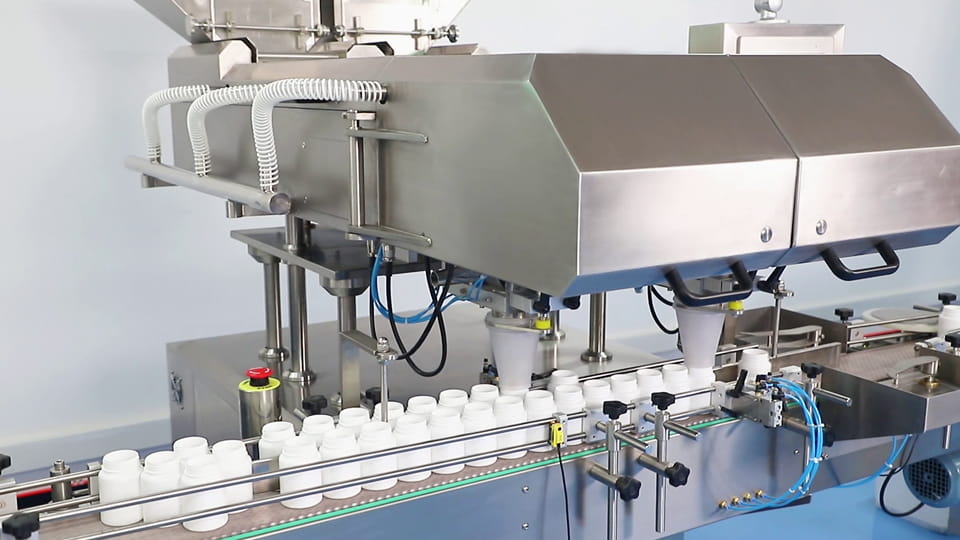
Figure: Modern pharmaceutical manufacturing often uses sterile, automated packaging. Advances like computerized counting machines and sealed blister packs (rather than loose bottles) make cotton cushioning unnecessary for many pills.
For buyers and engineers, it’s also useful to see how cotton fits into a modern pharmaceutical packaging process. Picture a high-speed tablet bottling line (automated machinery that fills and seals bottles with tablets). At each step – from counting pills to capping and labeling – machines can handle cotton if needed.
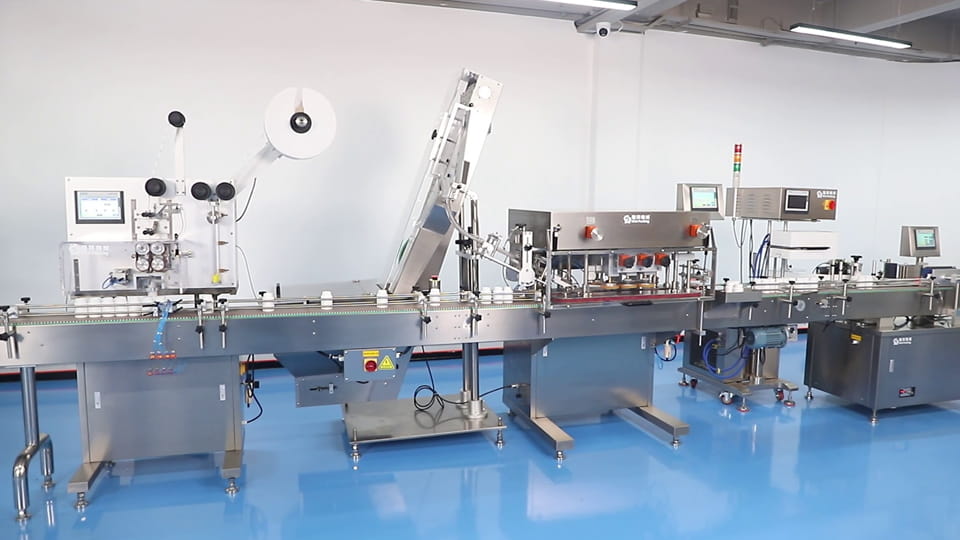
The photo above shows part of an automated pill packaging line. In a system like this, after tablets are counted and dispensed into bottles, the conveyor can feed each bottle into a cotton inserter machine. Modern cotton inserters automatically cut and drop a clean cotton ball into every bottle with precise consistency. This way, cotton insertion becomes just another automated step – no hand work needed. (Today’s cotton inserters give manufacturers an easy way to place your cotton inside the pill bottle.)
Alternatively, a line can skip cotton entirely. If cotton is not required, the machine simply omits that station. Instead, the line might include a desiccant inserter or go straight to capping. Advanced tablet counting bottling lines ensure each bottle has the exact pill count, and then proceed without a cotton ball if that’s how the process is set up. Either way, the decision is flexible: you can configure your pill bottle packaging system to use cotton for extra cushioning or leave it out.
[jl_youtube src=”https://www.youtube.com/embed/zRe4BB8i9n0″]
Tablet Counting Bottling Line with cotton inserter machine
In a nutshell, modern packaging machines do both tasks: they handle pills with care and manage fillers. Automated systems give you options. Want cotton for shipping? Use the inserter. Prefer a silica pack or no filler? Just adjust the line. High-speed lines from Jinlu Packing or similar companies come equipped for all these steps. We offer complete packaging solutions – from tablet counters and fillers to cotton inserters and labelers – so that manufacturers can protect their products as needed.
In summary, cotton balls in pill bottles are a throwback to earlier pharmaceutical packaging, introduced to keep hand-pressed tablets safe. They provided simple cushioning and a bit of moisture buffering, which improved product quality during shipping. Over time, the industry found smarter solutions: tablet coatings, blister packs, and dedicated desiccants now safeguard medicines more effectively.
While cotton is mostly gone from modern pill bottle packaging, understanding its role highlights the careful engineering behind pharmaceutical packaging. It’s a reminder that even a humble cotton ball was once a key part of pharmaceutical packing line strategy – blending tradition with safety. In the end, whether cotton or silica gel is used, the goal is the same: to ensure pills reach patients in perfect condition.
Cotton in pill bottles isn’t a mystery anymore – it’s a strategic packaging choice. Today’s manufacturers can decide whether to include cotton (for cushioning and consumer perception) or drop it in favor of more modern solutions. If you’re looking to optimize your pharmaceutical packaging line, consider all these factors.
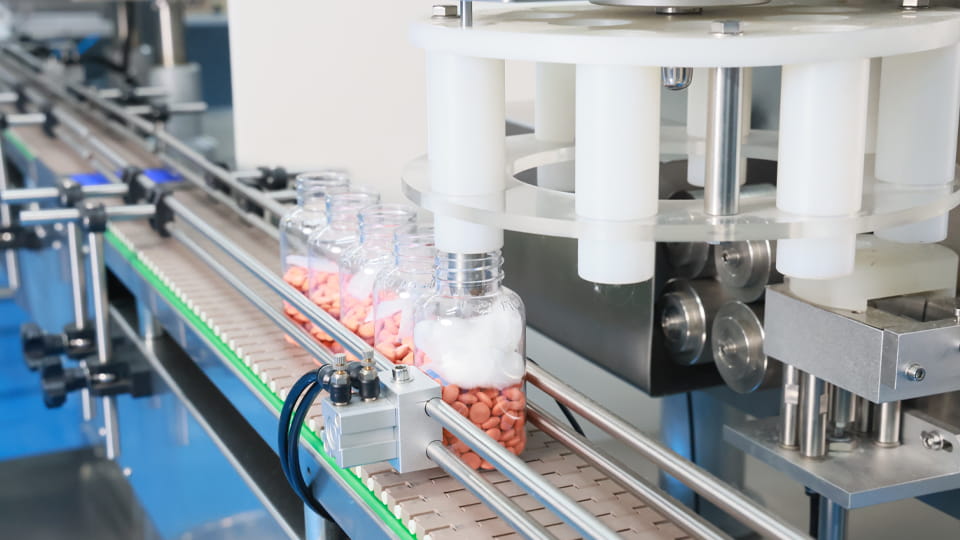
At Jinlu Packing, we specialize in tablet bottling and counting lines that keep medicines safe and compliant. Our machines can insert cotton balls, add desiccant packets, or automate any combination of fillers. Whether you need a high-precision tablet counting bottling line or a gentle cotton inserter, we’ve got you covered. Contact our team to find out how to customize your pill bottle packaging. Our experts will help ensure your products are packaged with the care and innovation they deserve – with or without that cotton ball.
Ready to take your packaging to the next level? Get in touch with Jinlu Packing today for a free consultation on our pharmaceutical packaging equipment. Let us help you protect your pills – and your bottom line – with the right technology.
The cotton in pill bottles was originally added to protect fragile tablets during transportation. It fills the empty space in the bottle and reduces movement so the pills do not chip or break while being shipped or handled.
The main purposes of cotton in pill bottles include cushioning tablets, absorbing small amounts of moisture, and reducing pill movement inside the container. These functions help maintain tablet integrity and product quality during storage and distribution.
Cotton began appearing in pill bottles in the early 1900s when tablets were more fragile and could easily break during shipping. Pharmaceutical companies used cotton as a simple cushioning material to stabilize pills inside the bottle.
Yes. Many pharmacists recommend removing the cotton once the bottle is opened. Cotton can absorb moisture from the surrounding air and trap humidity inside the bottle, which may affect the stability of the medication.
Many modern pill bottles no longer include cotton because tablets are now stronger and better coated. Additionally, pharmaceutical packaging now often uses desiccant packets, blister packs, and tamper-evident seals that provide better protection than cotton.
Cotton may absorb small amounts of moisture during sealed transport, but it is not designed to preserve medication long term. Modern pharmaceutical packaging uses desiccant canisters or moisture-control packaging materials to maintain drug stability more effectively.
Not always. In many pharmaceutical packaging systems, the material inserted into the bottle may actually be synthetic fibers such as rayon or polyester. These materials are sterile, consistent, and easier to process in automated packaging lines.
No. Many medications today are packaged without cotton. Blister packs, sealed bottles with desiccant packets, and improved tablet coatings often eliminate the need for cotton filler in modern pharmaceutical packaging.
Cotton can provide a basic visual indicator. If the cotton appears disturbed or missing when the bottle is first opened, it may suggest that the bottle was opened previously. However, modern packaging now relies on tamper-evident seals for better security.
In automated pharmaceutical packaging systems, cotton is inserted using a cotton inserter machine integrated into a tablet counting bottling line. The machine automatically cuts and inserts sterile cotton into each bottle before capping, ensuring consistent placement and high-speed production.
References:
1. The Real Reason There Are Cotton Balls In Pill Bottles — HealthDigest
2.This Is the Real Reason There’s Cotton in Pill Bottles — Reader’s Digest
3.Pill bottle container insert – U.S. Patent (Justia Patent Database)
4.Drug packaging – Wikipedia