
Many patients – young or old – struggle with swallowing large pills. In fact, research shows that up to 40% of people have occasional trouble swallowing tablets or capsules. In the US alone, about 16 million adults report difficulties (dysphagia) with oral dosage forms. When tablets feel too big or too rough, some patients skip doses or refuse their medication altogether. This leads to poor adherence, worse health outcomes, and frustrated caregivers. For drug makers and equipment designers, improving tablet “swallowability” means healthier patients and stronger brands.

Imagine giving a bulky, bitter tablet to an elderly patient or a young child – they will likely spit it out or delay taking it. Easy-to-swallow tablets, by contrast, feel smooth and small in the throat, so patients take them without fuss. Better tablet design means confident patients and fewer missed doses. In this guide, we’ll share friendly, practical tips on how to make tablets easier to swallow, covering every step from tablet shape and coating to formulation tricks and manufacturing checks. Let’s dive in!
The physical dimensions of a tablet are among the most important factors in swallowability. Large, wide pills trigger gagging or get stuck more easily. To design easy-to-swallow tablets, follow these guidelines:
Here’s a quick reference for design factors and recommendations:
| Design Factor | Recommendation | Benefit |
|---|---|---|
| Tablet Size | Keep largest dimension ≤ 22 mm | Smaller pills are easier to swallow |
| Shape | Oval or caplet design; round edges | Smooth shapes glide through the throat |
| Coating | Use a smooth film coating | Reduces friction and prevents sticking |
| Surface Finish | Polish or dedust tablets (remove dust/chips) | Produces extra smooth surface finish |
Each change above removes a known swallowing obstacle. For example, both FDA guidance and industry studies note that round or flat pills are easier to swallow than tablets with sharp angles. By keeping pills compact and gently shaped, you take away one big reason patients choke or avoid their medicine.
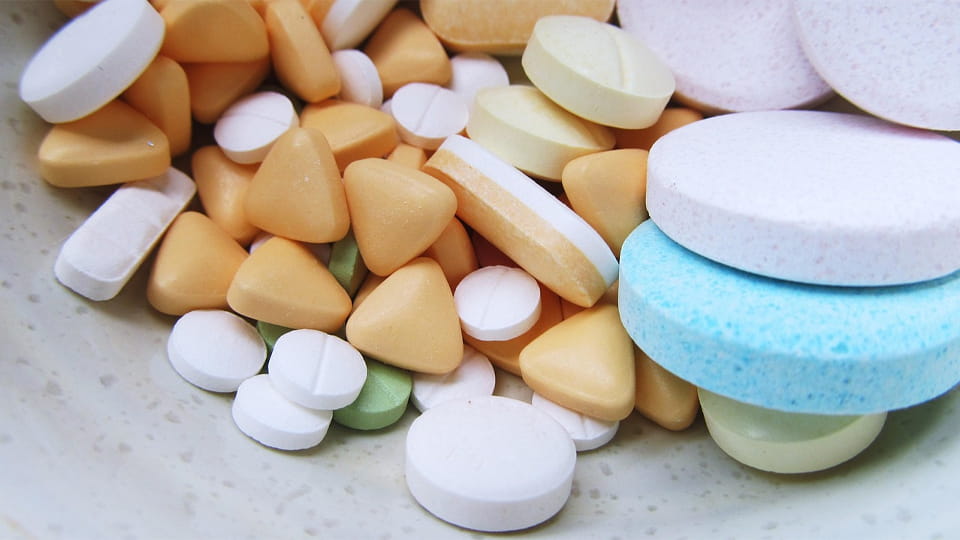
Even a well-shaped tablet can choke a patient if its surface is rough or sticky. Here’s where coatings and finishing steps shine:
Film-coated tablets glide easily through the throat – experts consistently find that coated pills are perceived as much easier to swallow than uncoated ones. A good polymer coat forms a slick shell on the tablet, wiping away any dry, chalky feel. It also masks bitter tastes or odors that might otherwise provoke a gag reflex. In one study, a specially designed Opadry film even increased surface “slip” when wet, substantially reducing the chance a tablet would stick in the esophagus.
On the production floor, a tablet polisher/deduster can add the final touch. These machines gently buff each tablet to a glassy finish, knocking off excess powder or tiny chips. A polished tablet is nearly dust-free and free of rough spots, which means nothing to catch on the tongue. Manufacturers often find that tablets fresh off the press feel dry and sticky, but a quick pass through a polisher transforms them into smooth little capsules. Adding a polishing step to your line can significantly improve the average swallowability of the batch.
In short, a smooth coating and finish go a long way. Any film coating is usually better than none: it gives the pill a uniform, lubricious surface. Plus, coatings offer branding opportunities – you can add color or printing – but those cosmetic perks come after you secure that easy-slide finish.
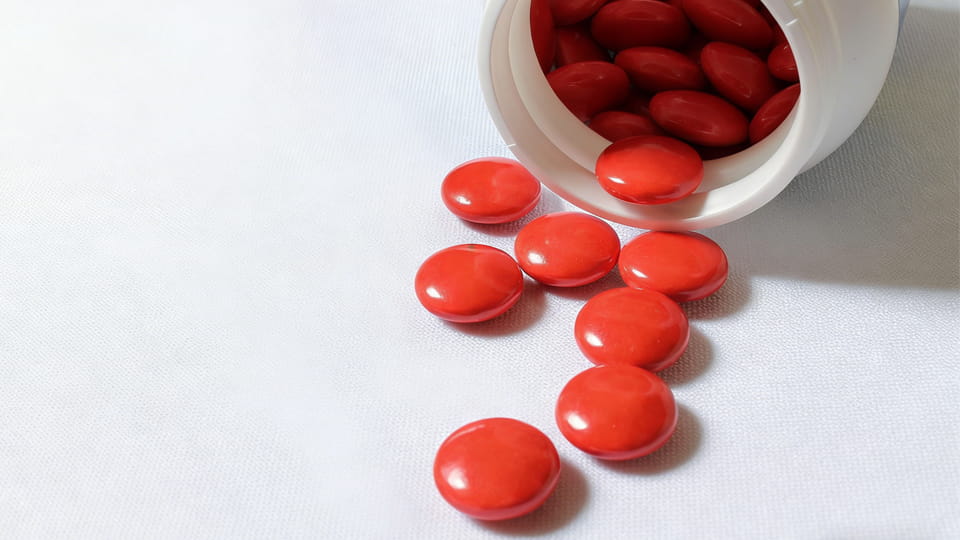
Beyond shape and coating, the actual formula of your tablet offers more levers to improve swallowability:
In the lab, scientists can fine-tune ingredients on a small scale before full production. For example, consider using multifunctional excipients that do triple duty. Some modern starch-based binders act as filler, binder, and disintegrant all at once. Replacing several single-use ingredients with one multi-tasker can shrink the tablet. Even trimming 5–10% of the tablet mass by optimizing the recipe will noticeably reduce how big the pill feels.
Each formulation tweak above is about empathy. By anticipating what makes a patient wince, you can change the recipe so they don’t. Many pharma companies now involve patient panels during development to test a tablet’s mouthfeel. If the pill feels easy in someone’s mouth and throat, they’re more likely to take it regularly.

On the manufacturing side, quality equipment and controls help ensure every tablet meets your swallowability standards:
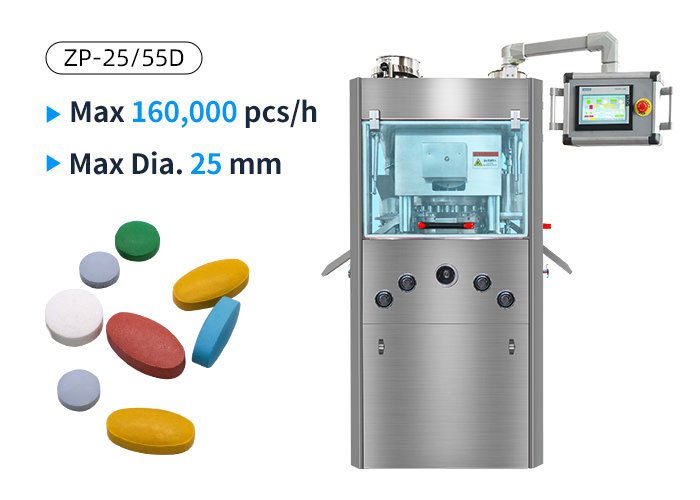


These manufacturing measures don’t add new materials – they just refine the end product. Think of them as quality polishing on your recipe. When every tablet coming off the line is exactly to spec, your downstream swallowability is optimized.
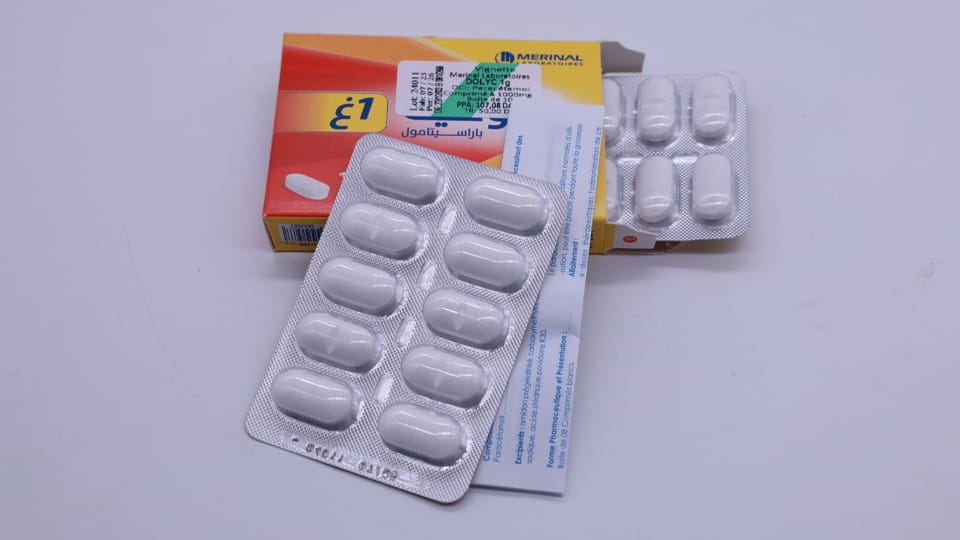
Even a perfect pill needs the right context. Small extras can reinforce swallowability:
The goal is to make the patient experience seamless from box to throat. By pairing your well-designed tablet with good directions, you close the loop on adherence.
If you’re currently working on a project and want to improve its “swallowability score,” here are some actionable tips you can implement today:

Designing tablets for easy swallowing requires teamwork between formulation scientists, process engineers, and quality control. But the results speak for themselves: patient-friendly tablets lead to better adherence, happier customers, and a stronger market position. In today’s patient-centric climate, an easier-to-swallow pill is not just good science – it’s a clear competitive advantage.
If you’re ready to put these tips into practice, our team is here to help. We offer advanced pharmaceutical machinery and expertise to optimize tablet production. From custom rotary tablet presses to high-speed coating and polishing lines, Jinlu Packing can provide the tools you need. Contact us today for a quote, and together we’ll make sure your tablets slide down with ease and confidence for every patient.
Tablets may be difficult to swallow because of their large size, rough surface, or unsuitable shape. Research shows that increasing tablet size significantly raises the likelihood of swallowing difficulty, especially for patients with dysphagia or older adults. Larger tablets also move more slowly through the esophagus, which can cause discomfort or gagging.
Regulatory guidance and research suggest that the largest dimension of a tablet should generally not exceed about 22 mm. Tablets larger than this are more likely to cause swallowing difficulties and patient non-compliance. In many cases, tablets around 8–13 mm are considered more comfortable for most adults.
Tablet shape strongly affects swallowability. Studies show that oval, oblong, or capsule-shaped tablets are typically easier to swallow than flat round tablets of the same weight. These shapes move through the esophagus faster and reduce the chance of sticking in the throat.
Tablet coatings create a smooth, slippery surface that reduces friction during swallowing. Film coatings also help mask unpleasant taste or odor and prevent tablets from sticking to the throat or esophagus. As a result, coated tablets are often perceived as significantly easier to swallow than uncoated tablets.
Yes. Smaller tablets generally improve medication adherence because patients feel more comfortable taking them. Studies show that swallowability decreases as tablet size increases, meaning patients are more likely to skip doses when pills feel too large.
Formulators can improve swallowability by:
• Reducing tablet size using high-density excipients
• Using film coatings for smoother surfaces
• Optimizing tablet hardness and disintegration
• Designing scored tablets so they can be split
• Using mini-tablets or multiparticulate systems
These strategies help create more patient-friendly oral solid dosage forms.
Tablet thickness plays an important role. Research suggests tablets thicker than about 6 mm may become harder to swallow, while thinner tablets pass through the throat more easily. However, tablets must still maintain sufficient hardness to avoid breakage during packaging and transportation.
Yes. Studies show that mini-tablets (around 2–3 mm in diameter) are highly acceptable, even for pediatric patients. In clinical studies, swallowability acceptance rates were over 85% in children, making them a promising alternative for patient-friendly formulations.
Several pharmaceutical machines can improve tablet quality and swallowability, including:
• Rotary tablet presses for consistent tablet shape and density
• Tablet coating machines for smooth film coatings
• Tablet polishing or dedusting machines to remove powder residues
• Inspection systems to detect chipped or defective tablets
High-precision equipment ensures tablets have consistent size, surface finish, and coating quality.
Swallowability directly affects patient adherence and treatment success. When tablets are too large or difficult to swallow, patients may skip doses or stop treatment entirely. Improving tablet design helps pharmaceutical companies enhance patient experience, product competitiveness, and regulatory acceptance.
References:
1.Size, Shape, and Other Physical Attributes of Generic Tablets and Capsules — U.S. FDA Guidance
2.Patient Acceptability and Preferences for Solid Oral Dosage Forms — American Pharmaceutical Review
3.Tablet Size and Swallowing Difficulty Study — Journal of Medical Internet Research
4.Influence of Solid Oral Dosage Form Characteristics — Pharmaceutics Journal