
Ketchup Packaging refers to the materials, formats, and machinery used to store and distribute ketchup while preserving freshness, preventing oxidation, and ensuring convenience. Common formats include sachets, pouches, bottles, and blister cups, each requiring specific packaging machines such as form-fill-seal systems or cup sealing machines.
Ketchup is a beloved condiment, but packaging it can be tricky. Because ketchup is thick and tangy, it needs airtight, leak-proof packs that keep it fresh and easy to use. In this friendly guide we’ll explore common packaging formats (bottles, sachets, pouches, cups) and the right machines for each. We’ll also cover key factors to consider – from batch size and viscosity to shelf life – so you can pick the right solution for your ketchup or tomato sauce product. Whether you’re a food engineer, packaging buyer, or machine remanufacturer, you’ll find down-to-earth tips here. Let’s get started!
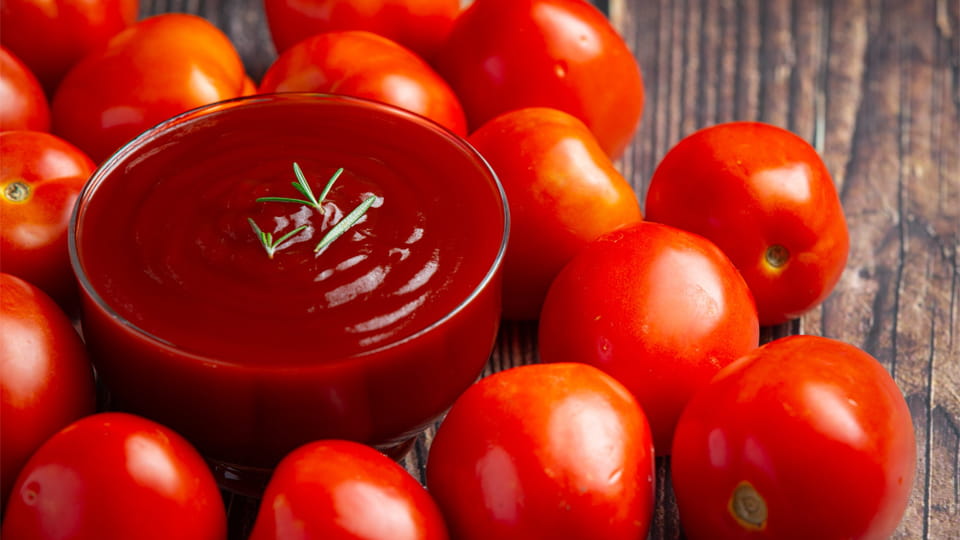
Ketchup needs specialized packaging to stay tasty and safe. It’s viscous and oxygen-sensitive, meaning it can spoil if air or moisture get in. The package must seal tightly and resist leaks and punctures. At the same time, consumers want convenience: easy dispensing, portion control, and a clean experience. Good ketchup packs preserve flavor, extend shelf life, prevent contamination, and also look appealing on the shelf.
Packaging trends also matter. On-the-go consumption is growing, so single-serve packets and easy-squeeze packs are in demand. Eco-conscious brands seek lighter, recyclable options. In fact, some regions are even phasing out single-use condiment sachets by 2030, pushing manufacturers toward sustainable pouch or refillable solutions. In short, choosing the right packaging for ketchup impacts cost, waste, and customer satisfaction.
Different markets and uses call for different packs. Here are the popular formats:
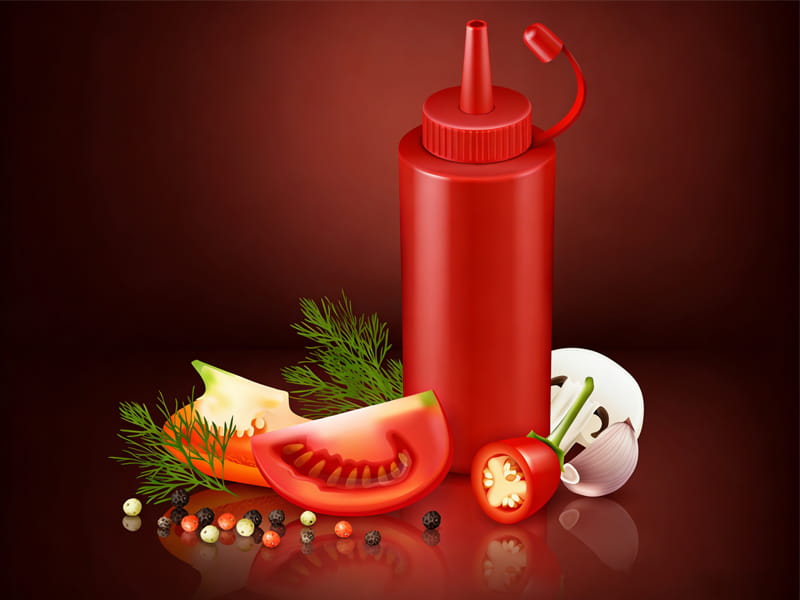
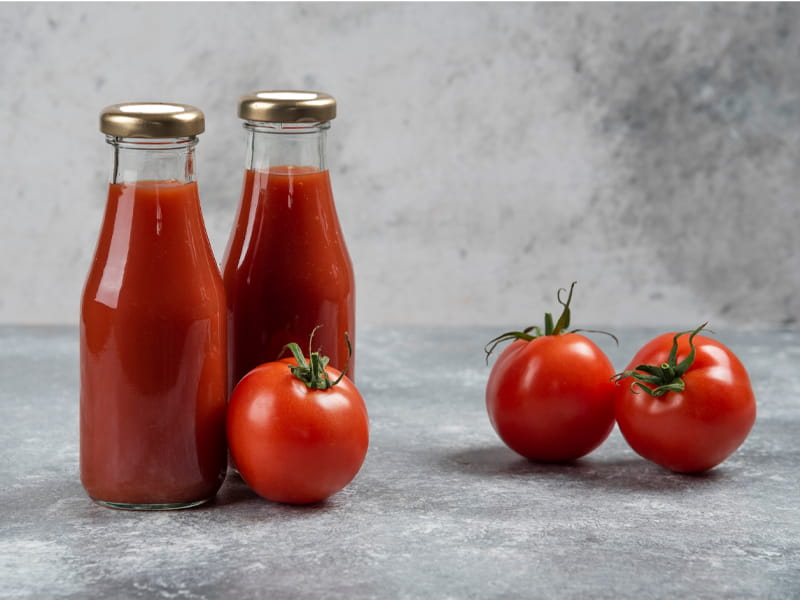
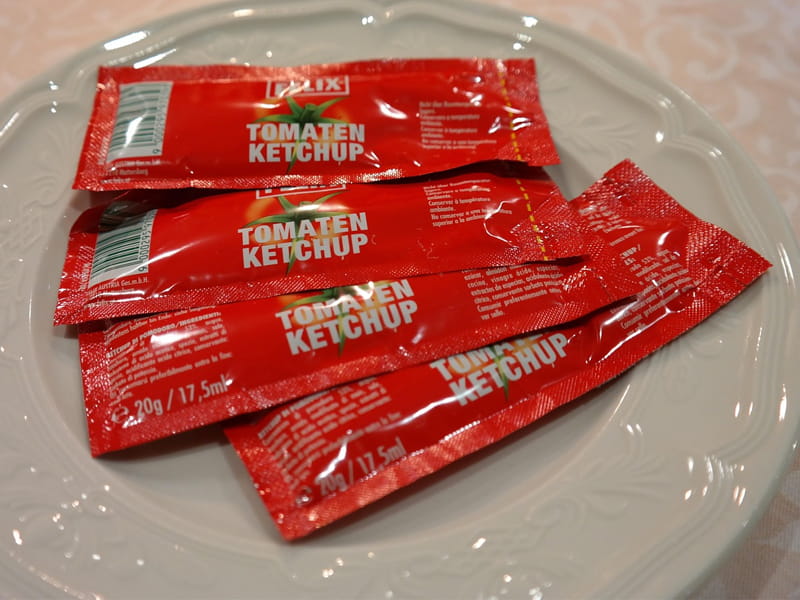
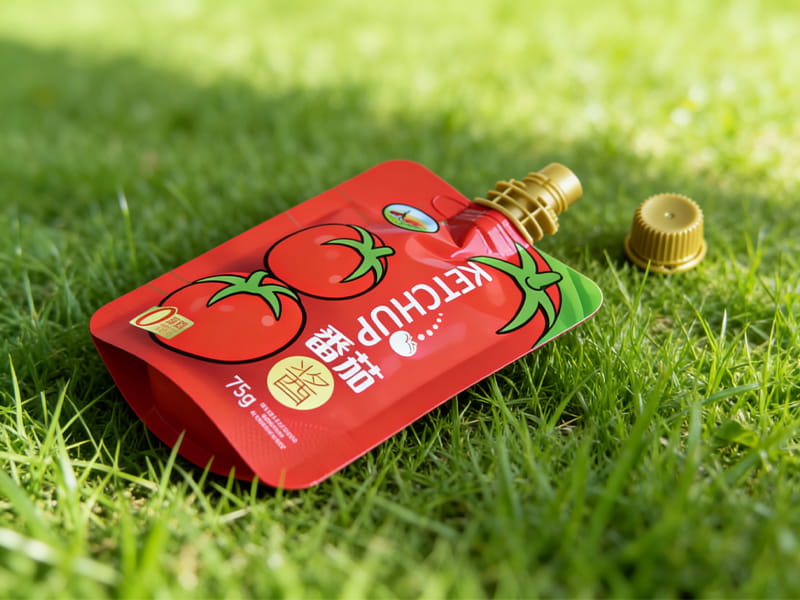
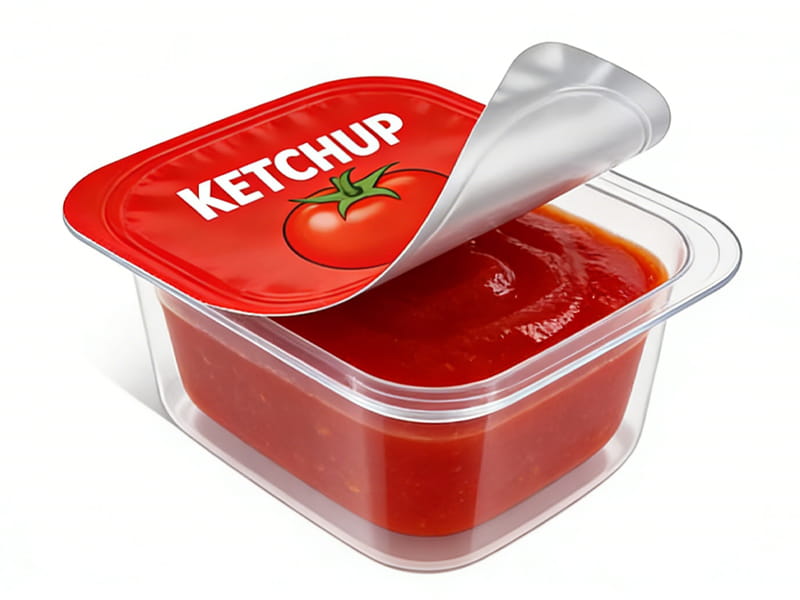
Each format has its merits: bottles and jars for reusability, sachets for convenience, pouches for light weight, and cups for on-the-go dipping. Your choice depends on the end use – a diner might prefer bottles, while a fast-food chain uses sachets and cups.
Barrier protection: Ketchup is sensitive to oxygen and moisture. To prevent spoilage, packaging often uses multi-layer laminates (plastic/foil/film) that block oxygen and water vapor. For example, a common structure is PET/AL/LDPE (polyester, aluminum foil, polyethylene) which provides excellent sealing and durability. Such materials keep ketchup stable through transport and shelf life.
Eco trends: Environmental concerns are driving new materials. Many brands are moving toward mono-material pouches (single-polymer, e.g. PE-based) which simplify recycling. Some are exploring compostable sachets made of PLA or cellulose blends. These sustainable packs must still maintain barrier and seal performance, so designers often layer compatible materials (e.g. BOPE/LDPE) that can go into conventional recycling streams.
Design considerations: On top of materials, labeling and printing are key. Most ketchup packs have FDA/EFSA labels and sometimes clear windows or brand art on flexible film. Any high-speed packing machine should handle printed film and align labels or date-codes accurately.
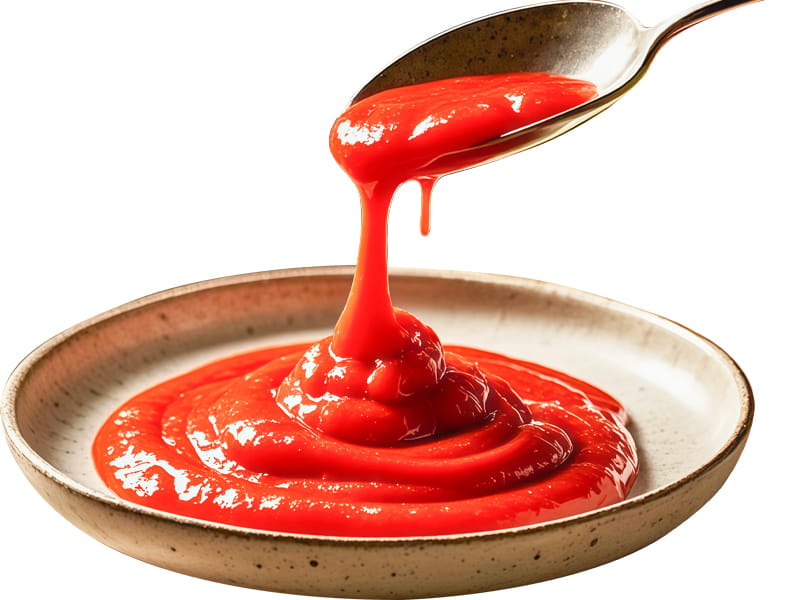
Now let’s match packaging types to machines. Specialized equipment exists for each format, and picking the right one depends on volume, product viscosity, and budget. In general:
Below is a quick summary table of factors to consider and recommended machines:
| Key Factor | What to Consider | Suitable Machine |
|---|---|---|
| Package format | Bottle, sachet, pouch, or cup? | Bottle filler (for bottles); Sachet/stick pack machine (for packs); Pillow or pouch filler (for pouches); Cup sealing machine (for cups). |
| Production volume | Small batch vs. large scale | Semi-automatic machines can work for small businesses; fully-automatic, high-speed systems are best for large factories. |
| Sauce viscosity | Thick tomato paste vs. thinner sauce | Use a powerful pump or piston filler (servo-driven) for precision with thick ketchup. |
| Shelf life needs | Short-term vs. extended storage | Consider hot-fill and nitrogen flushing for long shelf-life packaging. |
| Budget | Investment vs. ROI | Entry-level, single-lane machines cost less; multi-lane or advanced PLC-controlled machines cost more but boost output. |
Choose the machine that fits both your pack format and processing needs. For instance, an 8-lane stick pack machine can produce ~300 thick-sauce sachets per minute, which is great for high-volume fast-food supply. A small kiosk or test kitchen might start with a tabletop semi-auto sachet filler instead.
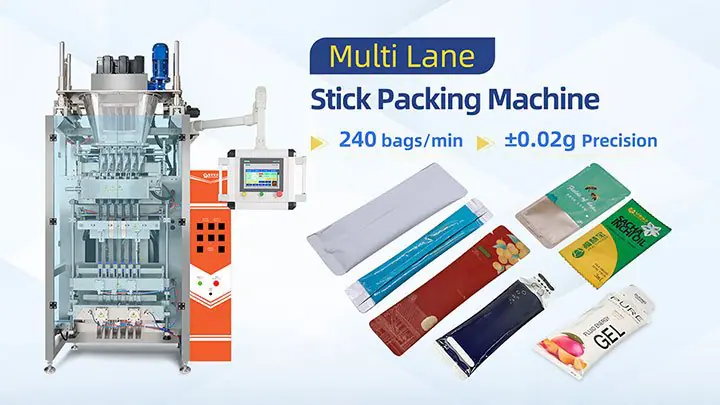
An automated stick (sachet) packaging machine in action, forming and sealing multiple sachets of sauce. Each sachet is filled with the exact dose of ketchup before cutting.
Stick pack (or sachet) machines are a cornerstone of ketchup packaging. They handle anything from 3-sided seal sachets to long narrow “stick” pouches. The basic cycle is: film from a roll is formed into a tube (each lane makes one sachet width), ketchup is dosed into the tube, and heat-seal jaws clamp and cut the filled pouch. Modern machines often have multiple lanes in parallel – for example, an 8-lane stick pack machine can yield 300–320 sachets per minute, and even bigger models with 10–20 lanes exist. This high throughput is ideal when making thousands of small ketchup sachets or tomato sauce packets per hour.
Advantages of sachet/stick packs include perfect portion control (every customer gets the same amount), minimal waste, and hygienic single-use serving. Customers simply tear or cut open a sachet. For fast-food chains and airlines, sachet machines are indispensable. For example, a machine could produce tomato sauce sachets or catsup sachets for a restaurant chain or a ketchup brand launching trial-size samples.
A few tips on sachet machines:
Using a stick pack machine is straightforward once set up. Operators input bag length and dose via a PLC touchscreen. The machine’s film tracking sensor ensures printed logos and product info line up on each sachet. In short, sachet packaging machines turn your roll film into neat ketchup packets at impressive speed – a must for bulk production of ketchup in sachets.
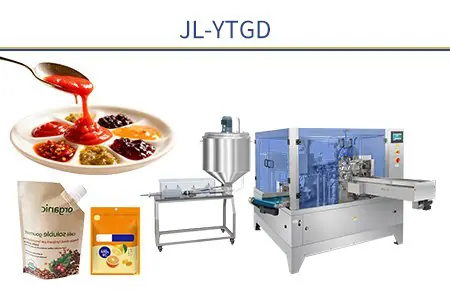
Premade pouches (especially stand-up and spouted pouches) are another growing segment. These are particularly popular for larger servings of sauce or eco-friendly packaging. With a premade pouch filler: pre-made pouches are fed in, opened, filled, then sealed or capped. They can handle zippers, spouts, or printed bags.
For instance, some machines take spouted ketchup pouches: they open the spout, fill paste, apply a clamp or twist cap, and seal. Others fill and seal stand-up laminated pouches. A key benefit is versatility – you can source specialized pouches (like those with collars) and the machine just concentrates on filling and sealing. This is ideal if your brand has a unique pouch design.
Pouch machines are usually high-speed and precise. They often include a degassing step after filling (venting air) before final sealing, which is useful if the sauce was hot-filled or if you flush the headspace with nitrogen for shelf life. Well-known examples include doypack (stand-up bag) packaging machines and spout-cap fillers.
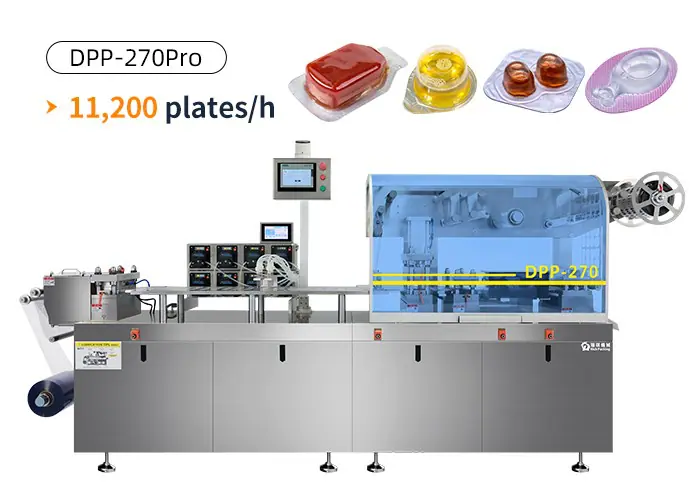
For products like single-serve ketchup cups (often called blister packs), a cup filling and sealing machine is used. This is a specialized rotary machine: molds or picks up small plastic cups, fills each with ketchup (usually by piston or pump), then indexes to a heat-sealer that applies a foil or laminated lid. The machine then ejects sealed cups onto a conveyor.
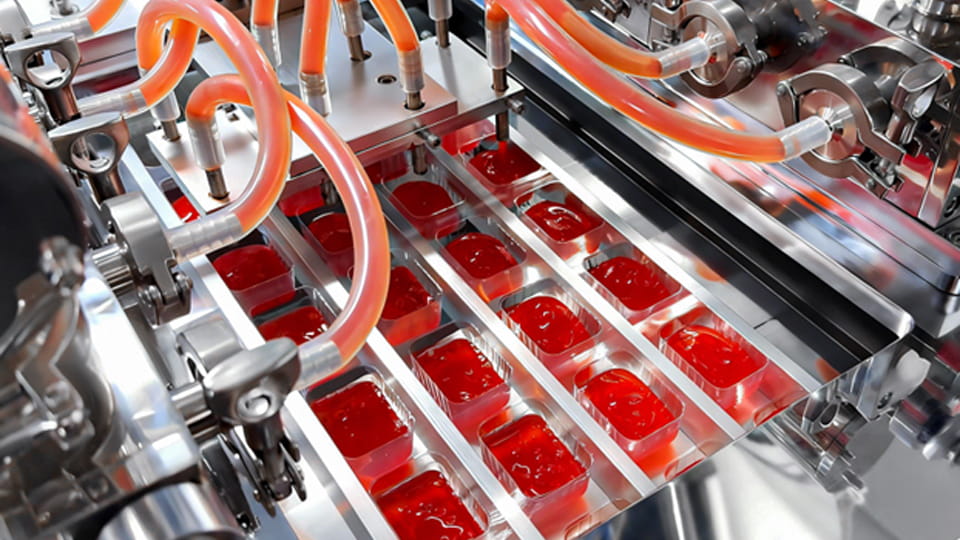
These machines deliver high hygiene and high speed. Imagine a fast-food chain packing thousands of 10 mL ketchup dipping cups per hour – a blister pack machine can do that. They typically allow selecting cup size and dose on a touch screen, and can incorporate conveyor indexing so filled cups move automatically.
Key points for ketchup blister machines:
If your operation produces restaurant-sized condiment packs or salad bar kits, a cup/blister filler-sealer is ideal. It turns films into thousands of neatly sealed ketchup cups per hour, keeping each portion sterile until use. This is the “Ketchup Blister Packing Machine” solution for mass-producing individual sauce servings.
[jl_youtube src=”https://www.youtube.com/embed/F4v5O4Vr_ic”]
Choosing the right packaging and machine can transform your product line. Whether you need ketchup sachet filling machines, ketchup pouch pack machines, or an automated cup sealer, the key is to match the machine to your product’s needs. Think about the package style your customers expect and then ensure your machine handles the sauce’s thickness and desired output.
If you’re looking for customized ketchup packaging solutions, reach out for a quote. A packaging engineer can recommend the best machine – multi-lane sachet machine, single-lane form-fill-seal, or blister pack line – and help you set up your production.
Have questions or need pricing? Contact our team today for expert advice and a quote on the perfect ketchup packaging equipment.
Ketchup packaging refers to the methods and materials used to store, protect, and distribute ketchup products. It is important because ketchup is a viscous and oxygen-sensitive product that requires airtight, leak-proof packaging to maintain freshness, hygiene, and shelf life.
The most common types of ketchup packaging include sachets, stick packs, bottles, pouches, and blister cups. Sachets are widely used in fast food, while bottles and pouches are popular in retail. Each format is selected based on usage scenarios, portion size, and distribution channels.
A ketchup sachet is a small, sealed packet made from plastic film or foil, typically used for single servings. It is commonly used in restaurants, takeaways, airlines, and food delivery because it provides portion control and reduces contamination risks.
Ketchup sachets are typically produced using vertical form-fill-seal (VFFS) or multi-lane sachet packing machines. These machines automatically form the sachet, fill it with ketchup using a piston pump, and seal it in one continuous process.
A ketchup sachet packing machine pulls packaging film from a roll, forms it into bags, fills each sachet with a precise volume of ketchup, and then heat-seals and cuts the finished packets. This automated process ensures consistent quality and high production efficiency.
For high-volume production, ketchup sachets and stick packs are the most efficient options. Multi-lane machines can produce hundreds of sachets per minute, making them ideal for large-scale food service and fast-food supply chains.
Ketchup packaging commonly uses laminated materials such as PET/PE, OPP/CPP, and aluminum foil composites. These materials provide strong barrier protection against oxygen and moisture, ensuring product stability and longer shelf life.
A ketchup pouch pack is a flexible packaging format that can hold larger volumes compared to sachets. It is ideal for retail, bulk supply, and eco-friendly packaging solutions because it uses less material and reduces transportation costs.
Blister sauce packing refers to filling ketchup into small plastic cups or trays sealed with foil lids. This format is widely used for dipping sauces in fast food chains, offering convenience, hygiene, and tamper evidence.
To choose the right ketchup packaging machine, consider factors such as packaging format (sachet, pouch, or cup), production capacity, sauce viscosity, automation level, and budget. Matching the machine type to your product and market needs is key to achieving efficient and cost-effective production.
References:
1. Packet (container) — Wikipedia.
2.Degradation behavior of multilayer packaging films in the presence of a highly acidic sauce — ScienceDirect.
3.Heinz Ketchup Packaging: Innovation, Functionality, and Sustainability — Desklib.
4.All About Tomato Ketchup Sachet: Specifications, Performance, and Common Industrial Applications — alibaba.com.