
Flexible packaging refers to pouch-like containers made of thin, flexible materials (plastic films, foil, or paper) rather than rigid boxes or bottles. In plain terms, it’s packaging that bends, not breaks. These pouches are typically multi-layer laminates – for example an outer printable film, inner sealant layer, and one or more barrier layers in between – giving them strength and excellent protection. The result is a light, space-saving package. Pouch packaging is a lightweight, sealable bag made from plastic, metal foil, or paper, which makes it cost-effective and eco-friendly. Flexible pouches use far less material than rigid containers, cutting production and shipping costs. Because they weigh less, they also generate fewer greenhouse emissions during manufacture and transport.
Flexible pouches offer great barrier properties: the laminate films can block moisture, oxygen, and light to extend shelf life. They allow creative shapes and full-color graphics (often printed by flexographic printing on film). In fact, many pouches are printed via flexo presses (a fast, high-speed printing process ideal for films). All this makes flexible packaging a fast-growing format: as one industry report notes, flexible pouches “have emerged as one of the fastest-growing packaging formats” because of their convenience and sustainability.
Advantages of Flexible Packaging: Compared to cans or glass jars, flexible pouches require far less material and take up less space. This saves money and reduces waste. The shape flexibility lets brands create eye-catching packages – for example, gusseted and stand-up pouches hold large quantities and show off graphics on the front. Pouches also often include reclose zippers or easy-tear notches for consumer convenience. In short, flexible bags deliver high product protection (thanks to multi-layer films) while keeping packages light and user-friendly. Many brands see them as a sustainable choice, since pouches can cut material use and carbon emissions.
Packaging Materials: Common flexible film layers include polyethylene (PE), polyethylene terephthalate (PET), aluminum foil (Al), polypropylene (PP), and specialty barriers like EVOH or nylon. Each layer has a job: PE provides heat-sealability; PET adds strength and an oxygen barrier; aluminum foil blocks light, moisture and gases; EVOH or nylon boost oxygen barrier and puncture resistance. For example, coffee pouches often use a PET/Al foil/PE laminate – PET for durability, foil for moisture/oxygen barrier, and PE for sealing. By tailoring the film layers to your product’s needs, you get a pouch that keeps contents fresh.
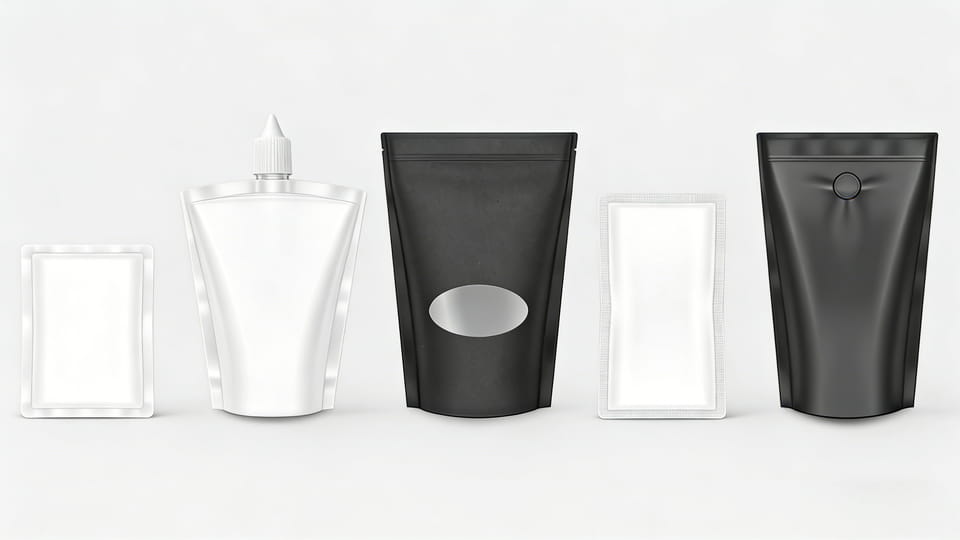
Figure: Illustration of common flexible pouch styles (pillow pouch, stick pack, spouted pouch, etc.). Flexible packaging comes in many forms. Here are the most popular pouch types you’ll encounter:
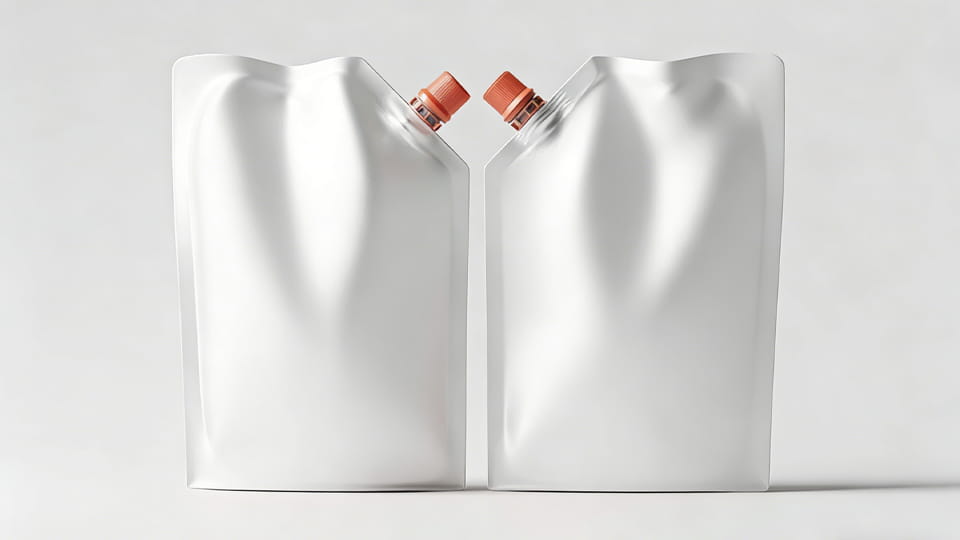
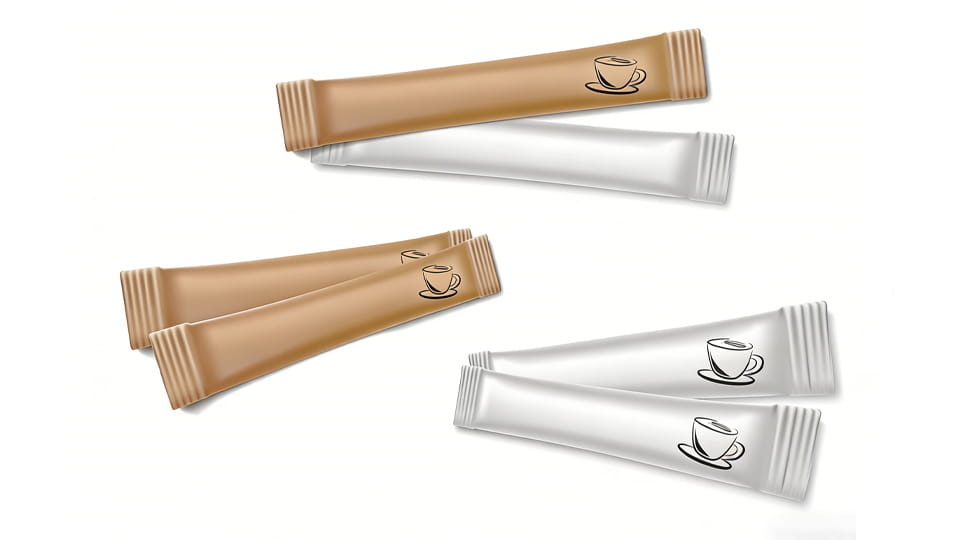
Each pouch style serves different needs. The table below summarizes the key pouch types:
| Pouch Type | Description | Common Uses |
|---|---|---|
| Stand-Up/Gusseted | Flat or expandable bottom (gussets) so pouch stands upright on shelf; often has zipper. | Coffee, pet food, snacks, grains, liquids |
| Pillow Pouch | Simple 3- or 4-side heat-sealed pouch (inflated like a pillow). Lowest cost form. | Chips, candies, powders, single-serve drinks |
| 3- or 4-Side Seal | Flat packet sealed on 3 or 4 sides. Custom sizes/shapes possible. | Sachets for spices, condiments, pharmaceuticals |
| Spout Pouch | Flexible bag with a screw cap or spout. Easy pour and reclose. | Juices, sauces, oils, baby food, detergents |
| Stick/Sachet Pack | Long, narrow stick packs or small sachets, sealed all around. Ideal for single-dose portions. | Drink mixes, sugars, salts, energy gels, meds |
| Valve/Retort/Vacuum | Specialized pouches: valve (for degassing), retort (heat-sterilizable), or vacuum (airtight). | Coffee (valve), ready meals (retort), frozen/fresh meat (vacuum) |
With so many choices, how do you pick the right pouch for your product?
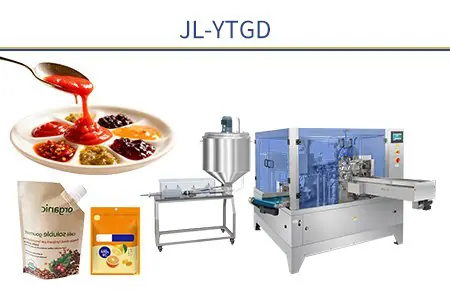
In practice, working with a flexible packaging supplier or machinery provider can help. They can suggest a film laminate and pouch format that fits your product and budget. For example, combining a form-fill-seal machine with the right combination weigher or pump gives a complete flexible packaging solution. If you’re buying equipment, Jinlu’s team can help tailor machines for your chosen pouch style.
Choosing flexible packaging is often a balance: you want the best protection and customer experience without overspending. By considering product needs (barrier, volume, ease-of-use), equipment compatibility, and brand goals (appearance, sustainability), you’ll select the pouch type that works best.
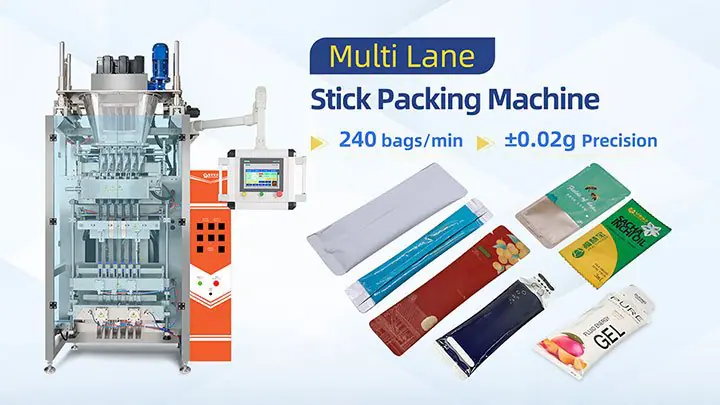
If you need machinery, remember that there are machines for all these formats. Stick/Sachet machines can dose precise amounts into narrow packs, and Premade Pouch machines can handle stand-up, pillow, gusset, zipper or spouted bags. With the right pouch and the right machine, you’ll ensure your product is safely sealed and appealing on the shelf.
Flexible packaging has established itself as a versatile, cost-effective, and sustainable alternative to rigid packaging, driven by its lightweight design, excellent barrier properties, and adaptability to diverse product needs. This guide has outlined the core definition of flexible packaging—pouch-like containers made from thin, multi-layer laminates that balance protection, convenience, and eco-friendliness—and detailed the most common pouch types, from simple pillow pouches to specialized retort and valve pouches, each tailored to specific uses. Additionally, the key factors for choosing the right flexible packaging—product characteristics, pouch style, equipment compatibility, materials, consumer convenience, regulatory compliance, cost, and sustainability—provide a actionable framework for brands looking to select the optimal solution. Ultimately, flexible packaging’s growth stems from its ability to meet both brand goals (cost savings, shelf appeal, sustainability) and consumer demands (ease of use, product freshness), making it a vital choice for industries ranging from food and beverage to pharmaceuticals and personal care. By leveraging the insights and guidelines provided, brands can effectively navigate the diverse options and select flexible packaging that enhances product value and user experience.
Flexible packaging refers to packaging made from flexible materials such as plastic films, aluminum foil, or paper laminates that can easily change shape when filled or sealed. These materials are commonly used to create bags, pouches, sachets, and wraps for various industries including food, pharmaceuticals, and chemicals. Flexible packaging is popular because it is lightweight, cost-efficient, and offers strong barrier protection against moisture, oxygen, and light, helping extend product shelf life.
The most common types of flexible pouches include:
• Stand Up Pouches
• Gusseted Pouches
• Pillow Pouches
• 3 Side Seal Pouches
• Spout Pouches
• Stick Packs or Sachets
Each type is designed for different products. For example, pillow pouches are often used for snacks and powders, while spout pouches are commonly used for liquids such as sauces or beverages.
Flexible pouch packaging can be used for a wide range of products, including:
• powders (coffee, protein powder, spices)
• granules (sugar, salt, seeds)
• liquids (juice, sauces, oils)
• tablets or capsules
• snacks and pet food
Because flexible films can include multiple barrier layers, they protect products from moisture, oxygen, and contamination while maintaining freshness during storage and transport.
Flexible packaging offers several advantages over rigid packaging such as bottles, jars, or metal cans.
Key benefits include:
• lower material consumption
• lighter weight and lower transportation costs
• better space efficiency during storage
• customizable design and branding options
• improved barrier protection for products
In fact, flexible packaging often uses significantly less material than rigid containers, helping reduce energy use and overall logistics costs.
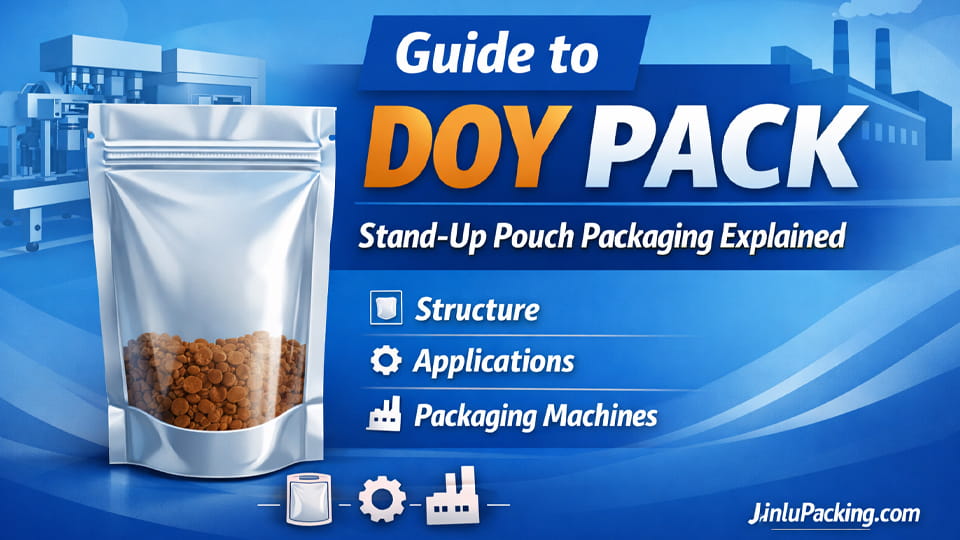
A stand up pouch is a flexible pouch with a bottom gusset that allows it to stand upright on store shelves. This design provides strong visual shelf appeal and makes it easier for consumers to store and use the product.
Stand up pouches are widely used for:
• coffee
• dried fruits
• snacks
• pet food
• powdered supplements
They often include features such as resealable zippers or tear notches to improve convenience.
The main difference lies in the structure of the pouch.
A pillow pouch is sealed on the top, bottom, and back, forming a pillow-like shape when filled. These pouches are simple and cost-effective, making them ideal for high-volume products such as chips and candies.
A stand up pouch, on the other hand, has a bottom gusset that allows the package to stand upright, making it better suited for retail shelf display.
A flexible packaging machine is equipment used to form, fill, and seal flexible packaging such as pouches, sachets, or stick packs.
These machines automate the packaging process by performing steps such as:
• pouch forming or pouch feeding
• product filling or dosing
• heat sealing
• coding and packaging discharge
Modern flexible packaging machines allow manufacturers to package products efficiently while maintaining accuracy and hygiene.
Several types of machines are commonly used in flexible packaging production:
• Vertical Form Fill Seal (VFFS) machines
• Stick pack or sachet packing machines
• Premade pouch packing machines
• Horizontal form fill seal machines
Each type of machine is designed to work with specific pouch formats and product types.
Choosing the right flexible pouch depends on several factors, including:
• product type (powder, liquid, or solid)
• required barrier protection
• shelf display needs
• packaging machine compatibility
• brand design and printing requirements
For example, powders may work well in stick packs or pillow pouches, while liquids are often packaged in spout pouches.
Flexible packaging continues to grow in popularity because it offers a combination of efficiency, sustainability, and product protection.
Compared with rigid packaging, flexible packaging:
• reduces material usage
• lowers transportation costs
• extends product shelf life
• improves shelf appeal with high-quality printing
These advantages make flexible packaging a preferred solution across industries such as food, pharmaceuticals, personal care, and chemical products.
References:
1.An Overview of The Flexible Packaging Industry – Flexible Packaging Association (FPA)
2.The Future of Flexible Packaging: Trends, Benefits & Innovations – Packaging Digest
3.Flexible Packaging Offers Several Sustainability Benefits – Packaging Strategies
4.Flexible Packaging Industry Impact Report – FlexPackVoice