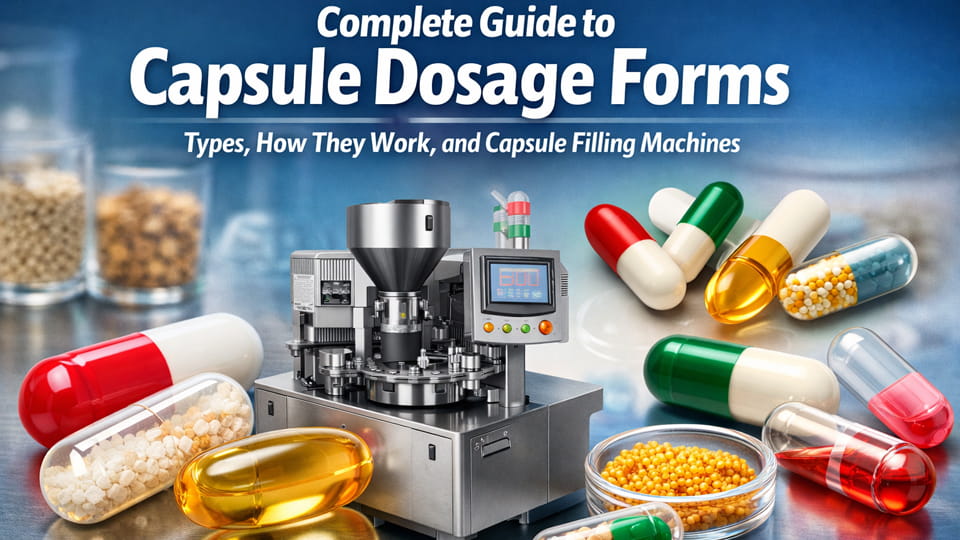
كبسولات فارغة: أنواع, عملية التصنيع, وحلول التعبئة والتغليف لإنتاج الأدوية
كبسولات فارغة: أنواع, عملية التصنيع, وحلول التعبئة والتغليف لإنتاج الأدوية
يوليو 25, 2026
لا تعليقات
قبل مناقشة مواد الكبسولة, طرق التصنيع, أو معدات التعبئة والتغليف, فمن المفيد أن نفهم ما كبسولات فارغة هي في الواقع ولماذا يتم استخدامها على نطاق واسع. من الأدوية الموصوفة إلى المغذيات والمكملات العشبية, توفر الكبسولات الفارغة لمصنعي الأدوية مرونة, دقيق, وحل الجرعة الفعال. توافقها مع تعبئة الكبسولة الآلية و خطوط التغليف كما يجعلها جزءًا أساسيًا من الإنتاج الصيدلاني الحديث. سواء كنت تختار كبسولات الجيلاتين الفارغة, تقييم البدائل النباتية, أو التخطيط لخط تعبئة الكبسولات الجديد, سيساعدك فهم الأساسيات على اتخاذ قرارات أفضل بشأن الإنتاج والشراء.
ما هي الكبسولات الفارغة?
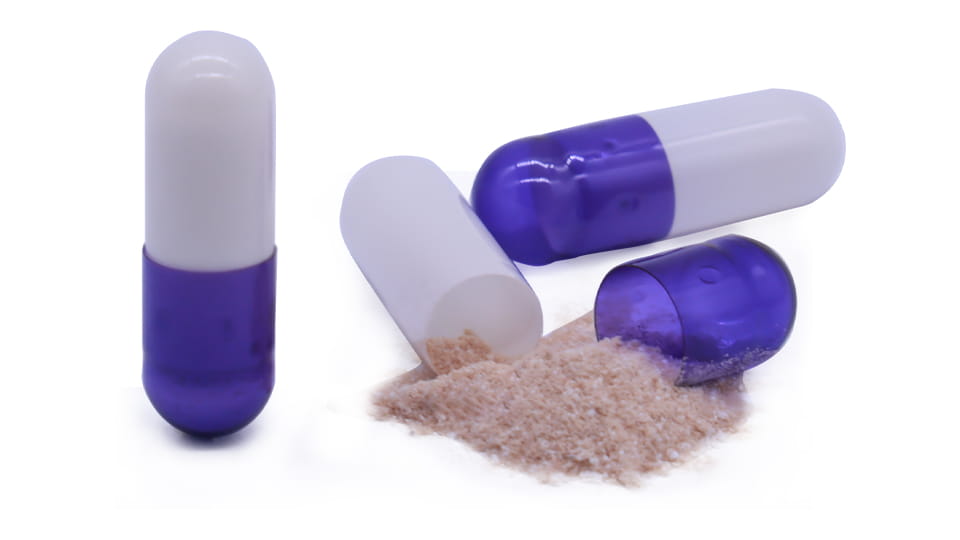
في التصنيع الصيدلاني, كبسولات فارغة (وتسمى أيضًا الكبسولات الفارغة أو كبسولات الحبوب الفارغة) هي القذائف المجوفة الأساسية المستخدمة لإنشاء الفم أشكال الجرعات. أنها بمثابة حاويات للمساحيق, حبيبات أو كريات من الأدوية والمكملات الغذائية. تتكون الكبسولة الفارغة عادة من جزأين رئيسيين - الغطاء والجسم - اللذان يتناسبان مع حجمهما قفل معا لتشكيل قذيفة مغلقة. (الغطاء هو النصف العلوي الأقصر, والجسم هو النصف السفلي الأطول.) تتضمن تصميمات الكبسولة الحديثة أ آلية القفل (مثل مطابقة الحلقات المفاجئة أو الأخاديد الموجودة على الغطاء والجسم) لضمان بقاء الكبسولة مغلقة بإحكام بعد ملئها. وهذا يمنع الكبسولة من الفتح عن طريق الخطأ أثناء المعالجة, الشحن أو المناولة.
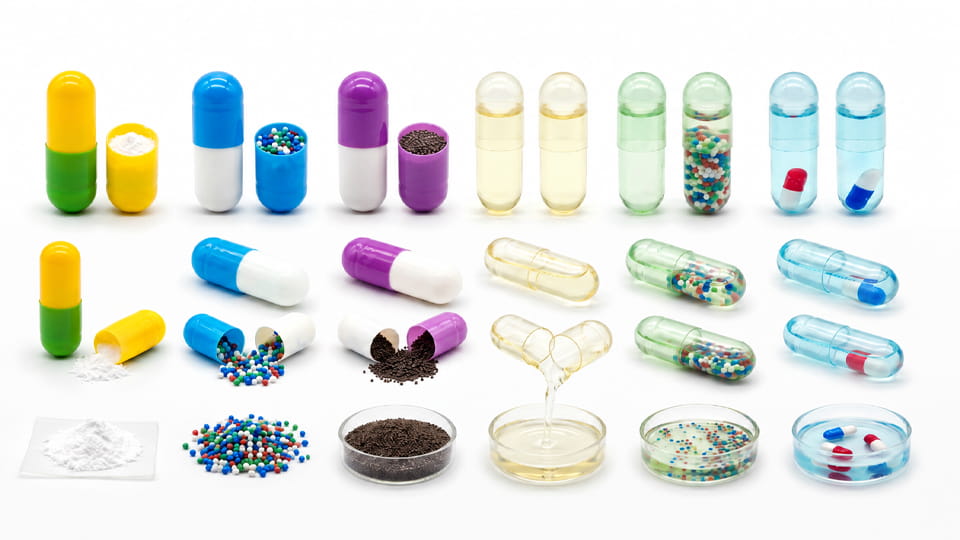
كبسولات فارغة مكونة من قطعتين (قذيفة الجيلاتين) ومسحوق للحشوة
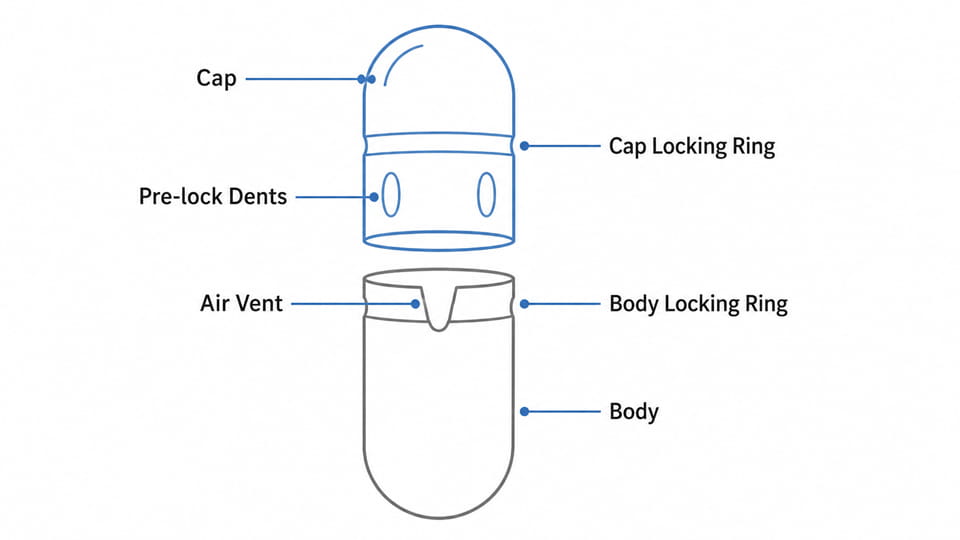
في الممارسة العملية, كبسولات فارغة بمثابة مريحة "سفينة فارغة" للطب. عادة ما تكون مصنوعة من الجيلاتين أو المواد النباتية, ويتم تحميلها واجهة برمجة التطبيقات أو المكملات الغذائية أثناء الإنتاج. بعد التعبئة, يتم ربط الغطاء والجسم معًا للحفاظ على المحتويات آمنة. تحت المجهر, يمكنك رؤية غطاء كبسولة, جسم الكبسولة, وغالبًا ما تكون حلقة متشابكة أو المفاجئة المزدوجة التصميم عند الانضمام (كما هو موضح أدناه):
كاب كبسولة: الأقصر, نهاية مغلقة تناسب الجسم. ويغطي الطرف المفتوح من الجسم بمجرد إغلاقه.
جسم الكبسولة: الأنبوب المجوف الأطول ذو نهاية مغلقة ونهاية مفتوحة. يحمل جرعة الدواء أو الملحق.
آلية القفل: تحتوي العديد من الكبسولات الحديثة على واحدة أو اثنتين صغيرتين حلقات المفاجئة أو الأخاديد مصبوبة على الغطاء والجسم. عندما تكون الكبسولة مغلقة, تتشابك هذه الحلقات, الحفاظ على الغطاء مثبتًا بقوة. وهذا يمنع فصل الغطاء عن الجسم الناتج عن الضغط الداخلي (على سبيل المثال. من الهواء المحبوس أثناء التعبئة) أو التعامل القاسي. بدون خاصية القفل, يمكن أن تنفتح الكبسولات بعد ملئها, الأمر الذي من شأنه أن يفسد الجرعة ويعطل الإنتاج.
رسم تخطيطي لهيكل الكبسولة
في ملخص, الكبسولة الفارغة عبارة عن غلاف جاهز للملء يتكون من غطاء وجسم يتم نقرهما أو قفلهما معًا. تتميز هذه الأصداف الصلبة بالمرونة الكافية للتجميع ولكنها صلبة بما يكفي لتحمل خطوط التعبئة والتغليف عالية السرعة. أنها تأتي مجمعة مسبقًا أو كأغطية وأجسام فضفاضة (غالبًا ما يتم توفيره في صواني كبيرة الحجم), ويتم تعبئتها في مراحل منفصلة في النبات.
أنواع الكبسولات الفارغة المستخدمة في الأدوية
هناك عدة أنواع من الكبسولات الفارغة, تتميز بشكل رئيسي بها مادة القشرة. الأكثر شيوعا هي:
كبسولات الجيلاتين: هذه هي الكبسولات الصلبة الكلاسيكية المصنوعة من الجيلاتين (الكولاجين الحيواني). لقد تم استخدامها لعقود من الزمن في الصيدلة. قشور الجيلاتين شفافة وتحتوي على نسبة رطوبة تتراوح بين 12-16%. وهي عموماً غير مكلفة وتذوب بسرعة في المعدة. لكن, الجيلاتين مشتق من الحيوانات, والتي قد تكون مصدر قلق للنباتيين أو مجموعات دينية معينة. كبسولات جيلاتينية كما أنها حساسة للرطوبة (جاف جدًا -> هش, رطب جدًا -> لزجة).
HPMC (هايبروميلوز) كبسولات: مصنوع من هيدروكسي بروبيل ميثيل السليلوز (السليلوز النباتي), كبسولات HPMC نباتي / صديق للنباتيين. أنها تحتوي عادة على كمية أقل من الماء (حوالي 4-7٪ رطوبة), مما يجعلها أكثر استقرارًا للتركيبات الحساسة للرطوبة. وهذا يعني أيضًا أن أغلفة HPMC تظل أقل هشاشة عند تخزينها. غالبًا ما تتطلب كبسولات HPMC عامل التبلور (مثل الكاراجينان) أو غمس أكثر سخونة من الجيلاتين, لكنهم يتجنبون استخدام المنتجات الحيوانية. فهي خيار ممتاز للعملاء الذين يحتاجون ""كبسولات نباتية"".
كبسولات pullulan: بولولان هو عديد السكاريد الطبيعي (من التابيوكا) والتي يمكن أن تشكل طبقة تشبه الجيلاتين. كبسولات بولولان هي أيضًا نباتية وتحتوي على نسبة رطوبة منخفضة جدًا, بالإضافة إلى حاجز الأكسجين العالي (أفضل لحماية واجهات برمجة التطبيقات الحساسة). يتم استخدامها في المغذيات والتطبيقات المتخصصة.
النشا وكبسولات الخضروات الأخرى: وهناك أيضًا كبسولات مصنوعة من النشا المعدل (على سبيل المثال. نشا الهيدروكسي بروبيل) أو البوليمرات الأخرى. هذه أقل شيوعًا ولكنها تناسب الأسواق المتخصصة (على سبيل المثال. الوجبات الغذائية الخالية من الغلوتين أو باليو).
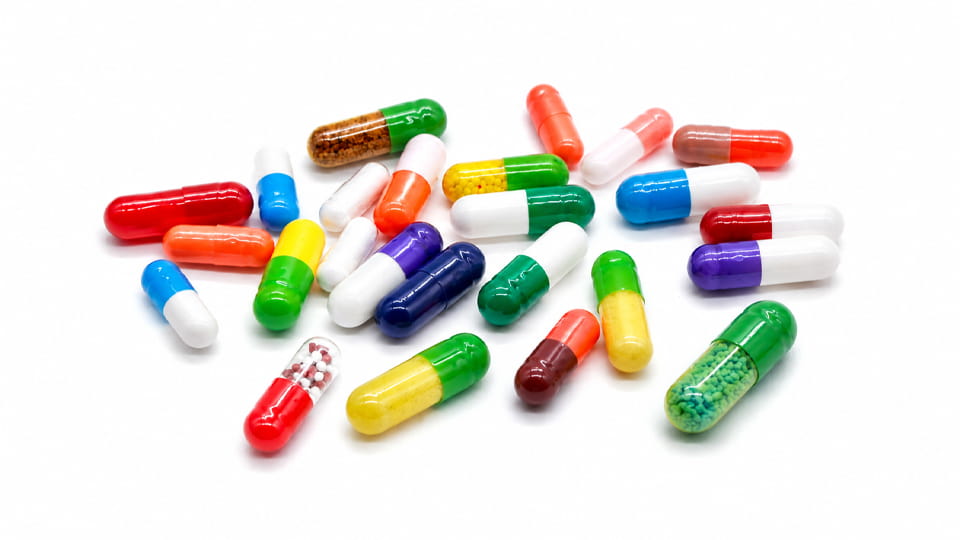
لقد توسعت صناعة الأدوية الحديثة إلى ما هو أبعد من الجيلاتين الحيواني. "مع تقدم العلوم والتكنولوجيا, أدت المواد الجديدة وتحسينات العملية إلى تطوير كبسولات فارغة مصنوعة من HPMC, نشا الهيدروكسي بروبيل, و بولولان, بالإضافة إلى الجيلاتين". في الممارسة العملية, عندما يطلب أحد "كبسولات الجيلاتين الفارغة", وهي تعني عادةً كبسولات صلبة مكونة من قطعتين من المادة الشائعة. لكن موردي الكبسولات اليوم يقدمون كلا الأمرين الجيلاتين وHPMC (نباتي) كبسولات في مجموعة من الألوان والأحجام لتلبية الاحتياجات المختلفة. (عند الطلب, قد تراهم يطلق عليهم أيضًا كبسولات حبوب فارغة, كبسولات الدواء الفارغة, أو قذائف كبسولة فارغة.)
كل مادة لها إيجابيات وسلبيات. الجيلاتين تقليدي, منخفض التكلفة ويذوب بسهولة, ولكنها ليست مناسبة للنباتيين الصارمين. تكلف HPMC والخيارات النباتية الأخرى أكثر قليلاً ولكنها تناسب قواعد المستهلكين الأوسع. يتمتع بولولان بحماية جيدة جدًا من الرطوبة, والتي يمكن أن تحسن العمر الافتراضي لبعض الأدوية أو المكملات الغذائية.
أحجام الكبسولة الفارغة
كبسولات فارغة تأتي في مجموعة من الأحجام لاستيعاب أحجام الجرعات المختلفة. يتم ترقيم الأحجام القياسية من 000 (الأكبر) وصولا الى 5 (الأصغر). مقاس 000 كبير جدًا – حوالي 1.37 مل الحجم الداخلي - بينما الحجم 5 صغير (~0.21 مل). اختيار الحق حجم كبسولة يعتمد على ملء الوزن وكثافة المسحوق أو الحبيبات:
مقاس 000 و 00 (الأكبر): تحتوي هذه الكبسولات الكبيرة على ما يقرب من 500-800 مجم من المسحوق منخفض الكثافة. غالبًا ما يتم استخدامها للمكملات الغذائية السائبة أو المستحضرات الصيدلانية التي تتطلب جرعات كبيرة (على سبيل المثال, بعض التركيبات البيطرية أو الغذائية).
مقاس 0 و 1: هذه هي الأحجام الأكثر شيوعًا في الأدوية البشرية. مقاس 0 (~500 ملجم) والحجم 1 (~ 400 ملغ) تعمل بشكل جيد مع العديد من الأدوية متوسطة القوة.
الحجم 2-5 (الأصغر): أحجام الكبسولات 2 (~ 300 ملغ) خلال 5 (~120 ملغ) تستخدم للأدوية القوية (عندما تكون هناك حاجة إلى حجم صغير فقط) أو تركيبات الأطفال. على سبيل المثال, قد يتم جرعات واجهات برمجة التطبيقات (APIs) القوية للغاية من حيث الحجم 3-5 كبسولات لإبقاء الحبة صغيرة.
عادةً ما يتم توفير حجم التعبئة لكل حجم من قبل الشركة المصنعة للكبسولة. على سبيل المثال, يظهر الرسم البياني القياسي أحجام الكبسولة من 1.37 مل (مقاس 000) وصولا الى 0.21 مل (مقاس 5). يتوافق هذا الحجم مع وزن معين بناءً على كثافة المسحوق. في الحقيقة, طاولة 2.1 في مرجع صيدلاني يسرد الأحجام والأوزان التقريبية لمختلف الأحجام بناءً على كثافات استغلالية نموذجية. عند صياغة, يقوم المصنعون بحساب حجم الكبسولة المطلوبة حسب وزن الجرعة المستهدفة وكثافة المادة (كثافة مسحوق الصنبور).
التطبيقات حسب الحجم: المغذيات (مثل الفيتامينات المتعددة أو المكملات العشبية) غالبا ما تستخدم كبسولات أكبر (0 أو 000) لأنهم يحتاجون إلى إيصال كميات كبيرة من الأعشاب أو الفيتامينات. يتم تحويل العديد من الأقراص إلى كبسولات (الإفراط في التغليف للتجارب السريرية) استخدم أحجام الكبسولات القياسية 1 أو 0. على العكس, كبسولات صغيرة جدًا (المقاسات 3-5) يمكن استخدامها للأدوية عالية الفعالية, أو لسهولة بلعها من قبل الأطفال.
في ملخص, الكبسولات الفارغة متوفرة في الأحجام 000 ل 5. المبدأ التوجيهي العام هو: كلما كان الرقم أصغر, كلما كانت الكبسولة أكبر (أي. 000 هو الأكبر, 5 هو الأصغر). يوفر المصنعون وموردو الكبسولات مخططات الحجم حتى يتمكن القائمون على التركيب من اختيار كبسولة تلبي متطلبات الحجم للجرعة المقصودة. يضمن اختيار الحجم المناسب أن تحتوي كل كبسولة على الكمية الصحيحة من API للحصول على جرعات متسقة.
كيف يتم تصنيع الكبسولات الفارغة?
قذائف كبسولة صلبة فارغة (أجسام الكبسولة والقبعات) يتم إنتاجها بواسطة أ عملية طلاء تراجع. الخطوات الأساسية هي كما يلي (راجع مراجع الصيدلة السريرية للحصول على التفاصيل):
تحضير محلول الغمس: دافئة, يتم تحضير المحلول اللزج عن طريق إذابة الجيلاتين (أو HPMC) في الماء عند درجة حرارة حوالي 60-70 درجة مئوية. عادة ما يكون هذا المحلول 30-40% بوليمر بالوزن. الملدنات (مثل الجلسرين) يتم إضافتها لإعطاء مرونة القشرة, جنبا إلى جنب مع الملونات أو المعتمات إذا لزم الأمر. لكبسولات HPMC, عامل التبلور (مثل الكاراجينان أو صمغ الجيلان) قد يتم تضمينها لتشكيل فيلم ثابت.. يتم خلط المحلول وتصفيته في ظل ظروف صارمة (GMP) حتى تحصل على اللزوجة والوضوح المناسبين.
دبابيس فولاذية ذات طبقة غمس (قوالب): يتم استخدام أزواج من قوالب الدبوس المصنوعة من الفولاذ المقاوم للصدأ: مجموعة واحدة بحجم القبعات وواحدة للأجسام. يتم ترتيب المسامير على القضبان ثم يتم غمسها في محلول البوليمر الدافئ. لأن الدبابيس أكثر برودة من المحلول, يتم لصق طبقة رقيقة من الجيلاتين أو HPMC على كل دبوس. في آلة واحدة مستمرة, تشكل صفوف متناوبة من المسامير الأغطية والأجسام في وقت واحد.
الدوران والصرف: بعد الغمس, يتم رفع قضبان المسامير وتدويرها. وهذا يضمن توزيع طبقة البوليمر بالتساوي حول كل دبوس وتصريف المحلول الزائد. تتحكم سكاكين الدوران وأحيانًا الهواء في سمك جدار غلاف التشكيل. التوزيع الموحد أمر بالغ الأهمية لتحقيق الاتساق في قوة القشرة والذوبان.
تجفيف: تمر المسامير المطلية عبر غرفة تجفيف يتم التحكم فيها. دافيء (ولكن ليس حارًا جدًا) الهواء يتبخر الماء من الفيلم, ترسيخه في قذيفة مطاطية. يتم التجفيف عادة تحت رطوبة منخفضة, الشروط التي تتم مراقبتها بواسطة GMP. والنتيجة النهائية هي غلاف كبسولة فارغة (غطاء أو الجسم) على كل دبوس.
تجريد وتقليم: مرة واحدة جافة, يتم تجريد قذائف الكبسولة (سحبت) قبالة الدبابيس. يتم بعد ذلك قطع كل غلاف تلقائيًا إلى الطول الصحيح (عادة ما تكون أطوال الجسم والغطاء مختلفة). تقوم هذه الخطوة بإنشاء قطع "الغطاء" و"الجسم" النهائية ذات الأطراف المفتوحة التي ستتناسب معًا في النهاية.
الانضمام إلى الغطاء والجسم: أخيراً, يتم إدخال كل غطاء مشذب على الجسم (نوبة ضغط طفيفة جدًا) لتخزينها مؤقتًا ككبسولة فارغة كاملة. لكن, يتم شحنها وتخزينها عادةً مع أغطية وأجسام مدمجة بشكل غير محكم, غير مقفل بالكامل معًا. (إذا تم إغلاقها بإحكام شديد, سيكون من الصعب فصلها لاحقًا أثناء التعبئة.)
الطباعة والتفتيش: الطباعة الاختيارية (للشعارات أو الرموز) يمكن تطبيقها على الكبسولات المرتبطة. أخيراً, يتم فحص الكبسولات (في كثير من الأحيان عن طريق أنظمة الرؤية الآلية) للعيوب (على سبيل المثال. رقائق, خارج اللون, حجم خاطئ) ومن ثم معبأة (في كثير من الأحيان في الصواني أو الدلاء) تحت الرطوبة الخاضعة للرقابة (حوالي 40-50% رطوبة نسبية) للحفاظ على محتواها من الرطوبة.
جميع خطوات التصنيع هذه مؤتمتة ويتم التحكم فيها عن كثب من أجل الجودة. في الحقيقة, يلخص دليل تصنيع الكبسولة المنشور هذه المراحل: "خطوة 1: تحضير محلول الجيلاتين; خطوة 2: طلاء تراجع على دبابيس معدنية; خطوة 3: دوران المسامير المغلفة; خطوة 4: تجفيف الدبابيس المغلفة; خطوة 5: تجريد وتقليم; خطوة 6: الانضمام إلى قذيفة الكبسولة المشذبة; خطوة 7: الطباعة". (خطوة الطباعة: بعد التجميع, غالبًا ما تتم طباعة الكبسولات برموز المنتج أو الشعارات, ثم فحصها وتعبئتها.)
طوال هذه العملية, شاسِع ضبط الجودة يتم إجراء الشيكات (قوة زهر الجيلاتين, اللزوجة, الحدود الميكروبية, إلخ.) لضمان قذائف موحدة. يمكن لخطوط الكبسولات الحديثة أن تصنع ملايين الأصداف يوميًا, مع وزن وأبعاد متناسقة للغاية.
كيفية اختيار الكبسولات الفارغة المناسبة
عند اختيار نوع الكبسولة وحجمها, فكر أولاً في العنصر النشط والتركيبة, ثم طريقة الإنتاج.
اختر حسب المكون/التركيبة:
واجهات برمجة التطبيقات الحساسة للرطوبة أو الاسترطابية: اذهب مع قذائف منخفضة الرطوبة. عادةً ما يكون HPMC هو الخيار الأفضل (HPMC > بولولان > الجيلاتين لحاجز الرطوبة). على سبيل المثال, البروبيوتيك, يجب أن تستخدم الإنزيمات أو المساحيق المائعة HPMC أو بولولان لتقليل امتصاص الرطوبة.
المكونات الزيتية أو السائلة: الكبسولات الجيلاتينية الطرية هي المعيار. للقذائف الصلبة, يعتبر HPMC أو pullulan أفضل لأنهما يقاومان الزيوت ويوفران حماية خاملة.
مساحيق أو حبيبات بجرعات عالية: قد تحتاج إلى أحجام كبسولات أكبر (00 أو 000) لتناسب الجرعة. يمكن لكبسولات الجيلاتين التعامل مع الحشوات الكبيرة, لكن قذائف HPMC و pullulan الكبيرة متوفرة أيضًا.
متطلبات نباتية/خالية من مسببات الحساسية: استخدم HPMC أو كبسولات بولولان, التي لا تحتوي على الجيلاتين الحيواني. الجيلاتين غير مناسب للنباتيين الصارمين, النباتيين أو بعض الأنظمة الغذائية الدينية.
سرعة الافراج: إذا كنت بحاجة إلى تفكك سريع جدًا (على سبيل المثال. دواء سريع الإصدار), الجيلاتين أسرع قليلاً من HPMC. إذا كان الإطلاق المتحكم فيه/المتأخر مقبولاً, HPMC أو حتى المغلفة المعوية من الممكن استخدام كبسولات.
اختر حسب المعدات والمقياس:
دفعات صغيرة / ص&د: تعبئة الكبسولة يدوياً (محمل يدوي أو آلة منضدية صغيرة) غالبًا ما يستخدم لتطوير التركيبة أو الإنتاج بكميات صغيرة. يمكنها ملء بضع مئات من الكبسولات في كل مرة باستخدام لوحة الكبسولات أو الضغط البسيط.
إنتاج متوسط:حشوات الكبسولة شبه الأوتوماتيكية (عادة 100-400 لوحة ثقب) يمكنه معالجة آلاف الكبسولات في الساعة. فهي تجمع بين الخطوات اليدوية والمساعدة الميكانيكية. إنها تتطلب وقت تشغيل أقل من تلك اليدوية بالكامل ولكنها تتمتع بإنتاجية معتدلة.
إنتاج بكميات كبيرة: بالكامل آلات تعبئة الكبسولة الأوتوماتيكية تستخدم في النباتات التجارية. تتمتع هذه الآلات بقدرات تخزين كبيرة ويمكنها ملء عشرات الآلاف إلى مئات الآلاف من الكبسولات في الساعة. على سبيل المثال, يمكن للحشو الأوتوماتيكي NJP-7800D من Jinlu Packing التعامل مع ما يصل إلى 468,000 كبسولات في الساعة (الأحجام 000-5). تتميز هذه الآلات بالتحكم المؤازر عالي الدقة, أشرطة متعددة الحجم, وتصميم GMP مع جمع الغبار. عند التخطيط لخط إنتاج كبير, دمج [آلة تعبئة الكبسولة الأوتوماتيكية] أو كاملة [خط إنتاج تعبئة الكبسولة] (مع تلميع, مراحل التفتيش والتعبئة والتغليف) يمكن أن تعظيم الكفاءة.
في ملخص, اختر مادة الكبسولة التي تناسب واجهة برمجة التطبيقات الخاصة بك (استقرار, الاحتياجات الغذائية) ثم اختر حجم الكبسولة المناسب لجرعتك. تأكد أيضًا من التوافق مع معدات التعبئة الخاصة بك (دليل مقابل. تلقائي). حشوات الكبسولات الحديثة (مثل تلك من جينلو) تم تصميمها للتعامل مع جميع أنواع الكبسولات القياسية. على سبيل المثال, تظهر الاجهزة المختبرة أن الجيلاتين, تعمل جميع قذائف HPMC و pullulan بسلاسة على نفس الآلات عالية السرعة.
التطبيقات الشائعة للكبسولات الفارغة
تستخدم الكبسولات الفارغة في العديد من الصناعات. وتشمل التطبيقات الرئيسية:
المستحضرات الصيدلانية: تستخدم على نطاق واسع للوصفات الطبية والأدوية عن طريق الفم OTC (مسكنات الألم, المضادات الحيوية, مضادات الالتهاب, إلخ.) حيث تكون المكونات النشطة مسحوقة أو حبيبية. كبسولات الجيلاتين شائعة بشكل خاص, ولكن يمكن استخدام HPMC أو بولولان للأدوية المتخصصة. تشير جيليتا إلى أن "كبسولات الجيلاتين الصلبة مثالية للحشوات المسحوقة أو المحببة", السماح بجرعات دقيقة من الأدوية.
المكملات الغذائية: الفيتامينات, غالبًا ما يتم تغليف المعادن والخلطات الغذائية. يتم استخدام كل من الكبسولات الجيلاتينية والنباتية, اعتمادا على تفضيلات المستهلك. غالبًا ما يختار صانعو المكملات أشكال الكبسولات للمستخلصات العشبية, مساحيق مضادة للأكسدة, ومجمعات الفيتامينات.
المنتجات العشبية / الطبيعية: تُباع العديد من العلاجات العشبية والنباتية في شكل كبسولات. تساعد قشرة الكبسولة الخاملة على إخفاء الطعم وحماية المغذيات النباتية الحساسة. بالنسبة لبعض الأعشاب التي تحتوي على الألدهيدات أو العفص, قد يفضل المنتجون HPMC أو pullulan لتجنب مشاكل الارتباط المتبادل في الجيلاتين.
زيوت: المكملات الغذائية القائمة على النفط (زيت السمك, زيت زهرة الربيع المسائية, إلخ.) في بعض الأحيان استخدام المعدلة كبسولات صلبة أو كبسولات هلامية. تستخدم كبسولات الزيت النباتي HPMC أو "كبسولات هلامية نباتية" مُصممة خصيصًا. الكبسولات الصلبة الفارغة للزيوت أقل شيوعًا, لكن يمكن لـ HPMC تغليف أشكال مسحوق الزيوت أو الحبيبات المحتوية على الزيت.
البروبيوتيك: تستفيد منتجات التربية الحية من HPMC أو أصداف بولولان بسبب حمايتها الفائقة للرطوبة. بولولان, بخاصة, يُلاحظ أنه يحافظ على بكتيريا البروبيوتيك قابلة للحياة لفترة أطول عن طريق منع الأكسجين.
الطب البيطري: يتم أيضًا إنتاج المكملات الغذائية أو الأدوية الخاصة بالحيوانات الأليفة والماشية على شكل كبسولات. (على سبيل المثال, تستخدم كبسولات الجيلاتين كبيرة الحجم في أدوية الخيول أو الماشية.) يتم استخدام كل من كبسولات الجيلاتين والخضروات في التطبيقات البيطرية, على غرار فارما الإنسان.
التغذية الرياضية: خلطات البروتين, الكرياتين, غالبًا ما تأتي مكملات ما قبل التمرين وبعد التمرين في شكل كبسولة (على سبيل المثال. "حبوب ما قبل التمرين"). تعتبر راحة الكبسولة والإطلاق السريع أمرًا جذابًا لمستهلكي اللياقة البدنية.
توضح هذه الأمثلة مدى تنوع الكبسولات الفارغة. إنها صيغة جرعة عالمية لأي منتج مسحوق أو حبيبي يحتاج إلى البلع بجرعة محددة.
تعبئة يدوية: أبسط طريقة تستخدم لوحة ملء الكبسولة. يمكنك فصل الكبسولات يدويًا, املأ الجثث بالمسحوق (باستخدام ملعقة أو قمع), ثم انضم إلى القبعات باليد. وهذا يتطلب عمالة كثيفة للغاية ولا يناسب إلا المختبرات الصغيرة (عشرات أو مئات الكبسولات).
تعبئة نصف أوتوماتيكية: آلات نصف آلية (دوارة أو على شكل لوحة) أتمتة جزء من العملية. يقوم المشغل بتحميل الكبسولات الفارغة في لوحة التعبئة (أو قادوس), تقوم الآلة بمحاذاة الغطاء/الجسم وفصلهما, وتمتلئ الأجسام بالمسحوق عن طريق الدك والنشر. ثم يتم وضع القبعات في الأعلى وإغلاقها (في كثير من الأحيان عن طريق القضبان الدوارة). يمكن للحشوات شبه الأوتوماتيكية إنتاج آلاف الكبسولات في الساعة بأقل جهد.
CGN-208D حشو الكبسولة الأوتوماتيكية شبه
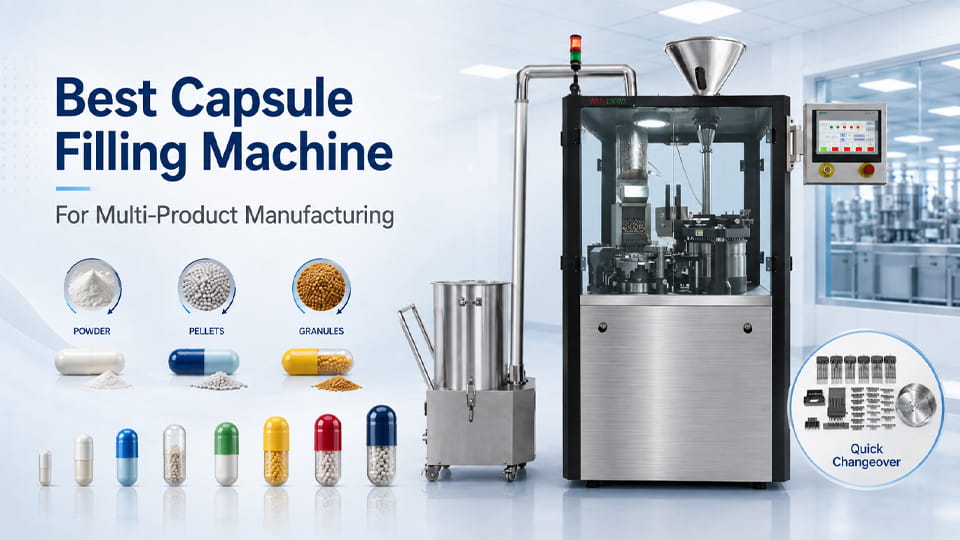
تعبئة تلقائية: يتم استخدام آلات الكبسولة الأوتوماتيكية بالكامل للإنتاج على نطاق واسع. أنها أتمتة التغذية (اتجاه القبعات / الهيئات), تعبئة المسحوق, الكامة والختم. يمكن للآلات الحديثة التعامل مع أي نوع من القشرة الصلبة. على سبيل المثال, إن NJP-3800D من Jinlu عبارة عن آلة تعبئة كبسولات أوتوماتيكية يمكنها تحقيق ما يصل إلى 228,000 كبسولات/ساعة. غالبًا ما تتضمن هذه الأنظمة عالية الإنتاجية ميزات مثل الجرعات التي يتم التحكم فيها مؤازرًا للحصول على وزن تعبئة دقيق, مزالق برج متعددة الحجم, استخراج الغبار, والتكامل مع جهاز تلميع الكبسولة ومعدات الفحص. تضمن الحشوات عالية السرعة الإنتاج السريع والجرعات المتسقة.
جهاز ملء كبسولة NJP-3800D
في جميع طرق التعبئة, يتم إيلاء عناية خاصة للمساحيق الخفيفة جدًا أو اللزجة (معززات التدفق, تشحيم). جمع الغبار والتحكم الكهروستاتيكي (المؤينات) مهمة لسلامة المشغل ودقة التعبئة. للعمليات الكبيرة, تعد آلات تعبئة الكبسولات جزءًا أساسيًا من سلسلة العملية - فهي تحول "الكبسولات الفارغة" إلى منتجات نهائية على نطاق واسع.
ماكينات تعبئة الفقاعات: هذه الآلات تشكل بثور (أكياس من الألومنيوم والبلاستيك أو الألومنيوم والألومنيوم), املأ كل تجويف بالكبسولات, ثم ختم وقطع البثور. غالبا ما يستخدم هذا ل التعبئة والتغليف لوحدة الجرعة من الكبسولات. يمكن أن تظهر الخطوط البثورية الحديثة بسرعة كبيرة، على سبيل المثال, آلات نفطة عالية السرعة يمكن تحقيق النواتج حولها 10,000 - 11,000 بثور (مع كبسولات) كل ساعة. جينلو دي بي بي-270 ماكس, على سبيل المثال, تم تصنيفه بما يصل إلى 11,200 بثور/ساعة ويتعامل مع المواد مثل فيلم PVC/Alu. تحظى عبوات الفقاعة بشعبية كبيرة للحفاظ على نظافة الجرعات الفردية, العبث واضح, ومحمية من الرطوبة. تتضمن الآلات عادة التشكيل, تغذية الكبسولات, ختم, وقطع يموت في سطر واحد.
خطوط تعبئة وتغطية الزجاجات: للكبسولات المعبأة في زجاجات, تتضمن العملية تفكيك الزجاجات, عد وملء الكبسولات في كل زجاجة, إضافة أي المجففة أو قطن, السد, ووضع العلامات. آلات عد الكبسولات (حشو العد التلقائي) يقوم تلقائيًا بحساب وتوزيع أعداد دقيقة من الكبسولات. على سبيل المثال, يمكن لآلة تعبئة عد الكبسولات JL-16C من Jinlu معالجة الإنتاج الكبير من الكبسولات السائبة في زجاجات. تضمن هذه الأنظمة حصول كل زجاجة على العدد الدقيق, وغالبًا ما يقومون بدمج آلات السد ووضع العلامات. (قد يبدو الخط بأكمله: أداة فك الزجاجة -> عداد الكبسولة -> مُدخل المجففة -> كابر -> واضع العلامات -> كرتون/مغلف.)
الكرتونة والتغليف الثانوي: بعد ملء البثور أو الزجاجات وإغلاقها, يتم وضعها عادةً في علب كرتونية أو يتم تشكيل علب كرتونية تلقائيًا حول الشرائط. ماكينات صناعة الكرتون صناديق منتصبة, أدخل بثور أو زجاجات, وختم لهم. أخيراً, حزم حالة حزم كرتون متعددة للشحن. تقدم Jinlu خطوط التعبئة والتغليف في الكرتون ووضع العلامات للتكامل مع البثرة أو خطوط الزجاجة.
في الممارسة العملية, قد يجمع مصنع الأدوية بين هذه الحلول. على سبيل المثال, قد يبدأ خط الإنتاج عالي السرعة بـ حشو الكبسولة التلقائي, ثم قم بتوجيه الكبسولات إلى آلة العد والتغطية, وأخيرًا أرسل الزجاجات إلى صانع الكرتون. بدلاً عن ذلك, لجرعات الوحدة, تذهب الكبسولات من الحشو إلى آلة نفطة مضمنة.
النقطة الرئيسية: ينبغي اختيار معدات التعبئة والتغليف لتتناسب مع الكبسولات. يجب أن تتعامل آلات البثرة مع حجم الكبسولات وشكلها (لضمان تغذية موثوقة في التجاويف). يجب أن تكون آلات العد متوافقة مع متطلبات هشاشة الكبسولة والسرعة. العديد من بائعي الآلات (مثل جينلو) عرض التخصيص: على سبيل المثال, ضبط المغذيات أو أدلة المزلق لتناسب حجم الكبسولة والمواد الخاصة بك. كما تعلن الشركة المصنعة, تم تصميم عبوات الفقاعات الخاصة بهم وفقًا لمعايير GMP ويمكنها تعبئة الأقراص, كبسولات, وأشكال أخرى بسرعة عالية.
أخيرًا, خطوط التعبئة والتغليف المتكاملة – الجمع بين ملء الكبسولة, عد, تقرحات / السد, والتعبئة في الكرتون - توفر الحل الأكثر كفاءة للإنتاج على نطاق واسع. إنها تقوم بأتمتة التدفق من الكبسولة الفارغة إلى المنتج المعبأ النهائي.
الخلاصة والخطوات التالية
كبسولات فارغة (الأصداف المكونة من قطعتين للحبوب والمكملات الغذائية) تعتبر عنصرا أساسيا في إنتاج الأدوية. فهم المواد الخاصة بهم, الأحجام, وميزات التصميم (مثل آليات القفل) يساعدك على اختيار الغلاف المناسب لمنتجك. من المهم بنفس القدر معرفة عملية التصنيع والتعبئة: الكبسولات مصنوعة من خلال الطلاء بالغمس (الجيلاتين/HPMC) ومن ثم يتم ملئها على الأجهزة الآلية التي يتم فصلها, جرعة, وأغلق كل كبسولة. أخيراً, يضمن التغليف المناسب - عبر آلات الفقاعة أو خطوط العد - بقاء الكبسولات المملوءة سليمة ومتوافقة خلال التوزيع.
إذا كنت شركة مصنعة للأدوية أو المواد الغذائية وتبحث عن معدات موثوقة, فكر في مزود حلول شامل يفهم الكبسولات. تقدم شركات مثل Jinlu Packing خطوط تعبئة وتغليف الكبسولة المتكاملة التي تلبي معايير cGMP. يمكنهم المساعدة في تصميم الخط ليناسب نوع الكبسولة الخاص بك واحتياجات الإخراج. اتصل بخبير اليوم لمناقشة كيفية تبسيط إنتاج الكبسولة والتعبئة والتغليف.
الأسئلة الشائعة حول الكبسولات الفارغة
ما هي الكبسولات الفارغة?
الكبسولات الفارغة هي عبارة عن أغلفة كبسولات فارغة تستخدم لتحتوي على مكونات صيدلانية, مساحيق, حبيبات, أو المكملات الغذائية. وهي تتكون عادة من غطاء كبسولة, جسم الكبسولة, وآلية القفل, السماح للمصنعين بإنتاج أشكال جرعات فموية دقيقة ومريحة.
مما تتكون الكبسولات الفارغة?
تصنع الكبسولات الصلبة عادة من الجيلاتين (مشتق من الحيوان) أو البدائل النباتية مثل HPMC (السليلوز) و بولولان (نشا التابيوكا المخمر). في الممارسة العملية, تشير عبارة "الكبسولة الفارغة" عادةً إلى إحدى هذه الأغلفة المكونة من قطعتين الجاهزة للملء.
ما هي أنواع الكبسولات الفارغة المستخدمة في الأدوية؟?
الأنواع الرئيسية للكبسولات الفارغة تشمل كبسولات الجيلاتين الصلبة, كبسولات HPMC, وكبسولات بولولان. تستخدم كبسولات الجيلاتين الصلبة بشكل شائع في الأدوية الصيدلانية, في حين أن HPMC والكبسولات النباتية تحظى بشعبية كبيرة في المنتجات الغذائية والنباتية.
ما هي أنواع الكبسولات الفارغة المستخدمة في الأدوية؟?
الأنواع الرئيسية للكبسولات الفارغة تشمل كبسولات الجيلاتين الصلبة, كبسولات HPMC, وكبسولات بولولان. تستخدم كبسولات الجيلاتين الصلبة بشكل شائع في الأدوية الصيدلانية, في حين أن HPMC والكبسولات النباتية تحظى بشعبية كبيرة في المنتجات الغذائية والنباتية.
ما الأحجام المتوفرة للكبسولات الفارغة?
الكبسولات الفارغة متوفرة بأحجام مختلفة, مشتمل 000, 00, 0, 1, 2, 3, 4, و 5. أحجام أكبر مثل 000 و 00 غالبا ما تستخدم للمكملات الغذائية, بينما تُستخدم الأحجام الأصغر بشكل شائع في الأدوية الصيدلانية ذات متطلبات الجرعات الأقل.
ما هو حجم الكبسولة الأكثر شيوعًا؟?
الأحجام الصلبة الأكثر شيوعًا في الأدوية والمكملات الغذائية هي الأحجام 0 و 1. توفر هذه توازنًا جيدًا لحجم التعبئة وقابلية البلع. (لكن, يمكن استخدام صيغ جرعة عالية جدًا 00 أو 000, وقد تستخدم جرعات الأطفال الحجم 3-5.)
يمكن أن تحتوي الكبسولات الفارغة على سوائل?
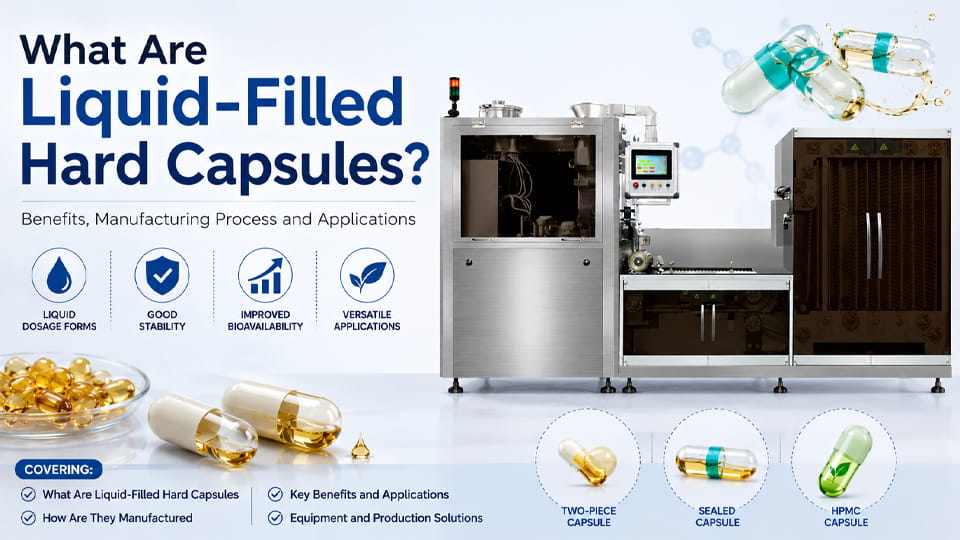
تم تصميم الكبسولات القياسية المكونة من قطعتين للمواد الصلبة (مساحيق, حبيبات). يمكن أن تتسرب مع حشوات سائلة. للزيوت أو السوائل, تُستخدم عادةً كبسولات هلامية أو كبسولات سائلة متخصصة. (ملحوظة: هناك تقنية الكبسولات الصلبة المملوءة بالسوائل, لكن هؤلاء ما زالوا يستخدمون حاجز المسحوق بالداخل.)
ما هي مدة صلاحية الكبسولات الفارغة؟?
الكبسولات المخزنة بشكل صحيح لها مدة صلاحية طويلة. يمكن أن تستمر كبسولات الجيلاتين وHPMC لعدة سنوات (في كثير من الأحيان 2-5 سنوات) إذا أبقيت مختومة في مكان بارد, الظروف الجافة. متأخر , بعد فوات الوقت, يمكن أن يؤثر فقدان الرطوبة أو اكتسابها عليها, لذلك يجب اتباع توصيات التخزين.
كيف يتم تصنيع الكبسولات الفارغة?
يتم تصنيع الكبسولات الفارغة من خلال عدة خطوات, بما في ذلك إعداد المواد الخام, تشكيل قذيفة الكبسولة, تجفيف, فحص الجودة, والتعبئة. تضمن العملية حجم كبسولة ثابتًا, قوة, والجودة لإنتاج الأدوية.
هل الكبسولات النباتية أكثر تكلفة؟?
نعم. بسبب المواد الخام والتجهيز, تكلفة تصنيع كبسولات HPMC و pullulan أعلى بكثير من كبسولات الجيلاتين. وينعكس هذا في تسعير كبسولات الخضروات الفارغة.
بيتي فو, مؤسس شركة Jinlupacking, يجلب 20 سنوات من الخبرة في قطاع الآلات الصيدلانية. تحت قيادته, لقد نمت Jinlu لتصبح موردًا موثوقًا به يدمج التصميم, إنتاج, والمبيعات. بيتي متحمس لمشاركة معرفته العميقة بالصناعة لمساعدة العملاء على التغلب على تعقيدات التعبئة والتغليف الدوائية, ضمان حصولهم ليس فقط على المعدات, ولكن شراكة خدمة متكاملة حقيقية مصممة خصيصًا لأهداف الإنتاج الخاصة بهم.