
لمصنع عقد الأدوية, ال أفضل آلة تعبئة الكبسولة ليست عادةً الآلة ذات السرعة الأعلى للوحة. إنها الآلة التي يمكنها التنقل بشكل موثوق بين منتجاتك الحقيقية بأقل خسارة إجمالية لوقت الإنتاج.
وهذا يعني النظر إلى ما هو أبعد من "الكبسولات في الساعة". يحتاج CMO أو CDMO متعدد المنتجات إلى أخذه في الاعتبار أحجام الكبسولة, سلوك المسحوق, الكريات, أقراص صغيرة, منتجات الجمع, متطلبات التنظيف, تغييرات الأدوات, الاحتواء, وقت المشغل, تصديق, ومراقبة الجودة النهائية. رئيسي موردي معدات تعبئة الكبسولات جعل نفس النقطة بطرق مختلفة: تأتي المرونة من أنظمة الجرعات القابلة للتبديل, توافق المنتج على نطاق واسع, التحولات القصيرة, تنظيف سهل, والتحكم المتكامل في الوزن، وليس السرعة وحدها.
للتعامل مع معظم الشركات المصنعة للعقود وحدات SKU متعددة على نطاق تجاري, مرنة آلة تعبئة الكبسولة الأوتوماتيكية بالكامل في نطاق السرعة المتوسطة غالبًا ما يكون أفضل نقطة انطلاق. لا تزال المعدات شبه الأوتوماتيكية منطقية عندما تكون الدفعات صغيرة وتتغير بشكل متكرر. تكون الآلات عالية السرعة منطقية عندما تهيمن الحملات الكبيرة على الجدول الزمني. وإذا كانت هناك مركبات قوية, قد يتجاوز الاحتواء كل معيار اختيار آخر. تتوفر معدات تعبئة الكبسولات المتخصصة مع OEB 4/OEB 5 أنظمة الاحتواء والتنظيف الرطب أو الغسيل في المكان, مما يوضح مدى اختلاف هذا المتطلب عن شراء مغلف قياسي للأغراض العامة.
القاعدة العملية بسيطة:
اختر آلة تعبئة الكبسولات التي تمنحك أعلى إنتاج يومي قابل للاستخدام عبر مزيج المنتجات بالكامل - وليس أعلى إنتاج نظري في الساعة لمنتج واحد سهل.
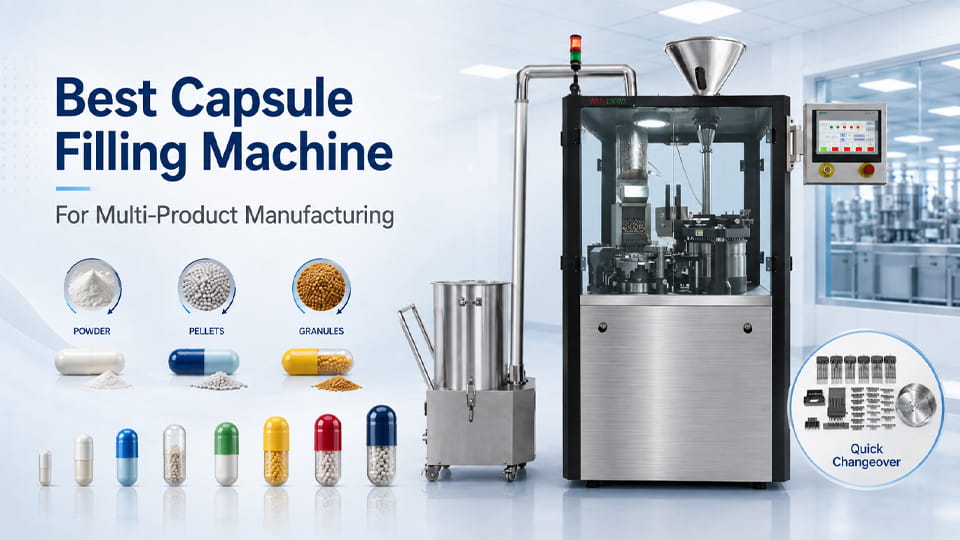
مديرو التسويق الصيدلانيون (الشركات المصنعة للعقود) تشغيل العديد من وحدات SKU على الخطوط المشتركة. غالبًا ما يتعين عليهم التبديل بين المنتجات, أحجام الكبسولة, والصيغ بسرعة. آلة ذات غرض واحد (تم تكوينه لحجم أو منتج واحد) لا يمكن تلبية هذا التنوع بدون وحدات متعددة. حشو قادر متعدد الأحجام يغطي #000-#5 (من الأكبر إلى الأصغر كبسولة صلبة) في آلة واحدة. وهذا يتيح لرؤساء التسويق التنفيذيين توحيد المعدات, توفير المساحة ورأس المال. كما أنه يسرع إطلاق المنتجات الجديدة: بدلاً من طلب آلة تغليف جديدة لكل SKU, يمكن للآلة القابلة للتعديل إنتاج وصفات متعددة.
لكن, المرونة تجلب المقايضات. تصبح التغييرات بمثابة عنق الزجاجة إذا كانت عمليات تبادل الأدوات بطيئة أو معقدة (انظر القسم التالي). التنظيف والتحقق من الصحة هي أيضا حرجة: يجب أن تكون آلة تعبئة الكبسولة CMOs سهلة التعقيم بين الأدوية المختلفة لتجنب التلوث المتبادل (المعدات غير المخصصة يجب يتم تنظيفها بين دفعات). باختصار, يحتاج مديرو التسويق إلى حشوات كبسولة مصممة لتغييرات العفن السريعة, تنظيف لطيف, والجرعات الدقيقة حتى تتمكن آلة واحدة من تصنيع العديد من المنتجات بشكل موثوق GMP قواعد.
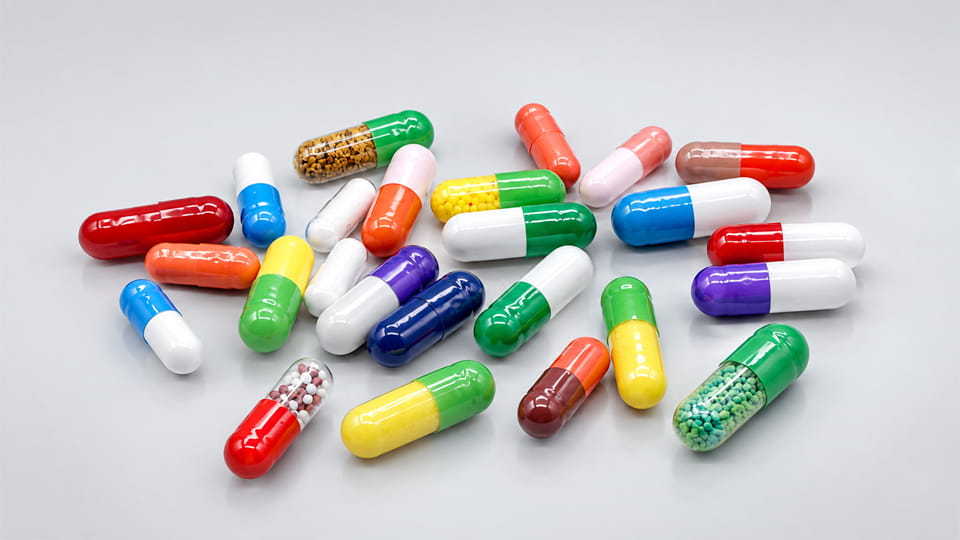
عند تقييم الآلات لبيئة متعددة المنتجات, التركيز على هذه العوامل (الجدول أدناه), ثم اقرأ التفاصيل بعد ذلك. يؤدي الاختيار المتوازن إلى تقليل التنازلات عبر محفظتك الاستثمارية.
| عامل | ما الذي تبحث عنه |
| نطاق حجم الكبسولة | يدعم جميع الأحجام المطلوبة (#000-#5 شائع في الصيدلة) بدون تعديلات خاصة. بنفس القدر من الأهمية هو التغيير السريع بين الأحجام. |
| أنواع الصياغة | يعالج المساحيق/الحبيبات الخاصة بك. تحقق مما إذا كان يمكنه جرعة مسحوق API الخاص بك, الكريات أو الأقراص الصغيرة. بعض النماذج حتى جرعة السوائل (تتطلب فوهات خاصة). |
| سرعة الإنتاج | الإخراج المقدر (كبسولات / ساعة) يجب أن يتجاوز أعلى معدل تشغيل لديك. لكن لاحظ أن السرعات المذكورة تفترض الظروف المثالية (مقاس #00, مسحوق التدفق الحر). |
| سهولة التحول | ابحث عن الأدوات المعيارية والتصميمات سريعة الضبط. يمكن للآلات الحديثة تبديل مجموعات القوالب <30 دقائق (15 دقيقة في النماذج المتقدمة). |
| التنظيف/تصميم CIP | تتطلب ممارسات التصنيع الجيدة (GMP) تنظيفًا معتمدًا بين المنتجات. تفضل قطع الاتصال المصنوعة من الفولاذ المقاوم للصدأ وإمكانية التنظيف المكاني (CIP) أو التفكيك بدون أدوات. |
| دقة الملء | التحقق من نظام الجرعات (اوجير / القرص, دبابيس الدك) والمواصفات الدقيقة. تصل الحشوات الجيدة إلى تباين في الوزن يتراوح بين ±1–3%. تعلن الخطوط الراقية >97% دقة التعبئة. |
| مستوى الأتمتة | تعمل الآلات الأوتوماتيكية بالكامل بشكل مستمر بأقل قدر من العمالة (تحميل/قفل تلقائي, ضوابط PLC), بينما يتطلب الوضع شبه التلقائي مشغلًا ولكن تكلفته أقل (انظر أدناه). |
| دعم التحقق | تأكد من أن الجهاز يدعم بروتوكولات IQ/OQ/PQ, سجلات البيانات والجزء CFR21 11 إذا لزم الأمر. تحقق مما إذا كان المورد يقدم مستندات التحقق أو المساعدة. |
| البصمة & قابلية التوسع | لمنظمات الإدارة الجماعية, المساحة الأرضية والنمو المستقبلي مهمان. توفر الآلة المرنة الواحدة المساحة مقارنة بالوحدات المخصصة المتعددة, ولكن تأكد من أنه يمكن التوسع (على سبيل المثال. إضافة محطات أو ربط الحشوات إذا ارتفعت الأحجام). |
يجب أن يتناسب كل عامل أعلاه مع حالتك. على سبيل المثال, إذا كنت تتعامل مع قوية واجهات برمجة التطبيقات, ال التنظيف/تصميم CIP يصبح حاسما للغاية (ستحتاج إلى الاحتواء الكامل أو عمليات التنظيف المتكررة التي تم التحقق من صحتها لحماية المشغلين ومنع التلوث المتبادل). إذا كنت تقوم بالتبديل بشكل متكرر بين العديد من أحجام الكبسولات, فإن "سهولة التغيير" أمر بالغ الأهمية; كما هو مذكور أدناه, قد يؤدي تخطي أتمتة تغيير الحجم إلى تكلفة ساعات من التوقف.
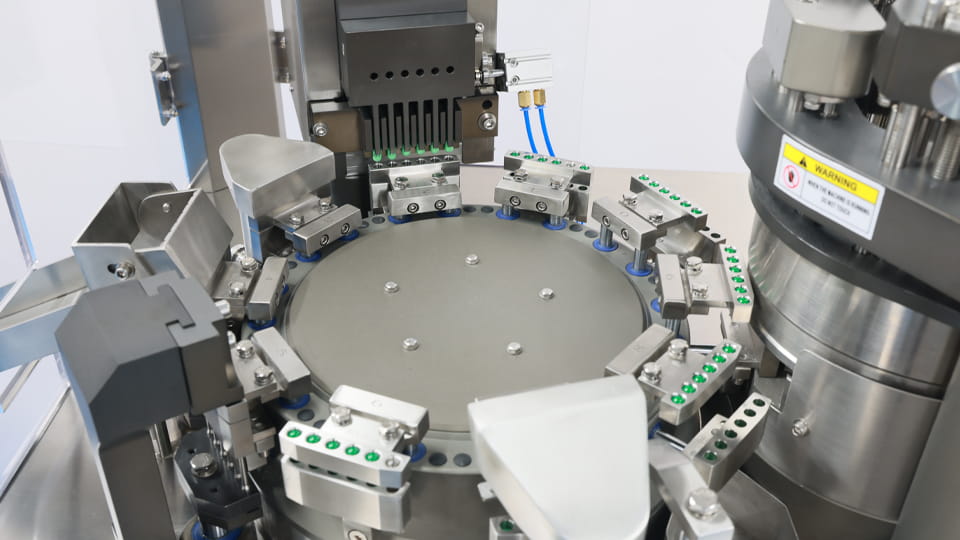
الإنتاجية العالية للكبسولة جذابة, لكن الكفاءة في العالم الحقيقي تعتمد على ما هو أكثر من السرعة القصوى. غالبًا ما يحدد المصنعون سعة الماكينة في ظل الظروف المثالية, ولكن الناتج الفعلي يمكن أن يكون أقل بكثير إذا كان منتجك يمثل تحديًا. على سبيل المثال, قد تؤدي المساحيق الناعمة أو اللزجة إلى تشويش البريمة, أو كبسولات صغيرة تسفر عن وتيرة أبطأ. ضع في اعتبارك دائمًا تأثيرات حجم الكبسولة, تدفق المسحوق, والتوقف عن العمل.
لتخطيط القدرات, ابدأ بالمخرجات المطلوبة (كبسولات لكل دفعة أو سنويا) والعمل إلى الوراء. حدد عدد ساعات الإنتاج التي يمكنك تشغيلها بشكل واقعي (على سبيل المثال. نوبتين مقابل كامل 24 × 7). ثم قم بتقسيم الكبسولات المطلوبة حسب ساعات التشغيل للحصول على الكبسولات المستهدفة/الساعة. قارن هذا بالسرعة الفعالة للآلة (غالبًا 80-90٪ من الحد الأقصى لتصنيفه). ملحوظة: يمكن أن يؤدي الحجم الزائد إلى نتائج عكسية إذا كانت معدات الخط الأخرى (عد, السد, وضع العلامات) لا يمكن مواكبة. كما قال أحد المرشدين, تسبب تركيب حشو 150 ك/ساعة على خط 80 ك/ساعة في حدوث 47% وقت الخمول, إضاعة المال. تهدف دائمًا إلى تحقيق إنتاجية متوازنة للخط.
لالتقاط الكفاءة, تأخذ في الاعتبار أيضًا خسائر التغيير والتنظيف. حتى التغيير "لمدة 30 دقيقة" يقلل من السعة إذا حدث بين كل دفعة. إذا كان خطك يقوم بتبديل وحدات SKU بشكل متكرر, قم بتضمين فترات التوقف هذه في حسابك. في الممارسة العملية, استهدف الحشو الذي فعال سعة (إخراج وقت التشغيل الفعلي) يتجاوز ذروة حاجتك, بحيث يكون لديك مجال للتغييرات أو التباطؤ الطفيف.
يمكن أن تؤدي التغييرات الطويلة إلى تآكل فوائد أي آلة مرنة. غالبًا ما تكون آلات تعبئة الكبسولة الدوارة التقليدية مطلوبة 4-6 ساعات لتغيير الحجم. تستخدم التصميمات الحديثة محركات مؤازرة وألواح قوالب سريعة القفل لقطع ذلك بشكل كبير - في كثير من الأحيان 30– 45 دقيقة لمبادلة الحجم الكامل. عند التقييم, اطلب من الموردين إظهار تغيير الحجم في أحجام الكبسولة الخاصة بك.
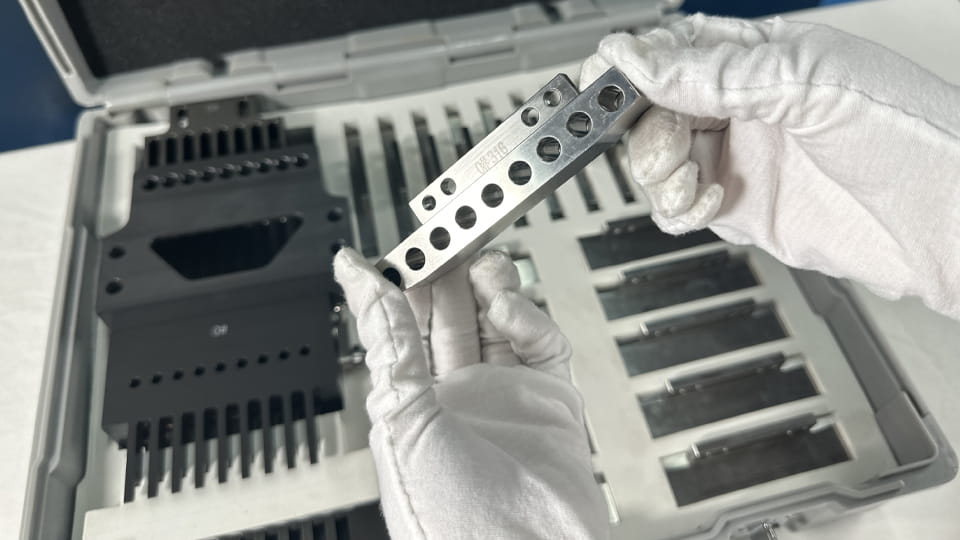
سهولة التغيير تأتي من المكونات المعيارية: عادة محطة تغذية الكبسولة, لوحات القالب العلوي/السفلي, قرص الجرعات والمكشطة, قضبان التعبئة, ويجب تبديل جميع أدلة التفريغ بحجم جديد. يمكن للآلات التي تحتوي على مشابك بدون أدوات أو أغلفة قوالب مفهرسة توفير الوقت هنا. على سبيل المثال, تستخدم سلسلة Jinlu's NJP ملف تصميم قالب وحدات التي تتيح تغييرات القالب الكاملة في الأسفل 15 دقائق. في حالة واحدة من العالم الحقيقي, التحول من الحشو الذي يحركه الكاميرا إلى التحول من قطع واحد يحركه المؤازرة 6 ساعات ل 35 دقائق, انتهى الادخار \$120,000 كل سنة.
في ملخص, تقليل التحول: ابحث عن الآلات ذات التحرير السريع للقالب, ميزات التعديل المسبق, وتخزين "الوصفات" حتى لا يضطر المشغلون إلى ضبط الإزاحات يدويًا في كل مرة. إذا كنت تتوقع عشرات التغييرات في الحجم كل ربع سنة, يجب أن تكون سرعة التحول معيار الاختيار الأعلى.
يجب على مدير التسويق الصيدلاني تطبيق ضوابط صارمة للتنظيف والتلوث عند تشغيل منتجات متعددة على جهاز واحد. إرشادات إدارة الغذاء والدواء (ومنطق GMP البسيط) اذكر ذلك يجب تنظيف المعدات غير المخصصة بين المنتجات المختلفة لمنع التلوث المتبادل. في الحقيقة, أشارت رسالة تحذيرية صادرة عن إدارة الغذاء والدواء مؤخرًا إلى أنه "من غير المقبول بالنسبة لـ CGMP تصنيع الأدوية باستخدام نفس المعدات... المستخدمة أيضًا لتصنيع المنتجات غير الصيدلانية" دون تنظيف صارم.
لتلبية هذه المتطلبات, اختر حشو كبسولة حبوب منع الحمل مع التصميم الصحي: هيكل سلس من الفولاذ المقاوم للصدأ 316L, حواف مدورة, الحد الأدنى من الشقوق, ومحامل مختومة حيثما أمكن ذلك. العديد من الأجهزة تدعم الآن تنظيف في المكان (CIP): كرات رش مدمجة وأنظمة تنظيف دائرية تتيح لك غسل الأسطح الداخلية دون تفكيكها بالكامل. إذا كان CIP غير متوفر, التحقق من أن كافة النطاطات, أقراص الجرعات, ويمكن إزالة صواني التغذية أو فتحها بدون أدوات للتنظيف اليدوي.
قم أيضًا بإنشاء بروتوكولات تنظيف معتمدة: أسوأ حالة التلويث (على سبيل المثال. مكونات قوية أو لزجة للغاية) يجب أن تكون قابلة للإزالة إلى حدود البقايا المقبولة. يجب على مورد المعدات الصيدلانية توفير أدلة التنظيف أو حتى اختبارات التلوث المحاكاة. أخيراً, احتفظ بسجلات تنظيف شاملة كما هو مطلوب بموجب 21 CFR 211.67(ب). (كما ذكر أحد مفتشي إدارة الغذاء والدواء, يعد التحقق غير الكافي من التنظيف انتهاكًا متكررًا.) باختصار: تصميم للتنظيف وتوثيق كل شيء. يعد ضمان التبديل السريع أمرًا موضع نقاش إذا لم يكن من الممكن تنظيف الماكينة بسرعة وبشكل موثوق بين الدفعات.
ليست كل الصيغ تتدفق بنفس الطريقة. تستخدم معدات تعبئة الكبسولة آليات جرعات مختلفة للتعامل مع تقلب المنتج. وتشمل الأنظمة المشتركة:
تهدف إلى ملء دقة الوزن ضمن ± 1-3٪ من الهدف. آلات الطبقة العليا (مثل الأدوية الراقية ماكينات صنع الكبسولات) الإعلان عن الدقة في هذا النطاق. على سبيل المثال, تحافظ الحشوة الأوتوماتيكية NJP-3800D من Jinlu على كفاءتها >97% دقة الوزن. تحقق دائمًا باستخدام بيانات الاختبار: اطلب من البائعين تغيير الوزن النموذجي حسب حجم الكبسولة ووزنها المستهدف.
يجب أن يتطابق اختيار نظام الجرعات مع المواد الخاصة بك. إذا كنت تتعامل بشكل جيد للغاية, كهرباء, أو مساحيق متماسكة, تأكد من توفر ميزات مثل الطلاءات المضادة للكهرباء الساكنة أو منصات التميع. وتأكد دائمًا من أن مواد الأجزاء الملامسة تناسب كيمياءك (عمومًا 304 أو 316 الفولاذ المقاوم للصدأ هو المعيار). في ملخص, قم بمطابقة تقنية الجرعات مع منتجك وتأكيد دقة المواصفات بالأدلة.
يعد الاختيار بين آلة واحدة متعددة الأحجام أو عدة آلات مخصصة بمثابة مقايضة كلاسيكية. النظر في هذه الإيجابيات والسلبيات (الجدول أدناه) في سياق وحدات SKU والمجلدات الخاصة بك.
| وجه | آلة واحدة متعددة الأحجام | آلات مخصصة متعددة |
| نطاق الكبسولة | يعالج مجموعة كاملة (على سبيل المثال. #000-#5) مع التحولات. يتطلب تبديل الأدوات بين الأحجام. | كل آلة مصممة بحجم واحد (لا حاجة للمقايضة لكل جهاز). |
| تكلفة رأس المال | أقل مقدما: شراء وحدة واحدة راقية بدلاً من الكثير. | أعلى: آلات متعددة (في كثير من الأحيان مع ميزات متداخلة). |
| مساحة الأرضية | يوفر المساحة ببصمة قدم واحدة. | بصمة أكبر; تتطلب الوحدات المتعددة مساحة أكبر. |
| الإنتاجية | محدودة بالسرعة القصوى لجهاز واحد. إذا كانت الكميات مرتفعة, قد تحتاج إلى آلة كبيرة جدًا. | يمكن أن تكون الإنتاجية المجمعة أعلى (تشغيل موازي); يمكن أن يتطابق الحجم مع حجم كل منتج. |
| مرونة مزيج المنتج | عالية جدا: يمكن لأي منتج استخدام نفس الجهاز (مع التحول). عظيم للعديد من وحدات SKU. | ثابت بواسطة الآلة; يعني تبديل المنتج نقل الدفعات بين الآلات أو شراء وحدات إضافية. |
| التحول & التوقف | سوف تتحمل فترة توقف عن العمل مع كل تغيير في الحجم (والتنظيف) على هذا السطر الواحد. | لا يوجد وقت توقف لتغيير الحجم في كل وحدة (يبقون في مكانهم); لكنك ستحتاج إلى التنظيف على أي حال. |
| مخاطر التلوث المتبادل | تنظيف كل دفعة بين المنتجات, ارتفاع خطر التلوث المتبادل إذا لم يتم تنظيفه جيدًا. | إذا كانت مخصصة لكل SKU أو الاحتواء, انخفاض مخاطر التلوث المتبادل (مع دورات تنظيف أقل مطلوبة). |
| صيانة | آلة واحدة فقط للصيانة ومخزون قطع الغيار لها. | المزيد من الآلات يعني المزيد من الصيانة والأجزاء التي يجب إدارتها. |
| استخدام | قد يكون هناك وقت خامل إذا كان الطلب منخفضًا لبعض الأحجام. | يمكن لكل آلة أن تعمل بشكل مستمر بالحجم المخصص لها في حالة وجود الطلب. |
| التحجيم المستقبلي | يمكنك التوسع عن طريق الترقية إلى طراز أسرع أو إضافة جهاز من نفس النوع لاحقًا. | لزيادة القدرة على الحجم, أضف المزيد من الوحدات بهذا الحجم. |
يعد الحشو المرن الفردي هو الأفضل بشكل عام إذا: لديك الكثير دفعات صغيرة إلى متوسطة وتحتاج إلى مساحة أو كفاءة رأس المال, ويمكنك جدولة التحولات. تعد الأجهزة المخصصة المتعددة أفضل إذا: منتج واحد أو منتجان يهيمنان على الحجم (تبرير أجهزتهم الخاصة), أو إذا كان خطر التلوث يتطلب فصلًا صارمًا (على سبيل المثال. آلة واحدة قوية للغاية, آخر للمعيار تركيبات). بالنسبة لمعظم مديري التسويق الذين لديهم عديد منتجات متوسطة الحجم, غالبًا ما تكون آلة واحدة قابلة للتكيف – أو زوج من الآلات المرنة – هي الأمثل.
تحتوي كل من آلات تعبئة الكبسولات شبه الأوتوماتيكية والأوتوماتيكية بالكامل على حالات استخدام. على العموم:
| ميزة | حشو نصف آلي | حشو أوتوماتيكي بالكامل |
| الإخراج (قبعات / ساعة) | معتدل: ~10.000-40.000 (عادي) | عالي: ~30,000-200,000+ (ما يصل إلى 468 ألفًا في أفضل الموديلات) |
| تكلفة الاستثمار | أدنى (عشرات الآلاف من الدولارات). | أعلى من ذلك بكثير (عادةً ما تكون علامات الأسعار المكونة من ستة أرقام). |
| عمالة المشغل | يتطلب 1 عامل تحميل الكبسولات والمسحوق. | الحد الأدنى (1-2 مشغلين) - التغذية والإخراج التلقائي للآلة. |
| المرونة | جيد: يمكن للكثيرين تبديل الأحجام, لكن التحميل اليدوي يضيف وقت الدورة. | جيد: يمكن للبعض تبديل الأحجام أيضًا, ولكن مع برامج محددة مسبقا; تشغيل متواصل سريع جدًا. |
| التحول | أسهل عموما (محطات أقل), ولكن لا يزال يستغرق دقائق لتبديل الأجزاء. | يستغرق دقائق أيضًا, لكن الآلات غالبًا ما تشتمل على تعديلات تلقائية وتخزين الوصفات للتغيير. |
| مساحة الأرضية | بصمة أصغر. | أكبر, مع المزيد من المحطات/الأبراج. |
| المستخدمون النموذجيون | الشركات الصغيرة, المغذيات, مختبرات العقد, أو كبار مسؤولي التسويق مع <40احتياجات ك / ساعة (كحل "الجسر".). | الشركات المصنعة للأدوية/النوترا الكبيرة ذات الطلب المرتفع. أفضل إذا كان الطلب يبرر >50الإنتاجية ك/ساعة. |
في الممارسة العملية, يجد العديد من صانعي العقود ماكينات تعبئة الكبسولات شبه الأوتوماتيكية مثالية للكميات الأولية أو الدفعات التجريبية, نظرًا لأنها تقلل العمالة بشكل كبير مقارنة باليدوي دون الإسراف في الإنفاق على الخط الكامل. ولكن مع نمو خطوط الإنتاج أو تنوعها, أصبح اتساق وسرعة الآلات الدوارة الأوتوماتيكية بالكامل جذابًا. ال الجدول أعلاه يسلط الضوء على أن الأجهزة شبه الآلية تستبدل السرعة بالتكلفة والبساطة, في حين أن الأتمتة تتفوق في الحجم الكبير ولكنها تتطلب استثمارات كبيرة ومهارة فنية لتشغيلها.

عند التحدث مع مصنعي الآلات الدوائية أو مصنعي المعدات الأصلية, اسأل مباشرة:
علاوة: "ما هي ميزات السلامة/الاحتواء لواجهات برمجة التطبيقات القوية?" إن أمكن, التحقق من عوازل صندوق القفازات أو أنظمة التصفية. إن استعداد البائع للإجابة على هذه الأسئلة بشكل شامل سوف يميز الشريك الذي يفهم احتياجات مدير التسويق.
لحجم المعدات أو اختيار كميات الآلة, اتبع هذه الخطوات:
يخطئ دائما على الجانب المرونة مع الإرتفاع. للعمل التعاقدي, يمكن أن يرتفع الطلب أو يتغير. اختيار الجهاز الذي يجتمع بالضبط قد يتسبب خط الأساس في حدوث أزمة في القدرات لاحقًا. إذا كانت الميزانيات تسمح بذلك, آلة بسعة إضافية تتراوح بين 20-30% (أو خيار إضافة وحدة أخرى بسهولة) غالبًا ما يكون أكثر أمانًا.
تلخيص الاعتبارات:
في الممارسة العملية, يبدأ معظم مديري التسويق بآلة كبسولة آلية مرنة نصف آلية أو أصغر (للعمل كأخصائي عام) ولا تضيف آلات متخصصة إلا عندما يبررها حجم المنتج أو الاحتياجات التنظيمية.
كمثال لآلة متعددة المنتجات, جينلو سلسلة NJP من حشوات الكبسولات الأوتوماتيكية يوضح العديد من المواصفات المطلوبة. على سبيل المثال, ال إن جي بي-1500 د نموذج:

تدعم Jinlu أيضًا الآلات بالضمانات والوثائق (انظر لدينا احصل على عرض أسعار وصفحات الاتصال). بينما نسلط الضوء على مواصفات NJP للتوضيح, يجب أن يطابق أي بائع هذه الميزات أو يتجاوزها بشكل مثالي لتطبيق CMO.
استخدم قائمة التحقق هذه لمقارنة البائعين جنبًا إلى جنب. الأفضل جهاز تعبئة الكبسولة لأن مدير التسويق لديك سوف يلبي احتياجاتك الحالية و اترك بعض المساحة لمشاريع الغد.
يعد اختيار آلة صنع الكبسولات المناسبة بمثابة توازن في المرونة, سرعة, والجودة. لمنظمات الإدارة الجماعية متعددة المنتجات, غالبًا ما توفر آلة تعبئة الكبسولة الأوتوماتيكية المتطورة التنوع المطلوب: وهو يدعم جميع الأحجام (#000-#5), تغييرات العفن سريعة, والتنظيف المعتمد. تعد سلسلة Jinlu's NJP أحد الأمثلة على هذه المعدات, لكن المبادئ تنطبق على أي نموذج يقدمه المورد. قم بتقييم الآلات وفقًا لمحفظتك وأولوياتك المحددة, ولا تتردد في إشراك فرق الهندسة وضمان الجودة في وقت مبكر.
عندما تكون مستعدًا للمتابعة, استكشف عروض حشو الكبسولة من Jinlu (انظر لدينا ماكينة تعبئة الكبسولات قسم) أو اتصل بمهندسي المبيعات لدينا للحصول على عرض أسعار مخصص. تأكد من أن البائع يفهم سير عمل SKU المتعدد والمتطلبات التنظيمية. مع وجود الآلة المناسبة في مكانها, يستطيع مدير التسويق لديك تصنيع مجموعة واسعة من المنتجات بكفاءة, تلبية معايير GMP, والاستجابة بذكاء لطلبات العملاء.
على استعداد لمناقشة احتياجات تعبئة الكبسولة الخاصة بك? اتصل بـ Jinlu Packing عبر موقعنا تواصل معنا الصفحة أو طلب عرض أسعار تفصيلي للحصول على إرشادات حول الحل الأمثل.
بالنسبة لمعظم مديري التسويق التجاريين متعددي المنتجات, الخيار الأفضل هو آلة تعبئة الكبسولات المرنة الأوتوماتيكية بالكامل ذات الحجم المناسب لأحجام الدُفعات الحقيقية بدلاً من السرعة القصوى الممكنة. إعطاء الأولوية لتوافق الصياغة, التحول الميكانيكي السريع, قابلية التنظيف, نطاق حجم الكبسولة, الجرعات المتكررة, دعم التحقق من الصحة والإنتاج اليومي الفعال.
نعم, بشرط أن تكون الآلة مصممة بأجزاء التغيير المطلوبة. يسرد Jinlu حاليا #000, #00, #0, #1, #2, #3, #4 و #5 كبسولات صلبة لـ NJP-1200C, NJP-1500D وNJP-7800D. يتطلب تغيير حجم الكبسولة عادةً تغييرات في التنسيق/الأدوات, لذلك يجب على المشترين تضمين كل حجم مخطط له في URS والاقتباس.
نعم, يمكن لحشوات الكبسولات الصناعية المناسبة معالجة المساحيق والكريات, ويمكن لبعض البنيات ملء التركيبات في نفس الكبسولة باستخدام محطات جرعات منفصلة. ACG, تقوم كل من Syntegon وMG2 بتوثيق القدرة على تعبئة المواد المتعددة أو المركبة في حافظات تعبئة الكبسولات الخاصة بها. يجب التحقق من التكوين الدقيق لأن عبارة "يدعم المسحوق والكريات" لا تعني بالضرورة تضمين التعبئة المركبة المتزامنة بشكل قياسي.
قم دائمًا بفصل التغيير الميكانيكي عن تغيير المنتج المعتمد. تنشر شركة Jinlu أرقامًا مدتها 15 دقيقة تقريبًا لتغيير القالب لـ NJP-1200C, NJP-1500D وNJP-7800D, لكن التغيير الكامل للمنتج يمكن أن يشمل أيضًا إزالة الخط, التفكيك, تنظيف, تجفيف, تقتيش, التحقق والإفراج الموثق. وتتوقع إدارة الغذاء والدواء الأمريكية أن تثبت عمليات التنظيف فعاليتها, لذا فإن وقت التغيير الكامل يعتمد بشكل كبير على المنتج وإجراءات التنظيف المعتمدة في الموقع.
يمكن أن يكون جهاز تعبئة الكبسولة شبه الأوتوماتيكي خيارًا قويًا للدفعات الصغيرة لأن تكلفة رأس المال أقل والمعدات بسيطة نسبيًا. تصبح آلة تعبئة الكبسولة الأوتوماتيكية بالكامل أكثر جاذبية مع الأحجام التجارية, تكاليف العمالة, زيادة متطلبات التكرار والأتمتة النهائية. تم إدراج CGN-208D شبه الأوتوماتيكي الحالي من Jinlu في ما يصل إلى 30,000 كبسولات/ساعة, مقارنة مع 72,000, 90,000 و 468,000 كبسولات/ساعة للنماذج الأوتوماتيكية الثلاثة التي تمت مناقشتها أعلاه.
ابدأ بالتصميم الصحي, الأجزاء الملامسة للمنتج التي يمكن الوصول إليها, تحكم فعال في الغبار وإجراءات تنظيف مبررة علميًا. ثم التحقق من صحة التنظيف كما هو مطلوب من قبل نظام الجودة في المنشأة. للمنتجات القوية, تقييم ما إذا كانت هناك حاجة إلى معدات مخصصة أو احتواء مصمم لهذا الغرض بدلاً من الاعتماد على استخراج الغبار العادي. تحدد إدارة الغذاء والدواء منع التلوث والانتقال كسبب أساسي لتنظيف المعدات, في حين تتوفر معدات الكبسولة المتخصصة مع الاحتواء المصنف من قبل OEB وتنظيف WIP.
لا يوجد سعر مفيد لآلة تعبئة الكبسولة الواحدة لإنتاج الأدوية متعددة المنتجات لأن التكوين يزيد التكلفة. الإخراج, أدوات الكبسولة, وحدات الجرعات, مغذيات مسحوق أو بيليه, الاحتواء, تدقيق الوزن, الأتمتة, وثائق التحقق من الصحة, تثبيت, قطع الغيار والخدمة كلها تؤثر على المشروع. قارن التكلفة الإجمالية للملكية والتكلفة لكل كبسولة قابلة للبيع, وليس سعر الشراء وحده.
تنتمي استراتيجية التأهيل الدقيقة إلى نظام الجودة الخاص بالشركة المصنعة للمستحضرات الصيدلانية ومتطلبات السوق المعمول بها. ملحق برنامج الرصد العالمي للاتحاد الأوروبي 15 يصف بوضوح معدل الذكاء, OQ وPQ ويناقش أيضًا URS وFAT/SAT. وبالمثل، تتوقع إرشادات التحقق من صحة العملية الصادرة عن إدارة الأغذية والعقاقير (FDA) أن تكون المعدات مؤهلة على أنها مناسبة للاستخدام المقصود قبل تأهيل العملية التجارية. وثائق البائع يمكن أن تدعم هذا العمل, ولكنه لا يحل محل مسؤوليات التأهيل والتحقق المعتمدة الخاصة بالمستخدم.
يعتمد نظام الجرعات المثالي على خصائص المنتج.
• تستخدم تركيبات المسحوق غالبًا أنظمة الدك أو الجرعات.
• تتطلب الحبيبات آليات تغذية مخصصة.
• قد تحتاج الكريات والأقراص الصغيرة إلى وحدات جرعات متخصصة.
يجب أن تدعم آلة تعبئة الكبسولة المرنة طرق تعبئة متعددة لتلبية متطلبات الإنتاج المتغيرة.
ذلك يعتمد على استراتيجية الإنتاج. غالبًا ما تكون آلة تعبئة الكبسولة المرنة مناسبة للمصنعين الذين لديهم العديد من وحدات SKU, تغييرات المنتج المتكررة, وحجم الإنتاج المتوسط. قد تكون الآلات المخصصة أكثر كفاءة للمنتجات كبيرة الحجم أو التطبيقات المتخصصة.
مراجع:
1.تأثير خصائص تدفق المسحوق على تجانس وزن تعبئة الكبسولة —— تايلور & فرانسيس اون لاين
2.ملء كبسولة بجرعة منخفضة من منتجات الاستنشاق: سمات المواد الهامة ومعلمات العملية —— المكتبة الوطنية للطب
3.تأثير سمات المواد ومعلمات العملية على تجانس طبقة المسحوق أثناء عملية ملء كبسولة الجرعات المنخفضة —— ساينس دايركت
4.نمذجة عملية ملء كبسولة DOSATOR للكبسولات ذات الغلاف الصلب —— مكتبة وايلي على الانترنت
5.تعبئة المسحوق في كبسولات جيلاتينية صلبة على آلة تعبئة الحشو —— ساينس دايركت