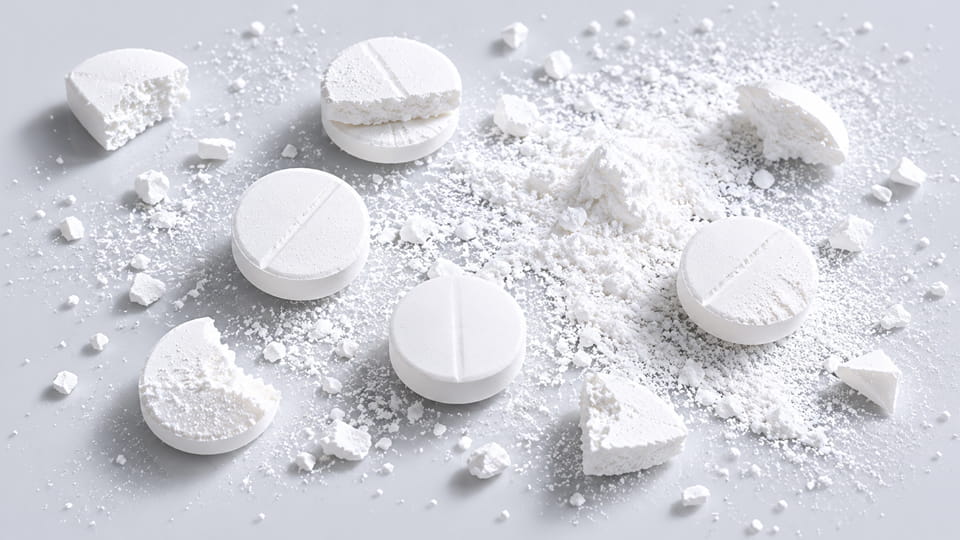

Máy loại bỏ viên nén rất cần thiết trong dây chuyền sản xuất dược phẩm để loại bỏ bột thừa và mảnh vụn khỏi viên thuốc ngay sau khi nén. Bằng cách khuấy trộn và vận chuyển viên thuốc qua các khay đục lỗ bằng phương pháp hút chân không, máy hút bụi loại bỏ bụi bề mặt, cải thiện hình thức của máy tính bảng và ngăn ngừa ô nhiễm. Điều này đảm bảo chất lượng sản phẩm tốt hơn, Tuân thủ tiêu chuẩn FDA/EMA GMP, và xử lý xuôi dòng mượt mà hơn (ví dụ. lớp phủ hoặc niêm phong vỉ). Máy hút bụi hiện đại (thường được làm bằng SUS304/316L Thép không gỉ) có thể tích hợp máy dò kim loại cho bụi kép- và kiểm soát tạp chất. Hướng dẫn này giải thích cách hoạt động của máy hút bụi máy tính bảng, loại chính của họ, những lợi ích, và tiêu chí lựa chọn, tập trung vào các giải pháp cấp dược phẩm của Jinlu Packing.
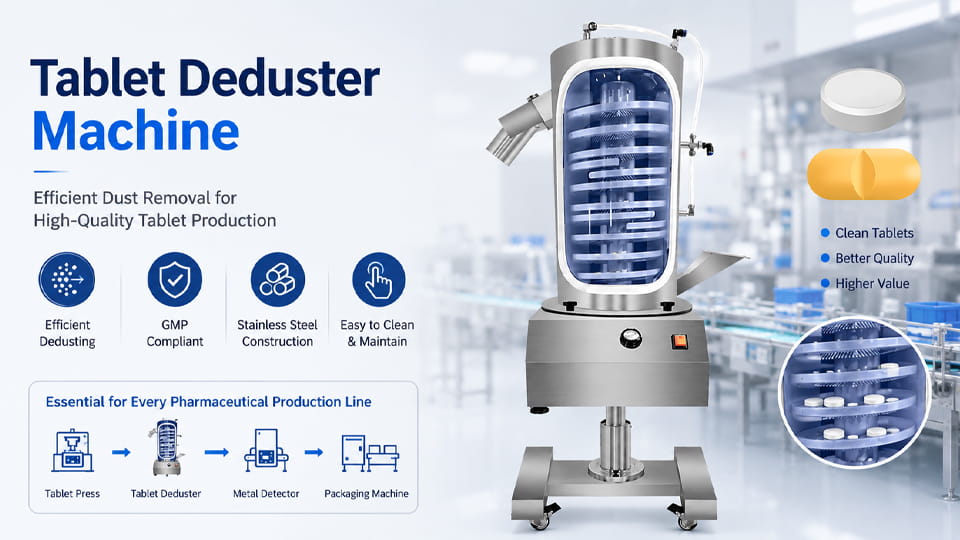
Máy tách viên là một thiết bị làm sạch sau ép trong sản xuất liều lượng rắn. Nó thường được cài đặt giữa máy tính bảng và thiết bị hạ lưu (máy phủ hoặc đóng gói). Công việc của máy hút bụi là loại bỏ bụi bẩn, mảnh vỡ, hoặc viên dưới tiêu chuẩn trước khi đóng gói. Trong thực tế, viên thuốc rơi từ máy ép vào phễu cấp liệu của máy khử bụi. Bên trong, chúng đi qua các khay hoặc màn hình đục lỗ đang rung. Sự rung động (hoặc một băng tải xoắn ốc nhẹ nhàng) khuấy động các viên thuốc, lắc bụi và các hạt nhỏ khỏi mọi bề mặt. Đồng thời, một hệ thống chân không hoặc máy bay phản lực hút bột bị bong ra khỏi buồng để thu gom. Kết quả cuối cùng là sạch sẽ, máy tính bảng không bụi tiếp tục hoạt động.
Máy khử bụi dạng viên được chế tạo theo tiêu chuẩn dược phẩm nghiêm ngặt: thép không gỉ cấp thực phẩm (thường là SUS304 hoặc SUS316L) xây dựng đảm bảo không gây ô nhiễm. Chúng thường có khay và nắp tháo lắp dễ dàng để vệ sinh (Thiết kế CIP/WIP) và điều khiển thân thiện với người dùng. Một số mô hình, giống như của Jinlu Máy tính bảng có máy dò kim loại, tích hợp máy quét kim loại trong cùng một mô-đun. Máy kết hợp này không chỉ loại bỏ bụi mà còn loại bỏ bất kỳ viên thuốc nào có chứa mảnh vụn kim loại, cung cấp hai lớp kiểm soát chất lượng trong một thiết bị nhỏ gọn.
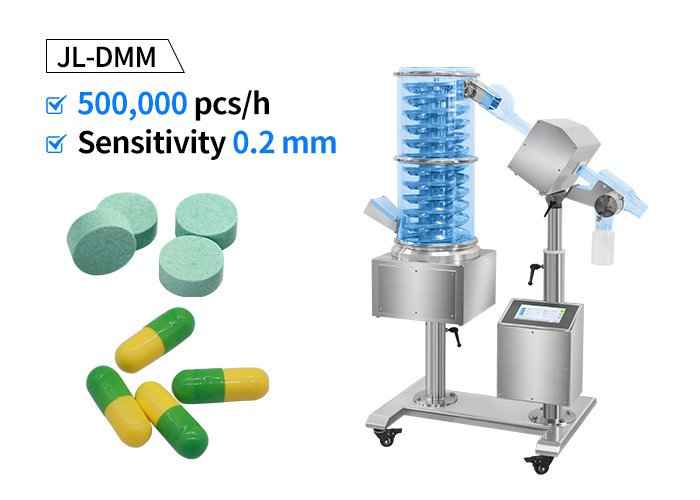
Nhân vật: MỘT máy hút bụi máy tính bảng (với máy dò kim loại tích hợp) loại bỏ bột thừa khỏi máy tính bảng sau khi ép.
Quá trình khử bụi thường bao gồm bốn giai đoạn:
Cùng nhau, các bước này duy trì tính toàn vẹn của máy tính bảng đồng thời đạt được hiệu quả làm sạch kỹ lưỡng. Các máy móc hiện đại thường ghi lại các thông số vận hành (tốc độ, áp suất chân không, dữ liệu lỗi) để đáp ứng Phần 21CFR của FDA 11 yêu cầu đối với hồ sơ điện tử.
[jl_youtube src=”https://www.youtube.com/embed/U1KbW9XeHK8″]
Máy hút bụi dạng viên thường được phân loại dựa trên cấu trúc vận chuyển và phương pháp loại bỏ bụi. Trong sản xuất dược phẩm, ba loại chính là máy hút bụi ngang, máy hút bụi dọc, và máy hút bụi dạng chổi.
Máy hút bụi máy tính bảng nằm ngang sử dụng một tấm hoặc ống đục lỗ rung để di chuyển máy tính bảng về phía trước đồng thời tách bụi và các hạt mịn. Bột lỏng rơi qua bề mặt đục lỗ và được loại bỏ bằng hệ thống chân không.
Những máy này có cấu trúc đơn giản, chi phí thấp, và hoạt động dễ dàng, làm cho chúng phù hợp với dây chuyền sản xuất quy mô nhỏ hoặc sản xuất máy tính bảng truyền thống. Tuy nhiên, chúng thường có thời gian lưu trú ngắn hơn và hiệu quả khử bụi thấp hơn, đặc biệt là trong môi trường sản xuất tốc độ cao. Yêu cầu về không gian sàn lớn hơn của họ cũng hạn chế khả năng tích hợp với dây chuyền đóng gói tự động hiện đại.
Máy hút bụi dạng viên dạng đứng là loại được sử dụng rộng rãi nhất trong sản xuất dược phẩm hiện đại. Chúng sử dụng độ rung có kiểm soát để di chuyển máy tính bảng theo đường xoắn ốc đồng thời liên tục loại bỏ bụi và gờ.
So với máy ngang, máy hút bụi dọc cung cấp đường truyền tải dài hơn, hiệu suất loại bỏ bụi tốt hơn, dấu chân nhỏ hơn, và tích hợp dễ dàng hơn với máy dò kim loại, Máy đóng gói vỉ, và dây chuyền đóng chai. Máy khử bụi dạng viên dọc thường được chia thành hai loại phụ:

Máy hút bụi dạng chổi sử dụng chổi xoay để làm sạch và đánh bóng viên thuốc trong quá trình vận chuyển. Chúng thích hợp cho những thứ dễ vỡ, tráng, hoặc máy tính bảng mỏng manh yêu cầu xử lý nhẹ nhàng và cải thiện độ hoàn thiện bề mặt.
Mặc dù hệ thống dạng bàn chải có thể cải thiện hình thức của máy tính bảng, chúng cần được bảo trì và làm sạch nhiều hơn do bàn chải bị mòn. Vì lý do này, chúng chủ yếu được sử dụng trong các ứng dụng chuyên dụng hơn là dây chuyền sản xuất tốc độ cao tiêu chuẩn.
Hôm nay, Máy khử bụi dạng viên thẳng đứng vận chuyển hướng lên trên vẫn là lựa chọn ưu tiên của hầu hết các nhà sản xuất dược phẩm vì hiệu quả cao của chúng, thiết kế nhỏ gọn, và tích hợp dây chuyền sản xuất dễ dàng.

Máy hút bụi máy tính bảng là một phải có cho bất kỳ dây chuyền sản xuất liều rắn hiện đại nào vì chúng trực tiếp hỗ trợ chất lượng sản phẩm, an toàn và tuân thủ. Loại bỏ bụi sau khi nén là điều không thể thương lượng đối với GMP. Như một hướng dẫn giải thích, ngay cả một vết bột cũng có thể làm hỏng các quy trình tiếp theo – khử bụi “ngăn ngừa ô nhiễm trong hoạt động đóng gói, đảm bảo niêm phong vỉ thích hợp, và duy trì hình thức sản phẩm”. Cơ quan quản lý (FDA, Ema, cGMP) mong đợi rằng các thiết bị như máy hút bụi máy tính bảng có thiết kế hợp vệ sinh, và bụi đó được ngăn chặn hoặc thu giữ. Ví dụ, máy hút bụi được chế tạo theo tiêu chuẩn FDA sử dụng các quy trình làm sạch đã được xác nhận (WIP/CIP) và niêm phong an toàn để bụi ma túy mạnh hoặc độc hại không bao giờ thoát ra ngoài.
Ngoài ra, máy khử bụi theo kịp nhu cầu của máy ép tốc độ cao. Jinlu lưu ý các mẫu hiện tại có thể xử lý tới 100,000 máy tính bảng mỗi giờ nên chúng dễ dàng phù hợp ngay cả với máy ép quay nhanh nhất. Điều này ngăn chặn sự chậm lại trong sản xuất; máy khử bụi sẽ không trở thành nút cổ chai thông lượng. Trong thực tế, bằng cách kết hợp loại bỏ bụi và phát hiện kim loại (khi áp dụng), những máy này tiết kiệm diện tích dây chuyền và giảm nguy cơ ô nhiễm thứ cấp giữa các thiết bị.
Cuối cùng, viên sạch cải thiện năng suất và giảm chất thải. Nếu bụi còn sót lại trên máy tính bảng, chúng có thể dính vào nhau, cân nhầm, hoặc gây ra khuyết tật ở lớp phủ hoặc phồng rộp. Khử bụi làm giảm đáng kể tỷ lệ từ chối và khiếu nại của khách hàng. Bằng cách thực thi bước QC “máy tính bảng sạch” cuối cùng, nhà sản xuất duy trì hiệu lực ổn định của máy tính bảng và sự an toàn cho bệnh nhân.
| Tính năng | Máy tính bảng Deduster | Máy đánh bóng máy tính bảng |
| Chức năng chính | Loại bỏ bụi bẩn và các hạt mịn khỏi máy tính bảng. | Đánh bóng hoặc đánh bóng bề mặt máy tính bảng để tỏa sáng (thường thông qua bàn chải hoặc vải xoay). |
| Sử dụng điển hình | Được cài đặt ngay sau khi bấm máy tính bảng, phủ trước/đóng gói. Đảm bảo máy tính bảng không có bụi. | Được sử dụng sau khi khử bụi (hoặc một mình) như một bước hoàn thiện để đánh bóng mỹ phẩm. |
| Cơ chế | Khay rung hoặc màn hình xoắn ốc + hút chân không. | Bàn chải hoặc đai mài mòn xoay nhẹ nhàng chà xát bề mặt máy tính bảng (với chân không tối thiểu). |
| Bộ sưu tập bụi | Tích hợp chân không hoặc hút loại bỏ bột. | Giới hạn; chủ yếu đẩy bụi thừa vào trống đánh bóng. Ít hiệu quả hơn trong việc thu bụi hoàn toàn. |
| Tác động lên máy tính bảng | Làm sạch máy tính bảng mà không làm thay đổi hình dạng; từ chối máy tính bảng bị hỏng. | Làm mịn các cạnh và thêm độ bóng; có thể làm tròn các góc một chút. Chủ yếu là cải thiện thẩm mỹ. |
| Tích hợp | Nội tuyến với dây chuyền sản xuất (thường có thể điều chỉnh độ cao để nhấn). Có sẵn tùy chọn CIP/WIP. | Thường là một đơn vị độc lập hoặc hạ lưu; không phải lúc nào cũng sẵn sàng cho tiêu chuẩn GMP. |
| Những lợi ích | Đáp ứng yêu cầu vệ sinh GMP, duy trì độ chính xác của trọng lượng. | Tăng cường sự hấp dẫn thị giác; loại bỏ các dấu hiệu bề mặt nhỏ. |
Bàn: So sánh máy hút bụi và máy đánh bóng máy tính bảng. Máy hút bụi chủ yếu dùng để loại bỏ bụi và kiểm soát chất lượng, trong khi máy đánh bóng tập trung vào ngoại hình. Kết quả là, máy hút bụi thường bao gồm hệ thống hút bụi, trong khi người đánh bóng thì không.
Việc lựa chọn máy khử bụi tối ưu tùy thuộc vào nhu cầu quy trình của bạn. Coi như:
Bằng cách cân nhắc những yếu tố này—thông lượng, thông số máy tính bảng, sự thi công, và dịch vụ—bạn có thể chọn máy hút bụi giúp máy tính bảng của bạn luôn sạch sẽ, an toàn, và dây chuyền của bạn đang hoạt động hiệu quả.
Máy khử bụi máy tính bảng được sử dụng trong mọi ngành công nghiệp sản xuất máy tính bảng dạng nén:
Trong mọi trường hợp, thiết kế máy hút bụi cũng tương tự. Ví dụ, Tay cầm máy của Jinlu 3–25 mm máy tính bảng có hình dạng khác nhau, làm cho chúng trở nên linh hoạt cho bất kỳ liều rắn đường kẻ. Cho dù đó là một loại thuốc cứu sống hay một phức hợp vitamin, máy khử bụi giữ cho máy tính bảng còn nguyên vẹn và không bị nhiễm bẩn.

Jinlu Packing là nhà sản xuất máy móc đóng gói dược phẩm đáng tin cậy, và máy hút bụi máy tính bảng của chúng tôi phản ánh kinh nghiệm hàng thập kỷ. Những lý do chính để chọn Jinlu bao gồm:
Để biết thêm chi tiết, xem của chúng tôi Máy tính bảng Deduster với sản phẩm Máy dò kim loại trang, hoặc liên hệ với chúng tôi để nhận báo giá và bố cục dòng tùy chỉnh. Các chuyên gia của chúng tôi có thể đề xuất hệ thống khử bụi lý tưởng (có hoặc không có phát hiện kim loại) để đáp ứng yêu cầu về chất lượng và ngân sách của bạn.
Máy khử mùi dạng viên là khoản đầu tư quan trọng đối với bất kỳ nhà sản xuất thuốc liều rắn nào. Bằng cách đảm bảo rằng máy tính bảng rời khỏi bề mặt báo chí không có mảnh vụn, máy khử bụi bảo vệ chất lượng sản phẩm và sự an toàn của bệnh nhân đồng thời nâng cao hiệu quả sản xuất. Chúng giúp đáp ứng các tiêu chuẩn quy định nghiêm ngặt và giảm thiểu việc từ chối hoặc thu hồi tốn kém. Với một máy hút bụi thích hợp (đặc biệt là một chiếc được tích hợp với máy dò kim loại), máy tính bảng của bạn sẽ sạch hơn, đường truyền của bạn sẽ chạy mượt mà hơn, và sản phẩm cuối cùng của bạn sẽ có chất lượng cao hơn.
Nếu bạn đang muốn nâng cấp dòng sản phẩm của mình, Đóng gói Jinlu cung cấp đầy đủ các thiết bị khử bụi và xử lý máy tính bảng. Liên hệ với Jinlu Đóng gói ngay hôm nay để được báo giá hoặc tư vấn – các chuyên gia của chúng tôi có thể giúp định cấu hình Máy tính bảng lý tưởng (có hoặc không có phát hiện kim loại) cho dòng dược phẩm của bạn. Đảm bảo quá trình sản xuất của bạn đáp ứng các tiêu chuẩn cao nhất về chất lượng và hiệu quả với các giải pháp khử bụi đã được chứng minh của Jinlu.
Máy loại bỏ bột thừa và bột mịn khỏi viên thuốc ngay sau khi nén. Bước làm sạch này ngăn chặn bụi bẩn lây nhiễm sang các công đoạn tiếp theo (như lớp phủ hoặc phồng rộp) và đảm bảo mỗi máy tính bảng đều có độ hoàn thiện nguyên sơ. Loại bỏ bụi cũng cải thiện khả năng bịt kín trong vỉ và ngăn chặn các hạt lỏng lẻo trong chai.
Đúng. Máy hút bụi máy tính bảng được thiết kế để phù hợp với máy ép. Chúng thường được đặt ngay sau máng xả của máy ép. Nhiều mẫu có đế có thể điều chỉnh độ cao hoặc đầu nối phù hợp để gắn trực tiếp. Thiết lập nội tuyến này cho phép máy tính bảng di chuyển trực tiếp từ máy ép vào máy khử bụi mà không cần chuyển thủ công, hợp lý hóa sản xuất.
Máy hút bụi máy tính bảng làm sạch bụi và mảnh vụn, trong khi máy dò kim loại quét và loại bỏ các viên thuốc bị nhiễm kim loại. Máy dò kim loại/máy khử bụi kết hợp của Jinlu thực sự thực hiện được cả hai chức năng trong một thiết bị. Trong sự lai tạo đó, Hệ thống sàng của máy lọc trước tiên loại bỏ bụi và loại bỏ những viên thuốc bị vỡ, sau đó máy dò kim loại xuôi dòng sẽ kiểm tra các viên thuốc đã được làm sạch để tìm các hạt kim loại.
Máy hút bụi phải được làm sạch thường xuyên theo tiêu chuẩn GMP. Tiêu biểu, khay thu gom bụi hoặc bộ lọc được làm trống hàng ngày. Bộ phận bên trong (màn hình, khay, và rầy) nên được lau hoặc hút bụi ít nhất hàng tuần. Nhiều công ty thực hiện việc tháo rời và rửa toàn bộ (WIP/CIP) hàng tháng hoặc giữa các lần thay đổi sản phẩm chính. Các nhà sản xuất thường khuyên bạn nên vệ sinh các lỗ thủng và kiểm tra bộ lọc chân không mỗi ngày. Kiểm tra bảo trì hàng năm và thay thế phụ tùng (ví dụ. động cơ rung, con dấu) giúp duy trì hiệu quả cao.
Đúng, máy khử bụi thích hợp được thiết kế cho tiêu chuẩn GMP. Họ sử dụng vật liệu cấp dược phẩm (ví dụ. SUS316L) và nguyên tắc thiết kế hợp vệ sinh. Một máy hút bụi tuân thủ sẽ hoạt động trơn tru, nội thất không có mối hàn và các bộ phận ngắt kết nối nhanh để dễ dàng vệ sinh. Tự động làm sạch (WIP/CIP) có sẵn trên các mẫu cao cấp để giảm thiểu việc vệ sinh thủ công. Tất cả các bước vận hành (ví dụ. cài đặt tốc độ, nhật ký làm sạch) có thể được ghi lại để đáp ứng kiểm toán. Máy hút bụi Jinlu, Ví dụ, đáp ứng các quy định về chất lượng của FDA/EMA và hỗ trợ Phần 21CFR 11 ghi dữ liệu khi ghép nối với máy dò kim loại.
Việc loại bỏ bụi trên máy tính bảng rất quan trọng vì bột còn sót lại có thể ảnh hưởng đến chất lượng lớp phủ, niêm phong vỉ, đổ đầy chai, và hình thức sản phẩm. Nó cũng giúp giảm rủi ro ô nhiễm và giữ cho thiết bị đóng gói ở khâu sau sạch hơn và ổn định hơn trong quá trình sản xuất.
Đúng. Máy loại bỏ máy tính bảng hiện đại thường bao gồm các cài đặt rung có thể điều chỉnh cho phép người vận hành xử lý máy tính bảng được phủ, viên sủi, viên nhai, và hình dạng không đều mà không làm hỏng bề mặt sản phẩm.
Ngoài sản xuất dược phẩm, máy hút bụi dạng viên cũng được sử dụng rộng rãi trong ngành dinh dưỡng, đồ ăn, bánh kẹo, và công nghiệp hóa chất cho các sản phẩm như viên vitamin, viên kẹo, viên chất tẩy rửa, và thảo dược bổ sung.
Tài liệu tham khảo:
1.Hướng dẫn lựa chọn máy hút bụi dạng viên trong hoạt động sản xuất dược phẩm —— dược phẩm trực tuyến.com
2.Dính và nhặt trong nén viên dược phẩm: Đánh giá của Hiệp hội IQ —— Khoa học trực tiếp
3.Giải quyết vấn đề tích tụ bụi trong sản xuất máy tính bảng --pharmtech.com
4.Công ty cổ phần công nghệ dược phẩm: Máy hút bụi kín bụi --- Bao bì chăm sóc sức khỏe