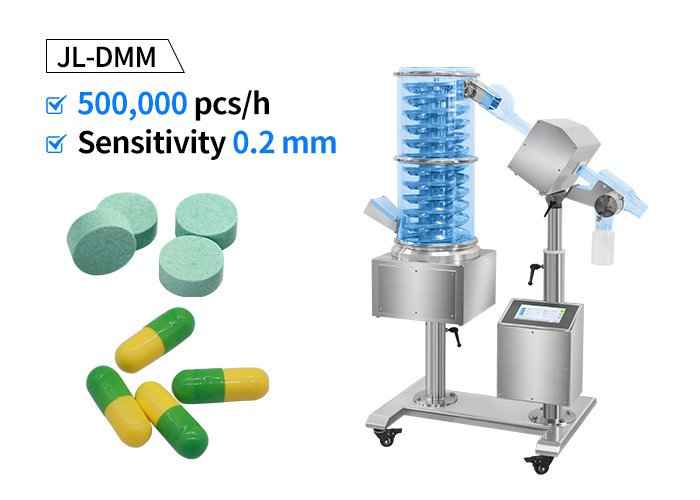
Máy khử mùi máy tính bảng có máy dò kim loại được sử dụng chủ yếu trong giai đoạn trung gian của quá trình nén máy tính bảng, giữa máy tính bảng và bao bì dược phẩm.
Hệ thống khử bụi tách các viên thuốc không đủ tiêu chuẩn, trong khi hệ thống phát hiện kim loại xác định và loại bỏ các viên thuốc chứa tạp chất kim loại.


Chống nhiễu hoàn toàn, đảm bảo độ chính xác phát hiện kim loại là 0,2mm.
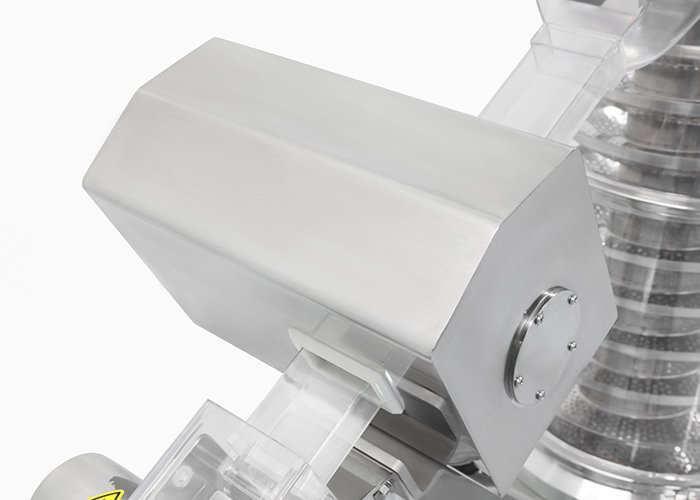
Xác định chính xác và loại bỏ tạp chất kim loại dư thừa trong dược phẩm.
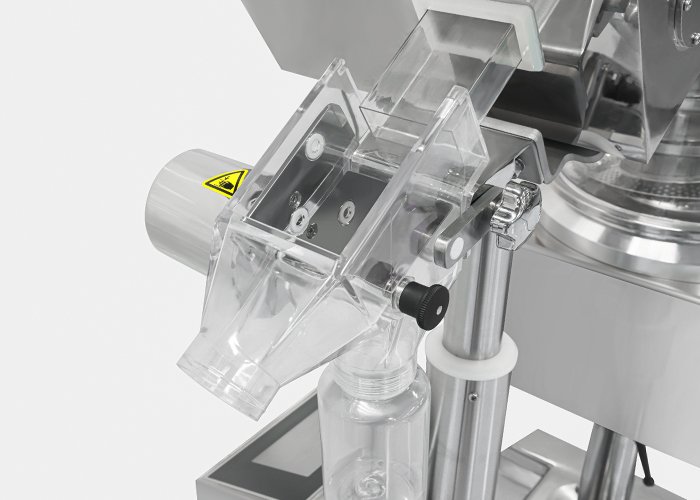
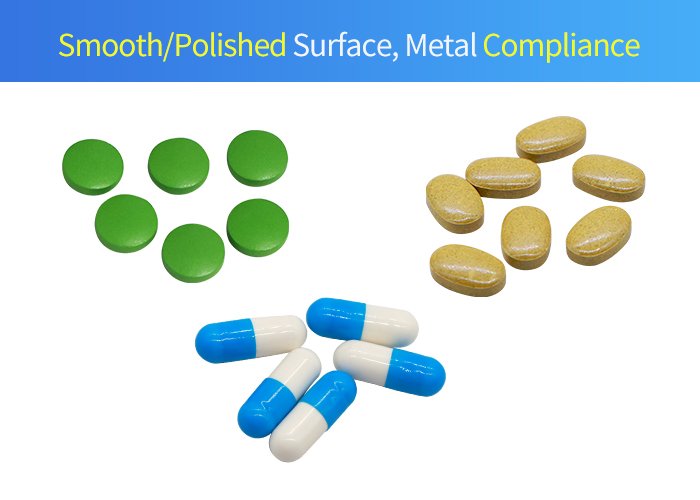
Các viên thuốc mịn và không có gờ, và vỏ trong suốt rất dễ quan sát.
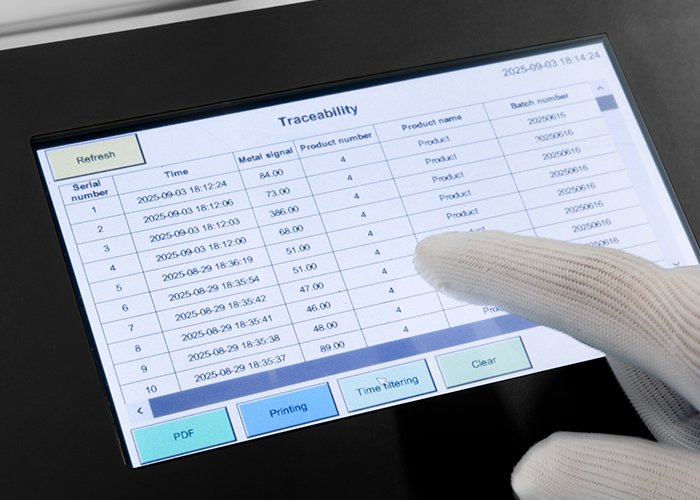
HMI hiển thị toàn bộ dữ liệu máy, giúp thao tác trở nên đơn giản và thuận tiện hơn.
| Người mẫu | JL-DMD |
| Dung tích | 500,000 chiếc/giờ |
| Độ nhạy | Fe 0,2mm, phi Fe 0.3mm, SUS 0,4mm |
| Thích hợp cho | Viên thuốc, Viên nang, Viên nang mềm |
Tọa lạc tại Quảng Châu, JL là nhà cung cấp máy móc đóng gói dược phẩm tích hợp kỹ thuật, sản xuất và bán hàng.
Nhóm chúng tôi tập trung phát triển chế biến dược phẩm & máy đóng gói kết hợp chức năng, chất lượng, và hiệu quả chi phí, Ngoài việc cung cấp cho khách hàng dịch vụ một cửa không rắc rối.
Ưu điểm của chúng tôi
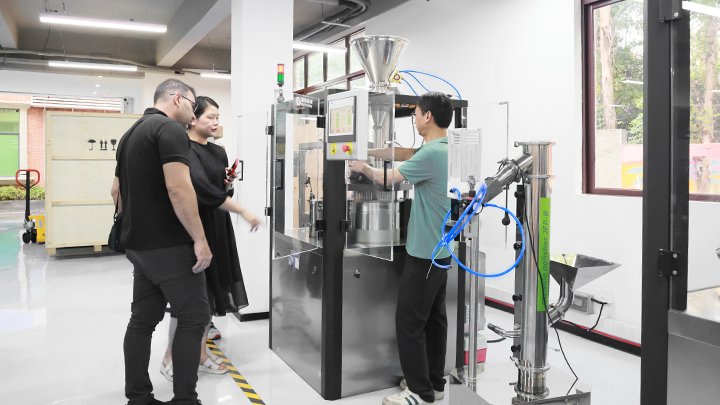
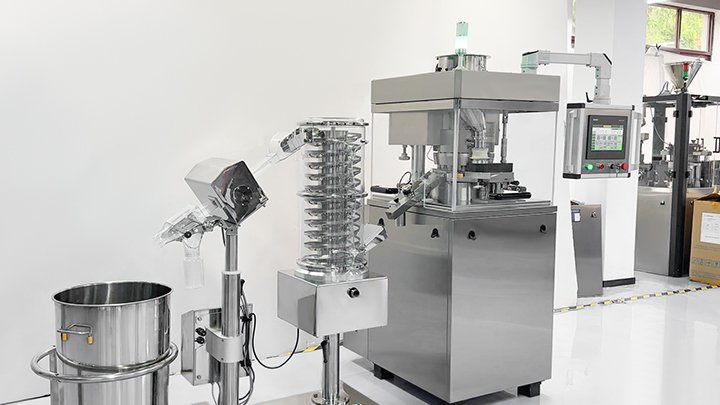
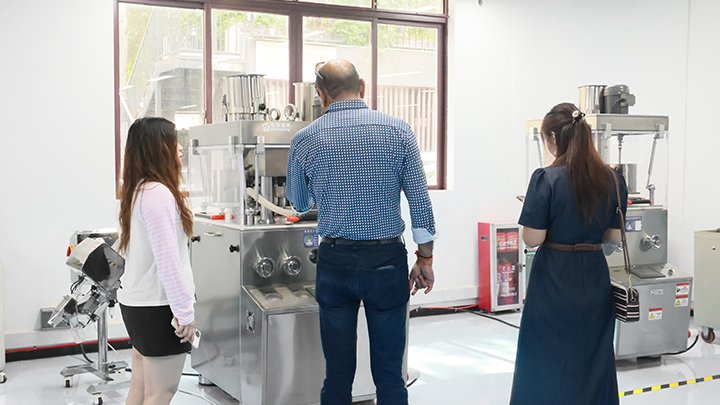
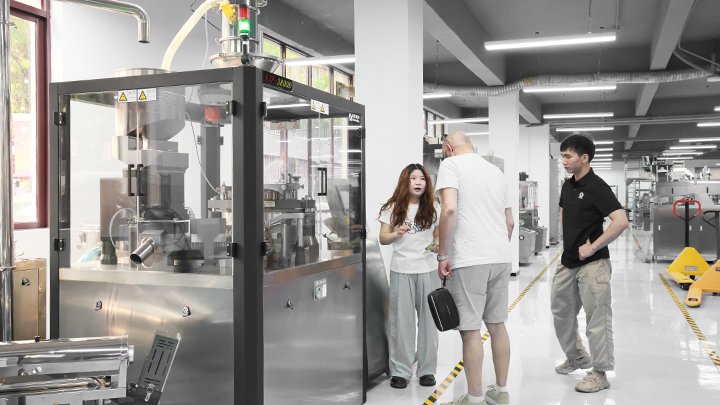
Đội ngũ dịch vụ khách hàng và đội ngũ kỹ thuật của chúng tôi luôn sẵn sàng giải quyết các nhu cầu cấp thiết của bạn.
Máy khử bụi dạng bảng có máy dò kim loại được sản xuất theo đúng tiêu chuẩn sản xuất xưởng 6S, và máy tuân thủ các tiêu chuẩn CE và cGMP.
Jinlupacking cung cấp hướng dẫn sử dụng và video đầy đủ để sử dụng hàng ngày, bảo trì và làm sạch.
tự động máy tính bảng với máy dò kim loại là thiết bị kiểm soát chất lượng quan trọng sau quá trình ép viên. Nó chủ yếu được sử dụng trong giai đoạn trung gian của quá trình sản xuất máy nén máy tính bảng, nằm giữa máy ép viên và máy đóng gói dược phẩm. Giá trị cốt lõi của nó nằm ở thiết kế tích hợp, cho phép kiểm soát chất lượng kép: một hệ thống sàng lọc tách những viên thuốc không đủ tiêu chuẩn (như bị hỏng, có hình dạng không đều, hoặc viên thuốc không đúng trọng lượng), trong khi hệ thống phát hiện kim loại xác định và loại bỏ các viên thuốc chứa tạp chất kim loại. Thiết kế tích hợp này không chỉ làm giảm dấu chân thiết bị trong suốt quá trình sản xuất mà còn, quan trọng hơn, tránh nguy cơ ô nhiễm thứ cấp trong quá trình vận chuyển máy tính bảng qua nhiều máy.
Trong sản xuất thực tế, cái này máy dò kim loại và máy loại bỏ máy tính bảng xử lý các máy tính bảng có đường kính từ 3 mm đến 25 mm, đáp ứng yêu cầu kiểm tra đối với máy tính bảng có nhiều hình dạng khác nhau, bao gồm các hình dạng tròn và không đều. Các ứng dụng điển hình bao gồm kiểm tra chất lượng cuối cùng của dạng bào chế rắn uống, theo dõi chất lượng từ đầu đến cuối của các loại thuốc có nguy cơ cao (chẳng hạn như viên nén giải phóng kéo dài và giải phóng có kiểm soát), và kiểm nghiệm chuyên ngành các dạng bào chế đặc biệt nhạy cảm với tạp chất kim loại (chẳng hạn như máy tính bảng có chứa thành phần nhạy cảm với từ tính). Theo dữ liệu ứng dụng của Thermo Scientific, loại thiết bị này có thể làm giảm nguy cơ ô nhiễm kim loại trong dược phẩm hơn 99.9%, giảm đáng kể nguy cơ thu hồi thuốc.
Từ góc độ hiệu quả sản xuất, các mẫu hiện tại có công suất xử lý tối đa lên tới 1 triệu viên mỗi giờ (dựa trên máy tính bảng đường kính 8mm), trong khi mô-đun phát hiện kim loại có thể xử lý tới 500,000 máy tính bảng mỗi giờ, hoàn toàn phù hợp với tốc độ sản xuất của máy ép viên quay tốc độ cao và ngăn chặn nó trở thành nút thắt hiệu quả trên dây chuyền sản xuất.
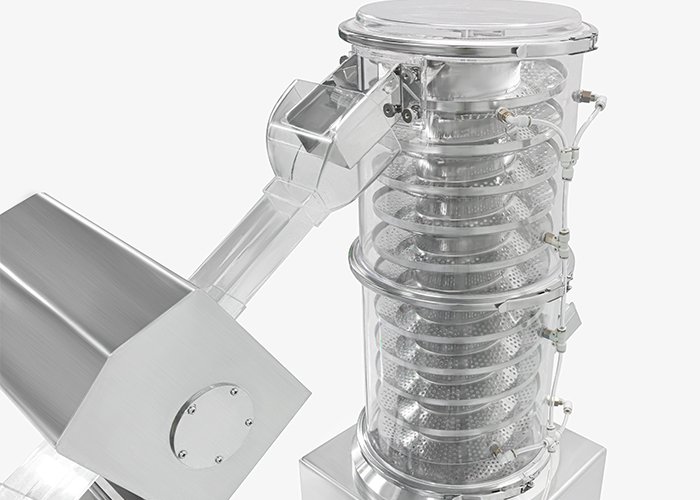
Máy loại bỏ máy tính bảng có tính năng phát hiện kim loại bao gồm hai mô-đun lõi: hệ thống sàng lọc và hệ thống phát hiện kim loại, phối hợp với nhau thông qua thiết kế cơ khí phức tạp và điều khiển điện tử. Máy loại bỏ máy tính bảng phát hiện kim loại của Jinlu Packing sử dụng thiết kế quay trên cùng cho phép máy tính bảng xoay tự nhiên trong quá trình nâng, nâng cao hiệu quả sàng lọc và loại bỏ bụi khỏi bề mặt máy tính bảng.
Hệ thống phát hiện kim loại hoạt động dựa trên nguyên lý làm việc cảm ứng điện từ. Khi viên thuốc chứa tạp chất kim loại đi qua từ trường, chúng phá vỡ sự cân bằng từ trường, tạo ra sự chênh lệch điện áp cảm ứng giữa các cuộn dây nhận ở cả hai bên. Khi hệ thống phát hiện chênh lệch điện áp vượt quá giá trị cài đặt, nó kích hoạt sự từ chối. Hiện nay, có hai phương pháp từ chối chính thống: thổi khí và thanh đẩy. Phương pháp thổi khí sử dụng luồng khí áp suất cao để thổi ngay những viên thuốc tạp chất ra khỏi kênh băng tải chính và phù hợp với những viên thuốc nhẹ hoặc nhỏ. Phương pháp cần đẩy hoặc cần lật sử dụng đòn bẩy cơ học để đẩy những viên thuốc bị loại bỏ vào kênh thải hoặc thả vào thiết bị thu gom rác và phù hợp với những viên thuốc nặng hơn hoặc có hình dạng kỳ lạ.v
Các thông số hiệu suất chính của máy dò kim loại tự động và máy tách viên thuốc tốc độ cao bao gồm khả năng đánh bóng và hiệu quả của quá trình sàng lọc, cũng như độ nhạy phát hiện tạp chất của hệ thống phát hiện kim loại. Hệ thống sàng lọc phù hợp với máy tính bảng có kích thước từ 3 mm đến 25 mm. Sử dụng màn inox 316L, nó có thể duy trì tỷ lệ vỡ máy tính bảng ở mức dưới 0.1% với tốc độ xử lý là 500,000 máy tính bảng mỗi giờ.
Các thông số hiệu suất của hệ thống phát hiện kim loại phức tạp hơn, yêu cầu độ nhạy phát hiện khác nhau dựa trên các loại kim loại khác nhau. Theo tiêu chuẩn ngành, mô hình chất lượng cao sẽ có thể phát hiện các hạt sắt lớn hơn 0,3mm, kim loại màu (chẳng hạn như đồng và nhôm) lớn hơn 0,4mm, và các hạt thép không gỉ lớn hơn 0,5mm. Máy dò kim loại của Jinlu Packing đã cải thiện giới hạn phát hiện đối với các hạt sắt lên 0,2mm bằng cách tối ưu hóa bố cục cuộn dây và thuật toán xử lý tín hiệu. Độ chính xác này đủ để thu giữ các mảnh vụn kim loại nhỏ được tạo ra trong quá trình sản xuất, chẳng hạn như mảnh sắt từ máy ép máy tính bảng.
Độ ổn định động là một thước đo quan trọng khác dành cho thiết bị sàng lọc và kiểm tra kim loại tốc độ cao, đề cập đến khả năng duy trì độ chính xác phát hiện trong khi hoạt động hết công suất. Số liệu này thường được đo bằng biên độ dao động tín hiệu, phải nằm trong khoảng ±2% đối với thiết bị chất lượng cao.
Các thông số về khả năng thích ứng sản xuất đều quan trọng như nhau, bao gồm phạm vi điều chỉnh tốc độ xử lý của thiết bị, khả năng thích ứng độ dày của máy tính bảng, và khả năng chịu đựng môi trường. Các máy hiện đại thường cung cấp tốc độ xử lý có thể điều chỉnh từ 300,000 ĐẾN 1,000,000 viên mỗi giờ để đáp ứng nhu cầu sản xuất hàng loạt khác nhau. Yêu cầu về môi trường bao gồm phạm vi nhiệt độ từ -10°C đến 40°C và phạm vi độ ẩm từ 30% ĐẾN 85%, điều này đặc biệt quan trọng ở các vùng nhiệt đới hoặc môi trường sản xuất có độ ẩm cao.
Trong thiết kế thiết bị dược phẩm, sự tuân thủ cũng quan trọng như hiệu suất. Máy phân loại máy tính bảng và máy dò kim loại có phát hiện kim loại phải đáp ứng nhiều tiêu chuẩn quốc tế, bao gồm cả FDA (CHÚNG TA. Cục Quản lý Thực phẩm và Dược phẩm) chứng nhận vật liệu, Ema (Cơ quan Dược phẩm Châu Âu) quy định chất lượng, và cGMP (Thực hành sản xuất tốt hiện tại) yêu cầu. Các tiêu chuẩn này không chỉ chi phối việc lựa chọn vật liệu thiết bị mà còn đặt ra các yêu cầu cụ thể cho việc thiết kế kết cấu, ghi dữ liệu, và xác nhận làm sạch.
Các thành phần tiếp xúc trực tiếp với sản phẩm dinh dưỡng, dược phẩm phải là nguyên liệu đạt tiêu chuẩn dược phẩm. 316Thép không gỉ L được ưa chuộng vì khả năng chống ăn mòn tuyệt vời và đặc tính dễ bị rò rỉ thấp. Nó chịu được các chất tẩy rửa và khử trùng thông thường (chẳng hạn như ethanol và axit peracetic) không bị ăn mòn hoặc bị rò rỉ. Thiết kế cấu trúc của thiết bị thể hiện đầy đủ nguyên tắc cGMP của “khả năng làm sạch.” Máy khử mùi máy tính bảng của Jinlu Packing với tính năng phát hiện kim loại có thiết kế tháo lắp nhanh, cho phép tháo rời thân sàng và vỏ ngoài một cách nhanh chóng. Tất cả các bề mặt tiếp xúc với thuốc đều rõ ràng, đảm bảo làm sạch kỹ lưỡng. Thiết kế máy khử mùi dạng viên nang của jinlu Packing với khả năng kiểm tra kim loại này không chỉ ngăn ngừa lây nhiễm chéo một cách hiệu quả mà còn giảm đáng kể thời gian xác nhận làm sạch. Hơn nữa, sự cách ly hoàn toàn của buồng làm việc và buồng truyền động ngăn chặn các tạp chất cơ học như chất bôi trơn xâm nhập vào khu vực tiếp xúc với thuốc, loại bỏ một cách có cấu trúc các rủi ro ô nhiễm.
Truy xuất nguồn gốc dữ liệu là yêu cầu tuân thủ cốt lõi của thiết bị dược phẩm hiện đại. FDA 21 Phần CFR 11 quy định áp đặt tiêu chuẩn nghiêm ngặt về quản lý dữ liệu điện tử, bao gồm tính toàn vẹn dữ liệu, bí mật, và truy xuất nguồn gốc. Mẫu mã cao cấp, chẳng hạn như DMD, tự động ghi lại tất cả dữ liệu kiểm tra, bao gồm cả kích thước, vị trí, và thời gian loại bỏ tạp chất kim loại. Dữ liệu này được mã hóa và lưu trữ với các bản kiểm tra, đáp ứng đầy đủ các yêu cầu quản lý dữ liệu theo quy định.