
Tablet toz giderme makineleri, ilaç üretim hatlarında, sıkıştırmadan hemen sonra tabletlerdeki fazla tozu ve kalıntıları gidermek için gereklidir.. Tabletleri mekanik olarak çalkalayarak ve vakum ekstraksiyonlu delikli tepsiler aracılığıyla taşıyarak, toz gidericiler yüzeydeki tozu temizler, tablet görünümünün iyileştirilmesi ve kirlenmenin önlenmesi. Bu daha iyi ürün kalitesi sağlar, FDA/EMA GMP standartlarıyla uyumluluk, ve daha sorunsuz aşağı akış işlemleri (örneğin. kaplama veya kabarcık sızdırmazlık). Modern toz toplayıcılar (genellikle SUS304/316L'den yapılır paslanmaz çelik) entegre olabilir metal dedektörleri çift toz için- ve kirlilik kontrolü. Bu kılavuzda tablet toz toplayıcıların nasıl çalıştığı açıklanmaktadır, ana türleri, faydalar, ve seçim kriterleri, Jinlu Packaging'in farmasötik düzeydeki çözümlerine odaklanarak.
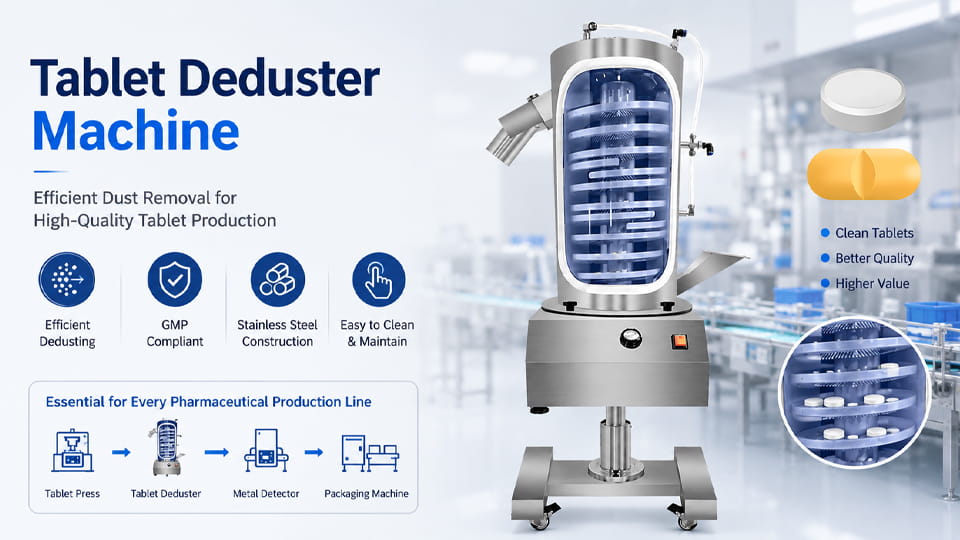
Tablet toz giderici, katı dozaj üretiminde baskı sonrası temizleme cihazıdır. Genellikle arasında kurulur. tablet basın ve aşağı akış ekipmanı (kaplama veya paketleme makineleri). Toz toplayıcının görevi gevşek tozları ayırmaktır, parçalar, veya ambalajlamadan önce standart altı tabletler. Pratikte, Tabletler presten toz ayırıcının besleme hunisine düşüyor. İçeri, titreşimli delikli tepsilerin veya eleklerin üzerinden geçerler. Titreşim (veya hafif sarmal bir konveyör) tabletleri karıştırır, toz ve küçük parçacıkların tüm yüzeylerden arındırılması. Eşzamanlı olarak, bir vakum veya hava jeti sistemi, yerinden çıkan tozu toplanmak üzere haznenin dışına çeker. Sonuç temiz, ileriye doğru devam eden tozsuz tabletler.
Tablet toz gidericiler sıkı farmasötik standartlara göre üretilmiştir: gıdaya uygun paslanmaz çelik (tipik olarak SUS304 veya SUS316L) inşaat kirlenmeyi garanti etmez. Genellikle temizlik için kolay çıkarılabilen tepsiler ve kapaklar bulunur (CIP/WIP tasarımı) ve kullanıcı dostu kontroller. Bazı modeller, Jinlu'nunki gibi Metal Dedektörlü Tablet Toz Giderici, metal tarayıcıyı aynı modüle entegre edin. Bu kombine makine sadece tozu temizlemekle kalmıyor, aynı zamanda metal kalıntısı içeren tabletleri de reddediyor, tek bir kompakt ünitede iki katmanlı kalite kontrol sağlar.
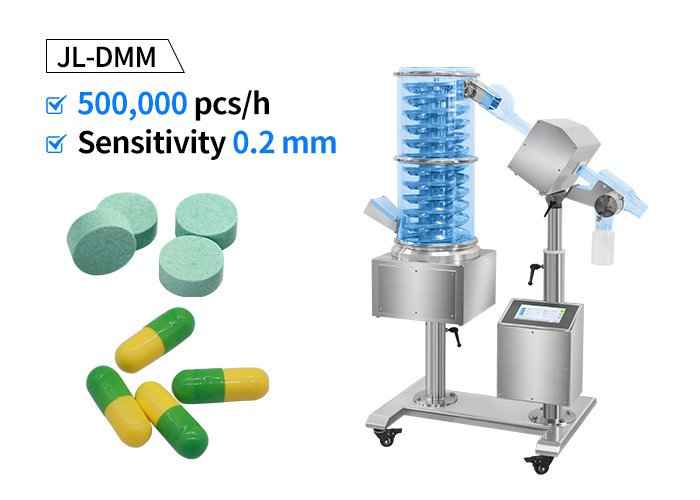
Figür: A tablet toz giderme makinesi (entegre metal dedektörlü) Presleme sonrasında tabletlerdeki fazla tozu giderir.
Tozsuzlaştırma işlemi genel olarak dört aşamadan oluşur:
Birlikte, bu adımlar kapsamlı bir temizlik sağlarken tabletin bütünlüğünü korur. Modern makineler sıklıkla çalışma parametrelerini kaydeder (hız, vakum basıncı, arıza verileri) FDA 21CFR Bölümünü karşılamak için 11 elektronik kayıtlara ilişkin gereksinimler.
[jl_youtube src=”https://www.youtube.com/embed/U1KbW9XeHK8″]
Tablet toz gidericiler genellikle taşıma yapılarına ve toz giderme yöntemlerine göre sınıflandırılır. İlaç üretiminde, üç ana tip yatay toz toplayıcılardır, dikey toz gidericiler, ve fırça tipi toz gidericiler.
Yatay tablet toz gidericileri, tozu ve ince parçacıkları ayırırken tabletleri ileri doğru hareket ettirmek için titreşimli delikli bir plaka veya tüp kullanır. Gevşetilmiş toz delikli yüzeyden düşer ve bir vakum sistemi tarafından uzaklaştırılır..
Bu makineler basit bir yapıya sahiptir, düşük maliyetli, ve kolay kullanım, onları küçük ölçekli üretime veya geleneksel tablet üretim hatlarına uygun hale getiriyor. Fakat, genellikle daha kısa kalma süresi ve daha düşük toz giderme verimliliği sunarlar, özellikle yüksek hızlı üretim ortamlarında. Daha büyük zemin alanı gereksinimleri aynı zamanda modern otomatik paketleme hatlarıyla entegrasyonu da sınırlıyor.
Dikey tablet toz toplayıcılar modern farmasötik üretiminde en yaygın kullanılan tiptir.. Toz ve çapakları sürekli olarak temizlerken tabletleri spiral bir yol boyunca hareket ettirmek için kontrollü titreşim kullanırlar.
Yatay makinelerle karşılaştırıldığında, dikey toz gidericiler daha uzun taşıma yolları sağlar, daha iyi toz giderme performansı, daha küçük ayak izleri, ve metal dedektörleriyle daha kolay entegrasyon, kabarcıklı paketleme makineleri, ve şişe dolum hatları. Dikey tablet toz tutucular genel olarak iki alt tipe ayrılır.:

Fırça tipi toz gidericiler, taşıma sırasında tabletleri temizlemek ve cilalamak için döner fırçalar kullanır. Kırılganlığa uygundurlar, kaplamalı, veya hassas kullanım ve geliştirilmiş yüzey bitirme gerektiren hassas tabletler.
Fırça tipi sistemler tabletin görünümünü iyileştirebilmesine rağmen, fırça aşınması nedeniyle daha fazla bakım ve temizlik gerektirirler. Bu nedenle, esas olarak standart yüksek hızlı üretim hatlarından ziyade özel uygulamalarda kullanılırlar.
Bugün, yukarıya doğru taşınan dikey tablet toz toplayıcılar, yüksek verimlilikleri nedeniyle çoğu ilaç üreticisinin tercih ettiği seçenek olmaya devam ediyor, kompakt tasarım, ve kolay üretim hattı entegrasyonu.

Tablet toz gidericiler bir olmazsa olmaz ürün kalitesini doğrudan destekledikleri için herhangi bir modern katı dozaj üretim hattı için uygundur, güvenlik ve uyumluluk. Sıkıştırma sonrasında tozun giderilmesi GMP açısından tartışılamaz. Bir rehberin açıkladığı gibi, En ufak bir toz bile sonraki prosesleri bozabilir; tozdan arındırma “ambalajlama operasyonlarında kirlenmeyi önler, kabarcıkların uygun şekilde kapatılmasını sağlar, ve ürünün görünümünü korur”. Düzenleyici kurumlar (FDA, Ema, CGMP) Tablet toz gidericiler gibi ekipmanların hijyenik tasarıma sahip olmasını bekliyoruz, ve tozun kontrol altına alınması veya yakalanması. Örneğin, FDA standartlarına göre üretilen toz toplayıcılar, onaylanmış temizleme protokollerini kullanır (Devam Eden Çalışma/CIP) ve mühürleri öyle güçlü ya da zehirli ilaç tozunun asla kaçmayacağı şekilde sabitleyin.
Ek olarak, toz gidericiler yüksek hızlı preslerin taleplerini karşılıyor. Jinlu, mevcut modellerin 100,000 saatte tablet böylece en hızlı döner baskı makinesine bile kolayca uyum sağlarlar. Bu, üretimin yavaşlamasını önler; toz giderici bir üretim darboğazı haline gelmeyecek. Aslında, toz giderme ve metal algılamayı birleştirerek (uygulanabilir olduğunda), bu makineler hat alanından tasarruf sağlar ve cihazlar arasında ikincil kirlenme riskini azaltır.
Nihayet, temiz tabletler verimi artırır ve israfı azaltır. Tabletlerin üzerinde toz kalırsa, birbirlerine yapışabilirler, yanlış tartmak, veya kaplama veya kabarmadaki kusurları tetikleyebilir. Tozdan arındırma, reddetme oranlarını ve müşteri şikayetlerini önemli ölçüde azaltır. Son bir "temiz tablet" kalite kontrol adımını uygulayarak, üreticiler tabletin etkinliğini ve hasta güvenliğini tutarlı bir şekilde sürdürüyor.
| Özellik | Tablet didans | Tablet Parlatıcı |
| Ana Fonksiyon | Tabletlerdeki gevşek tozu ve ince parçacıkları çıkarın. | Parlaklık için tablet yüzeylerini cilalayın veya parlatın (genellikle dönen fırçalar veya bez aracılığıyla). |
| Tipik Kullanım | Tablet basıldıktan hemen sonra kurulur, ön kaplama/paketleme. Tozsuz tabletler sağlar. | Tozdan arındırıldıktan sonra kullanılır (veya yalnız) kozmetik cilalama için son adım olarak. |
| Mekanizma | Titreşimli tepsi veya spiral elek + vakum ekstraksiyonu. | Dönen aşındırıcı fırçalar veya kayışlar tablet yüzeyini nazikçe fırçalar (minimum vakumla). |
| Toz toplama | Entegre vakum veya emme, kaldırılan tozu yakalar. | Sınırlı; öncelikle aşırı tozu parlatma tamburunun içine iter. Tam toz yakalamada daha az etkili. |
| Tabletlere Etkisi | Tabletleri şeklini değiştirmeden temizler; kırık tabletleri reddeder. | Kenarları pürüzsüzleştirir ve parlak yüzey ekler; köşeleri hafifçe yuvarlatabilir. Esas olarak estetik iyileştirme. |
| Entegrasyon | Üretim hattıyla aynı hizada (genellikle basmak için yüksekliği ayarlanabilir). CIP/WIP seçenekleri mevcut. | Genellikle bağımsız veya aşağı yönde bir birim; kutudan çıktığı haliyle her zaman GMP'ye hazır değildir. |
| Faydalar | GMP temizlik gereksinimlerini karşılar, ağırlık doğruluğunu korur. | Görsel çekiciliği artırır; küçük yüzey işaretlerini kaldırır. |
Masa: Tablet toz toplayıcı ve parlatıcıların karşılaştırılması. Toz gidericiler öncelikle toz giderme ve kalite kontrol içindir, halbuki parlatıcılar görünüşe odaklanmak. Sonuç olarak, toz gidericiler genellikle toz emme sistemlerini içerir, cilalayıcılar bunu yapmazken.
Optimum toz gidericinin seçilmesi proses ihtiyaçlarınıza bağlıdır. Dikkate almak:
Bu faktörleri tartarak - verim, tablet özellikleri, yapı, ve servis—tabletlerinizi temiz tutacak bir toz giderici seçebilirsiniz, güvenli, ve hattınız verimli bir şekilde çalışıyor.
Tablet toz gidericiler, sıkıştırılmış tabletler üreten tüm endüstrilerde kullanılır:
Her durumda, toz giderici tasarımı benzer. Örneğin, Jinlu'nun makinelerinin idaresi 3–25 mm çeşitli şekillerde tabletler, onları herhangi biri için çok yönlü hale getirmek katı doz astar. İster hayat kurtaran bir ilaç, ister bir vitamin kompleksi olsun, toz giderici tabletleri sağlam ve kirlenmeden korur.

Jinlu Packaging güvenilir bir farmasötik paketleme makinesi üreticisidir, ve tablet toz toplayıcılarımız onlarca yıllık deneyimi yansıtıyor. Jinlu'yu seçmenin temel nedenleri arasında şunlar yer alıyor::
Daha fazla ayrıntı için, bizimkine bakın Metal Dedektörlü Tablet Toz Giderme ürünü sayfa, veya özel bir fiyat teklifi ve hat düzeni için bizimle iletişime geçin. Uzmanlarımız ideal tozsuzlaştırma sistemini önerebilir (metal algılamalı veya algılamasız) kalite ve bütçe gereksinimlerinizi karşılamak için.
Tablet toz giderici herhangi bir katı doz üreticisi için hayati bir yatırımdır. Tabletlerin baskı yüzeyini kirden arındırılmış olarak bırakmasını sağlayarak, Toz gidericiler üretim verimliliğini artırırken ürün kalitesini ve hasta güvenliğini korur. Sıkı düzenleyici standartların karşılanmasına ve maliyetli reddetme veya geri çağırmaların azaltılmasına yardımcı olurlar. Uygun bir toz giderici ile (özellikle metal dedektörüyle entegre edilmiş olanı), tabletleriniz daha temiz olacak, hattınız daha düzgün çalışacak, ve nihai ürününüz daha kaliteli olacaktır.
Hattınızı yükseltmek istiyorsanız, Jinlu Paketleme geniş bir toz giderme ve tablet işleme ekipmanı yelpazesi sunar. Jinlu Packaging ile iletişime geçin fiyat teklifi veya danışmanlık için hemen bugün – uzmanlarımız ideal Tablet Toz Gidericiyi yapılandırmanıza yardımcı olabilir (metal algılamalı veya algılamasız) farmasötik hattınız için. Jinlu'nun kanıtlanmış tozsuzlaştırma çözümleriyle üretiminizin en yüksek kalite ve verimlilik standartlarını karşıladığından emin olun.
Toz giderici, sıkıştırmadan hemen sonra tabletlerdeki fazla tozu ve ince taneleri temizler. Bu temizleme adımı, tozun sonraki aşamalara bulaşmasını önler (kaplama veya kabarma gibi) ve her tabletin bozulmamış bir yüzeye sahip olmasını sağlar. Tozu gidermek aynı zamanda kabarcıklı paketlerdeki sızdırmazlığı artırır ve şişelerdeki partiküllerin gevşek doldurulmasını önler.
Evet. Tablet toz gidericiler baskı makinesiyle aynı hizada oturacak şekilde tasarlanmıştır. Genellikle presin boşaltma kanalının hemen sonrasına yerleştirilirler. Pek çok modelde ayarlanabilir yükseklik tabanları veya eşleşen konektörler bulunur, böylece doğrudan takılırlar. Bu hat içi kurulum, tabletlerin manuel aktarıma gerek kalmadan doğrudan presten toz ayırıcıya akmasına olanak tanır, üretimi kolaylaştıran.
Tablet toz giderici tabletleri toz ve parçacıklardan temizler, metal dedektörü metalle kirlenmiş tabletleri tarar ve reddeder. Jinlu'nun kombine toz giderme/metal dedektörü makinesi aslında her ikisini de tek bir ünitede yapıyor. Bu hibritte, toz toplayıcının elek sistemi öncelikle tozu uzaklaştırır ve kırılmış tabletleri reddeder, daha sonra alt akıştaki metal dedektörü temizlenmiş tabletleri metal parçacıkları açısından kontrol eder.
Toz gidericiler GMP'ye göre düzenli olarak temizlenmelidir.. Tipik olarak, toz toplama tepsisi veya filtreler günlük olarak boşaltılır. İç parçalar (ekranlar, tepsiler, ve hazneler) en az haftada bir silinmeli veya süpürülmelidir. Birçok firma komple söküm ve yıkama işlemi yapmaktadır. (Devam Eden Çalışma/CIP) aylık veya büyük ürün değişimleri arasında. Üreticiler genellikle deliklerin fırçalanmasını ve vakum filtresini her gün incelemenizi önerir.. Yıllık bakım kontrolleri ve parça değişimi (örneğin. titreşim motorları, fatura) verimliliği yüksek tutmaya yardımcı olun.
Evet, uygun toz gidericiler GMP'ye uygun olarak tasarlanmıştır. İlaç sınıfı malzemeler kullanıyorlar (örneğin. SUS316L) ve hijyenik tasarım ilkeleri. Uyumlu bir toz giderici pürüzsüz olacaktır, Kolay temizlik için kaynaksız iç kısımlar ve çabuk sökülen parçalar. Otomatik temizleme (Devam Eden Çalışma/CIP) Manuel temizliği en aza indirmek için ileri teknoloji modellerde mevcuttur. Tüm operasyonel adımlar (örneğin. hız ayarları, günlükleri temizleme) Denetimleri karşılamak için belgelenebilir. Jinlu'nun toz toplayıcıları, Örneğin, FDA/EMA kalite düzenlemelerini karşılayın ve 21CFR Bölümünü destekleyin 11 bir metal dedektörüyle eşleştirildiğinde veri kaydı.
Tablet tozunu giderme önemlidir çünkü kalan toz kaplama kalitesini etkileyebilir, kabarcık sızdırmazlık, şişe doldurma, ve ürün görünümü. Ayrıca kontaminasyon risklerinin azaltılmasına yardımcı olur ve üretim sırasında sonraki paketleme ekipmanlarının daha temiz ve daha istikrarlı kalmasını sağlar.
Evet. Modern tablet toz giderme makineleri genellikle operatörlerin kaplı tabletleri işlemesine olanak tanıyan ayarlanabilir titreşim ayarları içerir, efervesan tabletler, çiğnenebilir tabletler, ve ürün yüzeyine zarar vermeden düzensiz şekiller.
İlaç üretiminin yanı sıra, Tablet toz gidericiler ayrıca nutrasötiklerde de yaygın olarak kullanılmaktadır., yiyecek, şekerleme, ve vitamin tabletleri gibi ürünler için kimya endüstrileri, şeker tabletleri, deterjan tabletleri, ve bitkisel takviyeler.
Referanslar:
1.İlaç Üretim Operasyonlarında Tablet Toz Gidericilerin Seçimi Kılavuzu ——farmasötikonline.com
2.Farmasötik Tablet Sıkıştırmasında Yapıştırma ve Toplama: Bir IQ Konsorsiyum İncelemesi —— ScienceDirect
3.Tablet Üretiminde Toz Birikiminin Ele Alınması —— pharmtech.com
4.İlaç Teknolojisi A.Ş.: Toz Geçirmez Toz Giderici —— Sağlık Ambalajları