Protein tozunun verimli bir şekilde paketlenmesi, takviye ve gıda üreticileri için çok önemlidir. İster perakende satış için ister büyük peynir altı suyu proteini küvetlerini dolduruyor olun, ister küçük tek servislik poşetler hareket halindeki müşteriler için, doğruyu seçmek paketleme makineleri tüm farkı yaratıyor. Otomatik protein tozu ambalajı hat dozlayabilir, doldurmak, ve saatte yüzlerce konteyneri tutarlı bir doğrulukla mühürleyin. Bu kılavuzda, yüksek hızlı makinelerin verimli toz paketlemenin anahtarı olduğunu açıklayacağız, ana ambalaj formatlarını karşılaştırın (kavanoz, poşetler, sopa paketleri), ve doğru ekipmanı seçerken aranacak özellikleri inceleyin. Bunu dost canlısı "makineye genel bakış" olarak düşünün; bir operasyon yöneticisinin veya satın alma mühendisinin yeni bir makine tedarik ederken soracağı soru toz paketleme hattı.
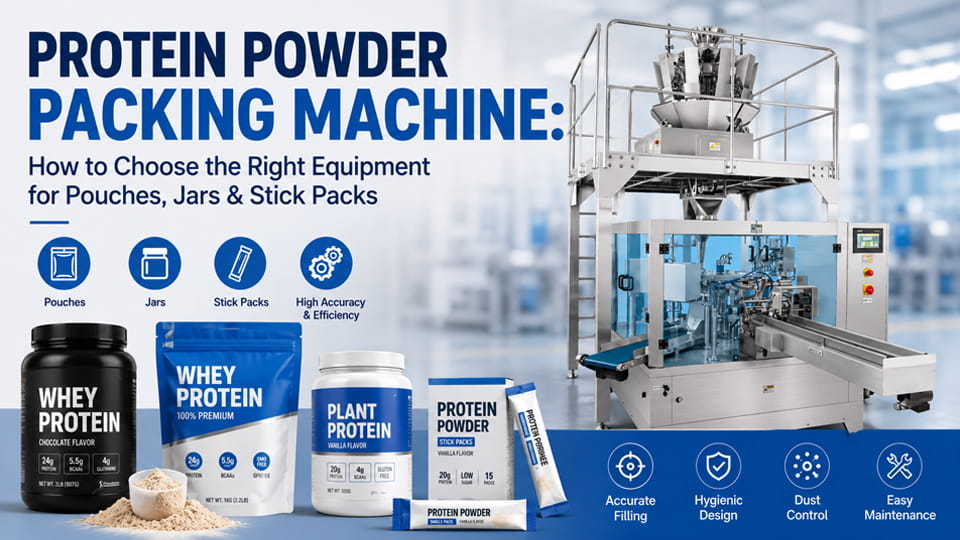
Neden Protein Tozu İçin Otomatik Paketleme Makinesi Kullanmalı??
Küçük protein tozu markaları bile kepçeyle elle paketlemeyi hızla aşıyor. Otomatik paketleme makinesi üretim oranlarını önemli ölçüde artırabilir (sıklıkla 10× veya daha fazla manuelden daha) dolum ağırlıklarının yerinde olmasını sağlarken. Örneğin, tam entegre toz paketleme hatları sipariş üzerine çıktı verebilir 200 dakika başına birim, elle paketlendiğinde ~15 birime karşılık. Bu, işgücü ihtiyacını azaltır (genellikle iş gücünü `-80 oranında azaltır) ve hatları birinci sınıf üretkenliğe doğru hızlandırır.
Hızın ötesinde, otomatik makineler gelişiyor tutarlılık ve hijyen. Servo kontrollü burgu dolgu maddeleri Ve kontrol terazileri, her küvet veya kese sıkı bir tolerans dahilinde doldurulur. Bu hediyeyi azaltır (ekstra toz israfı) ve müşteri şikayetleri. Kapalı makineler aynı zamanda tozu da muhafaza eder, Kirlenmeyi ve dağınık temizliği önleme. Diyet veya ilaç şirketleri için, toplantı CGMP veya FDA standartları hayati öneme sahiptir; yerleşik toz emme sistemi ve yalıtılmış muhafazalar, temiz oda ortamının korunmasına yardımcı olur. Kısacası, makul büyüklükteki herhangi bir protein tozu üreticisi için, paketleme makinesi bir lüks değil, kârlı ve güvenli bir şekilde büyümek için bir zorunluluktur.
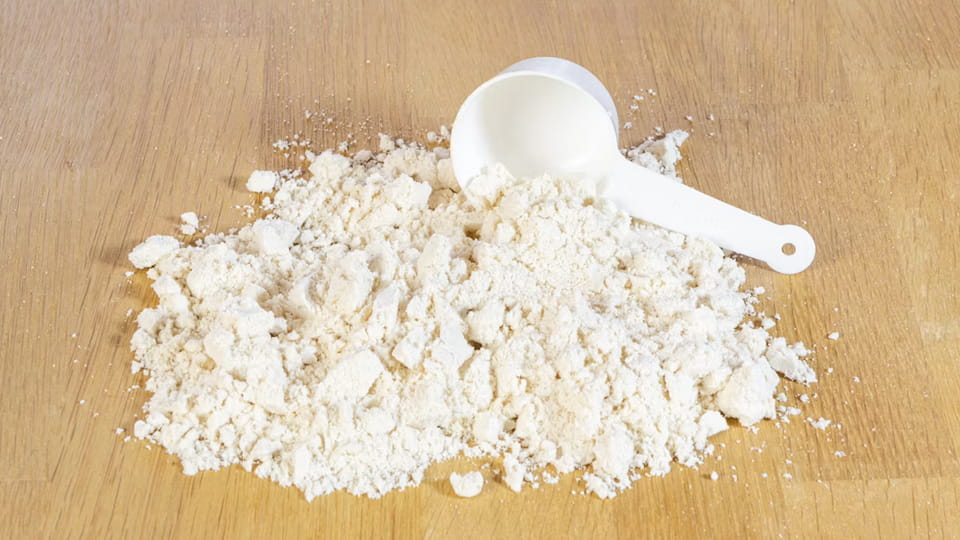
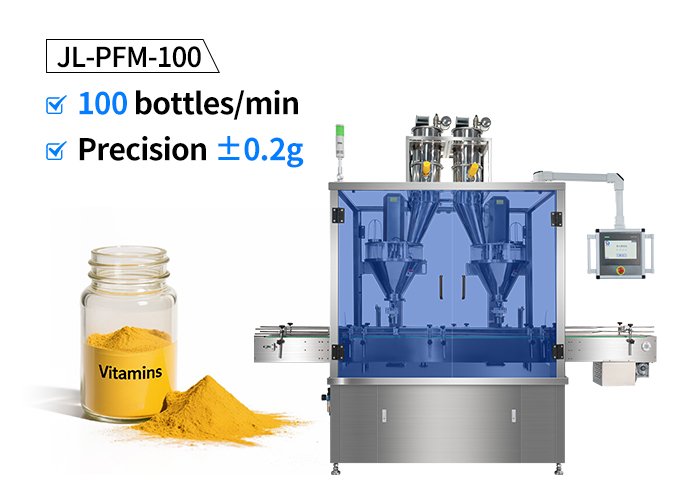
Figür: Protein tozu iyidir, Kolayca tozlanabilecek serbest akışlı madde. Yüksek hassasiyet burgu dolgu maddeleri tozları kavanozlara dozajlamak için yaygın olarak kullanılır, torbalar veya poşetler.
Protein Tozu için Ana Paketleme Formatları
İlk karar şu konteyner formatı. Protein tozu genellikle üç formdan birinde gönderilir: kavanozlar/küvetler (sert kaplar), ayağa kalkma (çanta), veya çubuk paketleri/poşetler (tek servislik çubuklar). Her birinin kendi kullanım durumları vardır:
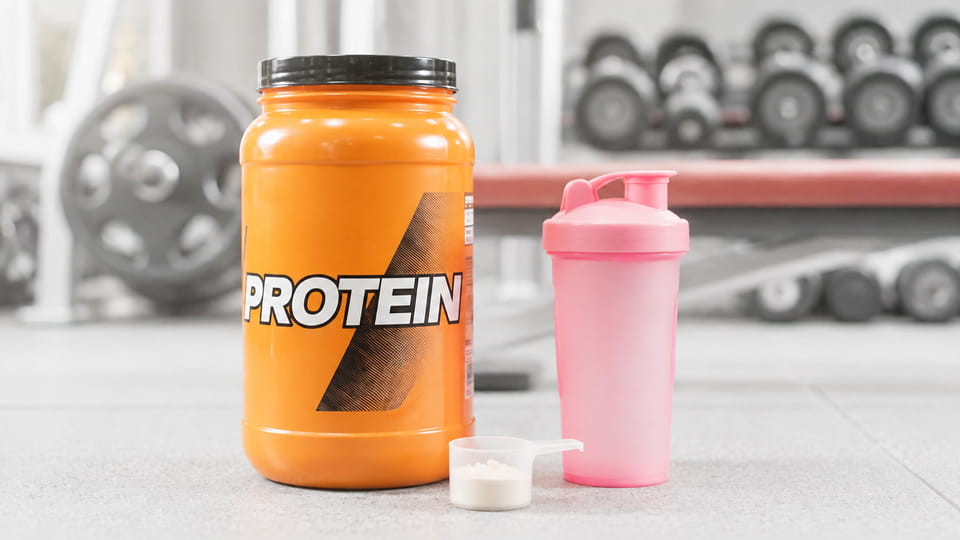
- Kavanoz & Küvetler (Sert Konteynerler): Klasik geniş formatlı ambalaj (örneğin. 500 G, 1 kilogram, 2 kg'lık küvetler). Bunların genellikle vidalı kapakları vardır ve içlerinde kepçe bulunabilir. Müşteriler dayanıklılık bekliyor, toplu veya yüksek değerli tozlar için yeniden kapatılabilir kavanozlar (peynir altı suyu kitle kazandırıcı veya özel takviyeler gibi). Paketleme hatları bir burgu dolum makinası tozu kavanoza dozajlamak, daha sonra tazelik için bir kapatma istasyonu ve indüksiyon mühürleyici. Kavanozlar koşabilir 5–50 adet/dak otomasyon seviyesine bağlı olarak. Bir örnek Jinlu'nunki Toz Dolum Makinası, tozlar için ±0,1 g doğruluk sağlar. Kavanozlar birinci sınıf bir görünüm ve kolay yeniden kapatılabilirlik isteyen markalara uygundur.
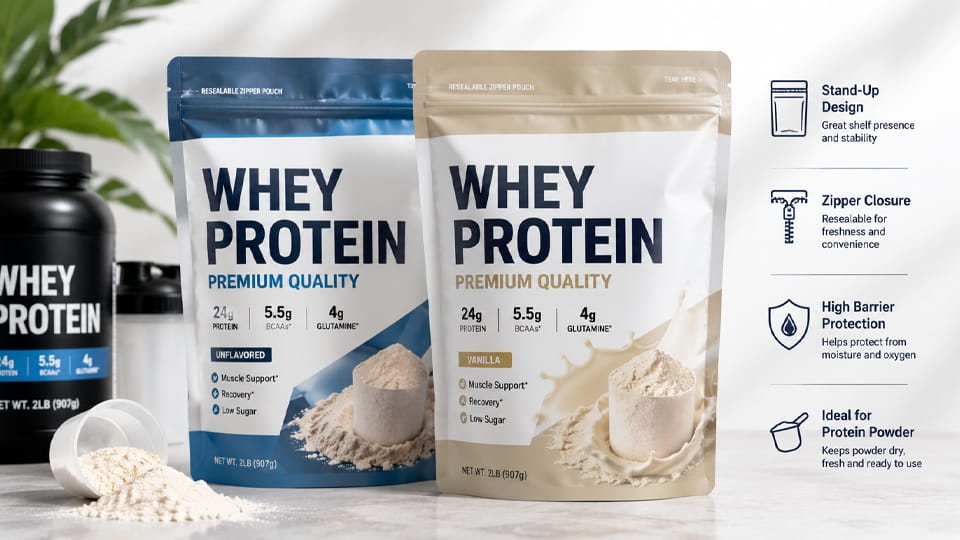
- Ayakta Duran Torbalar & Fermuarlı Torbalar: Esnek torbalar (doypack'ler veya köşebentli stand-up'lar) protein tozları artık çok popüler. Küçük deneme boyutlarından farklılık gösterirler (100–250 gr) daha büyük perakende boyutlarına kadar (1–2 kg). Torbalar genellikle yeniden kapatılabilir fermuar mühürler, tazeliği korumak için ideal. Bunları doldurmak genellikle bir gerektirir önceden yapılmış torba paketleme makinesi. Makine önceden hazırlanmış boş poşetleri alır, onları açar, tozla doldurur, ve üst kısmı ısıyla kapatılır. Jinlu'nun hazır kese makineleri ~60–70 torba/dak ile çalıştırın ±%0,4 doğruluk ve çeşitli çanta stillerini destekleyin (fermuar, emzik, düz tabanlı). Torbalar plastikten tasarruf sağlar. kavanozlar ve nakliye için hafiftir. Ayrıca çekici baskılı ambalajlara da olanak tanırlar. Bu format perakende rafları için mükemmeldir, doğrudan tüketiciye e-ticaret, veya bakkallar.
- Çubuk Paketleri/Poşetler (Tek Servis Paketleri): Bunlar uzun, tek bir porsiyon içeren ince mühürlü şeritler (genellikle 10–30 g toz). Spor salonuna gidenlerin hareket halindeyken yırtıp açtığı protein paketlerini düşünün. Çubuk paketleri (bazen poşet denir) laminatlardan veya folyo filmden yapılır ve bir sopa paketleme makinesi. Onlar taşınabilirliği en üst düzeye çıkarın ve kolaylık – numuneler için ideal, seyahat paketleri, veya promosyonlar. Çok şeritli çubuk paketleme makineleri dakikada yüzlerce paket üretebilir. Örneğin, Jinlu'nun sopa paketleyicileri ulaşmak 240 çubuk/dakika (şeritler arası) ve her birini ±0,02 g hassasiyetle doldurun. Bu format, ambalaj ağırlığını ve küçük porsiyonlar için israfı en aza indirir ancak yeniden mühürlemez. Tek kullanımlık veya deneme porsiyonları için en iyisidir.
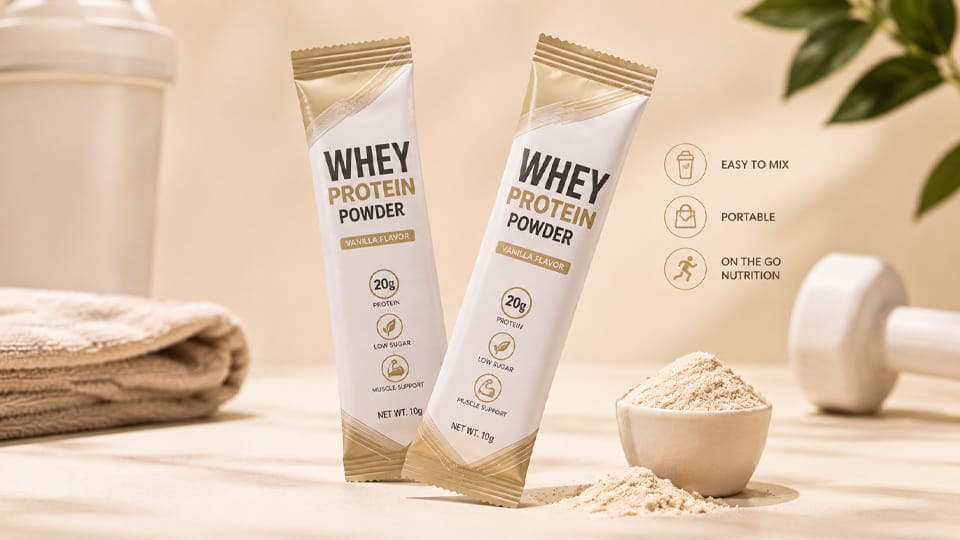
Her formatın ödünleşimleri vardır (aşağıdaki tabloya bakın). Yanlış konteynerin seçilmesi ekstra malzeme maliyeti veya hantal operasyon anlamına gelebilir. Her formata ilişkin makineler ve faktörler hakkında daha fazla bilgi edinmek için okumaya devam edin.
Protein Tozu Paketleme Makinası Çeşitleri
Paket türünü öğrendikten sonra, sonraki soru bunu hangi makinenin dolduracağıdır. İşte ana ekipman türleri:
İşte bir özet tablo:
| Makine Tipi |
Birincil Paket Türü |
Tipik Kullanım Durumu |
Temel Avantajlar |
| Burgu Dolum Makinası |
Kavanoz, Küvetler, Sert Konteynerler |
Toplu protein tozları (1–10kg) |
Çok hassas dozaj, yapışkan tozları işler, kapatma/sızdırmazlığı entegre eder |
| VFFS Makinesi |
Yastık Çantaları, Körüklü Çantalar |
Yüksek hacimli film yapımı çantalar (500g–2kg) |
Çok yüksek hız, minimum malzeme israfı |
| Önceden yapılmış torba paketleme makinesi |
Ayakta duran torbalar, Fermuarlı çantalar |
Perakende protein torbaları (50g–2kg) |
Premium paket görünümü, esnek kese stilleri, sıkı sızdırmazlık |
| Çubuk Paketleme Makinası |
Sopa poşetleri (1–50g) |
Tek porsiyonluk protein paketleri (seyahat/örnekler) |
Küçük paketler için en yüksek çıktı, birim başına düşük malzeme maliyeti |
| Çok Şeritli Çubuk Paketi |
Sopa poşetleri (çoklu) |
Küçük paketlerin seri üretimi |
Çok yüksek verim (Çoklu şerit) |
Doğru makineyi seçmek çok önemlidir. Sonraki bölümlerde bunların işletim adımları ve bunlardan birini seçerken nelere dikkat edilmesi gerektiği anlatılmaktadır..
Protein Tozu Paketleme Makinesi Nasıl Çalışır??
Makineler türüne göre farklılık gösterse de, protein tozunu doldurmanın temel süreci benzerdir: (1) Tozu besleme → (2) Ağırlığa göre dozajlama → (3) Paketin doldurulması → (4) Paketin kapatılması → (5) Bitmiş paketin çıktısı.
- Toz Besleme: Bir tedarik hunisi toplu tozu tutar. Çok ince tozlar için, bir vakumlu yükseltici veya vidalı besleyici, tozu doldurma ünitesinin üzerindeki ana hazneye kaldırabilir. Çoğu zaman bir titreşimli masa veya karıştırıcı tozun sürekli akmasını sağlar (Çıkışta topaklanma veya köprü oluşumunun önlenmesi). İyi makinelerde, kavislenmeyi engellemek için koni şeklinde hazneler ve titreşim veya fırçalar bulunur (köprü oluşturma).
- Ağırlık Dozajı: Bir burgu dolgusu (vida) veya çok kafalı terazi her dozu ölçer. Burgu dolumu için, bir servo motor, tozu ölçmek için besleme hunisindeki vidayı döndürür. Taşınan hacim dolum ağırlığıyla ilişkilidir. Sistem açık çevrim olabilir (hacimsel olarak kalibre edilmiş) veya kapalı döngü (anında ayarlamak için bir ölçek ile). Uygun burgu takımı (saha, uzunluk, hız) toz akışına göre seçilir. JinluPacking'in belirttiği gibi, köprü oluşumunun önlenmesi ve hazne tasarımı çok önemlidir; iyi tasarlanmış bir hazne, toz köprülenmesini ~�'ten �'e kadar azaltabilir 12% koşu sayısı.
- Paket Konumlandırma: Bir kavanoz veya şişeyi dolduruyorsanız, bir şifre çözücü veya besleyici boş kapları düzenler. Bir torbayı doldurursanız, çanta ya oluşturulmuş (Vff'ler) veya seçilmiş/açılmış (önceden hazırlanmış kese veya çubuk paketleme makinesi). Doğru kese açma (genellikle vakumlu tutucular veya hava jetleri ile) tozun dışarıya dökülmemesini sağlar.
- Doldurma: Toz kabın içine dağıtılır. Birçok makine daha sonra bir vibratör veya vakumlu hava giderme aşaması dolu kabı hafifçe sallamak, tozu çökeltmek ve sıkışan havayı çıkarmak. Bu, yoğunluğu artırır ve paket başına daha fazla toz elde edilmesini sağlar, ve tozu azaltır.
- Sızdırmazlık/Kapama: Torbalar silindirler veya çenelerle ısıyla kapatılır. Kavanozların kapakları kapatılıyor (otomatik olarak bastırılır veya vidalanır). Bazen bir indüksiyonlu sızdırmazlık kapağın altına alüminyum tazelik contası uygular (özellikle nutrasötiklerde yaygındır). Sızdırmazlık tozsuz olmalıdır; genellikle son bir hızlı fırça veya hava darbesi dudaktaki tozu giderir.
- Kalite Kontrolü & Çıkış: Bir kontrol terazisi veya görüntüleme sistemi nihai ağırlığı ve mührü doğrulayabilir. Paketler daha sonra makineden çıkıp toplama konveyörlerine veya doğrudan kasalara gider.
Tüm adımlarda, toz kontrolü kritik. Kilolarca proteinin paketlenmesi havada toz oluşmasına neden oluyor. Üst sistemlerde partikülleri yakalamak için yerel toz emme başlıkları ve HEPA filtreler bulunur, makineleri temiz tutmak ve işçileri korumak. İşaretlenmemiş bırakılırsa, toz contaları kaplayabilir veya diğer ürünleri kirletebilir. Pek çok kese paketleme makinesi, aşağıdaki seçeneklere bile sahiptir: nitrojen temizleme, Protein tozunun raf ömrünü uzatmak için torbanın içindeki oksijeni değiştirmek.
Auger Dolgu Maddeleri Protein Tozu İçin Neden Önemlidir?
Herhangi bir kuru toz için, protein gibi özellikle yapışkan veya ince olanlar, burgu (vida) genellikle dozaj için en iyi seçimdir. Hacimsel kap doldurucuların aksine, BİR burgu dolgusu Zor tozları açık kaplara veya torbalara hassas bir şekilde ölçebilir. İşte burguların üstün olmasının nedeni:
- Yüksek hassasiyet: Doğru kalibrasyonla, modern burgu sistemleri vurabilir ±%0,1–1 doğruluk. Vida adımı, uzunluk ve dönüş hızı, tozun yığın yoğunluğuna ve dolum ağırlığına göre ayarlanır. Servo tahrikli helezonlar dinamik ayarlamaya olanak tanır. Örneğin, Jinlu'nun burgu dolum makineleri, dolum hassasiyetini elde etmek için servo sürücüleri kullanıyor 0.01 G.
- Zorlu Tozlarla Baş Edebilir: Protein tozları genellikle köprü veya fare deliği (bir kasa oluşturmak) titreşimli değilse haznelerde. Titreşimli besleyicilerle birleştirilmiş helezonlar, fırçalar veya karıştırıcılar bu köprüleri kırabilir. Tozlar yapışkan ise (peynir altı suyu gibi) veya elektrostatik, bazı makineler sunuyor daha uzun vidalar veya yapışmayı azaltmak için kaplamalı vidalar. Uzun burgu çeşidi (ve Jinlu teklif ediyor) Yapışkan tozları sıkışmadan taşımak için tasarlanmıştır.
- Toz Minimizasyonu: Tozlara yönelik helezonlu doldurucular genellikle yarı kapalı haznelerde çalışır. Birçoğu var kollu nozullar dozlama öncesinde/sırasında kavanoza veya torbaya yerleştirilenler. Jinlu'nun makineleri, başıboş tozu yakalamak için dolum alanını saran bir emme manşonu kullanıyor, dökülmeleri neredeyse tamamen ortadan kaldırır. Harici toz başlıklarıyla birlikte, bu doldurma bölgesini düzenli tutar.
- Entegre Özellikler: Kavanoz hatlarında, burgu dolguları otomatik olarak eşleştirilebilir kepçe yerleştiriciler. Bu cihazlar tozdan önce kavanozun içine bir ölçü kaşığı bırakır (peynir altı suyu proteini küvetlerinde yaygındır). Daha sonra burgu kepçenin etrafını doldurur. Doldurduktan sonra, bir kapak kavanozu kapatır. Jinlupacking'in belirttiği gibi, Burgu bazlı kavanoz doldurucuları genellikle tam olarak bu özellikleri içerir; kepçe yerleştirme, kaplama, ve hatta tek bir entegre hatta etiketleme.
Özetle, birincil ürününüz bir toz madde, bir burgu dolgusu genellikle en iyi temeldir. Çok yönlüdür ve hattınızın geri kalanıyla kolayca entegre edilebilir. Örneğin, tipik bir kavanoz hattı olabilir: şişe çözücü → burgu dolum → kepçe yerleştirici → kapaklayıcı → indüksiyon mühürleyici → etiketleme → kontrol terazisi. Bu, toplu protein takviyelerinden ince nutrasötik tozlara kadar her şeyi yönetir.
Makine Seçiminde Dikkat Edilmesi Gereken Temel Faktörler
"Doğru" ekipmanın seçilmesi ürününüzün ve tesisinizin birçok detayına bağlıdır. Tedarik ve mühendislik ekiplerinin dikkate alması gereken kritik faktörler şunlardır::
- Paket Tipi & Boyut: Kavanozları dolduruyor musun?, küvetler, Stand-up çantaları, veya poşetleri yapıştırın? Ve ağırlıkları ne doldurur? (örneğin. 20 g tek servis vs 1,000 toplu.) Daha küçük paketler farklı makineler gerektirir (çubuk paketleyiciler veya küçük kese paketleyiciler) büyük küvetlerden daha (burgu dolgu maddeleri ve büyük harfler). Makinenin minimum ve maksimum paket boyutlarınıza ve ağırlıklarınıza göre derecelendirildiğinden emin olun.
- Üretim kapasitesi: Dakikada veya vardiya başına kaç üniteye ihtiyacınız var?? Gelecekteki büyümeyi de projelendirin. Bir makine halledebilir 20 kavanoz/dak veya 200 torba/dakika – büyük fark. Yüksek hızlı hatlar genellikle birden fazla şerit kullanır (özellikle çubuk paketleyiciler veya VFFS) çıktıyı çoğaltmak. Örneğin, 4 şeritli çubuk paketleyici, tek şeritli oranın 4 katını üretebilir. Belirtilen hızların tozunuzla test edilip edilmediğini onaylayın (bazı satıcılar yalnızca ideal koşullarla ulaşılabilecek teorik maksimum değerleri listeliyor).
- Toz Özellikleri: Protein tozunuz serbestçe akıyor mu? (bazı peynir altı suyu protein izolatları gibi) veya daha uyumlu (bezelye proteini izolatları, kolajen karışımları)? Statik üretiyor mu? higroskopik mi (nemi emer)? Bunlar dolum teknolojisi seçimini etkiler. Zayıf akışlı tozların gerekebilir akışkanlaştırma nozulları veya vakum desteği. Statik bir sorunsa, anti-statik önlemleri arayın (iyonlaştırıcı çubuklar, iletken hazneler). Üreticiyle benzer tozlarla ilgili deneyimleri olup olmadığını tartışın; çoğu kişi önce ürününüzü test edecektir..
- Doğruluk Gereksinimleri: İçin gıda takviyeleri, müşteriler genellikle kesin dozajı önemserler. Hedef ağırlığın ±%1'i dahilinde olmanız gerekiyorsa, çok kafalı terazili veya yüksek hassasiyetli helezonlu sistemleri tercih edin. Bazı hacimsel dolgu maddeleri değişken toz akışında sıkı toleransları garanti edemez. Protein tozlarının kütle yoğunluğunun partiden partiye ~±% oranında değişebileceğini unutmayın., bu nedenle gerçek zamanlı geri bildirime sahip bir tartım hunisi daha güvenlidir.
- Otomasyon & Entegrasyon: Tam otomatik hatlara mı ihtiyacınız var? (bir kişi birden fazla makineyi denetler) veya yarı otomatik tamam mı? Yukarı/aşağı yöndeki ekipmanlarla entegrasyona ihtiyacınız var mı? (kovalı elevatörler, metal dedektörleri, kartonlama makineleri)? Ayrıca kodlama/etiketleme makineleri gibi ek özelliklere ihtiyacınız olup olmadığını da göz önünde bulundurun, nitrojen temizleme, veya CIP (yerinde temizlik). Daha fazla otomasyon maliyeti artırır ancak uzun vadede iş gücünden tasarruf sağlar.
- Değişim & Esneklik: Ürünleri veya paket boyutlarını ne sıklıkla değiştireceksiniz?? Çok sayıda SKU'nuz varsa (farklı kese boyutları veya toz karışımları), hızlı değiştirme özelliklerini arayın. Bu, ayarlanabilir kılavuzları içerebilir, hızlı değiştirilebilen burgu aletleri, ve tarif hafızası. Çok formatlı makineler (bazı Jac lineer doldurucular veya çok kafalı teraziler gibi) hazneleri değiştirerek hem tozları hem de granülleri işlemenizi sağlar.
- İnşaat Malzemesi & Temizlenebilirlik: Özellikle gıda/ilaç için, paslanmaz çelik 304 veya 316 temas parçaları bir zorunluluktur. Tasarım hijyenik olmalı (toz tutucu yok). Tatlar değişirse çalıştırmalar arasında kolay temizlik önemlidir. Birçok üretici, hazneleri temizlik amacıyla dışarı doğru eğmek için arabalar veya hidrolik silindirler sunmaktadır., ve kapak pulları veya CIP halkaları.
- Bütçe & Destek: Paketleme makineleri mütevazı (Basit, bağımsız burgulu dolgular için ~20 bin dolar) tam otomatik hatlar için altı rakamlı rakamlara kadar. Kurulumu içeren teklifler alın, eğitim, ve bir hizmet planı. Satıcının geçmiş performansını göz önünde bulundurun: toz konusunda uzmanlaşıyorlar mı? Ürününüzle test sunuyorlar mı?? Bir makine yalnızca desteği kadar iyidir; ihtiyacınız varsa CE/FDA sertifikasını kontrol edin.
Bu noktalardan geçerek, özellikleri ihtiyaçlarla eşleştirebilirsiniz. Çoğu zaman bir ambalaj danışmanıyla veya makine satıcısı varsayımları doğrulamak (örneğin. bir demo merkezinde test çalışmaları).
Ambalaj Seçenekleri Karşılaştırıldı: Kavanoz vs Kese vs Çubuk Paketi
Üç formatı kafa kafaya karşılaştıralım. Bu, uygulamanıza hangisinin uygun olduğunu açıklığa kavuşturabilir:
- Kavanoz/Küvet Ambalajı:
- Şunun için en iyisi:: Toplu ürünler (500g+), üst düzey takviyeler (kitlesel kazanç sağlayanlar, hepsi bir arada sarsıntılar).
- Artıları: Yeniden kapatılabilir (vidalı kapak), sağlam, markalaşma için güçlü raf varlığı. Büyük hacimler için iyi.
- Eksileri: Birim başına yüksek paketleme maliyeti (plastik veya cam kavanoz). Ağır. Aynı boyuttaki poşetlere göre daha düşük verim (elleçleme nedeniyle).
- Makineler: Tipik olarak, burgu dolgusu + kaplayıcı + Etiket. Çıkış 10–50 kavanoz/dakika olabilir.
- Stand-Up Kese Ambalajı:
- Şunun için en iyisi:: Orta boy perakende paketleri (100g–2kg). Raf çekiciliği veya e-ticaret gönderileri isteyen markalar.
- Artıları: Çakmak, kavanozlardan daha ucuz. Fermuar yeniden kullanıma olanak sağlar. Esnek tasarım (pencereleri temizle, musluklar, benzersiz şekiller).
- Eksileri: Önceden hazırlanmış poşetler satın almanız gerekiyor (veya VFFS ise film makaralarını kullanın). Fermuar makineleri daha karmaşıktır. O kadar katı değil (devrilmemesi için dikkatlice doldurulmalı).
- Makineler: Hazır kese makinesi veya VFFS. Hızlar 40–60 torba/dakika tipik (önceden hazırlanmış). Maliyet ve hız açısından iyi bir uzlaşma.
- Stick Paketi/Poşet Ambalajı:
- Şunun için en iyisi:: Tek servislik porsiyonlar (10g–50g), örnek paketler, seyahat paketleri (örneğin. spor çantaları).
- Artıları: Ultra taşınabilir, minimum ambalaj malzemesi, kolay dozaj. Yüksek hat hızı (özellikle çok şeritli makinelerde, toplamda yüzlerce sopa/dakika vurabilir).
- Eksileri: Yeniden mühürleme yok. Büyük hacimler için uygun değildir (toz paketleri tazeliğini daha hızlı kaybeder). Küçük ağırlıklarda daha hassas dolum gerekiyor.
- Makineler: Çubuk paketleyiciler (tek veya çok şeritli). Modern makinelerin yapabileceği 200+ çubuk/dakika (toplam) kolayca. Birim başına düşük malzeme maliyeti (sadece küçük bir lamine film).
| Faktör |
Kavanoz / Küvet |
Ayakta Kese |
Çubuk / Poşet |
| Tipik Doldurma Aralığı |
Orta-Büyük (≥250g) |
Küçük-Büyük (100g–2kg) |
Küçük (5–50g) |
| Taşınabilirlik |
Orta |
Yüksek (katlanabilir) |
Çok Yüksek |
| Yeniden mühürleme |
Evet (vidalı kapak) |
Evet (fermuar) |
HAYIR |
| Paketleme Maliyeti |
Yüksek |
Ilıman |
Birim başına düşük |
| Üretim Hızı |
Ilıman (10-50/dk.) |
Yüksek (50-80/dk.) |
Çok Yüksek (Çoklu şerit) |
| Marka |
İyi (kavanozun üzerindeki etiket) |
Çok güzel (çantaya baskı) |
İyi (sopa paketi baskı) |
| En İyisi |
Toplu ürünler |
Perakende/Çevrimiçi satışlar |
Tek porsiyonluk promosyonlar |
Yanlış formatı seçmek pazarınızı veya verimliliğinizi sınırlayabilir. Örneğin, Müşteriler spor salonuna hazır bir seyahat paketi istiyorsa, 2 kg’lık kavanoz satılmayacak. Tersine, koyarak 2 kg protein karışımı 200 poşetler pratik değildir. Bu nedenle, formatı ürünün kullanım senaryosuyla erkenden uyumlu hale getirin.
Protein Tozu Paketlemesinde Yaygın Zorluklar
İnce tozların hızla paketlenmesi tuzaklara neden olabilir. İşte dikkat edilmesi gereken sorunlar ve makinelerin bu sorunları nasıl çözdüğü:
- Tutarsız Doldurma Ağırlığı: Toplu yoğunluk veya akıştaki değişiklikler, bazı paketlerin gereğinden az veya fazla doldurulmasına neden olabilir. Atık ürünün aşırı doldurulması. Düzeltme: hassas dozaj kullanın (çok kafalı teraziler veya yük hücreli kapalı devre burgu), ve parti başına kalibre edin. İyi seçilmiş bir burgu (doğru adım/uzunluk) kritik. Otomatik kontrol terazileri aykırı değerleri de hemen yakalar.
- Toz Alma: İnce toz, doldururken dalgalanma eğilimi gösterir. Kontrolsüz, kalıntı bırakır ve contaları tıkayabilir. Çözümler şunları içerir: toz emme nozulları doldurma noktasında, Torba açıklıklarının etrafındaki vakum nozulları, ve hatta hat içi vakumlu konveyörler. Pek çok poşet makinesinde kapatma çenelerinin çevresinde yerleşik toz giderme özelliği bulunur. Statik yük toz kaçışını artırır; bazı hatlar, yapışan parçacıkları nötralize etmek için antistatik iyonlaştırıcılar ekler.
- Toz Köprüleme veya Sıçan Delik Açma: Bu, tozun haznede bir kemer oluşturduğu zamandır, akışı durdurmak. Özellikle yapışkan veya yapışkan tozlarda yaygındır. İyi hazne tasarımı bunu neredeyse ortadan kaldırabilir. Optimize edilmiş hazneler köprüleme olayını ~�'ten ~�'ye düşürebilir. Eğimli duvarlara sahip makineleri arayın, dahili karıştırıcılar, veya ürünün hareket etmesini sağlamak için muz çırpıcılar. Bazen sadece hazne çapını arttırmak veya bir vibratör eklemek sorunu çözer.
- Conta Kusurları (Açık veya Sızdıran Contalar): Kapatma sırasında torba ağzında toz varsa, mühür başarısız olabilir. Makineler genellikle tozun kenarlardan uzaklaşmasını sağlamak için doldurduktan sonra torbayı titretir/fırçalar. Çubuk paketlerinde sıcaklık kontrollü yatay arka conta (ve Jinlu'nun kullandığı) sıkı olmasını sağlar, hava geçirmez conta. Sızdırmazlık çenelerinin düzenli temizliği hayati öneme sahiptir.
- Yanlış Takımlama: Yanlış burgu vidası veya hunisinin kullanılması performansı bozabilir. Dolgu maddesinin parçalarının tozunuzun granül boyutuna uyduğundan emin olun. Bazı makineler, farklı tarifler için hızlı değiştirilebilir burgu uçlarına izin verir.
- Ürün Çekilişi: Yetersiz doldurmayı önlemek için, bazı şirketler varsayılan olarak fazla dolduruyor, pahalı protein tozunu boşa harcayan. Çözüm kalibrasyondur. Modern dolgu maddeleri “öğrenmek” doldurma ağırlığı (her dolumu kısaca tartarak) ve otomatik ayarlama. Bu, hediyeyi minimum düzeyde tutar.
Doğru makine özellikleriyle bu sorunların çoğu önlenebilir. Uzmanların söylediği gibi, her zaman spesifik tozunuzu analiz edin ve test çalışmaları yapın: “Sadece semptomları tedavi etmek yerine temel nedeni ele alın”.
Komple Protein Tozu Paketleme Hattı Oluşturma
Bir üretim müdürü için, her format için tüm hat kurulumunu görselleştirmek faydalı olacaktır:
- Kavanoz/Küvet Hattı:
- Şişe Çözücü/Palet Boşaltıcı: boş kavanozları yönlendirir ve besler.
- Burgu Doldurucu: tozu doldurur. Gerekirse, Kepçe Yerleştirici Her kavanozun içine bir kepçe damlatılır.
- Titreşim Masası veya Vakum Tablası: tozu çökeltir ve havayı giderir.
- Kaplayıcı: vidalı kapakları otomatik olarak yerleştirir ve sıkar.
- İndüksiyon Kapatıcı: kapağın altına folyo conta uygular.
- Etiketleyici: kavanozun üzerindeki ambalaj veya ped etiketi.
- Kontrol terazisi: dolum ağırlığını ve bütünlüğünü doğrular, ağırlıksız kavanozları reddeder.
- kartonlayıcı (isteğe bağlı): Kavanozları nakliye için kutulara koyuyoruz.
- Kese Hattı (Hazır):
- Kese Besleyici/Dergi: önceden hazırlanmış boş poşetleri istifler (genellikle otomatik yeniden yüklemeyle).
- Kese Toplama/Açma: her keseyi robotik olarak açar.
- Burgu Doldurucu/Çok Kafalı Kantar: tozu açık poşete dağıtır.
- Fermuar Kapatıcı (gerekirse): kilitli fermuar kapağını kapatır.
- Isı Yalıtıcı: üstteki torbayı mühürler.
- Tarih Kodlayıcı/Yazıcı: kese üzerinde toplu ve tarih damgaları.
- Kontrol terazisi & Reddetmek: ağırlığı iki kez kontrol edin.
- Kartonlama Ünitesi: poşetleri kutulara koyuyoruz.
- Çubuk Paketleme Hattı:
- Film Çözücü: çok şeritli filmi omuz oluşumuna besler.
- Şekillendirme Ünitesi: birden fazla uzun tüp oluşturur (şerit başına bir tane).
- Burgu Doldurucu: her tüpü bir burgu aracılığıyla doldurur, vibratör tarafından desteklenen.
- Yatay Kapatıcı: dolu tüpleri uzun, sürekli bir şerit halinde kapatır.
- Kesim Ünitesi: şeridi bireysel çubuk poşetlerine dilimler.
- Denetleme & Sayma: sayımı ve ağırlığı doğrular.
- Kartonlama & Kutu Paketleyici: büyük hacim için, paketleri kutulara veya teşhir paketlerine yapıştırır.
Her konfigürasyon özelleştirilebilir. Örneğin, bir çubuk paketleme hattı çıktıyı bir poşet kartonlama makinesi bunları hizalayıp karton kartonlara yerleştiren. (Jinlu entegre çubuk paketleme-kartonlama anahtar teslimi sistemler bile sunuyor.)
Operasyon yöneticileri için anahtar, hattın her parçasının dengeli olmasını sağlamaktır. Dolgu maddesi olmamalıdır 30% kapatıcıdan daha yavaş, Örneğin. Makinelerden alıntı yaparken, satıcılar genellikle maksimum hızları belirtir; ürününüzle birlikte bunları doğrulayın.
Çözüm
Doğru seçmek protein tozu paketleme makinesi tozun tuhaflıklarını ve paketleme hedeflerinizi doğru ekipmanla eşleştirmek önemli. Büyük ihtiyacınız var mı, yeniden kapatılabilir küvetler veya düzinelerce tek servislik çubuk? Ağırlıklı olarak premium poşetlerle perakende satış mı yapacaksınız?, veya toplu küvetli çöp kutuları? Her yolun uygun bir çözümü vardır. En akıllı yaklaşım genellikle özel veya yarı özel bir hattır; burgulu doldurucuyu, ürününüzün ihtiyaç duyduğu tam besleyiciler ve kapatıcılarla birleştiren bir hattır..
Her halükârda, doğru ekipman hızlı bir şekilde karşılığını verecektir. Otomatik hatlar verimi artırır, hediyeleri azalt, ve her poşetin veya kavanozun kalite standartlarını karşıladığından emin olun; bunların tümü rekabetçi takviye üretiminde kritik öneme sahiptir. Yeni bir toz paketleme hattı planlıyorsanız (veya eskisini yükseltmek), deneyimli tedarikçilerle konuşun. Örneğin, Jinlu Packaging her şeyi sunuyor toz dolum makineleri kavanozlar için hazır kese paketleyicileri Ve sopa paketleyicileri. Protein tozu ürünleriniz için doğru makine ve özellik kombinasyonunu seçmenize yardımcı olabiliriz.
Bir sonraki adımı atmaya hazırız? Jinlu'nun paketleme uzmanıyla iletişime geçin size özel bir öneri almak için. İyi tasarlanmış bir protein tozu paketleme hattı, üretiminizi sorunsuz hale getirecektir, ürününüz tutarlı, ve alıcılarınız mutlu.
Protein Tozu Paketleme Hakkında SSS
Protein tozunu paketlemek için hangi makine kullanılır??
Bir protein tozu paketleme makinesi, tozu bir kavanoza kapatmadan önce ölçmek ve dağıtmak için tipik olarak bir burgu dolum sistemi kullanır, kese, kese, veya çubuk paketi. Tam makine paketleme formatına bağlıdır. Kavanozlar ve küvetler genellikle aşağı yönde kapaklı bir burgu dolgusu kullanır, torbalar önceden hazırlanmış kese veya VFFS ekipmanını kullanabilirken, ve tek servislik ürünler özel bir çubuk paketleme makinesi kullanabilir.
Burgulu dolum makinesi protein tozu için uygun mudur??
Evet. Vida bazlı dozaj sistemi kontrollü toz besleme ve tekrarlanabilir dolum ağırlıkları sağlayabildiğinden, helezon dolumu protein tozu için yaygın olarak kullanılır.. Burgu konfigürasyonu tozun kütle yoğunluğuna göre seçilmelidir, akışkanlık, parçacık özellikleri, hedef dolum ağırlığı, ve gerekli üretim hızı.
İnce tozlar için, toz kontrolü ve hazne tasarımı da önemlidir çünkü zayıf toz kullanımı hem dolum tutarlılığını hem de sızdırmazlık kalitesini etkileyebilir.
Protein tozu için en iyi ambalaj nedir?
Her protein tozu ürünü için tek bir en iyi ambalaj formatı yoktur. Kavanoz veya küvetler daha büyük perakende paketler için uygundur, dik duran poşetler paketin ağırlığını azaltabilir ve çok çeşitli dolum boyutları için kullanışlıdır. Poşetler ve çubuk paketler, tek servislik ürünler için daha uygundur, seyahat formatları, ve protein tozu küçük paketler.
Doğru seçim dolum ağırlığına bağlıdır, hedef pazar, taşınabilirlik, üretim hacmi, yeniden kapatılabilirlik, paketleme maliyeti, ve mevcut paketleme ekipmanları.
Tek servislik protein tozu için en iyi makine hangisidir??
Tek servislik ürünler için, helezon dozaj sistemine sahip bir çubuk paketleme makinesi veya poşet paketleme makinesi genellikle pratik bir seçimdir. Bu makineler nispeten küçük dolum ağırlıklarında kompakt protein tozu paketleri üretebilir ve spor salonları için tasarlanmış ürünler için uygundur., seyahat, örnekleme, ve hareket halindeyken tüketim.
Gerekli şerit sayısı hedef çıktıya bağlıdır, ağırlığı doldur, toz özellikleri, ve mevcut üretim alanı.
Aynı protein tozu paketleme makinesi hem poşetleri hem de kavanozları doldurabilir mi??
Genellikle aynı tam paketleme konfigürasyonuyla değil. Torbalar ve kavanozlar farklı paketleme işleme sistemleri gerektirir, her ikisi de toz dozajı için bir helezon dolgusu kullanabilse de. Kavanoz hattının konteyner elleçlenmesine ihtiyacı var, doldurma, kaplama, ve sıklıkla etiketleme, bir kese hattı kese beslemeyi veya film oluşturmayı gerektirirken, doldurma, ve ısı yalıtımı.
Her iki formatı da kullanan üreticiler için, Dolum sistemi ve paketleme makinelerini ayrı modüller veya koordineli paketleme hattı olarak değerlendirmek genellikle daha iyidir.
Protein tozu dolum makinesi ne kadar doğrudur??
Doldurma doğruluğu tozun özelliklerine bağlıdır, hedef dolum ağırlığı, dozaj yöntemi, burgu tasarımı, makine ayarları, ve üretim koşulları. Üreticiler yalnızca belirtilen doğruluk rakamına dayalı bir makine seçmemelidir; gerçek protein tozu ve hedef dolum ağırlığını kullanarak bir ürün testi yapmak daha iyidir.
Yüksek değerli protein tozları için, Tutarlı dozaj önemlidir çünkü hem eksik doldurma hem de aşırı doldurma ürün uyumluluğunu etkileyebilir, malzeme maliyetleri, ve üretim verimliliği.
Protein tozunun conta bölgesine girmesini nasıl önlersiniz??
Ana yaklaşım dolum sırasında tozu kontrol etmek ve sızdırmazlık alanını temiz tutmaktır.. Makineye ve ürüne bağlı olarak, bu kontrollü burgu beslemesini içerebilir, uygun doldurma ağzı tasarımı, toz emme, top sürmeye karşı önlemler, ve uygun poşet kapatma ayarları.
Bu önemlidir çünkü conta alanında sıkışan toz, conta kalitesini düşürebilir ve sızıntıya veya paketlerin reddedilmesine yol açabilir. Bu nedenle toz kontrolü ve sızdırmazlık performansı, ayrı makine işlevleri olarak ele alınmak yerine birlikte değerlendirilmelidir..
Protein tozu paketleme makinesi seçerken hangi faktörleri dikkate almalıyım??
Ana faktörler şunları içerir::
• tozun akışkanlığı ve yığın yoğunluğu
• hedef dolum ağırlığı
• paketleme formatı
• gerekli üretim çıktısı
• doldurma doğruluğu
• toz kontrolü
• sızdırmazlık gereksinimleri
• temizlik ve değiştirme süresi
• SKU sayısı
• gelecekteki üretim genişlemesi
Makine mümkün olduğunca gerçek protein tozuyla test edilmelidir.. Bir toz formülasyonuyla iyi performans gösteren bir makine, başka bir toz formülasyonu için farklı dozaj veya besleme parametreleri gerektirebilir.
Referanslar:
1.Küçük İşletme Uyumluluk Kılavuzu: Üretimde Güncel İyi Üretim Uygulamaları, Ambalajlama, Etiketleme, Besin Takviyelerine İlişkin Bekletme İşlemleri —— BİZ. Gıda ve İlaç İdaresi
2.Gıda Ambalajı & Gıdayla Temas Eden Diğer Maddeler – Tüketicilere Yönelik Bilgiler —— BİZ. Gıda ve İlaç İdaresi
3.Toz akışı —— USP-NF
4.Peynir altı suyu protein tozu depolamasının protein durumu ve toz stabilitesi üzerindeki etkisinin çözülmesi —— Bilimsel
5.Peynir altı suyu proteini kaplı plastik filmlerin sıcaklıktan etkilenen oksijen bariyeri performansı, bağıl nem, baz film ve protein tipi —— Bilimsel