
Bağırsak sağlığı ve kilo kontrolü trendleri sayesinde lif takviyeleri hızla artıyor. Aslında, Lif, nutrasötiklerde "en çok yönlü kategorilerden biridir" ve küresel pazar hızla büyüyor (yaklaşık 10,4 milyar dolar 2025 ~11,3 Milyar Dolara 2026). Takviye yaparsanız, lifi biliyorsun (çözünür veya çözünmez) önemli bir bileşendir. Yaygın örnekler arasında psilyum kabuğu bulunur, inülin, metilselüloz ve buğday dekstrini. Çözünür lifler (psyllium veya inulin gibi) suda jelleşebilir ve bağırsak bakterilerini besleyebilir, çözünmeyen lifler ise (selüloz gibi) toplu ekle. Bu lifler sindirim ve kardiyometabolik sağlığı destekler, onları prebiyotik ve bağırsak sağlığı takviyelerinde popüler hale getiriyor. Bu kılavuzda lif takviyelerinin nasıl formüle edildiğini anlatacağız, Ham elyaf tozlarından kapsül dolum ve stick paketleme makinelerine kadar üretilip paketleniyor, böylece sorunsuz bir üretim hattı planlayabilirsiniz. 2026.
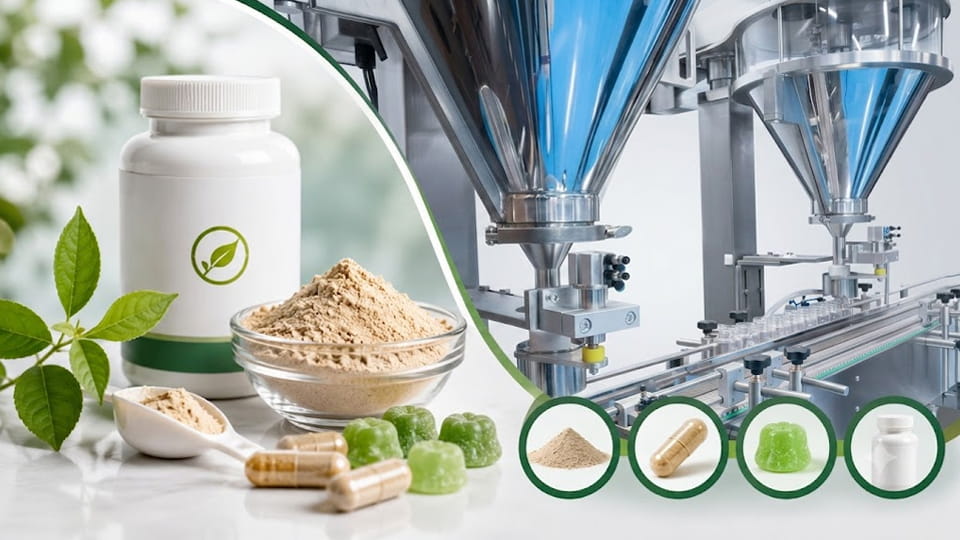
Lif takviyeleri diyet lifi sağlar (çözünür ve çözünmez) konsantre formda. Çözünür lifler (örneğin. psyllium'u hatırla, inülin, glikomannan) Sindirime yardımcı olan viskoz jeller oluşturmak için suda çözünür, Bağırsak sağlığını destekler ve kolesterolü düşürmeye yardımcı olur. Çözünmeyen lifler (örneğin. selüloz, buğday kepeği, keten tohumu) dışkıya hacim ekle, bağırsak hareketlerini kolaylaştırmak. Yaygın ek bileşenler şunları içerir: pisilyum Ve inülin, genellikle sindirim sağlığı için pazarlanır. Mayo Kliniği, inülin ve psyllium'un en popüler lif takviyeleri arasında olduğunu belirtiyor. Lif alımı bağırsak fonksiyonunu düzenlemeye yardımcı olur ve tokluğu artırarak kilo kontrolüne yardımcı olabilir. Çoğu lif takviyesi üç formattan birinde gelir.
Her format (toz, kapsül, sakızlı) farklı işleme ve paketleme ekipmanlarını içerir, bu nedenle markalar genellikle formata göre uzmanlaşır. Psyllium kabuğu gibi lif açısından zengin formüller higroskopiktir ve ambalajda dikkatli nem kontrolü gerektirir.
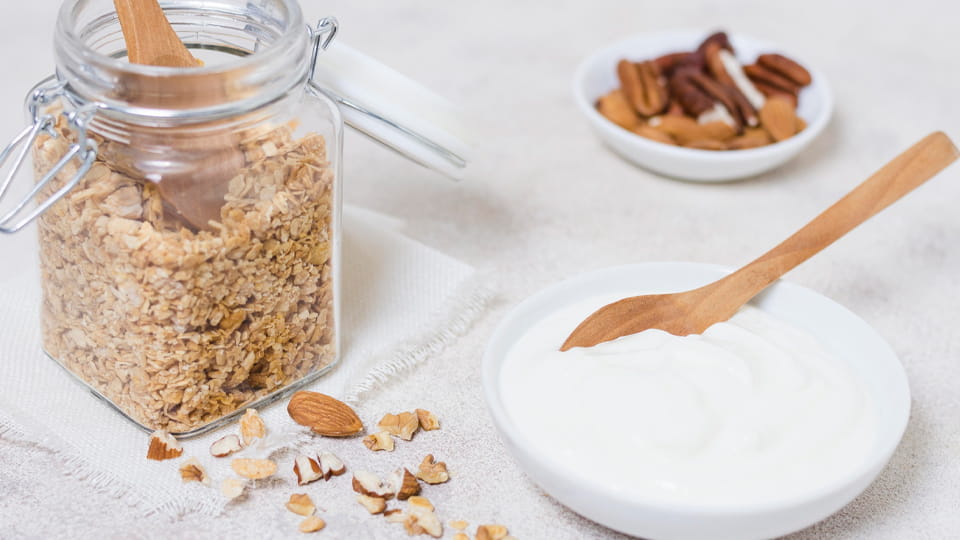
Karıştıktan sonra, elyaf tozu tüketici dostu bir formatta paketlenmelidir. En yaygın toz form faktörleri tek servislik çubuk paketleri veya poşetlerdir, ve toplu konteynerler (küvetler/kavanozlar). Tek servislik tozlar, hareket halindeyken kullanım için giderek daha popüler hale geliyor (psyllium lifli içecek karışımı poşetini düşünüyorum), Küvetler/kavanozlar yüksek dozda günlük takviyelere uygundur.
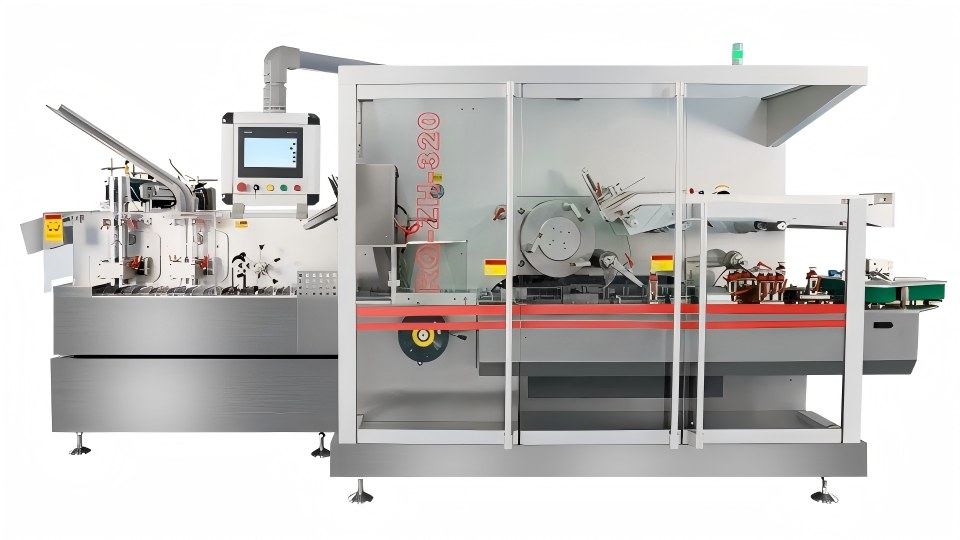
 Figür: Tek servislik fiber tozu poşetleri üreten yüksek hızlı çubuk paketleme makinesi.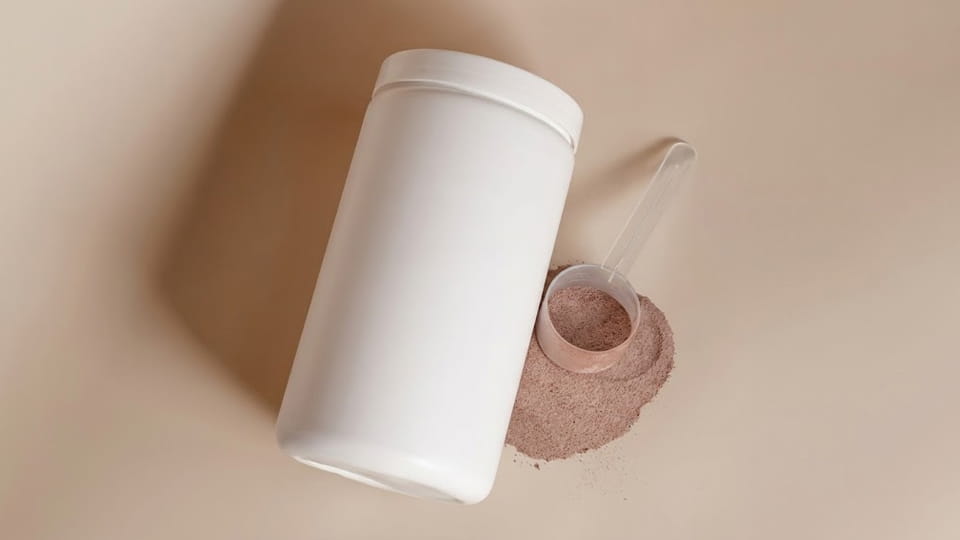
Her durumda, malzeme temas parçaları genellikle 316paslanmaz çelik, ve geçiş hızlı olacak şekilde tasarlanmıştır (farklı paket genişlikleri veya konteyner boyutları). Hattınızı ayarlarken, tozların tabletlerden farklı akışa sahip olduğunu göz önünde bulundurun: karıştırıcılara ihtiyacınız olabilir, her poşetin veya kavanozun tam lif dozu almasını sağlamak için dağıtıcılar ve hatta vakum aktarımı.
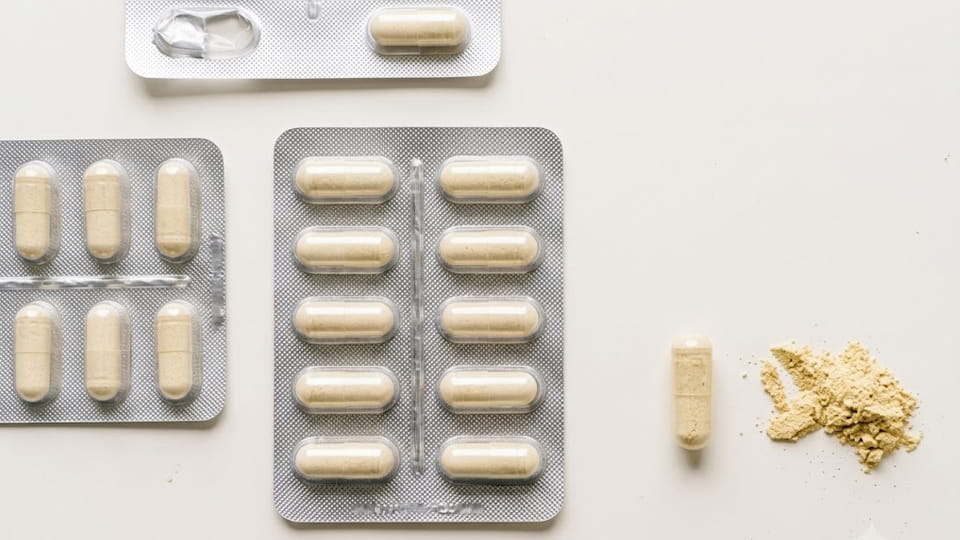
Fiber de geliyor kapsül veya tablet biçim (örneğin. psyllium kabuğu kapsülleri, metilselüloz kapletleri). Buradaki süreç herhangi bir eke benzer: doldurduktan sonra, ürünler perakende olarak paketlenmektedir.
Şekli ne olursa olsun, Etiketler çok önemli. Federal yasa gerektirir Ek Gerçekler, içerik listesi, yol tarifi, ve ambalajdaki lot/son kullanma tarihi. Kurcalanmaya karşı korumalı mühürler (kapağın altındaki folyo indüksiyon contaları gibi) standarttır, ve birçok marka neme karşı koruma sağlamak için içine kurutucu maddeler ekliyor. Pratikte, İzlenebilirlik için her şişe veya kartonda bir barkod ve parti kodu bulunacaktır.
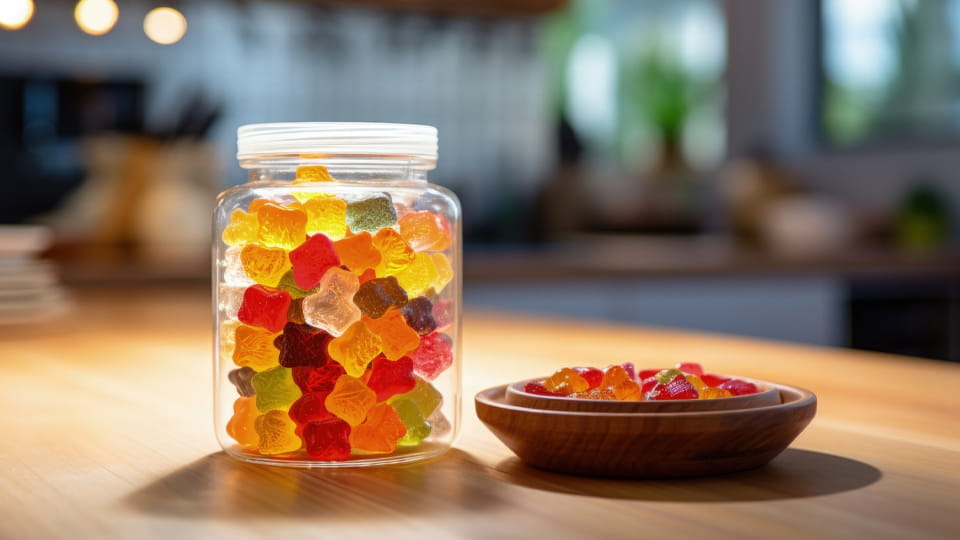
Fiber sakızlar halinde de teslim edilebilir (düşünmek "lifli sakızlı vitaminler“çocuklar veya yetişkinler için). Üretim şekere benzer: bir jelatin- veya pektin bazlı lif karışımı pişirilir, kalıplara döküldü, soğutulmuş, sonra kes. Şekil verdikten sonra, sakızlı vitaminler tarafından işlenir şekerleme doldurma ekipmanları.
Ambalaj için, fiber sakızlar genellikle içeri girer kavanozlar veya kabarcıklı paketler nem bariyerli. Otomatik sayma makineleri sabit sayıda sakızı kavanozlara bölebilir, veya kabarcıklı makineler oyuklar oluşturabilir ve her sakızlı parçayı folyo destekli kartlara kapatabilir. Doğru paketleme önemlidir, sakızlar nemli olduğundan, kapalı kavanozlar veya yüksek bariyerli kabarcıklı kartlar onları nemden korur. (Birçok C vitamini veya melatonin sakızı benzer ekipman kullanır.) Her iki durumda da, etiketleme ve seri kodlama, tozlar ve kapsüller için olduğu gibi geçerlidir.
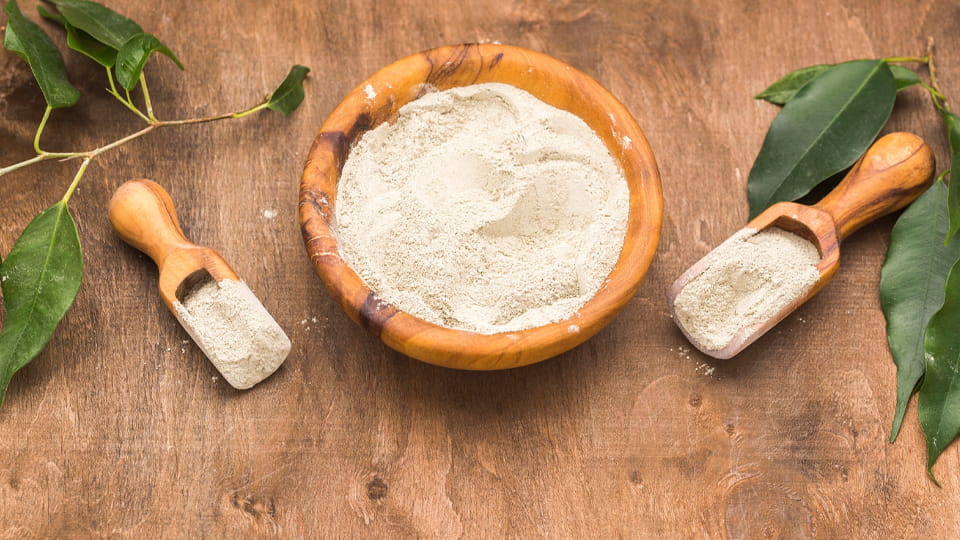
Lif takviyeleri genellikle dozaj ve işlevsel hedeflere ulaşmak için bitki bazlı lifleri harmanlar. Psyllium'u hatırla (çözünür, viskoz) Sindirimi rahatlatmak için en çok satan satıcıdır. İnülin (hindiba türevi bir prebiyotik) Ve metilselüloz diğer yaygın çözünür liflerdir. Buğday dekstrini Ve akasya sakızı (arap zamkı) hafif tada sahip çözünür lif ekleyin. Glukomannan (konjak kökü) Ve beta-glukan (yulaf/arpadan) yüksek viskoziteli çözünür liflerdir. Selüloz veya dirençli dekstrin gibi çözünmeyen lifler bazen dolgu maddesi veya hacim artırıcı madde olarak eklenir.. Hepsi bitki bazlıdır ve genellikle "sindirim sağlığı" veya "bağırsak sağlığı" takviyeleri olarak etiketlenir.. Pratikte, lif takviyeleri inülin/FOS karışımları için “prebiyotik lif” olarak etiketlenebilir, veya şişenin üzerinde "karnıyarık kabuğu takviyesi" yazıyor, Bağırsak ve düzenliliğin faydalarını vurgulamak.
Formülatörün notu: farklı lifler farklı davranır. Çözünebilir lifler ıslandığında topaklaşabilir veya jelleşebilir, bu nedenle formüller genellikle topaklanmayı önleyici maddeler içerir. Daha ince tozlar daha iyi akar; granülasyon veya harmanlama homojenliği artırır. Üreticiler lifi hacim artırıcı maddeler veya aromalarla karıştırıyor (tat ve karıştırılabilirlik için) tutarlı bir toz elde etmek için karıştırıcılarda veya şerit karıştırıcılarda. Yüksek kaliteli elyaf ürünleri aynı zamanda cGMP standartlarını da karşılar; üreticiler nem ve saflık için yerinde testler gerçekleştirir, ve farmasötik düzeydeki işleme hatlarını kullanın.
Lif takviyelerinin üretim süreci standart nutrasötik uygulamaları takip eder ancak lif içeriklerinin benzersiz özelliklerini de hesaba katmalıdır. (örneğin. jelatinimsi çözünürlük, tozluluk).
Özetle, akış: Hammadde → Ön Harman → Harman → Form Doldurma (kapsül, kese, şişe) → Sızdırmazlık/Kapaklama → Etiketleme → İkincil Paketleme (karton).
Bir lif takviyesi hattı oluşturmak, birkaç ekipman parçasını entegre edeceksiniz. Ortak makineler şunları içerir::
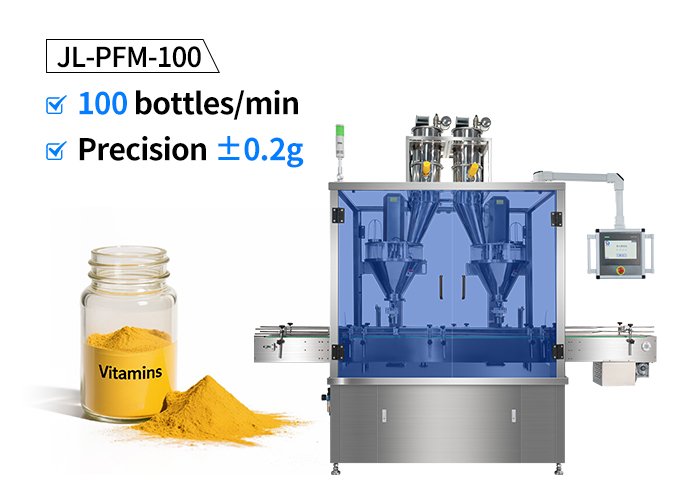
Pratikte, bir lif takviyesi hattı şöyle görünebilir: ham tozlar bir karıştırıcıya gider → helezon dolum → şişe kapağı → etiketleme makinesi → kartonlama. Veya, çubuk paketleri için: blender → çok şeritli çubuk paketleyici → poşet çıkışı. Gibi JinLuPaketleme notlar, ek satırlar sıklıkla kullanılır dikey form-doldurma-mühür (Vff'ler) makineler toz poşetleri için ve şişe dolum hatları sıvılar/haplar için. Gelişmiş üretim hatları ayrıca güvenlik için metal algılama ve görsel incelemeyi de içerir.
Anahtar nokta: Her makine elyafın akış özelliklerini ele almalıdır. Birçok sistem şunları içerir: titreşim veya ajitasyon Yapışkan liflerin hareket etmesini sağlamak için hazneler üzerinde. Burgu vidaları veya hacimsel besleyiciler doğru dozu sağlar; çok kafalı teraziler karışımları doldurmadan önce tartabilir. Ekipman malzemeleri gıdaya uygun paslanmaz çeliktir, ve yerinde temizlik (CIP) özellikler GMP hijyeninin karşılanmasına yardımcı olur.
Lif takviyeleri yüksek değerlidir, büyüyen kategori – ancak doğru işleme ve paketleme yaklaşımını talep ediyorlar. İtibaren psyllium ve inülin tozlarının granülasyonu ile kapsülleri veya çubuk paketlerini doldurmak, her adım özel ekipman gerektirir (miksipler, dolgu maddeleri, kapsül makineleri, paketleyiciler, vesaire.) ve sıkı kalite kontrolleri. Otomatik paketleme hatları (şişe doldurucular, Blister Makineler, etiketleme istasyonları) tozlar için tutarlı dozaj ve güvenlik sağlayın, tabletler, kapsüller veya sakızlar.
Lif takviyesi hattınızı ölçeklendirmeye hazır? Eksiksiz bir paketleme çözümü, zamanında başlamanıza ve gereksinimleri karşılamanıza yardımcı olacaktır. 2026 kalite standartları. Jinlu Packaging'deki uzmanlarla iletişime geçin: toz karıştırıcılar ve helezon dolum makinelerinden, çubuk paket ve kabarcıklı makinelere kadar, anahtar teslimi makineler sunuyoruz. diyet takviyeleri. Ekipmanlarımız aşağıdakiler için üretilmiştir: GMP uyumluluğu, yüksek doğruluk ve hızlı geçişler. Lif takviyeleri üretmenize yardımcı olalım (lif tozları, kapsüller veya sakızlar) taze kalan, güvenli ve bütçeye uygun. Fiber takviyesi paketleme çözümleri hakkında bugün fiyat teklifi alın veya daha fazla bilgi alın.
Çoğu lif takviyesi, doğal veya bitkiden elde edilen lif içerikleri kullanılarak üretilir.. Yaygın hammaddeler arasında psyllium kabuğu bulunur, inülin, buğday dekstrin, akasya lifi, metilselüloz, ve glikomannan. Ürün konumlandırmasına bağlı olarak, üreticiler sindirim ve bağırsak sağlığı için dengeli bir formül oluşturmak amacıyla tek bir lif kaynağı kullanabilir veya birden fazla çözünür ve çözünmeyen lifi birleştirebilir. Lif takviyeleri çeşitli şekillerde mevcuttur., Tozlar dahil, kapsüller, sakız, tabletler, ve çubuk paketleri.
Lif takviyesi üretim süreci tipik olarak bileşen tedarikini içerir, formül karıştırma, karıştırma, granülasyon (gerekirse), doldurma veya sıkıştırma, ambalajlama, ve kalite testleri. Toz ürünler genellikle şişelere veya çubuk paketlere doldurulmadan önce harmanlanır., Kapsüller otomatik kapsül dolum makineleri kullanılarak doldurulurken. Sakızlar yemek pişirmeyi gerektirir, para yatırma, soğutma, ve ambalaj.
En yaygın lif takviyesi ambalaj formatları şunları içerir::
• HDPE veya PET şişeler
• Çubuk paketleri
• Poşetler
• Torbalar
• Blister ambalajlar (esas olarak kapsüller için)
• Kavanozlar
İdeal ambalaj dozaj formuna bağlıdır, ürün konumlandırma, hedef pazar, ve dağıtım kanalı.
Elyaf tozu ambalajı için, sopa paketleri, poşetler, ve şişeler en popüler seçeneklerdir.
Çubuk paketleri tek porsiyonluk rahatlık ve seyahat için idealdir, şişeler genellikle daha büyük ev ürünleri için kullanılırken. Toz stabilitesinin ve raf ömrünün korunmasına yardımcı olmak için neme dayanıklı ambalaj malzemeleri önerilir.
Birçok diyet lifi içeriği higroskopiktir, yani çevredeki nemi emerler. Aşırı nem tozun topaklanmasına neden olabilir, azaltılmış akışkanlık, ve daha kısa raf ömrü. Uygun ambalaj malzemelerinin kullanılması, uygun sızdırmazlık, ve kurutucular gibi nem kontrol çözümleri, depolama ve nakliye boyunca ürün kalitesinin korunmasına yardımcı olur.
Ürün formatına bağlı olarak, üreticilerin yaygın olarak kullandığı:
• Toz dolum makineleri
• Kapsül dolum makineleri
• Şişe çözücüler
• Kapak kapatma makineleri
• Etiketleme makineleri
• Kartonlama makineleri
• Stick paket ve poşet paketleme makineleri
Uyumlu ekipmanın seçilmesi dolum doğruluğunun artırılmasına yardımcı olur, üretim verimliliği, ve ambalaj tutarlılığı.
Bir paketleme çözümü seçerken, üreticiler dikkate almalı:
• Ürün formatı (toz, kapsül, sakızlı, veya tablet)
• Üretim kapasitesi
• Doldurma doğruluğu
• Ambalaj malzemesi uyumluluğu
• Otomasyon düzeyi
• Mevzuata uygunluk
• Gelecekteki üretim genişlemesi
Ölçeklenebilir bir paketleme hattı, uzun vadeli iş büyümesini desteklerken işletme maliyetlerini de azaltabilir.
Güvenilir bir ekipman tedarikçisi sağlamalıdır:
• Besin takviyesi ambalajı konusunda deneyim
• Özelleştirilmiş üretim hattı çözümleri
• Kararlı makine performansı
• Teknik destek ve eğitim
• Yedek parça bulunabilirliği
• Satış sonrası servis
• GMP odaklı üretim ortamlarına uyumluluk
Deneyimli bir tedarikçinin seçilmesi, arıza sürelerinin azaltılmasına ve genel üretim verimliliğinin artırılmasına yardımcı olabilir.
Evet. Birçok modern paketleme hattı modülerdir ve farklı ürün formatlarını paketleyecek şekilde yapılandırılabilir, lif tozu gibi, kapsüller, tabletler, veya sakızlar. Uygun değişim parçaları ve makine ayarlarıyla, üreticiler birden fazla özel üretim hattına yapılan yatırımı azaltırken ekipman kullanımını iyileştirebilir.
Çözünür lif takviyeleri, Psyllium kabuğu ve inülin gibi, suda çözünür ve sindirim sağlığını desteklemek için yaygın olarak kullanılır, bağırsak mikrobiyotası, ve kolesterol yönetimi.
Çözünmeyen lif takviyeleri çoğunlukla dışkıya hacim kazandırır ve düzenli bağırsak hareketinin korunmasına yardımcı olur. Birçok modern ürün, daha geniş sağlık yararları sağlamak için her iki lif türünü birleştirir.
Referanslar:
1.Diyet Takviyeleri Hakkında Sorular ve Cevaplar -- BİZ. Gıda ve İlaç İdaresi
2.Besin Takviyeleri Rehber Dokümanları & Düzenleyici Bilgiler -- BİZ. Gıda ve İlaç İdaresi
3.Diyet liflerinin sağlık yararları farklılık gösterir —— Ulusal Sağlık Enstitüleri
4.Lif takviyeleri ve klinik olarak kanıtlanmış sağlık yararları: Etkili bir lif terapisi nasıl tanınır ve tavsiye edilir? —— Ulusal Tıp Kütüphanesi
5.Diyet lifi olarak inülin ve oligofruktoz: kanıtların gözden geçirilmesi —— Ulusal Tıp Kütüphanesi
6.En İyi Fiber Takviyesini Nasıl Seçerim? —— Cleveland Kliniği
7.Lif Çeşitleri: Çözünür ve Çözünmez Lif ——WebMD