
Operasyonel istikrar, ölçüm doğruluğu, ve üretim verimliliği ilaç paketleme hatları temel olarak tahrik motoru konfigürasyonları tarafından belirlenir. En ilaç makine üreticileri iki sürücü çözümü sunuyoruz: servo motor Ve step motor, birçok ilaç fabrikası satın alma ve bakım mühendisinin avantajlarını ve dezavantajlarını ayırt etmekte zorlanmasına neden oluyor. Yaygın üretim hataları, kabarcık sızdırmazlık yanlış hizalaması dahil, genellikle uyumsuz motor seçiminden kaynaklanır. Bu makale her türlü farmasötik paketleme ekipmanının çalışma koşullarını bir araya getirmektedir, çalışma prensiplerine göre servo motor ile step motorun tam karşılaştırmasını sağlar, çalışma performansı, uygulanabilir modeller, ve uzun vadeli işletme ve bakım maliyetleri, ve işletmelerin ilaç ve paketleme makineleri için doğru tahrik çözümünü seçmesine yardımcı olur.
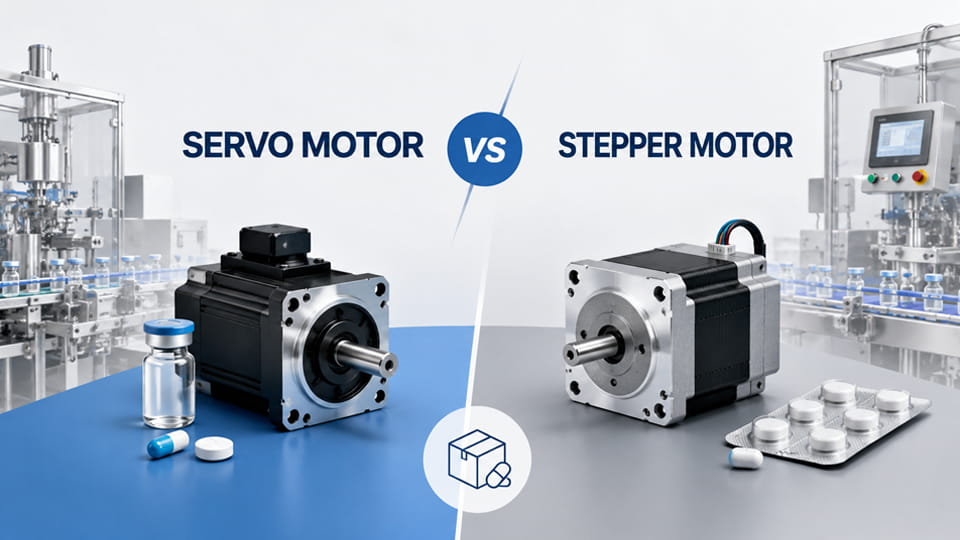
Servo motor ve step motor arasındaki temel farkları anlamak, ilk önce temel çalışma mantığını yıkıyoruz, her sistemin temellerinden başlayarak.
Step motor nedir? Bir step motor, darbe sinyalleriyle tahrik edilen sabit bir adım açısında döner, ve saf bir açık döngü kontrol sistemi kullanır. Step motor ve sürücü yalnızca darbe komutları gönderir, gerçek zamanlı olarak gerçek konum verilerini geri bildirecek motor üzerinde kodlayıcı yoktur. Sistem varsayılan olarak “motor, gönderilen darbe sayısına karşılık gelen adım sayısını döndürecektir”.
Düşük hızlı yardımcı mekanizmalarda, step motorlar yeterli statik tutma torkuna sahiptir, basit yapı, ve düşük destekleyici sürücü maliyeti, onları düşük yüklü yardımcı istasyonlar için uygun hale getirir, düşük başlatma-durdurma frekansı, ve yüksek hassasiyet gereksinimleri yok, küçük kese paketleme makinelerinin film besleme yardımcı mili gibi, ve basit kabarcıklı makinelerin malzeme alma silindiri.
Fakat, ölümcül kusurları var: yük dalgalandığında veya hız arttığında, adım kaybına son derece yatkındır. Ekipman konum hatalarını otomatik olarak düzeltemez, ve sapmalar uzun süreli çalışma sırasında birikir, farmasötik üretim ölçümünün tutarlılığını doğrudan baltalayan ve cGMP farmasötik üretim hassas spesifikasyonlarını karşılamada başarısız olan.
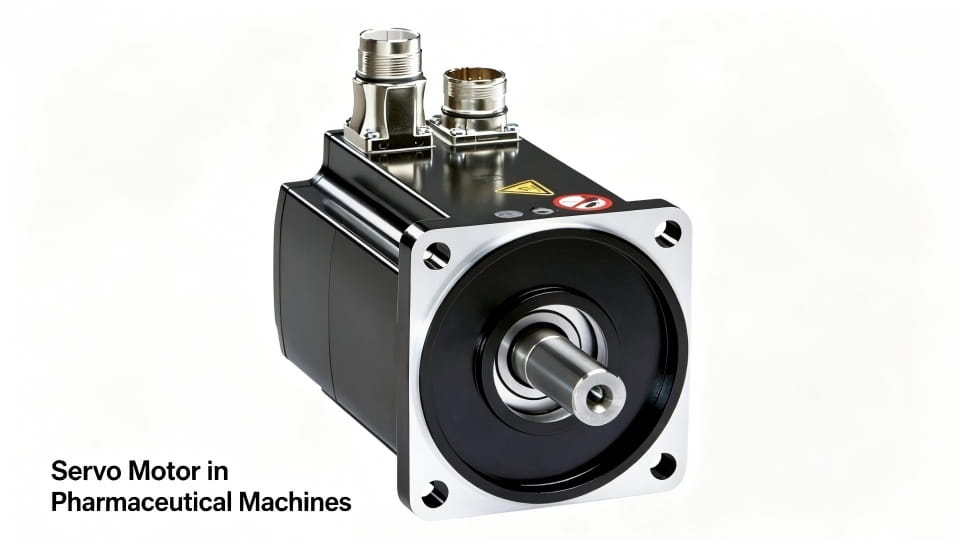
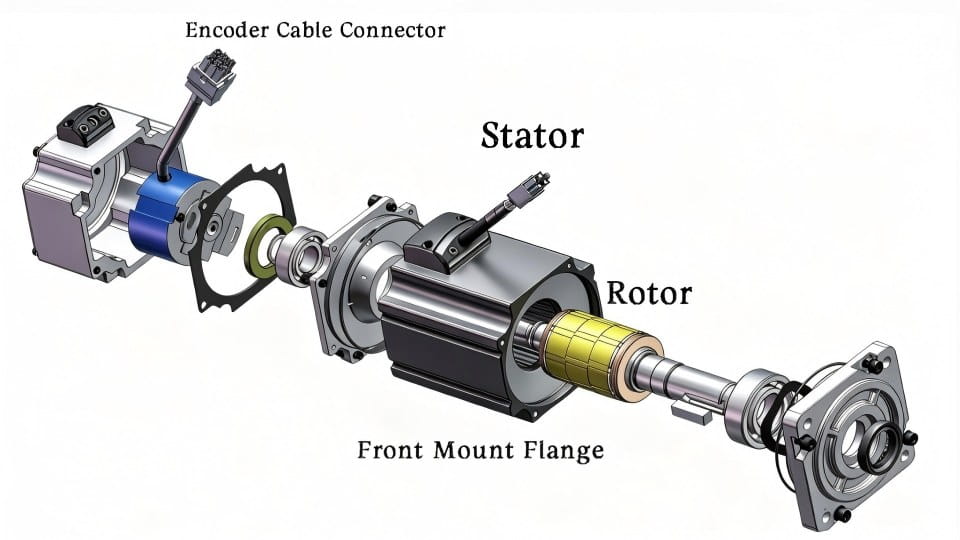
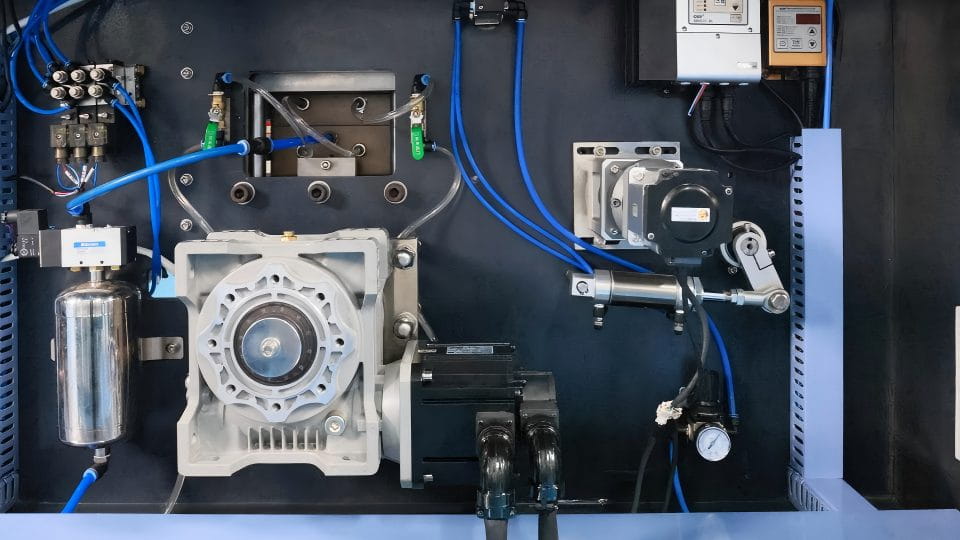
Servo motor nedir? Servo motor yüksek hassasiyetli bir kodlayıcıyla donatılmıştır, tam bir kapalı devre kontrol sistemi oluşturmak. Servo motor nasıl çalışır?? Sürücü gerçek konumu toplar, hız, Motorun gerçek zamanlı ve tork verileri, sürekli olarak önceden ayarlanmış komutla karşılaştırır, Çıkış akımını PID algoritması aracılığıyla dinamik olarak ayarlar, ve konum sapmasını otomatik olarak telafi eder, adım kaybı sorunu olmadan. Servo motorlar pratikte nasıl çalışır?? Otomatik kartonlama makinesi karton katlama mekanizmaları için, sık start-stop ve yüksek hızlı senkron konumlandırma gerektiren, Servo motorların kapalı döngü geri bildirimi, hataları gerçek zamanlı olarak dinamik olarak düzeltebilir, ve üst düzey farmasötik ekipmanlar için standart tahrik çözümüdür.
Endüstriyel servo motor sistemleri, ac servo motor modelleri dahil, düzenlenmiş üretim ortamlarında yaygın olarak kullanılır, Kompakt ekipman düzenleri için küçük servo motor ve mini servo motor seçenekleri mevcuttur.
Aşırı 30 ilaç ve paketleme ekipmanları endüstrisinde uzun yıllara dayanan deneyim, Jinlu Packaging, ilaç üretimi için altı kritik boyutta Servo ve step motor arasındaki temel performans farklılıklarını özetledi.
Servo Motor Tutarlı Mikron Düzeyinde Hassasiyet Sağlar, Step Motor Yalnızca Statik Düşük Hızda İyi Performans Gösteriyor
Step motorda yalnızca yüksüz ve düşük hızda kümülatif hata yoktur. Yük değişimi veya hızlanma nedeniyle adım kaybı meydana geldiğinde, konumlandırma sapması geri döndürülemez. Endüstriyel servo motorlar 24 bit'e kadar çözünürlüğe sahip enkoderlerle donatılmıştır, mikron düzeyinde tekrarlanan konumlandırma doğruluğu ile, ve yüksek hız ve ağır yük koşullarında stabil kalır. Örneğin, yüksek hızlı kabarcık makinesi ile ilgili, Form çekişindeki yanlış hizalamayı ortadan kaldırmak için servo motor şiddetle tavsiye edilir; basit manuel yardımcı paketleme mekanizmaları step motorları kullanabilir.
Step motor zayıf tork-frekans özelliklerine sahiptir. Hız 1000RPM'yi aştığında, çıkış torku keskin bir şekilde düşüyor, ve yüksek hızda durmaya ve sıkışmaya eğilimlidir. Servo motorlar 3000-6000RPM nominal hız aralığında sabit torku korur, aşırı yük kapasitesi ile 3-5 anma torkunun katı, yüksek hızlı sürekli üretim hatlarına uygun. Büyük için kabarcıklı paketleme makineleri, yüksek hızlı kartonlama makineleri, ve sürekli kese paketleme makineleri yüksek kapasite gereksinimleri olan, uzun süre yüksek hızda çalışması gereken, step motorlar istikrarlı üretim kapasitesini destekleyemez, ve servo sürücü, tüm makinenin üretim verimliliğini artırabilir. 20%-40%.
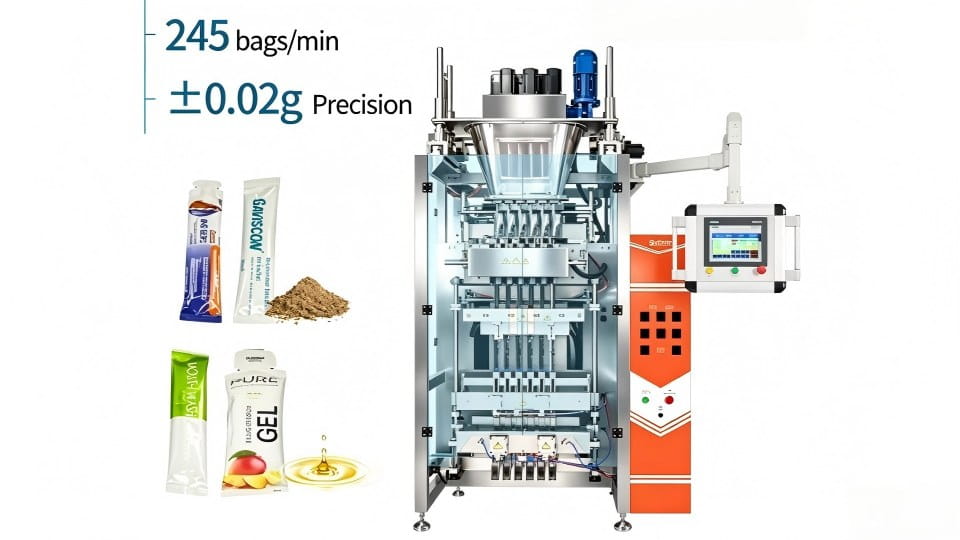
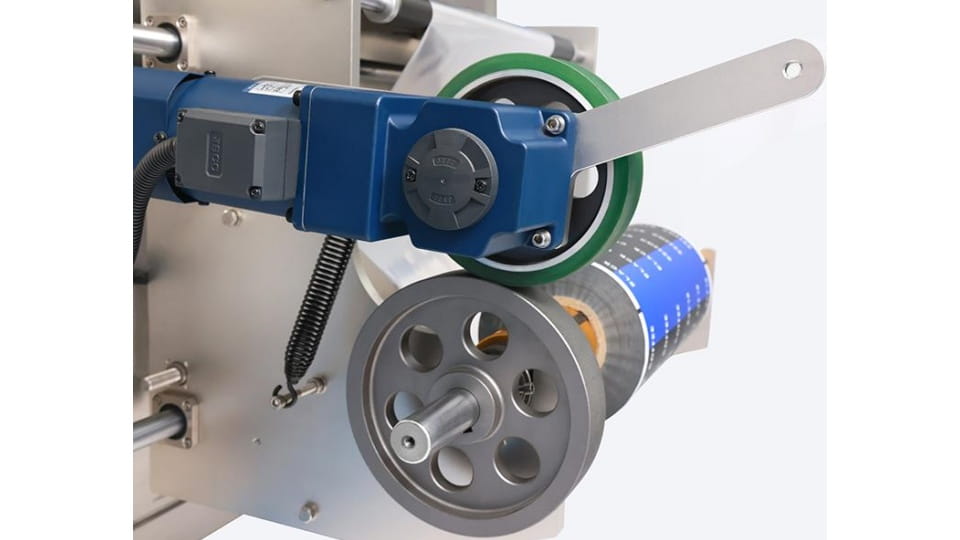
Adım adım darbelerle yönlendirilir, step motorlar düşük hız aralığında belirgin bir rezonansa sahiptir, büyük titreşim ve gürültü ile, bu da hapların kolayca çarpışmasına ve hasar görmesine neden olur. Servo motorlar dinamik torku gerçek zamanlı olarak ayarlar, tüm hız aralığında sorunsuz çalışın, düşük titreşim ve düşük gürültü ile, Temiz ilaç atölyelerinin gürültü azaltma ve malzeme kaybı olmadan üretim gereksinimlerini karşılayan, ve özellikle aşağıdakiler gibi hassas ilaç üretim ekipmanları için uygundur: yumuşak kapsüller ve çıtır tabletler.
Statik olup olmadığı, yüksüz veya tam yük, step motor sürekli olarak nominal akımı verir, ciddi bekleme ısıtması ile, ve uzun vadeli üretim için büyük bir ısı dağılımı yükü. Servo olan talep üzerine akım çıkışı sağlar, ve yüksüz statik durumda yalnızca çok küçük bir tutma torkunu korur, tüm makinenin enerji tüketimini üç kattan fazla azaltmak 15%, Ekipmanın ısı dağılımı kaybını azaltmak ve tüm makinenin servis ömrünü uzatmak. 24 saat sürekli üretim yapan ilaç fabrikaları için, Servo motorlar elektrik faturalarını ve ekipman bakım sıklığını önemli ölçüde azaltabilir.
Step motor aşırı yüklendiğinde, doğrudan adımları kaybeder ve durur, otomatik hata düzeltme mekanizması olmadan. Servo motor kısa süreliğine aşırı yüklendiğinde, istasyonu değiştirmeyecek. Yük aniden değiştiğinde, torku hızlı bir şekilde telafi edebilir, ve hafif bir malzeme sıkışması bile toplu farmasötik atıklara neden olmaz, İlaç üretiminde malzeme kaybını büyük ölçüde azaltır.
Kısa vadeli donanım maliyeti: Step motor komple sisteminin daha düşük bir fiyatı vardır, basit kablolama ve hata ayıklama ile, Sınırlı bütçeli, düşük hızlı basit paketleme hatlarına uygun. Servo olan, bir kodlayıcı ve özel bir servo motor sürücüsü ile eşleştirilir, daha yüksek ilk tedarik maliyeti ile, ve hata ayıklama, profesyonel teknisyenlerin parametreleri ayarlamasını gerektirir.
Uzun vadeli kapsamlı maliyet: Servo motor ekipmanının arıza oranı daha düşüktür, daha düşük malzeme kaybı, ve daha düşük enerji tüketimi. Büyük ölçekli ilaç fabrikaları için, Servo motorların kapsamlı kullanım maliyeti, step motorlardan daha iyidir. 3-5 yıllar.
(Blister Paketleyici, Kartonlama Makinası, Çubuk Paketleme Makinası, Önceden yapılmış torba paketleme makinesi)
Jinlu Packaging'in makineleri genellikle uluslararası önde gelen markaların servo motorlarıyla donatılmıştır.: Japonya Omron, Almanya Siemens, vesaire. İlk olarak aşağıdaki farmasötik ekipmanın servo motoru kullanması önerilir, step motorlar yalnızca belirli senaryolar için uygundur.
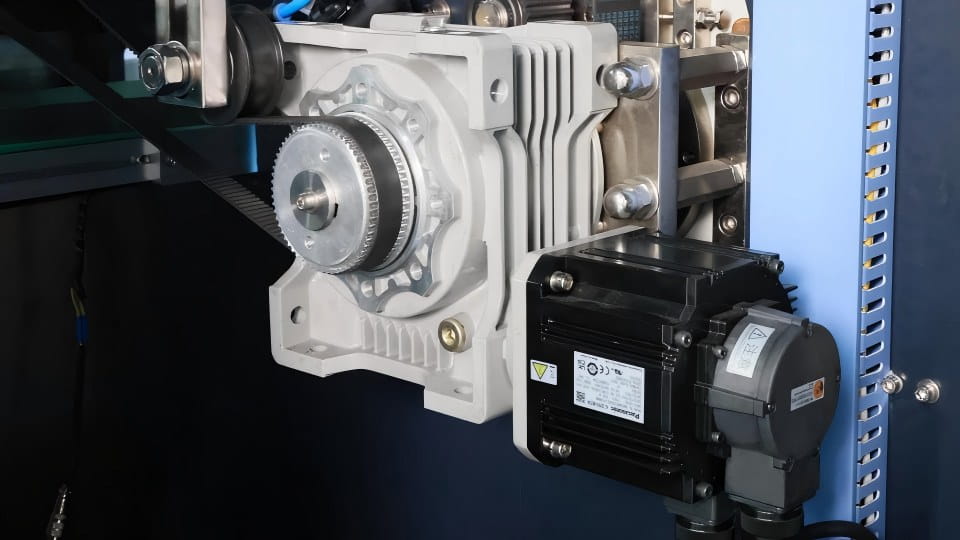
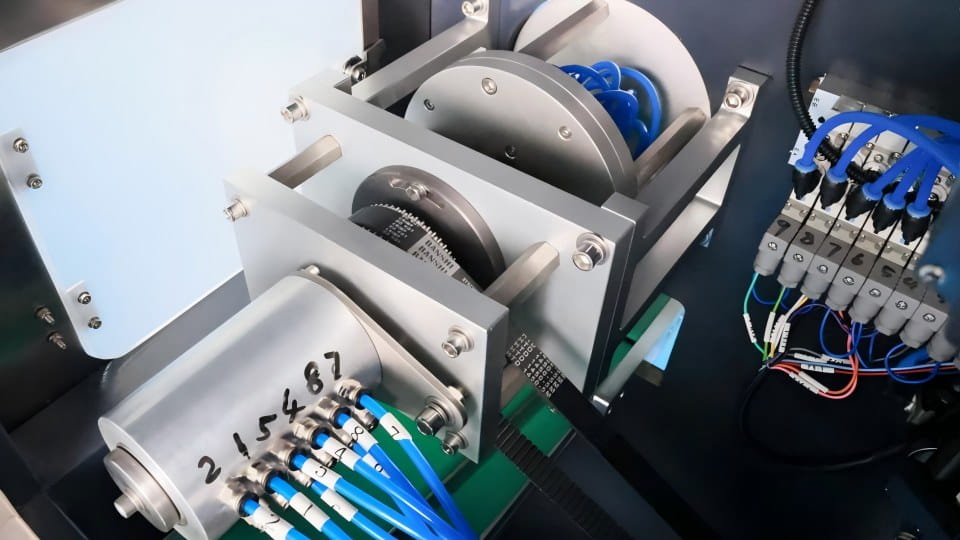
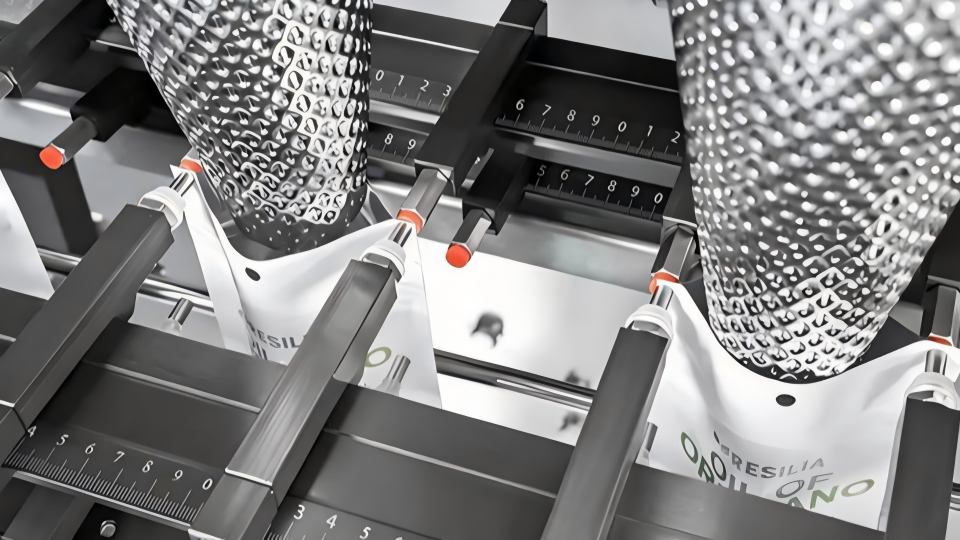
Yalnızca düşük hızlar için uygundur, düşük yük, ikincil yardımcı istasyonlar: küçük basit kabarcıklı makine malzemesi alma mili, laboratuvar küçük manuel yardımcı mekanizma, düşük hızlı basit kese paketleme makinesi film besleme silindiri, tek makine küçük yardımcı taşıma mekanizması, ve sürekli yüksek hızlı seri üretim talebi olmadan laboratuvar prototipi.
Servo motor ile step motor arasındaki temel fark, hassasiyet farkından kaynaklanmaktadır., hız, ve kapalı döngü geri bildirimi ve açık döngü kontrolünün getirdiği kararlılık. Otomatik şerit paketleme makineleri gibi genel farmasötik paketleme ekipmanları için, Blister Makineler, otomatik kartonlama makineleri, ve yatay kese paketleme makineleri, Servo motor, büyük ölçekli uyumlu üretim için en iyi seçimdir; step motor yalnızca düşük hızlar için uygundur, düşük hassasiyetli, yardımcı basit ekipman.
Bir profesyonel olarak ilaç paketleme makineleri üreticisi, Jinlu Packaging, servo motor tahrik sistemleriyle birden fazla makine tipini donattı, ve ayrıca step motor yardımcı konfigürasyon şemalarını müşteri kapasitesine göre özelleştirebilir, bütçe, Ve GMP uyumluluk gereksinimleri, Laboratuvar prototiplerinden büyük ölçekli otomatik tam hat ekipmanlarına kadar, tek noktadan motor seçimi sağlanması, ekipman özelleştirmesi, ve satış sonrası devreye alma hizmetleri, servo motor kontrolü dahil, servo motor tamiri, ve servo motor kontrolörü ve servo motor sürücüsünün eşleştirilmesi.
Son teknoloji, yüksek hızlı ve tam otomatik kabarcık makinelerinde servo motorlar kullanılır, doğru çekiş gücüyle performans sergileyen.
Kapalı döngü konumlandırmada adım kaybı yoktur, senkron indüksiyon tespiti, malzeme olmadan karton açılmaz, yüksek hassasiyet ve hammadde israfının olmaması.
Düşük hassasiyet için kullanılır, düşük hızlı yardımcı istasyonlar. Adım kaybı, kabarcık sızdırmazlığının yanlış hizalanmasına neden olur, çok sayıda ilacın toplu olarak hurdaya çıkarılması, ve ilaç düzenleyici kalite gerekliliklerinin karşılanamaması.
Kısa vadeli aksesuar maliyeti biraz daha yüksektir, ancak düşük ısı üretimine sahiptir, düşük başarısızlık oranı, ve düşük malzeme kaybı, ve büyük ölçekli fabrikaların uzun vadeli işletme ve bakım maliyeti daha düşüktür.
Temel fark, servo motorun kapalı döngü geri besleme kontrolünde ve step motorun açık döngü kontrolünde yatmaktadır., bu da hassasiyette farklılıklar getiriyor, hız, istikrar, ve hata toleransı.