
Требования к фармацевтической маркировке определить информацию, которая должна отображаться на упаковке лекарственного средства для идентификации продукта, безопасное использование, Соответствие нормативным требованиям, и отслеживаемость. В зависимости от рынка и типа продукта, фармацевтическая этикетка может включать название продукта, активный ингредиент(с), сила, лекарственная форма, количество, номер партии или партии, Дата истечения срока действия, Условия хранения, предупреждения, и информация о производителе или регистрационном удостоверении. В США, Требования устанавливаются посредством правил FDA, таких как 21 CFR Part 201, в то время как маркировка лекарственных средств ЕС регулируется европейским фармацевтическим законодательством., включая Директиву 2001/83/EC. Точные требования могут варьироваться в зависимости от категории препарата., формат упаковки, и целевой рынок, поэтому не существует единого шаблона этикетки, который работал бы везде..
Для фармацевтических производителей и упаковочных команд, соответствие – это не только создание правильного произведения искусства. Утвержденная информация также должна быть применена., напечатанный, проверено, и правильно контролируется на протяжении всего производства. Это становится особенно важным для блистерной упаковки., бутылки, коробки, и другие форматы, в которых пространство ограничено или во время упаковки необходимо добавлять переменные данные, такие как номера партий и сроки годности.. Современный упаковочные линии может использовать этикетировочные машины, системы пакетного кодирования, считыватели штрих-кодов или DataMatrix, и системы визуального контроля, помогающие убедиться в том, что правильная информация применяется к правильному продукту.. В этом руководстве, мы разберем ключевые требования к фармацевтической маркировке, сравнить основные требования FDA и ЕС, обратите внимание на особенности использования различных форматов упаковки, и объяснить, как оборудование для маркировки и кодирования может обеспечить более надежную процесс упаковки фармацевтических препаратов.
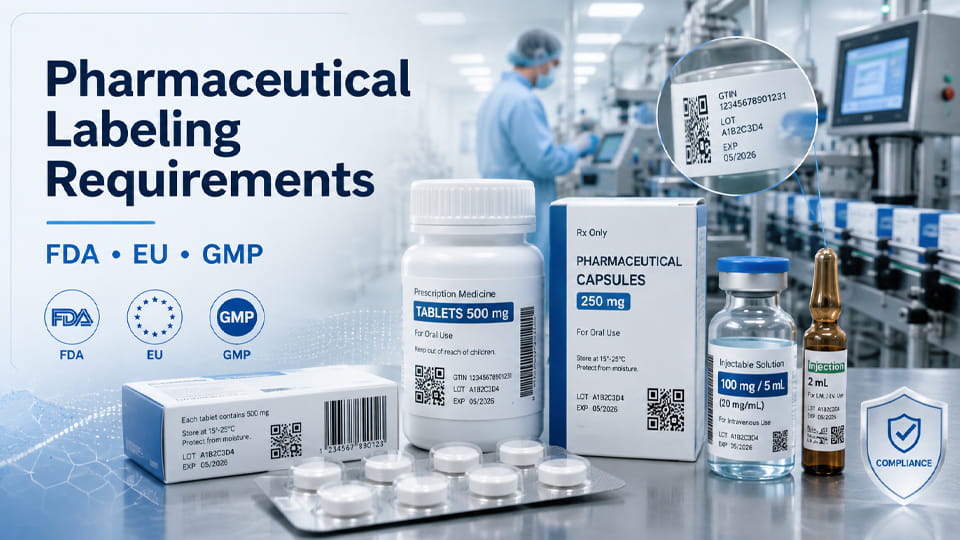
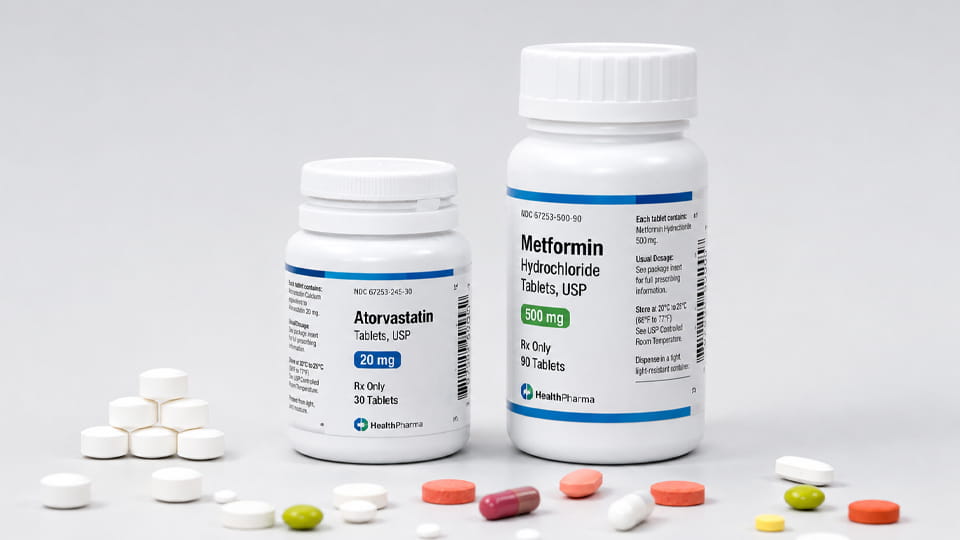
«Требования к фармацевтической маркировке» — это правила, определяющие, какая информация должна быть напечатана на упаковке лекарственного средства.. В США, Рекомендации FDA (и 21 CFR Part 201) определить необходимые операторы и формат меток. Например, В руководстве FDA отмечается, что вся маркировка рецептурных лекарств должна соответствовать 21 CFR 201.56(дюймовый) & 201.57, охватывающее содержание и формат. По регламенту, «Маркировка» рецептурных лекарств состоит из трех компонентов.: профессиональная информация о назначении (вкладыш в пакет), этикетки на картонных коробках и контейнерах, и маркировка пациентов. В практическом плане, Требования к маркировке гарантируют, что каждая упаковка четко идентифицирует лекарство и способ его применения.: торговая марка и родовое название, активный ингредиент(с), сила, лекарственная форма, количество, и имя/адрес производителя должны быть указаны, вместе с информацией о безопасности (предупреждения, показания) и коды отслеживания (партия, истечение срока действия). Эти правила защищают безопасность пациентов и позволяют отзыв продукта если необходимо.
Другими словами, Требования к маркировке устанавливают минимальные стандарты разборчивой и полной информации на упаковке лекарств.. Их цель — предотвратить ошибки при приеме лекарств и гарантировать, что каждый (пациент, сиделка или инспектор) могу проверить товар. Например, FDA прямо указывает дату истечения срока годности и код партии как обязательные. (см. поле «Этикетка также говорит вам» ниже.), и законодательство ЕС требует партии и истечения срока годности на картонных коробках.. Рекомендации по здравоохранению (ЕМА, ВОЗ) и отраслевые стандарты, такие как GS1, дополнительно определяют форматы. (например. Штрих-коды DataMatrix) для поддержки глобальной прослеживаемости. Общий, соответствие означает, что ваши ярлыки должны соответствовать флажкам в таблице ниже..
| Элемент метки | Цель |
| Название продукта (бренд & универсальный) | Определите лекарство по названию, уменьшить путаницу. |
| Активный ингредиент(с) | Укажите состав и дозировку препарата.. |
| Сила (доза) | Укажите дозировку (например. мг на таблетку/мл). |
| Лекарственная форма (планшет, и т. д.) | Опишите формулировку (планшет, капсула, жидкость). |
| Чистое содержимое (количество/объем) | Показать количество в упаковке (например. 30 таблетки). |
| Номер партии/партии | Включите отслеживаемость и отзыв при необходимости. |
| Срок действия (истечение срока действия) дата | Убедитесь, что препарат используется до того, как он потеряет эффективность.. |
| Название производителя & адрес | Определить источник ответственности. |
| Условия хранения | Инструктировать по температуре, свет, влажность. |
| Предупреждения/предостережения | Предупреждения безопасности (НАПРИМЕР., «Хранить в недоступном для детей месте»). |
| Путь введения | Укажите использование (НАПРИМЕР., оральный, инъекционный). |
| Использование/индикация | (Необязательный) Укажите, что это лечит (особенно. внебиржевой). |
| Нормативные кодексы (НДЦ/МА №) | НАС. Номер регистрационного удостоверения NDC или ЕС. |
| Уведомление о несанкционированном доступе | (Заявление о «защите от несанкционированного доступа» при необходимости). |
| Штрих-код/матрица данных | Кодирует GTIN, партия, срок действия сканирования. |
Каждый элемент имеет четкую причину. Например, название продукта и ингредиенты помогают пациентам получить правильный препарат; сила, форма и путь следования обеспечивают правильное дозирование; хранение и предупреждения обеспечивают безопасность; партия/партия и срок годности обеспечивают отслеживаемость; и штрих-коды (Матрица данных GS1) пусть машины сканируют и проверяют посылку. Регулирующие органы (FDA, ЕМА, и т. д.) нужны практически все эти предметы. В таблице выше перечислены общие поля и их функции.. Во всех случаях, этикетки должны быть разборчивыми (достаточный размер шрифта, контраст) и используйте стандартные форматы (например. Макет FDA «Факты о лекарствах» для безрецептурных препаратов).
В Соединенных Штатах, Правила FDA (21 CFR Part 201) и руководства подробно описывают содержание этикеток лекарственных средств. Рецепт (прием) наркотики: Ключевые требования включают установление (универсальный) название препарата (21 CFR 201.50), лекарственная форма, чистый контент, и направления (21 CFR 201.55). На этикетках также должно быть указано имя и адрес производителя/упаковщика/дистрибьютора. (201.1), Национальный кодекс по наркотикам (201.2), и заявление «Только Rx», если применимо.. Критические идентификаторы, такие как номер партии и срок годности, регулируются 21 CFR 201.17-18. Например, 201.17 требует указания даты истечения срока годности на упаковке, и 201.18 требует контроля (много) номер для идентификации. На практике, FDA настаивает на четкой печати номера партии или партии и срока годности как на непосредственном контейнере, так и на картонной упаковке.. Например, В руководстве FDA «Факты о лекарствах» прямо отмечается, что партия (партия) код и срок годности должны быть указаны на безрецептурных этикетках., и та же логика применима к лекарствам, отпускаемым по рецепту.
безрецептурные препараты (Панель «Факты о наркотиках»): Все лекарства, отпускаемые без рецепта, должны иметь стандартизированную маркировку FDA «Факты о лекарствах», чтобы помочь потребителям.. Эта панель имеет фиксированный формат с такими разделами, как «Активный ингредиент».(с), Цель(с), Использование, Предупреждения, Направления, и неактивные ингредиенты. Цель – последовательность и ясность (та же структура для обезболивающих, лекарства от аллергии, и т. д.). Например, «Активный ингредиент»(с)В строке ” указано терапевтическое вещество и сила действия., «Цель» дает свою категорию, и «Предупреждения/Указания» содержат рекомендации по использованию.. Помимо этих разделов, на каждой безрецептурной этикетке должен быть указан срок годности. (или правило трехлетнего срока действия по умолчанию) и код лота, вместе с названием/адресом производителя и количеством нетто. Страница FDA, посвященная фактам об безрецептурных препаратах, подтверждает: «На этикетке также указана… дата истечения срока годности… Код партии или партии… Имя и адрес производителя… Количество нетто». Если их не включить в безрецептурную этикетку, это нарушит правила маркировки FDA..
В правилах FDA содержится множество подробных заявлений о маркировке.. Например, 21 CFR 201.50-201.56 и 201.100-201.128 покрывать контейнерные этикетки и картонные этикетки. Некоторые основные моменты включают в себя:
За пределами CFR, Руководство FDA разъясняет эти правила.. Примечательно, FDA теперь определяет маркировку рецептурных лекарств как три части: профессиональная информация о назначении (вкладыш в пакет), физическая этикетка на коробке/контейнере, и любая брошюра, ориентированная на пациента. На самой этикетке контейнера должно быть указано устоявшееся название препарата., сила, лекарственная форма, дозированные единицы, номер лота, Дата окончания срока, НДЦ, и название/адрес компании – по существу охватывая все флажки в нашей таблице выше.. Это гарантирует, что аптеки отпускают правильный продукт, а пациенты видят ключевую информацию о безопасности..
В Европейском Союзе, Директива 2001/83/ЕС (с поправками) и соответствующие правила регулируют маркировку лекарственных средств.. Правила во многом аналогичны американским, но с некоторыми отличиями. (например. языковые требования, данные регистрационного удостоверения). Статья 54 из 2001/83 указывает, что должно быть на внешней упаковке (или немедленная упаковка, если нет внешней коробки). Должно быть указано полное название продукта., сила, фармацевтическая форма, и путь введения. В нем должно быть указано, предназначен ли продукт для взрослых или детей, если это необходимо., и перечислите любые специальные предупреждения или меры предосторожности. (например. температура хранения). Важно, Статья 54 требуется дата истечения срока годности и номер партии на внешней упаковке., вместе с адресом держателя регистрационного удостоверения (MAH) и номер регистрационного удостоверения ЕС. На практике, это означает, что картонные коробки ЕС должны содержать по существу ту же информацию, что и этикетки в США.: имя, ингредиенты, сила, количество, предупреждения, истечение срока действия, и партия, плюс контакт MAH.
Руководства и шаблоны EMA (QRD-заявления) соответствовать этим правилам. Для продуктов с централизованной авторизацией, QRD (Проверка качества документов) шаблоны стандартизируют формулировки ключевых утверждений. EMA также недавно обратилась к современным технологиям.: он позволяет использовать дополнительные QR-коды или технологию сканирования на этикетках, если это одобрено.. Маркировка Брайля (Статья 56а) необходимы для большинства картонные коробки с лекарствами (с указанием названия продукта, сила, форма шрифтом Брайля) в качестве меры безопасности для слабовидящих. Каждая страна ЕС также требует маркировки на своем официальном языке.(с). Итог: Этикетки ЕС (первичный или вторичный) должен четко передать все важные сведения о лекарственном средстве (часто несколько языков), аналогично требованиям США, но с дополнительным акцентом на идентичность MAH, нормативные номера, и многоязычные буклеты.
Первичные форматы упаковки, такие как блистеры., бутылки и флаконы создают особые проблемы.
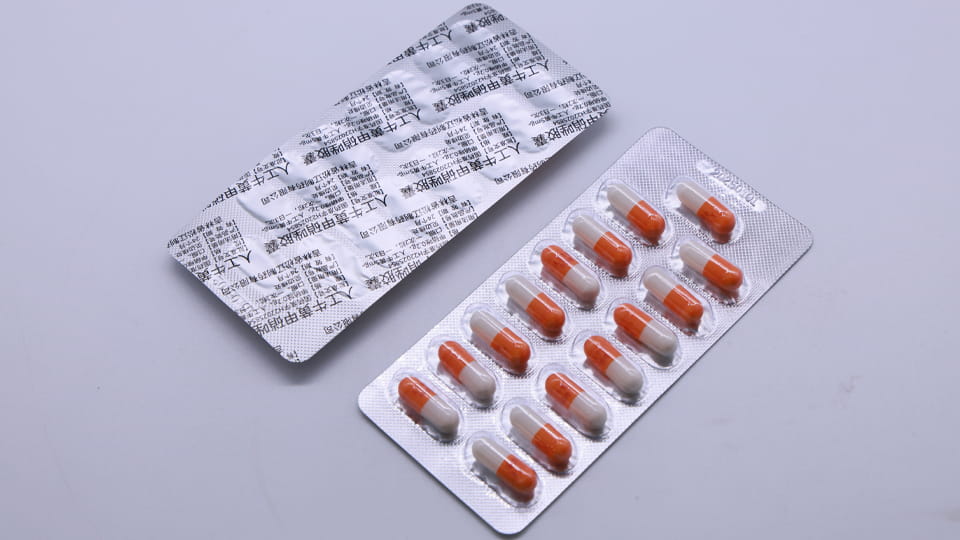
Блистерные пакеты: По дизайну, волдырь (полоска герметичных карманов) имеет ограниченное пространство. Регуляторы это признают: ЕС часто допускает сокращенную маркировку на отдельных полостях блистера, если полная информация указана на упаковке. (используя этикетку или буклет с «флажком»). В США, блистерные этикетки (например. подложка из фольги) все равно должно быть указано название препарата, сила, номер партии и срок годности. Краткое описание одной отрасли: «Блистерная упаковка этикетки должны содержать фирменное/общее название, сила, много, срок годности… и соответствовать требованиям FDA, таким как минимальная высота текста и контрастность». На практике, В блистерной фольге название и код часто напечатаны на каждой полости или на бумажной этикетке, которая оборачивается вокруг.. Иногда на блистерной упаковке имеется отрывная этикетка, на которой указано несколько доз., но ему все равно нужна та же информация. Защита от несанкционированного вскрытия присуща запечатанным блистерам., но если использовать, заявление, предупреждающее о подделке (например. «не использовать, если печать сломана») требуется.
Бутылки и флаконы: На круглых бутылках обычно используются этикетки спереди и сзади.. На передней этикетке обычно указано название продукта., сила и количество для быстрой идентификации, и на этикетке сзади есть указания, предупреждения и нормативные сведения. Этикетировочные машины на лету (см. ниже) наклеить эти этикетки на бутылки. Пример из брошюры Jinlu Packing: Этикетировочная машина TBJ-120 предназначена для круглых бутылок. (20–диаметр 110 мм) и включает в себя встроенный ленточный кодер для печати партии/истечения срока годности.. Это гарантирует, что на клейкой этикетке каждой бутылки будет указан правильный номер партии и срок годности в соответствии с требованиями.. Как для блистеров, так и для бутылок, размер шрифта и цветовой контраст должны соответствовать законодательным стандартам. (например. FDA 21 CFR 201.15 на разборчивости). Суммируя, Рабочие процессы маркировки блистеров и бутылок разработаны с учетом одних и тех же правил содержания — имя, ингредиенты, партия и срок годности — даже если способ доставки (отслаивание, прямая печать, или наклейка) отличается.
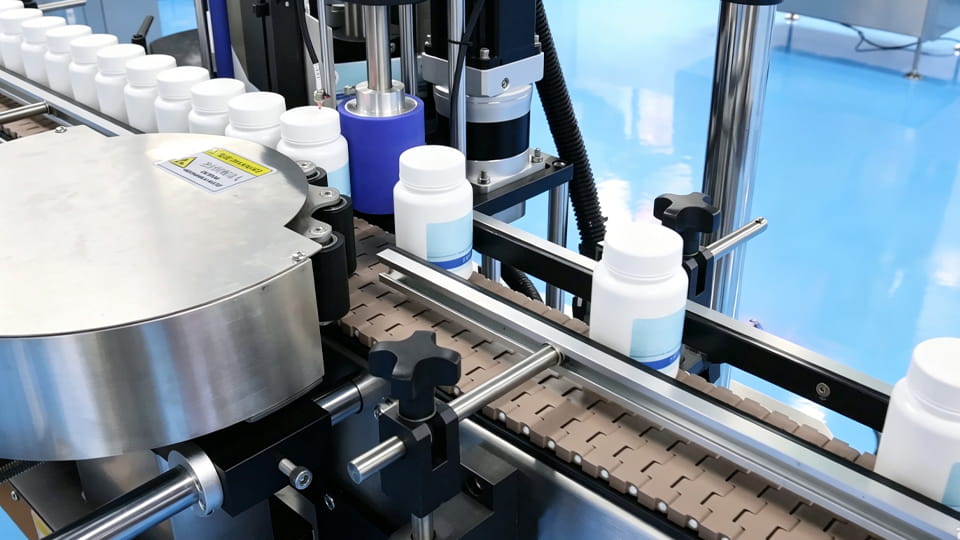
Фигура: Маркированные фармацевтические бутылки на производственной линии. Этикетки на бутылках должны четко отображать идентичность продукта. (имя, активный ингредиент, сила) и важные нормативные данные (партийный номер, истечение срока действия, производитель) так что каждый отдельный флакон или бутылку можно проверить.
Печать номеров партий и сроков годности является важной частью маркировки.. В фармацевтических линиях, для печати этой информации на высокой скорости используется специальное кодирующее оборудование.. Общие технологии включают в себя Непрерывная струйная печать (CIJ) принтеры, Термальный струйный принтер (ЕГО) принтеры, Термотрансферные принтеры (ТТО) и Лазерные кодеры.
Эти принтеры обычно интегрируются сразу после этикетирования.. Например, бутылка может пройти под струйным кодировщиком сразу после нанесения этикетки, который печатает партию и срок годности на этикетке в порядке очереди. Машина Jinlu TBJ-120 (выше) включает в себя машина для кодирования ленты наносить коды на каждую этикетку. Независимо от метода, печатные данные должны быть легко читаемыми и располагаться в соответствии с требованиями правил. (например. в нижней части панели дисплея указан срок годности). Удобочитаемые форматы (как ГГММДД) должно соответствовать любым данным штрих-кода. В любом случае, будь то струйный или лазерный, основная цель та же: на каждой отдельной упаковке должен быть указан номер партии и срок годности, чтобы обеспечить отслеживаемость GMP.. Системы контроля (см. ниже) проверит, что каждый напечатанный код присутствует и правильный.
Современные правила часто требуют машиночитаемых кодов для отслеживания и защиты от подделки.. Мировой стандарт – это Матрица данных GS1 2D штрих-код, который может кодировать несколько элементов данных в небольшом квадратном символе. В здравоохранении, стандарт GS1 определяет кодирование четырех ключевых атрибутов: GTIN (Глобальный номер предмета торговли), Дата окончания срока, номер партии/партии, и серийный номер. GTIN однозначно идентифицирует продукт., а остальные три позволяют отслеживать и проверять каждую посылку..
В США, тот 2013 Закон о качестве и безопасности лекарств (DQSA) требует поэтапной сериализации рецептурных лекарств. К 2023, Закон о безопасности цепочки поставок лекарств требует наличия идентификатора продукта на каждой единице. (который включает в себя лот и срок действия) чтобы аптеки могли проверять продукцию при получении. В ЕС, Директива о фальсифицированных лекарственных средствах (Директива 2011/62/ЕС) уже требует уникальных серийных номеров на многих упаковках рецептурных лекарств.. Посылки для ЕС должны содержать матрицу данных GS1, содержащую GTIN., серийный номер, присвоенный производителем, срок годности и партия (идентификаторы приложений 17, 10). Руководство GS1 прямо указывает производителям: «закодируйте свой GTIN, партию и срок годности в штрих-коде GS1 DataMatrix и нанесите его на продукт».. Некоторые рынки (Бразилия, Индия, другие) также принимают аналогичные требования к сериализации.
Помимо DataMatrix, компании могут использовать QR-коды или RFID на этикетках для взаимодействия с потребителями или управления запасами., но нормативные требования по-прежнему сосредоточены на 2D-штрих-кодах для обеспечения соответствия. Эти коды печатаются на упаковке специализированными этикетировочными машинами или кодировщиками.. Например, один из методов — добавить DataMatrix с помощью лазерного принтера или принтера этикеток после нанесения основной этикетки.. Затем системы технического зрения сканируют DataMatrix, чтобы убедиться, что она читается правильно.. Путем кодирования партии и срока годности в штрих-коде, сканирование в любой точке (распределение, выдача) мгновенно проверяет эти значения. В итоге, сериализация означает каждый разовая упаковка имеет уникальный сканируемый код, связывающий его с производственными данными.
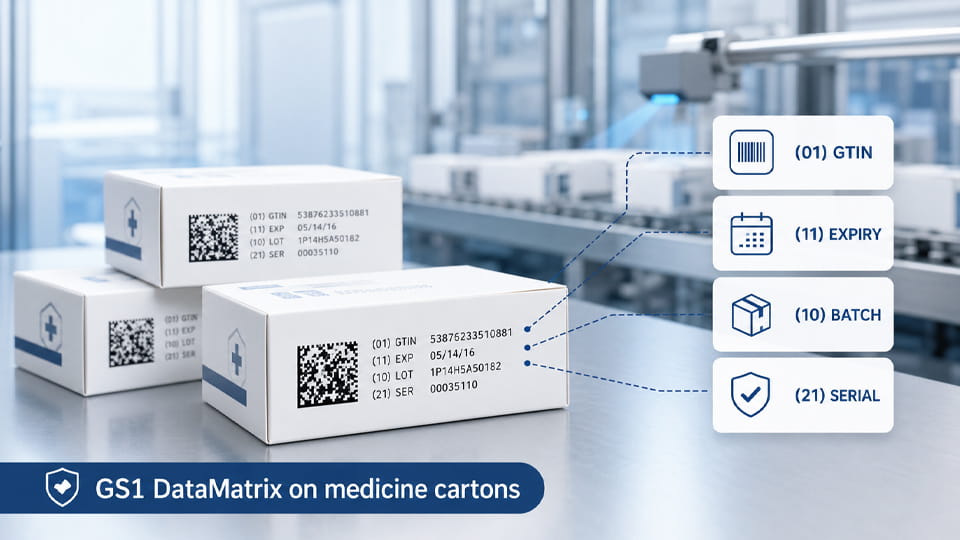
Фигура: Код GS1 DataMatrix на картонных коробках с лекарствами, содержащих (01)GTIN, (11)истечение срока действия, (10)партия, (21)сериал. На упаковках фармацевтических препаратов часто имеется матрица данных GS1. (2D штрих-код) с GTIN, дата истечения срока годности и номер партии/партии закодированы. Это обеспечивает высокоскоростное сканирование и проверку всех данных отслеживания ключей..
Автоматизированное оборудование необходимо для нанесения всех необходимых этикеток и кодов на скорости линии.. Типичный рабочий процесс фармацевтической упаковки с маркировкой может выглядеть следующим образом.:
Наполнение/загрузка контейнеров → Автоматическая этикетировочная машина → Пакетная обработка & Кодировщик срока годности → Маркировка штрих-кодом/серийным номером → Станция визуального контроля → Картонирование / Вторичная упаковка

Фигура: Автоматическая этикетировочная машина с делением бутылок и кодером (Рост JL-TBJ-120 MABLING MACHING). Автоматические этикетировочные машины наносят самоклеящиеся этикетки на бутылки., в то время как встроенный принтер ставит отметку на партии/сроке годности. Современные этикетировочные машины могут работать на высокой скорости. (НАПРИМЕР., 120 бутылок/минуту) с точностью, и часто включают в себя принтеры кодов для струйной/термальной печати партии и даты.. Эти машины обеспечивают единообразное нанесение этикеток и кодов на каждый контейнер..
Интегрируя эти шаги, фармацевтическая упаковочная линия гарантирует, что от фасовки до окончательной упаковки, каждая единица маркирована правильно и прослеживается. Использование одной связанной системы (или линия синхронизированных машин) минимизирует человеческую ошибку. Для критического контроля, камеры видеонаблюдения проверяют соответствие каждой упаковки требованиям. В конечном счете, высококачественное этикетировочное оборудование (от устройств подачи флаконов до аппликаторов этикеток и кодировщиков) делает соблюдение правил маркировки FDA/EMA практически осуществимым в широком масштабе.
Даже с осторожностью, могут возникнуть ошибки в маркировке. Общие проблемы включают в себя:
Стратегии смягчения последствий включают в себя: строгие протоколы переключения (перепроверяйте этикетки при смене продуктов), внутрипроцессный контроль (ручные выборочные проверки онлайн), и 100% визуальный осмотр. Автоматические считыватели кодов проверяют, что каждый напечатанный код соответствует производственной записи.. Многие линии также оснащены резервными сканерами штрих-кодов, чтобы обеспечить разборчивость отпечатков партии/истечения срока годности.. Поддержание актуальности файлов иллюстраций и соблюдение языковых контрольных списков предотвращает ошибки в контенте.. Окончательно, запас этикеток и чернил должен соответствовать системным требованиям (например. При необходимости чернила, устойчивые к УФ-излучению.). Надежный процесс контроля качества позволит выявить дефекты маркировки еще до выпуска..
Используйте этот контрольный список, чтобы убедиться, что каждая этикетка и упаковка соответствуют требованиям.:
| Контрольная точка маркировки | Завершенный? |
| Название продукта (бренд & универсальный) подарок | ☐ |
| Активный ингредиент(с) внесен в список (с силой) | ☐ |
| Сила (дозировка) ясно сказано | ☐ |
| Лекарственная форма (планшет, решение, и т. д.) включено | ☐ |
| Номер партии/партии напечатан и разборчив. | ☐ |
| Срок годности напечатан и разборчив. | ☐ |
| Производитель (имя & адрес) подарок | ☐ |
| Условия хранения указаны (например. "Магазин <25°С») | ☐ |
| Включены предупреждения/предостережения | ☐ |
| Штрих-код/матрица данных (GTIN+срок действия+пакет) подарок | ☐ |
| Чистое содержимое (количество или объём) указано | ☐ |
| Нормативные кодексы (НДЦ, номер лицензии) включено | ☐ |
| Размер/читабельность шрифта соответствует нормам | ☐ |
| Заявление о защите от несанкционированного доступа (Если требуется) | ☐ |
Сравните каждый пункт выше с распечатанными этикетками.. Например, FDA явно требует дату истечения срока годности и номер партии., и правила ЕС требуют названия продукта, сила и содержание. Если какой-либо элемент отсутствует или неразборчив, пакет не соответствует требованиям. Этот контрольный список может служить справочной таблицей для проверок качества..
Точная маркировка является неотъемлемой частью фармацевтического производства.. Понимая требования выше, вы можете разрабатывать этикетки и рабочие процессы, соответствующие требованиям FDA., EMA и глобальные правила. Помните об основных элементах этикетки (идентичность продукта, ингредиенты, информация о безопасности, и кодирование) и сверьте их с контрольным списком соответствия. Современные упаковочные линии используют автоматические этикетировочные машины., кодировщики и системы машинного зрения, чтобы поддерживать уровень ошибок около нуля.
Если вам нужно надежное оборудование для маркировки и кодирования, рассмотрите решения Jinlu Packing. Джинлу предлагает широкий выбор фармацевтические упаковочные машины - от автоматические этикетировочные машины для бутылок (например. сериал ТБЖ) к кодировщики пакетной обработки/истечения срока действия и полный картонирующие линии - все предназначено для Соответствие GMP. Наши машины интегрируют маркировку, печать и проверка, которые помогут вам легко выполнить требования к маркировке. Например, Этикетировочная машина для круглых бутылок Jinlu обрабатывает бутылки диаметром 20–110 мм со скоростью до 120 BPM, нанесение этикеток и печать кодов даты/партии за один проход. Ознакомьтесь с этикетировочными и картонажными машинами Jinlu для получения более подробной информации.. Сочетая хорошие процессы с подходящим оборудованием, вы можете убедиться, что каждая упаковка препарата правильно маркирована в целях безопасности и соответствия требованиям..
Требования к фармацевтической маркировке — это правила, определяющие, какая информация должна быть указана на этикетке лекарственного средства., контейнер, коробка, или листовка на упаковке. Они могут скрывать название продукта., активные ингредиенты, сила, лекарственная форма, партийный номер, Дата истечения срока действия, предупреждения, Условия хранения, данные производителя, и другая нормативная информация. Требования различаются в зависимости от страны, тип препарата, и формат упаковки.
Фармацевтическая этикетка может содержать название продукта., активный ингредиент, сила, лекарственная форма, содержание, номер партии или партии, Дата истечения срока действия, информация о производителе или регистрационном удостоверении, Условия хранения, предупреждения, и другие детали, специфичные для рынка. Точная информация зависит от применимой нормативной базы и категории продукта..
В Соединенных Штатах, этикетки лекарств должны соответствовать применимым правилам маркировки FDA., включая 21 CFR Part 201. Требования различаются для лекарств, отпускаемых по рецепту и без рецепта.. Маркировка рецептурных препаратов соответствует таким требованиям, как 21 CFR 201.56 и 201.57, в то время как безрецептурные продукты обычно используют стандартизированный формат «Факты о лекарствах» в соответствии с 21 CFR 201.66.
Требования ЕС к фармацевтической маркировке обычно требуют ключевой информации, такой как название лекарства., сила, фармацевтическая форма, активные вещества, содержание, соответствующие вспомогательные вещества, Дата истечения срока действия, и номер партии. Дополнительные требования могут применяться в зависимости от продукта и рынка.. Рамочная система ЕС также включает требования к листовкам на упаковке и средствам обеспечения доступности, таким как шрифт Брайля на упаковке..
Да, Идентификация партии или партии является важной частью фармацевтической упаковки и отслеживания.. Например, Правила ЕС прямо требуют указания номера партии на определенной упаковке для немедленной упаковки., включая блистерные упаковки, вместе с такой информацией, как название продукта и срок годности.. Конкретные требования могут различаться в зависимости от рынка и типа продукта..
Срок годности указывается на упаковке многих фармацевтических препаратов и является ключевым элементом идентификации продукта и его безопасного использования.. Например, В требованиях ЕС указана информация о сроке годности для немедленной упаковки, такой как блистерные упаковки и небольшие упаковочные единицы.. Точный формат и размещение зависят от требований действующего рынка..
Требования к блистерной упаковке зависят от рынка и конфигурации упаковки.. По правилам ЕС, блистерные упаковки, помещенные во внешнюю упаковку, должны содержать ключевую информацию, включая название лекарственного препарата., держатель регистрационного удостоверения, Дата истечения срока действия, и номер партии. Информация также должна быть разборчивой., понятный, и неизгладимый.
Фармацевтическая сериализация — это присвоение и управление уникальным идентификатором индивидуальной упаковки продаваемого лекарственного средства для поддержки идентификации и отслеживания продукта.. Сериализация обычно работает с 2D-кодами и другими системами идентификации продуктов., но точные требования зависят от целевого рынка и применимых правил..
Обычное фармацевтическое оборудование для маркировки и кодирования включает автоматические этикетировочные машины., этикетировочные машины для бутылок, системы пакетного кодирования, струйные или лазерные принтеры, сканеры штрих-кода, системы визуального контроля, и оборудование для сериализации. Правильная установка зависит от формата упаковки., скорость производства, дизайн этикетки, требования к переменным данным, и требуемый уровень проверки.
Производители должны сначала определить требования для каждого целевого рынка и продукта., затем утвердите изображение этикетки и переменные данные перед производством.. Упаковочная линия также должна контролировать выбор этикеток., пакетная печать и печать даты истечения срока годности, данные штрих-кода или сериализации, позиционирование этикетки, визуальный осмотр, и отказ от неправильных продуктов. Процедуры GMP должны сопровождать документацию., зазор линии, управление переключением, и отслеживаемость.
Ссылки:
1.Часто задаваемые вопросы о маркировке рецептурных лекарств —— НАС. Управление по контролю за продуктами и лекарствами
2.Ресурсы по маркировке картонных коробок и контейнеров —— НАС. Управление по контролю за продуктами и лекарствами
3.ТРС 902 – Приложение 9: Руководство по упаковке фармацевтической продукции —— ВОЗ
4.Требования к информации о продукте —— Европейское агентство лекарственных средств
5.Приложение к руководству Европейской комиссии «Вспомогательные вещества в маркировке и инструкции по упаковке лекарственных средств для применения человеком»’ —— Европейское агентство лекарственных средств
6.21 CFR § 201.66 – Требования к формату и содержанию для безрецептурных продуктов (внебиржевой) маркировка лекарственной продукции. —— Институт правовой информации