
Порошок или гранулы подаются в матрицу и сжимаются верхним и нижним пуансонами. Установка сжатия таблеток. Вместе, эти пуансоны и штампы формируют окончательную форму и дозировку таблетки.. При каждом повороте турели пресса происходит один удар над и один под штампом.. Когда удары соединяются под высоким давлением, формируется таблетка. Проще говоря, Инструменты для прессования таблеток — это набор пуансонов и матриц, которые машина для штамповки таблеток использует для изготовления таблеток..
В производстве планшетов, удары и штампы - под общим названием оснастка для таблеточного пресса - определить каждый размер планшета, форма и качество. Назовете ли вы это таблеточным прессом, машина для изготовления таблеток, или ротационный таблеточный пресс, инструменты внутри выполняют реальную работу по таблетированию. Выбор правильного стандарта инструмента имеет решающее значение. Наиболее распространенными стандартами являются Инструмент Б, D-инструмент, и их меньшие варианты BB и DB. Каждый стандарт определяет разные диаметры ствола пуансона и матрицы., делая их подходящими для конкретных размеров таблеток и машин. В этом руководстве рассказывается, что B, Д, Инструменты BB и DB означают, чем они отличаются, и как выбрать лучшие инструменты для вашего станка для изготовления планшетов.
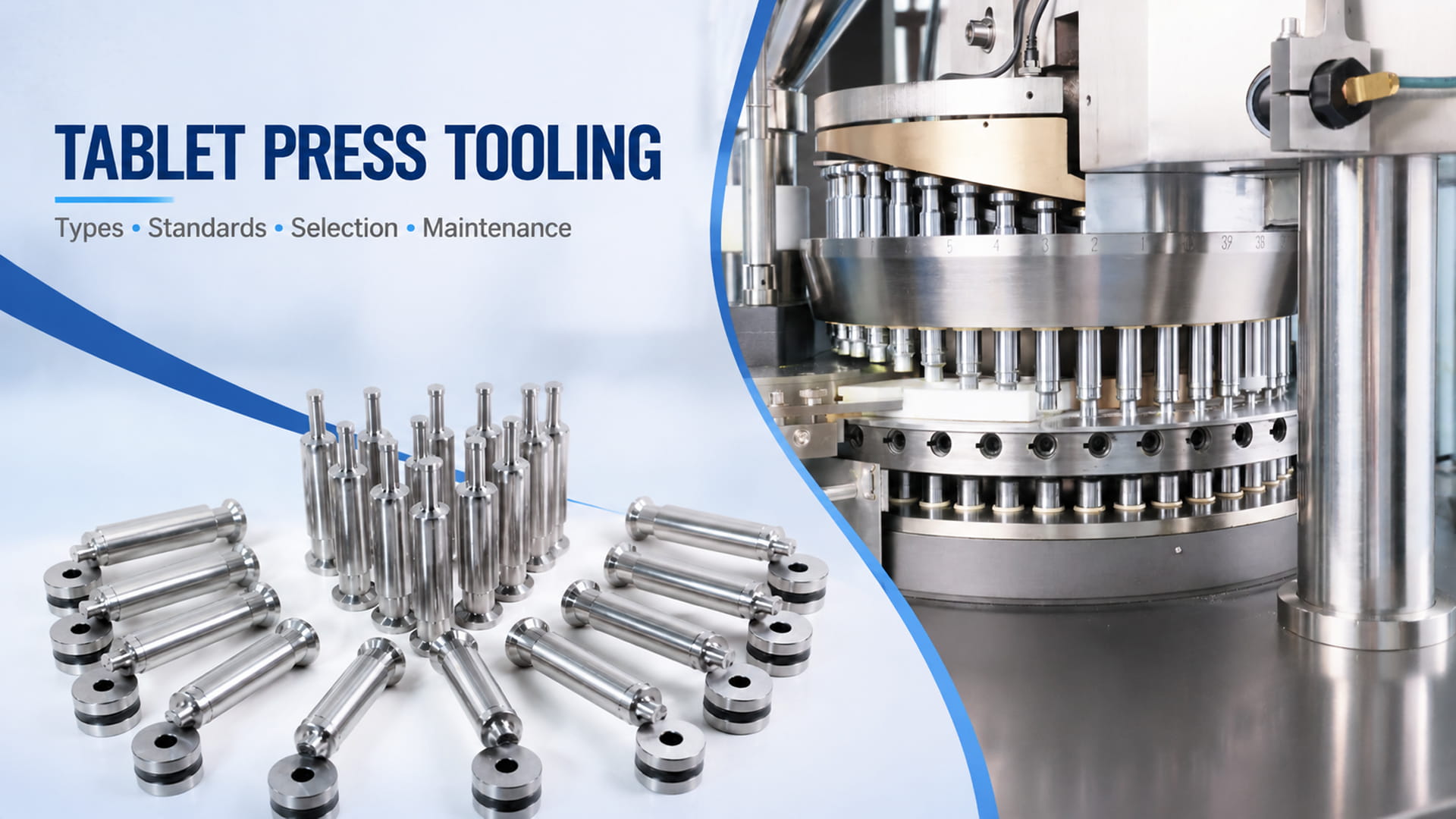
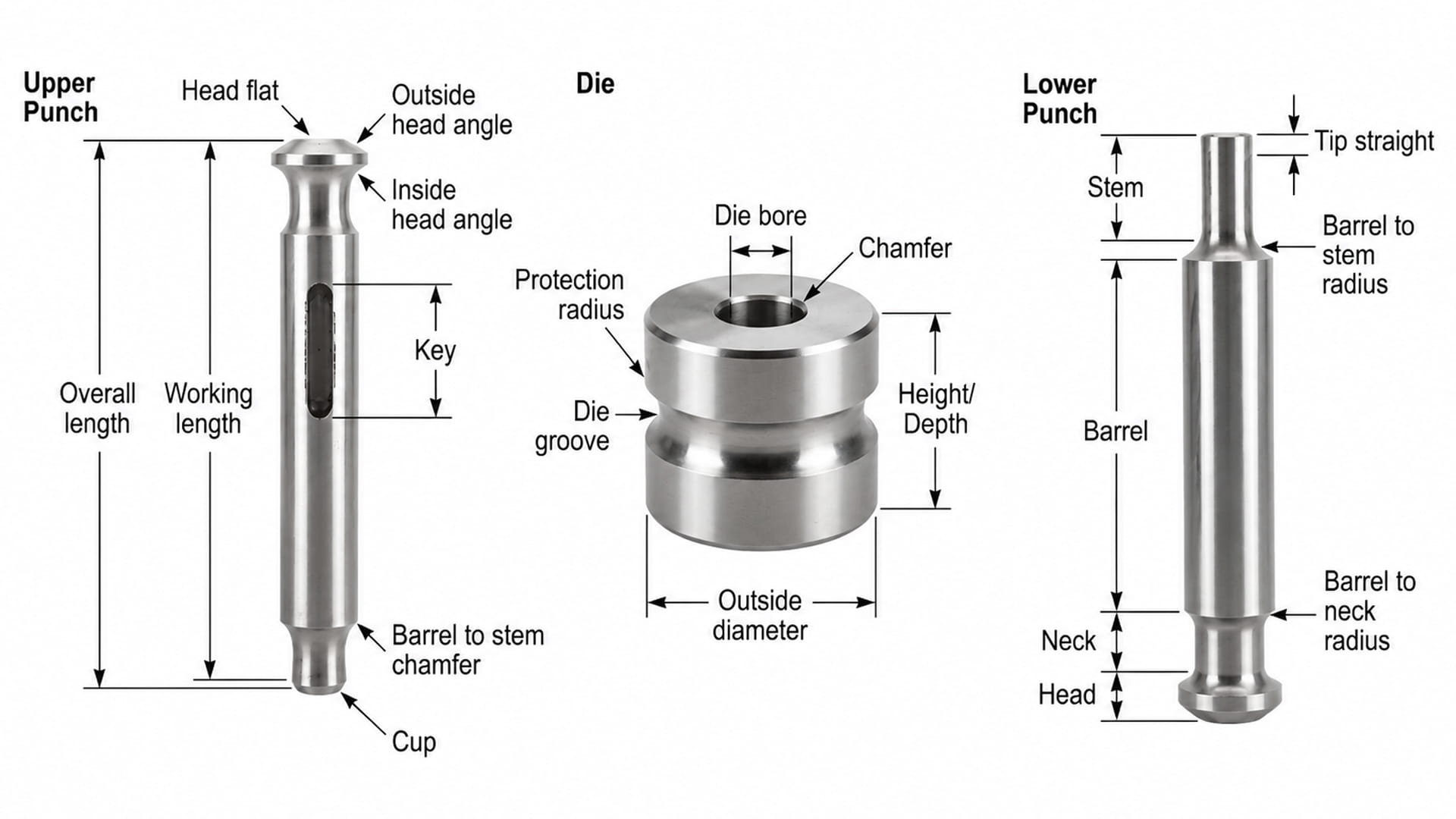
Оснастка таблеточного пресса относится к пары пуансонов и штампов придать форму и спрессовать порошок в таблетки. Матрица представляет собой полую полость (часто круглый) который определяет диаметр и толщину планшета, пока бьет (верхний и нижний) вставить в матрицу сверху и снизу для сжатия порошка. По сути, инструменты определяют геометрию планшета и должен быть точно согласован с прессом. Правильная оснастка обеспечивает равномерный вес, толщина и отпечаток на планшете. Высококачественная оснастка (изготовлены из закаленных сталей типа GCR-15) также противостоит износу и позволяет избежать такие проблемы, как укупорка или ламинирование.
Существуют различные международные стандарты инструментов.. В Северной Америке, стандарт AAP/TSM является общим, в то время как ИСО 18084 (Европейский) стандарт используется во всем мире. В рамках этих стандартов, оснастка для таблеточных прессов классифицируется по классам размеров: Б, Д, ББ, и инструменты БД. Каждый класс имеет фиксированный диаметр ствола пуансона и матрицы. (и высоты), которые, в свою очередь, контролируют максимальный диаметр таблетки. Например, Джинлу Упаковка отмечает, что вся оснастка должна соответствовать размерам револьверной головки и планшета — небольшие 6–8 мм. жеваемые таблетки используйте инструмент BB, для стандартных таблеток диаметром 12–13 мм используется инструмент B., и большим таблеткам размером более 25 мм требуется инструмент D..
Для разных продуктов в виде таблеток требуются разные конфигурации инструментов для достижения стабильного качества таблеток и стабильных производственных показателей.. В машине для сжатия таблеток, Наиболее распространенные типы инструментов для таблеточных прессов включают Инструмент Б, D-инструмент, BB-инструмент, и инструменты БД. Эти варианты инструментов различаются в основном размером пуансона., размеры матрицы, возможность сжатия, и подходящие приложения для планшетов. Понимание различий между этими типами инструментов помогает фармацевтическим производителям., инженеры-технологи, и пользователи компьютеров выбирают правильную настройку для своего планшетного компьютера..
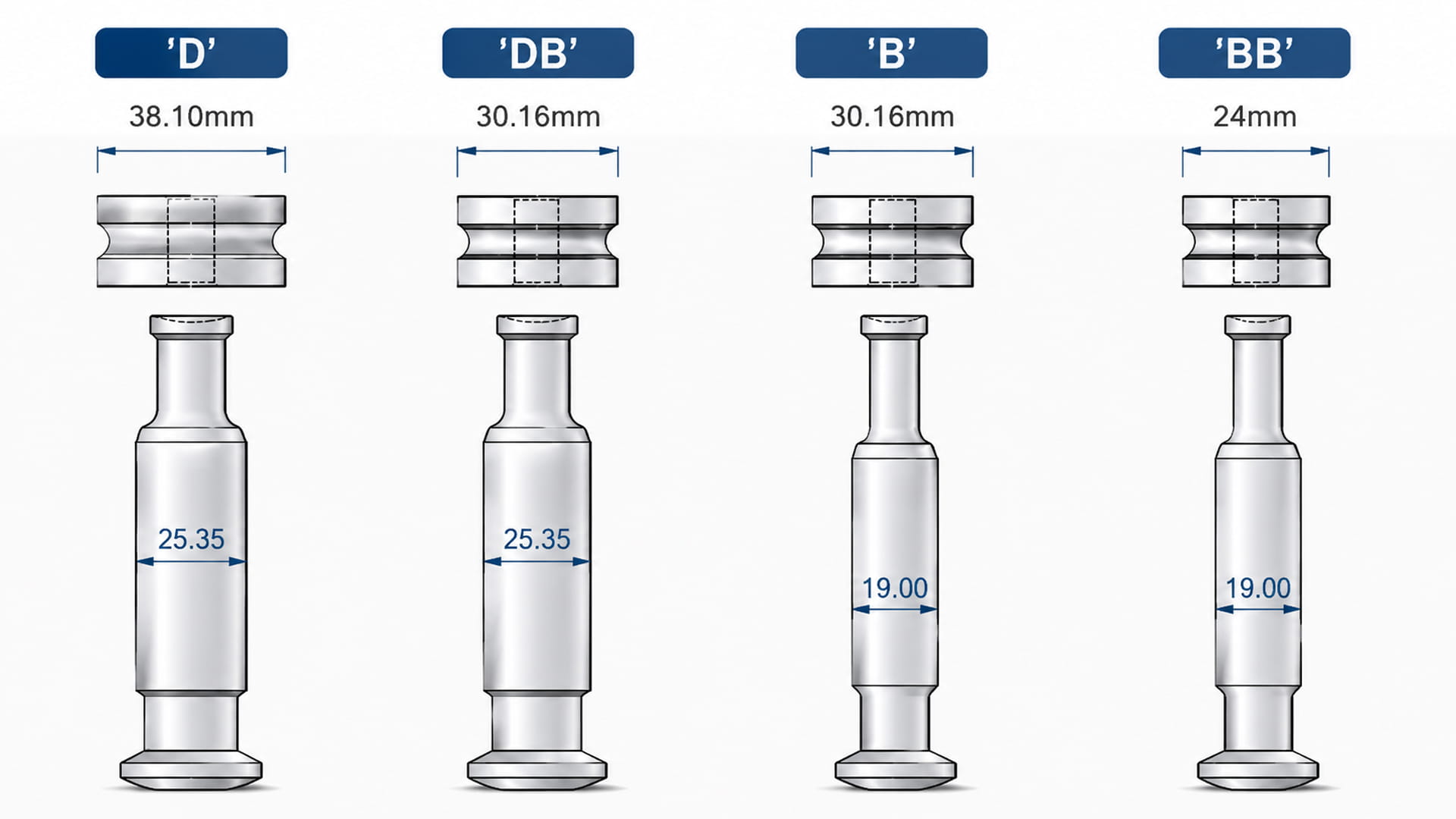
В фармацевтической промышленности, Инструмент типа B является одним из наиболее распространенных стандартов. Инструмент B использует 19.0 мм ствол пуансона и 30.16 мм внешний диаметр матрицы (ИЗ). Его пуансоны имеют характерный выступ. фланец или губа на голове, который фиксируется в башне. Другими словами, удары Б иметь приподнятый край что запирающий зажим зацепляется.
Инструмент B очень универсален.. У него есть вогнутый кончик пуансона (чашеобразный) и круглая кость, и он совместим практически со всеми современными таблеточными прессами. (например, много средних- к высокоскоростным ротационным прессам Fette, Есть, Мужская, и т. д.. относятся к B-типу). Этот инструмент используется для изготовления стандартных твердых таблеток в широком диапазоне размеров. (обычно около 4–16 мм круглой формы, или даже до ~19 мм для фигур). Обычное применение включает обычные круглые и овальные таблетки, например витамины., добавки, и фармацевтические таблетки, где необходимы умеренные размеры и дозы..
Инструмент B популярен, потому что он широко доступен и экономически эффективен для крупносерийного производства.. А 30.16 мм позволяет производить таблетки размером до ~ 16–18 мм. (круг) или немного больше по форме. Например, большинство линий по производству таблеток малого и среднего размера будут использовать инструменты категории B для обеспечения эффективности и гибкости..
Инструмент D-типа предназначен для таблетки большего размера или толще. Ствол пуансона D больше (25.35 диаметр мм) и OD кубика 38.10 мм. В отличие от инструмента B, пуансон типа D имеет без обода или фланца - это просто плоская дисковая головка. Удары фиксируются в башне через ключ и фиксатор система вместо фланцевого зажима.
Инструмент D иногда называют «европейским инструментом». (хотя в США это тоже распространено). Исторически он был стандартом для старых мощных таблеточных прессов и до сих пор используется для очень больших таблеток или очень высокой силы сжатия.. Например, Инструмент D популярен для шипучие таблетки, ветеринарные таблетки, и фармацевтические таблетки с высокими дозами которым нужен больший диаметр и толщина. Плоские пуансоны инструмента D подходят для таблеток, которые могут иметь сложный дизайн или требуют надежного тиснения. (плоское лицо помогает при маркировке).
В практическом плане, установка инструмента D (25.35 мм пуансон, 38.10 мм матрица) сделаю таблетки примерно из 5 мм до 25 диаметр мм. Он обеспечивает более высокую площадь сжатия и позволяет получать очень твердые таблетки.. Если ваша операция использует большой роторный таблеточный пресс для больших витаминных таблеток или слоистых продуктов, вероятно, он использует инструменты D. Помнить: У ударов D нет губы, поэтому визуально они похожи на плоскую верхнюю часть диска.
Инструмент типа BB по сути является уменьшенная версия инструмента B для очень маленьких планшетов. Инструмент BB также имеет 19.0 мм ствол пуансона (как Б) но использует меньшая матрица из 24.00 мм наружный диаметр. Ключевое отличие состоит в том, что инструменты BB позволяют крошечные таблетки или пастилки – подумайте о патронах калибра менее 13 мм..
Инструмент BB предпочтителен, когда вам нужно большое количество станций или пуансоны с несколькими наконечниками.. С 24 мм умирает, вы можете разместить много станций на 24- или пресс с 32 станциями для увеличения производительности маленьких таблеток. Его небольшой размер не снижает точность: Пуансоны BB производят очень однородные мини-таблетки. (например, капли от кашля, дыхание мятные, маленькие жевательные конфеты) где точность дозировки имеет решающее значение.
В итоге, Инструмент BB = таблетки малого диаметра. Это по сути для компактные прессы или режимы с высокой производительностью, когда каждый планшет маленький. Инструментальная система BB требует тех же стандартов револьверной головки, что и инструментальная система B. (та же головка пуансона и удержание), так что ББ бьет делать иметь кромку/фланец, как у пуансонов B. Преимущество заключается в возможности использовать старую печатную машину с 16 станциями в системе с 24 станциями, используя инструменты меньшего размера..
Инструменты типа DB представляет собой гибридную систему, сочетающую в себе особенности D и B.. В настройке БД, тот Диаметр ствола пуансона 25.35 мм (то же, что Д), но ОД 30.16 мм (то же, что Б). Другими словами, используется перфорационная головка большого диаметра (как Д) с меньшим отверстием матрицы (как Б).
Эта комбинация позволяет производить довольно большие, таблетки с высокими дозами (выше, как D) при установке большего количества станций, чем полный D-инструмент (поскольку штампы меньше). Инструменты DB часто появляются на прессах, предназначенных для гибкого производства.: вы получаете высокую способность уплотнения пуансона D с матрицей размера B. Например, набор пуансонов/матриц DB можно использовать для производства плотных поливитаминных таблеток или больших ветеринарных таблеток, если вам нужна большая форма, но вы также хотите повторно использовать B-образную турель, меняя местами пуансоны..
Пуансон инструмента DB фиксируется как пуансон B. (у него есть фланец на головке) но его размер ближе к D. Это специальный выбор для таблетки среднего и большого размера с эффективностью в виду. По сути, DB означает «больше, чем B, но не такой большой, как полный D» — компромисс, обеспечивающий высокую производительность планшетов среднего и большого размера.. Типичные размеры таблеток для инструментов DB составляют около 5–19 мм в диаметре..
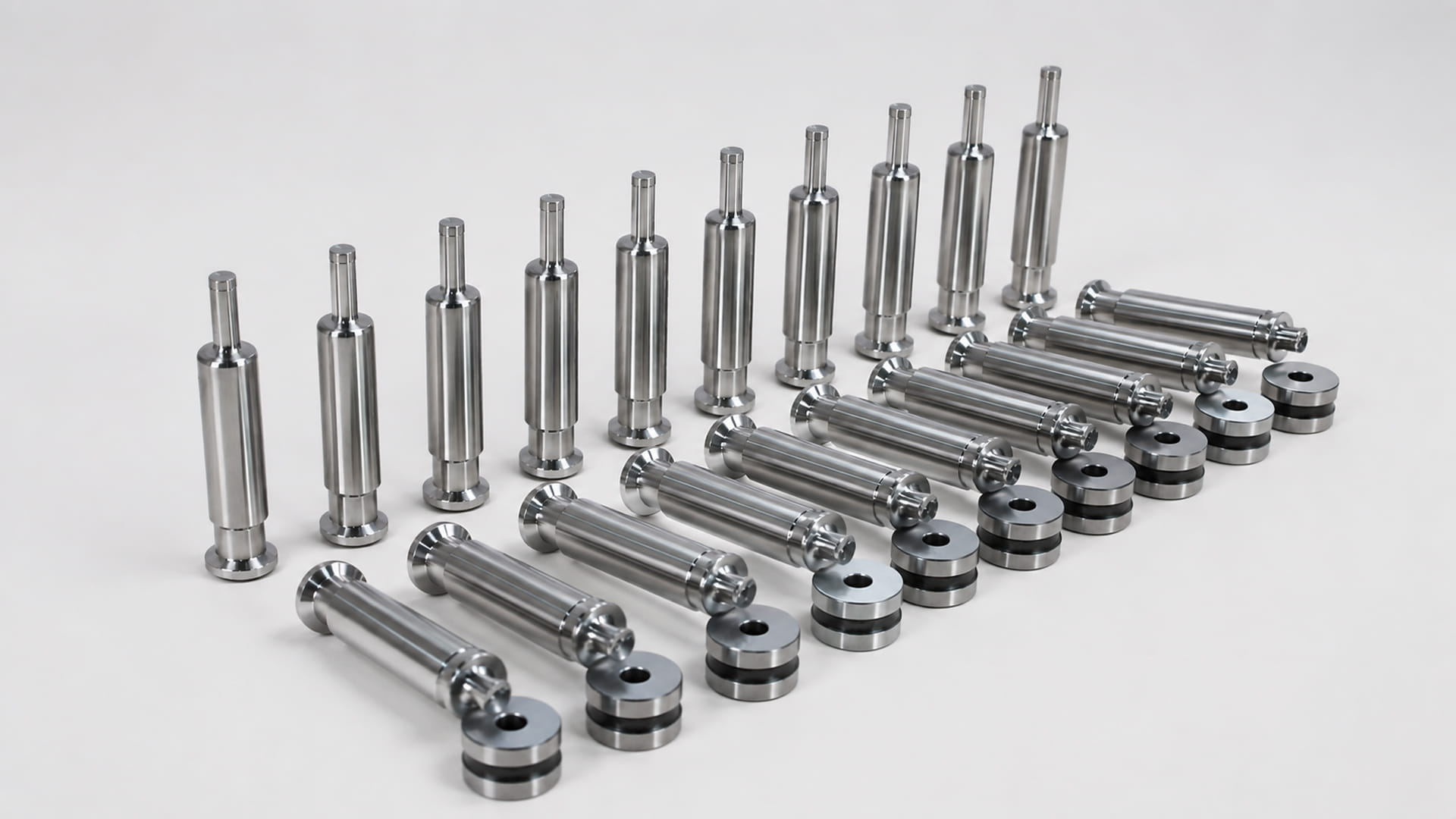
Ниже приводится краткое сравнение типичных размеров каждого типа инструментов и диапазонов размеров планшетов., на основе отраслевых стандартов:
| Тип инструмента | Ствол пуансона Ø | Die Ø (ИЗ) | Диаметр таблетки | Общее использование |
| Б | 19.00 мм | 30.16 мм | ~4–16 мм | Стандартные таблетки (фармацевтика) |
| Д | 25.35 мм | 38.10 мм | ~10–25 мм | Большие таблетки, шипучий |
| ББ | 19.00 мм | 24.00 мм | ~4–13 мм | Маленькие таблетки, высокоскоростные линии |
| БД | 25.35 мм | 30.16 мм | ~5–19 мм | Плотные маленькие мед таблетки |
Например, Примечания JinluPacking Инструмент B обычно изготавливает таблетки диаметром 3–16 мм., в то время как инструмент D покрывает 10–25 мм.. Максимальная толщина инструмента BB составляет около 13 мм, а DB — около 19 мм.. Точный размер также зависит от формы планшета. (круглый, овальный, и т. д.).
За пределами А, Б, D именование, оснастка должна соответствовать стандарту, подходящему для таблеточных прессов.. Существует два основных семейства стандартов на инструменты.:
Важно, Евросоюз (ИСО 18084) и пуансоны ТСМ не взаимозаменяемы. Несмотря на то, что внешние диаметры матрицы одинаковы (например. 38.10 мм для D, 30.16 мм для B), тот Детали пуансона различаются. Например, Головки пуансонов TSM имеют немного другой угол на опорных поверхностях, чем головки ISO., и гнездо для ключа расположено по-другому. На практике, пуансон ISO/D обычно не подходит для печатной машины типа TSM/US., и наоборот. Всегда проверяйте документацию вашей печатной машины, чтобы узнать, ожидает ли она ТСМ или ИСО/ЕС оснастка перед заказом пуансонов и штампов.
В итоге: TSM = стандарт США/Японии, ЕС = ИСО 18084 метрика. Оба обеспечивают точность формы таблетки., но их инструментальные головки несовместимы.
При выборе оснастки для вашего таблеточного пресса, учитывать размер планшета, объем производства, и твердость таблетки:
На практике, много производителей (включая упаковку JinLu) давать рекомендации. Например, ДжинЛу Таблеточный пресс ЗП-17Д рассчитан на 100 кН при использовании стандартных пуансонов GCR-15., поэтому они определяют инструменты по размеру планшета. Они также отмечают, что оба инструмента размер и материал иметь значение: жесткий, В абразивных таблетках используется более твердая сталь или специальные покрытия. (ТиН, КрН) продлить срок службы инструмента.
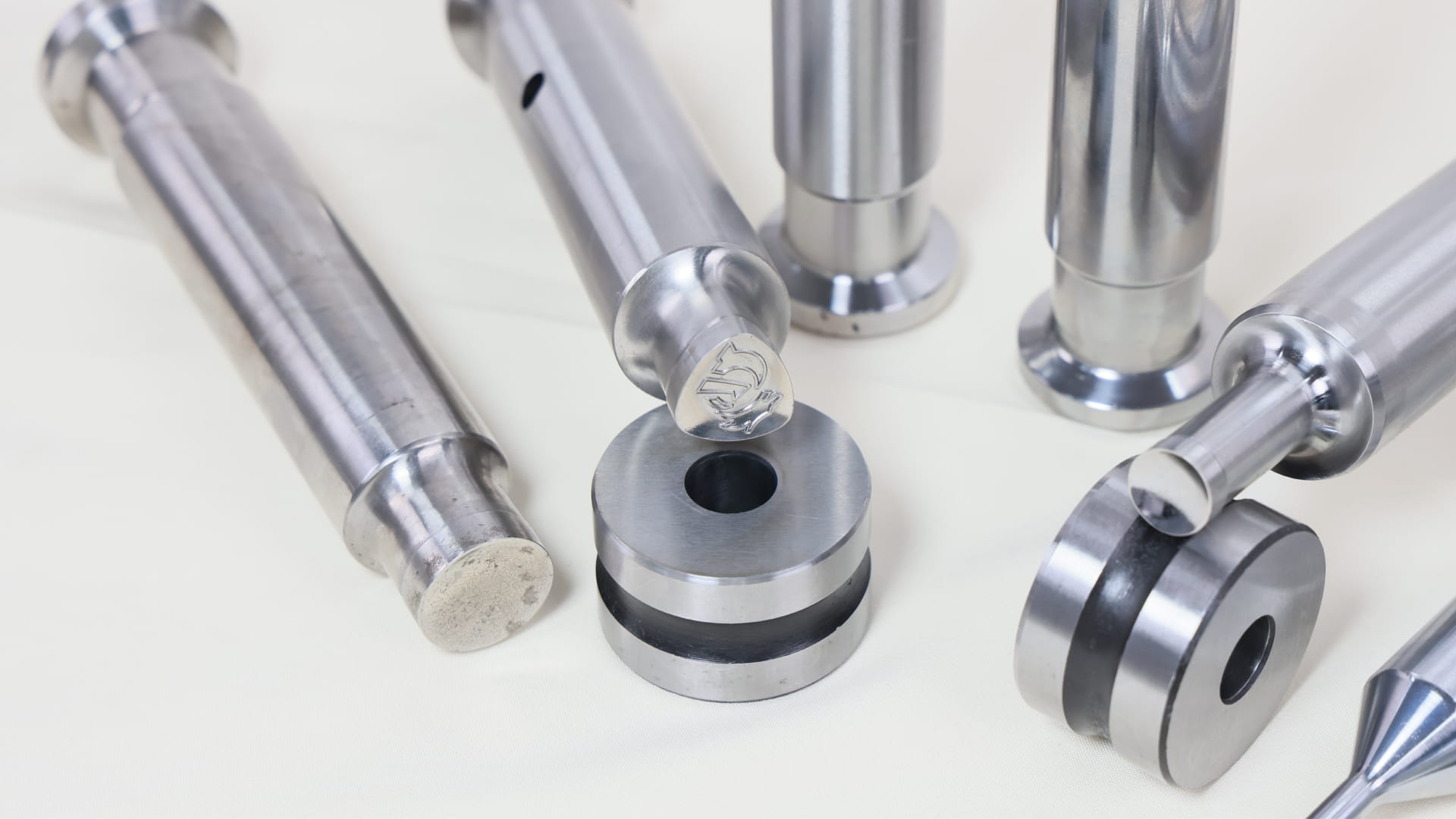
Правильное обслуживание значительно продлевает срок службы инструмента и качество планшета. Эксперты отрасли отмечают, что примерно 85% Большинство проблем с пуансоном возникает из-за плохого обслуживания и обращения.. Вот лучшие практики, которые помогут поддерживать ваши инструменты в отличной форме.:
Следуя этим шагам (чистый, проверять, ремонт/полировка, мера, смазывать, магазин – часто называемый «7-этапным процессом обслуживания инструментов») сведет к минимуму время простоя. Как сказал один инженер, «Чистый, из правильно обслуживаемого перфоратора гораздо меньше вероятность того, что таблетки прилипнут или сломаются». На практике, уборка это самый ответственный шаг: удаляет остатки старого продукта, которые могут вызвать прилипание, сбор, или перекрестное загрязнение.
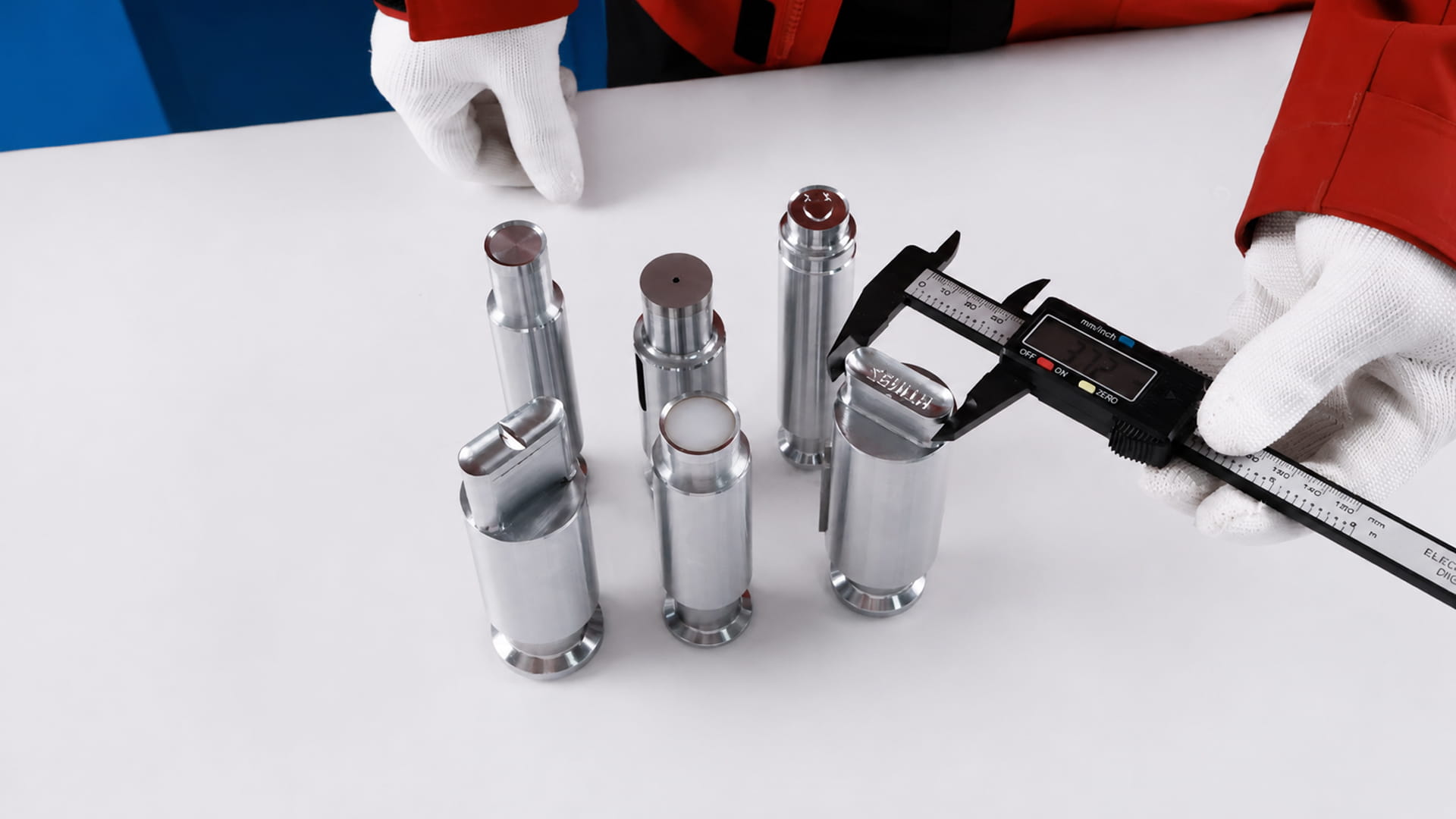
Помимо размеров, инструмент материал и отделка имеют решающее значение. Большинство пуансонов для таблеточных прессов изготовлены из высококачественной углеродистой стали. (например. ГКР-15) с твердостью ~60HRC, который выдерживает высокие силы сжатия. Для влажных или кислых составов (как травы или шипучие вещества), пуансоны из нержавеющей стали или с покрытием (ТиН, КрН, DLC) может противостоять коррозии и прилипанию.
Всегда проверяйте, чтобы инструменты были изготовлены в соответствии со спецификациями.. Многие поставщики следуют Руководству по спецификациям таблетирования. (ТСМ) или стандарты ISO для допусков. ЦзиньЛу, например, примечания Инструменты BB изготовлены в точном соответствии со спецификациями TSM/EU, документы о проверке предоставляются по запросу.. Высококачественная оснастка помогает избежать дефектов и продлить срок службы пуансона..
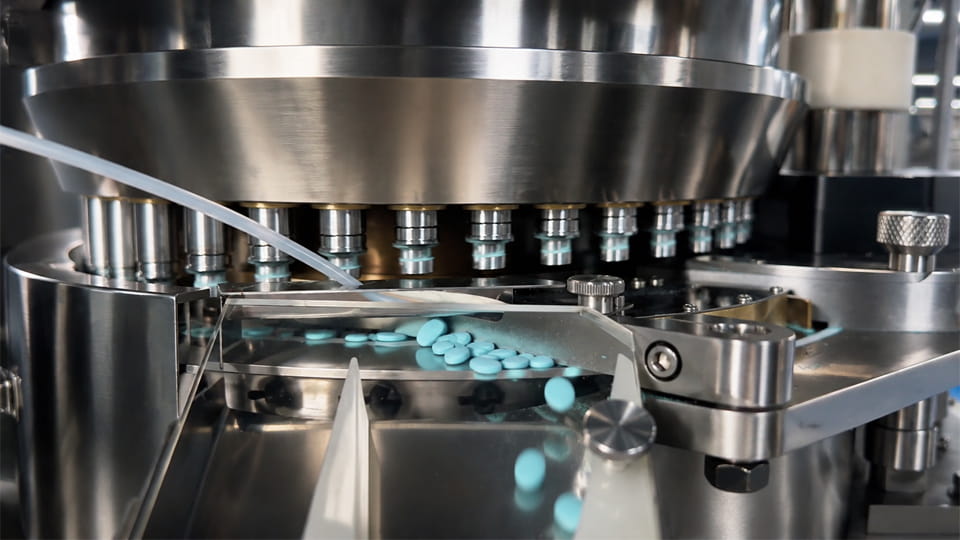
Фигура: высокоскоростные прессы и оснастка позволяют быстро доставлять большое количество таблеток
уважаемый производители таблеточных прессов и поставщики оснастки может помочь вам выбрать правильный стандарт. Например, JinLu Packing часто помогает клиентам сделать выбор между B, Д, Инструменты BB или DB в зависимости от продукта. Мы предлагаем бесплатное тестирование формул и можем порекомендовать специализированные инструменты. (выгравированный, подсчет очков, и т. д.) для вашей прессы. При интеграции полной производственной линии, выбрать поставщика, который предоставляет как прессы, так и оснастку, поэтому совместимость гарантирована.
Более того, наличие системы быстрой смены инструментов и плана технического обслуживания сводит к минимуму время простоя. Ищите такие функции, как быстрое извлечение матрицы., турельный быстросъемный, и удаление пуансона без инструментов на новых прессах. Например, Сосредоточение внимания JinLu на конструкции GMP означает, что их машины оснащены быстросъемными револьверными головками и легко очищаемыми контактными деталями., помогает поддерживать инструменты в отличном состоянии.
Правильная оснастка для таблеточного пресса — это больше, чем просто расходный материал. Это стратегический выбор, который напрямую влияет на качество вашей продукции и эффективность производства.. Понимая различия между Б, Д, ББ, и инструменты БД и следование передовому опыту в выборе и обслуживании, фармацевтические производители могут избежать дорогостоящих дефектов и простоев. Не забудьте соответствовать стандарту вашего инструмента. (ТСМ против ИСО), выберите правильный размер для вашего планшета, и следовать строгому процедура очистки/проверки. Расплата — однородные таблетки, меньше брака, и более надежная производственная линия.
Если вы собираетесь купить новую машину для сжатия таблеток или обновить свои инструменты, рассмотрите возможность обращения к опытным OEM-производителям. Jinlu Packing предлагает рекомендации по выбору лучшей системы инструментов для ваших нужд., и можем поставить специальные пуансоны и матрицы, чтобы ваши планшеты соответствовали техническим требованиям.. Наша команда готова помочь вам выбрать идеальный набор инструментов, чтобы вы максимально эффективно использовали таблеточный пресс.. Связаться с нами для получения экспертной консультации или расценки на качественные инструменты и оборудование для таблеточного пресса.
Инструменты для прессования таблеток — это набор пуансонов и матриц, используемых в машине для прессования таблеток для формирования порошка или гранул в таблетки.. Инструменты контролируют размер планшета., форма, толщина, и общий внешний вид. Полный набор инструментов обычно включает в себя верхний пуансон., нижний удар, и умереть, которые работают вместе в процессе сжатия.
Наиболее распространенные типы оснастки для таблеточных прессов включают оснастку B., D-инструмент, BB-инструмент, и инструменты БД. Эти типы инструментов в основном различаются размером пуансона., размеры матрицы, способность сжатия, и подходящие приложения для планшетов. Правильный выбор зависит от размера планшета., характеристики рецептуры, производственные требования, и характеристики вашей машины для сжатия планшетов.
Основное различие между инструментами B и D заключается в их размере и способности к сжатию.. Инструмент B имеет меньшую конфигурацию пуансона и матрицы и обычно используется для таблеток стандартного размера.. Инструмент D имеет более крупный дизайн, позволяющая увеличить силу сжатия и увеличить производство таблеток. Инструмент D часто предпочтительнее для планшетов большего размера., в то время как инструмент B обеспечивает большую гибкость при изготовлении обычных фармацевтических таблеток..
Инструмент BB — это меньшая конфигурация инструментов, предназначенная для производства таблеток меньшего размера.. Обычно используется для продуктов, требующих компактных размеров планшетов., например, некоторые фармацевтические таблетки, добавки, и специальные продукты. Инструменты BB могут быть подходящим вариантом, когда производителям нужны таблетки меньшего размера с эффективной производительностью..
Инструмент DB — это конфигурация инструмента, сочетающая в себе характеристики инструментальных систем D и B.. В нем используется более крупная конфигурация матрицы с меньшей конструкцией пуансона., обеспечение гибкости для конкретных размеров таблеток и производственных требований. Инструменты DB часто выбираются, когда производителям нужен баланс между возможностями размера планшета и эффективностью инструментов..
Не всегда. Таблеточный пресс разработан с учетом конкретных характеристик оснастки., и совместимость зависит от конструкции башни, размеры пуансона, размер матрицы, и стандарт инструмента. Например, Инструменты B и D не могут просто заменить друг друга без подтверждения совместимости станка.. Всегда проверяйте модель таблеточного пресса и характеристики инструмента перед заменой инструмента..
Основные стандарты оснастки для таблеточных прессов включают TSM. (Руководство по характеристикам планшета), Евросоюз (Европейский стандарт оснастки), и стандарты инструментов ISO. TSM широко используется в Северной Америке., в то время как стандарты ЕС и ISO широко используются на многих международных рынках.. Хотя некоторые размеры могут показаться похожими, Инструменты TSM и EU не являются взаимозаменяемыми автоматически..
Выбор подходящего инструмента для таблеточного пресса зависит от нескольких факторов., включая размер планшета, форма, формулировка, сила сжатия, объем производства, и модель таблеточного пресса. Производителям также следует учитывать стандарты оснастки., выбор материала, и ожидаемый срок службы инструмента для обеспечения стабильного качества таблеток и эффективного производства..
Распространенные проблемы с оснасткой для таблеточных прессов включают залипание., сбор, крышка планшета, неравномерный вес таблетки, ударный износ, и умереть урон. Эти проблемы могут возникнуть из-за изношенного инструмента., неправильное обслуживание, неподходящие инструментальные материалы, или неправильные настройки сжатия планшета. Регулярный осмотр и правильный выбор инструментов могут помочь уменьшить производственные проблемы..
Срок службы оснастки таблеточного пресса зависит от таких факторов, как рецептура таблеток., скорость производства, сила сжатия, инструментальный материал, покрытие, и методы обслуживания. При правильной чистке, осмотр, смазка, и хранение, высококачественные пуансоны и матрицы позволяют производить миллионы таблеток до того, как потребуется их замена..
Ссылки:
1.Пресс-инструмент для таблеток — пуансоны и матрицы —— ИСО 18084:2011
2.Глава 32 – Разработка, Оптимизация, и масштабирование параметров процесса: Сжатие таблеток —— ScienceDirect
3.Преимущества стандартизации инструментов для планшетов —— ФармТех
4.Улучшение обслуживания и хранения оснастки таблеточного пресса —— ФармТех
5.Влияние геометрии пуансона (диаметр плоской головки) и тип инструмента ('Б’ или «Д») о физико-механических свойствах лекарственных форм таблеток —— Национальная библиотека медицины
6.Обновленная информация о достижениях в области технологий изготовления планшетов —— ScienceDirect