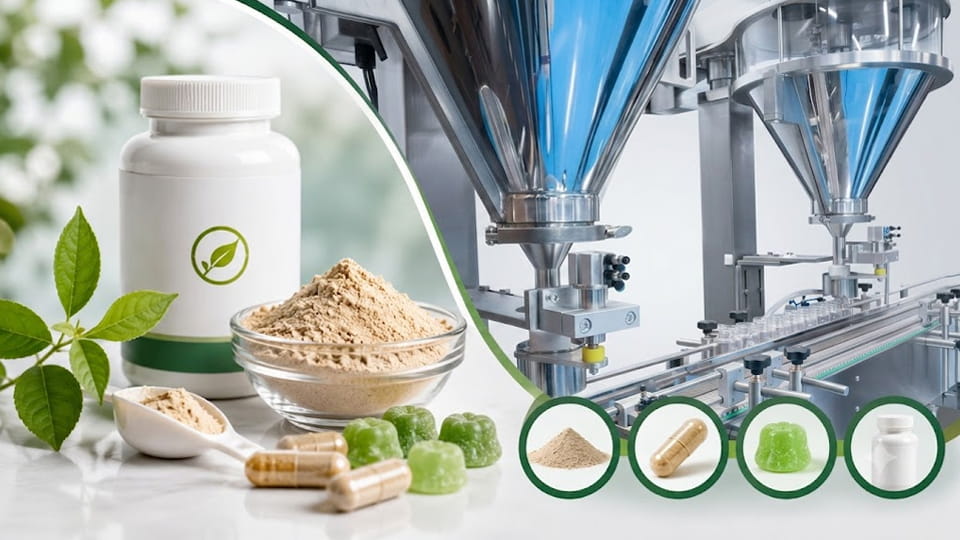

De mondiale vraag naar Kruidensupplement producten blijven groeien naarmate meer consumenten op zoek gaan naar natuurlijke manieren om hun gezondheid en welzijn te ondersteunen. Van capsules en tabletten tot poeders en gummies, kruidensupplementen zijn nu te vinden in apotheken, supermarkten, en online winkels over de hele wereld. Naarmate de markt groter wordt, Fabrikanten worden geconfronteerd met toenemende verwachtingen voor consistente kwaliteit, Efficiënte productie, en betrouwbare verpakking die gevoelige botanische ingrediënten beschermt. Goede productiepraktijken en passende verpakkingscontroles zijn ook essentieel om de productkwaliteit en naleving tijdens het hele productieproces te garanderen.
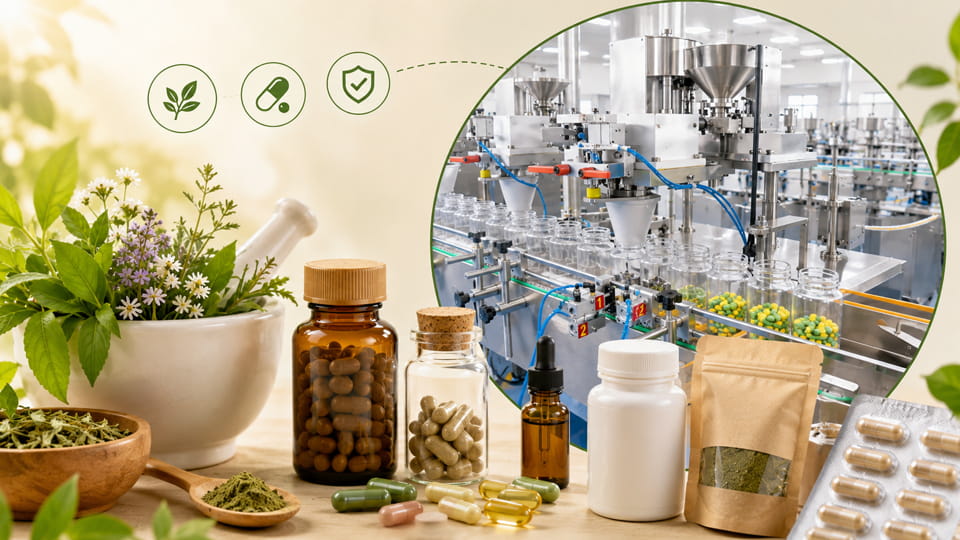
Of u nu een nieuwe productielijn voor kruidensupplementen plant of bestaande apparatuur upgradet, Het begrijpen van het productieproces is de eerste stap naar het nemen van betere beslissingen. In deze gids, we zullen de meest voorkomende soorten kruidensupplementen doornemen, hoe ze worden geproduceerd, de betrokken apparatuur, en de verpakkingsoplossingen die fabrikanten helpen de efficiëntie te verbeteren, productkwaliteit, en houdbaarheid.
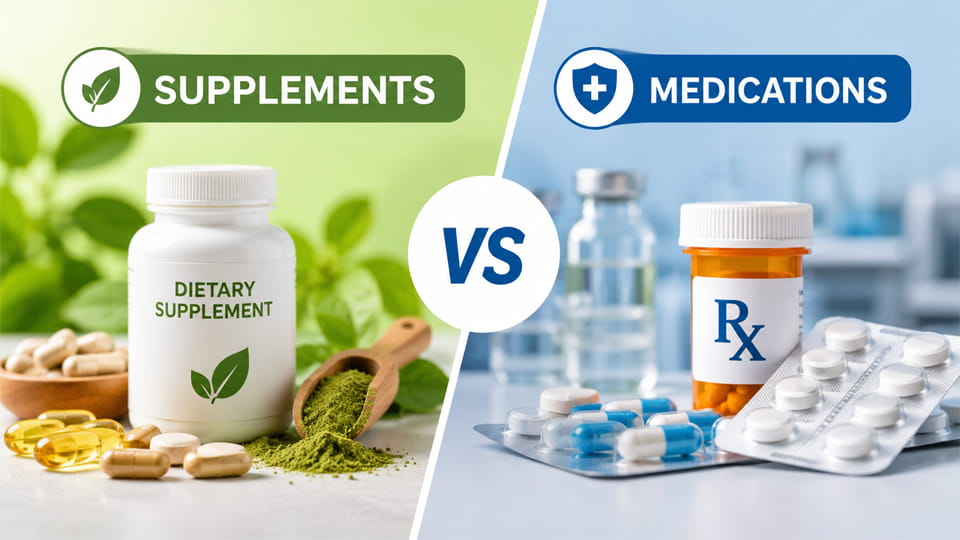
Kruidensupplementen (ook wel genoemd botanische supplementen) zijn een categorie van voedingssupplementen gemaakt van plantaardig materiaal (wortels, bladeren, bloemen, zaden, of uittreksels) bedoeld om de gezondheid te ondersteunen. In tegenstelling tot synthetische vitamines, kruidensupplementen zijn afgeleid van natuurlijke bronnen. Ze maken vaak gebruik van traditionele kruidengeneesmiddelen (bijv. gember, ginkgo, echinacea) en omvatten geconcentreerde extracten of poeders. In regelgevende termen, kruidensupplementen worden geclassificeerd als voedingssupplementen, geen medicijnen. Onder Amerikaanse. volgens de wet moeten ze de geëtiketteerde ingrediënten bevatten en verontreinigingen vermijden (pesticiden, zware metalen). Typische vormen zijn onder meer capsules, tabletten, softgels, poeders, vloeistoffen (tincturen), thee en gummies.
Kruidensupplementen zijn bedoeld om het dieet “aan te vullen” met plantaardige voedingsstoffen of actieve stoffen, vaak voor immuunondersteuning, spijsvertering, stressverlichting, of energie. Bijvoorbeeld, ingrediënten zoals vlierbessen, echinacea en vitamine C zijn populair vanwege de immuniteit, terwijl ashwagandha en groene thee worden gebruikt voor stressverlichting en metabolisme. Consumenten geven steeds vaker de voorkeur aan kruidensupplementen vanwege hun natuurlijke herkomst en schone labels. De mondiale markt voor kruidensupplementen stond op het punt $45.9 miljard binnen 2025 en zal naar verwachting jaarlijks met ~8% groeien 2034, gedreven door de vraag naar plantaardige preventieve gezondheidszorg.

Kruidensupplementen worden in vele doseringsvormen gemaakt. Elke vorm heeft voordelen, dus fabrikanten kiezen op basis van het product en de markt. Veel voorkomende formaten zijn onder meer:


Kruidensupplementen zijn er in vele vormen: harde capsules, softgels, tabletten en poeders gebruiken allemaal botanische ingrediënten. Het kiezen van de juiste vorm is afhankelijk van het kruidenextract, dosering nodig, en consumentenvoorkeuren.
| Aanvullingsformulier | Typische kruideningrediënten | Belangrijkste voordelen | Gemeenschappelijke verpakking | Aanbevolen productieapparatuur |
|---|---|---|---|---|
| Capsules | Ashwagandha, Kurkuma, Ginseng | Gemakkelijk te slikken, nauwkeurige dosering, beschermt gevoelige poeders | Flessen, blaarpakketten | Capsule-vulmachine, Flessenvullijn, Blaarverpakkingsmachine |
| Tabletten | Spirulina, Knoflook, Melkdistel | Goedkoper, lange houdbaarheid, geschikt voor productie in grote volumes | Flessen, blaarpakketten | Tabletpersmachine, Tabletcoatingmachine, Flessenverpakkingslijn |
| Poeders | Matcha, Moringa, Tarwegras | Flexibele portiegroottes, Ideaal voor drankmixen en eiwitmengsels | Opstaande zakjes, stokpakketten, potten | Poedermixer, Vijzel vulmachine, Premade Pouch Packing Machine |
| Softgels | Knoflookolie, Lijnzaadolie, Teunisbloemolie | Geschikt voor extracten op oliebasis, gemakkelijk te consumeren | Flessen, blaarpakketten | Softgelproductielijn, Flessenvulmachine |
| Gummies | Vlierbes, Appelciderazijn, Kurkuma | Aangename smaak, populair bij kinderen en volwassenen | Flessen, zakjes | Gummy telmachine, Flessenvullijn, Premade Pouch Packing Machine |
| Vloeibare extracten | Echinacea, Ginkgo Biloba, Valeriaanwortel | Snelle absorptie, handig voor dosering op maat | Glazen flessen, druppelflessen | Vloeistof vulmachine, Afdekmachine, Etiketteringsmachine |
| Kruidentheezakjes | Kamille, Pepermunt, Hibiscus | Traditionele consumptiemethode, eenvoudige bereiding | Zakjes, dozen | Theezakjesverpakkingsmachine, Kartonmachine |
Fabrikanten kunnen zich richten op een specifiek formaat voor biologische beschikbaarheid of aantrekkelijkheid voor de consument. Bijvoorbeeld, Op capsules gebaseerde kruidensupplementen zijn goed voor een aanzienlijk marktaandeel (rondom 39%) omdat ze actieve ingrediënten beschermen en snel in het lichaam oplossen. Poeders (in potten of stickpacks) winnen aan populariteit voor eiwit- of groene superfoodmengsels, terwijl tabletten een hoofdbestanddeel blijven van vitamines en standaard kruidenextracten. Uiteindelijk, de productieapparatuur (capsule -vulstoffen, tablet persen, zakjes, enz.) moet passen bij de gekozen vorm en het productievolume.
Fabrikanten richten zich op kruiden met een sterke consumentenvraag en wetenschappelijke ondersteuning. Belangrijke plantaardige ingrediënten in supplementen zijn onder meer:
De onderstaande vergelijking geeft een snel overzicht van enkele van de meest gebruikte kruidensupplementen in de hedendaagse nutraceutische industrie:
| Kruidensupplement | Gemeenschappelijk gezondheidsdoel* | Gemeenschappelijke doseringsvormen | Typische verpakking | Productie-aantekeningen |
|---|---|---|---|---|
| Kurkuma (Curcumine) | Gewrichts- en ontstekingsondersteuning | Capsules, tabletten, poeder | HDPE-flessen, blaarpakketten, stand-up zakjes | Vaak gestandaardiseerd curcumine-extract met vloeimiddelen |
| Ashwagandha | Stress- en slaapondersteuning | Capsules, gummies, poeder | Plastic flessen, stokpakketten | Algemeen geproduceerd als gestandaardiseerd wortelextract |
| Ginseng | Energie en cognitieve ondersteuning | Capsules, softgels, vloeibare extracten | Amberkleurige flessen, blaarpakketten | Vochtbeheersing is belangrijk tijdens het vullen |
| Echinacea | Ondersteuning van het immuunsysteem | Tabletten, capsules, tincturen | Flessen, glazen druppelflessen | Vaak vervaardigd als droog extract of vloeibaar extract |
| Melkdistel | Ondersteuning van de levergezondheid | Capsules, softgels | HDPE-flessen, blaarpakketten | Gestandaardiseerd silymarinegehalte is doorgaans vereist |
| Knoflook | Ondersteuning van de hartgezondheid | Softgels, tabletten | Blaarpakketten, flessen | Geurbestrijding en coating worden vaak overwogen |
| Gember | Spijsverteringsondersteuning | Capsules, poeders, theezakjes | Zakjes, zakjes, flessen | De vloeibaarheid van het poeder beïnvloedt de vulnauwkeurigheid |
| Ginkgo Biloba | Ondersteuning van het geheugen en de bloedsomloop | Tabletten, capsules | Flessen, blaarpakketten | Vaak gestandaardiseerd op basis van het flavonoïdegehalte |
| Groene thee-extract | Ondersteuning van antioxidanten | Capsules, tabletten | Flessen, blaarpakketten | Hitte- en vochtbescherming verbeteren de stabiliteit |
| Vlierbes | Ondersteuning van het immuunsysteem | Gummies, siropen, capsules | PET-flessen, glazen flessen | Gummies vereisen speciale tel- en bottelapparatuur |
Trends binnen 2025 markeer supplementen die zijn samengesteld voor de gezondheid van het immuunsysteem (vlierbes, echinacea, zink), de gezondheid van vrouwen, en cognitief welzijn. Bijvoorbeeld, Britse consumenten gebruiken steeds vaker kurkuma, ashwagandha, moringa en vlierbes voor immuniteit en stress. De inkoop en formulering van ingrediënten vereisen kwaliteitscontrole: elk kruid moet worden getest op actieve potentie en afwezigheid van verontreinigingen (pesticiden, zware metalen) volgens GMP-normen.

Het vervaardigen van kruidensupplementen volgt een proces dat uit meerdere stappen bestaat, een combinatie van standaard farmaceutische technieken met specifieke zorg voor botanische ingrediënten. De algemene stroom is: inkoop van rauwe kruiden → schoonmaken → drogen/malen → blenden → doseringsvorming (capsules/tabletten) → verpakking. Belangrijke stappen omvatten:
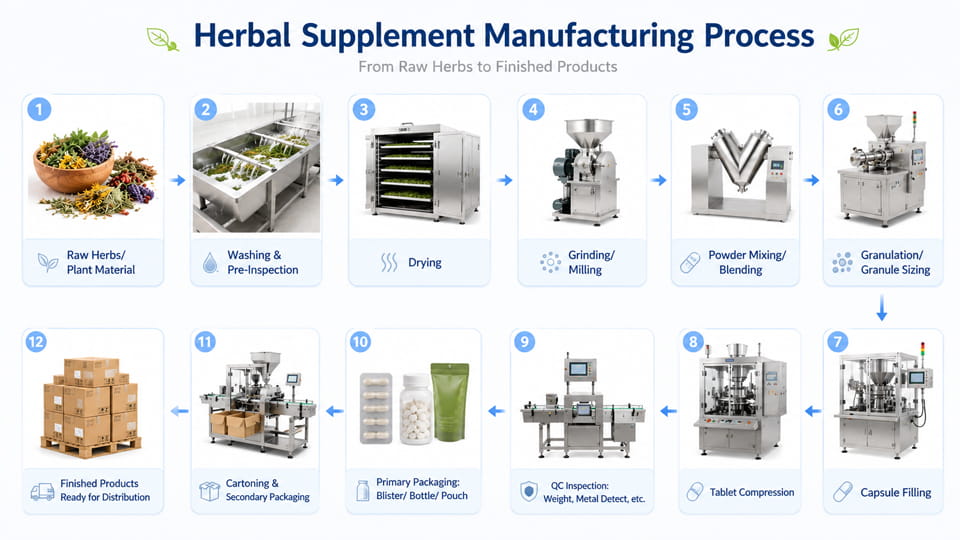
Gedurende de hele productie, voorwaarden (temperatuur, vochtigheid) worden nauwlettend gecontroleerd. Veel plantaardige producten zijn vochtgevoelig, zodat de hele lijn in een schone ruimte met gecontroleerde vochtigheid kan draaien. Verpakking met hoge barrière (blisters van aluminiumfolie, HDPE met droogmiddel) is geselecteerd om de houdbaarheid te behouden.
Succesvolle productie van supplementen hangt af van betrouwbaarheid verwerkings- en verpakkingsmachines. Hier is een overzicht van de belangrijkste apparatuur – vooral die aangeboden door Jinlu – met hun rollen:

Figuur: Jinlu's snelle capsulevulmachine (model NJP-1500D, 90K cps/uur). Dergelijke automatische vullers oriënteren lege capsules, meter kruidenpoeder, stamp de vulling aan, en assembleer elke gevulde capsule met een nauwkeurigheid van ±3%.
 Figuur: HZP-26D-40D Roterende tabletpersmachine. Tabletpersen comprimeren kruidenkorrels tot tabletten met veel gewicht en hardheid. De persen van Jinlu kunnen meer dan produceren 260,000 tabletten/uur, waarbij uniformiteit wordt gewaarborgd.
Figuur:Premade zakje verpakkingsmachine. Dergelijke machines (zoals de GD-serie van Jinlu) automatisch kan openen, vullen, en sluit sta- of ritszakjes af met poeders, korrels of tabletten, het bereiken van zeer nauwkeurige vulgewichten.
Andere essentiële uitrusting omvat flessenwassers (voor het starten van lege flessen), etiketteermachines, En metaaldetectoren. De machines van Jinlu zijn ontworpen om te voldoen aan wereldwijde certificeringen (CE, CGMP, FDA) en kan worden aangepast (bijv. met vacuümdoseerders voor moeilijke poeders, combinatiewegers voor blends).
Het kiezen van de juiste primaire verpakking heeft invloed op de stabiliteit, gebruikerservaring, en naleving. Hieronder vergelijken we gangbare verpakkingsformaten voor supplementen:
| Formaat | Het beste voor | Voordelen | Uitdagingen/overwegingen |
| Flessen (HDPE, HUISDIER) | Capsules, Tabletten, Softgels, Gummies | Sterke vocht-/zuurstofbarrière; gemakkelijk te labelen; kindveilige sluitingen beschikbaar; vertrouwd formaat | Omvangrijk voor verzending; vaak ondoorzichtig (minder recyclebaar); vereisen CR-doppen met gemengde materialen |
| Blaarpakketten (Aluminium/PVC) | Tabletten, Capsules, Pepers | Bescherming in eenheidsdosis (elke pil verzegeld); uitstekende barrière (folie); manipulatie-duidelijk; handig doseren | Per stuk duurder; beperkte vormen/maten; folie/PVC-recycling is moeilijk |
| Stick-pakketten | Poeders (enkele portie), Thee | Vooraf gemeten draagbare dosis; minimale rest; slank profiel | Afval voor eenmalig gebruik; laminaat nodig (uitdagingen op het gebied van recyclen); klein volume per verpakking |
| Zakjes | Korrels, Bruistabletten, Poeders | Pakketten met één portie, vaak wateroplosbaar; lage kosten | Beperkte vochtbarrière; gevoelig voor lekke banden; afval voor eenmalig gebruik |
| Opstaande zakjes (hersluitbaar) | Poeders, Korrels, Gummies, Multiverpakkingen | Lichtgewicht, ruimtebesparend; laminaat met hoge barrière; hersluitbare ritssluitingen; aanpasbare vormen | Vaak transparant (licht risico); droogmiddel nodig voor vochtgevoelige inhoud; ritssluiting verhoogt de kosten |
| Potten / Blikken (Glas/aluminium) | Gummies, Poeders, Premium producten | Superieure recycleerbaarheid (glas/aluminium); hoge barrière; herbruikbaar; premium uitstraling | Zwaarder (verzendkosten); breekbaar (glas); standaard niet kindveilig tenzij toegevoegde dekselmechanismen |
| Secundaire dozen | Capsules/tabletten in flessen of blisters | Maakt bulkverpakking mogelijk; voegt barrière toe voor meerdere producten; biedt etiketruimte | Voegt kosten en materiaal toe; kartonnen barrière inferieur aan plastic (heeft mogelijk voeringen nodig voor vocht) |
Voor kruidensupplementen, vocht- en zuurstofcontrole zijn kritische verpakkingsfuncties. Bijvoorbeeld, blisterfolie met hoge barrière of meerlaagse zakjes kunnen hygroscopische kruiden beschermen. Kindveilig (CR) sluitingen zijn vaak wettelijk verplicht (vooral voor vitamines). Duurzame opties (PCR-kunststoffen, recycleerbare materialen, composteerbare zakjes) zijn groeiende trends, maar moet nog steeds voldoen aan de eisen op het gebied van veiligheid en houdbaarheid.
Verpakkingsmachines (flessenvullers, blaar lijnen, zakjesverpakkers) moet overeenkomen met het gekozen formaat en de output. Geautomatiseerde systemen (zoals Jinlu's model GD-zakjesverpakker of blistermachines uit de PJ-serie) omgaan met hoge snelheden met consistente afdichting, wat essentieel is voor de farmaceutische sector GMP-naleving.
Zelfs met goede apparatuur, De productie van supplementen kan tegen problemen aanlopen. Hier vindt u veelvoorkomende problemen en oplossingen:
In alle gevallen, preventief onderhoud en ervaren operators zijn van cruciaal belang. Geautomatiseerd foutherstel (zenders weigeren, alarmen) helpt problemen vroegtijdig op te sporen. Bijvoorbeeld, De machines van Jinlu zijn voorzien van “intelligente afwijzing” om verkeerd gevulde zakjes weg te gooien.
Het selecteren van verpakkingsapparatuur is een strategische beslissing. Factoren waarmee u rekening moet houden, zijn onder meer:
Samengevat, kies machines die geschikt zijn voor uw gewenste output en compliance-eisen. De juiste uitrusting zorgt voor consistente vullingen/afdichtingen, maximaliseert de opbrengst, en vermijdt kostbare terugroepacties.
De wereldwijde verschuiving naar natuurlijke gezondheid heeft van kruidensupplementen een belangrijke industrie gemaakt, maar het vereist ook een rigoureuze productie op farmaceutisch niveau. Van het zorgvuldig testen van rauwe plantaardige ingrediënten tot het automatisch vullen van capsules en een fraudebestendige verpakking, elke stap moet worden geoptimaliseerd voor consistentie, naleving, en kwaliteit. Vooruitgang in uitrusting (zoals snelle capsulevullers, precisie blaarlijnen, en flexibele zakmachines) zorgen ervoor dat nutraceutische bedrijven efficiënt kunnen opschalen met behoud van nauwe toleranties.
Samengevat, productie van kruidensupplementen is een complexe dans van traditionele botanische kennis en moderne techniek. Door het volgen van GMP-richtlijnen, met behulp van de juiste machines, en trends voor blijven (leuk vinden duurzame verpakking en gepersonaliseerde formuleringen), fabrikanten veilig kunnen leveren, effectieve plantaardige producten. Voor bedrijven die hun lijnen willen uitbreiden of upgraden, Jinlu-verpakking biedt een geïntegreerd assortiment capsulevullers, tablet persen, Blister Machines, zakjesverpakkers en meer – allemaal gebouwd voor nutraceutische productie. Neem contact met ons op om te leren hoe onze apparatuur u kan helpen uw kruidensupplement van de kruidentuin met kwaliteit en efficiëntie naar de winkelschappen te brengen.
Een Kruidensupplement is een voedingssupplement gemaakt van kruiden, botanische extracten, of andere plantaardige ingrediënten. Deze producten zijn algemeen verkrijgbaar als capsules, tabletten, poeders, gummies, thee, of vloeibare extracten en zijn ontworpen om het dieet aan te vullen in plaats van conventionele voedingsmiddelen te vervangen. Afhankelijk van de markt, kruidensupplementen worden gereguleerd als voedingssupplementen in plaats van farmaceutische medicijnen.
In de VS., voedingssupplementen (inclusief kruiden) vallen onder de DSHEA-wet van de FDA. Fabrikanten moeten de cGMP-regels van de FDA volgen (21 CFR 111) identiteit te garanderen, zuiverheid, en om besmetting te voorkomen. Dit betekent het grondig testen van rauwe kruiden en controles tijdens het proces. In Europa en elders, vergelijkbare goede productienormen (EU-GMP, WHO-richtlijnen) toepassing op nutraceuticals.
Ze zijn er in vele vormen: capsules, tabletten, poeders, vloeistoffen/tincturen, gummies, stokpakketten, thee, enz. De keuze hangt af van de botanische eigenschappen en de voorkeur van de consument. Bijvoorbeeld, kleine bittere kruiden kunnen in capsules gaan, terwijl een ontspannende thee als theezakjes wordt verkocht.
Het productieproces omvat doorgaans verschillende belangrijke stappen:
• Rauwe kruidenselectie
• Reinigen en drogen
• Slijpen of frezen
• Poedermenging
• Granulatie (indien nodig)
• Capsulevulling of tabletcompressie
• Kwaliteitscontrole
• Primaire verpakking
• Kartoneren en secundaire verpakking
Moderne fabrikanten automatiseren deze processen vaak om de consistentie te verbeteren, productiviteit, en productkwaliteit.
Minimaal, fabrikanten hebben mengapparatuur nodig, een capsulevuller of tabletpers (afhankelijk van de dosering), en een verpakkingslijn. Belangrijke machines omvatten: capsule-vulmachine, roterende tabletpers, blaarverpakkingsmachine, flessentel-/vullijn, zakje/stickpack-machine, en zakverpakkingsmachine. Bijvoorbeeld, Jinlu Packing biedt capsulevullers en zakjesverpakkers die speciaal zijn ontworpen voor nutraceuticals.
De meeste fabrikanten gebruiken vochtbestendige verpakkingsmaterialen zoals blisterverpakkingen, HDPE-flessen met inductiesluiting, aluminiumfolielaminaten, of zakjes met een hoge barrière. Gecontroleerde productieomgevingen, droogmiddelen, goede afdichtingssystemen, en routinematige kwaliteitsinspecties helpen ook kruidensupplementen tijdens opslag en transport te beschermen.
De beste verpakking is afhankelijk van het producttype en de gevoeligheid voor vocht, zuurstof, en licht.
Veel voorkomende verpakkingsopties zijn onder meer:
• Flessen voor capsules en tabletten
• Blisterverpakkingen voor bescherming bij eenheidsdosis
• Stazakken voor poeders
• Stickpacks en sachets voor enkele porties
• Glazen flessen voor vloeibare extracten
Door de juiste barrièreverpakking te kiezen, blijft de productkwaliteit behouden en wordt de houdbaarheid verlengd.
Kruidensupplementen worden geclassificeerd als voedingssupplementen en kunnen zonder recept worden verkocht, gericht op voedingsondersteuning. Kruidengeneesmiddelen (zoals Ayurvedische of traditionele Chinese medicijnen) worden vaak gereguleerd als medicijnen of medische producten, met claims over het behandelen van kwalen. Supplementen kunnen het algemene welzijn bevorderen (bijv. “ondersteunt de immuniteit”) maar kan niet beweren ziekten te genezen.
Referenties:
1.Begeleidingsdocumenten voor voedingssupplementen & Regelgevende informatie—— ONS. Voedsel- en Geneesmiddelenadministratie
2.Voedingssupplementen —— ONS. Voedsel- en Geneesmiddelenadministratie
3.Kruidensupplementen —— ONS. Ministerie van Landbouw
4.Ontwikkeling van veilige en effectieve botanische voedingssupplementen —— Nationale Bibliotheek voor Geneeskunde
5.Kwaliteitsborging en veiligheid van voedingssupplementen op kruidenbasis —— Nationale Bibliotheek voor Geneeskunde
6.Dieet- en kruidensupplementen —— NCCIH