
Invoering: Geplette of beschadigde blisterverpakkingen zijn een van de meest frustrerende problemen bij farmaceutische en gezondheidssupplementen verpakkingsproductielijnen. Een kapotte blisterverpakking verspilt aluminiumfolie, kunststof folie, en andere verbruiksartikelen, en creëert extra werk voor uw team om defecte producten op te lossen. Als u nieuw bent bij dit productieproces, wat is een blisterverpakking? Het is de verzegelde verpakking voor eenmalig gebruik voor medicijnen en supplementen, en wat is blisterverpakking? Het is het geautomatiseerde proces dat zich vormt, zeehonden, en snijdt deze verpakkingen voor de productie van blisterverpakkingen en de productie van blisterverpakkingen voor capsules.
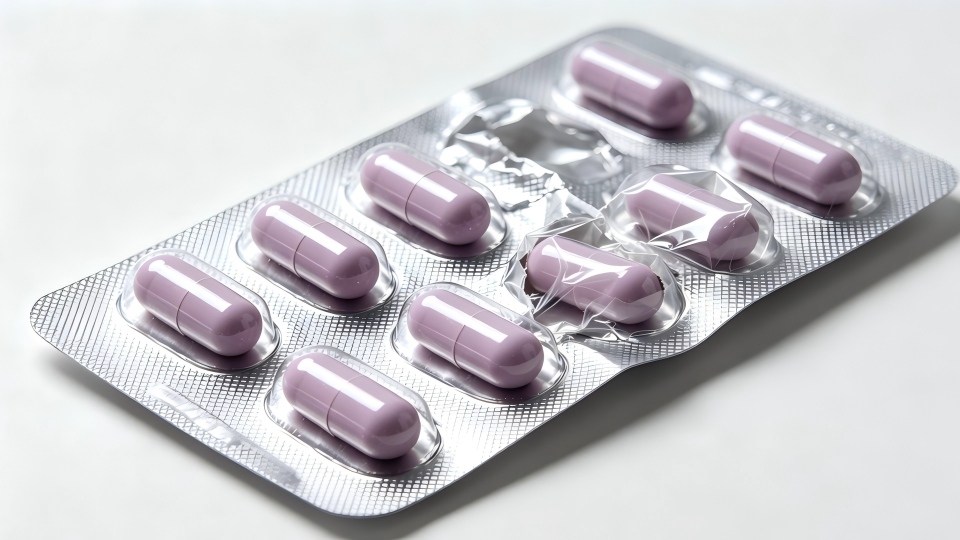
Vandaag, we zullen de afbreken 5 meest voorkomende redenen waarom uw blisterverpakking verpletterd raakt, van begin tot eind door elk productiestation lopen, met eenvoudige oplossingen om verspilling te verminderen en de efficiëntie van uw blisterverpakkingslijn te vergroten.
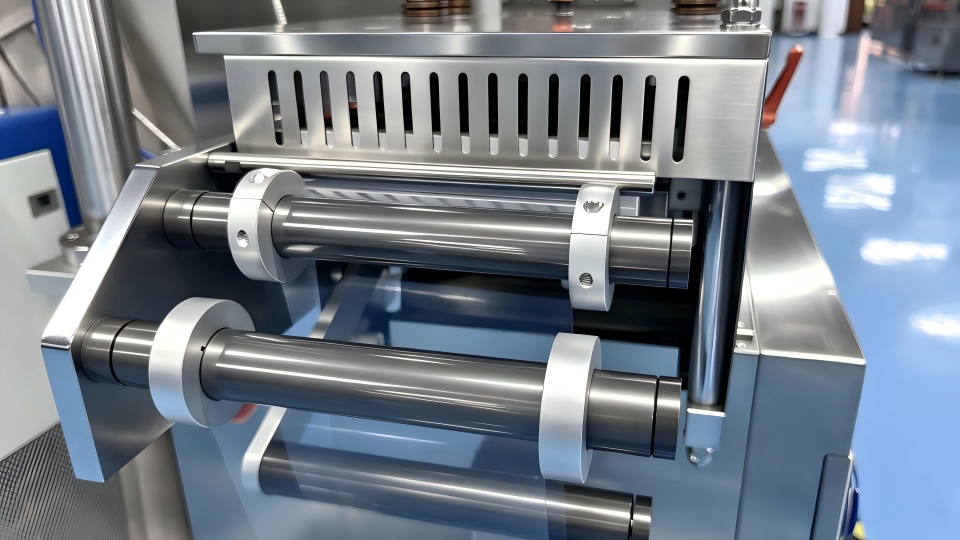
De eerste veel voorkomende boosdoener zijn niet goed uitgelijnde geleidingsrollen bij het filmtrekstation.
Wanneer de geleiderollen van de blisterverpakkingsmachine niet waterpas zijn gekalibreerd, de PVC-film zal uit de rails lopen. Deze verkeerde uitlijning zorgt voor scheefheid, ongelijkmatige materiaalstroom, wat direct leidt tot verpletterde blaren later in het sealproces. Zelfs een kleine compensatie kan in één productierun tientallen blisterverpakkingen voor pillen of blisterverpakkingen verpesten.
De oplossing: De oplossing is eenvoudig. Stel de geleiderollen iets af en kalibreer ze zodat ze perfect waterpas staan. Houd de film gecentreerd en recht door de lijn, en u elimineert compensatieproblemen bij de bron. Deze snelle aanpassing is een van de meest praktische verpakkingsoplossingen om onnodig afval bij het verpakken van blisterverpakkingen te voorkomen.
Het tweede probleem komt van het vormstation: onvoldoende luchtdruk tijdens het vormingsproces van de blaarholte.
Wanneer de vormluchtdruk te laag is, de blaarholten worden te ondiep. Capsules, tabletten, of andere materialen zullen boven het oppervlak van de PVC-film uitpuilen. Wanneer de lijn naar het sealstation beweegt, deze verhoogde materialen worden verpletterd door de smeltlasmal, waardoor u beschadigde blisterverpakkingscapsules en defecte medicijnblisterverpakkingen krijgt.
De oplossing: Dit is een eenvoudige aanpassing. Verhoog en verfijn eenvoudigweg de vormluchtdruk zodat deze overeenkomt met uw materiaal- en filmspecificaties. De juiste druk zorgt ervoor dat de blisterholtes diep genoeg worden gevormd om het product volledig te bevatten, zodat er niets blijft plakken dat tijdens het sealen verpletterd kan worden, Jinlu-verpakkingsmachines, aangepaste secundaire vormoplossingen aanbieden. Eerst, het lost het probleem op van onvoldoende luchtdruk bij het ontstaan van diepe blaren. Ten tweede, het ondersteunt aangepaste blisterdieptes tot 30 mm.
Derde op de lijst is de onstabiele temperatuur in het vormingsstation, een veel voorkomend probleem bij blisterverpakkingslijnen.
Temperatuur is een sleutelfactor in de manier waarop PVC-film zich vormt tot blisterholtes. Als de temperatuur te hoog is, de film zal kromtrekken en vervormen, en de vorm van de blaren zal worden geruïneerd. Als de temperatuur te laag is, de film zal zich niet goed vormen, ondiep achterlatend, zwakke holtes die gemakkelijk breken of verpletteren. Beide scenario's leiden tot beschadigde blisterverpakkingen en een inconsistente productkwaliteit.
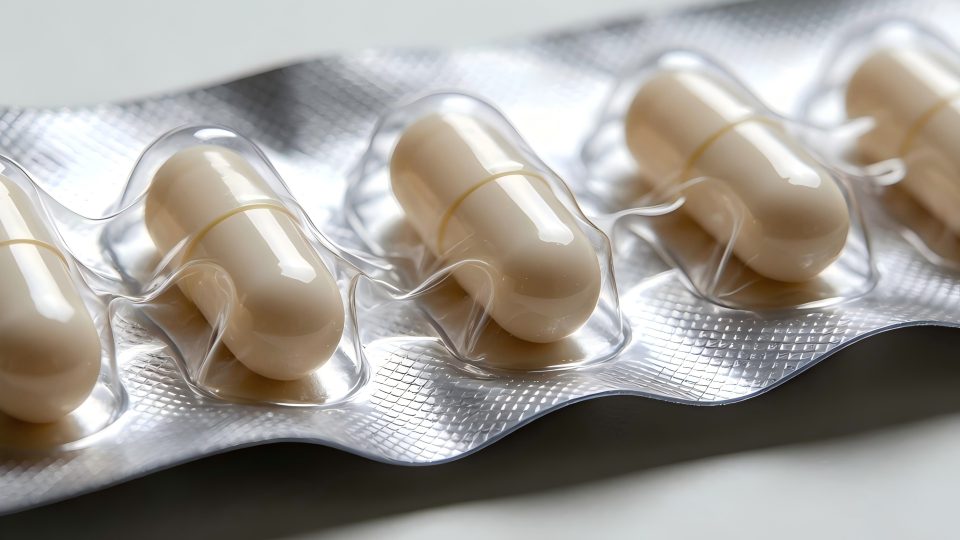
De oplossing: Zorg ervoor dat de vormtemperatuur precies overeenkomt met de dikte en het type folie dat u gebruikt. De meeste moderne modellen blisterverpakkingsmachines hebben instelbare temperatuurinstellingen, zodat u de juiste warmte voor uw specifieke materiaal kunt instellen om consistentie te krijgen, keer op keer goed gevormde blarenholtes.
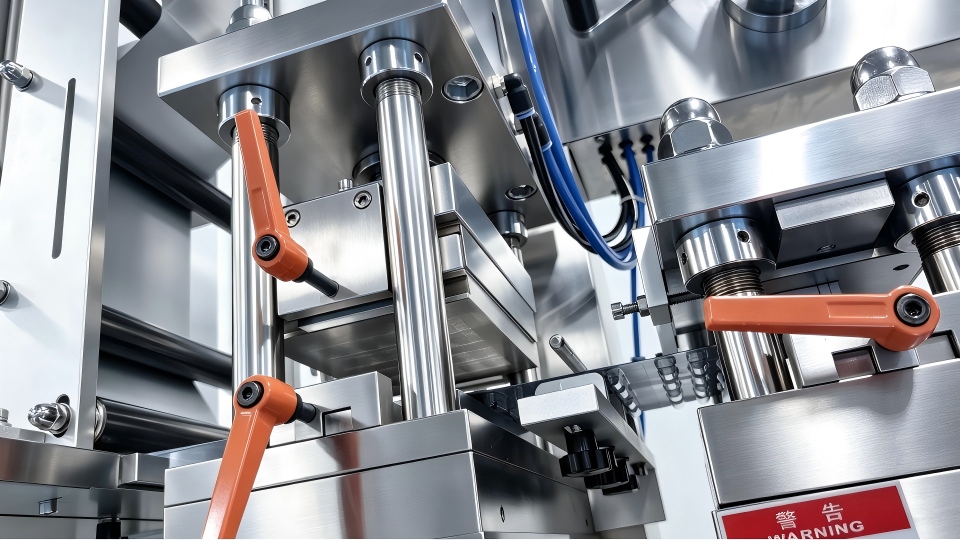
Vierde, Verkeerd uitgelijnde vormen of smeltlassen zijn een belangrijke oorzaak van verpletterde blisterverpakkingen tijdens de compressie- en sealfase.
Wanneer de mallen niet perfect uitgelijnd zijn, ze zullen de blaren verpletteren onder de druk van het verzegelen. Dit is een veelvoorkomend pijnpunt bij veel oudere of goedkope modellen blisterverpakkingsmachines, waar het aanpassen van de matrijs ingewikkeld en tijdrovend is. Zelfs een kleine verkeerde uitlijning kan een ongelijkmatige afdichting en verbrijzelde blaren over de hele batch veroorzaken.
Het Jinlu-verpakkingsvoordeel: In tegenstelling tot de meeste andere blistermachines op de markt, onze vorm- en smeltlasmatrijzen hebben een geïntegreerd ontwerp met inschuifsleuven. Dit gestroomlijnde ontwerp maakt het uitlijnen van de matrijs eenvoudig en snel. U kunt de mallen binnen enkele minuten verplaatsen en uitlijnen, zorgen voor nauwkeurigheid, zelfs een afdichting die uw blisterverpakking voor medicijnen of verpakkingsproducten voor gezondheidssupplementen niet verplettert. Dit is een van de belangrijkste innovatieve verpakkingsoplossingen die we hebben ontwikkeld om stilstand en verspilling te verminderen.
Het vijfde veelvoorkomende probleem zijn onjuiste parameters voor de tractieslag, waardoor de schimmel de blaren raakt en verplettert.
Het tractiesysteem transporteert de PVC-folie via nauwkeurig gecontroleerde incrementele bewegingen door de apparatuur. Als de tractieslagafstand is uitgeschakeld, de mal zal niet op één lijn liggen met de holtes van de blister. In plaats van rondom het product af te dichten, de schimmel zal direct op de blaren terechtkomen, ze verpletteren en defecte blisterverpakkingen voor medicijnen maken. Op veel traditionele machines, het aanpassen van de tractieslag is vervelend, ingewikkeld proces dat uitgebreide downtime vereist.
Het Jinlu-verpakkingsvoordeel: Ons blisterverpakkingsmachine vereenvoudigt deze kritische aanpassing aanzienlijk. Het tractiestation maakt gebruik van servo-tractietechnologie. Het levert nauwkeurige tractie zonder afwijking, maakt parameteraanpassing met één druk op de knop via de HMI mogelijk. In aanvulling, het verpakkingsmateriaal trekt niet terug als de machine stopt. Ook, u kunt de tractieslagafstand rechtstreeks op het HMI-scherm kalibreren, zonder dat er complexe mechanische aanpassingen nodig zijn. Deze digitale kalibratie zorgt keer op keer voor een nauwkeurige positionering, zodat de mal perfect aansluit bij de blisterholtes en voorkomt dat uw product verpletterd wordt. Deze geautomatiseerde verpakkingsoplossing verkort de aanpassingstijd en vermindert menselijke fouten in de dagelijkse productie.
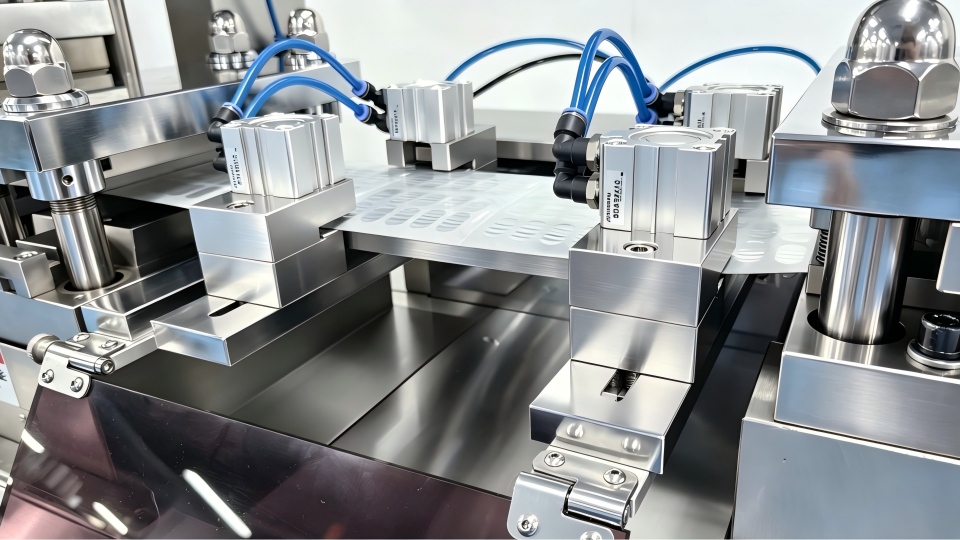
Na deze te hebben besproken 5 veelvoorkomende problemen, je wordt consistent, hoogwaardig afgewerkte blisterverpakkingen zonder geplette holtes, verspilde materialen, of defecte producten. Onze machines zijn gebouwd om betrouwbaar te leveren, nauwkeurige prestaties voor farmaceutische en supplementenverpakkingslijnen, waarbij elk onderdeel is ontworpen om verspilling te minimaliseren en de efficiëntie te maximaliseren.
Dit zijn de bovenste 5 meest voorkomende oorzaken van beschadigde blisterverpakkingen in productie:
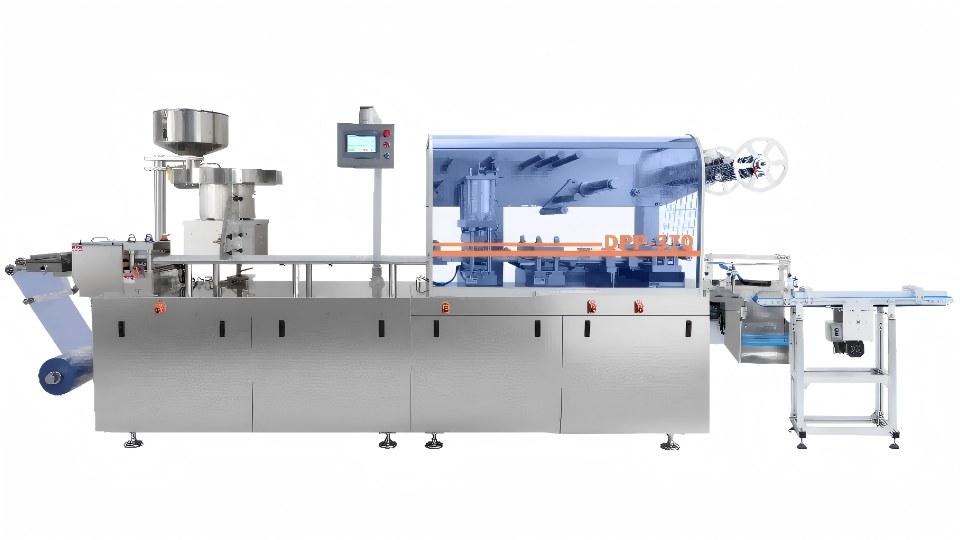
En Jeinlu plukken, wij bouwen blisterverpakkingsmachinemodellen die deze pijnpunten eenvoudig oplossen, verstelbaar, en betrouwbare ontwerpen. Onze farmaceutische verpakkingsoplossingen zijn gebouwd om aan strenge eisen te voldoen GMP-normen, materiaalverspilling verminderen, en zorg ervoor dat uw productielijn soepel blijft draaien.
Als u het beu bent om met kapotte blisterverpakkingen en verspilde materialen om te gaan, stuur ons een bericht om uw blistermachine vandaag nog te upgraden.
De 5 De meest voorkomende oorzaken zijn niet goed uitgelijnde filmgeleidingsrollen, onvoldoende vormingsluchtdruk, onstabiele vormingstemperatuur, verkeerd uitgelijnde vormen of smeltlassen, en onjuiste tractieslagparameters. Elke kwestie verstoort direct de vorming, afdichting, of materiaalpositioneringsproces, wat kan leiden tot verbrijzelde of beschadigde blisterverpakkingsproducten.
Dit wordt bijna altijd veroorzaakt door niet goed uitgelijnde geleidingsrollen. Wanneer de rollen niet waterpas zijn gekalibreerd, de PVC-film loopt uit de rails, het creëren van een scheve materiaalstroom die later in de productie tot verpletterde blaren leidt. De snelle oplossing is om de geleidingsrollen af te stellen en waterpas te zetten, zodat de film gecentreerd en recht blijft lopen.
Ondiepe holtes die tijdens het afdichten verbrijzeling veroorzaken, zijn doorgaans het gevolg van onvoldoende persluchtdruk of een onstabiele vormtemperatuur. Eerst, pas de vormluchtdruk aan om ervoor te zorgen dat de holtes diep genoeg worden gevormd om het product volledig te bevatten. Seconde, Pas de vormtemperatuur aan uw filmdikte aan, betekenis, te weinig warmte zal de holtes niet goed vormen, terwijl te veel hitte de film zal vervormen.
Verkeerd uitgelijnde vorm- of hitteafdichtingsvormen oefenen een ongelijkmatige druk uit waardoor de blaren tijdens het samendrukken verpletterd worden. Onjuiste trekslagparameters zorgen ervoor dat de mal rechtstreeks op de blisterholtes terechtkomt in plaats van er omheen te sluiten, het verpletteren van het product. Op de meeste machines, dit vereist complexe mechanische aanpassingen, maar met onze systemen kunt u de tractieafstand rechtstreeks op de HMI kalibreren voor nauwkeurige positionering.
Begin met het regelmatig kalibreren van de geleiderollen, vormingstemperatuur, luchtdruk, en tractieparameters om het probleem op te lossen 5 veelvoorkomende problemen die we hebben behandeld. Voor stabiliteit op lange termijn, Investeer in een blisterverpakkingsmachine met geïntegreerde, eenvoudig aan te passen mallen en digitale HMI-kalibratie. Deze functies verminderen menselijke fouten en downtime, en zijn belangrijke onderdelen van betrouwbare farmaceutische verpakkingsoplossingen die het verbruiksafval verminderen.