

제약 제조에서, 효과적인 장비 청소는 제품 품질을 유지하고 배치 간 교차 오염을 방지하는 데 필수적입니다.. 잘 디자인 된 청소 검증 이 프로세스는 제조업체가 세척 절차를 통해 제품 잔류물을 지속적으로 제거하고 요구 사항을 충족할 수 있음을 입증하는 데 도움이 됩니다. GMP 요구 사항. 생산팀 및 장비 구매자용, 선택 제약 기계 청소하기 쉬운 디자인으로 검증도 더 쉽게 할 수 있습니다., 가동 중지 시간 감소, 전반적인 제조 효율성을 향상시킵니다..
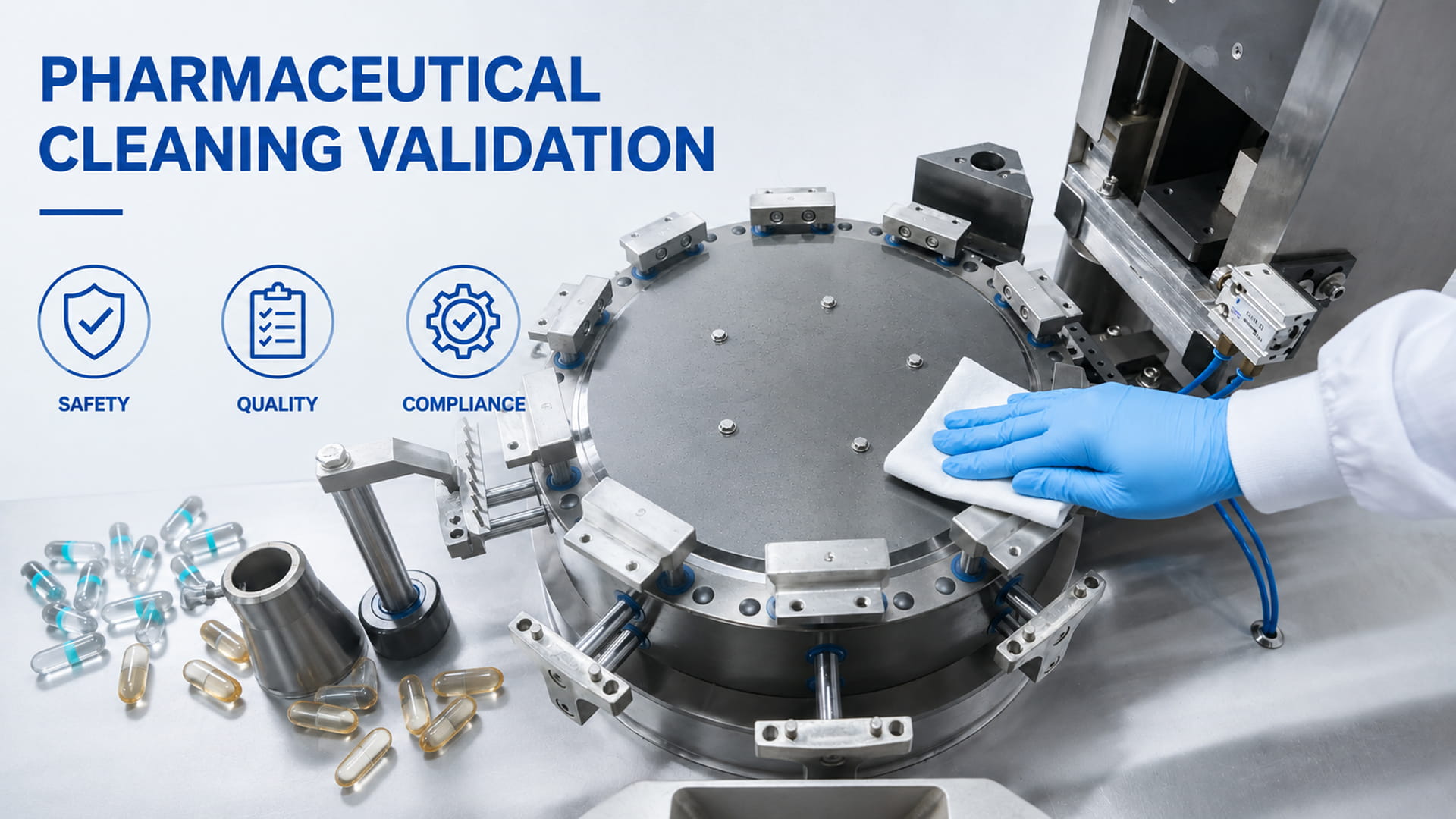
간단히 말해서, 청소 검증 청소 절차가 사전 정의된 표준을 일관되게 충족한다는 객관적인 증거를 제공합니다.. 한 업계 소식통에 따르면, 청소 검증은 “문서화된 보증” 미리 정해진 수준의 청결도를 달성하기 위해 청소를 안정적이고 반복적으로 수행할 수 있음. 실제로, 이는 이전 제품의 잔여물이 있음을 의미합니다., 세척제, 모든 제품 접촉 표면에서 미생물이 허용 가능한 수준으로 제거됩니다..
규제 기관도 동의. 예를 들어, FDA의 21 CFR 211.67(에이) 모든 장비가 필요합니다 (전용 또는 다중 사용) 장차 ~ 가 되는 “세척…방지하기 위해…안전에 영향을 미칠 수 있는 오염”, 신원, 힘, 품질, 또는 의약품의 순도”. WHO도 마찬가지로 세척 검증의 목적은 장비에서 제품이 일관되게 세척되었음을 입증하는 것이라고 설명합니다., 세정제, 오염 및 교차 오염을 방지하기 위해 미생물 잔류물을 허용 가능한 수준으로 유지합니다.. 다시 말해서, 세척 검증은 환자 안전에 관한 것입니다: 한 제품 배치가 "이월"되어 다음 제품 배치를 오염시킬 수 없도록 보장.
철저한 세척 검증 프로그램을 통해 제조업체에 확신을 줍니다. (규제 기관의 보증) 저것 교차 오염 통제된다. 그것 없이는, 강력한 잔여물 API 또는 한 배치의 알레르기 항원이 다음 제품에 포함될 수 있습니다., 잠재적으로 환자에게 해를 끼치거나 상기하다. FDA는 기업이 다음과 같이 명시적으로 명시하고 있습니다. "교차 오염이 발생하지 않도록 청소 절차가 적절한지 검증해야 합니다.". 이는 특히 중요합니다. 다제품 시설 (일반적인 CDMO 그리고 보충제 메이커). WHO 지침은 다중 제품 공장에서 세척 밸리데이션이 특히 중요하다는 점을 강조합니다., 모든 생산 장비와 위생 절차에 적용되어야 합니다..
오염을 넘어서, 세척 검증은 다음을 보장하는 것입니다. 제품 품질. 장비를 제대로 청소하지 않은 경우, 잔여 화학물질이나 미생물의 성장으로 인해 품질이 손상될 수 있습니다. 신원, 힘, 그리고 순수함 후속 배치. 요컨대, 세척 검증으로 제품 품질과 환자 건강 보호. 규제도 필수입니다. 귀하가 FDA 관할권에 속해 있는지 여부 (21 CFR 부분 211) 또는 EU GMP (EMA/나), 당국은 완전한 GMP 프로그램의 일환으로 문서화된 세척 검증을 요구합니다.. 청소 여부를 확인하지 못하면 경고 편지가 발송될 수 있습니다., 제품 보유, 그리고 심지어 회상한다.
규제 요구 사항: FDA, EMA, WHO, 사진/S. 모든 주요 지침에는 세척 검증이 필요합니다., 하지만 약간 다른 강조점으로. 에서 우리를, FDA의 CGMP (제목 21 CFR 211.67) 기본 요구 사항을 제시합니다.: 교차 오염을 방지하기 위해 장비를 청소해야 합니다.. FDA 지침에서는 청결도를 입증하기 위해 효과적인 샘플링 및 분석 방법을 사용할 것을 권장합니다.. 특히, FDA는 다음과 같이 분명히 밝혔습니다. “헹굼만 하는 건… 용납될 수 없어요” 검증을 위해; 기업은 가능하다면 표면을 직접 면봉으로 닦아야 합니다. 실제로 이는 일반적으로 면봉과 헹굼 샘플링을 결합하여 모든 영역을 포괄한다는 의미입니다..
에서 EU, EMA의 EU GMP 부속서 15 (2015) 및 EMA 지침에서는 프로세스 검증의 일부로 세척 검증을 요구합니다.. 신관 15 명시적으로 말한다 “모든 제품 접촉 장비에 대한 세척 절차의 효율성을 확인하기 위해 세척 검증을 수행해야 합니다.”. 또한 이월 제한은 독성학적 측면에서 정당화되어야 한다고 말합니다. (건강 기반) 평가. 다시 말해서, 허용 기준을 과학적으로 정의하십시오. (아래를 참조하세요) 그리고 근거를 문서화하라. EU의 접근 방식은 다음을 강조합니다. 위험 기반, 건강 기반 전략: 최대 허용 이월 계산 (귀여운) 또는 일일 노출 허용 (PDE) 활성 잔류물 값.
WHO와 PIC/S 안내도 제공. 그만큼 WHO GMP TRS 1019 (2019) 신관 검증 시 청소 검증이 표시됩니다. “승인된 청소 절차를 통해 깨끗한 장비를 제공할 수 있다는 문서화된 증거를 제공합니다., 용도에 적합하다”. 이 WHO 문서 (전 세계 공통 참조) 사소한 청소에는 청소 검증이 필요하지 않음을 강조합니다. (바닥, 벽) 하지만 ~이다 다중 제품 공장의 중요한 제품 접촉 장비에 필요. PIC/S 위원회 (규제기관 컨소시엄) 마찬가지로 세척 검증을 잔류물이 제거될 것이라는 증거로 정의합니다. “과학적으로 설정된 최대 허용 이월 수준 미만”.
함께, 이 소스는 필수 요소: 허용 가능한 잔류 한도 정의, 강력한 청소 절차 개발, 검증된 방법을 사용한 샘플, 적절한 분석법으로 분석하다, 각 장비를 해당 한도까지 일관되게 청소할 수 있음을 보여줍니다..
청소 검증은 본질적으로 프로젝트입니다.. 일반적인 프로세스의 단계별 개요는 다음과 같습니다.:
FDA 지침은 다음과 같이 분명합니다. “헹굼만으로는 용납되지 않습니다” 유일한 확인 방법으로. 실제로, 면봉과 헹굼 샘플의 조합이 사용됩니다.. 각 장비에 대한 대표적인 샘플링 장소를 선택하십시오. (일반적으로 가장 청소하기 어려운 부분). 테스트하기 전에, 샘플링 방법으로 표적 잔류물이 충분히 회수되는지 검증 (회복 연구로 알려져 있음).
세척 검증은 종종 장애물에 직면합니다.. 주요 과제는 다음과 같습니다.:
전반적인, 최고의 방어는 위험 기반 접근 방식 (ICH Q9 및 업계 지침에 따라 권장됨). 고위험 영역/제품에 대한 검증 노력에 집중 (강력한 API, 공유 장비) 그리고 그 초점을 문서화하라.
성공적인 세척 검증을 가능하게 하는 가장 큰 요인은 다음과 같습니다. 장비 설계. FDA는 세척을 용이하게 하기 위해 장비를 설계하도록 명시적으로 요구합니다.. 실제로, 찾다:
이러한 디자인 기능을 지정함으로써, 청소 시간과 검증 노력을 대폭 절감합니다.. 예를 들어, Jinlu의 캡슐 충전기 쉽게 분리할 수 있는 호퍼로 제작되었습니다., 스테인레스 낙하산, 및 폐쇄형 먼지 가드 – 모두 잔류물 축적을 최소화합니다.. 비슷하게, 수포 그리고 파우치 포장 기계 도구가 필요 없는 액세스 패널을 사용하면 작업자가 청소를 위해 모든 표면에 접근할 수 있습니다.. 올바른 장비를 미리 선택하는 것이 세척 검증의 절반입니다..
캡슐 필러는 특별히 언급할 가치가 있습니다.. 이 기계는 분말과 캡슐을 처리합니다., 그래서 철저한 청소가 필수입니다. 캡슐 충전 라인 청소의 핵심 사항은 다음과 같습니다.:
GMP 서비스의 캡슐 머신은 종종 다음과 같이 실행됩니다. 가혹한 환경 (먼지가 많은 가루). Jinlu의 캡슐 필러는 정전기 방지 코팅과 밀폐형 호퍼를 사용하여 분말 누출을 제한함으로써 이 문제를 해결합니다., 청소를 더 안전하게 하고 검증을 더 쉽게 만듭니다..
모두 하나로 묶으려면, 다음은 몇 가지 중요한 모범 사례입니다.:
영상: 깨끗한 분석 연구실 환경 (블리스 터 포장 또는 QA 실험실). 올바른 세척 검증에는 적절한 세척 절차와 정확한 테스트가 모두 필요합니다. (예를 들어. HPLC, 목차) 잔여물이 남지 않았는지 확인하기 위해. 청소 검증 체크리스트: 주요 항목에 대한 간략한 요약표.
| 목 | 요구 사항 |
| 식별된 장비 | 모든 제품 접촉 기계 나열 |
| 청소 절차 | 쓴, 승인됨, 그리고 따라갔다 (예규) |
| 샘플링 계획 | 행동 양식 (면봉/헹굼), 위치, 빈도 |
| 합격기준 | 한정된 (MACO/PDE 한도) |
| 분석 방법 | 검증된 테스트 (HPLC, 목차, 등.) |
| 검증 보고서 | 프로토콜 완료, QA에서 승인된 결과 |
GMP 의약품 생산에는 적절한 세척 검증이 필수적입니다.. 교차오염을 방지하여 제품의 품질과 환자의 안전을 보호합니다.. 잘 설계된 장비는 검증 문제를 크게 줄여줍니다.: 매끄러운 스테인레스 스틸 접촉 부품, 최소한의 데드존, 분해가 빠르다는 것은 청소가 더 빠르고 일관적이라는 것을 의미합니다.. 그리고 Jeinlu 따기, 우리는 캡슐 필러를 디자인합니다, 물집 포장업자, 제조업체가 글로벌 GMP 표준을 준수할 수 있도록 이러한 원칙을 염두에 두고 라인을 채우는 것입니다..
요약, 제약 세척 검증 증명하는 것입니다 "깨끗한" 데이터와 문서로. 구조화된 프로세스에 따라 최악의 제품 선택, 한계 설정 (마코처럼), 명확한 청소 SOP 작성, 똑똑하게 샘플링하다, HPLC/TOC를 사용한 테스트 – 규제 기관과 품질 팀 모두에게 규정 준수를 입증할 수 있습니다.. 기억하다: 투자하다 GMP 친화적 장비 지금 (스테인레스, 인체공학적 디자인) 나중에 검증하는 시간을 절약하기 위해. 손쉬운 청소 및 규정 준수를 위해 제작된 캡슐 충전 또는 포장 기계를 찾고 계시다면, Jinlu Packing의 라인업을 고려해보세요 캡슐 충전 기계, 물집 포장업자, 그리고 제약 충전 라인. 당사의 장비는 신속한 교체와 철저한 청소를 위해 설계되었습니다., 검증이 원활하게 진행되도록 돕습니다..
세척 검증을 간소화할 준비가 되었습니다.? Jinlu 포장에 문의 당사의 GMP 준수 캡슐 충전 및 포장 기계가 귀하의 의약품 제조 요구 사항을 어떻게 충족할 수 있는지 알아보십시오..
세척 검증은 제약 장비 세척 절차가 제품 잔류물을 일관되게 제거할 수 있음을 입증하는 데 사용되는 문서화된 프로세스입니다., 활성 제약 성분 (API), 세척제, 잠재적인 오염 물질을 허용 가능한 수준으로.
제약 제조에서, 세척 검증은 장비가 교차 오염을 일으키거나 제품 품질에 영향을 주지 않고 다음 배치를 생산하는 데 적합하다는 증거를 제공합니다..
제약 장비는 종종 다양한 제품이나 배치를 제조하는 데 사용되므로 세척 검증이 중요합니다.. 효과적인 검증 없이, 남은 잔여물은 다음 제품을 오염시키고 안전에 영향을 미칠 수 있습니다., 신원, 힘, 아니면 순수함.
적절하게 수행된 세척 검증 프로세스는 제조업체에 도움이 됩니다.:
• 교차오염 방지
• GMP 규정 준수 요건 충족
• 생산 안전성 향상
• 제품 전환 중 품질 위험 감소
세척 검증 프로세스에는 일반적으로 장비 평가가 포함됩니다., 청소 절차 개발, 승인 기준 설정, 견본 추출, 분석 테스트, 및 검증 문서.
세척 검증 허용 기준은 세척 후 최대 허용 잔류물 수준을 정의합니다., API 잔류물 포함, 세척제, 그리고 잠재적인 오염물질.
제품과 접촉하는 대부분의 의약품 제조 장비에는 세척 검증이 필요합니다., 캡슐 충전 기계 포함, 태블릿 프레스, 믹서, 및 분말 취급 장비.
두 가지 일반적인 샘플링 방법은 면봉 샘플링과 헹굼 샘플링입니다.. 제조업체는 종종 장비 설계를 기반으로 방법을 선택합니다., 접근성, 및 잔류물 특성.
장비 설계는 청소 효율성에 직접적인 영향을 미칩니다.. 표면이 매끄러운 기계, 죽은 지역이 적다, 제거하기 쉬운 부품은 청소 및 검증이 더 쉽습니다..
청소 검증 빈도는 장비 사용에 따라 다릅니다., 제품 변경, 프로세스 위험, 규제 요구 사항. 장비나 청소 절차를 크게 변경한 후에는 재검증이 필요할 수 있습니다..
청소 검증을 통해 특정 청소 작업이 요구 사항을 충족하는지 확인합니다., 세척 검증을 통해 세척 프로세스가 안정적이고 시간이 지나도 반복 가능함을 입증합니다..
장비 제조업체는 GMP 친화적인 기계 설계를 제공하여 세척 검증을 지원할 수 있습니다., 청소하기 쉬운 구조, 재료 사양, 자격 및 검증에 필요한 문서.
참고자료:
1.세척 공정 검증 —— 우리를. 식품의약품안전청
2.현행 우수제조관리기준(GMP) 요구사항에 대한 질문과 답변 | 장비 —— 우리를. 식품의약품안전청
3.가이드: 청소 검증 수명 주기 – 응용, 행동 양식, & 통제 수단 —— ISPE
4.청소 검증 가이드 (GUI-0028) —— 캐나다 보건부
5.유드라렉스 – 용량 4 – 우수제조관리기준 (GMP) 지침 —— 유럽위원회
6.청소 검증: 건강을 위한 완전한 안내서 – 화학적 교차 기반 접근 방식 – 오염 위험 평가 —— PDA 일본 표준시