×

온라인 서비스

💬 왓츠앱: +86 1801179332
💡
  • 블로그
  • 금속 탐지기가 알루미늄을 감지합니까?: 산업용 금속 검출 시스템 소개

금속 탐지기가 알루미늄을 감지합니까?: 산업용 금속 검출 시스템 소개

If you’re a well-known candy manufacturer, what’s the most important detail for you?

It’s product compliance, 물론. Whether selling to Europe or the US, FDA and ISO regulations clearly stipulate the metal content in candy. If your production line doesn’t have a high-precision commercial metal detector to ensure product compliance, it could result in losses of millions of dollars. 그래서, investing in a reliable metal detection equipment is critical, 하지만, here comes another question: what metals can a 금속 탐지기 detect, and which can’t? This article will reveal the working principle of industrial metal detectors and provide some practical suggestions for configuring one for your production line.

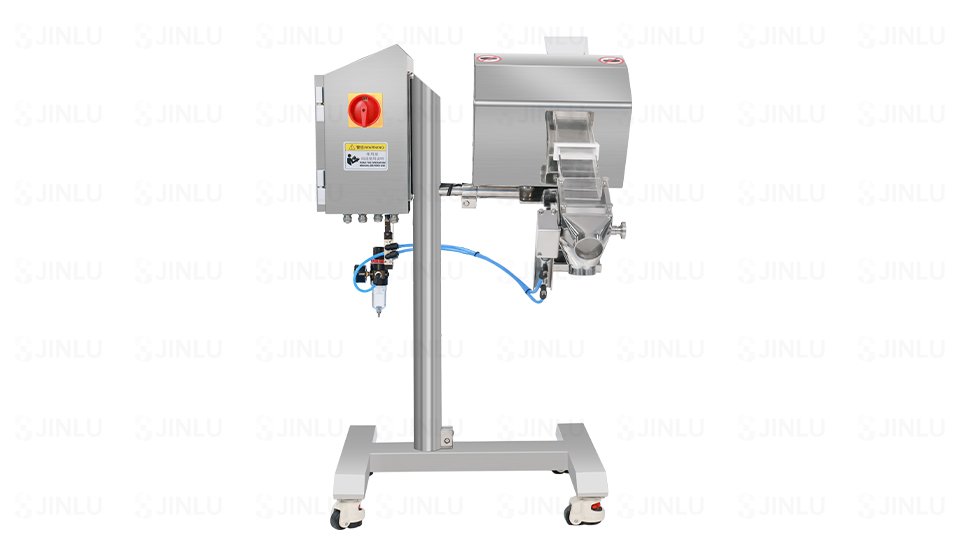
industiral metal detector
제약 금속 탐지기

주요 시사점

  • The core principles of how industrial metal detection interact with conductive and magnetic metals
  • The reasons behind thealuminum dilemmain foil and blister packaging
  • A comprehensive comparison between metal detection system and X-ray inspection
  • How to select and integrate the right metal detection equipment


The Short Answer: 금속 탐지기가 알루미늄을 감지합니까??

The answer is absolutely a big yes. 하지만, you’re probably more interested in the underlying mechanism than just the result. How does the detector metal industrial work on earth? Unlike iron or steel, aluminum is a non-ferrous metal, which means it has no magnetism whatsoever, making it impossible to screen for aluminum based on magnetism. That is why manufacturers care about this point the most.

사실은, the key to industrial metal detectors detecting aluminum lies in its conductivity. 간단히 말해서, the detector emits a high-frequency electromagnetic field, like an invisibleenergy grid.When any conductive material, like aluminum, passes through this field, a tiny current is generated within the material. This current, in turn, disrupts the original electromagnetic field.

Since aluminum has excellent conductivity, the interference it causes is very noticeable. Once the detector senses this interference, it immediately notifies the machine’s control system: “Metal detected!” 그러므로, ordinary metal detection systems can easily and reliably detect aluminum.


그만큼 “Aluminum Dilemma”: When Aluminum Becomes Hard to Detect

While knowing the risks of using metal detectors to check for aluminum can be reassuring, it presents a significant challenge when aluminum is part of the packaging. This leads to thealuminum dilemma.

알루미늄 호일

무엇인가요 “Aluminum Dilemma”?

Imagine standing in the front row of a heavy metal rock concert, surrounded by deafening music. If someone whispers next to you, you can’t hear them—the immense noise completely drowns out any faint sound. This analogy perfectly illustrates the difficulty modern industrial metal detectors face when detecting metal in aluminum foil packaging.

제약 제조에서, common aluminum blister packs, aluminum foil strips, or bottles with aluminum induction seals generate extremely strong electromagnetic signals in industrial metal detectors, much like thenoisefrom the concert. If even a small piece of steel gets mixed in, a standard detector simply cannothearthe detected metal’s faint signal, for it’s completely masked by theloud noiseof the aluminum packaging.

This phenomenon is known in the industry as theproduct effect—the product’s own signal is so strong that a qualified product is mistakenly identified as containing a metal contaminant and rejected from the production line. To solve this problem, an advanced inline metal detection system equipped with multi-frequency technology is necessary. This system emits multiple frequencies simultaneously, acting like a filter to filter out specific signals generated by aluminum packaging while maintaining high sensitivity to ferrous contaminants.

박사. Robert Vance, a materials physicist, 설명하다, “The high conductivity of aluminum creates a huge product effect, making it difficult for standard electromagnetic sensors to detect small foreign objects. Without advanced phase-tracking algorithms, it would be virtually impossible.” This is why multi-frequency technology plays an irreplaceable role in large-scale industrial metal detection systems.

What Metals Can’t Metal Detectors Detect?

Despite the fact that multi-frequency technology can significantly improve the accuracy of metal detection, there are indeed certain specific metals that make it difficult for the detector metal industrial system to identify. 그중, the most troublesome is 스테인레스 스틸, ~와 같은 304 그리고 316, 등.

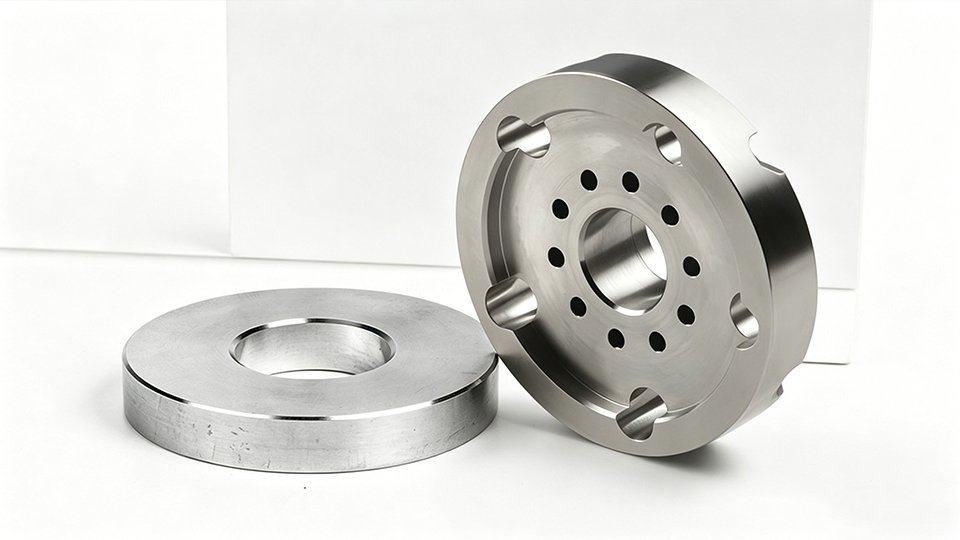
304 그리고 316 grade stainless steel

Why is this so difficult? This mainly stems from the extremely weak magnetism and conductivity of this material. 한편으로는, Austenitic stainless steel is non-magnetic, so it will not trigger a magnetic reaction. 반면에, its conductivity is much lower than that of aluminum, which means that even multi-frequency technology has difficulty capturing its frequency, especially when the stainless steel fragments are very small.

Direction Effect: An Important Factor Leading to Detection Failure

Another challenge comes from thedirection effect”. When a thin and long metal is detected from different angles, the cross-sectional area is completely different. Due to the different reactions of various metals to the electromagnetic field, metals like stainless steel, which are difficult to capture, often require reducing the working frequency of the machine to achieve detection results.

하지만, doing so comes at a costthe sensitivity of the machine to other metals such as iron and aluminum will decrease. How to find a balance betweendetecting stainless steel” 그리고 “not losing other metalsis precisely the core of modern industrial metal detection technology.


Metal Detector vs X-Ray: Which One Works Better?

When thealuminum dilemmabecomes too complex, many pharmaceutical and nutraceutical manufacturers wonder if they should abandon commercial metal detection systems entirely and upgrade to X-ray inspection. Both technologies have their distinct advantages, but which one should you choose counts on your specific product, 포장, 그리고 예산.

Below is a comprehensive comparison from the four perspectives that manufacturers care about most:

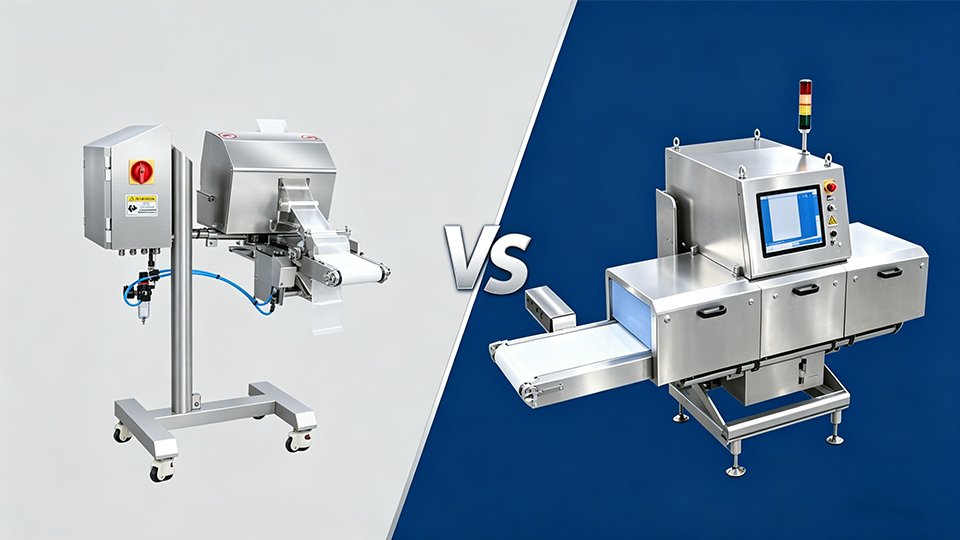
x ray vs metal detector

테이블 1- Comparison between commercial metal detector and X-Ray Inspection System

요인 Advanced Metal Detector X-Ray Inspection System
Foil Detection Sensitivity Moderate to High. Works with thin foil; limited with thick foil. 높은. Easily detects through aluminum.
비용 Low to Moderate. Affordable and low maintenance. 높은. Expensive equipment and parts replacement.
유지 & 안전 단순한. Routine calibration, no safety risks. 복잡한. Requires radiation compliance and safety controls
Detection Capability Metals Only. Diverse materials


If your priority is cost efficiency and standard packaging, then choose a conveyor metal detector

For standard production, a conveyor metal detector is often the most practical choice. If your product comes in plastic bottles, then using an industrial metal detector conveyor would be a better option. For most pharmaceutical and nutritional supplement production lines, these systems are cost-effective, 유지 관리가 용이함, and readily detect ferrous, 비철금속, and stainless steel impurities.

If your packaging is complex or contamination goes beyond metal, then choose X-ray

According to a 2023 market analysis by Grand View Research, the global industrial X-ray inspection market is expected to expand 7.5% more, driven by complex packaging needs in the food and pharma sectors. X-ray systems operate based on density differences, thus detecting a wider range of impurities is possible. This detection system fits complex packaging well.

If you are balancing performance and budget, then choose metal detection systems

While X-ray systems offer more diverse capabilities, they cost more. 대조적으로, industrial inline metal detection system is typically cheaper and easier to operate, making them more advantageous for routine applications. Just as Sarah Jenkins, a senior QA auditor for a global pharmaceutical brand, notes that while X-ray systems provide unparalleled visibility into foil-wrapped products, their high total cost of ownership often makes metal detectors the more profitable choice for mid-sized nutraceutical lines.


How to Choose the Right Metal Detector for Your Line

Selecting the appropriate detected metal screening system is as strategic as choosing the formulation of your supplements. Here’re several suggestions to get you started.

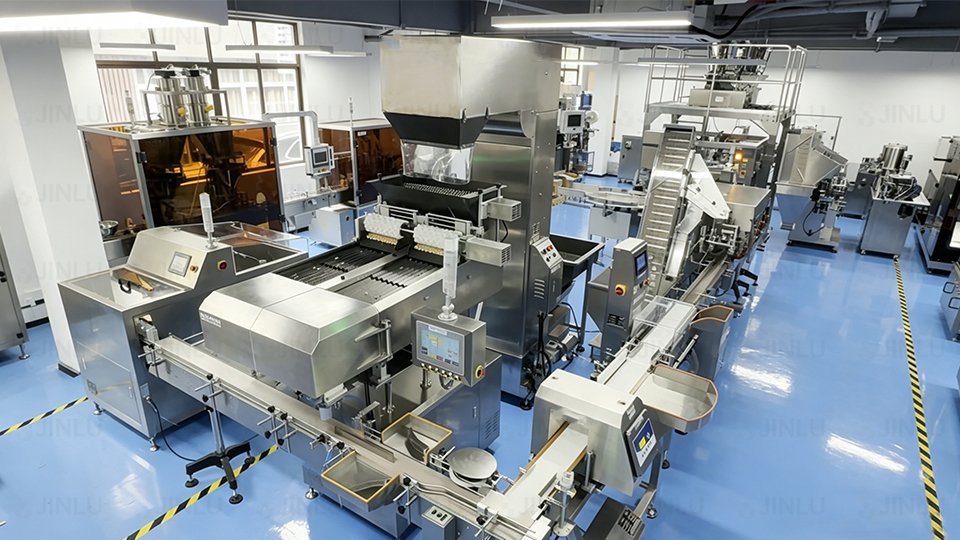
gummy counting line with a metal detector

Key Features of a Pharmaceutical-Grade Metal Detector

When browsing for a detector metal industrial unit, manufacturers may be better off looking to these features:

Multi-Frequency Operation: The machine should be able to run multiple frequencies simultaneously to eliminate the product effect.

Cleaning Capacity: The machine must withstand high-pressure water cleaning without short-circuiting, for pharmaceutical environments require rigorous cleaning.

자동 거부: Regardless of its rejection way, the rejecting system must act instantly and ensure no failure.

Integrating Metal Detection into Your Packaging Line

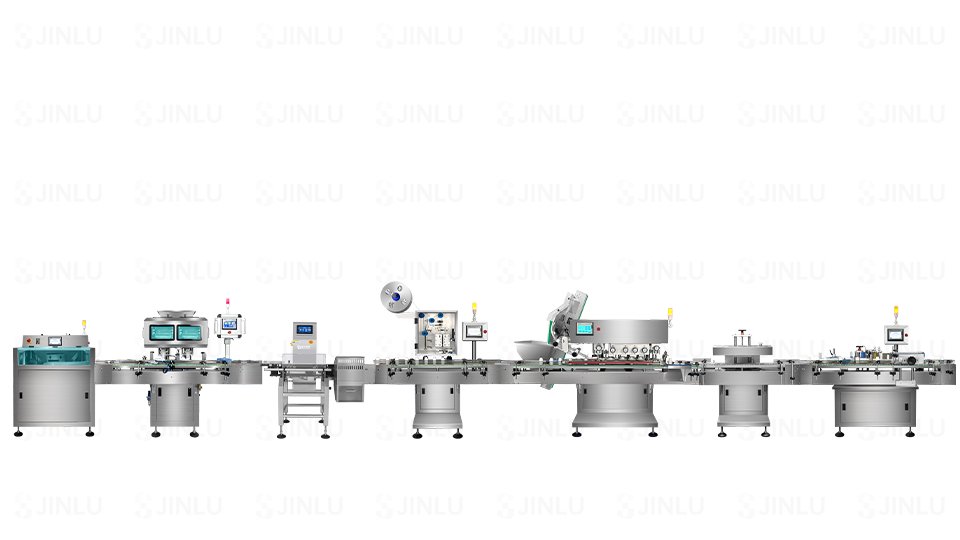
tablet counting line with metal detector

Having a great machine is only half the battle, thus cooperating with a seasoned supplier metal detector or reliable metal detector manufacturers becomes critical. Jinlu Packing has over 30 years of dedicated R&D experience in the packaging machinery sector, committed to developing and providing highly reliable machines for Fortune 500 companies worldwide. The following are the standout features of Jinlu Packing’s metal detector conveyor system solutions:

  • High-Sensitivity Detection with accuracy of 0.2mm
  • 포화 거부
  • 쉬운 속도 조정
  • 스마트 디지털 제어

Aimed at dealing the complex packaging, our gravity metal detector and dairy industrial metal detectors are designed to shield the products from non-compliance.


결론

한마디로, while we easily get “yes” when asking do metal detectors detect aluminum, what is much more difficult is finding a balance between detector metal industrial system and your production line. If you want to effortlessly eliminate false rejects, come and consult us for more information.


FAQs on Metal Detectors

What is the hardest metal for a metal detector to find?

Austenitic Stainless Steel, 물론. Because of its completely non-magnetic property and low conductivity, the machine is hardly able to detaect it like trying to spot a ghost in the fog!

Do metal detectors detect aluminum powder?

예, absolutely! Even in powder form, aluminum retains its high electrical conductivity. 그러므로, It’s easy for the inline metal detection machine to catch it instantly.

What metals do metal detectors detect?

Industrial metal detector machines are designed to catch two main categories: iron-based metals and metals with low magnetic properties but high conductivity. This ensures the metal detector detect capabilities cover almost all common factory contaminants.

How to detect metal studs?

If you are doing some DIY office renovations and need to find a metal stud, a basic stud finder works perfectly to locate screws or wooden studs, using magnetic or capacitive sensors.


참고자료
[1] USDA Food Safety and Inspection Service (FSIS): Summary of Recall Cases.
[2] The Engineering ToolBox: Electrical Conductivity of Materials.
[3] 그랜드뷰리서치: Industrial X-ray Inspection System Market Size, 공유하다 & 동향 분석 보고서.

이 기사를 공유하세요:
사진 사소한 푸
사소한 푸

사소한 푸, 진루패킹 창업자, 가져오다 30 제약 기계 부문에 대한 다년간의 전문 지식. 그의 리더십 아래, Jinlu는 디자인을 통합하는 신뢰할 수 있는 공급업체로 성장했습니다., 생산, 그리고 판매. Petty는 고객이 제약 포장의 복잡성을 헤쳐나갈 수 있도록 깊은 산업 지식을 공유하는 데 열정을 갖고 있습니다., 장비뿐만 아니라 제품도 받을 수 있도록 보장, 생산 목표에 맞춘 진정한 원스톱 서비스 파트너십.

목차

문의 보내기

답장을 남겨주세요

귀하의 이메일 주소는 공개되지 않습니다. 필수 입력란이 표시되어 있습니다 *

무료 견적 받기

*우리는 귀하의 기밀성을 존중하며 모든 데이터는 보호됩니다. 귀하의 개인정보는 JL 솔루션을 위해서만 사용 및 처리됩니다..