新しい医薬品を市場に出すには、効果的な製剤を開発するだけでは不十分です。. メーカーが直面する最も重要な決定の 1 つは、適切なパッケージを選択することです. 医薬品用に選択される包装は、その安定性に直接影響する可能性があります, 貯蔵寿命 , 規制のコンプライアンス, 輸送の安全, と患者の経験. 湿気を防ぐことができていないパッケージ, 酸素, ライト, または汚染により、エンドユーザーに届くずっと前に製品の品質が損なわれる可能性があります。. したがって、包装は単なる容器ではなく、製品保護システムの重要な部分です。.
製薬メーカー向け, 生産マネージャー, および調達チーム, 適切なパッケージを選択するには、複数の要素のバランスをとる必要があります, 剤形を含む, 材料の互換性, バリア性能, 患者の安全, 生産効率, 将来のスケーラビリティ. 製品がタブレットであるかどうか, カプセル, 粉, 液体, または注射可能, 適切なパッケージング ソリューションは、効率的な商業生産をサポートしながら、製品の完全性を確保するのに役立ちます。. このガイドでは, 新しい医薬品のパッケージを選択する際に、すべてのメーカーが考慮すべき重要な要素を探っていきます。.
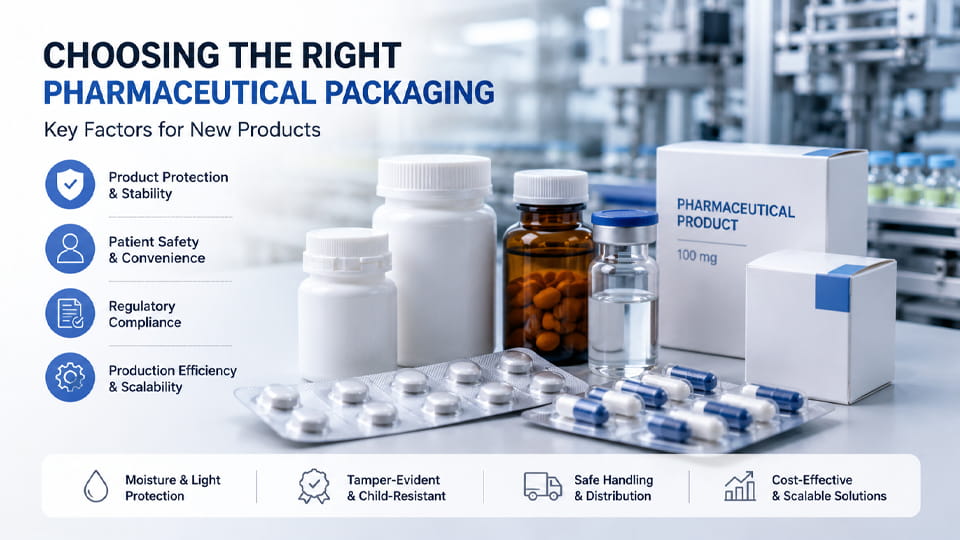
医薬品においてパッケージングの選択が重要な理由
医薬品包装 は 重要な, オプションではありません. 通常の消費者向けパッケージとは異なります, 医薬品の包装は必須です 有効期限全体にわたって医薬品の完全性を保護する. WHO と規制ガイドラインは、包装が医薬品を有害な物質から保護する必要があることを強調しています。 水分, ライト, 酸素やその他の外部の脅威. 言い換えると, 「医薬品の安定性と品質を維持」し、 破損や改ざんを防ぎます.
パッケージングの主な機能は次のとおりです。:
- 製品の保護: 湿気を遮断する, 酸素, ライト, 熱と汚染物質. 例えば, USPのガイダンスには次のように記載されています 固形錠剤は「水蒸気から保護する必要がある」 湿気により薬効や溶解度が変化する可能性があるため. ハイバリア素材 (アルミホイル, コーティングされたフィルム, 琥珀色のガラス) 感度が高い場合によく使用されます.
- 規制遵守: 包装はFDAを満たす必要があります, EMAとWHO GMP要件. これには適切なものも含まれます コンテナの閉鎖の完全性 (CCI), 検証済みの材料, などの機能 改ざん防止 アザラシ. お子様が安全に使用できるパッケージ 誤飲を防ぐために多くの薬に必要です. シリアル化とトレーサビリティ (各パックに固有のバーコード) 主要市場では現在義務化されています (FDA DSCSA, EU 口蹄疫).
- 患者の安全とコンプライアンス: パッケージデザインは、投与ミスや誤用を防ぐ必要があります. 不正開封防止ラベルと子供用キャップ 「偶発的な中毒から身を守る」. ユーザーフレンドリーな機能 (簡単に開けられる, 投与補助具, カレンダーの水ぶくれ) 患者が薬を正しく服用できるように支援する.
- ブランドとコミュニケーション: 二次包装 (カートン, ラベル) 指示を与える, 警告, とブランディング. 専門家によると, ラベルは、取り違えを避けるために耐久性があり、透明でなければなりません. 確かに, ある分析でほぼ判明した 50% 医薬品リコールの件数 包装/ラベルの問題に関連している.
要するに, 梱包は積極的な安全策です. 適切なパッケージを選択しないと、API の機能が低下する可能性があります, 患者の害, 規制に関する頭痛の種. 適切な梱包 「医薬品の品質を守る」 したがって、製品の有効性と評判が裏付けられます.

ステップ 1: 新しい医薬品の特性を理解する
最初のステップは、 徹底した製品監査. 聞く: 剤形は何ですか (錠剤, カプセル, 粉, 液体, 注射可能な, 等)? その薬にはどのような感受性がありますか (水分, 酸素, ライト, 熱)? 特別な投与量制御が必要ですか (定量吸入器, スポイト, プリロードされたシリンジ)?
- 剤形: 一般的に錠剤やカプセルは、 固形分 そして多くの場合、パッケージ化されています ブリスターパックまたはボトル. 液体/懸濁液が入ります ボトル またはバイアル. 注射剤には必要なものがあります 滅菌バイアル, アンプルまたはプレフィルドシリンジ. ガス/吸入器は特殊なキャニスターを使用します. 粉末または顆粒を詰めることができます 小袋, スティックパックまたはボトル.
- 化学的/物理的過敏症: 薬剤は吸湿性または酸化しやすいですか? 湿気に非常に敏感な薬剤 (例えば. 発泡錠剤) 必要 ハイバリア包装 Alu-Alu ブリスターや乾燥剤が入ったボトルなど. 感光性化合物には、 不透明または着色された容器. 反応性薬物には不活性物質が必要です (例えば. ガラス, 特定のポリマー).
- 保存期間と安定性: 必要な温度管理を考慮する (冷凍) または真空/滅菌条件. 一部のワクチンまたは生物製剤には、コールドチェーン包装または特殊なバイアルが必要な場合があります.
キーポイント: 一次包装は不活性で保護性のあるものでなければなりません. 薬物を浸出または吸収してはなりません, 密閉環境を維持する必要があります. 例えば, FDA は、固形経口容器には次のような特性が必要であると指摘しています。 「水蒸気透過率が低い」, そして閉鎖システムはシールを確立する必要があります。」. 候補となるパッケージングコンポーネントを使用して互換性と抽出物のテストを実行することが重要です.
製品監査のチェックリスト:
- 剤形・種類 (錠剤, カプセル, 液体, 等)
- 保管/安定条件 (温度, 湿度, ライト)
- 用量/投与要件 (スポイト, ポンプ, 単位用量)
- 患者の使用に関する考慮事項 (子どもの薬と大人の薬, モビリティ, シニアフレンドリー)
- 規制上の制約 (例えば. プライマリパックの患者情報の一部です?)
この理解により、一次パッケージの選択が促進されます。 (パッケージが薬剤と直接接触する). 次, 私たちはそれらのオプションについて話し合います.
ステップ 2: 適切な一次包装を選択する
一次包装 薬物を入れる直接の容器です. 薬剤に直接触れるものです. 一般的な一次包装タイプには次のものがあります。 ブリスターパック, ボトル (プラスチック/ガラス), バイアル/アンプル, ポーチ, チューブ, 等. それぞれに長所/短所があります:
- ブリスターパック (アルミ-アルミまたはアルミ-PVC): 単位用量の固体形態に最適 (錠剤, カプセル). 彼らは提供します 優れた湿気/光バリア, 特に アルアル (冷間成形フォイル) タイプ. ブリスターにより、使用するまで各回分が確実に密封されます, コンプライアンスの向上と相互汚染の削減. 現代の水疱は子供でも耐性のあるものにすることができます. 装置: 高速 ブリスター包装機 ハンドル形成, 餌やり, ヒートシールとカット (例えば. JinluPacking の Alu-Alu ブリスターマシン).
- ボトル (プラスチックまたはガラス): 複数個梱包共通 (シロップ, カプセル, 錠剤). ボトルは大量の場合にコスト効率が高い. ガラスびん (I型ホウケイ酸塩) 優れた化学的不活性性を備え、遮光のために琥珀色に着色することも可能. ペットボトル (HDPE, PP) 軽量で飛散防止ですが、通常は透湿性が高くなります。. よく使うボトル 子供用の安全キャップ. 装置: 計数/充填機はボトルに充填してキャップをします, そしてできる 乾燥剤を入れる またはホイルシール (カウンティングラインで見る). Jinlu のボトル充填ラインと自動キャッピングマシンは、これらのステップを統合します。.
- サシェ & スティックパック: 粉体に使用される, 顆粒, または単回投与の液体 (例えば. 抗生物質, ORS). これらは、四方をシールした柔軟なホイルまたはラミネートのパウチです。. サシェは優れたバリア性を発揮します (アルミホイルを使うことが多い) そして利便性. 装置: 小袋包装機の成形, 埋める, これらのポーチを一度に密閉します.
- バイアル & アンプル: 滅菌注射剤の標準 (ソリューション, 凍結乾燥粉末). バイアル (ガラスまたはプラスチック) ゴム栓付きで無菌性を維持. アンプル (ガラス) 使用するまで密閉されています. どちらも高純度で針/注射器に適しています. 装置: バイアル充填ライン, キャッピングおよび圧着機が使用されます (多くの場合、無菌性のために層流領域が設けられています).
- その他: チューブ (金属またはプラスチック) 軟膏/クリームに一般的です. プレフィルドシリンジまたは吸入器 (MDI/DPI) カスタムデバイスのパッケージングを伴う. 多くの場合、これらには特殊な充填および組み立て装置が必要です.
各オプションの適合性は製品によって異なります:
- コストと比較. 保護: 以下の表では、プライマリ パックのタイプを比較しています。:
| タイプ |
最適な用途 |
保護レベル |
料金 |
装置 |
| ブリスターパック |
タブレット, カプセル |
非常に高い (湿気・光) |
中くらい |
ブリスター包装機 |
| ボトル |
タブレット, シロップ, 丸薬 |
中くらい (インサートとの相性が良い) |
低い |
ボトル充填・キャッピングライン |
| サシェ/スティック |
粉末, 顆粒 |
高い (ホイルバリア) |
中くらい |
サシェットパッキングマシン |
| バイアル/アンプル |
注射剤, 血清 |
非常に高い (滅菌ガラス) |
高い |
バイアル充填 & シーリングライン |
剤形とバリアのニーズに合ったプライマリパックを選択してください. 例えば, 湿気に敏感なタブレットには、 アルアルブリスター または乾燥剤の入った琥珀色のガラス瓶. より一般的な OTC 錠剤は、繊維密キャップが付いたプラスチック ボトルに入れることができます。 (お子様に安全な機能をプラス).
ヒント: 単位用量の遵守が重要な場合 (例えば。, 病院配布またはトラベルパック), 多くの場合、ブリスターシートまたはスティックパックが好まれます。. 柔軟性を高めるために (投与量は変更できます), ボトルの方が良い.
ステップ 3: 安定性と保存期間の要件を考慮する
パッケージングの決定は安定性から切り離せません. 間違った容器は劣化やラベルの破損を引き起こす可能性があります. 主な考慮事項:
- バリア特性: 重要な要因をブロックする素材を使用する. のために 湿気に敏感な薬剤, 高バリア性フォイルまたはガラスが必要です. 例えば, 冷間成形アルミニウムブリスター 本質的に湿気の侵入をゼロにします. FDA/ICH の安定性ガイダンスでは、真に不浸透性の容器に入った製品は次のように記載されています。 (例えば。, ホイルブリスターまたは密閉ガラス) 特別な湿度調査を行わずに通常の条件下でテスト可能. 逆に, 半透性パッケージ (いくつかのプラスチックのように) 慎重な湿度評価が必要.
- 光の保護: 光に敏感な API には不透明または琥珀色のパッケージが必要です. 例えば, 琥珀色のガラスボトルまたは金属化ポーチが紫外線を遮断します. 一般的な方法は、必要に応じて透明なバイアルをアルミニウム製のオーバーラップで包みます。.
- 互換性: 包装材料が薬剤と反応しないようにする. ガラスは不活性です, ただし、一部のプラスチックは化合物を浸出または吸収する可能性があります. 主成分の抽出物/浸出物の研究を実行する. 規制に関するガイダンス (FDA, エマ) 期待する コンテナの閉鎖の完全性 (CCI) 保存期間中のテスト.
- 賞味期限の決定: 安定性の研究 (I Q1A/R2) を使用する必要があります 提案された容器閉鎖システム. 保存期間試験で劣化が示された場合, 梱包を調整する必要があるかもしれません (例えば. より良いバリアに切り替える) またはラベルの取り扱い/保管に関する指示.
- 高度な機能: 一部のパッケージには乾燥剤または脱酸素剤が組み込まれています. 多層ラミネート (PET/アルミ/PE) グローバル配信によく使用されます. 非常に高精度の保護用, アクティブパッケージング (埋め込まれた吸湿材) 使用できます.
安定性の互換性に関するチェックリスト:
- 必要に応じて、高バリア主材料を選択してください (アルアル, ガラス, ラミネート).
- シール方法の確認 (ヒートシール, キャップ) 低い水蒸気透過率を実現 (MVTR).
- 加速安定性を実現 (40℃/75%RH) ICH に従って、湿気の侵入や化学変化がないことを保証します.
- コンテナ閉鎖の完全性を計画する (真空または染料の浸入テスト) 特に液体/滅菌製品の場合.
- 梱包が流通時の衝撃に耐えられるようにする (二次・三次梱包による落下・振動試験).
安定性要件を満たすパッケージを事前に選択することにより、, 後でコストのかかる再配合や再パッケージを避けることができます.
ステップ 4: 患者の利便性とコンプライアンスを評価する
保護を超えて, 最新のパッケージは患者が薬を正しく使用できるようにする必要があります. パッケージデザイン アドヒアランスに直接影響する そして安全性. 考慮する:
- 開口部・使いやすさ: 高齢の患者は厳しいキャップに苦労する可能性がある. オファリング シニアに優しいキャップ または、簡単に剥がせるシールを使用すると効果的です. 単位用量の薬剤の場合, カレンダーの水ぶくれ (ラベル付きの曜日または時刻) 患者に正しい薬を服用するよう思い出させることができる.
- 投与補助具: 該当する場合, 液体用の計量カップ/スプーンが含まれます, 点眼薬用スポイト, または定量ポンプ. 容器上の明確なマーク (卒業式, カラーバンド) 精度を向上させる.
- 携帯性: 患者が旅行したり薬を持ち込んだりする場合, コンパクトな小袋や小さなボトルが便利です. 不正開封防止機能により安全性を確保.
- コンプライアンス機能: 一部のプライマリ パックはコンプライアンスを考慮して設計されています: 例えば。, アラーム内蔵の錠剤ディスペンサー, または使用状況を追跡するスマート ブリスター カード. 高いアドヒアランスが重要な場合, そのようなイノベーションを検討してください.
- ラベルとインサート: 確実にクリアしてください, カートンまたはリーフレットの多言語説明書. 優れたパッケージは、読みやすいラベルで薬剤師と患者を支援します, 投与量チャート, およびストレージアイコン.
本質的には, 聞く: 患者はこのパッケージが簡単で安全に使用できると感じますか? そうでない場合, 製品を悪用したり放棄したりする可能性があります. 患者中心の機能を含む (チャイルドロック, 簡単に開けられる, 明確なラベル) 患者の安全を重視する規制当局も満足させる.
ステップ 5: 規制遵守を徹底する
医薬品の包装は厳しく規制されています. 主要なコンプライアンス問題:
- 子供に耐性のある (CR) 要件: 多くの国 (私たち, 欧州連合, オーストラリア) 高リスク経口薬のCR包装を義務化. WHOは次のように指摘しています 「子供が安全に使用できるクロージャが開発されました」 子供たちを守るために. 法律で義務付けられている場合、経口の固体および液体の処方薬には認定された CR キャップまたはプッシュターン機構が使用されていることを確認します。. (例えば. 私たち 16 CFR 1700 ゴールド EU 規格 EN 14375).
- 不正開封防止シール: FDA などはパッケージが未開封であることの証拠を要求. タンパーバンド, シュリンクラップ, または分離シールがボトルに一般的です; 瓶にはホイルシールが一般的です. ブリスターパックであっても、明らかな損傷がなければ開けるのは困難であるべきです.
- ラベリング: 一次パッケージと二次パッケージには必要な情報がすべて含まれている必要があります (薬名, 強さ, 剤形, バッチ/ロット番号, 有効期限, ストレージ条件, メーカー). フォントは読みやすく、薬局方のガイドラインに準拠している必要があります。. 例えば, FDA 21 CFR 201.15 ラベルの耐久性をカバーします.
- シリアル化とトレーサビリティ: FDA の DSCSA などの規制 (私たち) および EU 偽造医薬品指令には固有のコードが必要です (例えば. 2Dバーコード) 販売可能なすべてのユニットで. パッケージのデザインは、ブリスター ストリップまたはボトルのラベルにシリアル番号とデータマトリックス コードを印刷またはエッチングできるようにする必要があります。. 包装ラインにはコーディング プリンターとビジョン システムが必要な場合があります, 追跡データベースとの統合.
- 適正製造基準 (GMP): 包装ライン GMPを満たす必要がある (洗浄性, 材料のトレーサビリティ, 等). 使用されるすべてのプライマリ パックは GMP 認定を受けている必要があります (例えば. ISO 15378 梱包材用). 機械はこうあるべきです IR/WH/PQ 資格のある. (Jinlu 梱包装置については以下を参照してください).
規制に関する重要なヒント: コンプライアンスを後回しにしないでください. 例えば, 改ざん防止機能を含めないと、製品の登録がブロックされる可能性があります. 国固有のルールを早期に確認します – 例:. 米国薬局 <661> プラスチック容器用, CFR 211 包装管理用. 選択した梱包および梱包機器がこれらの規格を満たしていることを必ず確認してください。.
ステップ 6: 梱包コストと生産効率のバランスをとる
この段階で, 評価する 総所有コスト (TCO) 梱包オプションについて. 考慮する:
- 材料費: フレキシブルパウチやブリスターは、単純なボトルよりも単価が高くなる可能性があります. Alu-Alu ブリスター フォイルは PVC フォイルよりも高価です. ガラス瓶はプラスチックよりも高価です.
- 装置のスループット: ブリスターなどのバリア性の高いフォーマットは、ボトルのラインよりも処理が遅くなる可能性があります, 必要な機器の数に影響を与える. 逆に, ボトルフィラーは非常に高速な速度を達成できます (数千本のボトル/時間) ただしスクランブラーが必要, キャップ, 列に並ぶラベラーと.
- ラインの複雑さ: より複雑な梱包 (例えば. 単位用量水疱) 特殊な機械が必要です. 設備投資とメンテナンスが予算に合うかどうかを確認する.
- 労働: 完全に自動化されたラインは手作業を削減しますが、資本は増加します. 半自動機械はコストは低いですが、より多くのオペレーターが必要です.
- ロジスティクス: 二次・三次梱包も費用がかかります. 大きいガラス瓶は輸送が重くなる. かさばるカートンにより運送費が増加する.
- 廃棄物と収量: さらなる処理 (例えば. ブリスターパンチング) スクラップが発生する可能性があります. 廃棄物を評価する (水ぶくれを切り取る, 壊れたボトル, 等).
ラフを実行する コストの比較: 例えば. 材料と加工を含む最終パックあたりのコスト. スピードも考慮 (時間あたりの単位) および必要なバッチサイズ.
a TCO チェックリスト:
- 梱包材単価の比較.
- 必要なマシンのスループットと需要を評価する.
- ラインごとの人件費とエネルギーコストを計算.
- 廃棄物処理・リサイクル費用を含む.
- 手戻りリスクの要因 (例えば. 梱包に失敗した場合, 再ラベルまたは再梱包のコスト).
- 将来のスケールアップ: 体積が2倍になったら, このソリューションは拡張可能ですか?
多くの場合、 低コストの材料が最適ではない リコールや拒否につながる場合. バランスをとることが重要です: より優れたバリアや自動化のために、より多くの費用を支払った方が、歩留まりやコンプライアンスが向上するというメリットがある場合があります。.
ステップ 7: 将来の需要に合わせてパッケージングを拡張できるようにする
即時リリースだけでなく検討する, しかし、 長期的なライフサイクル 製品の:
- パイロットvs. コマーシャル: 初期の臨床または小規模市場のバッチ向け, 手動または半自動ラインを使用できます. 大規模な生産用, 完全に自動化されたラインが必要になる. あなたの選択を確実にしてください (またはベンダーの提案) モジュール式アップグレードが可能.
- 機器のモジュール性: 速度を上げるためにレーンやユニットを追加できますか? 例えば, ブリスターマシンによってはロータリーポケットをさらに追加できるものもあります. 瓶詰めラインでは充填剤を並行して追加できます.
- 統合: エンドツーエンドで考える: 計数・充填 → 密封 → 箱詰め → ケース詰め → パレタイジング. Jinlu Packing などと提携している場合, 彼らはデザインすることができます ターンキー包装ライン シリアル化も含めて, 箱詰め, ケース梱包, 等.
- 規制の拡大: パッケージングコンポーネントの変更 (例えば. 新しいボトルサプライヤー) 安定性やコンプライアンスに影響を与える場合は規制当局の再承認が必要です. パッケージングサプライヤーの品質管理とバックアップベンダーを計画する.
- 今後の製品: あなたの会社が他の剤形を製造する可能性がある場合 (例えば. 将来的にはジェル), 柔軟な機器を選択する. さまざまなフォーマットに対応できるモジュール式カプセル充填機またはブリスターマシンは、優れた投資となる可能性があります。.
パッケージングエンジニアやコンサルタントを早期に関与させることで、後のボトルネックを防ぐことができます. ある業界専門家は次のように指摘しています。, 「パッケージングは製剤開発と並行して検討する必要があります」, 思いつきではなく。」 早期に適切な決定を下すことで、スケールアップとライン拡張がよりスムーズになります。.
避けるべきよくあるパッケージング選択の間違い
- パッケージングの選択を離れるのが遅すぎます: 配合がロックされた後でのみパッケージを決定しないでください. 初期の安定性研究では最終パッケージを使用する必要があります, ダミー瓶ではありません.
- 安定性テストのスキップ: コンテナが機能するとは決して思わないでください; 常に ICH 条件下で実際の容器/密閉容器で薬物をテストしてください。. 包装が不十分だと、安定したフォーミュラでも劣化する可能性があります.
- コストのみを重視: 安価な材料は初期費用を節約できる可能性がありますが、リコールや保存期間の短縮によりコストが高くなります. コストと保護のバランスを取る.
- 患者要因の無視: 標準ボトルはコスト目標に適合する可能性がある, しかし、患者がそれを開けられない、または固着できない場合は、, その製品は市場でのパフォーマンスを下回るだろう.
- 規制上のニーズを過小評価する: 必要に応じて不正開封防止シールや子供が安全に開閉できる蓋を含めないと、承認が停止される可能性があります。. 必ずガイドラインを参照してください.
- サプライチェーンの軽視: 梱包材の供給リードタイムと保存期間を考慮する. 一部の特殊素材 (脱酸素ライナーのような) リードタイムが長くなる可能性がある.
これらのエラーと部門横断的なレビューを回避することで、 (R&D, QA, 生産, 規制), 選択したパッケージが実現可能であることを確認します, 準拠した, そして効果的な.
新しい医薬品の種類別の推奨包装
| 製品タイプ |
推奨される一次包装 |
| 錠剤・カプセル |
単位用量 ブリスターパック (アルミ-アルミまたはPVC/アルミ) または バルク ボトル. 幼児用ボトル用キャップ. 理想的な装備: ブリスター包装機または錠剤/カプセル計数 & 瓶詰めライン. |
| 経口粉末・顆粒 |
サシェ または スティックパック (単回投与用); または ボトル (バルク用). 分包包装機, ボトル用オーガーフィラー. |
| 液体/シロップ |
プラスチックまたはガラスのボトル スクリューキャップ付き (多くの場合、ホイルシールと子供用の安全キャップが付いています). 高純度用, I型ガラス. 装置: 液体充填ライン (パンプス, インラインキャッピング). |
| 注射剤 |
ガラスバイアルまたはアンプル (無菌) またはプレフィルドシリンジ. クリーンルーム内で滅菌バイアル充填および圧着機を使用する. |
| クリーム/軟膏 (半固体) |
チューブまたはジャー (アルミニウム/プラスチックチューブ, ガラス/プラスチック瓶). 不正開封防止シール付きチューブ. 半自動または自動チューブ充填機. |
| 発泡性の錠剤 |
アルミニウムのチューブまたはボトル (乾燥を保つために); 乾燥剤を使用することが多い. アルミホイルのブリスターパックも一般的. チュービングマシン (タブレット用) またはブリスターマシン. |
| 座薬 |
ブリスタートレイ (通常、Alu/PVC または Alu/Alu) または個別に包装されたユニットの箱. ブリスターパッカーまたは熱成形機. |
| 吸入器・点鼻薬 |
MDI 缶または DPI カートリッジ (デバイス固有の). 機器メーカーとの調整; カスタム充填/缶充填装置. |
このマッピングは、各薬剤形態が適切な保護を受けられるようにするのに役立ちます。. 例えば, ブリスターパックは固形経口投与に最適です, 一方、ガラスバイアルは滅菌注射剤には必須です. 表には装備も記載されています: 例えば. ブリスター包装機, ボトル充填およびキャッピングライン, 小袋包装機, バイアルフィラー, 等々.
Jinlu Packing が製薬会社をどのように支援するか
Jinlu Packing は大手です 医薬品包装機械メーカー. 新しい医薬品包装ライン向けのターンキー ソリューションを提供します. 主な製品:
- ブリスター包装機: PVC/Alu または Alu-Alu パック用の高速ブリスターマシン. タブレット/カプセルのフォーマットと速度要件に合わせたカスタム設計.
- ボトルの充填 & キャッピングライン: 自動ボトル充填, キャッピング, およびラベルシステム. 当社の計数ラインと充填ラインはアンスクランブラーを統合できます, 乾燥剤インサータ, ホイルシーラー, 錠剤/グミボトル用キャッパー.
- 箱詰め機: ブリスターの周りにカートンを組み立てる水平および垂直カートナー, ボトル, または小袋. のような機能 100% シリアル化と素早い切り替えのためのコード スキャン.
- シリアル化/コーディング システム: インクジェット/レーザーコーダーと視覚検査をラインに装備し、バッチを印刷および検証できます。, 有効期限, そしてユニークなコード.
- 完全な包装ライン: 商品投入からケース詰めまで, cGMP とシリアル化のニーズを満たす完全に統合されたラインを設計できます. 当社の機械は簡単に掃除できるように設計されています (SUS316Lステンレス鋼) IQ/OQ ドキュメントも含まれます.
- サポート & コンプライアンス: 機械の資格認定をサポートします (IR/WH/PQ) 世界中でオンサイト設置とトレーニングを提供します.
私たちと協力することで, 手に入るのは装備だけではありません, しかし、パッケージングの専門知識. お客様が選択した梱包方法を保証します (水疱ライン, ボトルライン, 等) 製品と規制のニーズに合わせて最適化されています, 製品の発売をよりスムーズに.
結論
新しい医薬品に適切なパッケージを選択することは重要です。 多面的な決断. 薬物の安定性のバランスをとる必要がある, 患者の安全, コンプライアンス, 料金, およびスケーラビリティ. 覚えて: 最良の包装とは、製品が患者に届くまで安全で効果的な状態を保つものです。. 魅力的か安いだけではなく、品質が重要です. 製品の特性を注意深く分析することで、, パッケージングオプションのテスト, および次の規制, メーカーは費用のかかるリコールを回避し、医薬品の有効性を確保できる, 純粋な, そして安全. 適切に選択されたパッケージ戦略により (そして適切な機械), 顧客とブランドの評判の両方を守ります.
新しい医薬品のパッケージの選択に関するよくある質問
新しい医薬品にとってパッケージがなぜ重要なのか?
包装は薬を入れるだけではありません. 医薬品を湿気から守ります, 酸素, ライト, 汚染, そして物理的なダメージ. 適切な梱包は法規制への準拠の確保にも役立ちます, 患者の安全, 製品の安定性, 流通および保管中の保存期間.
医薬品の包装を選択する際に考慮すべき要素は何ですか?
メーカーはいくつかの要素を評価する必要があります, 含む:
• 剤形 (錠剤, カプセル, 液体, 粉, 注射可能な)
• 湿気と酸素に対する感受性
• 遮光要件
• 賞味期限の目標
• 規制要件
• 患者の利便性
• 梱包コスト
• 生産効率
• 将来の拡張性
理想的な梱包ソリューションは製品保護のバランスをとる必要があります, コンプライアンス, 運用効率と.
錠剤やカプセルに最適な包装は何ですか??
ブリスターパックとボトルが最も一般的なオプションです.
• ブリスター包装により、湿気や汚染から優れた保護を提供しながら、単位用量の利便性を提供します。.
• ボトルは大量生産にコスト効率が高く、錠剤によく使用されます。, カプセル, および栄養補助食品.
最良の選択は、製品の安定性要件とターゲット市場によって異なります.
包装は薬物の安定性にどのような影響を与えるか?
包装材料は、湿度などの環境要因への薬剤の曝露に直接影響します。, 酸素, そして光. 梱包が不十分だと劣化が早まる可能性がある, 効力を低下させる, そして賞味期限が短くなる. そのため、安定性テストは通常、商用流通を目的とした最終パッケージ構成を使用して実行されます。.
製薬会社はどのようにして包装のコンプライアンスを確保できるか?
メーカーは梱包材を確認する必要があります。, ラベル, クロージャ, および包装設備はFDAなどの該当する規制に準拠しています。, EU GMP, 連載化, および子供が安全な梱包要件. 経験豊富な医薬品包装機器サプライヤーと協力することで、検証とコンプライアンスのプロセスを簡素化できます。.
医薬品開発時に包装を考慮すべき場合?
パッケージングは製品開発中のできるだけ早い段階で評価する必要があります. 商用化まで待つと安定性に問題が生じる可能性がある, 規制の遅れ, パッケージの再設計コスト, 生産上の課題. 早期の包装選択により、メーカーは正確な安定性研究を実施し、より効率的な商用包装戦略を開発できるようになります。.
新製品に適した医薬品包装機械を選択するにはどうすればよいですか?
評価から始める:
• 製品の種類と剤形
・包装形態 (水膨れ, ボトル, 小袋, バイアル)
• 必要な生産能力
• 自動化レベル
• 規制要件
• 将来の拡張計画
スケーラブルな医薬品包装装置を選択すると、将来の投資コストを削減し、長期的なビジネスの成長をサポートできます。.
参考文献:
1.ヒト用医薬品および生物製剤を包装するための容器閉鎖システム - 私たち. 食品医薬品局
2.ICH Q8 医薬品開発 —— 無形文化遺産データベース
3.医薬品の適正製造基準 - 誰が
4.USP Q&a: 医薬品のプラスチック包装システムの規格 —— usp.org
5.容器密閉完全性試験 - 製薬業界における実践的な側面とアプローチ —— pda.org
