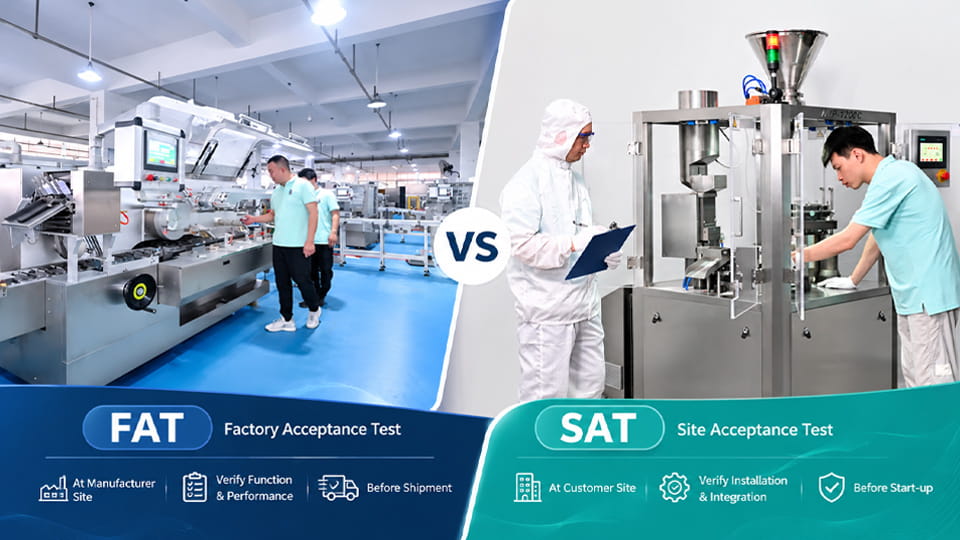
Test di accettazione in fabbrica (GRASSO) e test di accettazione del sito (SAB) sono due fasi di validazione complementari per le apparecchiature farmaceutiche. Il FAT viene eseguito presso la struttura del produttore dell'apparecchiatura (prima della spedizione) per verificare che tutte le specifiche e le funzioni soddisfino i requisiti del cliente. Il SAT viene eseguito dopo l'installazione presso la sede del cliente per confermare che la macchina funziona correttamente nell'ambiente di produzione reale. Insieme, FAT e SAT aiutano a individuare tempestivamente i problemi (risparmiando tempo e costi) e garantire Conformità GMP. Questo articolo spiega in dettaglio FAT e SAT, coprendo ciò che verifica ciascun test, differenze chiave, come si inseriscono nel ciclo di vita IQ/OQ/PQ, liste di controllo di esempio per linee di confezionamento (vescica, capsula, tavoletta, astucciamento), e domande sulle migliori pratiche dell'acquirente.
Che cos'è un test di accettazione in fabbrica (GRASSO)?
UN Test di accettazione in fabbrica (GRASSO) è un formale, valutazione documentata delle apparecchiature presso la sede del produttore, effettuato prima che l'unità venga spedita al cliente. Verifica che la macchina sia stata costruita come concordato Specifica dei requisiti utente (UR) e funziona correttamente. Durante FAT, il venditore e il cliente (o i loro rappresentanti) eseguire un protocollo FAT approvato di casi di test e liste di controllo. Gli obiettivi tipici includono la dimostrazione della conformità alle specifiche, individuare precocemente i difetti, e dare all'acquirente la certezza che "l'attrezzatura è pronta per la spedizione".
Cosa verifica il FAT?
Nel GRASSO, l'attenzione è rivolta alle prestazioni autonome e all'aderenza al design. Generalmente include:
- Controlli visivi e costruttivi: Ispezionare il gruppo meccanico, allineamento del telaio, cablaggio, e costruire la qualità rispetto ai disegni. Conferma i numeri di serie e gli ID modello.
- Test elettrici e di controllo: Verificare i collegamenti di alimentazione, Versioni del software PLC/HMI, sensori e attuatori. Controllare le schermate di controllo, ricette, e gli allarmi rispondono correttamente.
- Test funzionali (Corse a vuoto o a secco): Esegui ciascuna funzione principale della macchina (motori, unità, alimentatori, riscaldatori) in tutta la sua gamma. Per esempio, velocità del ciclo minima e massima, testare riscaldatori/rampe di pressione, e attivare intenzionalmente gli interblocchi.
- Controlli delle prestazioni: Se possibile, utilizzare materiali di produzione rappresentativi. Per un ripieno o macchina confezionatrice, eseguire campioni di prodotto e verificare la produttività, precisione, cambio, e altri obiettivi prestazionali. (Si consiglia vivamente di utilizzare i prodotti reali del cliente durante il FAT per rivelare problemi specifici del materiale.)
- Sicurezza e interblocchi: Testare gli arresti di emergenza, barriere fotoelettriche, guardie, valvole limitatrici di pressione, ecc., per confermare che tutti i sistemi di sicurezza rispondono come previsto in condizioni di guasto.
- Revisione della documentazione: Conferma che tutti i documenti richiesti siano pronti: manuali operativi, schemi elettrici e pneumatici, guide alla manutenzione, elenchi dei pezzi di ricambio, certificati di taratura, ecc.
- Criteri di accettazione: Tutti i test vengono valutati rispetto a criteri di accettazione prestabiliti (spesso tratto dall'URS). Eventuali deviazioni o punti aperti vengono registrati in una punch-list per la risoluzione.
Una FAT di successo si conclude con un rapporto FAT firmato, dettagliando i test superati ed elencando eventuali problemi da risolvere prima della spedizione. Essenzialmente, FAT garantisce che "il sistema è pronto per essere spedito" verificando le sue funzioni principali in condizioni di fabbrica controllate.
Quando e chi si verifica il FAT?
Il FAT avviene generalmente dopo che la macchina è stata completamente assemblata, ma prima che lasci lo stabilimento del produttore. Segue la qualificazione progettuale (se presente) e precede la consegna. I partecipanti chiave di solito includono ingegneri e tecnici dei fornitori, e rappresentanti della società acquirente (Ingegneri di QA/convalida, personale di produzione). Il team dell’acquirente dovrebbe arrivare preparato, spesso portando l'URS, protocolli di prova, e tutti i materiali specializzati da eseguire. La FAT è l’ultima possibilità per l’acquirente di cogliere importanti discrepanze sotto il controllo del fornitore.
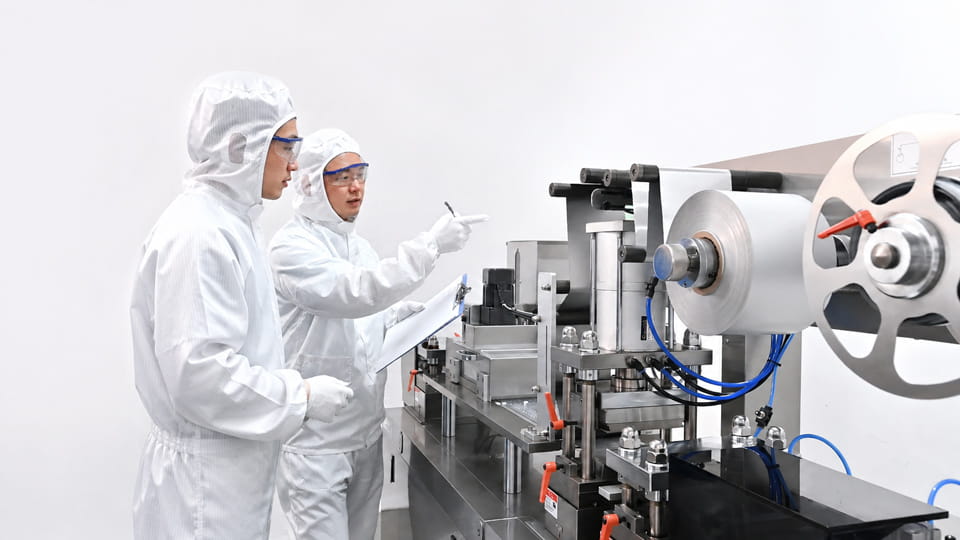
Figura: Un farmaceutico macchina confezionatrice blister sottoposti a test di accettazione. In un rigoroso FAT, ogni sottosistema (formazione, sigillatura, alimentazione, controlli) viene confrontato con l'URS. Un successivo SAT ripete quindi i test funzionali chiave dopo l'installazione nell'ambiente di utilizzo finale.
Che cos'è un test di accettazione del sito (SAB)?
UN Test di accettazione del sito (SAB) è un test documentato eseguito presso la struttura del cliente dopo che l'apparecchiatura è stata consegnata e installata, ma prima che venga rilasciata per la produzione. SAT verifica nuovamente che la macchina soddisfi i requisiti nel suo contesto operativo effettivo. Nel SAB, viene controllata la corretta installazione dell'apparecchiatura, collegamento utenze, integrazione del sistema, e prestazione finale.
Cosa verifica SAT?
SAT in genere include:
- Qualificazione dell'installazione (QI) Controlli: Verificare che l'apparecchiatura sia installata secondo il piano approvato. Ciò include la conferma della posizione corretta, livellamento, utilità (tensione di alimentazione, pressione pneumatica, acqua, ecc.), messa a terra, e condizioni ambientali. Tutti i componenti della macchina e la documentazione devono essere presenti e installati correttamente.
- Verifica dell'utilità: Assicurarsi che le utenze del sito soddisfino i requisiti della macchina. Per esempio, misurare la tensione effettiva, pressione/flusso dell'aria, temperatura dell'acqua refrigerata, o pressione del vapore dall'alimentazione dell'impianto. Confermare che rientrino nell'intervallo accettabile specificato dalla macchina.
- Test di integrazione: Controllare le interfacce con le apparecchiature a monte/a valle e i sistemi dell'edificio. Verificare i collegamenti di comunicazione (per esempio. al LIMS, MES, SCADA) se applicabile. Confermare che i trasportatori siano allineati, il trasferimento tra le macchine è fluido, e qualsiasi allarme in rete o raccolta dati funziona in base alle condizioni del sito.
- Ripeti test funzionali in condizioni reali: Eseguire nuovamente le funzioni principali, ora con la macchina collegata alle utenze e utilizzando, se possibile, materiali di produzione reali. Per esempio, eseguire un batch di real compresse o capsule attraverso la macchina per verificare che soddisfi ancora i criteri di velocità e qualità. Assicurarsi che eventuali modifiche apportate alle condizioni del sito siano efficaci.
- Controlli di sicurezza e ambientali: Testare nuovamente gli interblocchi di sicurezza e i dispositivi di protezione con impostazioni di installazione reali. Verificare che i requisiti ambientali (lezione in camera bianca, temperatura, umidità) siano rispettati e non influenzino negativamente il funzionamento della macchina.
- Criteri di accettazione finali: Confermare che tutti i criteri di accettazione SAT (spesso tratto da URS e protocolli del sito) sono soddisfatti. Documentare eventuali deviazioni rimanenti in una punch list. Raccogliere le autorizzazioni dell'operatore e la documentazione formale di accettazione.
Un SAT di successo si conclude con un rapporto o un certificato SAT firmato sia dal fornitore che dal cliente. Fornisce prova documentata che "l'attrezzatura/il sistema è stato consegnato in buone condizioni e non è stato influenzato dal trasporto" e ora funziona correttamente in loco. In pratica, un SAT approfondito dà la certezza che la macchina è pronta per la fase successiva di validazione (IR/WH/PQ) o produzione ordinaria.
GRASSO vs SAT: 10 Differenze chiave
- Posizione: Il FAT viene eseguito presso la sede del produttore; SAT presso il proprietario (cliente) sito.
- Tempismo: Si verifica il GRASSO prima della spedizione (post-assemblaggio), mentre SAT lo è dopo l'installazione (pre-messa in servizio).
- Ambiente: FAT è in un'impostazione di fabbrica controllata (a volte non in condizioni di camera bianca); SAT si trova nell'ambiente di produzione reale con condizioni ambientali reali.
- Utilità: Nel GRASSO, utilità (aria, acqua, energia) possono essere simulati a valori nominali dal venditore; nel SAB, la macchina utilizza le utilità del sito live (aria vera e propria, acqua, alimentazione elettrica).
- Integrazione: FAT testa la macchina in isolamento (a volte con carichi fittizi). I test SAT includono l'integrazione con le apparecchiature circostanti (per esempio. caricatore a monte, imballatore a valle, sistemi di dati).
- Ambito di prova: Gli script FAT tendono ad essere più esaustivi (controlli funzionali completi, velocità massime) per "risolvere" i problemi sul piano dei venditori. Gli script SAT si concentrano sulla conferma delle prestazioni principali in base alle condizioni del sito e sul controllo delle correzioni da FAT.
- Dettaglio della documentazione: I protocolli FAT sono generalmente molto dettagliati con test di voci di riga (spesso scritto a UW). I protocolli SAT possono fare riferimento ai risultati URS e FAT, quindi possono essere più snelli.
- Criteri di accettazione: L'accettazione del FAT si basa rigorosamente sui criteri dei test di fabbrica concordati in anticipo. L'accettazione SAT include eventuali criteri aggiuntivi del sito (per esempio. integrazione completa, fattori ambientali).
- Obiettivo: L’obiettivo del FAT è “dimostrare” che la macchina è stata costruita correttamente. L'obiettivo del SAT è "confermare" che funzioni ancora dopo il trasporto e l'installazione.
- Impatto: I problemi riscontrati in FAT possono essere risolti presso il fornitore (costo inferiore). I problemi riscontrati al SAT spesso richiedono tempi di inattività e possono ritardare la produzione. Un FAT approfondito riduce al minimo le costose sorprese SAT.
Insomma, FAT e SAT sono checkpoint sequenziali: FAT rileva i difetti tempestivamente in fabbrica; SAT rileva eventuali problemi rimanenti una volta che la macchina è sul posto. Entrambi sono fondamentali per la conformità alle GMP e la gestione del rischio.
FAT vs SAT in breve
| Caratteristica |
GRASSO (Test di accettazione in fabbrica) |
SAB (Test di accettazione del sito) |
| Dove & Quando |
Presso la struttura del venditore, prima della spedizione. |
Presso la sede del cliente, dopo l'installazione. |
| Scopo |
Verificare che la macchina soddisfi le specifiche di progettazione/URS e funzioni in modo autonomo. |
Verificare che la macchina funzioni correttamente nella linea di produzione effettiva (utilità, ambiente, integrazione). |
| Ambiente |
Condizioni di fabbrica controllate (utilità del venditore). |
Condizioni reali dell'impianto (aria vera e propria, energia, temperatura). |
| Ambito di prova |
Test funzionali dettagliati rispetto alle specifiche contrattuali; simulare il processo utilizzando materiali rappresentativi, se possibile. |
Controllare l'installazione (QI), quindi ripetere le funzionalità e le prestazioni principali con il prodotto/configurazione finale; testare l'integrazione con le apparecchiature a monte/a valle. |
| Criteri di accettazione |
In base ai requisiti dell'utente e al piano di test concordato (per esempio. velocità, precisione). |
Conferma le prestazioni adeguate al sito (per esempio. qualità produttiva costante, parametri di utilità) soddisfare i criteri. |
| Documentazione |
Protocollo FAT formale, registrazioni di prova, punch-list, rapporto FAT finale. |
Protocollo SAT formale (spesso più semplice), registro/elenco delle deviazioni, cancella la sottoscrizione, e tracciabilità all'URS. |
| Risultato |
“Attrezzatura approvata per la spedizione” (o un elenco di correzioni). |
“Macchina accettata sul posto” (o un elenco dei problemi rimanenti da risolvere). |
Questa tabella evidenzia le principali distinzioni: FAT consiste nel dimostrare che la macchina è costruita secondo le specifiche Prima esce dalla fabbrica, mentre SAT dimostra di soddisfare ancora i requisiti Dopo installazione nel suo ambiente di lavoro. Entrambi sono generalmente richiesti dalla GMP/Allegato 15 guida.
FAT contro SAT contro IQ contro OQ contro PQ
FAT e SAT fanno parte del ciclo di vita di qualificazione più ampio per le apparecchiature GMP. In un tipico flusso di progetto, si inizia con la specifica dei requisiti utente (UR) e qualificazione progettuale (DQ), quindi procedere al FAT, consegna, installazione, SAB, e infine IQ/OQ/PQ in loco. Il diagramma della sirena qui sotto illustra questa sequenza:
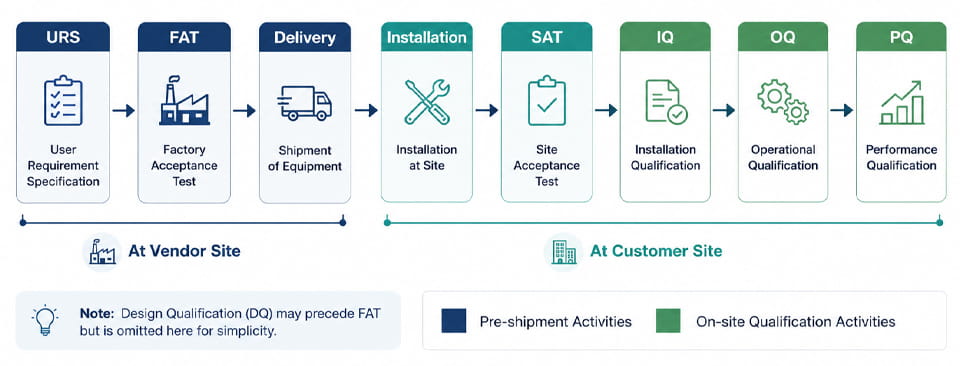
Figura: Flusso del ciclo di vita della qualificazione. Dopo aver definito UR, un test di accettazione in fabbrica (GRASSO) viene eseguito presso la sede del fornitore. Quindi l'apparecchiatura viene spedita e installata, seguito da un test di accettazione in loco (SAB). Finalmente, Qualificazione dell'installazione (QI), Qualificazione operativa (OQ), e qualificazione delle prestazioni (PQ) vengono eseguiti in loco (nota: DQ può precedere FAT ma qui viene omesso per semplicità).
Questo flusso è supportato dalle linee guida GMP. Per esempio, ai sensi dell'allegato GMP dell'UE 15 e ISPE C&Pratiche Q, I risultati FAT documentati possono spesso essere sfruttati in IQ/OQ, riducendo le duplicazioni. Infatti, Le linee guida ISO/ISPE sottolineano che le attività FAT “contribuiscono direttamente alla Design Qualification (DQ) e qualificazione dell'installazione (QI) prova," aiutando a comprimere il tempo complessivo di qualificazione. In pratica, un FAT rigoroso con documentazione adeguata significa che il tuo team IQ può riutilizzare tali risultati (per esempio. controlli di installazione già eseguiti) piuttosto che ripetere il test sugli stessi punti.
Lista di controllo del protocollo FAT (Imballaggio farmaceutico)
Un protocollo FAT completo per i macchinari per l'imballaggio farmaceutico include in genere i seguenti elementi:
- Protocollo FAT pre-approvato: Un documento scritto (sulla base dell'URS) che elenca ogni caso di test, criteri di accettazione, e responsabilità. Questo viene approvato sia dall'acquirente che dal venditore prima del test.
- Ispezione visiva: Verificare che la macchina corrisponda ai disegni finali approvati, senza parti mancanti o danni. Verificare i numeri di serie e il modello dei componenti.
- Meccanico & Ispezione elettrica: Confermare tutti i componenti strutturali (cornici, guardie, trasportatori) e componenti elettrici (motori, cavi, pannelli) siano correttamente installati ed etichettati.
- Test di allarme e interblocco: Attivare ciascuna condizione di allarme e verificare la risposta corretta. Attivare ciascun interblocco di sicurezza (E-stop, guardia della porta, cortina di luce) per garantire che la macchina si arresti o avvisi come previsto.
- Verifiche di controllo/software: Confermare le impostazioni PLC/HMI, versioni del software, gestione delle ricette, e i livelli di accesso utente funzionano. Testare le interfacce operatore e la logica di controllo rispetto ai requisiti.
- Verifica della calibrazione dello strumento: Verificare che tutti i sensori e gli strumenti dispongano di certificati di calibrazione validi e rispettino le specifiche prima dell'uso.
- Le prestazioni funzionano con il prodotto: Far funzionare la macchina a tutte le velocità operative specificate utilizzando un prodotto rappresentativo o materiali nel caso peggiore. Misurare i risultati chiave (riempire i pesi, rendimento, qualità di tenuta, precisione del conteggio, ecc.) contro i criteri di accettazione.
- Dimostrazioni di cambio: Se sono richiesti più formati/SKU, dimostrare cambio modalità e tempistiche come da contratto.
- Simulazione di utilità: Simulare le condizioni di utilità del sito (per esempio. far funzionare i motori a una tensione inferiore, applicare una pressione dell'aria inferiore) per garantire che la macchina possa gestire le variazioni di utilità previste.
- Revisione della documentazione: Assicurare tutti i manuali, schemi, guide alla manutenzione, e gli elenchi dei pezzi di ricambio sono completi e consegnati.
- Punch List e approvazione: Documentare eventuali problemi aperti in un elenco di punch. Dopo aver riprovato le correzioni, includere la pagina finale della firma "Accettazione FAT" nel rapporto FAT.
Seguire questa lista di controllo aiuta a individuare le deviazioni in fabbrica. Per esempio, gli esperti del settore mettono in guardia contro registrazioni FAT vaghe – solo quantitative, i dati di test specifici dell'apparecchiatura dovrebbero essere accettati. Accettare semplici dichiarazioni di "idoneità" dei fornitori o liste di controllo incomplete può mascherare problemi. Registrare sempre i valori misurati e ricondurli al numero di serie specifico della macchina.
Lista di controllo del protocollo SAT (Imballaggio farmaceutico)
Di solito copre un protocollo SAT per le macchine confezionatrici farmaceutiche:
- Controlli pre-installazione: Verifica che il sito sia pronto (camera bianca, livello di fondazione), le utenze sono a posto (energia, aria compressa, vuoto, acqua), e i disegni di installazione corrispondono alla macchina.
- Verifica dell'installazione: Confermare che tutti i componenti meccanici siano correttamente assemblati in loco (nessun danno dalla spedizione). Verificare che le utenze si connettano correttamente (voltaggio, pressione, fluire) e che le condizioni ambientali (temperatura, umidità, classificazione) soddisfare i requisiti delle apparecchiature.
- Test funzionali a vuoto: Eseguire le funzioni chiave a vuoto o con un prodotto fittizio per garantire che il cablaggio e i motori rimangano intatti dopo il trasporto. Verificare ancora una volta gli interblocchi di sicurezza in base alle condizioni del sito (per esempio. l’aria dell’impianto piuttosto che l’aria della fabbrica).
- Test di collegamento dell'utilità: Misurare i parametri effettivi dell'utilità sulla macchina (per esempio. verificare che la pressione effettiva dell'aria e il flusso soddisfino le specifiche).
- Test di integrazione: Se applicabile, testare la comunicazione tra questa macchina e l'apparecchiatura a monte/a valle (per esempio. verificare che una macchina contatrice segnali correttamente l'astucciatrice da indicizzare).
- Test delle prestazioni di produzione: Esegui la macchina con un prodotto reale o un prodotto fittizio (come da URS). Per esempio, alimentare i blister o le capsule delle compresse attraverso la linea per verificare che la resa e la qualità siano quelle richieste. Questa è essenzialmente un'esecuzione PQ del sito.
- Formazione degli operatori & Devolvere: Assicurarsi che gli operatori possano utilizzare la macchina. Rivedere le procedure operative e chiedere agli operatori di eseguire le attività di base sotto osservazione.
- Risoluzione del problema: Registrare eventuali deviazioni o risultati SAT in un registro e verificare le azioni correttive. Solo dopo che tutti i punti critici sono stati risolti la macchina ottiene l'accettazione formale.
- Approvazione finale: Completa un rapporto o certificato SAT, firmarlo, e includere i dati della corsa finale. Ciò diventa prova di conformità.
Insomma, il protocollo SAT riconferma tutte le funzionalità critiche in condizioni reali. È l’ultimo checkpoint prima della messa in servizio. Per esempio, Jinlupacking osserva che un SAT approfondito spesso genera dati di base che possono essere inseriti direttamente nei protocolli IQ/OQ, evitando di ripetere il test delle utenze e dell'ambiente.
FAT e SAT per macchine confezionatrici farmaceutiche
Linee di confezionamento farmaceutiche (vescica, capsula, tavoletta, macchine astucciatrici) hanno la propria enfasi FAT/SAT. Ecco alcuni punti tipici:
- Confezionatrice per blister: La FAT dovrebbe verificare le stazioni di formatura e sigillatura. Per esempio, misurare l'uniformità della temperatura sulla piastra di termoformatura (±2°C attraverso lo stampo) e stampo di sigillatura (±3°C) alle velocità peggiori. Testare l'integrità del sigillo (test di peel secondo ASTM F88). Controllare la precisione dell'alimentazione del blister, indicizzazione, allineamento della pellicola, e che il sistema di scarto rimuova i blister deformati. SAB ripeterà quindi questi test con il blister e le compresse effettivi sul posto e confermerà che la macchina soddisfa ancora le specifiche di resistenza della tenuta e produttività in condizioni di umidità/temperatura locale.
- Macchina per il riempimento di capsule: I punti di controllo del FAT includono l'orientamento e l'alimentazione delle capsule (verificare che i tappi e i corpi siano caricati correttamente), precisione del riempimento della polvere (misurare il riempimento del peso nella gamma bassa/alta), sistemi di rilevamento (controllare l'allineamento del sensore per vuoto, raddoppiare, o orientamento errato), e integrità del bloccaggio (assicurarsi che le capsule siano chiuse ermeticamente). Verificare l'indicizzazione della torretta e la precisione del servo senza prodotto. SAB testerà quindi la precisione del riempimento con le capsule e la miscela di polveri del cliente, e verificare che il meccanismo di rifiuto di fine linea funzioni quando si verificano scarti reali.
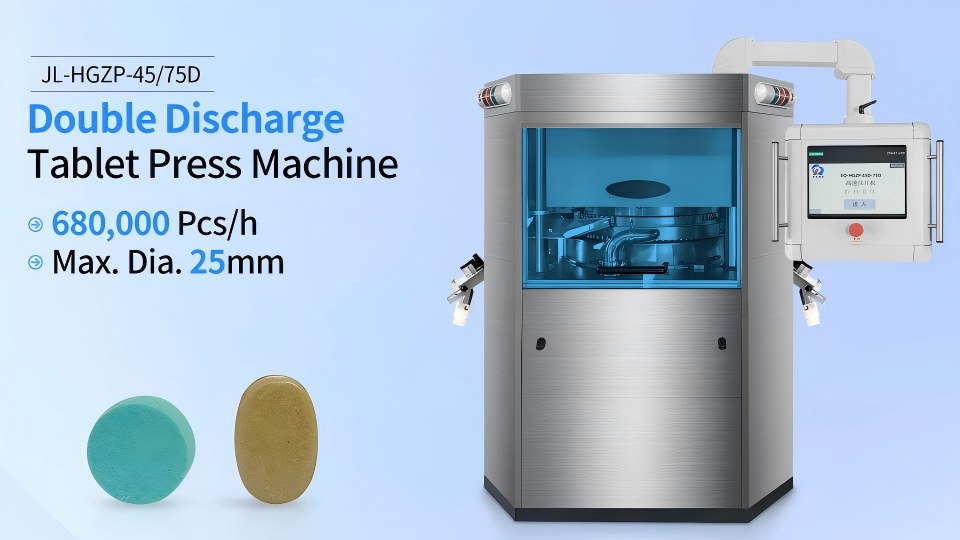
- Macchina per la stampa di compresse: Durante FAT, i test includono la calibrazione degli strumenti (Peso della compressa, spessore, durezza attraverso le posizioni della torretta), funzionamento del telaio di alimentazione e della tramoggia, e premere la consistenza della forza. Far funzionare la pressa sotto carico alle forze di compressione minima e massima per controllare la velocità del pistone. SAB verifica nuovamente le specifiche del tablet utilizzando la granulazione effettiva alla dimensione del batch desiderata, conferma che la lubrificazione e i livelli sonori sono accettabili, e controlla i ripari di sicurezza e i relè di sovraccarico in loco.
- Macchine per il conteggio e l'astucciamento: Per macchine contatrici, FAT si concentra sulla precisione e sulla velocità con prodotti simulati, verifica dei sensori e degli scivoli di scarto. Per astucciatori, FAT verifica la formazione del cartone, tempi di alimentazione, velocità di uscita, e qualità della sigillatura. SAB testerà il funzionamento continuo: alimentare veri e propri blister o bottiglie in un'astucciatrice e garantire che i cartoni in uscita siano corretti. Controlla inoltre che la contatrice e l'astucciatrice si sincronizzino correttamente (per esempio. nessuna bottiglia mancata).
In tutti i casi, sia FAT che SAT controllano che la macchina funzioni alla velocità specificata e produca il giusto conteggio/peso/qualità con il prodotto reale. Saltare i test (Per esempio, non eseguire prodotti reali su FAT) può portare a fallimenti al SAT. Come avverte un esperto, "eseguire un FAT con i materiali generici dell'OEM non è la stessa cosa che eseguirlo con i tuoi" - se non si testano materiali reali in FAT, i problemi del sito spesso emergono in seguito.
Perché una macchina può superare il FAT ma non superare il SAT?
Anche se una macchina supera tutti gli elementi della lista di controllo FAT, può ancora fallire il SAT se le condizioni cambiano. I motivi comuni includono:
- Differenze di utilità: La tensione, pressione dell'aria, oppure la qualità della fornitura presso l'impianto potrebbe non rientrare nell'intervallo utilizzato nel FAT. Un motore del trasportatore potrebbe scattare a SAT se la tensione di linea è leggermente bassa, Per esempio.
- Cambiamento ambientale: Le differenze di temperatura o umidità possono influenzare i processi. In un caso una macchina blisteratrice passava il FAT a umidità moderata (45% RH) ma non riescono a mantenere l'integrità del sigillo in loco presso 80% RH.
- Variazioni del prodotto: Se il fornitore non ha utilizzato il prodotto o il materiale di imballaggio esatto nell'esecuzione del FAT, la macchina potrebbe comportarsi diversamente rispetto al prodotto reale. (Ti consigliamo di spingere l'OEM a gestire i tuoi materiali presso FAT.)
- Problemi di installazione: Errori nella configurazione, allineamento, oppure il fissaggio durante la spedizione può introdurre nuovi difetti che SAT deve rilevare. Per esempio, un codificatore allentato o una guida spostata potrebbero non essere notati fino al collaudo in loco.
- Problemi di integrazione: La macchina potrebbe non comunicare correttamente con altre apparecchiature di linea o con il sistema di controllo dell'impianto a meno che tali interfacce non vengano testate al SAT.
- Elenco punch non chiuso: Se il venditore ha effettuato un rilascio parziale (per esempio. "risolveremo il problema dopo la consegna"), un problema FAT irrisolto potrebbe emergere solo al SAT.
Insomma, FAT testa la macchina in isolamento; SAT lo testa nel contesto. Ogni differenza nelle condizioni o nella configurazione del sito è una potenziale modalità di guasto. Un SAT ben eseguito, Tuttavia, è il controllo finale per scoprire tali problemi prima della piena produzione.
Cosa dovrebbero chiedere gli acquirenti a un fornitore in merito a FAT e SAT?
Quando si seleziona un fornitore di macchine, gli acquirenti del settore spesso utilizzano la predisposizione FAT/SAT come qualifica chiave. Per esempio, La guida all'audit dei fornitori di Jinlu consiglia di chiedere:
- Disponibilità dei documenti: “Potete fornire la documentazione completa dell'attrezzatura, compresi i manuali, disegni, Rapporti FAT/SAT, e modelli IQ/OQ?". (Un fornitore conforme li fornisce in modo proattivo.)
- Supporto per la convalida: “Aiuterai con installazione e qualificazione? Fornite supporto o formazione in loco durante il FAT/SAT?". (Assicurati che mandino ingegneri a FAT e SAT.)
- Partecipazione al processo: “Chi guiderà la FAT e la SAT? Il mio team di QA/convalida può partecipare o assistere ai test??"
- Utilizzo dei campioni: “Eseguirai il mio prodotto reale e i materiali di imballaggio nel FAT?" (Come notato, l'utilizzo di materiali reali è fondamentale.)
- Gestione delle deviazioni: “Se qualcosa fallisce al FAT, come verrà risolto? Ritesterai sul posto prima della spedizione?"
- Cambia controllo: “Come gestisci le modifiche post-ordine? È possibile includere nei protocolli aggiornamenti URS minori?".
- Esperienza & Riferimenti: “Avete consegnato questo modello ad altri clienti farmaceutici? Possiamo vedere? casi di studio o contattare i riferimenti?".
- Pezzi di ricambio e assistenza: “Qual è la vostra politica di supporto dei pezzi di ricambio? Offrite garanzie estese o assistenza locale?".
Queste domande aiutano a valutare la maturità della convalida del fornitore. Un fornitore esperto dovrebbe rispondere prontamente che fornisce macchine “pronte per l’audit” con pacchetti FAT/SAT/IQ/OQ completi.
Lista di controllo per l'accettazione FAT/SAT
Per garantire un processo di accettazione regolare, gli acquirenti possono utilizzare questo rapido elenco di controllo FAT/SAT:
- Concordare in anticipo l'ambito: Includere i piani FAT e SAT nell'ordine di acquisto o URS, definendo esattamente quali test verranno eseguiti e quali criteri dovranno essere soddisfatti.
- Test di testimonianza: Partecipa al FAT (idealmente di persona) per verificare che ogni test venga eseguito. In caso di testimonianza a distanza, garantire il video in diretta delle letture.
- Utilizzare disegni/specifiche finali: Confermare che la macchina sia testata rispetto agli URS e ai disegni più recenti (non revisioni precedenti).
- Portare prove della calibrazione: Assicurarsi che gli strumenti utilizzati al FAT/SAT siano calibrati e che i relativi certificati siano nel pacchetto di documentazione.
- Raccogli dati grezzi: Richiedere che tutti i valori misurati (pesi, forze, tensioni, ecc.) vengono registrati, non solo i voti “superato/fallito”..
- Chiudere tempestivamente le deviazioni: Qualsiasi discrepanza riscontrata dovrebbe essere oggetto di una soluzione concordata e di un nuovo test prima dell'accettazione. Non accettare "sistemeremo il problema più tardi" senza prove.
- Tracciabilità: Mantenere una matrice di tracciabilità che collega ciascun punto URS ai casi e ai risultati dei test FAT/SAT.
- Approvazione finale: Non rilasciare la macchina finché tutti gli elementi dell'elenco punch FAT non vengono risolti e il rapporto FAT non viene firmato. Ripetere per SABATO.
- Controllo pre-imbarco post-FAT: Facoltativamente, condurre un'ispezione pre-spedizione per confermare che nulla sia cambiato dopo il FAT (Suggeriamo questo controllo finale dopo che la macchina è stata imballata).
- Archivio della documentazione: Conserva copie di tutti i protocolli e report FAT e SAT nei file di convalida. Questi diventano parte dei registri di qualificazione dell'attrezzatura.
Seguire tale lista di controllo evita sorprese. Ad esempio, Vedere le foto dell'imballaggio di un fornitore o le note generiche di controllo qualità a posteriori lo è non prova di conformità. La prova più evidente è un set completo di record FAT/SAT legati alla macchina specifica.
Conclusione
FAT e SAT sono entrambi controlli essenziali per garantire che le macchine per l'imballaggio farmaceutico funzionino in modo affidabile e siano conformi alle GMP. Testando accuratamente le apparecchiature presso la sede del fornitore (GRASSO) e ancora dopo l'installazione (SAB), riduci al minimo le sorprese costose e confermi che tutti i punti URS sono soddisfatti.
Pronto per semplificare i tuoi test di accettazione? Jinlu Packing consegna apparecchiature di livello farmaceutico (confezionatrici in blister, filler di capsule, comprimitrici, linee di conteggio e astucciamento, ecc.) con supporto FAT/SAT completo. Ogni macchina viene spedita con un protocollo FAT/SAT completo e un kit IQ/OQ/PQ per rendere la tua qualificazione più rapida e agevole. Contatta Jinlu oggi per discutere del tuo URS e impostare piani FAT/SAT per la tua nuova attrezzatura, o visita le nostre pagine dei prodotti per Macchine per il riempimento di capsule, Macchine confezionatrici in blister, Presse per compresse, Macchine per contare, Macchine Astucciatrici e altro. Il nostro team ti aiuterà a pianificare le fasi FAT/SAT e fornirà la documentazione di convalida chiavi in mano in modo che il tuo progetto rimanga puntuale e conforme.
Mettiti in contatto con gli esperti di Jinlu per la guida FAT/SAT e assicurati che la tua nuova linea di confezionamento sia pronta per la convalida fin dal primo giorno.
Domande frequenti su FAT e SAT nel settore farmaceutico
Qual è la differenza tra FAT e SAT?
GRASSO (Test di accettazione in fabbrica) viene eseguita presso la struttura del produttore dell'apparecchiatura prima della spedizione per verificare che la macchina soddisfi le specifiche concordate e i requisiti funzionali. SAB (Test di accettazione del sito) viene eseguito presso la struttura del cliente dopo l'installazione per confermare che l'apparecchiatura funziona correttamente con le reali utenze del sito, ambiente, e sistemi connessi.
Perché il FAT è importante prima di spedire apparecchiature farmaceutiche?
Il FAT consente all'acquirente e al fornitore di identificare il design, produzione, controllare, o problemi di prestazioni prima che la macchina lasci lo stabilimento del produttore. I problemi riscontrati in questa fase sono generalmente più facili da indagare e correggere a causa dell'attrezzatura, squadra di ingegneri, utensili, e l'ambiente di test sono facilmente disponibili. Un FAT ben pianificato può quindi ridurre i ritardi di messa in servizio ed evitare inutili rilavorazioni presso la sede del cliente.
È richiesto il FAT prima del SAT?
Il FAT viene comunemente eseguito prima del SAT, ma se sia obbligatorio dipende dal progetto, contrarre, attrezzatura, e requisiti di qualità. FAT verifica l'attrezzatura prima della spedizione, mentre SAT verifica l’apparecchiatura dopo l’installazione presso la sede del cliente. Per macchinari farmaceutici, i due test possono completarsi a vicenda anziché sostituirsi a vicenda.
L'apparecchiatura può superare il FAT ma non superare il SAT?
SÌ. Il superamento del FAT non garantisce che l'apparecchiatura supererà il SAT. Il FAT viene solitamente eseguito in condizioni di fabbrica controllate, mentre SAT valuta la macchina dopo il trasporto, installazione, collegamento alle utenze effettive, e integrazione con altre apparecchiature. Differenze nell'alimentazione, aria compressa, condizioni ambientali, alimentazione del prodotto, o l'integrazione della linea può creare problemi che non erano visibili durante la FAT.
Cosa dovrebbe includere una lista di controllo FAT?
Una lista di controllo FAT per le apparecchiature farmaceutiche dovrebbe basarsi sulle specifiche concordate e potrebbe includere l'identificazione delle apparecchiature, ispezione meccanica, impianti elettrici, Funzioni PLC/HMI, allarmi, interblocchi di sicurezza, funzionamento della macchina, test delle prestazioni, documentazione, e criteri di accettazione concordati. Per macchine confezionatrici, la lista di controllo può riguardare anche la velocità di produzione, precisione di alimentazione, sigillatura, codifica, rifiuto, e altre funzioni specifiche della macchina.
Cosa dovrebbe includere una lista di controllo SAT?
Una lista di controllo SAT dovrebbe concentrarsi sull'apparecchiatura dopo l'installazione presso la sede del cliente. A seconda della macchina, può includere lo stato dell'installazione, collegamenti elettrici, aria compressa e altri servizi, funzionamento della macchina, dispositivi di sicurezza, allarmi, comunicazione con le apparecchiature a monte e a valle, prestazione produttiva, e funzioni dell'operatore. Il SAT dovrebbe utilizzare criteri di accettazione concordati prima del test piuttosto che basarsi solo su una dimostrazione informale della macchina.
Chi deve frequentare FAT e SAT?
Il FAT coinvolge solitamente gli ingegneri del fornitore e i rappresentanti dell’acquirente (QA/convalida, ingegneria, operazioni). Il SAT dovrebbe includere il fornitore o il team di assistenza installatore, QA/convalida, e il personale operativo del cliente. Talvolta sono inclusi consulenti o ispettori di terze parti.
Quale documentazione è richiesta per FAT e SAT?
Ciascuno richiede un protocollo pre-approvato che delinea tutti i test, criteri di accettazione, e responsabilità. Durante i test, compilare il protocollo con dati e osservazioni in tempo reale. I risultati finali includono il protocollo eseguito, un elenco di eventuali deviazioni, e un rapporto o certificato finale firmato. Per SAB, preparare inoltre una matrice di tracciabilità che collega i test ai requisiti URS.
Qual è la differenza tra FAT, SAB, QI, e OQ?
FAT e SAT sono test di accettazione, mentre IQ e OQ sono tipicamente parti di una strategia di qualificazione delle apparecchiature. FAT controlla l'attrezzatura presso la struttura del produttore prima della spedizione; SAT lo verifica dopo l’installazione presso la sede del cliente. QI (Qualificazione dell'installazione) si concentra sul fatto che l'apparecchiatura sia stata installata secondo i requisiti approvati, mentre OQ (Qualificazione operativa) verifica che funzioni come previsto negli intervalli operativi specificati. La sequenza esatta e la documentazione dipendono dalla strategia di convalida dell’azienda e dai requisiti del progetto.
FAT fa parte della convalida GMP?
Il FAT può supportare una strategia di qualificazione e validazione delle apparecchiature farmaceutiche, ma la FAT stessa non dovrebbe essere trattata automaticamente come equivalente alla qualifica GMP. Il suo ruolo dipende dall'attrezzatura, requisiti del progetto, valutazione del rischio, e sistema di qualità applicabile. In alcuni progetti, test FAT appropriati possono fornire prove documentate da sfruttare durante le successive attività di qualificazione, riducendo potenzialmente le duplicazioni inutili quando giustificato.
Riferimenti:
1.Sistemi di automazione nell'industria di processo – Test di accettazione in fabbrica (GRASSO), prova di accettazione del sito (SAB), e test di integrazione del sito (SEDERSI) —— ANSI/ISA-62381-2026 / CEI 62381:2024
2.Ingegneria SOP-FAT : Test di accettazione in fabbrica & SAB : Test di accettazione in loco —— pharmastate.academy
3.Test FAT e SAT nelle apparecchiature farmaceutiche —— Scribd
4.Studi di qualificazione in fase di accettazione SAT della macchina lava contenitori farmaceutici —— ResearchGate
5.Lista di controllo dei test di accettazione in fabbrica e in sede —— Scribd



Una risposta
È interessante notare come la distinzione tra FAT e SAT possa avere un impatto sulle operazioni farmaceutiche. Durante le ispezioni dei nostri clienti, scopriamo spesso problemi di umidità che possono compromettere le prestazioni delle apparecchiature. Quando usiamo la termografia, troviamo perdite nascoste che potrebbero portare a costosi tempi di inattività. Consigliamo sempre ai proprietari di immobili di prendere in considerazione valutazioni approfondite prima di finalizzare l'accettazione delle apparecchiature. Hai notato qualche tendenza nel modo in cui le aziende affrontano queste sfide durante la fase di test di accettazione??