Formatura a freddo vs Termoformatura: Quale blister medico è adatto al settore farmaceutico?
Formatura a freddo vs Termoformatura: Quale blister medico è adatto al settore farmaceutico?
agosto 26, 2026
Non ci sono commenti
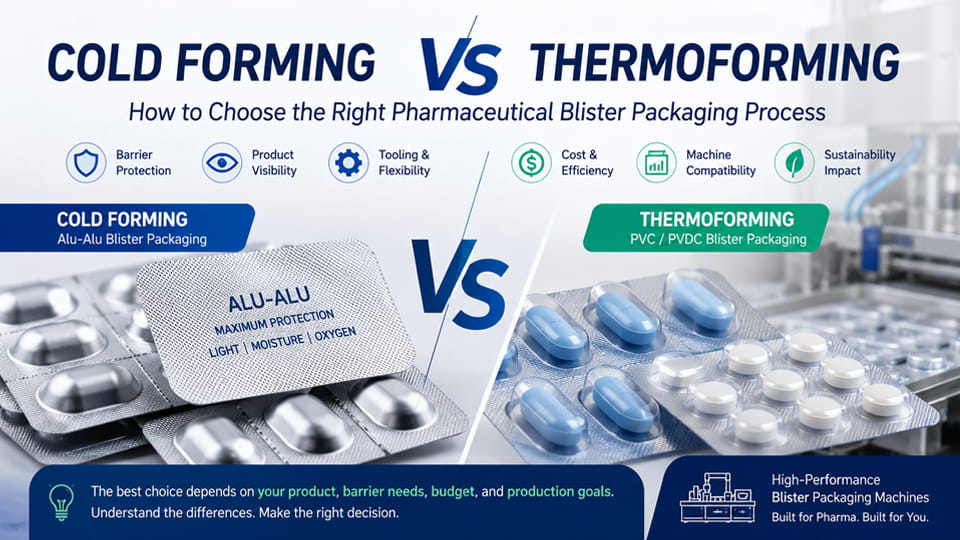
I prodotti farmaceutici sono spesso sigillati in blister per la protezione della dose unitaria e l'attrattiva sullo scaffale. In confezione blister, i due principali metodi di formatura sono termoformatura E formatura a freddo. La termoformatura riscalda un nastro di plastica (come PVC o PET) finché non diventa flessibile e poi lo aspira o lo pressa negli stampi. Formazione fredda, per contrasto, utilizza lo stampaggio ad alta pressione su un laminato multistrato a base di alluminio a temperatura ambiente. Ciascun metodo utilizza materiali diversi e fornisce risultati molto diversi: i blister termoformati sono trasparenti ed economici, mentre formato a freddo (Alu-Alu) i blister sono opachi ma offrono una protezione barriera molto più elevata. Questa guida spiega come funzionano, differenze chiave (barriera, costo, velocità, ecc.), e come scegliere il metodo e la macchina giusti per il tuo prodotto.
Cos'è la termoformatura?
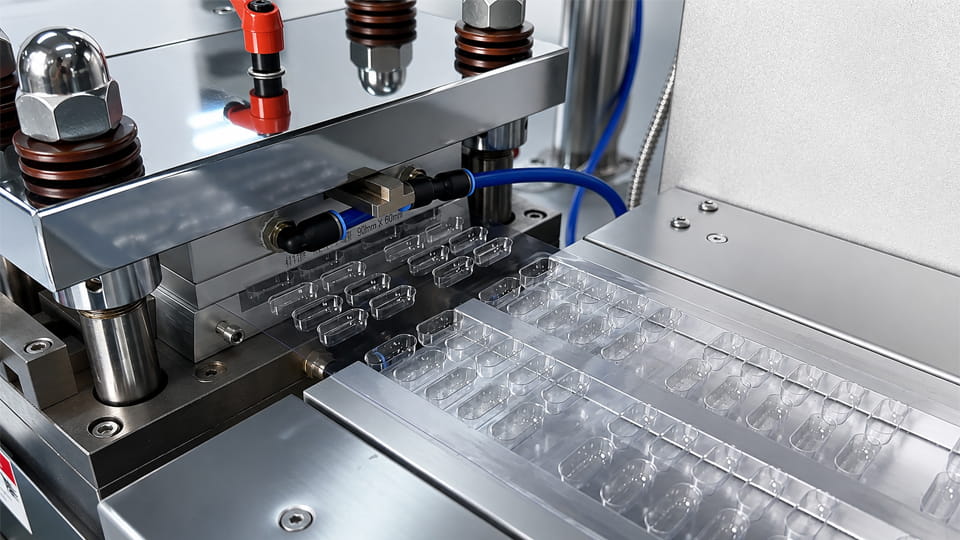
Termoforming il confezionamento in blister riscalda un foglio di plastica finché non si ammorbidisce e poi lo forma in cavità mediante vuoto o pressione. Un'unità a temperatura controllata (spesso 150–180°C) riscalda il PVC o un altro film termoplastico, che viene poi modellato su uno stampo. Una volta che la pellicola si è raffreddata, le cavità formate vengono riempite di prodotto e sigillate con un coperchio di alluminio o carta.
Questo processo è altamente adattabile: i film di formatura comuni includono il PVC, ANIMALE DOMESTICO, PP, o copolimeri, a volte con rivestimenti barriera (PVDC, COC, PCTFE, ecc.). La termoformatura offre un'elevata flessibilità di progettazione: le forme dei blister possono essere profonde o complesse (utilizzando i plug assist) senza cambiare i materiali di base. È anche conveniente per grandi tirature: le pellicole termoplastiche sono economiche e le macchine funzionano ad alta velocità. Il vantaggio principale è l’accessibilità economica e la produttività, come sottolinea una fonte, “i principali vantaggi del PVC sono il basso costo e la facilità di termoformatura”.
Vantaggi della termoformatura
Costo del materiale inferiore: Film plastici (anche con rivestimenti barriera) sono molto più economici delle lamine metalliche multistrato. Ciò riduce i costi unitari per la grande produzione.
Maggiore velocità: Le macchine per termoformatura in genere hanno un ciclo più veloce. Per esempio, una moderna linea blister di termoformatura può estendersi ben oltre 150 pacchi/min, velocità superiori a quelle tipiche della formatura a freddo.
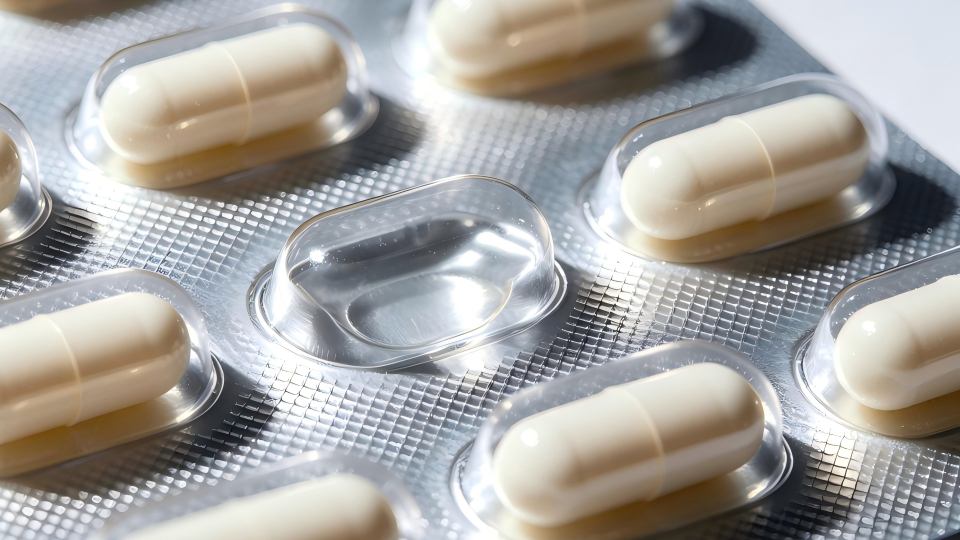
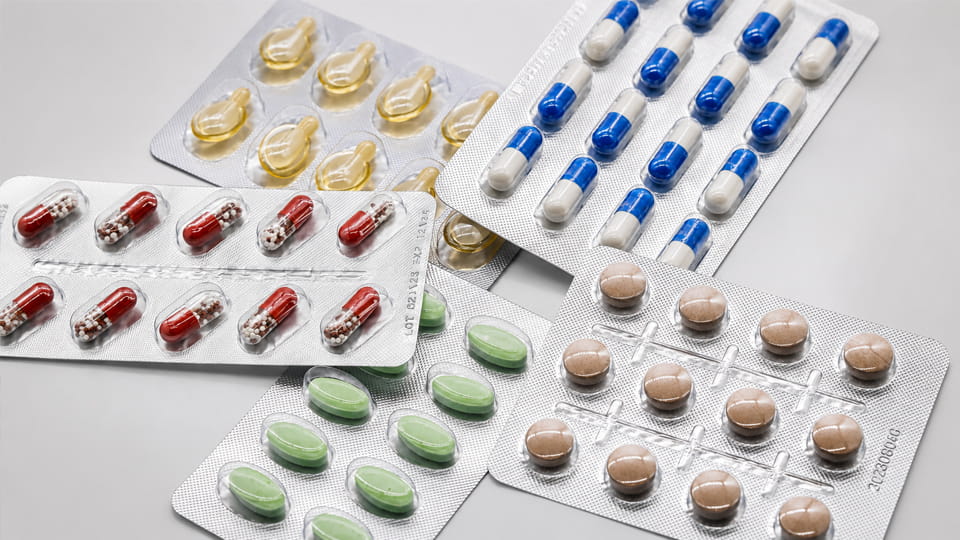
Visibilità del prodotto: Le confezioni trasparenti in PVC/PET consentono agli utenti di vedere le pillole o le compresse all'interno. Questa trasparenza è positiva per l’attrattiva dei consumatori (per esempio. vitamine al dettaglio) e per l'ispezione visiva.
Flessibilità progettuale: Forme di cavità complesse o imbutiture profonde possono essere ottenute con la pellicola riscaldata (spesso aiutato dal vuoto o dal plug-assist). Inoltre si integra facilmente con i processi di riempimento rapido e di sigillatura ad alta velocità.
Limitazioni della termoformatura
Protezione barriera: Una pellicola in PVC semplice offre solo a moderare barriera contro l'umidità e l'ossigeno. Il PVC non rivestito ha un elevato tasso di trasmissione del vapore acqueo (per esempio. ~3 g/m²·giorno al 90% di umidità relativa). Per migliorare la durata di conservazione, i termoconfezioni devono utilizzare costose pellicole multistrato (per esempio. PVC/PVDC o laminati PVC/PCTFE) o pellicole più spesse. Anche allora, la barriera solitamente rimane al di sotto di quanto raggiunge il foglio di alluminio.
Sensibilità alla luce: Le pellicole trasparenti lasciano passare la luce UV e quella visibile. Ciò significa che i blister termoformati lo sono non ideali per farmaci sensibili alla luce: non offrono praticamente alcuna protezione UV a meno che non si aggiungano additivi bloccanti UV.
Durata di conservazione limitata: Per API altamente sensibili all'umidità o reattivi, confezioni termoformate (anche con rivestimenti) spesso danno stabilità più breve. Note di Wikipedia: “gli svantaggi [di PVC] sono la scarsa barriera contro l’ingresso di umidità e ossigeno”.
Costi di attrezzaggio rigidi: Mentre le macchine sono generalmente più economiche, la termoformatura per imbutitura profonda può richiedere stampi di precisione e matrici plug-assist, aggiungendosi alle spese per gli utensili.
Cos'è la formatura a freddo?
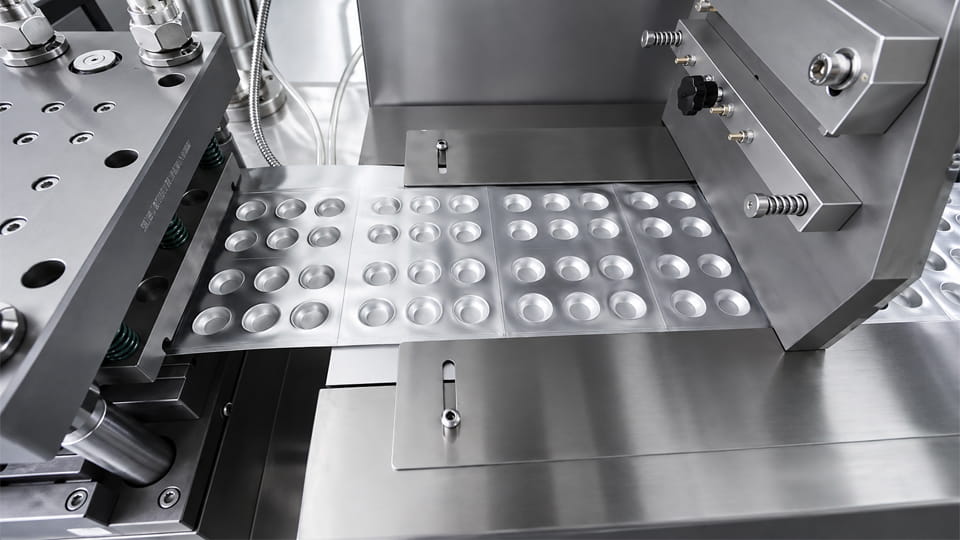
Formazione fredda (spesso chiamato Alu-Alu confezione in blister) utilizza una pellicola multistrato a base di alluminio come nastro di formazione. Un tipico laminato formato a freddo è PVC/Alluminio/Poliammide, con lo strato di alluminio all'esterno. In questo processo, il film è non riscaldato. Invece, un robusto punzone ad alta pressione stampa la pellicola nelle cavità a temperatura ambiente. L'alluminio si allunga ma si deforma plasticamente, e mantiene la forma della cavità una volta rimosso il timbro. Ogni cavità riempita viene quindi sigillata (spesso con un coperchio di carta in alluminio o con rivestimento in alluminio).
Poiché la formatura a freddo non riscalda il materiale, evita qualsiasi stress termico sui farmaci sensibili. Il risultato è una vescica completamente opaca (nessuna visualizzazione dei contenuti) ma fornisce un eccellente barriera. Il foglio di alluminio blocca quasi tutta l'umidità, ossigeno, e la luce non raggiungono il farmaco, che può prolungare notevolmente la durata di conservazione.
Vantaggi dello stampaggio a freddo
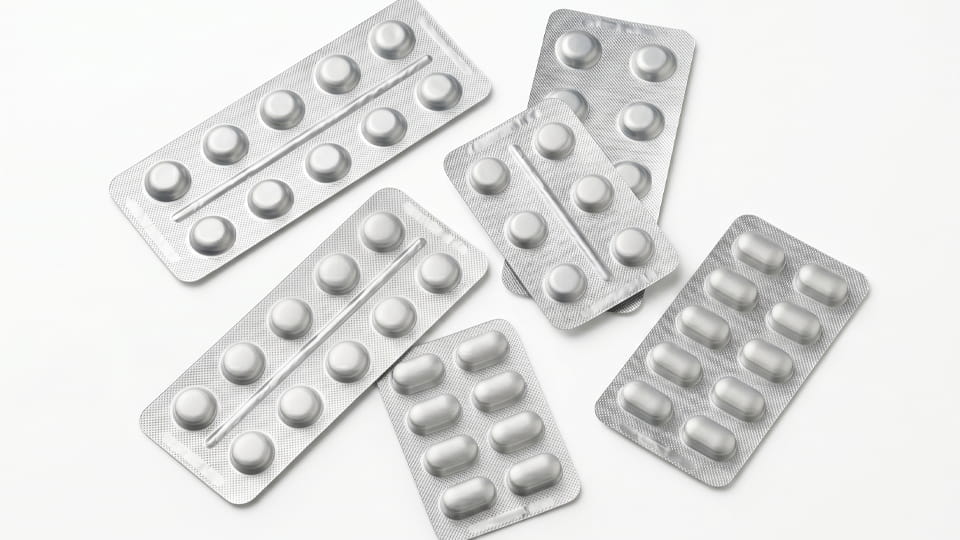
Barriera superiore: Gli strati di alluminio rendono il blister quasi impermeabile. Come nota Wikipedia: “Il vantaggio principale dei blister in alluminio stampato a freddo è che l'uso dell'alluminio offre una barriera quasi completa per l'acqua e l'ossigeno, consentendo una data di scadenza del prodotto estesa”. Ecco perchè i blister Alu-Alu vengono utilizzati per igroscopici, sensibile all'ossigeno, o prodotti farmaceutici sensibili alla luce.
Protezione dall'umidità e dalla luce: I blister formati a freddo mantengono l'umidità, ossigeno E luce spenta. Per esempio, le pellicole multistrato bloccano completamente la luce UV/visibile e formano un sigillo ermetico attorno a ciascuna dose. Ciò blocca la potenza dei farmaci che si degradano rapidamente in aria umida o luce intensa.
Flessibilità dei materiali: La rete in formazione (PVC/Alluminio/PA) ha ancora un lato in PVC, che mantiene la forma della tasca e fornisce una certa elasticità, mentre l'alluminio fornisce protezione. Ciò rende la cavità forte e poco profonda, che spesso è sufficiente per la maggior parte delle compresse e capsule.
Limitazioni della formatura a freddo
Costo del materiale più elevato: I laminati di alluminio sono molto più costosi delle pellicole plastiche. La lamina ha più strati (per esempio. 9–15μm Al più 80–100μm di altri strati) e composizioni specializzate, quindi il costo della materia prima per confezione è elevato. Una fonte nota specificamente “il costo della formatura a freddo dei blister tende ad essere superiore rispetto alla termoformatura”.
Velocità più lenta: A causa del processo di stampaggio e della necessità di maneggiare la pellicola (che non è estensibile come la plastica), le macchine per formatura a freddo funzionano a velocità inferiori. Come sottolinea una sintesi, i blister in alluminio formato a freddo soffrono di “velocità di produzione più lenta rispetto alla termoformatura”.
Nessuna visibilità: Entrambi i lati del blister sono in alluminio (oppure la parte superiore è in alluminio), quindi gli utenti non possono vedere affatto il prodotto. Ciò limita l'utilizzo ai prodotti che non richiedono una conferma visiva sullo scaffale. (Ciò significa anche che le confezioni conformi devono avere una buona etichettatura stampata, poiché non è possibile controllare visivamente i contenuti.)
Usura della macchina: Gli utensili e gli stampi per la formatura a freddo sopportano carichi pesanti, quindi le macchine devono essere molto robuste. Il punzone e la contromatrice devono essere realizzati con precisione e spesso necessitano di acciaio più spesso, aggiungendo manutenzione.
Confezione più grande: Perché l’alluminio non può allungarsi tanto quanto la plastica, le cavità formate a freddo sono generalmente meno profonde o hanno bordi circostanti più ampi. Wikipedia nota che in genere finisce un pacco Alu-Alu “dimensione più grande del blister” e pareti a tasca meno ripide.
Formatura a freddo vs Termoformatura: Differenze chiave
La tabella seguente evidenzia le principali differenze tra il confezionamento in blister termoformato e quello formato a freddo:
Fattore
Termoforming
Formatura a freddo (Alu-Alu)
Processo di formazione
Riscaldare la pellicola di plastica fino a renderla morbida, quindi modellare sotto vuoto/pressione nelle cavità.
Stampaggio a temperatura ambiente di laminati metallici.
Film plastici (PVC, ANIMALE DOMESTICO, PP, spesso con rivestimenti barriera come il PVDC).
Laminato multistrato in foglio di alluminio (per esempio. Alluminio/PVC/PA).
Barriera (umidità/aria)
Moderare (Solo il PVC è permeabile; Le pellicole rivestite in PVDC migliorano la barriera).
Eccellente: il foglio di alluminio è quasi impermeabile all'acqua e all'ossigeno.
Protezione dalla luce
Limitato: la plastica trasparente non offre barriera UV/luce (a meno che non venga aggiunto pigmento).
Completo: la pellicola opaca blocca tutta la luce.
Visibilità
Trasparente: il cliente può vedere il prodotto.
Opaco: il prodotto è nascosto all'interno.
Velocità di produzione
Generalmente più alto (linee ad alto rendimento).
Generalmente più lento (lo stampaggio meccanico limita la velocità).
Materiale & costo della macchina
Inferiore: la pellicola di plastica è più economica, le macchine sono più semplici.
Più alto – i laminati di alluminio costano di più, e le macchine richiedono presse robuste.
Casi d'uso tipici
Farmaci da banco ad alto volume, vitamine, compresse standard; quando la visibilità & questione di costi.
Umidità- o farmaci sensibili alla luce (antibiotici, biologici), necessaria una lunga durata di conservazione.
Ciascun fattore sopra riportato riflette i compromessi tra i due metodi. La termoformatura tende a utilizzare materiali più economici e a funzionare più velocemente, mentre la formatura a freddo utilizza costose lamine metalliche per una protezione di alto livello.
Confronto dettagliato: 8 Fattori chiave
Per riassumere, ecco otto fattori principali che distinguono la termoformatura e la formatura a freddo:
Metodo di formazione:
Termoforming: Il foglio di plastica lo è riscaldato, quindi formato sotto vuoto/pressione su uno stampo.
Formatura a freddo: Il laminato metallico è timbrato a freddo con alta pressione; l'alluminio mantiene la forma.
Materiali:
Termoforming: Utilizza film come PVC, ANIMALE DOMESTICO, PP (spesso con rivestimenti barriera PVDC/COC/COP). Per esempio, molte linee blister utilizzano PVC non plastificato (RPVC) come la rete in formazione.
Formatura a freddo: Utilizza un laminato a base di alluminio (tipicamente PVC/alluminio/nylon). Questa “lamina per formatura a freddo” è appositamente progettata per la formatura ad alta barriera.
Umidità & Barriera al gas:
Termoforming: Una pellicola in PVC nudo ha una barriera scarsa (WVTR ~3g/m²·giorno, OTR ~20 ml/m²·giorno). Film in PVC multistrato (rivestito con PVDC o coestruso con PCTFE/COC) può migliorare questo, Ma Mai al livello della lamina metallica. Wikipedia nota che lo svantaggio del PVC è “scarsa barriera contro l’umidità e l’ossigeno”.
Formatura a freddo:Eccellente. Il foglio di alluminio crea una barriera quasi impermeabile. Come notato, le vescicole formate a freddo danno a “Barriera quasi completa per acqua e ossigeno”, allungando notevolmente la scadenza.
Protezione dalla luce:
Termoforming: Le pellicole trasparenti lasciano passare tutta la luce (a meno che non si utilizzino pellicole pigmentate speciali o si aggiungano agenti bloccanti i raggi UV). Ecco perché i blister in PVC sono trasparenti non consigliato per farmaci sensibili alla luce.
Formatura a freddo: Completare. Blocchi di lamina opaca 100% di luce, protezione delle API fotosensibili.
Velocità di produzione:
Termoforming: Tipicamente più alto. Perché i film plastici si alimentano velocemente e i cicli di formatura sono veloci, queste linee spesso superano i 150–200 pacchi/min (su macchine rotative di fascia alta).
Formatura a freddo: Generalmente più lento. Lo stampaggio e la manipolazione del foglio limitano la produttività. Anche le migliori macchine per formatura a freddo sono solitamente sotto 100 pacchi/min per modelli Alu-Alu profondi.
Costo (Materiale & Attrezzatura):
Termoforming: I film plastici grezzi costano molto meno al metro lineare rispetto ai fogli a 3 strati. I macchinari sono più semplici (solo piastre riscaldanti e stazioni del vuoto), quindi il costo iniziale della macchina è generalmente inferiore. Una fonte riassume, I “principali vantaggi” del PVC sono il basso costo e la facilità di formatura.
Formatura a freddo: Più alto. La pellicola speciale è costosa, e le macchine devono essere più robuste. Nota sugli studi “Le apparecchiature per l'imballaggio in blister a freddo… sono particolarmente adatte per prodotti sensibili all'umidità," ma a un costo premium.
Visibilità del prodotto:
Termoforming: Sì, il prodotto è visibile attraverso la plastica trasparente. Ottimo per l'esposizione al dettaglio o per un facile controllo della dose.
Formatura a freddo: No, completamente opaco.
Applicazioni tipiche:
Termoforming: Compresse/capsule standard da banco e su prescrizione dove l'elevata barriera non è fondamentale (per esempio. antidolorifici, vitamine). Prodotti farmaceutici sfusi, integratori, o qualsiasi prodotto che necessiti di una linea veloce ad alta velocità. Utilizzato anche per confezionamento in blister medico di dispositivi non sterili.
Formatura a freddo: Farmaci premium o critici (per esempio. antibiotici, API sensibili, enzimi confezionati sotto vuoto) e qualsiasi prodotto che richieda la massima protezione dall'umidità/luce e una lunga durata di conservazione. Spesso visto in PTP (push-through) confezioni per un dosaggio molto stabile, o per prodotti distribuiti a livello globale con climi variabili.
Queste differenze lo dimostrano termoformatura eccelle in velocità, costo e visibilità, Mentre formatura a freddo eccelle in protezione e stabilità. In pratica, i progettisti valutano questi fattori rispetto ai requisiti del prodotto.
Scegliere il metodo giusto: Guida per gli acquirenti di macchinari farmaceutici
Esigenze di stabilità del prodotto: È tuo API o formulazione altamente sensibile all'umidità, ossigeno o luce? Se SÌ, formato a freddo (Alu-Alu) di solito sono necessari i blister. Se il tuo prodotto è relativamente stabile (per esempio. tavoletta standard), la termoformatura è probabilmente sufficiente.
Durata di conservazione desiderata: Il prodotto necessita di una scadenza prolungata (18+ mesi)? Le confezioni formate a freddo possono prolungare significativamente la durata di conservazione grazie alla loro barriera superiore. Per una breve durata (<1 anno) prodotti, Gli imballaggi in PVC sono spesso accettabili.
Volume e velocità di produzione: Hai bisogno di un throughput molto elevato? Le linee di termoformatura generalmente funzionano più velocemente, quindi si adattano alla produzione su larga scala. Per piccole tirature di farmaci di grande valore, il metodo più lento della formatura a freddo può essere accettabile.
Vincoli di costo: Se il budget è limitato e i requisiti di barriera moderati, la termoformatura è più economica. Per esempio, Jinlupacking osserva che "il costo della formatura a freddo dei blister tende ad essere superiore rispetto alla termoformatura". Considera sia il costo dei materiali che quello delle apparecchiature nell'analisi del TCO.
Normativa / Esigenze del mercato: Alcuni mercati o formulazioni potrebbero richiedere determinati imballaggi. Per esempio, una specifica normativa potrebbe imporre un foglio di alluminio-alluminio per un particolare antibiotico, oppure il marketing può favorire il confezionamento trasparente di una vitamina di marca.
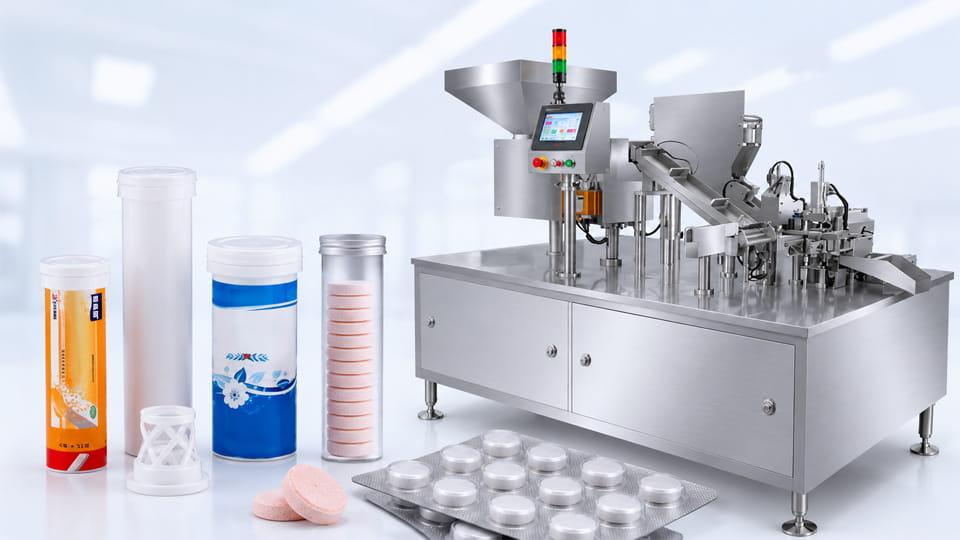
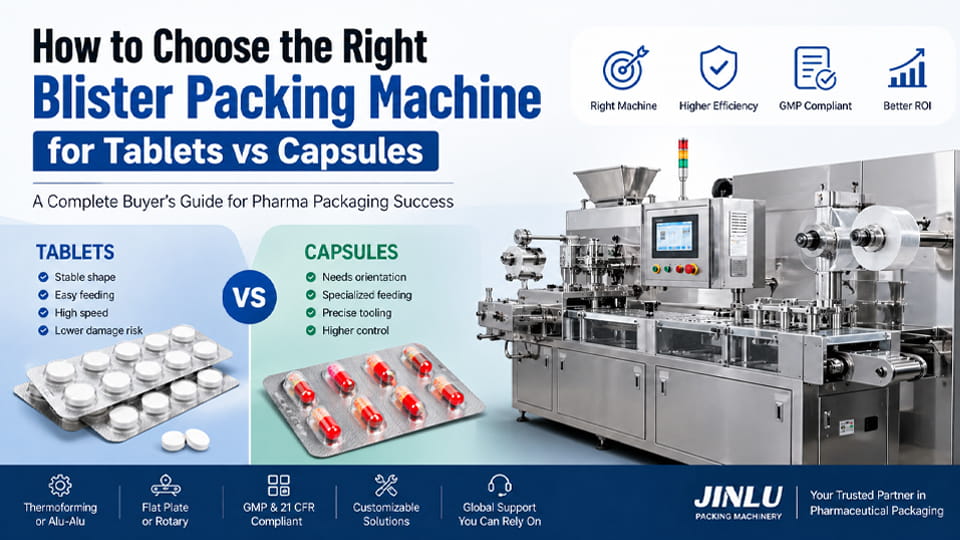
Compatibilità macchina: Considera se desideri una macchina per entrambi i metodi o linee separate. Alcune macchine moderne (come quello di Jinlu Macchina per blister DPP-180PRO) può essere configurato per entrambi i termo- o formatura a freddo, ma molte aziende utilizzano linee dedicate per ottimizzare ogni processo.
Macchina blister dpp-180pro per tablet capsule
Una rapida regola pratica: Utilizza la termoformatura per farmaci standard in cui la visibilità del cliente e i costi sono fondamentali; utilizzare la formatura a freddo per esigenze ad alta barriera in cui la protezione è fondamentale.
Quando scegliere la termoformatura
Il tuo prodotto no estremamente umidità- o sensibile alla luce (compresse da banco di base, vitamine).
L'elevata velocità di produzione e il basso costo sono le priorità.
Vuoi un imballaggio trasparente in modo che il prodotto possa essere visto.
La durata di conservazione prevista è relativamente breve o moderata.
Prevedi di utilizzare pellicole di plastica standard (PVC, Rivestimento in PVDC/PVDC, COC, ecc.).
La vostra macchina confezionatrice blister è predisposta per stazioni di formatura riscaldate.
Quando scegliere lo stampaggio a freddo
Il tuo prodotto è altamente sensibili all'umidità/all'ossigeno o alla luce (per esempio. compresse igroscopiche, steroli, alcuni prodotti biologici).
Hai bisogno della barriera migliore in assoluto e della durata di conservazione più lunga.
Hai una corsa più piccola o sei disposto a scambiare la velocità per la protezione.
Puoi accettare imballaggi opachi (o utilizzare etichette pesanti per differenziare).
Il budget consente un costo del materiale più elevato (laminati in foglio di alluminio).
I tuoi macchinari (o fornitore) supporta il processo di formatura a freddo con robusti stampi metallici.
Per esempio, molti blister farmaceutici formati a freddo riportano l’etichetta “Alu-Alu"sul foglio. Questi vengono scelti proprio quando massimizzando la stabilità del farmaco è l'obiettivo.
Confronto dei costi
Il costo è una considerazione importante. Costi materiali: Pellicola in PVC (anche con rivestimento in PVDC) è molto più economico di un laminato di alluminio a 3 strati. Su base unitaria, il materiale di una confezione termoformata potrebbe costare solo pochi centesimi, mentre un pacco di fogli Alu-Alu equivalente può esserne multipli. Lo conferma una fonte industriale “il costo della formatura a freddo dei blister tende ad essere superiore rispetto alla termoformatura”.
Costi macchina e OEE: Le macchine termoformatrici sono generalmente più semplici (unità riscaldanti e camere a vuoto) e spesso più economico da mantenere. Le macchine per la formatura a freddo necessitano di punzoni pesanti e talvolta di doppia alimentazione (per lamine interne ed esterne), che può aumentare i costi di capitale. Tuttavia, se la formatura a freddo previene le perdite di prodotto (per esempio. dal deterioramento), il costo iniziale più elevato potrebbe essere giustificato. Considera sempre costo totale di proprietà, compresi i tempi di inattività, manutenzione, e rifiuti materiali, non solo la velocità della linea.
Selezione Macchine e Linee di Confezionamento
La tua scelta determina anche la linea di confezionamento. Macchine confezionatrici in blister sono progettati per un processo o per l'altro. UN macchina blisteratrice per termoformatura disporrà di stazioni di riscaldamento e aspirazione; UN macchina blisteratrice per formatura a freddo avrà una grande pressa e alimentatori di fogli. Alcune macchine ibride (spesso nella ricerca o nell'uso su scala ridotta) può cambiare modalità, ma una determinata riga è solitamente ottimizzata per un metodo.
Per esempio, il Jinlu Macchina per blister a rulli DPH-270Max è capace di entrambi i metodi, ma la maggior parte delle linee di produzione saranno dedicate. Se scegli la termoformatura, assicurati il tuo attrezzature per l'imballaggio in blister supporta il film scelto (Spessore del PVC, tipo di rivestimento) e ha un controllo sufficiente della temperatura. Se scegli la formatura a freddo, assicurati che la tua macchina sia in grado di gestire rotoli di foglio di alluminio-alluminio e abbia la forza di stampa richiesta.
Quando si parla con i fornitori, menzionare le esigenze del tuo prodotto: di' se hai bisogno di "una macchina blisteratrice per imballaggi blister Alu-Alu" o "una macchina blisteratrice termoformatrice per film in PVC/PVDC".
Come decidere: Una rapida lista di controllo
Valutare la sensibilità del prodotto: Controlla se il tuo farmaco necessita di protezione dall'umidità, ossigeno, o leggero. Se Qualunque di questi sono critici, probabilmente è necessaria la formatura a freddo.
Obiettivi di durata di conservazione: È necessaria una scadenza estesa? Per 2+ durata di conservazione di un anno, la barriera Alu-Alu è la scelta più sicura.
Requisiti visivi: Vuoi che i clienti vedano il prodotto? Se sì, favorire la termoformatura (trasparente).
Volume di produzione & Costo: Per volumi molto elevati e sensibilità ai costi, la termoformatura di solito vince. Se il volume è inferiore e il costo del prodotto è elevato, la velocità inferiore della formatura a freddo può essere accettabile.
Capacità della macchina: Conferma che il tuo macchina per blister può gestire il materiale scelto. Molti produttori possono fornire entrambi i tipi, ma sono necessari gli strumenti e la configurazione della linea corretti.
In caso di dubbio, consultare un esperto: gli ingegneri del confezionamento spesso modellano la stabilità del farmaco specifico in diversi materiali. Ma una buona euristica è questa formatura a freddo (Benvenuto) offre la migliore protezione a costi più elevati, e termoformatura (plastica) offre la migliore visibilità e produttività a costi inferiori.
Conclusione
La formatura a freddo e la termoformatura presentano ciascuna chiari vantaggi e svantaggi. Termoforming (A base di PVC) è veloce, trasparente, ed economico, rendendolo ideale per molti prodotti farmaceutici di routine. Formazione fredda (Benvenuto) è più lento e più costoso, ma offre un'umidità imbattibile, protezione dall'ossigeno e dalla luce per un valore elevato, farmaci sensibili. In pratica, Per le compresse standard vengono utilizzate confezioni per termoformatura, vitamine e prodotti da banco, mentre le confezioni a freddo vengono scelte per i farmaci sensibili all'umidità o a lunga scadenza.
Alla fine, la tua decisione dovrebbe essere guidata da requisiti del prodotto. Se la barriera finale è essenziale, probabilmente opterai per un blister in alluminio-alluminio su una macchina confezionatrice per blister con formatura a freddo. Se hai bisogno di velocità, visibilità e risparmio sui costi, probabilmente è sufficiente una confezione termoformata in PVC su una macchina blisteratrice per termoformatura.
Sentiti libero di farlo contatta i nostri specialisti dell'imballaggio per l'orientamento. Possiamo consigliare il diritto macchina confezionatrice blister automatica e processo per il tuo prodotto, sia che tu abbia bisogno di una linea di termoformatura per blister ad alta velocità o di una formatura a freddo (Benvenuto) macchina per blister.
Rimani conforme ed efficiente in termini di costi con la giusta scelta del confezionamento in blister!
Domande frequenti sulla formatura a freddo e sulla termoformatura dei blister
Qual è la differenza tra formatura a freddo e termoformatura?
La termoformatura utilizza il calore per modellare la pellicola plastica nelle cavità dei blister, mentre la formatura a freddo pressa meccanicamente un laminato a base di alluminio in forma senza calore. La termoformatura è in genere più veloce ed economica, mentre la formatura a freddo fornisce una protezione barriera più forte.
La formatura a freddo è migliore della termoformatura??
Non necessariamente. La formatura a freddo è migliore per i prodotti che richiedono una forte protezione dall'umidità, ossigeno, o leggero, mentre la termoformatura è spesso preferita per prodotti stabili dove i costi sono elevati, velocità, e la visibilità del prodotto sono priorità.
Che è più economico, formatura a freddo o termoformatura?
La termoformatura è generalmente meno costosa. I materiali plastici per formatura solitamente costano meno dei laminati a base di alluminio utilizzati per gli imballaggi blister Alu-Alu formati a freddo, sebbene il costo totale dipenda anche dalla velocità della macchina, utensileria, e requisiti di produzione.
Che fornisce una migliore protezione dall'umidità?
La formatura a freddo generalmente fornisce una migliore protezione dall’umidità. Il suo laminato a base di alluminio offre una barriera molto forte, rendendolo adatto per prodotti farmaceutici sensibili all'umidità. Il requisito effettivo dovrebbe essere confermato attraverso studi sulla stabilità del prodotto e sull'imballaggio.
Che è più veloce, formatura a freddo o termoformatura?
La termoformatura è generalmente più veloce della formatura a freddo. Il suo processo di formatura è adatto alla produzione in grandi volumi, mentre la formatura a freddo avviene tipicamente a velocità inferiori perché il laminato di alluminio richiede una formatura meccanica.
Perché il blister Alu-Alu viene utilizzato per i medicinali sensibili?
L'imballaggio in blister Alu-Alu offre un'eccellente protezione contro l'umidità, ossigeno, e luce. È quindi comunemente considerato per i prodotti farmaceutici con elevata sensibilità all'esposizione ambientale o con requisiti di durata di conservazione impegnativi.
La termoformatura è adatta al confezionamento in blister farmaceutico?
SÌ. La termoformatura è ampiamente utilizzata per compresse e capsule quando il prodotto non richiede il massimo livello di protezione barriera. Materiali come PVC e PVC/PVDC possono fornire diversi livelli di protezione dall'umidità a seconda della formulazione e delle specifiche della confezione.
Qual è la differenza tra un blister Alu-Alu e un blister termoformato?
Un blister Alu-Alu utilizza un laminato di formatura a base di alluminio ed è opaco, mentre un blister termoformato utilizza solitamente una pellicola plastica e può essere trasparente. Alu-Alu offre una protezione barriera più forte, mentre la termoformatura offre generalmente una migliore visibilità e costi inferiori.
Una macchina confezionatrice blister può gestire sia la formatura a freddo che la termoformatura?
Di solito non senza una progettazione o una configurazione specifica della macchina. I due processi richiedono sistemi di formatura diversi, utensileria, e movimentazione dei materiali. Se sono necessari entrambi i formati, il produttore della macchina dovrebbe confermare la compatibilità prima dell'acquisto.
Come faccio a scegliere tra una macchina blisteratrice per formatura a freddo e termoformatura?
Inizia con la sensibilità del prodotto, durata di conservazione richiesta, materiale da imballaggio, volume di produzione, e costo obiettivo. Scegli la formatura a freddo quando un'elevata barriera protettiva è fondamentale; scegli la termoformatura quando la velocità, visibilità, e l’efficienza in termini di costi sono più importanti.
Piccolo Fu, Fondatore di Jinlupacking, porta sopra 20 anni di esperienza nel settore delle macchine farmaceutiche. Sotto la sua guida, Jinlu è diventato un fornitore affidabile che integra la progettazione, produzione, e vendite. Petty condivide con passione la sua profonda conoscenza del settore per aiutare i clienti a destreggiarsi tra le complessità del packaging farmaceutico, assicurandosi che ricevano non solo attrezzature, ma una vera partnership di servizi one-stop su misura per i loro obiettivi di produzione.