شکل دهی سرد در مقابل ترموفرمینگ: کدام بسته بندی تاول پزشکی برای داروسازی مناسب است?
شکل دهی سرد در مقابل ترموفرمینگ: کدام بسته بندی تاول پزشکی برای داروسازی مناسب است?
اوت 26, 2026
بدون نظر
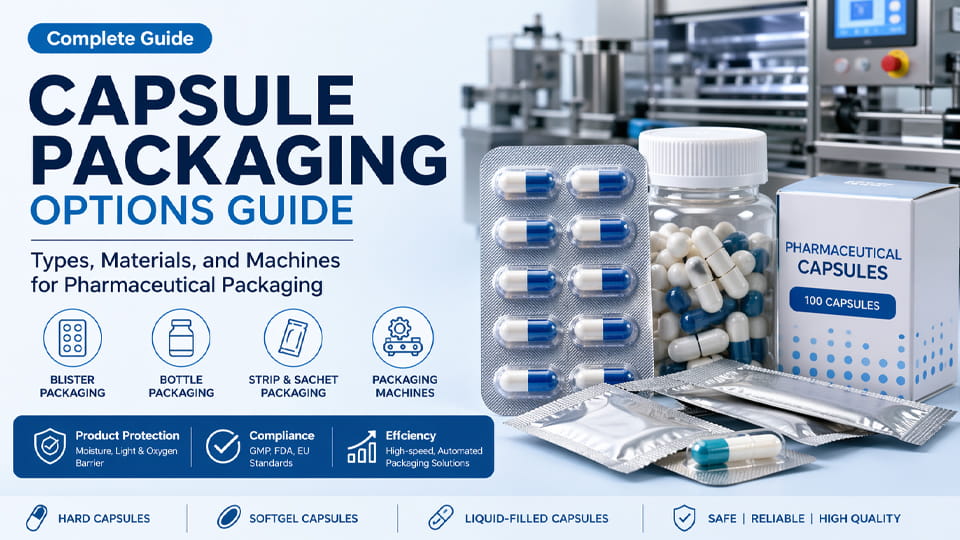
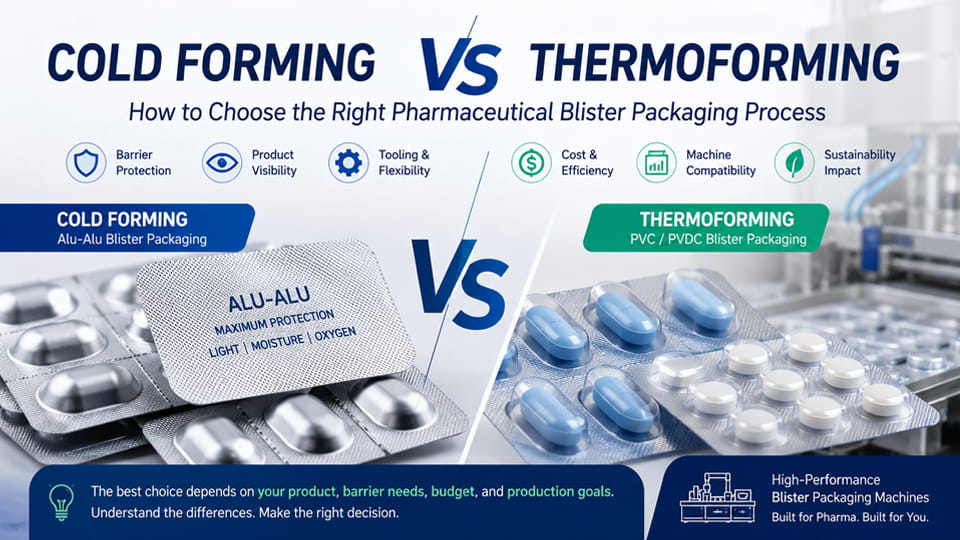
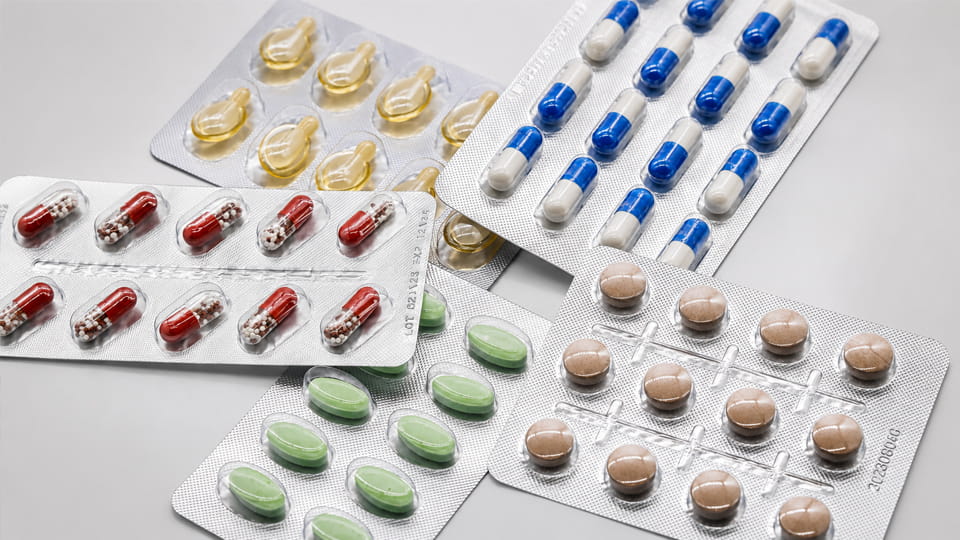
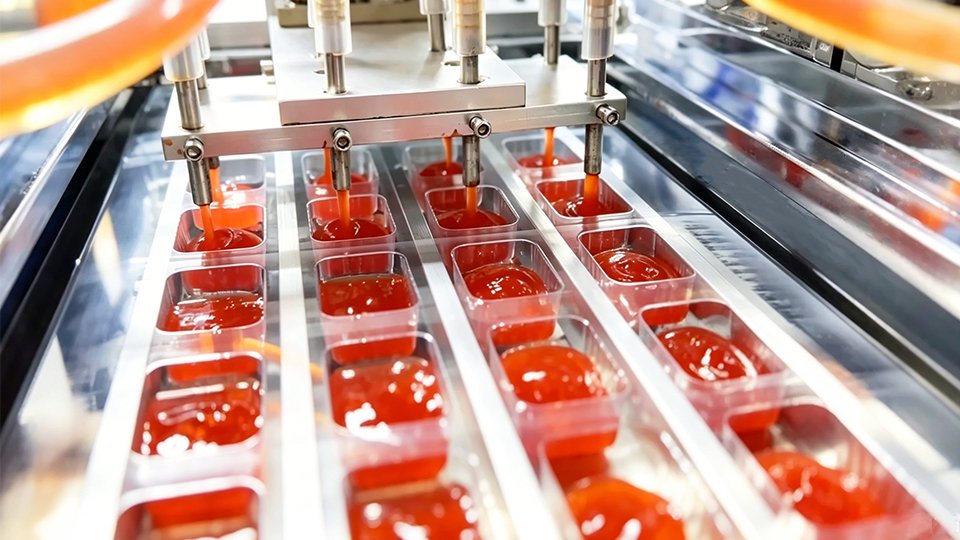
محصولات دارویی اغلب در بسته های تاول بسته می شوند برای حفاظت از دوز واحد و جذابیت قفسه. در بسته بندی بلیستر, دو روش اصلی شکل دهی عبارتند از گرمازا و شکل گیری سرد. ترموفرمینگ یک شبکه پلاستیکی را گرم می کند (مانند PVC یا PET) تا زمانی که انعطاف پذیر شود و سپس با جاروبرقی یا فشار دادن آن در قالب ها استفاده شود. شکل گیری سرد, در مقابل, از مهر زنی با فشار بالا بر روی لمینت چند لایه مبتنی بر آلومینیوم در دمای اتاق استفاده می کند. هر روشی از مواد متفاوتی استفاده می کند و نتایج بسیار متفاوتی به دست می دهد: تاول های ترموفرم شده شفاف و کم هزینه هستند, در حالی که سرد تشکیل شده است (الو الو) تاول ها مات هستند اما محافظت از سد بسیار بالاتری را ارائه می دهند. این راهنما نحوه کار آنها را شرح می دهد, تفاوت های کلیدی (مانع, هزینه, سرعت, و غیره), و نحوه انتخاب روش و ماشین مناسب برای محصول خود.
ترموفرمینگ چیست?
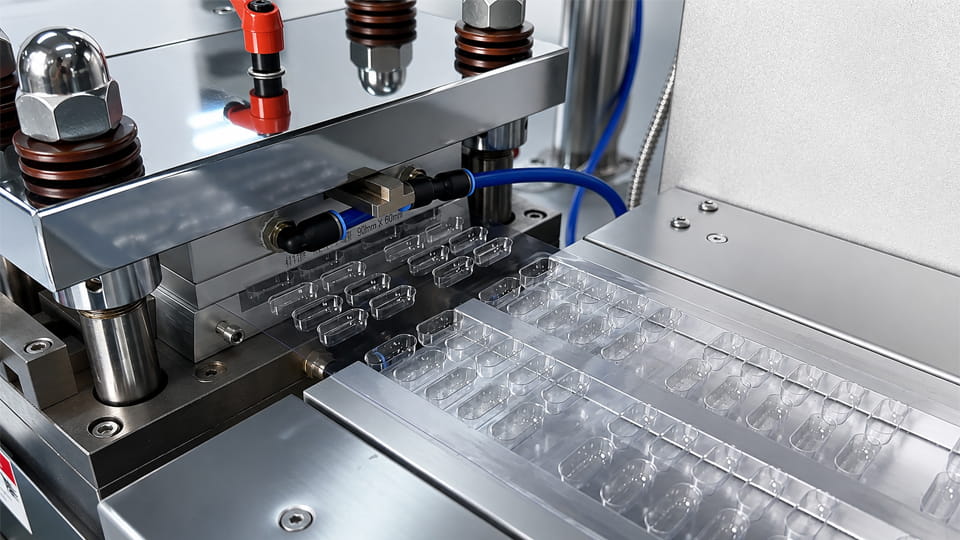
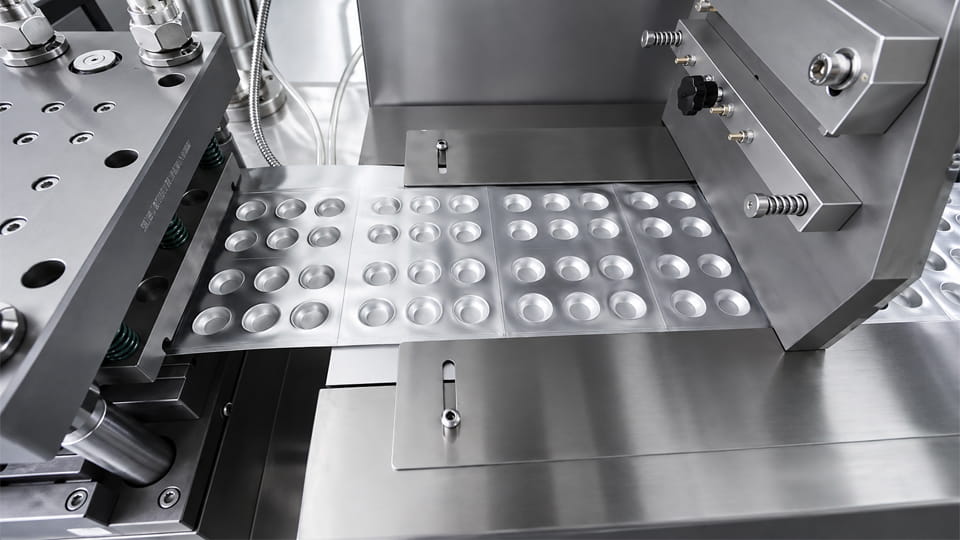
گرمازا بسته بندی تاول ورقه پلاستیکی را تا زمانی که نرم شود گرم می کند و سپس با خلاء یا فشار آن را به صورت حفره در می آورد.. یک واحد کنترل دما (اغلب 150-180 درجه سانتیگراد) PVC یا یک فیلم ترموپلاستیک دیگر را گرم می کند, که سپس روی قالب شکل می گیرد. وقتی فیلم خنک شد, حفره های تشکیل شده با محصول پر شده و با یک فویل یا درپوش کاغذی مهر و موم می شوند.
این فرآیند بسیار سازگار است: فیلم های تشکیل دهنده معمولی شامل PVC است, PET, PP, یا کوپلیمرها, گاهی اوقات با پوشش های مانع (پی وی سی, COC, PCTFE, و غیره). شکل دهی حرارتی انعطاف پذیری طراحی بالایی را ارائه می دهد - اشکال تاول می تواند عمیق یا پیچیده باشد (با استفاده از کمک های پلاگین) بدون تغییر مواد پایه. همچنین برای اجراهای بزرگ مقرون به صرفه است: فیلم های ترموپلاستیک ارزان هستند و ماشین ها با سرعت بالا کار می کنند. مزیت اصلی مقرون به صرفه بودن و توان عملیاتی است - همانطور که یکی از منابع اشاره می کند, "مزیت اصلی PVC هزینه کم و سهولت فرم دهی حرارتی است".
مزایای ترموفرمینگ
هزینه مواد کمتر: فیلم های پلاستیکی (حتی با پوشش های مانع) بسیار ارزان تر از فویل های فلزی چند لایه هستند. این باعث می شود هزینه های واحد برای تولید بزرگ کمتر شود.
سرعت بالاتر: ماشینهای ترموفرمینگ معمولاً سریعتر چرخش میکنند. به عنوان مثال, یک خط تاول حرارتی مدرن می تواند به خوبی اجرا شود 150 بسته ها/دقیقه, بالاتر از سرعت های معمولی شکل سرد.
دیده شدن محصول: بستههای شفاف PVC/PET به کاربران اجازه میدهد قرصها یا قرصهای داخل آن را ببینند. این شفافیت برای جذابیت مصرف کننده خوب است (به عنوان مثال. ویتامین های خرده فروشی) و برای بازرسی بصری.
انعطاف پذیری طراحی: اشکال پیچیده حفره یا کشش های عمیق را می توان با فیلم گرم شده به دست آورد (اغلب توسط جاروبرقی یا پلاگین کمک می شود). همچنین به راحتی با فرآیندهای آب بندی سریع و پر سرعت ادغام می شود.
محدودیت های شکل دهی حرارتی
حفاظت از موانع: یک فیلم پی وی سی ساده فقط یک متوسط سد رطوبت و اکسیژن. پی وی سی بدون پوشش دارای سرعت انتقال بخار آب بالایی است (به عنوان مثال. ~ 3 گرم در متر مربع · روز در 90٪ RH). برای بهبود ماندگاری, ترمو پک ها باید از فیلم های چند لایه گران قیمت استفاده کنند (به عنوان مثال. PVC/PVDC یا ورقه های PVC/PCTFE) یا فیلم های ضخیم تر. حتی آن زمان, مانع معمولاً زیر آنچه فویل آلومینیومی به دست می آورد باقی می ماند.
حساسیت به نور: فیلم های شفاف اجازه عبور نور UV و مرئی را می دهند. این بدان معناست که بسته های تاول گرما شکل شده هستند نه ایده آل برای داروهای حساس به نور - آنها عملاً هیچ محافظتی در برابر اشعه ماوراء بنفش ارائه نمی دهند مگر اینکه افزودنی های مسدود کننده UV اضافه کنید..
ماندگاری محدود: برای API های بسیار حساس به رطوبت یا واکنش پذیر, بسته های ترموفرم شده (حتی با پوشش ها) اغلب پایداری کوتاه تری می دهد. یادداشت های ویکی پدیا: "معایب [از PVC] سد ضعیفی در برابر نفوذ رطوبت و اکسیژن هستند..
هزینه های ابزار سفت و سخت: در حالی که ماشین آلات به طور کلی ارزان تر هستند, شکل دهی حرارتی عمیق ممکن است به قالب های دقیق و قالب های کمکی پلاگین نیاز داشته باشد, اضافه کردن به هزینه ابزار.
شکل گیری سرد چیست?
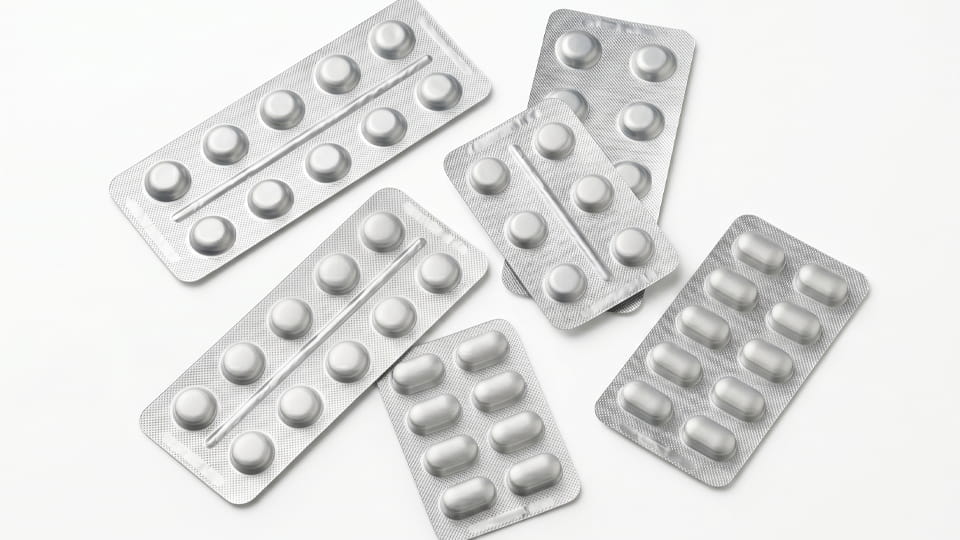
شکل گیری سرد (اغلب نامیده می شود الو الو بسته بندی تاول) از یک فیلم چند لایه مبتنی بر آلومینیوم به عنوان شبکه تشکیل دهنده استفاده می کند. یک لمینت معمولی به شکل سرد PVC / آلومینیوم / پلی آمید است, با لایه آلومینیومی در خارج. در این فرآیند, فیلم است نه گرم شده است. در عوض, یک پانچ قوی با فشار بالا، فویل را در حفره هایی در دمای اتاق قرار می دهد. آلومینیوم کشیده می شود اما به صورت پلاستیکی تغییر شکل می دهد, و پس از برداشتن مهر، شکل حفره را حفظ می کند. سپس هر حفره پر شده مهر و موم می شود (اغلب با درپوش کاغذی با پشت آلومینیوم یا فویل).
از آنجایی که شکل گیری سرد باعث گرم شدن مواد نمی شود, از هرگونه استرس حرارتی بر روی داروهای حساس جلوگیری می کند. نتیجه یک تاول است که کاملاً مات است (بدون مشاهده مطالب) اما فراهم می کند عالی مانع. فویل آلومینیومی تقریباً تمام رطوبت را متوقف می کند, اکسیژن, و نور از رسیدن به دارو, که می تواند عمر مفید را تا حد زیادی افزایش دهد.
مزایای شکل دهی سرد
مانع برتر: لایه های آلومینیومی تاول را تقریبا غیر قابل نفوذ می کند. همانطور که ویکی پدیا اشاره می کند: مزیت اصلی تاول های فویل سرد این است که استفاده از آلومینیوم یک سد تقریباً کامل برای آب و اکسیژن ایجاد می کند., اجازه دادن به تمدید تاریخ انقضای محصول". به همین دلیل است که از تاول های Alu-Alu برای رطوبت سنجی استفاده می شود, حساس به اکسیژن, یا داروهای حساس به نور.
محافظت در برابر رطوبت و نور: تاول هایی که به شکل سرد شکل می گیرند رطوبت را حفظ می کنند, اکسیژن و خاموش شدن نور. به عنوان مثال, فویل های چند لایه به طور کامل نور ماوراء بنفش/مرئی را مسدود می کنند و اطراف هر دوز را یک مهر و موم بدون هوا تشکیل می دهند.. این قدرت را برای داروهایی که در هوای مرطوب یا نور روشن به سرعت تجزیه می شوند، قفل می کند.
انعطاف پذیری مواد: وب تشکیل دهنده (PVC/Alu/PA) هنوز یک طرف PVC دارد, که شکل جیب را حفظ می کند و خاصیت ارتجاعی ایجاد می کند, در حالی که آلومینیوم محافظت می کند. این باعث می شود حفره قوی و کم عمق باشد, که اغلب برای اکثر قرص ها و کپسول ها کافی است.
محدودیت های شکل دهی سرد
هزینه مواد بالاتر: لمینت های آلومینیومی بسیار گران تر از فیلم های پلاستیکی هستند. فویل چندین لایه دارد (به عنوان مثال. 9-15μm Al به اضافه 80-100μm لایه های دیگر) و ترکیبات تخصصی, بنابراین هزینه مواد اولیه در هر بسته بالا است. یک منبع به طور خاص اشاره می کند "هزینه بسته های تاولی شکل سرد بیشتر از ترموفرمینگ است".
سرعت کمتر: به دلیل فرآیند مهر زنی و نیاز به دست زدن به فویل (که مانند پلاستیک قابل کشش نیست), ماشین های سرد با سرعت کمتر کار می کنند. همانطور که یک خلاصه اشاره می کند, تاول های فویل سرد از "سرعت تولید کندتر در مقایسه با فرم دهی حرارتی" رنج می برند..
بدون دید: دو طرف تاول آلومینیومی است (یا قسمت بالایی آن آلومینیومی است), بنابراین کاربران به هیچ وجه نمی توانند محصول را ببینند. این استفاده را برای محصولاتی که نیازی به تأیید بصری در قفسه ندارند محدود می کند. (همچنین به این معنی است که بسته های سازگار باید دارای برچسب چاپی خوبی باشند, از آنجایی که نمی توانید به صورت بصری محتوا را بررسی کنید.)
پوشیدن ماشین: ابزارها و قالب های سردساز بارهای سنگینی را تحمل می کنند, بنابراین ماشین ها باید بسیار مقاوم باشند. پانچ و ضد قالب باید دقیقا ساخته شوند و اغلب به فولاد ضخیم تری نیاز دارند, اضافه کردن تعمیر و نگهداری.
اندازه بسته بزرگتر: زیرا آلومینیوم نمی تواند به اندازه پلاستیک کشش یابد, حفره های سرد معمولاً کم عمق تر هستند یا دارای مرزهای اطراف بزرگ تری هستند. ویکیپدیا خاطرنشان میکند که بسته Alu-Alu معمولاً به پایان میرسد "اندازه بزرگتر کارت تاول" و دیوارهای جیبی کمتر شیب دار.
شکل دهی سرد در مقابل ترموفرمینگ: تفاوت های کلیدی
جدول زیر تفاوتهای اصلی بین بستهبندی تاولهای شکلدهنده گرما و شکلدهی سرد را نشان میدهد:
عامل
گرمازا
شکل گیری سرد (الو الو)
فرآیند شکل گیری
فیلم پلاستیکی را حرارت دهید تا نرم شود, سپس خلاء/فشار را به حفره ها تبدیل کنید.
فیلم های پلاستیکی (پی وی سی, PET, PP, اغلب با پوشش های مانع مانند PVDC).
لمینت فویل آلومینیومی چند لایه (به عنوان مثال. Alu/PVC/PA).
مانع (رطوبت / هوا)
معتاد (پی وی سی به تنهایی نفوذپذیر است; فیلم های پوشش داده شده با PVDC مانع را بهبود می بخشند).
عالی – فویل آلومینیومی تقریباً در برابر آب و اکسیژن نفوذ ناپذیر است.
حفاظت از نور
محدود - پلاستیک شفاف هیچ مانع UV/نور ندارد (مگر اینکه رنگدانه اضافه شود).
کامل - فویل مات تمام نور را مسدود می کند.
دید
شفاف - مشتری می تواند محصول را ببیند.
مات - محصول در داخل پنهان است.
سرعت تولید
به طور کلی بالاتر (خطوط با خروجی بالا).
به طور کلی کندتر است (مهر زنی مکانیکی سرعت را محدود می کند).
مادی & هزینه ماشین
فیلم پلاستیکی پایین تر ارزان تر است, ماشین ها ساده تر هستند.
بالاتر - لمینت های آلومینیومی هزینه بیشتری دارند, و ماشین ها به پرس های قوی نیاز دارند.
موارد استفاده معمولی
داروهای OTC با حجم بالا, ویتامین ها, قرص های استاندارد; زمانی که دید & هزینه مهم است.
رطوبت- یا داروهای حساس به نور (آنتی بیوتیک ها, بیولوژیک), عمر مفید طولانی مورد نیاز است.
هر یک از عوامل بالا منعکس کننده مبادلات بین دو روش است. ترموفرمینگ تمایل دارد از مواد ارزانتر استفاده کند و سریعتر اجرا شود, در حالی که در شکل دهی سرد از فویل های فلزی گران قیمت برای محافظت در سطح بالا استفاده می شود.
مقایسه تفصیلی: 8 عوامل کلیدی
به طور خلاصه, در اینجا هشت عامل اصلی وجود دارد که شکلدهی گرما و شکلدهی سرد را از هم جدا میکنند:
روش سازنده:
گرمازا: ورق پلاستیک است گرم شده است, سپس با خلاء/فشار روی قالب شکل میگیرد.
شکل گیری سرد: لمینت فلزی است سرد مهر شده با فشار بالا; آلومینیوم شکل را حفظ می کند.
مواد:
گرمازا: از فیلم هایی مانند پی وی سی, PET, PP (اغلب با پوشش های مانع PVDC/COC/COP). به عنوان مثال, بسیاری از خطوط تاول از PVC غیر پلاستیکی استفاده می کنند (RPVC) به عنوان شبکه تشکیل دهنده.
شکل گیری سرد: از an استفاده می کند لمینت بر پایه آلومینیوم (به طور معمول PVC / آلومینیوم / نایلون). این "فیل شکل سرد" مخصوصاً برای شکل دهی با موانع بالا مهندسی شده است.
رطوبت & سد گاز:
گرمازا: یک فیلم پی وی سی لخت مانع ضعیفی دارد (WVTR ~3g/m²·روز, OTR ~ 20 میلی لیتر در متر مربع· روز). فیلم های پی وی سی چند لایه (پوشش داده شده با PVDC یا کواکسترود شده با PCTFE/COC) می تواند این را بهبود بخشد, اما هرگز تا سطح فویل فلزی. ویکیپدیا اشاره میکند که ضرر PVC این است "سد ضعیف در برابر رطوبت و اکسیژن".
شکل گیری سرد:عالی. فویل آلومینیومی یک مانع تقریبا غیرقابل نفوذ ایجاد می کند. همانطور که اشاره شد, تاول های سرد شکل الف "نزدیک به سد کامل برای آب و اکسیژن", تا حد زیادی تمدید انقضا.
حفاظت از نور:
گرمازا: فیلم های شفاف همه نور را از خود عبور می دهند (مگر اینکه از فیلم های رنگدانه خاصی استفاده کنید یا مواد مسدود کننده UV را اضافه کنید). به همین دلیل است که تاول های PVC شفاف هستند نه برای داروهای حساس به نور توصیه می شود.
شکل گیری سرد: کامل. بلوک های فویل مات 100% از نور, محافظت از API های حساس به نور.
سرعت تولید:
گرمازا: به طور معمول بالاتر. زیرا فیلم های پلاستیکی به سرعت تغذیه می شوند و چرخه های تشکیل سریع هستند, این خطوط اغلب از 150 تا 200 بسته در دقیقه فراتر می روند (در ماشین های دوار پیشرفته).
شکل گیری سرد: به طور کلی کندتر است. مهر زنی و جابجایی فویل، توان عملیاتی را محدود می کند. حتی ماشینهای با فرم سرد بالا معمولاً در زیر قرار دارند 100 بسته در دقیقه برای طرح های عمیق Alu-Alu.
هزینه (مادی & تجهیزات):
گرمازا: هزینه فیلم خام پلاستیکی در هر متر خطی بسیار کمتر از فویل 3 لایه است. ماشین آلات ساده تر هستند (فقط صفحات گرمایش و ایستگاه های خلاء), بنابراین هزینه اولیه دستگاه به طور کلی کمتر است. یک منبع خلاصه می کند, "مزایای اصلی" PVC هزینه کم و شکل دهی آسان آن است.
شکل گیری سرد: بالاتر. فویل تخصصی گران است, و ماشین ها باید قوی تر باشند. یادداشت مطالعاتی "تجهیزات بسته بندی تاول شکل سرد ... به ویژه برای محصولات حساس به رطوبت مناسب است,” اما با هزینه حق بیمه.
دید محصول:
گرمازا: بله - محصول از طریق پلاستیک شفاف قابل مشاهده است. برای نمایش خرده فروشی یا بررسی آسان دوز مناسب است.
شکل گیری سرد: خیر - کاملاً مات.
برنامه های کاربردی معمولی:
گرمازا: قرص/کپسول استاندارد OTC و نسخهای که مانع بالا مهم نیست (به عنوان مثال. داروهای مسکن, ویتامین ها). داروسازی فله, مکمل, یا هر محصولی که نیاز به یک خط سریع سریع دارد. همچنین برای بسته بندی تاول پزشکی دستگاه های غیر استریل.
شکل گیری سرد: داروهای ممتاز یا بحرانی (به عنوان مثال. آنتی بیوتیک ها, API های حساس, آنزیم های بسته بندی شده در خلاء) و هر محصولی که به حداکثر رطوبت/نور و ماندگاری طولانی نیاز دارد. اغلب در PTP دیده می شود (فشار از طریق) بسته برای دوز بسیار پایدار, یا برای محصولاتی که در سطح جهانی با آب و هوای متغیر توزیع می شوند.
این تفاوت ها نشان می دهد گرمازا در سرعت برتر است, هزینه و دید, در حالی که شکل گیری سرد در حفاظت و ثبات عالی است. در عمل, طراحان این عوامل را با نیازهای محصول می سنجند.
انتخاب روش مناسب: راهنمایی برای خریداران ماشین آلات دارویی
نیازهای ثبات محصول: شماست API یا فرمولاسیون بسیار حساس به رطوبت, اکسیژن یا نور? اگر بله, سرد شکل گرفته (الو الو) معمولاً به تاول نیاز است. اگر محصول شما نسبتاً پایدار است (به عنوان مثال. تبلت استاندارد), ترموفرمینگ احتمالا کافی است.
ماندگاری مورد نظر: آیا محصول نیاز به انقضای طولانی دارد؟ (18+ ماه ها)? بسته های سرد به دلیل داشتن مانع برتر می توانند عمر مفید را به میزان قابل توجهی افزایش دهند. برای ماندگاری کوتاه (<1 سال) محصولات, بسته های پی وی سی اغلب قابل قبول هستند.
حجم و سرعت تولید: آیا به توان عملیاتی بسیار بالا نیاز دارید؟? خطوط ترموفرمینگ معمولاً سریعتر کار می کنند, بنابراین آنها برای تولید در مقیاس بزرگ مناسب هستند. برای مجموعه های کوچکتر از داروهای بسیار ارزشمند, روش سرد کندتر ممکن است قابل قبول باشد.
محدودیت های هزینه: اگر بودجه محدود باشد و نیازهای موانع متوسط باشد, ترموفرمینگ اقتصادی تر است. به عنوان مثال, Jinlupacking اشاره می کند که "هزینه بسته های تاول شکل سرد بیشتر از ترموفرمینگ است". هزینه مواد و تجهیزات را در تجزیه و تحلیل TCO خود در نظر بگیرید.
نظارتی / نیازهای بازار: برخی بازارها یا فرمولاسیون ها ممکن است نیاز دارند بسته بندی خاص. به عنوان مثال, یک مشخصات نظارتی ممکن است فویل Alu-Alu را برای یک آنتی بیوتیک خاص الزامی کند, یا بازاریابی ممکن است از بسته بندی شفاف برای یک ویتامین مارک استفاده کند.
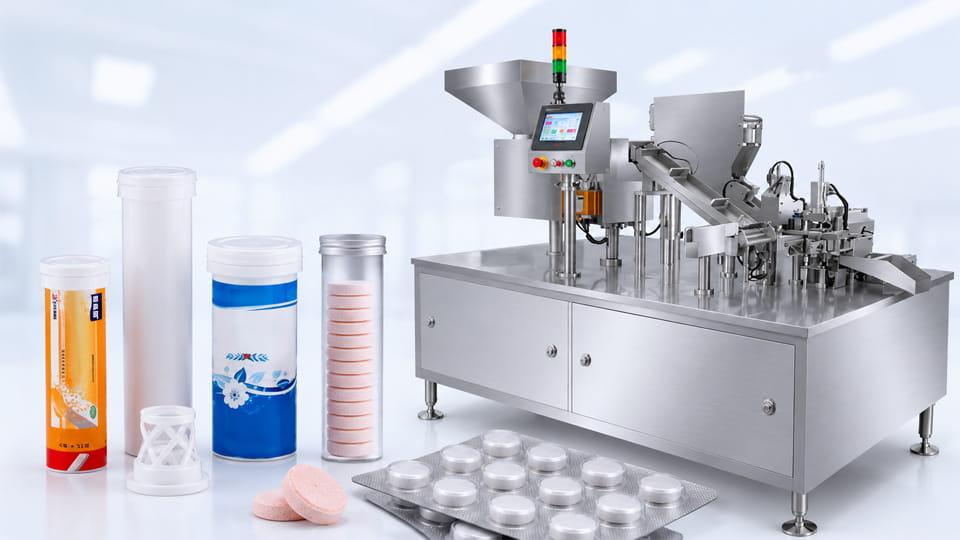
سازگاری با ماشین: در نظر بگیرید که آیا یک ماشین برای هر دو روش یا خطوط جداگانه می خواهید. چند ماشین مدرن (مثل جینلو دستگاه تاول پز DPP-180PRO) می توان برای هر دو ترمو پیکربندی کرد- یا سرد شدن, اما بسیاری از شرکت ها از خطوط اختصاصی برای بهینه سازی هر فرآیند استفاده می کنند.
دستگاه تاول DPP-180pro برای قرص کپسولی
یک قانون سرانگشتی: از ترموفرمینگ برای داروهای استاندارد استفاده کنید، جایی که دید مشتری و هزینه آن کلیدی است; از شکل دهی سرد برای نیازهای با مانع بالا در جایی که حفاظت در درجه اول اهمیت است استفاده کنید.
زمان انتخاب ترموفرمینگ
محصول شما نیست فوق العاده رطوبت- یا حساس به نور (تبلت های اصلی OTC, ویتامین ها).
سرعت تولید بالا و هزینه کم در اولویت هستند.
بسته بندی شفاف می خواهید تا محصول دیده شود.
عمر مفید مورد انتظار نسبتا کوتاه یا متوسط است.
شما قصد دارید از فیلم های پلاستیکی استاندارد استفاده کنید (پی وی سی, روکش PVDC/PVDC, COC, و غیره).
دستگاه بسته بندی تاول شما برای ایستگاه های شکل دهی گرم راه اندازی شده است.
چه زمانی باید شکل دهی سرد را انتخاب کرد
محصول شماست بسیار حساس به رطوبت / اکسیژن یا حساس به نور (به عنوان مثال. قرص های رطوبت سنجی, استرول ها, برخی از بیولوژیک ها).
شما به بهترین مانع و طولانی ترین عمر مفید نیاز دارید.
شما دوندگی کمتری دارید یا مایلید سرعت را برای محافظت عوض کنید.
شما می توانید بسته بندی مات را بپذیرید (یا از برچسب های سنگین برای تمایز استفاده کنید).
بودجه اجازه می دهد برای هزینه مواد بالاتر (لمینت های آلو فویل).
ماشین آلات شما (یا تامین کننده) از فرآیند شکل سرد با قالب های فلزی محکم پشتیبانی می کند.
به عنوان مثال, بسیاری از بسته های تاولی سرد دارویی دارای برچسب "الو الو” روی فویل. اینها دقیقاً زمانی انتخاب می شوند به حداکثر رساندن پایداری دارو هدف است.
مقایسه هزینه
هزینه یک ملاحظات عمده است. هزینه های مواد: فیلم پی وی سی (حتی با پوشش PVDC) به مراتب ارزانتر از لمینت آلومینیومی 3 لایه است. بر اساس هر واحد, مواد یک بسته ترموفرم شده ممکن است فقط چند سنت باشد, در حالی که یک بسته فویل Alu-Alu معادل می تواند مضرب آن باشد. یک منبع صنعتی این را تایید می کند "هزینه بسته های تاولی شکل سرد بیشتر از ترموفرمینگ است".
هزینه های ماشین آلات و OEE: ماشین های ترموفرمینگ عموما ساده تر هستند (واحدهای گرمایش و اتاق خلاء) و اغلب برای نگهداری ارزان تر است. ماشین های سرد نیاز به مشت های سنگین و گاهی تغذیه دوگانه دارند (برای فویل های داخلی و خارجی), که می تواند هزینه های سرمایه ای را افزایش دهد. با این حال, اگر شکل دهی سرد مانع از دست دادن محصول شود (به عنوان مثال. از فساد), هزینه اولیه بالاتر ممکن است توجیه شود. همیشه در نظر بگیرید کل هزینه مالکیت, از جمله خرابی, نگهدار, و ضایعات مواد, نه فقط سرعت خط.
خطوط انتخاب ماشین و بسته بندی
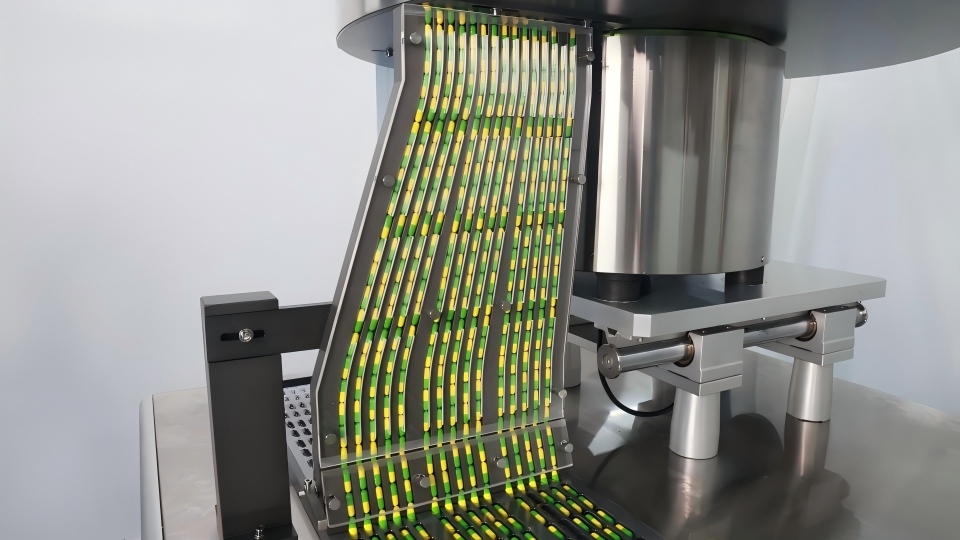
انتخاب شما خط بسته بندی را نیز تعیین می کند. دستگاه های بسته بندی تاول برای یک یا فرآیند دیگر مهندسی شده اند. بوها دستگاه تاول ساز گرما دارای ایستگاه های گرمایشی و وکیوم می باشد; بوها دستگاه تاول ساز سرد یک پرس بزرگ و فیدر فویل خواهد داشت. برخی از ماشین های هیبریدی (اغلب در تحقیقات یا استفاده در مقیاس پایین) می تواند حالت ها را تغییر دهد, اما یک خط معین معمولاً برای یک روش بهینه می شود.
به عنوان مثال, جینلو دستگاه تاول غلتکی DPH-270Max قادر به هر دو روش است, اما بیشتر خطوط تولید اختصاص داده خواهد شد. اگر ترموفرمینگ را انتخاب کنید, خود را تضمین کنید تجهیزات بسته بندی تاول از فیلم انتخابی شما پشتیبانی می کند (ضخامت پی وی سی, نوع پوشش) و دارای کنترل دمای کافی می باشد. اگر فرمینگ سرد را انتخاب می کنید, مطمئن شوید که دستگاه شما می تواند رول های فویل Alu-Alu را تحمل کند و نیروی مهر زنی لازم را داشته باشد.
هنگام صحبت با تامین کنندگان, نیازهای محصول خود را ذکر کنید: اگر به «دستگاه بستهبندی تاول برای بستهبندی تاولهای Alu-Alu» یا «ماشین بستهبندی تاولساز حرارتی برای فیلمهای PVC/PVDC» نیاز دارید، بگویید.
چگونه تصمیم بگیریم: یک چک لیست سریع
ارزیابی حساسیت محصول: بررسی کنید که آیا داروی شما نیاز به محافظت در برابر رطوبت دارد یا خیر, اکسیژن, یا نور. اگر هر از این موارد حیاتی هستند, به احتمال زیاد تشکیل سرد مورد نیاز است.
اهداف ماندگاری: آیا انقضای تمدید شده مورد نیاز است? برای 2+ سال ماندگاری, سد Alu-Alu امن ترین انتخاب است.
الزامات بصری: آیا می خواهید مشتریان محصول را ببینند؟? اگر بله, به نفع ترموفرمینگ (شفاف).
حجم تولید & هزینه: برای حجم بسیار بالا و حساسیت به هزینه, ترموفرمینگ معمولاً برنده است. اگر حجم کمتر و هزینه محصول بالا باشد, سرعت پایینتر شکلگیری سرد ممکن است قابل قبول باشد.
قابلیت های ماشین: تایید کنید که شما دستگاه تاول می تواند مواد انتخابی را اداره کند. بسیاری از تولید کنندگان می توانند هر دو نوع را ارائه دهند, اما شما به ابزار و راه اندازی صحیح خط نیاز دارید.
اگر شک دارید, با یک متخصص مشورت کنید: مهندسان بسته بندی اغلب پایداری داروی خاص را در مواد مختلف مدل می کنند. اما یک اکتشافی خوب این است شکل گیری سرد (خوش آمدید) بهترین محافظت را با هزینه بالاتر ارائه می دهد, و ترموفرمینگ (پلاستیکی) بهترین دید و توان عملیاتی را با هزینه کمتر ارائه می دهد.
نتیجه گیری
شکل دهی سرد و ترموفرمینگ هر کدام مزایا و معایب واضحی دارند. گرمازا (بر پایه پی وی سی) سریع است, شفاف, و مقرون به صرفه است, و آن را برای بسیاری از داروهای معمولی ایده آل می کند. شکل گیری سرد (خوش آمدید) کندتر و پرهزینه تر است, اما رطوبت بی نظیری را ارائه می دهد, حفاظت از اکسیژن و نور برای ارزش بالا, داروهای حساس. در عمل, بسته های ترموفرمینگ برای قرص های استاندارد استفاده می شود, ویتامین ها و محصولات OTC, در حالی که بسته های سرد برای داروهای حساس به رطوبت یا داروهای با انقضای طولانی انتخاب می شوند.
در نهایت, تصمیم شما باید توسط الزامات محصول. اگر مانع نهایی ضروری است, شما احتمالا بسته تاول آلو آلو را در دستگاه بسته بندی تاول شکل سرد انتخاب می کنید. اگر به سرعت نیاز دارید, دید و صرفه جویی در هزینه, یک بسته ترموفرم PVC در دستگاه تاولکننده گرمافرمینگ احتمالا کافی است.
با خیال راحت با متخصصین بسته بندی ما تماس بگیرید برای راهنمایی. ما می توانیم حق را توصیه کنیم دستگاه بسته بندی تاول اتوماتیک و برای محصول خود پردازش کنید - چه به خط تاول حرارتی با سرعت بالا نیاز داشته باشید یا به شکل سرد (خوش آمدید) دستگاه تاول.
با انتخاب مناسب بسته بندی تاول، سازگار و مقرون به صرفه بمانید!
پرسشهای متداول درباره بستههای تاول شکلدهی سرد در مقابل گرمافرمینگ
تفاوت بین شکل دهی سرد و ترموفرمینگ چیست؟?
ترموفرمینگ از گرما برای شکل دادن لایه پلاستیکی به حفره های تاول استفاده می کند, در حالی که شکل دهی سرد به صورت مکانیکی یک ورقه ورقه ای مبتنی بر آلومینیوم را بدون حرارت فشار می دهد. ترموفرمینگ معمولا سریعتر و مقرون به صرفه تر است, در حالی که شکل دهی سرد محافظت مانع قوی تری را فراهم می کند.
آیا شکل دهی سرد بهتر از ترموفرمینگ است?
نه لزوما. شکل دهی سرد برای محصولاتی که نیاز به محافظت قوی در برابر رطوبت دارند بهتر است, اکسیژن, یا نور, در حالی که شکل دهی حرارتی اغلب برای محصولات پایدار در صورت هزینه ترجیح داده می شود, سرعت, و دیده شدن محصول در اولویت هستند.
که ارزان تر است, شکل دهی سرد یا ترموفرمینگ?
ترموفرمینگ عموماً هزینه کمتری دارد. مواد تشکیل دهنده پلاستیک معمولاً قیمت کمتری نسبت به ورقه های آلومینیومی مورد استفاده برای بسته بندی تاول های Alu-Alu به شکل سرد دارند., اگرچه هزینه کل نیز به سرعت دستگاه بستگی دارد, ابزار سازی, و الزامات تولید.
که محافظت بهتری در برابر رطوبت ایجاد می کند?
شکلدهی سرد معمولاً محافظت بهتری در برابر رطوبت ایجاد میکند. ورقه ورقه بر پایه آلومینیوم آن یک مانع بسیار قوی ایجاد می کند, آن را برای محصولات دارویی حساس به رطوبت مناسب می کند. نیاز واقعی باید از طریق مطالعات پایداری محصول و بسته بندی تایید شود.
که سریعتر است, شکل دهی سرد یا ترموفرمینگ?
ترموفرمینگ عموما سریعتر از شکل دهی سرد است. فرآیند تشکیل آن برای تولید در حجم بالا مناسب است, در حالی که شکلدهی سرد معمولاً با سرعتهای پایینتری اجرا میشود، زیرا ورقهای آلومینیومی به شکلدهی مکانیکی نیاز دارد.
چرا از بسته بندی تاول آلو آلو برای داروهای حساس استفاده می شود؟?
بسته بندی تاول آلو آلو محافظت عالی در برابر رطوبت ایجاد می کند, اکسیژن, و نور. بنابراین معمولاً برای محصولات دارویی با حساسیت بالا به قرار گرفتن در معرض محیطی یا الزامات ماندگاری مورد توجه قرار می گیرد..
ترموفرمینگ برای بسته بندی تاول های دارویی مناسب است?
بله. ترموفرمینگ به طور گسترده ای برای قرص ها و کپسول ها استفاده می شود که محصول به بالاترین سطح محافظت از مانع نیاز ندارد.. موادی مانند PVC و PVC/PVDC می توانند سطوح مختلفی از محافظت در برابر رطوبت را بسته به فرمولاسیون و مشخصات بسته ارائه دهند..
تفاوت بین بستههای بلیستر Alu-Alu و تاولهای ترموفرم چیست؟?
یک بسته تاول آلو-آلو از ورقهای شکلدهنده بر پایه آلومینیوم استفاده میکند و مات است., در حالی که یک تاول ترموفرم معمولاً از یک فیلم پلاستیکی استفاده می کند و می تواند شفاف باشد. Alu-Alu محافظت از سد قوی تری را ارائه می دهد, در حالی که ترموفرمینگ عموماً دید بهتر و هزینه کمتری را ارائه می دهد.
آیا یک دستگاه بسته بندی تاول می تواند هم فرمینگ سرد و هم فرم دهی حرارتی را انجام دهد?
معمولاً بدون طراحی یا پیکربندی دستگاه خاص نیست. این دو فرآیند به سیستم های شکل دهی متفاوتی نیاز دارند, ابزار سازی, و جابجایی مواد. اگر هر دو فرمت مورد نیاز است, سازنده دستگاه باید سازگاری را قبل از خرید تأیید کند.
چگونه بین دستگاه تاولساز سرد و ترموفرمینگ یکی را انتخاب کنم؟?
با حساسیت محصول شروع کنید, عمر مفید مورد نیاز, مواد بسته بندی, حجم تولید, و هزینه هدف. هنگامی که حفاظت با مانع بالا حیاتی است، شکل دهی سرد را انتخاب کنید; ترموفرمینگ در هنگام سرعت را انتخاب کنید, دید, و بهره وری هزینه مهمتر است.
مد کوچک, بنیانگذار Jinlupacking, به ارمغان می آورد 20 سالها تخصص در بخش ماشین آلات دارویی. تحت رهبری او, جینلو تبدیل به یک تامین کننده قابل اعتماد با طراحی یکپارچه شده است, تولید, و فروش. پتی مشتاق به اشتراک گذاری دانش عمیق خود در صنعت است تا به مشتریان کمک کند تا پیچیدگی های بسته بندی دارو را طی کنند., اطمینان حاصل شود که آنها نه تنها تجهیزات را دریافت می کنند, اما یک مشارکت خدمات یک مرحله ای واقعی متناسب با اهداف تولید آنها.