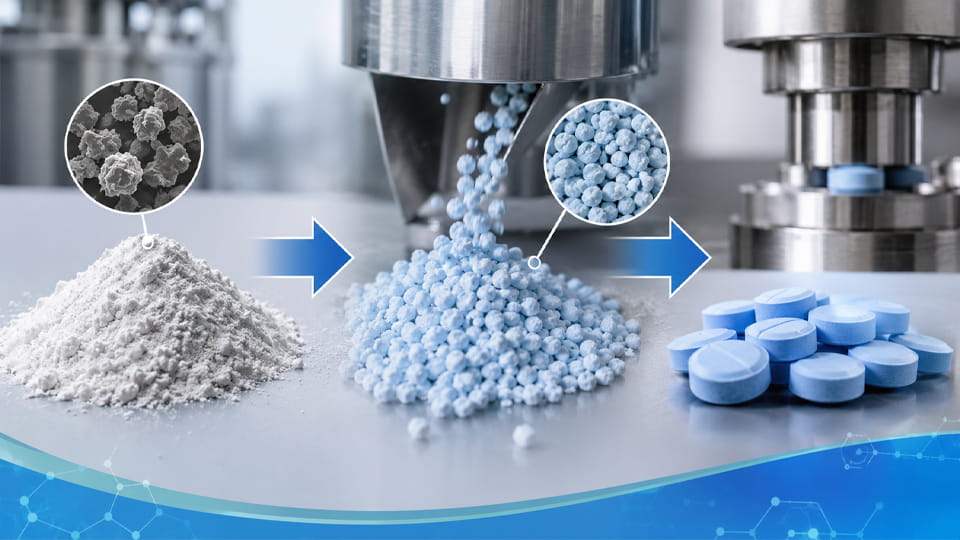

تصور کنید سرعت خود را افزایش داده اید دستگاه فشار روتاری تبلت (دستگاه پرس قرص یا دستگاه فشرده سازی قرص) برای افزایش خروجی - و ناگهان تبلت ها شروع به نرم شدن می کنند, ترک خورده, یا دربندی. چه اتفاقی افتاد? در پرس چرخشی با سرعت بالا, زمان سکونت - زمانی که هر تبلت تحت حداکثر فشرده سازی سپری می کند - کاهش یافته است. زمان ماندن به سادگی دورهای است که در طی آن سر پانچ در تماس کامل با غلتک فشاری است. از نظر عملی, این چند میلی ثانیه فشاری است که هر قرص دریافت می کند. زمان اقامت را به خوبی کنترل کنید, و شما قوی می شوید, قرص های ثابت; عجله کن, و شما در معرض خطر نقص هستید.
زمان ماندن در فشرده سازی تبلت یک پارامتر حیاتی است. این به طور مستقیم بر سختی تبلت تأثیر می گذارد, استحکام کششی, و نرخ نقص (مانند دربندی, لمینیت, یا شکنندگی). همچنین به سرعت مطبوعات و انتخاب ابزار. در این مقاله, ما زمان ماندن چیست را تجزیه خواهیم کرد, چگونه محاسبه می شود, چرا برای کیفیت تبلت مهم است, و چگونه می توانید آن را در دستگاه تبلت چرخشی خود مدیریت کنید (ماشین ساخت رایانه). ما بینشهای صنعت و مطالعات اخیر را به اشتراک میگذاریم تا تصویری واضح به شما ارائه دهیم - بدون اصطلاحات مربوط به کتاب درسی. شیرجه بزنیم.
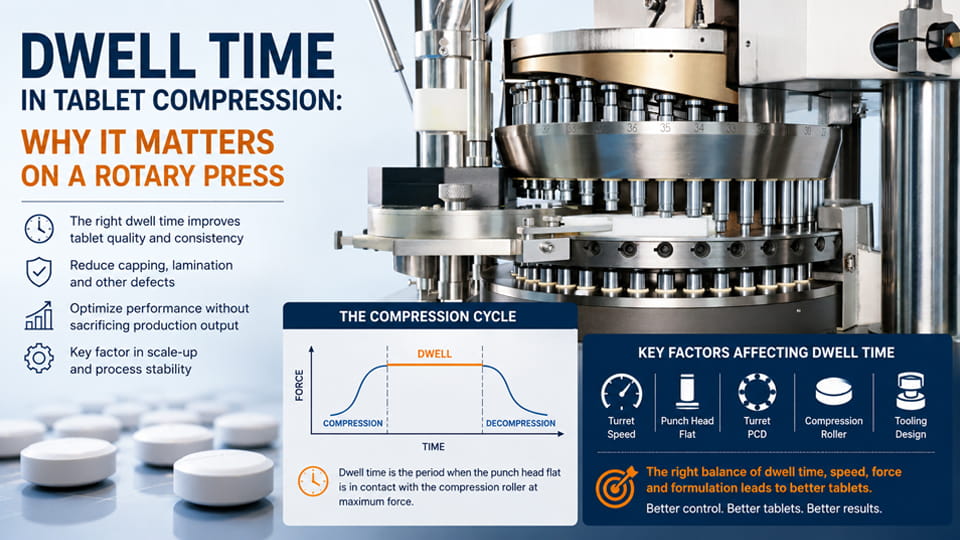
زمان سکونت زمانی است که سر پانچ در هنگام تشکیل قرص در تماس با غلتک فشرده باقی می ماند. یک تعریف رایج این است: دوره ای که در طی آن نیروی تراکم بیشتر از حدود است 90% اوج ارزش آن. در دستگاه پرس قرص دوار, که درست بعد از پر کردن پودر اتفاق می افتد و پیش فشرده سازی, هنگامی که هر دو مشت با نیروی کامل قفل می شوند و پودر را فشرده می کنند.
به عنوان مثال, دستگاه پرس تبلت JinLu (410 میلی متر PCD) در حال اجرا در 50 RPM با استاندارد 9.525 میلی متر پانچ تخت می دهد در مورد 8.9 ms از سکونت. اگر به یک توسعه یافته مبادله کنید 15 میلی متر صاف (همان سرعت), dwell پرش به ~14.0 ms - تقریباً a 50% افزایش دهد. می توانید ببینید که چگونه طراحی ابزار نقش مهمی ایفا می کند.
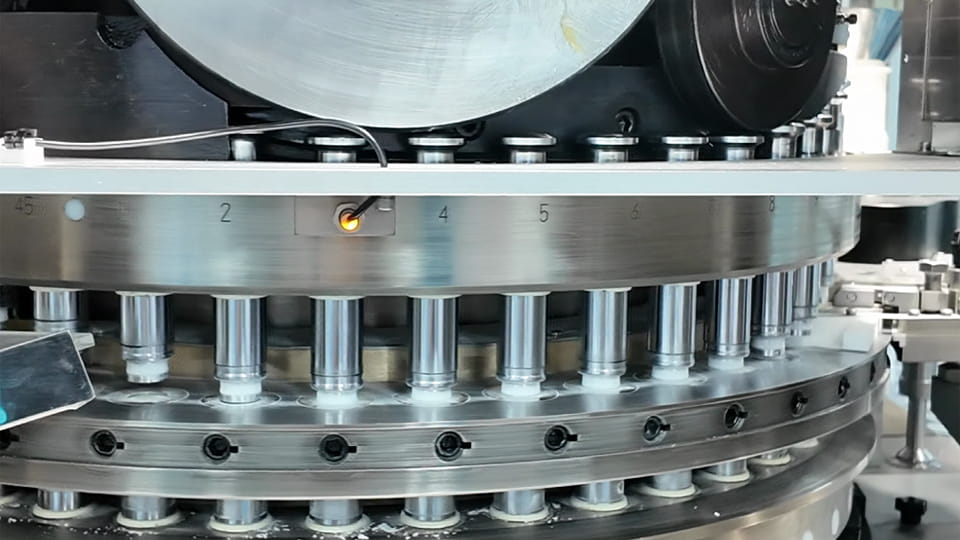
در پرس قرص چرخشی, سرعت برجک (دور در دقیقه) و زمان ماندن ارتباط معکوس دارند. هر چه برجک سریعتر بچرخد, زمان ماندن در هر پانچ کوتاه تر است. به آن مانند شاتر دوربین فکر کنید: هر چه سریعتر حرکت کند, هر شات زمان کمتری برای نوردهی دارد. در دستگاه تبلت چند ایستگاهی , تمام پانچ ها یک بار در هر چرخش برجک از زیر غلتک عبور می کنند, بنابراین:
به عنوان مثال, یک مطبوعات در 30 RPM ممکن است بدهد 15 ms ساکن شود (فقط به عنوان یک تصویر), اما در 60 RPM فقط 7.5 میلی ثانیه خواهد بود. بسیاری از سازندگان تبلت به این مبادله توجه می کنند: سرعت دستگاه, و تبلتها میتوانند نرمتر شوند یا شروع به بسته شدن کنند، مگر اینکه چیز دیگری را تنظیم کنید. همانطور که یکی از راهنمایان جینلو اشاره می کند, "سرعت بالاتر برجک به معنای زمان تراکم کمتر است, بنابراین ممکن است برای جبران سکونت از دست رفته به پیش فشرده سازی بیشتری نیاز باشد.. به طور خلاصه, فشار دادن RPM برای خروجی به قیمت زمان ماندگاری تمام می شود - یک کیفیت کلیدی در مقابل. تعادل کمیت.
زمان ماندن اهمیت دارد زیرا مدت زمانی که بستر پودری تحت حداکثر فشار است را کنترل می کند. ماندگاری طولانی تر اجازه می دهد تا ذرات تغییر شکل دهند, تنظیم مجدد, و پیوند کامل تری برقرار کنید. خیلی کوتاهه, و قرص ها ممکن است پیوندهای قوی ایجاد نکنند. در اینجا دلایل اصلی وجود زمان ماندگاری یک پارامتر مهم در فشرده سازی تبلت است:
نکته کلیدی: زمان اقامت یکی از عوامل کلیدی است (با نیروی فشرده سازی و فرمولاسیون) که کیفیت تبلت را تعیین می کند. تولیدکنندگان اغلب مشکلات را با دستکاری dwell حل می کنند: بسیاری از فرمولهای قرصها حساس هستند و به زمان بیشتری تحت فشردهسازی نیاز دارند تا اطمینان حاصل شود که بدون ایراد از روی پرس جدا میشوند.. در مجموع, زمان ماند مناسب به دستیابی به سختی هدف و در عین حال اجتناب کمک می کند عیوب مانند درپوش یا ترک خوردگی.
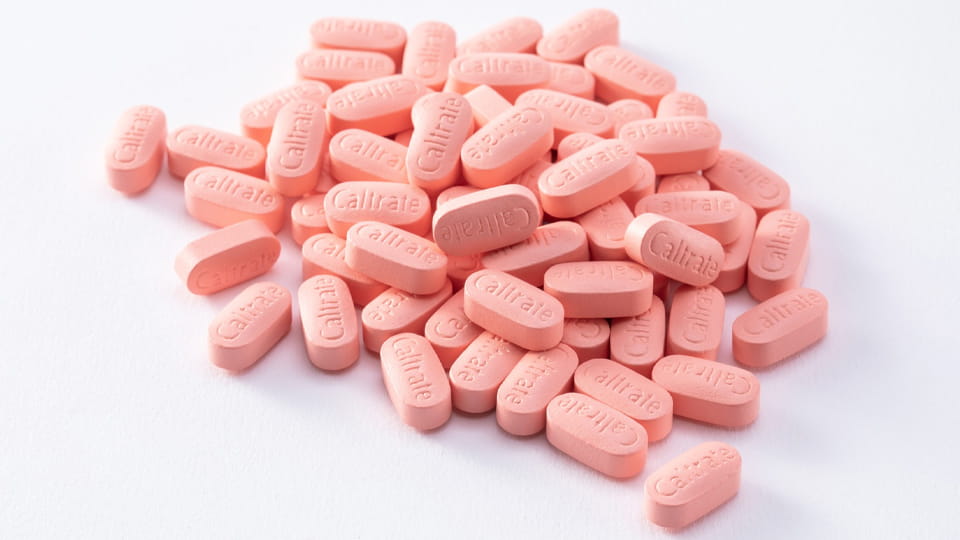
وقتی زمان ماندگاری برای یک فرمول معین خیلی کوتاه است, ممکن است نقص های رایج تبلت ظاهر شود. به زبان ساده, پودر زمان فشرده شدن کافی را ندارد. برخی از اثرات عبارتند از:
با این حال, مهم است که توجه داشته باشید که اثر می تواند باشد وابسته به مواد. یک مطالعه اخیر با استفاده از شبیه ساز تراکم نشان داد که در محدوده زمانی واقعی پرس های مدرن است (تقریباً 10-100 میلیثانیه), تاثیر بر قدرت تبلت می تواند باشد "حاشیه ای تا ناموجود بسته به مواد". به عبارت دیگر, برای برخی مواد, آستانه ای وجود دارد که فراتر از آن اقامت اضافی تغییر چندانی نمی کند. این مطالعه حتی به این نتیجه می رسد که در عمل فقط نرخ کرنش (سرعت) در یک مقیاس زمانی واقع بینانه اهمیت دارد. اما به طور کلی, اگر تبلتهای شما ترک نشان میدهند, لکه های نرم, یا خواص ناهموار هنگامی که شما سرعت مطبوعات را افزایش می دهید, کوتاه شدن زمان ماندن اغلب مقصر است.
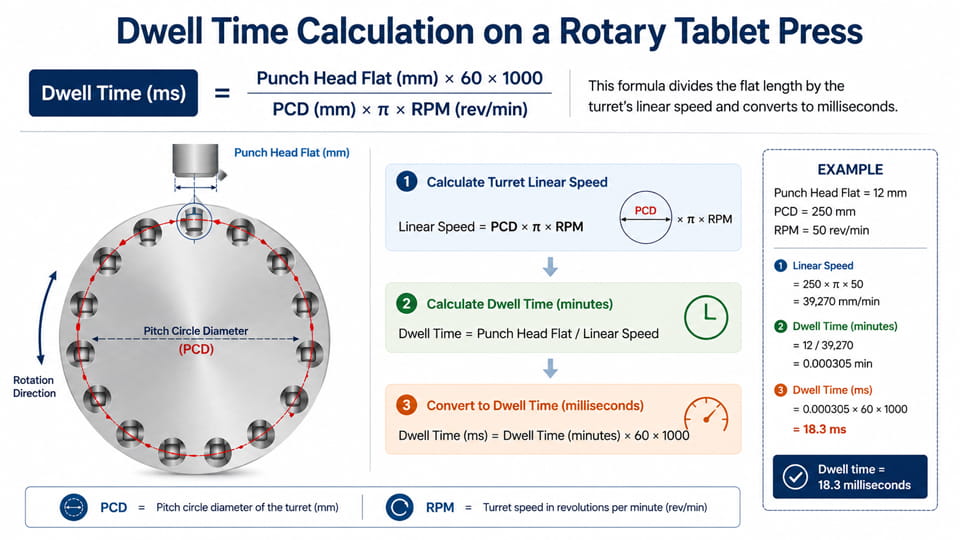
از آنجایی که زمان ماندن به هندسه و سرعت پانچ بستگی دارد, می توانیم آن را با یک فرمول ساده محاسبه کنیم. مراجع صنعت به زمان اقامت هندسی (GDT) به عنوان:
زمان سکونت (اماس) = (سر پانچ قطر صاف (میلی متر) × 60 × 1000) / (π × PCD (میلی متر) × دور در دقیقه)
کجا PCD قطر دایره گام برجک است, و دور در دقیقه سرعت برجک بر حسب دور در دقیقه است. این فرمول اساسا طول تخت را بر سرعت خطی برجک تقسیم می کند و به میلی ثانیه تبدیل می شود..
به عنوان مثال, یک بولتن فنی JinLu نشان می دهد که در a 410 میلی متر برجک در 50 دور در دقیقه, یک استاندارد 9.525 میلی متر بازده مسطح در حدود 8.88 اماس, در حالی که الف 15.0 میلی متر بازده مسطح در حدود 13.98 اماس. که با فرمول بالا مطابقت دارد. در عمل, شما اغلب نمودارها یا ماشین حساب هایی را بر اساس این فرمول می بینید; تخت پانچ بزرگتر و برجک بزرگتر (PCD بزرگتر) به مدت طولانی تری در همان دور در دقیقه بمانید.
مثال: فرض کنید یک پانچ با a دارید 6 میلی متر صاف روی پرس با 350 mm PCD در حال اجرا در 120 دور در دقیقه. به فرمول وصل کنید:
ساکن شوید (اماس) ≈ (6 × 60,000) / (p × 350 × 120) ≈ (360000) / (131946) ≈ 2.7 اماس.
فقط 2.7 ms ساکن شود! RPM را رها کنید 60, و سکون دو برابر می شود تا ~5.4 میلی ثانیه. یا افزایش سر صاف به 12 میلی متر, و دوباره دوبرابر ساکن شوید. این محاسبات ساده به R کمک می کند&مهندسان D و تولید میدانند که چگونه انتخابهای طراحی بر سکونت تأثیر میگذارند.
فراتر از سرعت برجک, عوامل متعددی بر زمان واقعی ماندن در یک پرس تأثیر میگذارند:
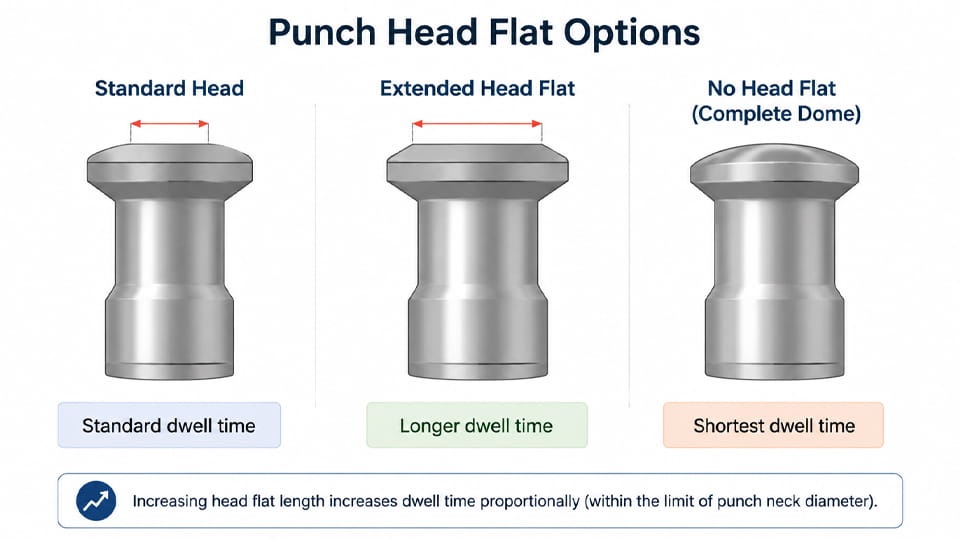
به طور خلاصه, برای افزایش زمان ماند بدون کاهش سرعت برجک, شما معمولاً سر پانچ را صاف می کنید (یا از پانچ های کشیده/بیضوی استفاده کنید) یا از پرس با قطر برجک بزرگتر استفاده کنید. فروشندگان ابزار مدرن (مثل جین لو) پانچ های مسطح گسترده ای را ارائه دهید که متناسب با دوربین های موجود باشد. همانطور که JinLu اشاره می کند، ساده ترین راه حل اغلب این است, "افزایش قطر سر صاف، ساده ترین راه برای طولانی کردن زمان ماند بدون کاهش سرعت برجک است.".
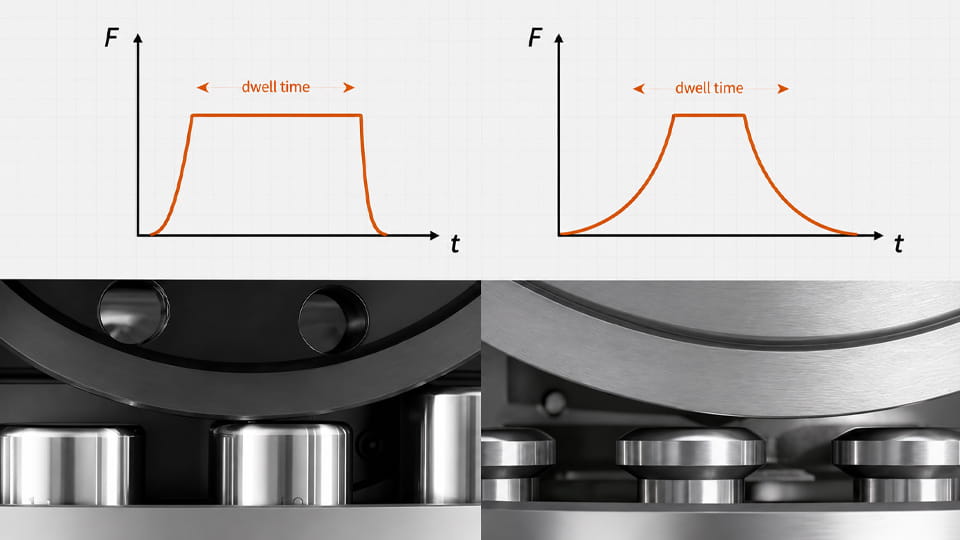
تشخیص مفید است هندسی ساکن (محاسبه شده از هندسه تجهیزات) از مبتنی بر زور ساکن (زمان واقعی یک تبلت اوج نیرو را می بیند). سکونت هندسی همان چیزی است که با فرمول بالا محاسبه می کنید. اما در عمل, حداکثر نیرو فوری نیست - کمی افزایش می یابد, به خصوص با مواد الاستیک یا در نرخ های فشرده سازی مختلف.
R اخیر&D این را برجسته می کند: بوها 2024 مطالعه سکونت هندسی را مقایسه کرد (GDT) به زمان ماندگاری که توسط شبیه ساز تراکم اندازه گیری می شود (DTF) وقتی نیرو بالاتر است 90%. آنها دریافتند که DTF هم با نیروی فشرده سازی و هم با فرمولاسیون متفاوت است. به عبارت دیگر, اگر پرس را در دور مشخصی تنظیم کنید, واقعی "زمان بالا 90% اگر تبلت سفت باشد یا اگر رمپ نیرو کند باشد ممکن است از GDT کوتاهتر باشد. تفاوت در DTF بین فرمولاسیون با افزایش نیروی فشار کاهش یافت, به این معنی که نیروی زیاد بیشتر از زمان هندسی موجود استفاده می کند.
دلالت: محاسبات هندسی پایه خوبی هستند, اما برای پیش بینی دقیق (به خصوص در R&D و افزایش مقیاس) باید رفتار فشرده سازی واقعی را در نظر گرفت. بسیاری از کارشناسان پیشنهاد میکنند در صورتی که ماندگاری حیاتی است، پروفیلهای نیرو در مقابل زمان را برای یک فرمول اندازهگیری کنید. هنوز, برای اکثر نیازهای تولید, سکونت هندسی و تغییرات ابزار گسترده برای تنظیم فرآیند کافی است.
کاهش سرعت مطبوعات راه واضحی برای طولانیتر کردن سکونت است, اما توان عملیاتی را کاهش می دهد. در اینجا استراتژی هایی برای سکونت بیشتر وجود دارد در حالی که خروجی را بالا نگه می دارد:
به طور خلاصه: سر صاف و ابزارهای بهینه سازی شده بهترین راه حل هستند. همانطور که یکی از کارشناسان صنعت می گوید, "ابزار تخت سر بیضوی... زمان ماندن در پرس موجود را بدون هیچ گونه تغییر گران قیمت افزایش می دهد". این به شما امکان می دهد در حین افزایش سکون، سرعت برجک و دوربین های مشابه را حفظ کنید. محصولات خود جینلو فقط به همین دلیل طرحهای «فشار زمان طولانیتر» را نشان میدهند.
این وسوسه انگیز است که فکر کنید «فقط نیروی بیشتری اعمال کنید» تا مدت کوتاهی را جبران کنید, اما این محدودیت هایی دارد. نیروی بیشتر گاهی اوقات می تواند قدرت تبلت را بهبود بخشد, اما همچنین باعث افزایش فشار بر روی ابزار می شود و اگر هوا را به دام بیندازد می تواند درپوش را بدتر کند. جینلو به افزایش زمان ماندن اشاره می کند ممکن است نیروی مورد نیاز برای سختی قرص معین را کاهش دهد. برعکس, اگر بدون سکون نیرو میل کنید, شما در معرض خطر مشکلات جهش و عیوب برجسته سازی هستید.
تحقیقات مدرن تفاوت های ظریفی را اضافه می کند: به جای ماندن در تنهایی, نرخ کرنش (مربوط به سرعت فشرده سازی) اغلب محرک اصلی در مقیاس تولید است. غذای آماده: صرفاً افزایش نیرو همیشه برابر با تبلت بهتر نیست, به خصوص اگر سکونت خیلی کوتاه باشد. یک رویکرد متعادل - نیروی فشرده سازی متوسط با ماندگاری کافی - معمولاً برای کیفیت و عمر ابزار بهترین است.
بزرگ شدن از یک R&پرس D یا پایلوت به پرس چرخشی تجاری بسیار مشکل است. یک دلیل اصلی: زمان ماندن در پرس آزمایشگاه (اغلب با سرعت آهسته یا تک ایستگاهی) معمولاً بسیار طولانی تر از پرس تولیدی با سرعت بالا است. اگر فرمولاسیونی حساس به ماندگاری باشد, دستور العملی که در آزمایشگاه خوب به نظر می رسید ممکن است در مقیاس بسته یا نرم شود.
برای رسیدگی به این, کارشناسان توصیه می کنند:
خلاصه, هنگام حرکت به سمت سرعت تولید، همیشه قدرت تبلت را بررسی کنید. اگر قرص ها در RPM بالا ضعیف شوند, مسکن گمشده احتمالا مقصر است. برخی آر&تیم های D حتی فرمول ها را تنظیم می کنند (بنده, روان کننده ها) برای کاهش حساسیت ماندگاری قبل از افزایش مقیاس.
از آنجایی که زمان ماندن مستقیماً با طراحی پرس ارتباط دارد, در انتخاب تجهیزات نقش دارد. برای تولید با سرعت بالا, در نظر گرفتن:
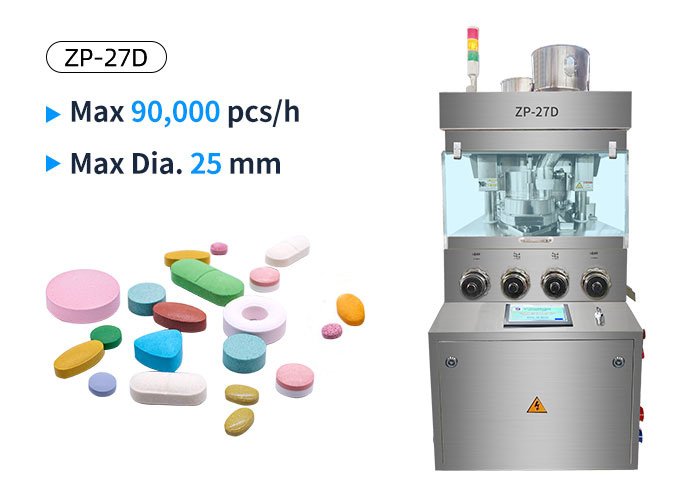
در نهایت, از خود بپرسید: آیا به 100 هزار قرص در ساعت نیاز دارید؟ 8 قطر میلی متر, یا 60 هزار برای همان بازده کافی است? انتخاب پرس مناسب یک معامله بین سرعت و ماندگاری است, و بهترین ماشین دستگاهی است که کیفیت مورد نیاز را در خروجی دلخواه شما به شما بدهد.
زمان سکونت - فشار چند میلی ثانیه در فشرده سازی تبلت - ممکن است چیز کوچکی باشد, اما تاثیر زیادی دارد. تاثیر می گذارد سختی قرص, شکنندگی, و عیوب مانند درپوش یا لمینیت. در ساخت تبلت های پرسرعت, زمان ماندن نقاط بین سرعت فشار را به هم متصل می کند, طراحی ابزار, و کیفیت تبلت. یک سکونت کوتاه می تواند قرص های نرم یا معیوب را نشان دهد; یک محل سکونت با مدیریت خوب می تواند فرمولاسیون های سخت را در مقیاس کارایی کند.
خبر خوب این است که زمان ماندن نیز قابل مدیریت است. با درک عوامل (دور برجک, پانچ اندازه تخت, طراحی پرس) و اعمال اصلاحاتی مانند پانچ های طولانی یا پیش فشرده سازی بهینه شده, شما می توانید به اهداف کیفیت و تولید خود دست پیدا کنید. به یاد داشته باشید که با استفاده از پانچ فلت و مشخصات برجک، میزان اقامت مورد انتظار را محاسبه کنید, و همیشه در مقیاس با اندازه گیری های واقعی اعتبار سنجی کنید. همانطور که تحقیقات اخیر تایید می کند, نرخ کرنش و فرمولاسیون نیز کلیدی هستند - اما حتی پس از آن, زمان مناسب اقامت اغلب تفاوت کیفی ایجاد می کند.
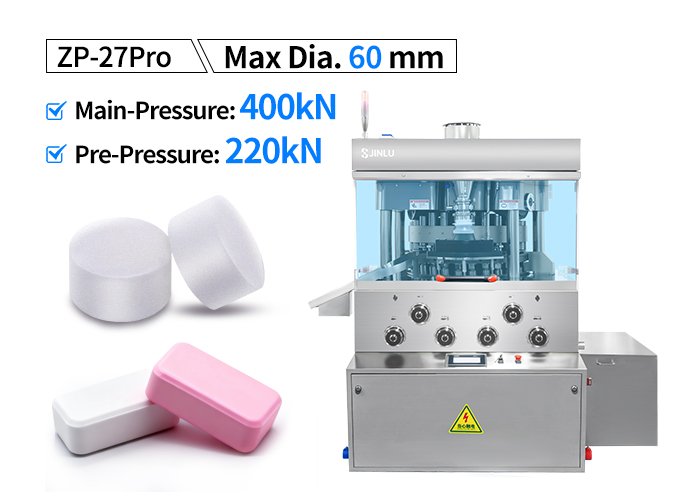
اگر تولید شما دارای مسائل حساسی است, اقدام کنند. سر تخت های بزرگتر را امتحان کنید, تنظیم پیش فشرده سازی, یا با کارشناسان تجهیزات مشورت کنید. بسته بندی جینلو پرس های قرص چرخشی با سرعت بالا و ابزار با در نظر گرفتن این عوامل طراحی شده اند - برای مثال, دستگاه پرس قرص قرص 400 کیلونیوتن دارای یک "طراحی پرس زمان طولانی تر" برای اطمینان از فشرده سازی کامل. مهندسان ما می توانند به شما کمک کنند تا دستگاه و راه اندازی مناسب را پیدا کنید زمان اقامت به شما کمک می کند, به شما صدمه نمی زند.
آماده برای بهینه سازی تولید تبلت شما? با بسته بندی جینلو تماس بگیرید امروز. تیم ما می تواند فرمول و پارامترهای شما را بررسی کند, سرعت ایده آل برجک یا تغییرات ابزار را پیشنهاد دهید, و حتی آزمایشهایی را روی دستگاههای چاپ داخلی خود اجرا کنید. ما طیف وسیعی از دستگاه های پرس قرص دوار – از مدلهای رومیزی گرفته تا سیستمهای با خروجی بالا – همه برای کنترل مطمئن زمان ماندگاری مهندسی شدهاند. اجازه ندهید کوتاهی ها تبلت های شما را تضعیف کنند. همین حالا تماس بگیرید و بیایید مطمئن شویم هر قرصی که از پرس شما بیرون می آید قوی است, دست نخورده, و دقیقا همان چیزی که شما نیاز دارید.
زمان ماندن در فشرده سازی قرص دوره ای است که در طی آن قسمت صاف سر پانچ در طول تشکیل قرص زیر غلتک فشرده سازی اصلی باقی می ماند.. معمولاً در میلی ثانیه اندازه گیری می شود (اماس). روی پرس قرص چرخشی, زمان ماند عمدتاً تحت تأثیر هندسه سر پانچ است, سرعت برجک, و هندسه را فشار دهید.
زمان ماندگاری مهم است زیرا بر نحوه واکنش فرمولاسیون به فشرده سازی تأثیر می گذارد, به خصوص در سرعت های تولید بالاتر. زمان ماندگاری کوتاهتر میتواند زمان در دسترس برای یکپارچهسازی را کاهش دهد و ممکن است به کاهش استحکام قرص یا نقصهایی مانند پوشش و لمینیت در فرمولاسیونهای حساس به محلول کمک کند.. با این حال, اثر آن به فرمولاسیون بستگی دارد و باید همراه با نیروی فشاری ارزیابی شود, نرخ کرنش, ابزار سازی, و سایر پارامترهای فرآیند.
افزایش سرعت برجک به طور کلی زمان ماندن را کاهش می دهد زیرا سرهای پانچ در غلتک های تراکمی سریعتر حرکت می کنند.. کاهش RPM برجک زمان ماندگاری را افزایش می دهد اما توان تولید تبلت را نیز کاهش می دهد. از این رو, تولیدکنندگان تبلت به جای اجرای پرس تبلت در حداکثر دور در دقیقه، باید سرعت پرس را با کیفیت و قابلیت پردازش تبلت متعادل کنند.
یک محاسبات هندسی متداول است:
زمان سکونت (اماس) = (سر پانچ صاف × 60 × 1000) / (PCD × π × RPM)
اینجا, سر پانچ صاف و PCD بر حسب میلی متر اندازه گیری می شود, در حالی که RPM نشان دهنده سرعت برجک است. به عنوان مثال, با یک 12 میلی متر سر پانچ صاف, 250 میلی متر PCD, و 50 دور در دقیقه, زمان ماند هندسی محاسبه شده تقریباً است 18.34 اماس. این محاسبه زمان ماندگاری هندسی را توصیف می کند; زمان ماندگاری واقعی مبتنی بر نیرو می تواند بسته به شرایط فشار و فشار متفاوت باشد.
عوامل اصلی شامل سرعت برجک است, سر پانچ هندسه مسطح, قطر دایره گام (PCD), طراحی ابزار, و هندسه پرس تبلت. افزایش سرعت برجک معمولاً زمان ماندن را کوتاه می کند, در حالی که یک سر پانچ بزرگتر به طور کلی دوره سکونت هندسی را افزایش می دهد. طراحی پرس و پیکربندی ابزار نیز بر مشخصات فشرده سازی واقعی تأثیر می گذارد.
زمان ماندگاری طولانیتر میتواند استحکام قرص را برای برخی از فرمولها با دادن زمان بیشتری تحت فشردهسازی بهبود بخشد, اما در هر مورد به طور خودکار تبلت های سخت تری تولید نمی کند. سختی قرص و استحکام کششی نیز به خواص فرمولاسیون بستگی دارد, نیروی فشرده سازی, نرخ کرنش, ابزار سازی, و سایر شرایط فرآیند. از این رو, زمان ماند باید برای فرمول خاص بهینه شود تا اینکه به طور پیش فرض حداکثر شود.
زمان ماند ناکافی میتواند به دربندی یا لمینیت در فرمولاسیونهایی که به سرعت فشردهسازی و دورههای فشردهسازی کوتاه حساس هستند کمک کند.. با این حال, این عیوب می توانند دلایل متعددی داشته باشند, از جمله گیر افتادن هوا, بازیابی الاستیک, خواص فرمولاسیون, پیش فشرده سازی ناکافی, نیروی فشرده سازی, روانکاری, و وضعیت ابزار. بنابراین زمان ماند باید به عنوان بخشی از فرآیند عیبیابی فشردهسازی گستردهتر بررسی شود.
گزینه ها ممکن است شامل استفاده از ابزار با سر پانچ بزرگتر باشد, بهینه سازی هندسه پانچ و فشرده سازی رول, با استفاده از پیش فشرده سازی مناسب, یا انتخاب یک پرس قرص چرخشی که برای ارائه پروفایل فشرده سازی مناسب طراحی شده است. صرفاً کاهش سرعت برجک مستقیم ترین راه برای افزایش زمان ماندن هندسی است, اما توان عملیاتی را نیز کاهش می دهد. بهترین راه حل به فرمولاسیون بستگی دارد, ابزار سازی, اندازه تبلت, و میزان تولید مورد نیاز.
زمان ماندن به طور خاص با دوره ای مرتبط است که قسمت صاف سر پانچ با غلتک فشاری در تماس است و پانچ موقعیت عمودی خود را نسبت به غلتک تغییر نمی دهد.. زمان فشرده سازی اصطلاح گسترده تری است که می تواند دوره ای را که در آن فشرده سازی اتفاق می افتد توصیف کند. از این رو, زمان ماندن نباید به طور خودکار با زمان فشرده سازی کل یکسان در نظر گرفته شود.
زمان ماندن در حین افزایش مقیاس مهم است زیرا تغییر از R&پرس تبلت D یا آزمایشگاهی به پرس قرص چرخشی تولیدی می تواند سرعت برجک را تغییر دهد, هندسه پانچ, شرایط فشرده سازی, و زمان در دسترس برای تراکم. اگر پرس تولیدی با مشخصات فشرده سازی متفاوتی کار کند, سختی قرص, استحکام کششی, شکنندگی, یا نرخ نقص ممکن است تغییر کند. بنابراین مقایسه شرایط فشرده سازی مربوطه در طول افزایش مقیاس می تواند به شناسایی مشکلات احتمالی قبل از تولید در مقیاس کامل کمک کند.
مراجع:
1.بررسی اثرات زمان ماندن و نرخ کرنش بارگذاری بر تراکم پودر و خواص قرص: مطالعه شبیه ساز تراکم —— ScienceDirect
2.وقت خود را در تبلت بگذرانید: زمان ماند با توجه به نیرو در مقابل زمان ماند هندسی —— تیلور & فرانسیس آنلاین
3.تأثیر زمان طولانی ماندن در دوره قبل- و فشرده سازی اصلی بر روی خواص قرص ایبوپروفن —— کتابخانه ملی پزشکی
4.تاثیر طراحی سر پانچ بر کیفیت فیزیکی قرص های تولید شده در پرس چرخشی —— کتابخانه ملی پزشکی
5.نقش ساکن در تغییر شکل فشرده در طول قرص: یک نمای کلی —— دانشگاه موناش
6.فیزیک فشرده سازی در توسعه فرمول بندی قرص ها —— کتابخانه ملی پزشکی



