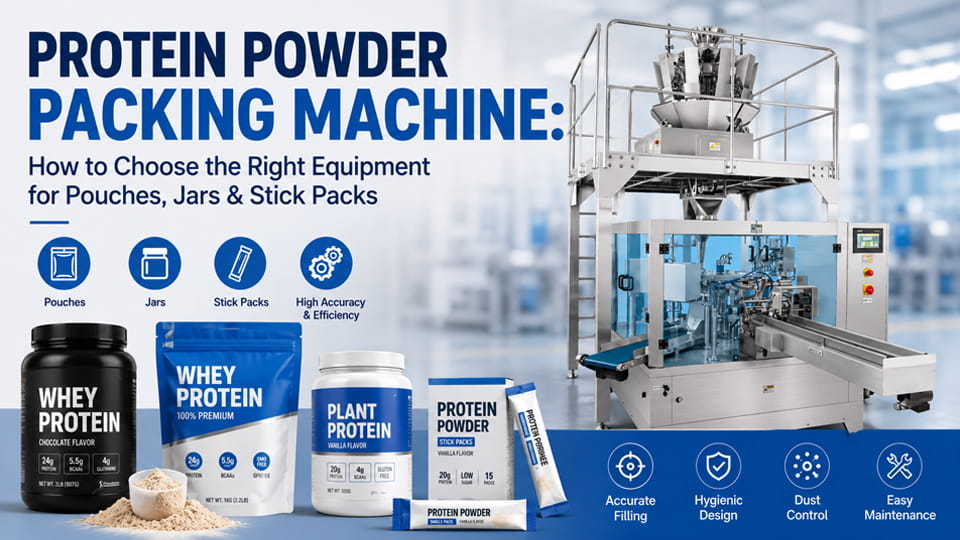
بسته بندی پودر پروتئین به طور موثر برای تولید کنندگان مکمل و مواد غذایی ضروری است. چه در حال پر کردن وان های بزرگ پروتئین آب پنیر برای خرده فروشی یا یک وعده کوچک هستید ساشه ها برای مشتریان در حال حرکت, انتخاب درست ماشین آلات بسته بندی همه تفاوت را ایجاد می کند. یک خودکار بسته بندی پودر پروتئین خط می تواند دوز, پر کردن, و صدها ظروف در ساعت را با دقت ثابت مهر و موم کنید. در این راهنما, ما توضیح خواهیم داد که چرا ماشینهای پرسرعت کلید بستهبندی پودری کارآمد هستند, فرمت های بسته بندی اصلی را مقایسه کنید (کوزه, کیسه, بسته های), و ویژگی هایی را که باید هنگام انتخاب تجهیزات مناسب جستجو کنید را مرور کنید. این را به عنوان "نمای کلی ماشین آلات" دوستانه خود در نظر بگیرید - آنچه یک مدیر عملیات یا مهندس تدارکات هنگام تهیه منبع جدید می پرسد. خط بسته بندی پودر.
چرا از ماشین بسته بندی اتوماتیک پودر پروتئین استفاده کنید؟?
حتی مارک های کوچک پودر پروتئین نیز به سرعت از بسته بندی های دستی با اسکوپ رشد می کنند. یک دستگاه بسته بندی اتوماتیک می تواند به طور چشمگیری نرخ تولید را افزایش دهد (اغلب 10× یا بیشتر نسبت به دستی) در حالی که اطمینان حاصل می شود که وزنه های پر شده نقطه ای هستند. به عنوان مثال, خطوط بسته بندی پودر کاملاً یکپارچه می توانند به ترتیب خروجی داشته باشند 200 واحد در دقیقه, در مقابل 15 واحد زمانی که با دست بسته بندی شود. این نیاز به نیروی کار را کاهش می دهد (اغلب نیروی کار را 60 تا 80 درصد کاهش می دهد.) و خطوط را به سمت بهره وری در سطح جهانی سرعت می بخشد.
فراتر از سرعت, ماشین های خودکار بهبود می یابند قوام و بهداشت. با سروو کنترل پرکننده های مارپیچ و چک وزنه ها, هر وان یا کیسه ای با تحمل محدود پر شده است. این باعث کاهش هدایا می شود (هدر دادن پودر اضافی) و شکایات مشتریان. ماشین های بسته نیز پودر را در خود نگه می دارند, جلوگیری از آلودگی و پاکسازی نامرتب. برای شرکت های غذایی یا دارویی, جلسه CGMP یا استانداردهای FDA حیاتی است - استخراج غبار داخلی و محفظه های مهر و موم شده به حفظ یک محیط اتاق تمیز کمک می کند.. به طور خلاصه, برای هر تولید کننده پودر پروتئین با اندازه معقول, یک دستگاه بسته بندی لوکس نیست، بلکه یک ضرورت برای افزایش سودآوری و ایمن است.
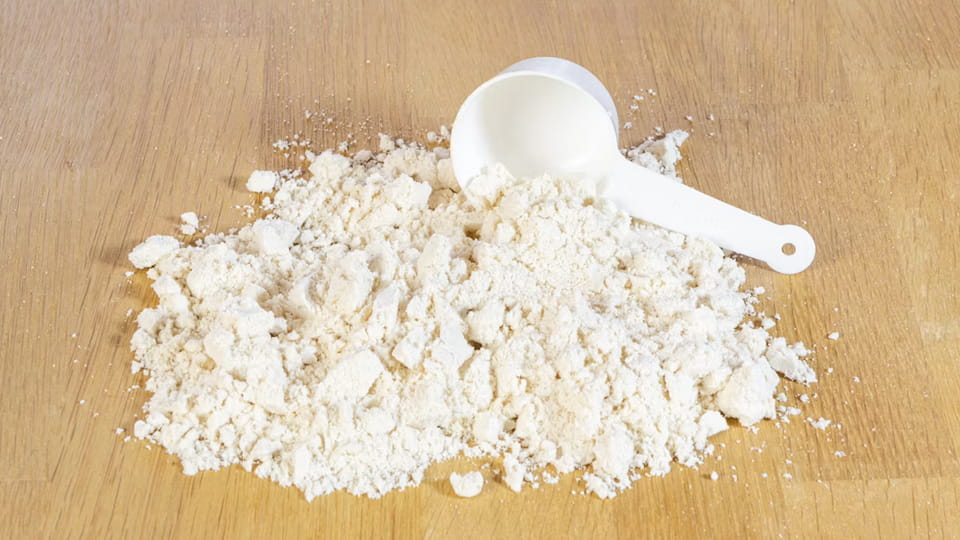
شکل: پودر پروتئین خوب است, ماده ای آزاد که به راحتی می تواند گرد و غبار شود. با دقت بالا پرکننده های مارپیچ معمولا برای دوز کردن پودر در شیشه ها استفاده می شود, کیسه ها یا ساشه ها.
فرمت های بسته بندی اصلی پودر پروتئین
اولین تصمیم این است قالب ظرف. پودر پروتئین معمولا به یکی از سه شکل ارسال می شود: شیشه / وان (ظروف سخت), کیسه های ایستاده (کیسه ها), یا بسته های چوبی / ساشه (چوب های تک وعده ای). هر کدام موارد استفاده خود را دارند:
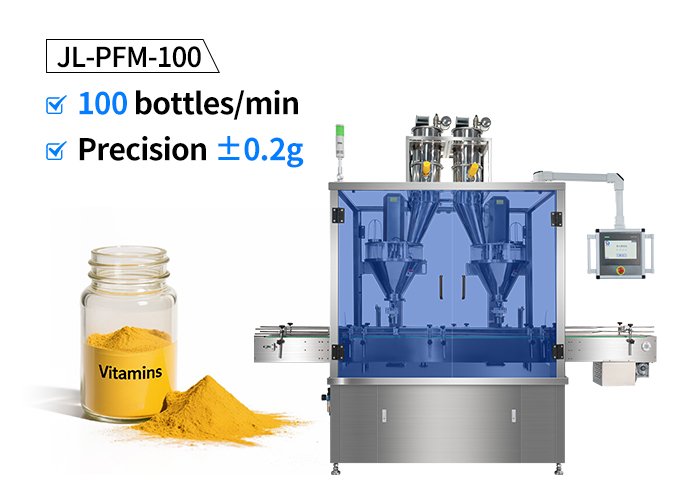
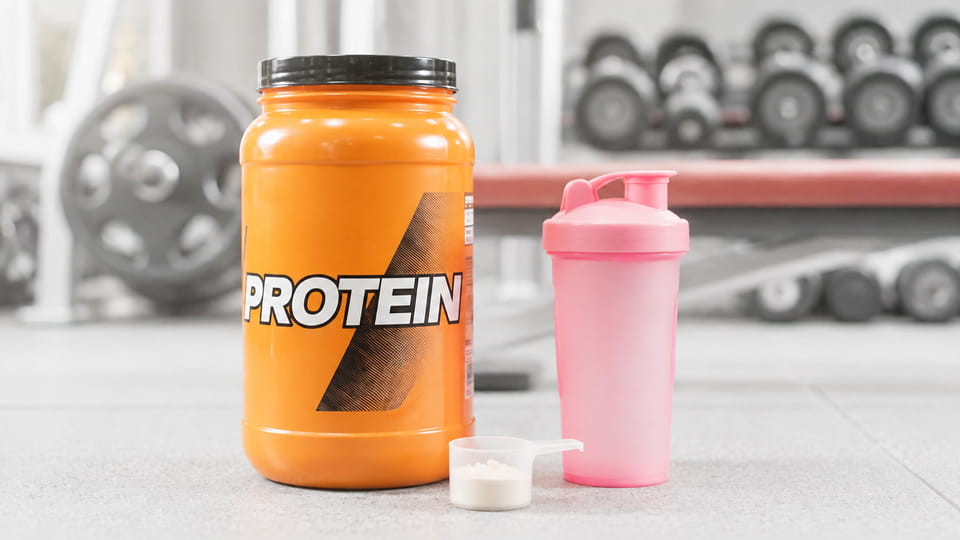
- کوزه ها & وان (ظروف سفت و سخت): بسته بندی کلاسیک با فرمت بزرگ (به عنوان مثال. 500 g, 1 کیلوگرم, 2 وان های کیلوگرمی). اینها اغلب دارای درب های پیچ دار هستند و ممکن است شامل قاشق های داخل آن باشند. مشتریان انتظار دوام دارند, شیشه های قابل آب بندی مجدد برای پودرهای حجیم یا با ارزش بالا (مانند انبوه ساز آب پنیر یا مکمل های تخصصی). خطوط بسته بندی از یک دستگاه پرکن مارپیچ برای دوز کردن پودر در شیشه, سپس یک ایستگاه دربندی و سیلر القایی برای تازگی. کوزه ها می توانند در اجرا شوند 550 واحد در دقیقه بسته به سطح اتوماسیون. یک نمونه جینلو است دستگاه پرکن پودری, که به دقت 0.1 ± برای پودرها می رسد. کوزهها برای برندهایی که خواهان ظاهری ممتاز و قابلیت درزگیری آسان هستند، مناسب است.
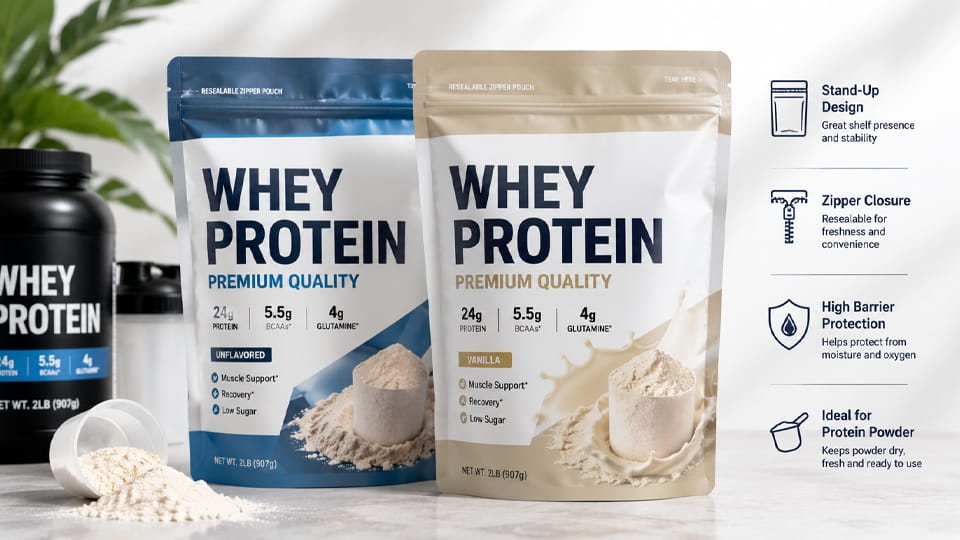
- کیسه های ایستاده & کیسه های زیپی: کیسه های انعطاف پذیر (دوای پک یا استندآپ گسسته) اکنون برای پودرهای پروتئینی بسیار محبوب هستند. آنها از اندازه های آزمایشی کوچک متفاوت هستند (100– 250 گرم) تا اندازه های خرده فروشی بزرگتر (1-2 کیلوگرم). کیسه ها اغلب قابلیت بسته شدن مجدد دارند مهر و موم زیپ, ایده آل برای حفظ طراوت. پر کردن این موارد معمولاً به یک نیاز دارد دستگاه بسته بندی کیسه Premade. دستگاه کیسه های خالی از پیش ساخته شده را برمی دارد, آنها را باز می کند, با پودر پر می شود, و قسمت بالایی را آب بندی می کند. جینلو دستگاه های کیسه ای از پیش ساخته شده اجرا ~60-70 کیسه در دقیقه با دقت 0.4% ± و از سبک های مختلف کیف پشتیبانی کنید (زیپ, جنجال, پایین تخت). کیسه ها در مقابل پلاستیک صرفه جویی می کنند. کوزه ها و برای حمل و نقل سبک وزن هستند. آنها همچنین اجازه می دهند بسته بندی چاپی جذابی داشته باشند. این قالب برای قفسه های خرده فروشی عالی است, تجارت الکترونیک مستقیم به مصرف کننده, یا فروشگاه های مواد غذایی.
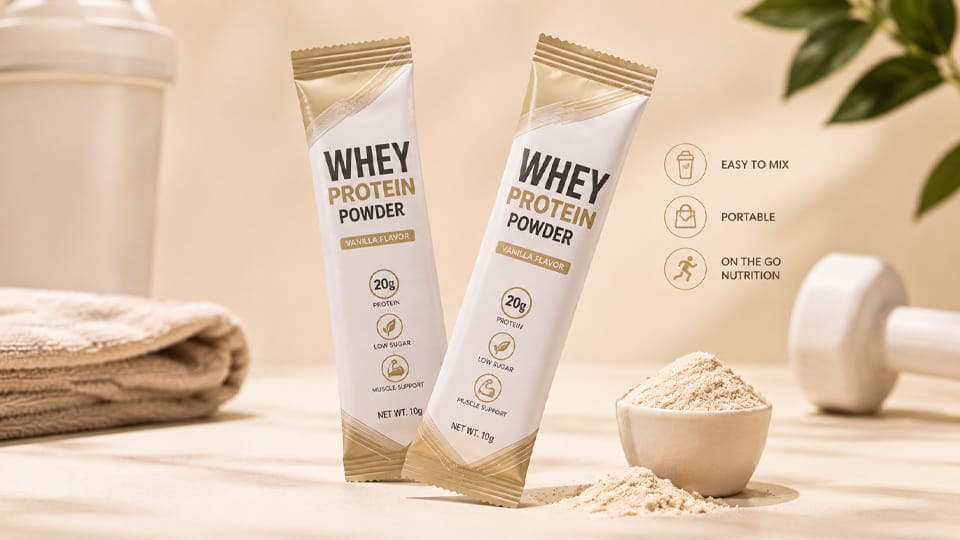
- بسته های چوبی / ساشه (بسته های تک سرویس): اینها طولانی هستند, نوارهای مهر و موم شده باریک حاوی یک وعده (اغلب 10-30 گرم پودر). به بسته های پروتئینی در حال حرکت فکر کنید که ورزشکاران آن را باز می کنند. بسته های چوبی (گاهی به آن کیسه می گویند) از ورقه ورقه یا فیلم فویل ساخته شده و روی یک پر می شوند دستگاه استیک پک. آنها به حداکثر رساندن قابلیت حمل و راحتی - ایده آل برای نمونه, بسته های مسافرتی, یا تبلیغات. دستگاههای بستهبندی چند لاین میتوانند صدها بسته در دقیقه تولید کنند. به عنوان مثال, جینلو بسته بندی چوب رسیدن به 240 چوب در دقیقه (در سراسر خطوط) و هر کدام را با دقت 0.02 ± گرم پر کنید. این فرمت وزن بسته بندی و ضایعات را برای قسمت های کوچک به حداقل می رساند اما دوباره مهر و موم نمی شود. برای سروهای یکبار مصرف یا آزمایشی بهترین است.
هر قالب دارای معاوضه هایی است (جدول زیر را ببینید). انتخاب ظرف اشتباه می تواند به معنای هزینه های اضافی مواد یا عملیات دست و پا گیر باشد. برای اطلاعات بیشتر در مورد ماشین ها و عوامل برای هر فرمت، ادامه مطلب را بخوانید.
انواع ماشین آلات بسته بندی پودر پروتئین
زمانی که نوع بسته را شناختید, سوال بعدی این است که کدام دستگاه آن را پر می کند. در اینجا انواع تجهیزات اصلی آورده شده است:
در اینجا یک جدول خلاصه است:
| نوع ماشین |
نوع بسته اولیه |
مورد استفاده معمولی |
مزایای کلیدی |
| دستگاه پرکن مارپیچ |
کوزه ها, وان, ظروف سفت و سخت |
پودر پروتئین حجیم (1– 10 کیلوگرم) |
دوز بسیار دقیق, پودرهای چسبنده را کنترل می کند, درپوش / آب بندی را ادغام می کند |
| ماشین VFFS |
کیسه های بالش, کیف های گاست |
حجم بالای کیسه های ساخته شده از فیلم (500گرم – 2 کیلوگرم) |
سرعت بسیار بالا, حداقل ضایعات مواد |
| دستگاه بسته بندی کیسه ای از پیش ساخته شده |
کیسه های ایستاده, کیسه های زیپی |
کیسه های پروتئینی خرده فروشی (50گرم – 2 کیلوگرم) |
ظاهر بسته پریمیوم, سبک های کیسه انعطاف پذیر, آب بندی محکم |
| دستگاه استیک پک |
ساشه ها را بچسبانید (1– 50 گرم) |
بسته های پروتئینی یک بار مصرف (سفر/نمونه ها) |
بالاترین خروجی برای بسته های کوچک, هزینه مواد کم در هر واحد |
| بسته استیک چند لاین |
ساشه ها را بچسبانید (چندگانه) |
تولید انبوه بسته های کوچک |
توان عملیاتی بسیار بالا (چند خطه) |
انتخاب ماشین مناسب بسیار مهم است. بخشهای بعدی مراحل عملیاتی آنها و مواردی را که هنگام انتخاب یکی از آنها باید در نظر گرفته شود، توضیح میدهند.
دستگاه بسته بندی پودر پروتئین چگونه کار می کند؟?
اگرچه ماشین ها بر اساس نوع متفاوت هستند, فرآیند اصلی برای پر کردن پودر پروتئین مشابه است: (1) تغذیه پودر → (2) دوز بر حسب وزن → (3) پر کردن بسته → (4) آب بندی بسته → (5) خروجی بسته تمام شده.
- تغذیه پودری: یک قیف عرضه، پودر فله را نگه می دارد. برای پودرهای بسیار ریز, یک آسانسور خلاء یا فیدر پیچ ممکن است پودر را در یک قیف اصلی بالای واحد پرکننده قرار دهد. اغلب الف میز ارتعاشی یا همزن پودر را به طور پیوسته در جریان نگه می دارد (جلوگیری از ایجاد توده یا پل زدن در خروجی). ماشین های خوب دارای قیف های مخروطی شکل و لرزش یا برس برای جلوگیری از قوس شدن هستند. (پل زدن).
- دوز وزن: یک پرکننده مارپیچ (پیچ) یا توزین چند سر هر دوز را اندازه گیری می کند. برای پر کردن مارپیچ, یک سروو موتور پیچ را در یک قیف تغذیه به پودر متر می چرخاند. حجم جابجا شده با وزن پر همبستگی دارد. سیستم می تواند حلقه باز باشد (کالیبره شده به صورت حجمی) یا حلقه بسته (با ترازو برای تنظیم در حین پرواز). ابزار مارپیچ مناسب (زمین, طول, سرعت) بر اساس جریان پودر انتخاب می شود. همانطور که JinluPacking اشاره می کند, جلوگیری از پل زدن و طراحی قیف کلیدی است - یک قیف به خوبی مهندسی شده می تواند پل زدن پودر را از ~ 85٪ به پایین کاهش دهد. 12% از اجراها.
- موقعیت یابی بسته ها: اگر یک شیشه یا بطری را پر کنید, یک unscrambler یا فیدر ظروف خالی را سازماندهی می کند. اگر یک کیسه را پر کنید, کیسه یا تشکیل شده است (Vffs) یا برداشت/باز شد (دستگاه کیسه یا بسته چوبی از پیش ساخته شده). باز شدن دقیق کیسه (اغلب با گیره های خلاء یا جت های هوا) تضمین می کند که پودر به بیرون نریزد.
- پر کردن: پودر داخل ظرف ریخته می شود. سپس بسیاری از ماشین ها از a استفاده می کنند مرحله هوادهی ویبراتور یا خلاء تا ظرف پر شده را به آرامی تکان دهید, ته نشین شدن پودر و خارج کردن هوای حبس شده. این تراکم را بهبود می بخشد و به پودر بیشتری در هر بسته اجازه می دهد, و گرد و غبار را کاهش می دهد.
- آب بندی / درپوش: کیسه ها با غلتک ها یا فک ها با حرارت مهر و موم می شوند. کوزه ها درپوش دارند (به طور خودکار فشار دهید یا پیچ کنید). گاهی اوقات یک درزگیر القایی یک مهر و موم تازگی آلومینیومی را در زیر درپوش اعمال می کند (به ویژه در مواد غذایی رایج است). آب بندی باید بدون گرد و غبار باشد - اغلب یک برس سریع نهایی یا ضربه هوا پودر را از لب پاک می کند..
- بررسی کیفیت & خروجی: یک چکوزن یا سیستم بینایی میتواند وزن نهایی و مهر و موم را تأیید کند. بستهها سپس از دستگاه خارج میشوند و به نوار نقالههای جمعآوری یا مستقیماً در کیسها میروند.
در تمام مراحل, کنترل گرد و غبار انتقادی است. بسته بندی چندین پوند پروتئین باعث ایجاد گرد و غبار در هوا می شود. سیستم های بالا دارای هودهای محلی برای استخراج گرد و غبار و فیلترهای HEPA برای جذب ذرات هستند, تمیز نگه داشتن ماشین آلات و محافظت از کارگران. اگر علامت زده نشود, گرد و غبار می تواند مهر و موم ها را بپوشاند یا سایر محصولات را آلوده کند. بسیاری از دستگاه های بسته بندی کیسه ای حتی گزینه هایی برای شستشوی نیتروژن, جایگزینی اکسیژن در داخل کیسه برای افزایش ماندگاری پودر پروتئین.
چرا پرکننده های اوگر برای پودر پروتئین کلیدی هستند؟
برای هر پودر خشک, به خصوص چسبنده یا ریز مانند پروتئین, مارپیچ (پیچ) اغلب بهترین انتخاب برای دوز است. برخلاف پرکننده های حجمی فنجان, یک پرکننده مارپیچ می تواند پودرهای سخت را به طور دقیق در ظروف یا کیسه های باز اندازه گیری کند. در اینجا دلیل برتری مارپیچ ها است:
- با دقت بالا: با کالیبراسیون مناسب, سیستم های مارپیچ مدرن می توانند ضربه بزنند دقت 0.1-1٪. گام پیچ, طول و سرعت چرخش با چگالی ظاهری پودر و وزن پر تنظیم می شود. مارپیچ های سروو رانده امکان تنظیم پویا را فراهم می کنند. به عنوان مثال, پرکننده های مارپیچ Jinlu از درایوهای سروو برای دستیابی به دقت پر کردن استفاده می کنند 0.01 g.
- پودرهای چالش برانگیز را کنترل می کند: پودرهای پروتئین اغلب پل یا سوراخ موش هستند (یک طاق تشکیل دهید) در قیف ها اگر لرزش نداشته باشد. مارپیچ ترکیب شده با فیدرهای ارتعاشی, برس ها یا همزن ها می توانند این پل ها را بشکنند. اگر پودرها چسبناک هستند (مانند آب پنیر) یا الکترواستاتیک, برخی از ماشین ها ارائه می دهند پیچ های بلندتر یا پیچ های روکش دار برای کاهش چسبندگی. نوع مارپیچ بلند (و جینلو پیشنهاد می دهد) برای حرکت دادن پودرهای چسبنده بدون گیر کردن طراحی شده است.
- به حداقل رساندن گرد و غبار: پرکننده های مارپیچ برای پودرها معمولاً در قیف های نیمه بسته کار می کنند. خیلی ها دارند نازل های آستین که قبل/در حین مصرف داخل شیشه یا کیسه قرار دهید. ماشینهای جینلو از یک آستین مکش استفاده میکنند که دور ناحیه پر میپیچد تا گرد و غبار سرگردان را جذب کند., عملا از بین بردن نشت. همراه با هودهای گرد و غبار خارجی, این باعث می شود منطقه پر شدن مرتب باشد.
- ویژگی های یکپارچه: روی خطوط جار, پرکننده های مارپیچ را می توان با خودکار جفت کرد اسکوپ درج کننده ها. این دستگاه ها قبل از پودر کردن، یک قاشق اندازه گیری را داخل شیشه می ریزند (مشترک با وان های پروتئین آب پنیر). سپس مارپیچ اطراف اسکوپ را پر می کند. پس از پر کردن, یک درپوش شیشه را میبندد. همانطور که Jinlupacking اشاره می کند, پرکننده های شیشه ای مبتنی بر پیچ اغلب دقیقاً شامل این ویژگی ها می شوند - قرار دادن قاشق, دربندی, و حتی برچسب زدن در یک خط یکپارچه.
خلاصه, اگر محصول اصلی شما یک است ماده پودر شده, پرکننده مارپیچ معمولا بهترین پایه است. همه کاره است و می تواند به راحتی با بقیه خط شما ادغام شود. به عنوان مثال, یک خط شیشه معمولی ممکن است باشد: بطری گیر ← پرکننده مارپیچ ← اسکوپ درج ← درپوش ← سیلر القایی → برچسب ← چک وزن. این کار همه چیز را از مکمل های پروتئین فله گرفته تا پودرهای مغذی خوب انجام می دهد.
فاکتورهای کلیدی که باید هنگام انتخاب ماشین در نظر گرفت
انتخاب تجهیزات "درست" به بسیاری از جزئیات محصول و کارخانه شما بستگی دارد. در اینجا عوامل حیاتی هستند که تیم های مهندسی و تدارکات باید آن را بررسی کنند:
- نوع بسته & اندازه: شیشه ها را پر می کنید, وان ها, کیسه های ایستاده, یا ساشه ها را بچسبانید? و چه وزنه های پر? (به عنوان مثال. 20 g سرویس تک در مقابل 1,000 گرم فله) بسته های کوچکتر به ماشین های مختلف نیاز دارند (بسته بندی های چوبی یا بسته بندی های کیسه ای کوچک) نسبت به وان های بزرگ (پرکننده مارپیچ و کلاه ها). مطمئن شوید که دستگاه برای حداقل و حداکثر ابعاد و وزن بسته بندی شما درجه بندی شده است.
- ظرفیت تولید: چند واحد در دقیقه یا هر شیفت نیاز دارید? رشد آینده را نیز پیش بینی کنید. یک ماشین ممکن است رسیدگی کند 20 شیشه در دقیقه یا 200 کیسه در دقیقه - تفاوت بزرگ. خطوط پرسرعت اغلب از چندین خط استفاده می کنند (مخصوصا استیک پکرها یا VFFS) برای ضرب کردن خروجی. به عنوان مثال, یک بسته بندی چوبی 4 لاین می تواند 4 برابر نرخ تک خط تولید کند. تأیید کنید که آیا سرعت های نقل شده با پودر شما آزمایش شده است (برخی از فروشندگان حداکثر تئوری را فهرست می کنند که فقط با شرایط ایده آل قابل دستیابی است).
- ویژگی های پودر: آیا پودر پروتئین شما جریان آزاد دارد؟ (مانند برخی از ایزوله های پروتئین آب پنیر) یا منسجم تر (ایزوله های پروتئین نخود, کلاژن ترکیب می شود)? آیا استاتیک ایجاد می کند? آیا رطوبت سنجی است (رطوبت را جذب می کند)? اینها بر انتخاب فناوری پر کردن تأثیر می گذارد. پودرهایی با جریان ضعیف ممکن است نیاز داشته باشند نازل های سیال کننده یا کمک خلاء. اگر استاتیک یک مسئله است, به دنبال اقدامات ضد الکتریسیته ساکن باشید (میله های یونیزان, قیف های رسانا). با سازنده صحبت کنید که آیا آنها تجربه ای در مورد پودرهای مشابه دارند یا خیر - بسیاری ابتدا محصول شما را آزمایش می کنند.
- الزامات دقت: برای مکمل های غذایی, مشتریان اغلب به دوز دقیق اهمیت می دهند. اگر باید در ± 1٪ وزن هدف باشید, به سراغ سیستم هایی با توزین های چند سر یا مارپیچ های با دقت بالا بروید. برخی از پرکنندههای حجمی نمیتوانند تحملهای محکم را با جریان پودر متغیر تضمین کنند. به یاد داشته باشید که پودرهای پروتئینی می توانند از نظر چگالی ظاهری 25±% از دسته ای به دسته دیگر متفاوت باشند, بنابراین یک قیف توزین با بازخورد بلادرنگ ایمن تر است.
- اتهام اتوماسیون & ادغام: آیا به خطوط تمام اتوماتیک نیاز دارید؟ (یک نفر بر چندین ماشین نظارت دارد) یا نیمه اتوماتیک مشکلی نداره? آیا نیاز به ادغام با تجهیزات بالادستی/پایین دستی دارید؟ (آسانسورهای سطلی, فلزیاب ها, کارتن سازها)? همچنین در نظر بگیرید که آیا به ویژگی های اضافی مانند ماشین های کدنویسی/برچسب گذاری نیاز دارید, شستشوی نیتروژن, یا CIP (تمیز در محل). اتوماسیون بیشتر هزینه را افزایش می دهد اما در درازمدت باعث صرفه جویی در نیروی کار می شود.
- تغییر & انعطاف پذیری: هر چند وقت یکبار محصولات یا اندازه بسته ها را تغییر می دهید? اگر SKU های زیادی دارید (اندازه های مختلف کیسه یا مخلوط پودر), به دنبال ویژگی های تغییر سریع باشید. این می تواند شامل راهنماهای قابل تنظیم باشد, ابزارهای مارپیچ با تغییر سریع, و حافظه دستور پخت. ماشین های چند فرمتی (مانند برخی پرکننده های خطی Jac یا توزین های چند سر) به شما اجازه می دهد با تعویض قیف ها، هم پودرها و هم گرانول ها را مدیریت کنید.
- مواد ساخت و ساز & قابلیت تمیز کردن: مخصوصا برای غذا/دارو, فولاد ضد زنگ 304 یا 316 قطعات تماس ضروری هستند. طراحی باید بهداشتی باشد (بدون تله پودر). در صورت تغییر طعم، تمیز کردن آسان بین دو اجرا مهم است. بسیاری از تولید کنندگان چرخ دستی یا سیلندرهای هیدرولیک را برای کج کردن قیف ها به بیرون برای تمیز کردن پیشنهاد می کنند., و واشرها یا حلقه های CIP را بپوشانید.
- بودجه & پشتیبانی کنید: ماشین آلات بسته بندی در محدوده متوسط قرار دارند (~ 20 هزار دلار برای پرکننده های مارپیچ ساده و مستقل) تا شش رقمی برای خطوط تمام اتوماتیک. نقل قول هایی را دریافت کنید که شامل نصب می شود, آموزش, و طرح خدمات. سابقه فروشنده را در نظر بگیرید: آیا آنها در زمینه پودر تخصص دارند؟? آیا آنها آزمایش با محصول شما را ارائه می دهند؟? یک دستگاه فقط به اندازه پشتیبانی آن خوب است - اگر به آن نیاز دارید، گواهینامه CE/FDA را بررسی کنید.
با قدم زدن در این نقاط, می توانید ویژگی ها را با نیازها مطابقت دهید. اغلب کار با یک مشاور بسته بندی یا مشاور بسته بندی کمک می کند فروشنده ماشین برای تایید مفروضات (به عنوان مثال. تست در یک مرکز آزمایشی اجرا می شود).
مقایسه گزینه های بسته بندی: Jar vs Pouch vs Stick Pack
بیایید سه فرمت را به صورت سر به سر مقایسه کنیم. این می تواند روشن کند که کدام یک برای برنامه شما مناسب است:
- بسته بندی شیشه/وان:
- بهترین برای: محصولات فله (500g+), مکمل های سطح بالا (انبوه سازان, همه در یک تکان می دهد).
- جوانب مثبت: قابل آب بندی مجدد (درب پیچ), محکم, حضور قوی در قفسه برای برندسازی. برای حجم زیاد خوبه.
- منفی: هزینه بسته بندی بالا در هر واحد (ظرف پلاستیکی یا شیشه ای). سنگین. توان عملیاتی کمتر از کیسه های هم اندازه (به دلیل دست زدن).
- ماشین آلات: به طور معمول, پرکننده مارپیچ + درپوش + برچسب زنی. خروجی ممکن است 10-50 شیشه در دقیقه باشد.
- بسته بندی کیسه ای ایستاده:
- بهترین برای: بسته های خرده فروشی سایز متوسط (100گرم – 2 کیلوگرم). برندهایی که خواهان جذابیت قفسه یا محموله های تجارت الکترونیکی هستند.
- جوانب مثبت: فندک تر, ارزان تر از شیشه. زیپ اجازه استفاده مجدد را می دهد. طراحی انعطاف پذیر (پنجره های روشن, فواره ها, اشکال منحصر به فرد).
- منفی: نیاز به خرید کیسه های از پیش ساخته شده است (یا در صورت VFFS، قرقره های فیلم را کنترل کنید). ماشین های زیپ پیچیده تر هستند. نه آنقدر سفت و سخت (باید با دقت پر شود تا سرنگون نشود).
- ماشین آلات: دستگاه کیسه پیش ساخته یا VFFS. سرعت معمولی 40-60 کیسه در دقیقه (از پیش ساخته شده). سازش خوب هزینه و سرعت.
- بسته بندی استیک / بسته بندی ساشه:
- بهترین برای: وعده های تک نفره (10گرم – 50 گرم), بسته های نمونه, بسته های مسافرتی (به عنوان مثال. کیف های بدنسازی).
- جوانب مثبت: فوق العاده قابل حمل, حداقل مواد بسته بندی, دوز آسان. سرعت خط بالا (به خصوص با ماشین های چند لاین, در مجموع می تواند صدها چوب در دقیقه بزند).
- منفی: بدون مهر و موم مجدد. برای حجم زیاد مناسب نیست (بسته های پودر زودتر تازگی خود را از دست می دهند). پر کردن دقیق تر در وزن های کوچک مورد نیاز است.
- ماشین آلات: بسته بندی چوب (تک یا چند خطه). ماشین های مدرن می توانند انجام دهند 200+ چوب در دقیقه (کل) به راحتی. هزینه مواد در هر واحد پایین (فقط یک فیلم چند لایه کوچک).
| عامل |
کوزه / وان |
کیسه ایستاده |
چوب / کیسه |
| محدوده پر کردن معمولی |
متوسط – بزرگ (≥250 گرم) |
کوچک – بزرگ (100گرم – 2 کیلوگرم) |
کوچک (5– 50 گرم) |
| قابلیت حمل |
واسطه |
عالی (قابل جمع شدن) |
بسیار بالا |
| مهر و موم مجدد |
بله (درپوش پیچ) |
بله (زیپ) |
هیچ |
| هزینه بسته بندی |
عالی |
معتاد |
کم در هر واحد |
| سرعت تولید |
معتاد (10-50/دقیقه) |
عالی (50-80/دقیقه) |
بسیار بالا (چند خطی) |
| برندسازی |
خوب (برچسب روی شیشه) |
خیلی خوبه (چاپ روی کیف) |
خوب (چاپ بسته چوبی) |
| بهترین برای |
محصولات فله |
خرده فروشی/فروش آنلاین |
تبلیغات تک خدمتی |
انتخاب فرمت اشتباه می تواند بازار یا کارایی شما را محدود کند. به عنوان مثال, اگر مشتریان یک بسته سفر آماده برای باشگاه می خواهند, یک شیشه 2 کیلویی فروخته نمی شود. برعکس, قرار دادن a 2 کیلوگرم پروتئین مخلوط کنید 200 کیسه ها غیر عملی است. بنابراین فرمت را در همان ابتدا با مورد استفاده محصول هماهنگ کنید.
چالش های رایج در بسته بندی پودر پروتئین
بسته بندی پودرهای خوب با سرعت می تواند مشکلاتی را به همراه داشته باشد. در اینجا مسائلی وجود دارد که باید مراقب آنها بود و ماشینها چگونه به آنها رسیدگی میکنند:
- ناسازگار وزن پر: تغییرات در چگالی ظاهری یا جریان می تواند باعث پر شدن یا پر شدن بیش از حد برخی از بسته ها شود. پر کردن بیش از حد محصول زباله. رفع: از دوز دقیق استفاده کنید (توزین های چند سر یا مارپیچ حلقه بسته با لودسل), و در هر دسته کالیبره کنید. مارپیچ خوب انتخاب شده (گام/طول راست) انتقادی است. چکوزنهای خودکار نیز فوراً موارد پرت را میگیرند.
- گردگیری پودر: پودر ریز هنگام پر کردن تمایل به جوشیدن دارد. بدون کنترل, باقیمانده باقی می گذارد و می تواند مهر و موم را مسدود کند. راه حل ها شامل نازل های استخراج گرد و غبار در نقطه پر, نازل های خلاء در اطراف دهانه کیسه, و حتی نوار نقاله های خلاء خطی. بسیاری از دستگاه های کیسه ای دارای حذف گرد و غبار داخلی در اطراف فک های آب بندی هستند. بار استاتیک فرار گرد و غبار را تشدید می کند; برخی از خطوط یونیزه کننده های آنتی استاتیک را برای خنثی کردن ذرات چسبنده اضافه می کنند.
- پل پودری یا رت-هولینگ: این زمانی است که پودر یک قوس در قیف ایجاد می کند, توقف جریان. مخصوصاً در مورد پودرهای چسبنده یا چسبنده رایج است. طراحی خوب قیف تقریباً می تواند آن را از بین ببرد. قیف های بهینه شده می توانند بروز پل زدن را از 85% تا 12% کاهش دهند.. به دنبال ماشین هایی با دیوارهای شیب دار باشید, همزن های داخلی, یا موز کوب برای حفظ حرکت محصول. گاهی اوقات فقط افزایش قطر قیف یا اضافه کردن ویبراتور آن را حل می کند.
- عیوب مهر و موم (مهر و موم باز یا نشتی): اگر هنگام آب بندی روی لب کیسه پودر وجود دارد, مهر و موم ممکن است خراب شود. ماشینها معمولاً کیسه را پس از پر کردن ارتعاش/ مسواک میزنند تا پودر از لبهها ته نشین شود. یک مهر و موم پشتی افقی روی بسته های چوبی با کنترل دما (و جینلو استفاده می کند) سفت را تضمین می کند, مهر و موم ضد هوا. تمیز کردن منظم فک های آب بندی بسیار مهم است.
- ابزار نادرست: استفاده از پیچ یا قیف اشتباه می تواند عملکرد را خراب کند. اطمینان حاصل کنید که قطعات پرکننده با اندازه گرانول پودر شما مطابقت دارد. برخی از ماشینها امکان تعویض سریع بیتهای مارپیچ را برای دستور العملهای مختلف میدهند.
- هدیه محصول: برای جلوگیری از کم پر شدن, برخی از شرکت ها به طور پیش فرض بیش از حد پر می شوند, که پودر پروتئین گران قیمت را هدر می دهد. راه درمان کالیبراسیون است. پرکننده های مدرن می توانند “یاد بگیرند” وزن پر (با وزن کردن مختصر هر پر) و تنظیم خودکار. این هدایا را به حداقل می رساند.
بسیاری از این مشکلات با ویژگی های مناسب ماشین قابل اجتناب هستند. همانطور که کارشناسان می گویند, همیشه پودر خاص خود را تجزیه و تحلیل کنید و آزمایشات را انجام دهید: "به جای درمان علائم، به علت اصلی رسیدگی کنید".
ساخت یک خط کامل بسته بندی پودر پروتئین
برای مدیر تولید, تجسم کل تنظیمات خط برای هر قالب مفید است:
- خط جار/ وان:
- پاک کننده بطری/پاللتیزور: کوزه های خالی را جهت می دهد و تغذیه می کند.
- پرکننده مارپیچ: پودر را پر می کند. در صورت نیاز, Scoop Inserter داخل هر شیشه یک پیمانه می ریزد.
- میز ویبره یا مرحله خلاء: پودر را ته نشین می کند و هوا را خارج می کند.
- کپر: به طور خودکار درپوش های پیچ را قرار داده و سفت می کند.
- سیلر القایی: مهر و موم فویل را زیر درپوش اعمال می کند.
- برچسب زنی: برچسب بسته بندی یا پد روی شیشه.
- چک وزنه: وزن و یکپارچگی پر را تأیید می کند, شیشه های کم وزن را رد می کند.
- کارتن ساز (اختیاری): کوزه ها را برای حمل و نقل جعبه می کند.
- خط کیسه (از پیش ساخته شده است):
- تغذیه کننده کیسه / مجله: کیسه های خالی از پیش ساخته شده را روی هم می چیند (اغلب با بارگیری مجدد خودکار).
- برداشتن/باز کردن کیسه: هر کیسه را به صورت رباتیک باز می کند.
- پرکننده مارپیچ / وزن کش چند سر: پودر را در کیسه باز پخش می کند.
- زیپ نزدیکتر (در صورت نیاز): درب زیپ به هم پیوسته را می بندد.
- مهر و موم حرارتی: کیسه مهر و موم در سراسر بالا.
- کدگذار/چاپگر تاریخ: دسته و تاریخ تمبر روی کیسه.
- چک وزنه & رد کردن: وزن را دوبار بررسی کنید.
- واحد کارتن سازی: کیسه ها را در جعبه ها دسته بندی می کند.
- استیک پک لاین:
- فیلم Unwinder: فیلم چند لاین را به شانه تشکیل می دهد.
- واحد تشکیل: چندین لوله طولانی ایجاد می کند (یک در هر خط).
- پرکننده مارپیچ: هر لوله را از طریق مارپیچ پر می کند, توسط ویبراتور پشتیبانی می شود.
- سیلر افقی: لوله های پر شده را به یک نوار طولانی پیوسته مهر و موم می کند.
- واحد برش: نوار را در ساشه های تکی تکه تکه تکه می کند.
- بازرسی & شمارش: شمارش و وزن را تأیید می کند.
- کارتن سازی & بسته بندی کیس: برای حجم زیاد, بسته ها بسته ها را به جعبه ها یا بسته های نمایش می چسبانند.
هر پیکربندی را می توان تنظیم کرد. به عنوان مثال, یک خط بسته بسته ممکن است خروجی را به a تغذیه کند دستگاه کارتن سازی ساشه که آنها را تراز می کند و در کارتن های مقوایی قرار می دهد. (Jinlu حتی سیستمهای یکپارچه بستهبندی چوبی و کارتنسازی کلید در دست را ارائه میدهد.)
نکته کلیدی برای مدیران عملیات اطمینان از متعادل بودن هر قسمت از خط است. پرکننده نباید باشد 30% کندتر از سیلر, برای مثال. هنگام نقل قول ماشین ها, فروشندگان معمولا حداکثر سرعت را مشخص می کنند; آنها را با محصول خود تأیید کنید.
نتیجه گیری
انتخاب حق دستگاه بسته بندی پودر پروتئین به تطبیق ویژگی های پودر و اهداف بسته بندی خود با تجهیزات مناسب مربوط می شود. آیا شما نیاز به بزرگ, وان های قابل آب بندی مجدد یا ده ها چوب تک وعده ای? آیا شما عمدتاً به صورت خرده فروشی با کیسه های ممتاز می فروشید؟, یا سطل های زباله با وان های حجیم? هر مسیر راه حل مناسبی دارد. هوشمندانه ترین رویکرد اغلب یک خط سفارشی یا نیمه سفارشی است - روشی که پرکننده مارپیچ را با فیدرها و سیلرهای دقیق مورد نیاز محصول شما ادغام می کند..
در هر صورت, تجهیزات مناسب به سرعت بازپرداخت خواهند کرد. خطوط خودکار، توان عملیاتی را افزایش می دهند, هدایا را کاهش دهید, و اطمینان حاصل کنید که هر کیسه یا شیشه با استانداردهای کیفیت مطابقت دارد - همه در تولید مکملهای رقابتی حیاتی هستند. اگر در حال برنامه ریزی یک خط بسته بندی پودر جدید هستید (یا ارتقاء قدیمی), با تامین کنندگان با تجربه صحبت کنید. به عنوان مثال, بسته بندی جینلو همه چیز را از دستگاه های پرکن پودری برای شیشه به بسته بندی های کیسه ای از پیش ساخته شده و بسته بندی چوب. ما می توانیم به انتخاب ترکیب مناسب ماشین آلات و ویژگی ها برای محصولات پودر پروتئین شما کمک کنیم.
آماده برای برداشتن گام بعدی? با کارشناس بسته بندی Jinlu تماس بگیرید برای دریافت یک توصیه مناسب. یک خط بسته بندی پودر پروتئین با طراحی خوب، تولید شما را روان می کند, محصول شما سازگار است, و خریداران شما راضی هستند.
سوالات متداول درباره بسته بندی پودر پروتئین
از چه دستگاهی برای بسته بندی پودر پروتئین استفاده می شود?
دستگاه بستهبندی پودر پروتئین معمولاً از یک سیستم پرکن برای اندازهگیری و توزیع پودر قبل از بستهبندی آن در شیشه استفاده میکند., کیسه, ساشه, یا بسته چوبی. دستگاه دقیق به فرمت بسته بندی بستگی دارد. کوزه ها و وان ها معمولاً از پرکننده مارپیچ با درپوش پایین دست استفاده می کنند, در حالی که کیسه ها می توانند از کیسه از پیش ساخته شده یا تجهیزات VFFS استفاده کنند, و محصولات تک سرو می توانند از دستگاه مخصوص بسته بندی چوب استفاده کنند.
دستگاه پرکن مارپیچ مناسب برای پودر پروتئین است?
بله. پر کردن مارپیچ معمولاً برای پودر پروتئین استفاده می شود زیرا سیستم دوز مبتنی بر پیچ می تواند تغذیه پودر کنترل شده و وزن های پر تکرار شونده را فراهم کند.. پیکربندی مارپیچ باید با توجه به چگالی ظاهری پودر انتخاب شود, جریان پذیری, ویژگی های ذرات, وزن پر هدف, و سرعت تولید مورد نیاز است.
برای پودرهای ریز, کنترل گرد و غبار و طراحی قیف نیز مهم هستند زیرا مدیریت ضعیف پودر می تواند بر قوام پر شدن و کیفیت آب بندی تأثیر بگذارد..
بهترین بسته بندی پودر پروتئین چیست؟?
بهترین فرمت بسته بندی واحد برای هر محصول پودر پروتئین وجود ندارد. کوزه ها یا وان ها برای بسته های خرده فروشی بزرگتر مناسب هستند, در حالی که کیسه های ایستاده می توانند وزن بسته را کاهش دهند و برای طیف گسترده ای از اندازه های پر مفید هستند. ساشه ها و بسته های چوبی برای محصولات تک وعده ای مناسب تر هستند, فرمت های سفر, و بسته های کوچک پودر پروتئین.
انتخاب مناسب به وزن پر بستگی دارد, بازار هدف, قابل حمل بودن, حجم تولید, قابلیت آب بندی مجدد, هزینه بسته بندی, و تجهیزات بسته بندی موجود.
بهترین دستگاه برای پودر پروتئین تک وعده چیست؟?
برای محصولات یک بار مصرف, دستگاه بسته بندی چوب یا دستگاه بسته بندی ساشه با سیستم دوز مارپیچ اغلب یک انتخاب عملی است. این دستگاهها میتوانند بستههای پودر پروتئین فشرده را در وزنهای پرکننده نسبتاً کوچک تولید کنند و برای محصولات طراحیشده برای باشگاهها مناسب هستند., سفر, نمونه برداری, و مصرف در حال حرکت.
تعداد خطوط مورد نیاز به خروجی هدف بستگی دارد, پر کردن وزن, ویژگی های پودر, و فضای تولید موجود.
آیا همان دستگاه بسته بندی پودر پروتئین می تواند هم کیسه ها و هم شیشه ها را پر کند?
معمولاً با همان پیکربندی بسته بندی کامل نیست. کیسه ها و شیشه ها به سیستم های بسته بندی متفاوتی نیاز دارند, حتی اگر هر دو ممکن است از پرکننده مارپیچ برای دوز پودر استفاده کنند. یک خط شیشه نیاز به جابجایی ظرف دارد, پر کردن, دربندی, و اغلب برچسب زدن, در حالی که خط کیسه نیاز به تغذیه کیسه ای یا تشکیل فیلم دارد, پر کردن, و آب بندی حرارتی.
برای سازندگانی که هر دو فرمت را مدیریت می کنند, معمولاً بهتر است سیستم پرکن و ماشین آلات بسته بندی را به عنوان ماژول های جداگانه یا به عنوان یک خط بسته بندی هماهنگ ارزیابی کنیم..
دستگاه پرکن پودر پروتئین چقدر دقیق است?
دقت پر کردن به ویژگی های پودر بستگی دارد, وزن پر هدف, روش دوز, طراحی مارپیچ, تنظیمات ماشین, و شرایط تولید. سازندگان نباید ماشینی را فقط بر اساس رقم دقت نقل شده انتخاب کنند; بهتر است آزمایش محصول با استفاده از پودر پروتئین واقعی و وزن پر شده مورد نظر انجام شود.
برای پودرهای پروتئینی با ارزش بالا, دوز ثابت مهم است زیرا هم کم پر کردن و هم پر کردن بیش از حد می تواند بر انطباق محصول تأثیر بگذارد, هزینه های مواد, و راندمان تولید.
چگونه از ورود پودر پروتئین به ناحیه مهر و موم جلوگیری کنید؟?
روش اصلی کنترل پودر در حین پر کردن و تمیز نگه داشتن ناحیه آب بندی است. بسته به دستگاه و محصول, این می تواند شامل تغذیه مارپیچ کنترل شده باشد, طراحی نازل پرکننده مناسب, استخراج گرد و غبار, اقدامات ضد دریبل, و تنظیمات مناسب آب بندی کیسه.
این مهم است زیرا پودر به دام افتاده در ناحیه مهر و موم می تواند کیفیت مهر و موم را کاهش دهد و منجر به نشت یا رد بسته شود.. بنابراین عملکرد کنترل گرد و غبار و آب بندی باید با هم ارزیابی شوند نه اینکه به عنوان عملکردهای جداگانه ماشین در نظر گرفته شوند.
برای انتخاب دستگاه بسته بندی پودر پروتئین چه فاکتورهایی را باید در نظر بگیرم?
عوامل اصلی شامل:
• جریان پذیری پودر و چگالی ظاهری
• وزن پر هدف
• قالب بسته بندی
• خروجی تولید مورد نیاز
• دقت پر کردن
• کنترل گرد و غبار
• الزامات آب بندی
• زمان تمیز کردن و تعویض
• تعداد SKU
• گسترش تولید در آینده
دستگاه باید در صورت امکان با پودر پروتئین واقعی آزمایش شود. ماشینی که با یک فرمول پودری خوب عمل می کند ممکن است به پارامترهای دوز یا تغذیه متفاوت برای دیگری نیاز داشته باشد.
مراجع:
1.راهنمای انطباق نهادهای کوچک: روش فعلی تولید خوب در تولید, بسته بندی, برچسب زدن, یا برگزاری عملیات برای مکمل های غذایی —— ایالات متحده. سازمان غذا و داروی
2.بسته بندی مواد غذایی & سایر موادی که با غذا در تماس هستند – اطلاعات برای مصرف کنندگان —— ایالات متحده. سازمان غذا و داروی
3.جریان پودری —— USP-NF
4.رمزگشایی تاثیر ذخیره پودر پروتئین آب پنیر بر وضعیت پروتئین و پایداری پودر —— ScienceDirect
5.عملکرد مانع اکسیژن فیلم های پلاستیکی پوشش داده شده با پروتئین آب پنیر تحت تأثیر دما, رطوبت نسبی, فیلم پایه و نوع پروتئین —— ScienceDirect