
مقدمه: قرص های جویدنی طوری طراحی شده اند جویده شده به جای اینکه کامل بلعیده شود, آنها را کاربر پسند می کند, مخصوصا برای کودکان, سالمندان, و هر کسی که مشکل بلع دارد. با شکستن در دهان, مواد جویدنی سهولت دوز بدون آب را ارائه می دهد, طعم دلپذیر, و پایداری یک قرص جامد. آنها به طور گسترده ای استفاده می شوند داروهای اطفال و مکمل های غذایی (به آن قرص های جویدنی ویتامین C یا مولتی ویتامین فکر کنید), و حتی در داروهای دامپزشکی. طبق دستورالعمل FDA, تولید کنندگان باید توجه ویژه ای داشته باشند ویژگی های کیفیت حیاتی (CQAs) هنگام تولید قرص های جویدنی. این CQAها شامل عواملی مانند سختی تبلت هستند, پوشاندن طعم, و یکنواختی محتوا برای اطمینان از ایمنی و کارایی. به طور خلاصه, جویدنی ها بهترین قرص ها را ترکیب می کنند (دقت, پایداری قفسه) با بهتر انطباق بیمار. در این راهنما, ما به این خواهیم پرداخت که قرص های جویدنی چیست, مزایای آنها, چگونه ساخته شده اند, و چه ماشینهای بستهبندی برای رسیدگی به آنها استفاده میشود - همه از دوستان, چشم انداز صنعت.
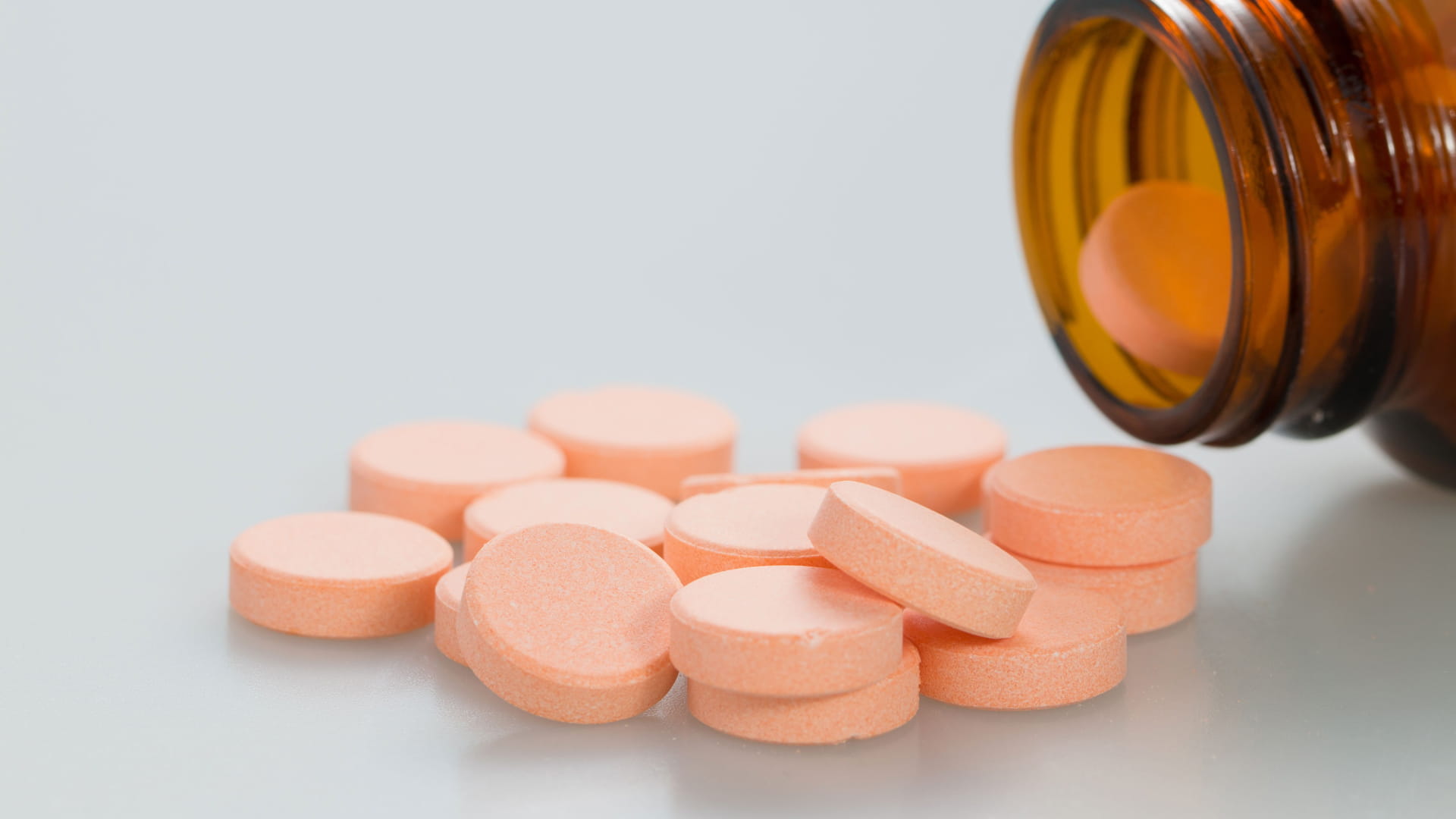
قرص های جویدنی یک نوع خوراکی فرم دوز جامد برای جویدن قبل از بلع طراحی شده است. برخلاف تبلت های معمولی (که شما آن را کامل می بلعید) یا قرص های خوراکی تجزیه کننده (اودت) که روی زبان حل می شوند, جویدنی ها هستند با جویدن در دهان تجزیه می شود. این امر دوز را برای بسیاری از بیماران آسان تر می کند.
بر اساس فناوری دارویی, قرصهای جویدنی به عنوان قرصهایی تعریف میشوند که «طراحی شدهاند تا با جویدن فرآوری شوند تا آزادسازی ماده فعال را تسهیل کنند.(حرف)”. در عمل, این بدان معنی است که مواد جویدنی اغلب حاوی موادی مانند قند الکل هستند (پلی ال ها) که به شیرینی و حجیم شدن اضافه می کند. آنها همچنین می توانند به شکل های سرگرم کننده در بیایند (حیوانات, قلب ها, و غیره) برای جذب بچه ها. زیرا مواد جویدنی در دهان به ذرات تبدیل می شوند, آنها را می توان ساخت بزرگتر یا شکل متفاوتی دارد از قرص هایی که می بلعید, هنوز پس از جویدن به سرعت حل می شود.
قرص های جویدنی در چندین بخش از بازار مراقبت های بهداشتی محبوب هستند:
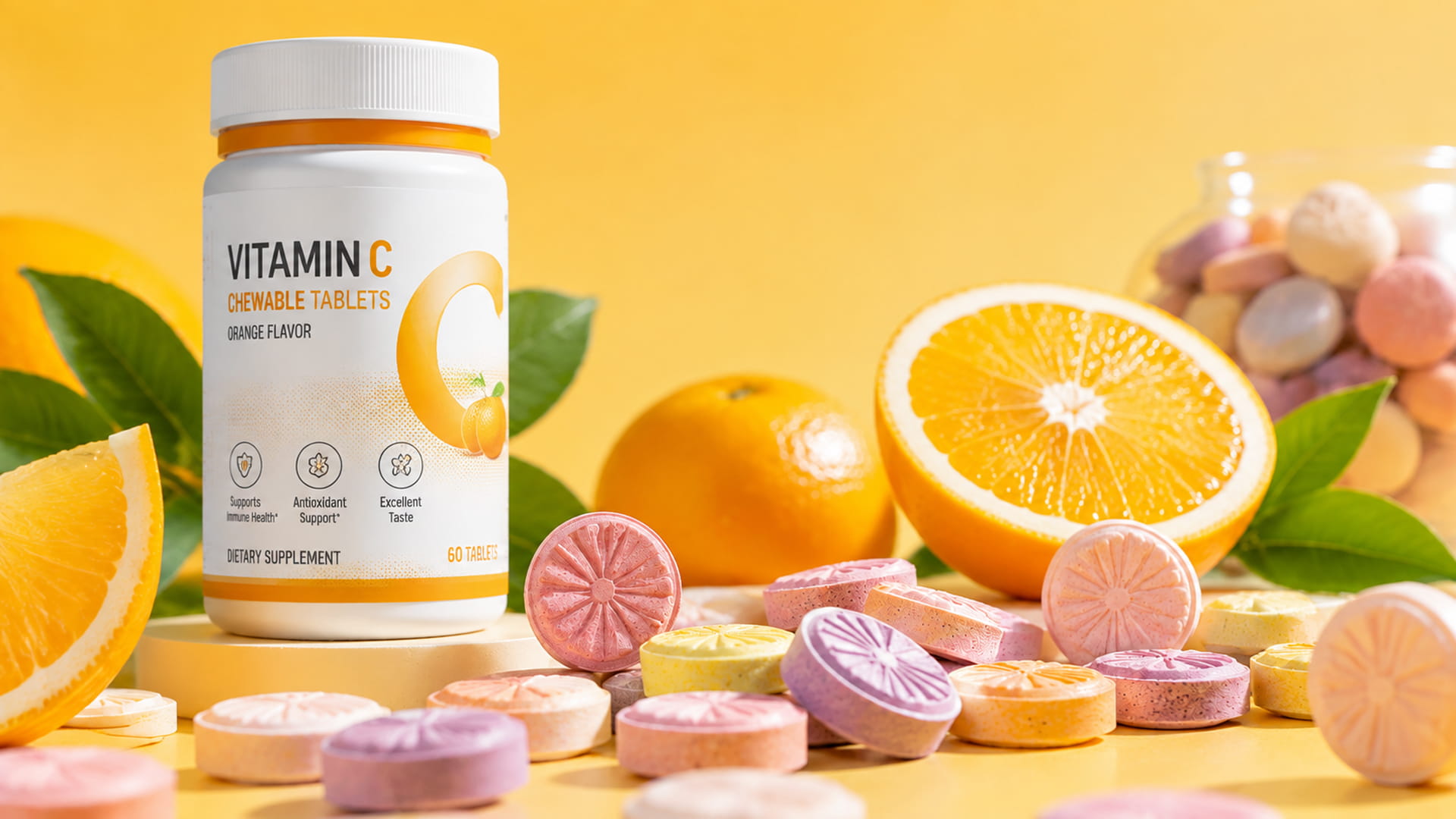
این عکس نشان می دهد ویتامین ها و مکمل ها به شکل قرص جویدنی. ویتامین C جویدنی, مولتی ویتامین ها, و قرص های معدنی اغلب شبیه آب نبات هایی با رنگ های روشن هستند. شکل و طعم آنها آنها را به گزینه ای دوستانه برای مصرف کنندگان و بیماران آگاه به سلامت تبدیل می کند.
فرموله کردن یک قرص جویدنی یک عمل متعادل کننده است. تبلت باید باشد خوش طعم و آسان برای جویدن, هنوز قوی و پایدار برای جابجایی و ذخیره سازی کافی است. این یعنی:
پوشیدن & خوش طعم بودن: برخلاف قرص های بلعیده شده, مواد جویدنی در دهان می نشینند, قرار دادن داروها در معرض جوانه های چشایی. بسیاری از داروهای فعال تلخ هستند, بنابراین فرمولاتورها شیرین کننده ها را اضافه می کنند (قندها یا الکل های قندی) و مواد طعم دهنده برای خوشایند کردن قرص. برای API های بسیار تلخ, برای جلوگیری از رسیدن طعم بد به زبان، میتوان از پوششهای نازک یا مواد جانبی خاص مسدودکننده طعم استفاده کرد.. به عنوان مثال, قرص های ویتامین جویدنی اغلب از طعم های میوه و پایه های شیرین استفاده می کنند (مانند سوربیتول یا مانیتول) برای بهبود طعم.
بافت & احساس دهان: یک قرص جویدنی خوب باید باشد آنقدر نرم است که به آرامی تجزیه شود بدون احساس شن یا بیش از حد گچی. اندازه ذرات و انتخاب ماده کمکی اهمیت دارد: مواد ریز آسیاب شده و پرکننده های "نرم". (به عنوان مثال. مانیتول, زایلیتول) کمک کنید تا قرص به آرامی زیر جویدن خرد شود. از طرف دیگر, مواد جویدنی هنوز نیاز دارند برخی سختی تا در انبار از هم نپاشد. دستورالعمل های صنعت نشان می دهد که سختی تبلت نسبتا پایین نگه داشته شود (به عنوان مثال. زیر 12 کیلو پوند) مگر اینکه قرص به سرعت در دهان متلاشی شود. استفاده از مواد افزودنی و بایندرهای بسیار قابل تراکم (مانند سلولز میکروکریستالی یا پلیمرهای خاص) کمک می کند تا قرص در طول بسته بندی دست نخورده بماند و در دهان جویدن شود.
از هم پاشیدگی & انتشار دارو: مواد جویدنی باید پس از جویدن، دارو را به طور موثر تجزیه کرده و آزاد کنند. آنها معمولاً به عنوان اشکال دارویی با رهش فوری طبقه بندی می شوند, بنابراین آنها باید همان استانداردهای تجزیه و انحلال را مانند سایر قرص های عرضه فوری داشته باشند. در عمل, این به معنای آزمایش قرص های جویدنی برای اطمینان از حل شدن آنها در زمان لازم است (اغلب کمتر از چند دقیقه) بعد از جویدن. فرمولاتورها اغلب شامل مواد تجزیه کننده هستند (به عنوان مثال. نشاسته گلیکولات سدیم) برای کمک به تجزیه سریع و اطمینان از فراهمی زیستی ثابت.
ثبات: مثل هر تبلتی, مواد جویدنی می توانند به رطوبت و دما حساس باشند. زیرا بسیاری از جویدنی ها (به عنوان مثال. ویتامین ها یا جویدنی های جوشان) از پرکننده های رطوبت سنجی استفاده کنید, فرمولاسیون باید در طول عمر مفید محصول پایدار باشد. این شامل کنترل رطوبت مناسب در طول تولید و بسته بندی است. در واقع, دستورالعمل های نظارتی (به عنوان مثال. دستورالعمل های ثبات FDA) نیاز به ارسال داده های پایداری برای نشان دادن قدرت و ایمنی در طول زمان دارد. برای ویتامین های جویدنی با بارهای دارویی بالا, مراقبت بیشتری برای متعادل کردن طعم با مواد فعال و حفظ ثبات لازم است.
مواد جانبی رایج: اجزای کلیدی فراتر از API عبارتند از پرکننده (رقیق کننده) برای فله, بنده برای نگه داشتن تبلت در کنار هم, روان کننده ها برای جلوگیری از چسبندگی, و, مهم است, طعم دهنده ها / شیرین کننده ها برای طعم. پرکنندههای معمولی در مواد جویدنی، الکلهای قندی مانند مانیتول یا سوربیتول هستند, یا شیرین کننده هایی مانند ساکارز و لاکتوز. مانیتول, به عنوان مثال, محبوب است زیرا بازده خنک است, احساس شیرینی در دهان دارد و به تجزیه سریع قرص ها کمک می کند. تجزیه کننده ها (سلولز میکرو کریستالی, نشاسته گلیکولات سدیم) برای اطمینان از شکستن سریع در دهان استفاده می شود. افزودنی های طعم دهنده (طعم های میوه ای, نعناع, و غیره) و عوامل رنگ آمیزی نیز رایج هستند تا تبلت ها را برای مصرف کنندگان جذاب کنند.
با تمرکز بر این عوامل - پوشاندن طعم, بافت, و تجزیه - توسعه دهندگان دارویی قرص های جویدنی ایجاد می کنند که هم موثر و هم برای بیمار مناسب هستند. فرمولاسیون مناسب زمینه را برای تولید و بسته بندی صاف فراهم می کند.
تولید یک قرص جویدنی خوب به معنای متعادل کردن کیفیت دارویی با مقبولیت بیمار است. ویژگی های کیفی حیاتی عبارتند از:
رعایت این فاکتورهای کیفی بی اهمیت نیست, به همین دلیل است که FDA دستورالعمل ویژه ای را در مورد ویژگی های قرص های جویدنی منتشر کرد. این راهنما بر مستندسازی تمام مراحل توسعه و آزمایشات در پرونده های نظارتی تأکید دارد (NDA/ANDAs). غذای آماده: یک قرص جویدنی هنوز یک محصول دارویی است و باید با کیفیت کامل درمان شود, فقط با یک چرخش بیمار پسند.
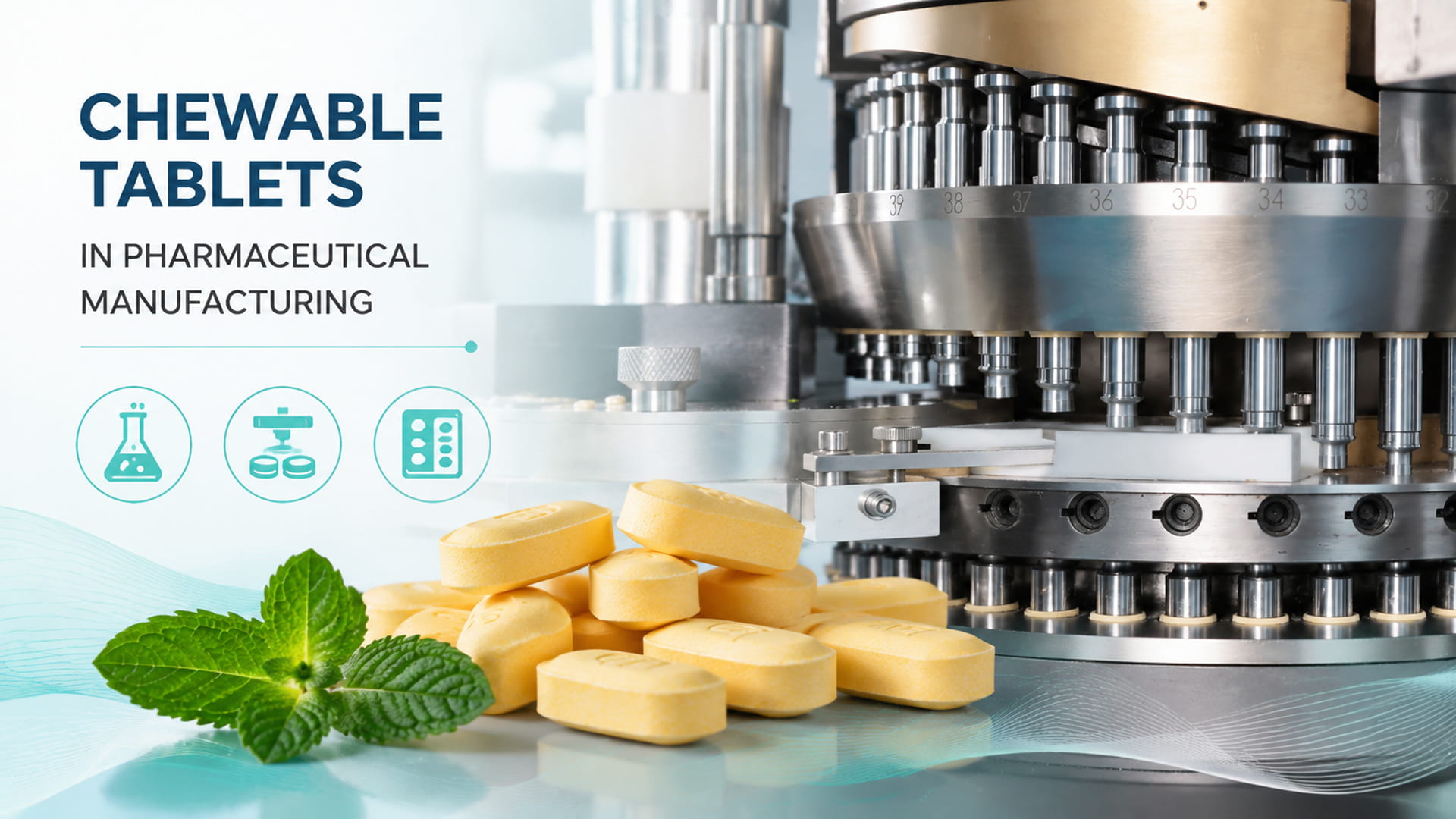
تولید قرص های جویدنی تا حد زیادی از فرآیند تولید قرص استاندارد پیروی می کند, با چند ترفند ویژه برای جویدن و طعم. در زیر مروری بر مراحل کلیدی در تولید مواد جویدنی است:
در هر مرحله, تولید کنندگان از مقررات cGMP پیروی می کنند (به عنوان مثال. FDA 21 قسمت CFR 211 در ایالات متحده) برای اطمینان از پاکیزگی, دقت, و قابلیت ردیابی. پرس های تبلت مدرن اغلب دارای کنترل های PLC برای تنظیم فشار و سرعت هستند, و ویژگی هایی مانند سنسورهای نیرو برای حفظ فشرده سازی ثابت. برای جویدنی ها, یک کلید به سادگی فشار دادن "آرام اما یکنواخت" است.
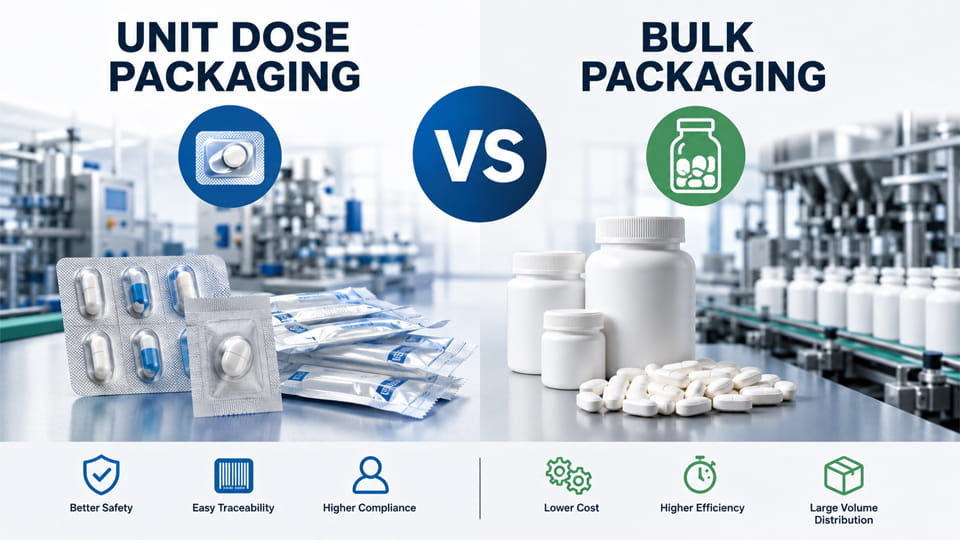
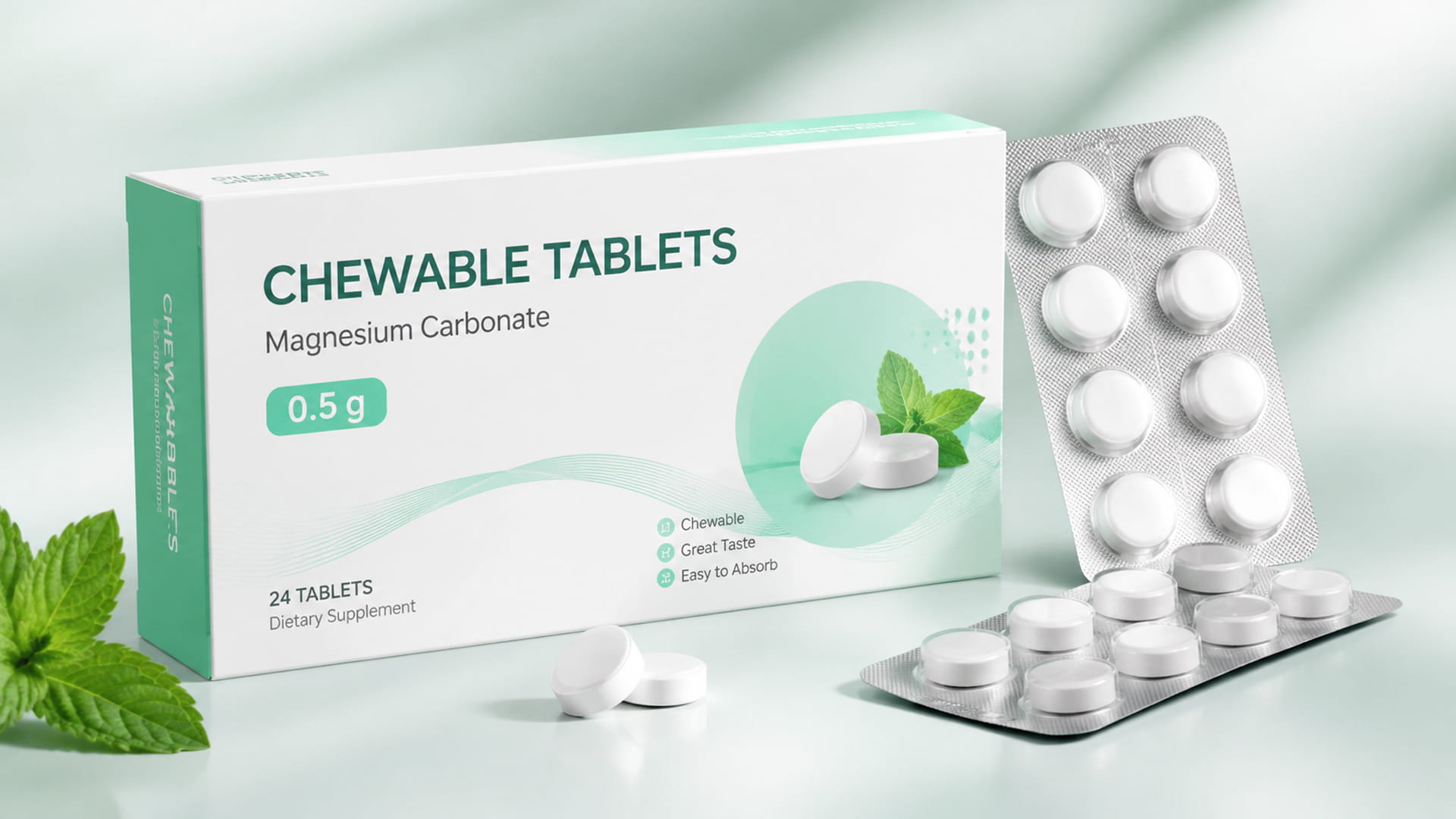
پس از تولید, قرص های جویدنی برای تازه و موثر ماندن به بسته بندی مناسب نیاز دارند. در زیر رویکردهای رایج بسته بندی و تجهیزات مورد استفاده آورده شده است:


کارتن ها ممکن است کاملا اتوماتیک باشند (نیازی به اپراتور انسانی نیست) و شامل سنسورهایی برای اطمینان از اینکه هر جعبه دارای درج مناسب است و به درستی مهر و موم شده است. از مزایای کارتن سازی خودکار می توان به سرعت و قوام بسیار بالاتر در مقایسه با بسته بندی دستی اشاره کرد. همانطور که یک مهندس بسته بندی یک بار به طعنه گفت, کارتن سازها می دهند ” ظاهری حرفه ای, کارتن های مقاوم در برابر دستکاری” با حداقل نیروی کار.
نکته: اگر قرص های جویدنی شما داخل بطری ها می رود (به عنوان مثال. بطری های ویتامین), ممکن است تاول نباشد, اما آن بطری ها اغلب داخل کارتن نیز می روند, به دنبال همان فرآیند کارتن سازی.
این به طور کامل خط بطری خودکار برای محصولات جویدنی مانند جویدن ویتامین D یا قرص های کلسیم جویدنی که در بطری فروخته می شوند ایده آل است.. این اطمینان حاصل می کند که هر بطری تعداد صحیحی دارد (دقیق فکر کن 60 قرص های جویدنی ویتامین C در هر شیشه) و سرعت تولید را افزایش می دهد.
کیفیت & رعایت: همه این دستگاه های بسته بندی باید استانداردهای دارویی را رعایت کنند. به عنوان مثال, خطوط تاول و کارتن سازی با مشخصات cGMP ساخته شده اند (21 CFR 211 در ایالات متحده) با طراحی بهداشتی, قابلیت ردیابی, و پروتکل های اعتبار سنجی. سیستم های بینایی درون خطی اغلب سطوح پر شدن و آب بندی را بررسی می کنند, جلوگیری از خطاها. مهر و موم بسته بندی خوب در کیفیت محصول: مطالعات نشان می دهد که برداشتن یک قرص از بسته بندی آن به طور پیش از موعد باعث تسریع تخریب می شود. به طور خلاصه, سرمایه گذاری در بسته بندی قوی (مانند تاولهای با مانع بالا و کارتنها/پیشخوانهای دقیق) برای ایمن نگه داشتن قرص های جویدنی از کارخانه به بیمار بسیار مهم است.
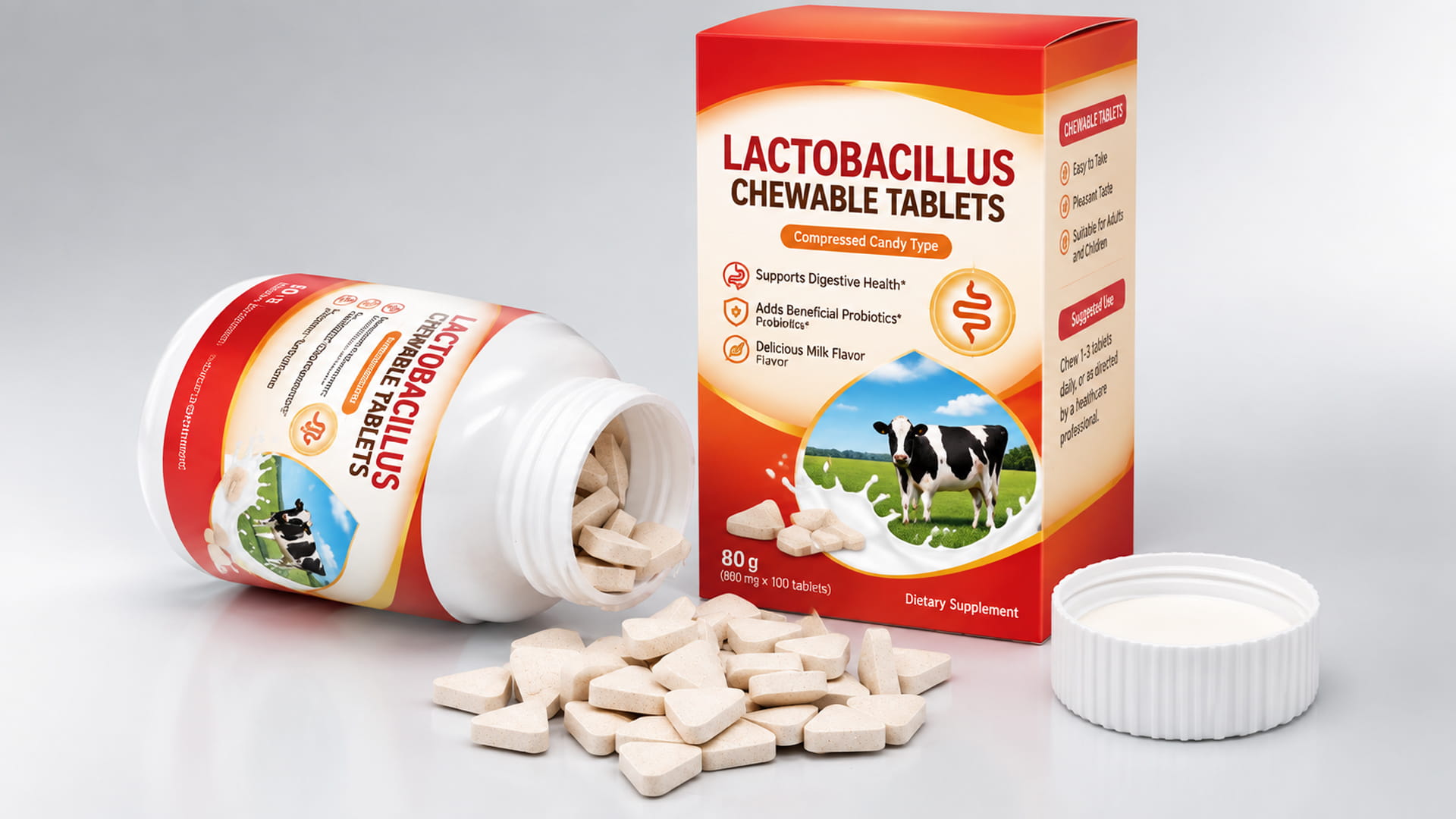
خلاصه, قرص های جویدنی هستند بیمار پسند و فرم دوز همه کاره در داروسازی. آنها انطباق را بهبود می بخشند (بدون نیاز به آب!), و با تکنیک های فرمولاسیون مدرن (شیرین کننده, طعم ها) آنها می توانند طعم بسیار خوبی داشته باشند. تولید آنها از تجهیزات استاندارد قرص سازی استفاده می کند با چند ترفند: فشرده سازی کم فشار, مشت های مخصوص, و کنترل کیفیت دقیق. بسته بندی نیز نقش کلیدی ایفا می کند - دستگاه های تاول زنی, کارتن سازها, و خطوط شمارش تضمین می کند که هر قرص جویدنی تازه می ماند و به درستی در بسته بندی مصرف می شود.
اگر در زمینه تولید دارو یا مواد غذایی هستید و در حال بررسی تولید قرص های جویدنی هستید, به یاد داشته باشید: شریک تجهیزات مناسب می تواند تفاوت بزرگی ایجاد کند. تولید کنندگان دوست دارند بسته بندی جینلو پرس های تبلت سفارشی را ارائه دهید, تاول بسته کننده ها, و کارتن های ساخته شده برای محصولات جویدنی. این که آیا شما نیاز به یک رایانه لوحی دوار برای هزاران قرص جویدنی در ساعت یا یک خط تاول پر سرعت برای بستن برگه های ویتامین شما, تجهیزات با کیفیت تولید شما را کارآمد و تبلت های شما را مناسب بیمار نگه می دارد.
آماده برای تقویت خط قرص جویدنی شما? با کارشناسان بسته بندی جینلو تماس بگیرید برای راه حل های تولید و بسته بندی قرص های دارویی مناسب
قرص جویدنی یک شکل دوز جامد خوراکی است که برای جویدن قبل از بلع طراحی شده است. این دارو در مقایسه با قرص های سنتی تجویز آسان تری را ارائه می دهد و معمولاً برای محصولات دارویی استفاده می شود, ویتامین ها, و مکمل های غذایی.
قرص های جویدنی از طریق فرآیندی تولید می شوند که شامل اختلاط مواد است, دانه بندی یا فشرده سازی مستقیم, فشار دادن تبلت, تست کیفیت, و بسته بندی. دستگاه پرس قرص چرخشی معمولاً برای تولید اندازه قرص ثابت استفاده می شود, وزن, و سختی.
تجهیزات اصلی مورد استفاده برای تولید قرص های جویدنی شامل دستگاه پرس تبلت می باشد, مخلوط کن پودر, قرص, ردیاب فلزی, دستگاه بسته بندی تاول, ماشین شمارش, و دستگاه کارتن سازی. انتخاب تجهیزات به ظرفیت تولید و نیازهای بسته بندی بستگی دارد.
تفاوت اصلی در نحوه مصرف آنهاست. قرص های معمولی به طور کامل بلعیده می شوند, در حالی که قرص های جویدنی برای جویدن قبل از بلع طراحی شده اند. قرص های جویدنی معمولاً برای دستیابی به طعم بهتر به فرمولاسیون خاصی نیاز دارند, بافت, و عملکرد جویدن.
بله. پرس قرص چرخشی می تواند با تنظیم نیروی فشرده سازی، قرص های جویدنی تولید کند, طراحی ابزار, و پارامترهای تولید. تنظیمات مناسب دستگاه به دستیابی به تعادل لازم بین قدرت و جویدن قرص کمک می کند.
نمونه های رایج شامل قرص های جویدنی ویتامین C است, مولتی ویتامین های جویدنی, قرص کلسیم جویدنی, قرص آهن جویدنی, و قرص های جویدنی ویتامین D. این محصولات به طور گسترده در مکمل های غذایی و کاربردهای دارویی استفاده می شود.
نه همیشه. اگرچه فرآیند فشرده سازی مشابه است, قرص های جویدنی نیاز به توجه بیشتری به طعم دارند, احساس دهان, سختی, و ثبات فرمولاسیون. تولیدکنندگان باید هم کیفیت محصول و هم تجربه کاربر را به دقت کنترل کنند.
محلول های بسته بندی متداول برای قرص های جویدنی شامل بسته بندی تاولی است, سیستم های شمارش بطری, و ماشین های کارتن. یک دستگاه بسته بندی دارویی مناسب به محافظت از قرص ها در برابر رطوبت کمک می کند و دقت را تضمین می کند, تولید کارآمد.
قرص های ویتامین جویدنی به دلیل راحت بودن محبوب هستند, آسان برای گرفتن, و برای کودکان و بزرگسالانی که در بلعیدن قرص ها مشکل دارند بیشتر قابل قبول است. محصولاتی مانند ویتامین C جویدنی و مولتی ویتامین های جویدنی به طور گسترده در بازار مکمل ها استفاده می شوند.
انتخاب خط تولید قرص جویدنی به عواملی مانند اندازه قرص بستگی دارد, ظرفیت تولید, سطح اتوماسیون, و روش بسته بندی. تولیدکنندگان دارو باید هنگام انتخاب ماشین آلات، تجهیزات فشرده سازی قرص و راه حل های بسته بندی پایین دستی را در نظر بگیرند..
مراجع:
1.ملاحظات ویژگی های کیفیت برای قرص های جویدنی راهنمای صنعت —— ایالات متحده. سازمان غذا و داروی
2.قرص های جویدنی: مروری بر ملاحظات فرمولاسیون —— فارم تک
3.قرص های جویدنی: بررسی جامع -- مجله آسیایی تحقیق و توسعه دارویی
4.تدوین, ساخت و ارزیابی قرص های جویدنی —— pharmapproach.com
5.قرص پاراستامول نرم جویدنی به روش ذوب دانه بندی: فرمولاسیون و خصوصیات —— کتابخانه ملی پزشکی