
Los suplementos de fibra están en auge, impulsados por las tendencias en la salud intestinal y el control del peso.. De hecho, La fibra es “una de las categorías más versátiles” de los nutracéuticos y el mercado global está creciendo rápidamente. (unos 10.400 millones de dólares en 2025 a ~$11,3 mil millones en 2026). Si haces suplementos, tu sabes fibra (soluble o insoluble) es un ingrediente clave. Los ejemplos comunes incluyen la cáscara de psyllium., inulina, metilcelulosa y dextrina de trigo. Fibras solubles (como psyllium o inulina) Puede gelificarse en agua y alimentar a las bacterias intestinales., mientras que las fibras insolubles (como celulosa) agregar bulto. Estas fibras apoyan la salud digestiva y cardiometabólica., haciéndolos populares en suplementos prebióticos y para la salud intestinal. En esta guía explicaremos cómo se formulan los suplementos de fibra., fabricados y empaquetados, desde polvos de fibra cruda hasta máquinas llenadoras de cápsulas y paquetes en barra, para que pueda planificar una línea de producción fluida para 2026.
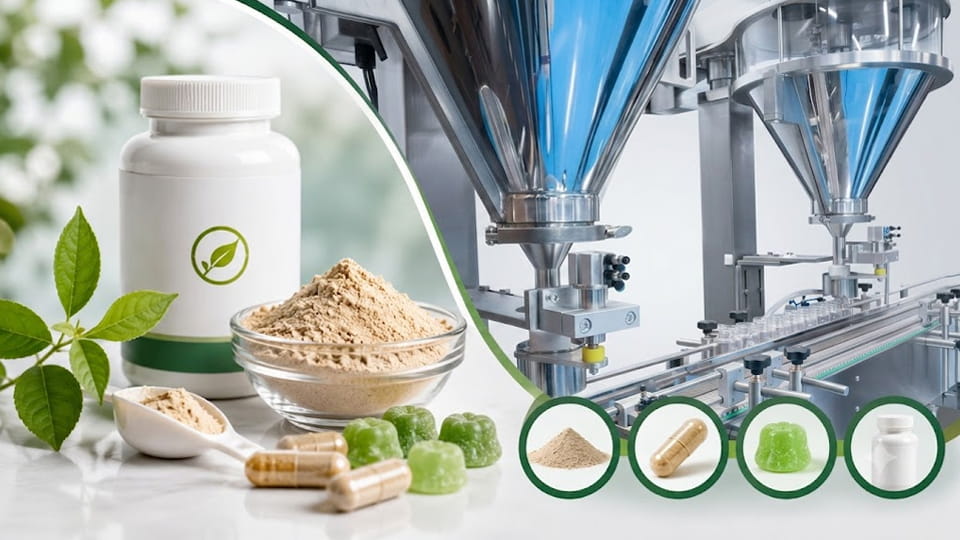
Los suplementos de fibra proporcionan fibra dietética. (soluble e insoluble) en forma concentrada. Fibras solubles (p.ej. recuerda psyllium, inulina, glucomanano) disolver en agua para formar geles viscosos que ayudan a la digestión, apoya la salud intestinal y ayuda a reducir el colesterol. Fibras insolubles (p.ej. celulosa, salvado de trigo, linaza) agregar volumen a las heces, facilitar las deposiciones. Los ingredientes comunes de los suplementos incluyen psilio y inulina, A menudo se comercializa para la salud digestiva.. La Clínica Mayo señala que la inulina y el psyllium se encuentran entre los suplementos de fibra más populares.. La ingesta de fibra ayuda a regular la función intestinal y puede ayudar a controlar el peso al aumentar la saciedad.. La mayoría de los suplementos de fibra vienen en uno de tres formatos..
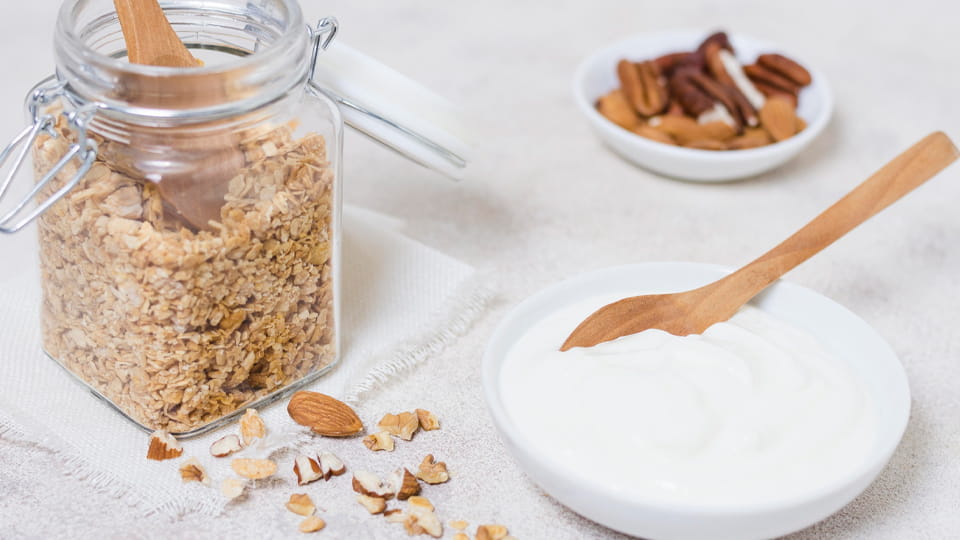
Cada formato (polvo, cápsula, pegajoso) Implica diferentes equipos de procesamiento y envasado., por eso las marcas suelen especializarse por formato. Las fórmulas ricas en fibra, como la cáscara de psyllium, son higroscópicas y requieren un cuidadoso control de la humedad en el envase..
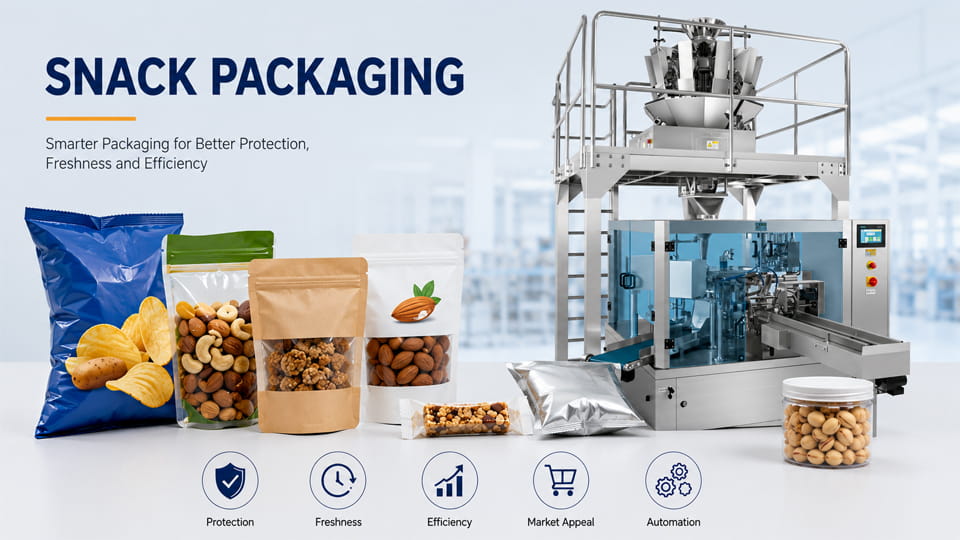
Después de mezclar, La fibra en polvo debe envasarse en un formato apto para el consumidor.. el mas comun factores de forma de polvo son sobres o paquetes individuales, y contenedores a granel (tinas/frascos). Los polvos monodosis son cada vez más populares para su uso mientras viaja (piense en un sobre de mezcla para bebida de fibra de psyllium), mientras que los botes/frascos son adecuados para suplementos diarios en dosis altas.
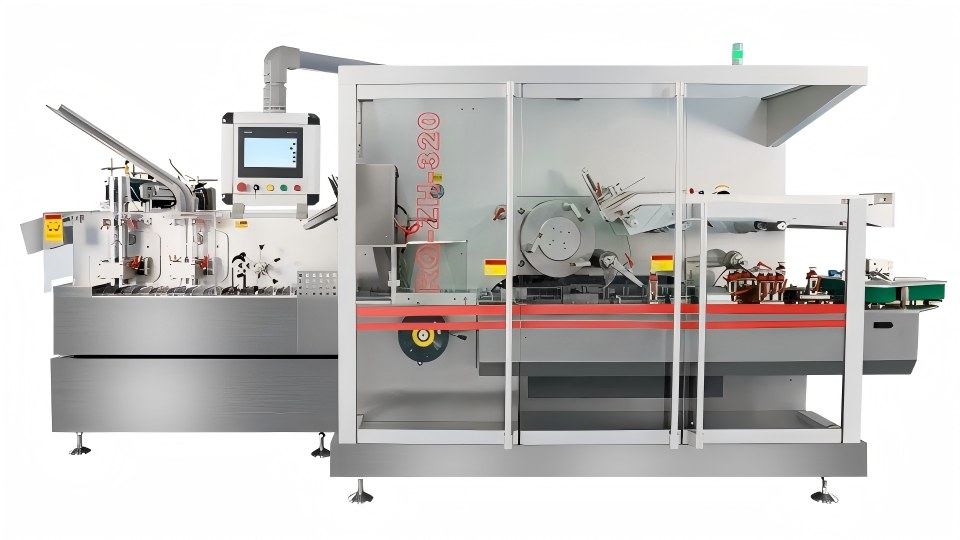
 Cifra: Máquina de envasado en barras de alta velocidad que produce sobres individuales de fibra en polvo.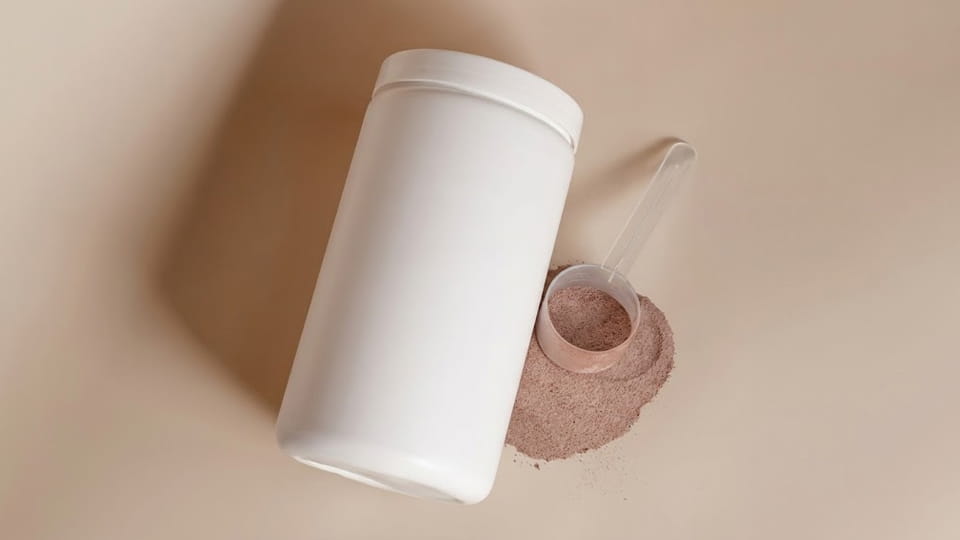
en todos los casos, Las piezas en contacto con el material suelen ser 316L acero inoxidable, y el cambio está diseñado para ser rápido (diferentes anchos de paquetes o tamaños de contenedores). Al configurar tu línea, considere que los polvos tienen un flujo diferente que las tabletas: es posible que necesites agitadores, dispersores o incluso una transferencia al vacío para garantizar que cada sobre o frasco reciba la dosis completa de fibra.
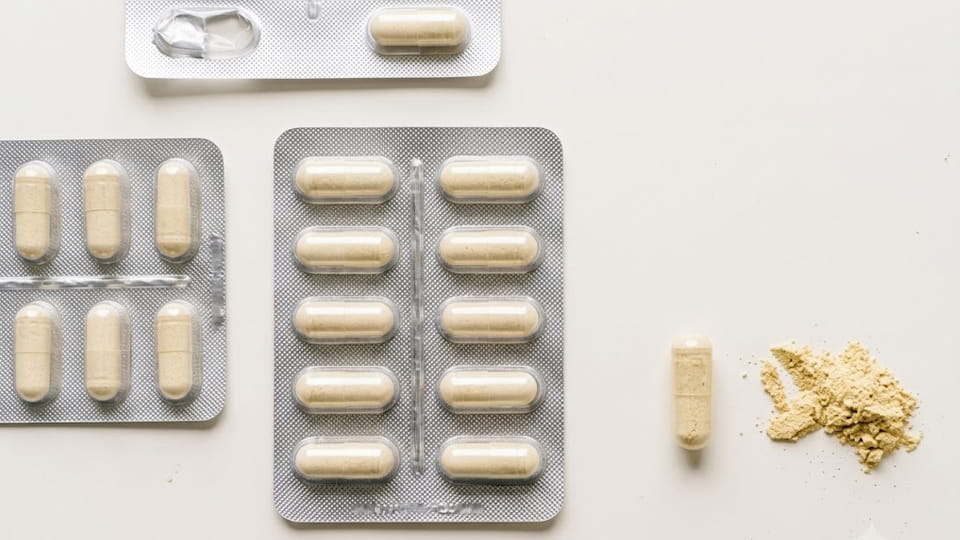
La fibra también entra cápsula o tableta forma (p.ej. cápsulas de cáscara de psyllium, comprimidos de metilcelulosa). El proceso aquí es similar a cualquier suplemento.: después del llenado, Los productos están empaquetados para la venta al por menor..
Independientemente de la forma, las etiquetas son cruciales. La ley federal requiere Datos suplementarios, lista de ingredientes, instrucciones, y lote/vencimiento en el contenedor. Sellos a prueba de manipulaciones (como sellos de inducción de aluminio debajo de la tapa) son estándar, Y muchas marcas añaden desecantes en el interior para protegerlo de la humedad.. En la práctica, Cada botella o caja incluirá un código de barras y un código de lote para su trazabilidad..
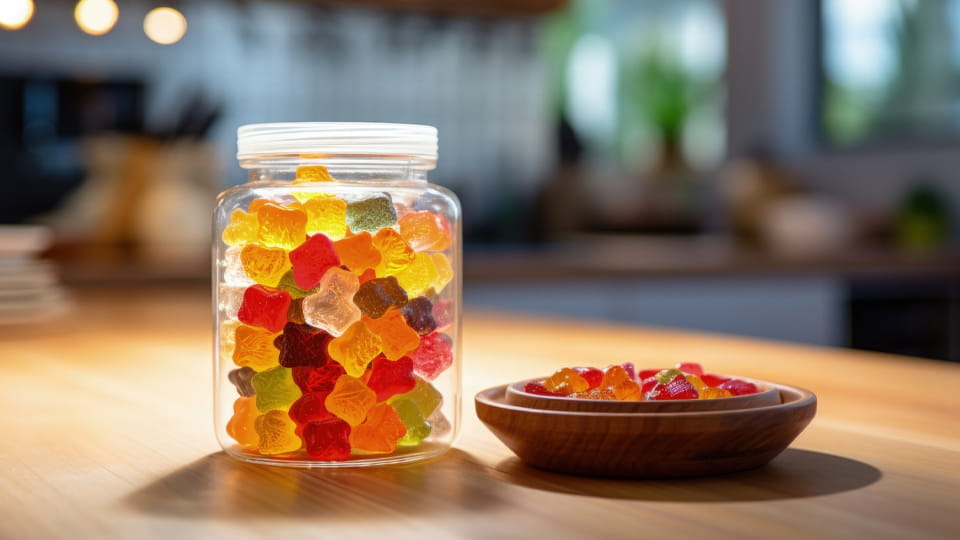
La fibra también se puede entregar en forma de gomitas. (pensar "vitaminas gomosas de fibra"para niños o adultos). La producción es similar a la de los dulces.: una gelatina- o se cocina una mezcla de fibras a base de pectina, vertido en moldes, enfriado, luego cortar. Después de formar, Las vitaminas gomosas son manejadas por equipo de llenado de confitería.
Para embalaje, Las gomitas de fibra suelen entrar. frascos o blisters con barreras contra la humedad. Las máquinas contadoras automáticas pueden dividir una cantidad fija de gomitas en frascos, o las máquinas de blister pueden formar cavidades y sellar cada pieza de goma en tarjetas con respaldo de aluminio.. El embalaje adecuado es clave, Dado que las gomitas están húmedas, los frascos sellados o los blísteres de alta barrera las protegen de la humedad.. (Muchas gomitas de vitamina C o melatonina utilizan equipos similares.) En cualquier caso, El etiquetado y la codificación de lotes se aplican igual que para los polvos y las cápsulas..
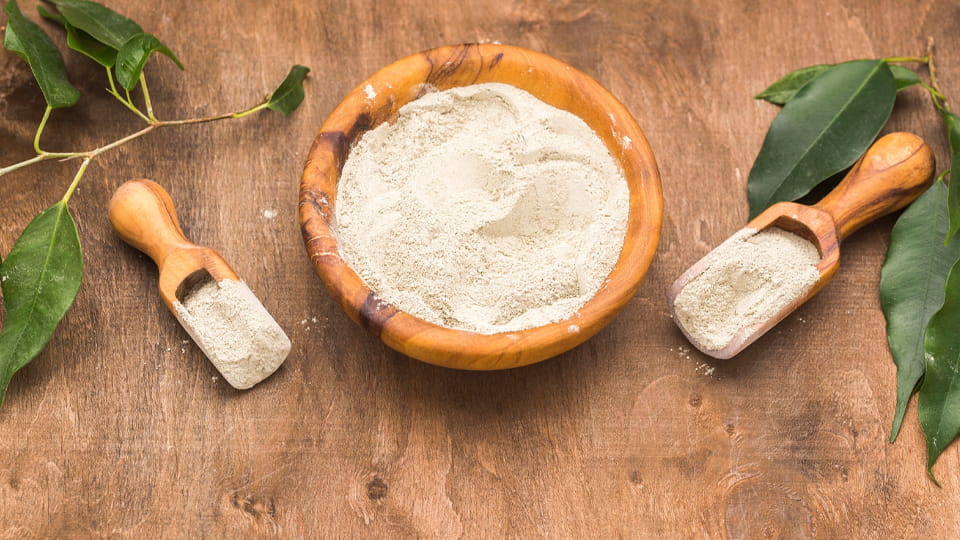
Los suplementos de fibra a menudo combinan fibras de origen vegetal para alcanzar los objetivos funcionales y de dosis.. Psyllium recuerda (soluble, viscoso) es un éxito de ventas para el alivio digestivo. inulina (un prebiótico derivado de la achicoria) y metilcelulosa son otras fibras solubles comunes. Dextrina de trigo y goma de acacia (goma arábiga) agregue fibra soluble con sabor suave. glucomanano (raíz de konjac) y betaglucano (de avena/cebada) Son fibras solubles de alta viscosidad.. A veces se añaden fibras insolubles como celulosa o dextrina resistente como rellenos o agentes de volumen.. Todos son de origen vegetal y a menudo están etiquetados como suplementos de “salud digestiva” o “salud intestinal”.. En la práctica, Los suplementos de fibra pueden estar etiquetados como "fibra prebiótica" para las mezclas de inulina/FOS., o “suplemento de cáscara de psyllium” en el frasco, destacando los beneficios intestinales y de regularidad.
Nota del formulador: diferentes fibras se comportan de manera diferente. Las fibras solubles pueden aglutinarse o gelificarse cuando están mojadas., por lo que las fórmulas suelen incluir agentes antiaglomerantes. Los polvos más finos fluyen mejor; la granulación o mezcla mejora la uniformidad. Los fabricantes mezclan fibra con agentes de volumen o saborizantes. (para sabor y mezclabilidad) en mezcladoras o licuadoras de cinta para obtener un polvo consistente. Los productos de fibra de alta calidad también cumplen con los estándares cGMP.; Los productores realizan pruebas in situ de humedad y pureza., y utilizar líneas de procesamiento de calidad farmacéutica.
El proceso de fabricación de suplementos de fibra sigue prácticas nutracéuticas estándar, pero debe tener en cuenta las propiedades únicas de los ingredientes de fibra. (p.ej. solubilidad gelatinosa, polvo).
En resumen, el flujo es: Materias primas → Premezcla → Mezcla → Llenado de formularios (cápsula, bolsita, botella) → Sellado/Tapizado → Etiquetado → Embalaje secundario (caja de cartón).
Para construir una línea de suplementos de fibra, integrarás varios equipos. Las máquinas comunes incluyen:
En la práctica, una línea de suplementos de fibra podría verse así: Los polvos crudos van a una licuadora → llenadora de barrena → taponadora de botellas → etiquetadora → estuchadora. O, para paquetes de barras: licuadora → empacadora de barras de varios carriles → salida de bolsas. Como JinLuEmbalaje notas, Las líneas de suplementos suelen utilizar forma-llenado-sellado vertical (Vffs) maquinas para sobres de polvo y líneas de llenado de botellas para líquidos/pastillas. Las líneas de producción avanzadas también incluyen detección de metales e inspección visual para mayor seguridad..
Punto clave: Cada máquina debe manejar las propiedades de flujo de la fibra.. Muchos sistemas incluyen vibración o agitación en tolvas para mantener las fibras pegajosas en movimiento. Los tornillos sin fin o los dosificadores volumétricos garantizan la dosis correcta; Las pesadoras multicabezal pueden pesar mezclas antes del llenado.. Los materiales del equipo son acero inoxidable apto para uso alimentario., y limpieza en el lugar (PIC) Las características ayudan a cumplir con la higiene GMP..
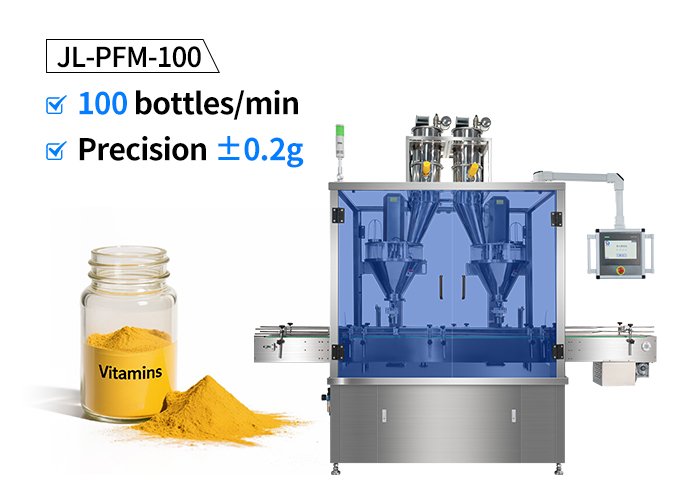
Los suplementos de fibra son de alto valor., categoría en crecimiento, pero exigen el enfoque correcto de procesamiento y envasado. De granulación de polvos de psyllium e inulina a llenar cápsulas o paquetes de barras, cada paso requiere equipo especializado (mezcladores, relleno, máquinas de cápsulas, empacadores de palos, etc.) y estrictos controles de calidad. Líneas de envasado automatizadas (llenadores de botellas, máquinas de ampolla, estaciones de etiquetado) garantizar una dosificación constante y seguridad para los polvos, tabletas, cápsulas o gomitas.
Listo para ampliar su línea de suplementos de fibra? Una solución de embalaje completa le ayudará a realizar el lanzamiento a tiempo y cumplir 2026 estándares de calidad. Póngase en contacto con los expertos de Jinlu Packing: Ofrecemos maquinaria llave en mano, desde mezcladoras de polvo y llenadoras de sinfín hasta máquinas de envasado en barra y blister, diseñadas para suplementos dietéticos. Nuestro equipo está construido para Cumplimiento de GMP, alta precisión y cambios rápidos. Permítanos ayudarle a producir suplementos de fibra. (polvos de fibra, cápsulas o gomitas) que se mantenga fresco, seguro y dentro del presupuesto. Obtenga una cotización o más información sobre soluciones de envasado de suplementos de fibra hoy.
La mayoría de los suplementos de fibra se producen utilizando ingredientes de fibra naturales o de origen vegetal.. Las materias primas comunes incluyen la cáscara de psyllium., inulina, dextrina de trigo, fibra de acacia, metilcelulosa, y glucomanano. Dependiendo del posicionamiento del producto, Los fabricantes pueden utilizar una única fuente de fibra o combinar múltiples fibras solubles e insolubles para crear una fórmula equilibrada para la salud digestiva e intestinal. Los suplementos de fibra están disponibles en varias formas., incluyendo polvos, cápsulas, gomitas, tabletas, y paquetes de palos.
El proceso de fabricación de suplementos de fibra generalmente incluye el abastecimiento de ingredientes., mezcla de fórmulas, mezclando, granulación (si es necesario), llenado o compresión, embalaje, y pruebas de calidad. Los productos en polvo generalmente se mezclan antes de llenarlos en botellas o paquetes en barra., mientras que las cápsulas se llenan utilizando máquinas llenadoras de cápsulas automáticas. Las gomitas requieren cocción, depositando, enfriamiento, y embalaje.
Los formatos de envases de suplementos de fibra más comunes incluyen:
• Botellas de HDPE o PET
• Paquetes de barras
• Bolsitas
• Bolsas
• Blísteres (principalmente para cápsulas)
• Frascos
El envase ideal depende de la forma farmacéutica., posicionamiento del producto, mercado objetivo, y canal de distribución.
Para embalaje de fibra en polvo, paquetes de palos, bolsitas, y las botellas son las opciones más populares.
Los paquetes en barra son ideales para viajes y conveniencia de una sola porción, mientras que las botellas se usan comúnmente para productos domésticos más grandes. Se recomiendan materiales de embalaje a prueba de humedad para ayudar a mantener la estabilidad del polvo y su vida útil..
Muchos ingredientes de fibra dietética son higroscópicos., lo que significa que absorben la humedad del entorno circundante.. El exceso de humedad puede provocar que el polvo se acumule., fluidez reducida, y vida útil más corta. Utilizar materiales de embalaje adecuados, sellado adecuado, y las soluciones de control de humedad, como los desecantes, ayudan a mantener la calidad del producto durante el almacenamiento y el transporte..
Dependiendo del formato del producto, Los fabricantes suelen utilizar:
• Máquinas llenadoras de polvo
• Máquinas de llenado de cápsulas
• Clasificadores de botellas
• Máquinas taponadoras
• Etiquetadoras
• Máquinas estuchadoras
• Máquinas envasadoras de stick packs y bolsitas
La selección de equipos compatibles ayuda a mejorar la precisión del llenado, eficiencia de producción, y consistencia del embalaje.
Al seleccionar una solución de embalaje, Los fabricantes deberían considerar:
• Formato del producto (polvo, cápsula, pegajoso, o tableta)
• Capacidad de producción
• Precisión de llenado
• Compatibilidad del material de embalaje
• Nivel de automatización
• Cumplimiento normativo
• Expansión futura de la producción
Una línea de embalaje escalable puede reducir los costos operativos y al mismo tiempo respaldar el crecimiento empresarial a largo plazo..
Un proveedor de equipos confiable debe proporcionar:
• Experiencia con envases de suplementos dietéticos.
• Soluciones de línea de producción personalizadas
• Rendimiento estable de la máquina
• Soporte técnico y capacitación
• Disponibilidad de repuestos
• Servicio postventa
• Cumplimiento de entornos de producción orientados a GMP
Elegir un proveedor experimentado puede ayudar a reducir el tiempo de inactividad y mejorar la eficiencia general de la producción..
Sí. Muchas líneas de envasado modernas son modulares y se pueden configurar para envasar diferentes formatos de productos., como fibra en polvo, cápsulas, tabletas, o gomitas. Con cambios adecuados de piezas y ajustes de la máquina., Los fabricantes pueden mejorar la utilización de los equipos y al mismo tiempo reducir la inversión en múltiples líneas de producción dedicadas..
Suplementos de fibra soluble, como la cáscara de psyllium y la inulina, Se disuelven en agua y se utilizan ampliamente para apoyar la salud digestiva., microbiota intestinal, y manejo del colesterol.
Los suplementos de fibra insoluble principalmente añaden volumen a las heces y ayudan a mantener una evacuación intestinal regular.. Muchos productos modernos combinan ambos tipos de fibra para brindar beneficios para la salud más amplios..
Referencias:
1.Preguntas y respuestas sobre suplementos dietéticos -- A NOSOTROS. Administración de Alimentos y Medicamentos
2.Documentos de orientación sobre suplementos dietéticos & Información regulatoria -- A NOSOTROS. Administración de Alimentos y Medicamentos
3.Los beneficios para la salud de las fibras dietéticas varían —— Institutos Nacionales de Salud
4.Suplementos de fibra y beneficios para la salud clínicamente probados.: Cómo reconocer y recomendar una fibroterapia eficaz —— Biblioteca Nacional de Medicina
5.Inulina y oligofructosa como fibra dietética.: una revisión de la evidencia —— Biblioteca Nacional de Medicina
6.¿Cómo elijo el mejor suplemento de fibra?? —— Clínica Cleveland
7.Tipos de fibra: Fibra Soluble e Insoluble —— WebMD